Pergola vs Gazebo: What’s the Difference?

Some outdoor spaces look complete on paper, then feel off once you start using them. A dining table sits in harsh sun at noon. A seating area feels exposed once the wind picks up. A backyard that looked generous suddenly feels awkward when friends come over and everyone is looking for shade. That is usually the point when the gazebo vs pergola question stops being abstract and starts feeling very real.
Both structures can change how an outdoor space looks and how it gets used, though they do it in different ways. A pergola tends to frame the space without closing it in. A gazebo usually creates more cover and a stronger sense of separation. The better choice comes down to what you want the space to feel like on an ordinary day, not just how the structure looks on its own.
What Is the Difference Between a Gazebo and a Pergola?
The clearest difference is overhead coverage. A pergola is usually built with posts and an open roof made of beams or slats. It gives shape to an outdoor space, but it still lets in light and airflow. A gazebo usually has a full roof, and many versions feel more sheltered from above. Some also include railings, curtains, or screens, which changes the feel even more.
That structural difference affects the whole mood of the space. Pergolas tend to feel airy, open, and visually light. Gazebos feel more defined. In some backyards, that extra enclosure feels comforting. In others, it can feel like the structure becomes the destination rather than part of the larger layout.
So when people compare gazebo vs pergola, they are usually deciding between two different kinds of outdoor experience. One keeps the space more open. The other creates more cover and more separation.
Why the Choice Feels Bigger Than It Looks
On the surface, this can seem like a style question. In real life, it usually turns into a daily-use question. How hot does the patio get in late afternoon? How much of the yard do you still want to see while sitting down? Will the structure cover a dining setup, a lounge area, or a mix of both? Will the space mostly be used for family dinners, quiet coffee, or larger gatherings that spill across the patio?
A structure changes more than the skyline of a yard. It changes how the space holds furniture, how people move through it, and how often the area gets used without extra setup. That is why the best answer rarely comes from a product photo alone. It comes from thinking about outdoor living in motion.
When a Pergola Makes More Sense
A pergola often works best when you want to give an outdoor space shape without making it feel closed. It can define a dining area or seating layout while keeping the yard visually connected. That matters in backyards where openness is part of the appeal. You still get structure overhead, but the space does not suddenly feel cut off from the garden, pool, or the rest of the patio.
Pergolas also tend to pair well with layouts that are meant to stay flexible. Maybe dinner happens there on Friday night, then the same area shifts into a lounging space on Sunday afternoon. Maybe the yard needs to feel calm when it is just family at home, then social when more people come over. In those situations, a pergola often feels easier to live with because it frames activity rather than enclosing it.
It can also be the better choice if you like a lighter architectural presence. Pergolas usually feel more integrated into a patio, especially when the furniture underneath them has clean lines and enough flexibility to accommodate changing outdoor needs.

When a Gazebo Is the Better Fit
A gazebo usually makes more sense when overhead protection is higher on the list. If the area gets intense midday sun, if you want stronger shade, or if you want the covered area to feel more like a destination, a gazebo can do that more naturally. It creates a stronger sense of shelter from the start.
That can be useful in yards that feel exposed or in outdoor spaces where the goal is to carve out a more distinct gathering zone. Some people want a patio to feel open. Others want one part of the yard to feel tucked in and separate. A gazebo usually does that more easily than a pergola.
It can also be a more comfortable option for longer meals or slower evenings outside, especially when the structure itself is meant to create more overhead comfort from the moment people sit down.

Gazebo vs Pergola for Shade, Privacy, and Flexibility
Shade is often the first thing people think about, and for good reason. Gazebos usually provide more direct overhead coverage because the roof is more complete. Pergolas can still soften sun exposure, though they usually create dappled light rather than full cover unless extra shade elements are added.
Privacy works in a similar way. A gazebo tends to feel more enclosed, especially when it includes curtains, screens, or side detailing. A pergola usually feels more exposed, though that does not mean it cannot feel intimate. Furniture layout, plantings, rugs, and the scale of the seating area all influence privacy more than many people expect.
Flexibility is where pergolas often have an edge. Because they are visually lighter, they can work well with layouts that may evolve over time. A gazebo can feel more fixed in its role. That is not a weakness if you want a dedicated outdoor room feel, though it is worth thinking about before committing to one structure over the other.
Cost and Maintenance in Real Life
Pergolas are often less expensive than gazebos, though the final number depends on size, materials, labor, and how custom the build becomes. A gazebo usually asks more from the budget because the structure is more complete and the roof adds complexity.
Maintenance also deserves more attention than it usually gets in design conversations. The structure matters, though the space underneath matters too. An outdoor setup can look beautiful in a finished photo and still become annoying to keep up with if the furniture, surfaces, and layout are working against daily use.
That is where the broader plan comes in. If you are weighing a gazebo against a pergola, it helps to think past the structure and look at the full outdoor arrangement. A seating plan, the size of the dining area, and how circulation works around the furniture often matter just as much as the roof overhead. For homeowners mapping all of that out at once, outdoor design consultations can make the decision feel a lot clearer.
Entertaining Tells You a Lot
One useful way to think about gazebo vs pergola is to picture a real gathering. Not the staged version, the real one. Drinks set down in different spots. Kids moving in and out. Someone pulling over an extra chair. A corner of the space catching more sun than expected. Those small details usually reveal what kind of structure makes more sense.
If your gatherings tend to flow naturally across the patio and yard, a pergola can feel like the right amount of definition. It gives the space shape without creating too hard an edge. If you want the covered zone to feel more concentrated, more shaded, and more destination-driven, a gazebo may serve the evening better.
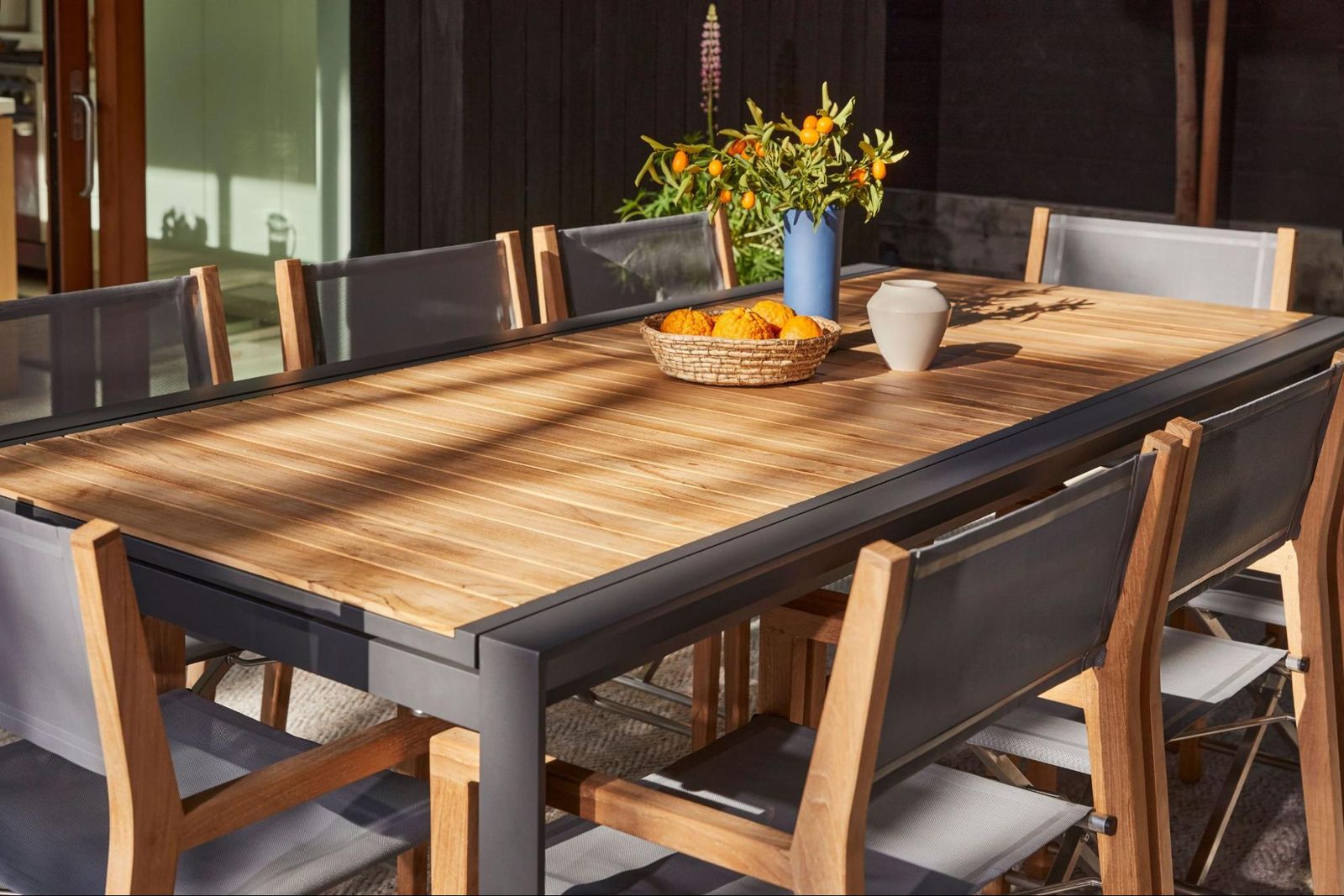
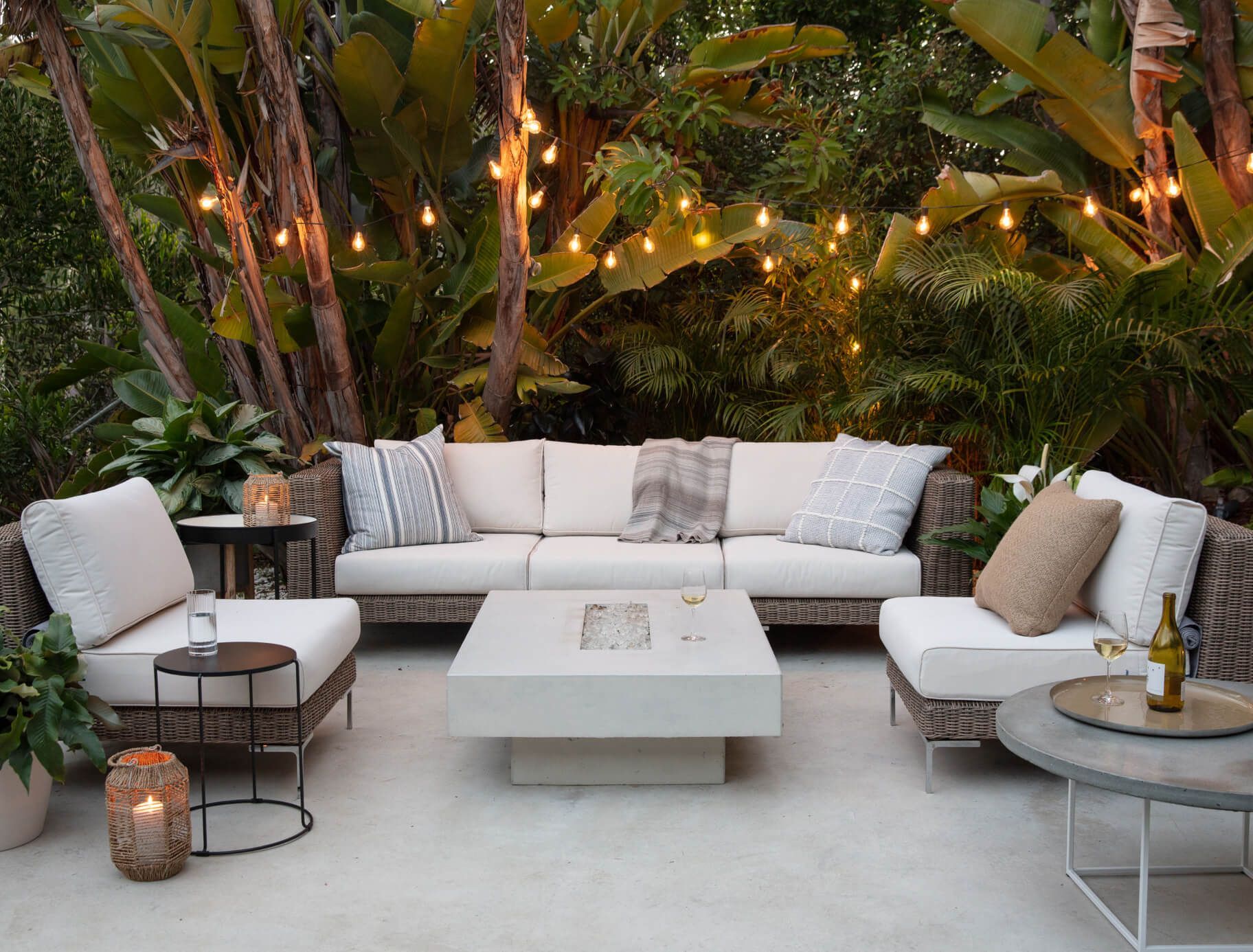
The same is true for how you furnish the area. A lounge setup feels different from a dining setup, and a covered zone built around a fire pit-centered arrangement creates a different rhythm than one centered on a table. The structure sets the tone, but the furniture decides how people actually settle in.
Furniture and Layout Usually Matter More Than People Expect
This is the part that gets overlooked. People can spend weeks debating gazebo vs pergola, then give only a passing thought to what goes underneath. Yet the furniture layout is what determines whether the outdoor space feels easy, welcoming, and worth using several times a week.
A pergola with the right lounge arrangement can feel complete without ever feeling heavy. A gazebo with the wrong proportions can still feel underused. Good outdoor design is rarely about a single feature. It is about how the structure, seating, and circulation work together.
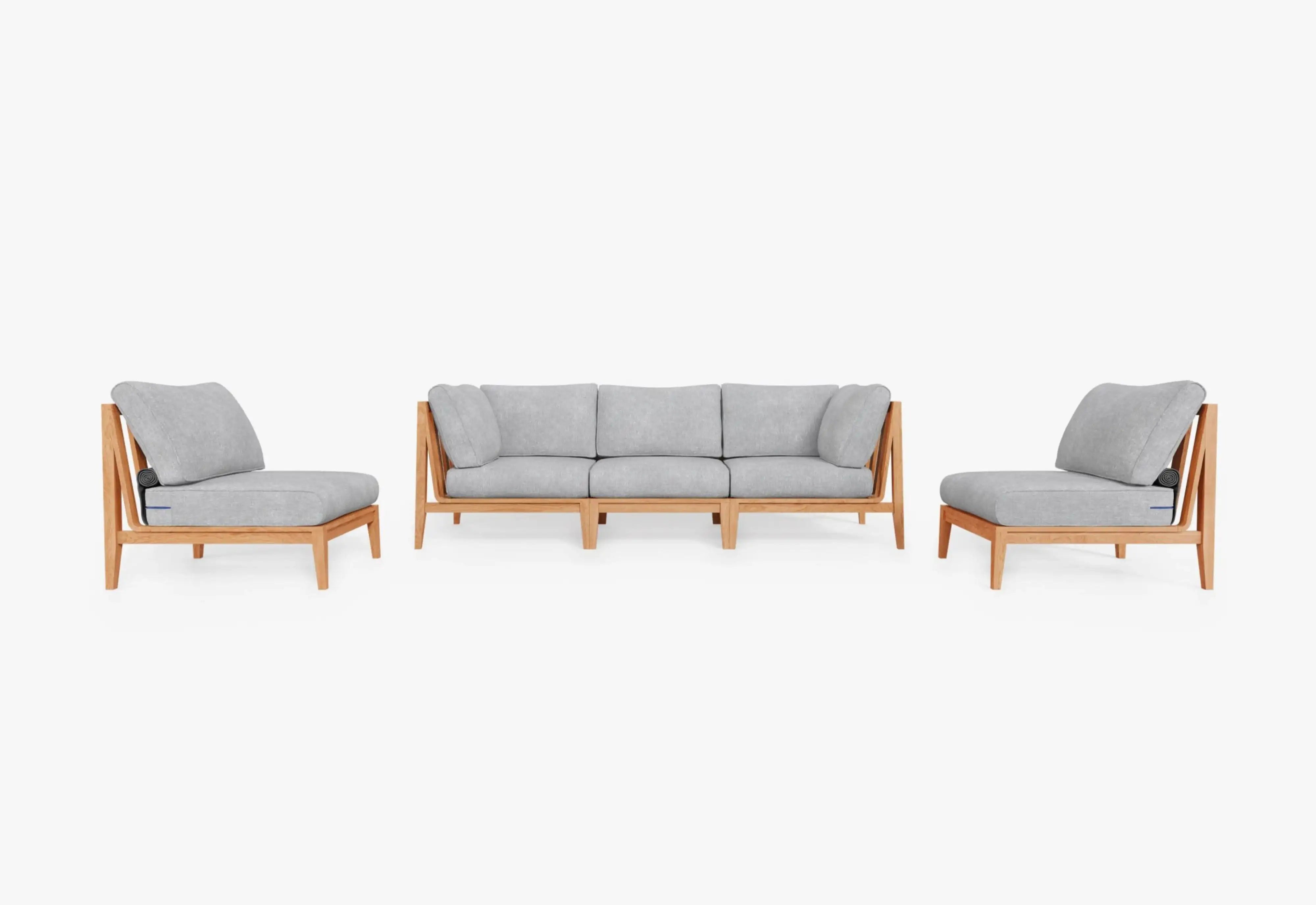
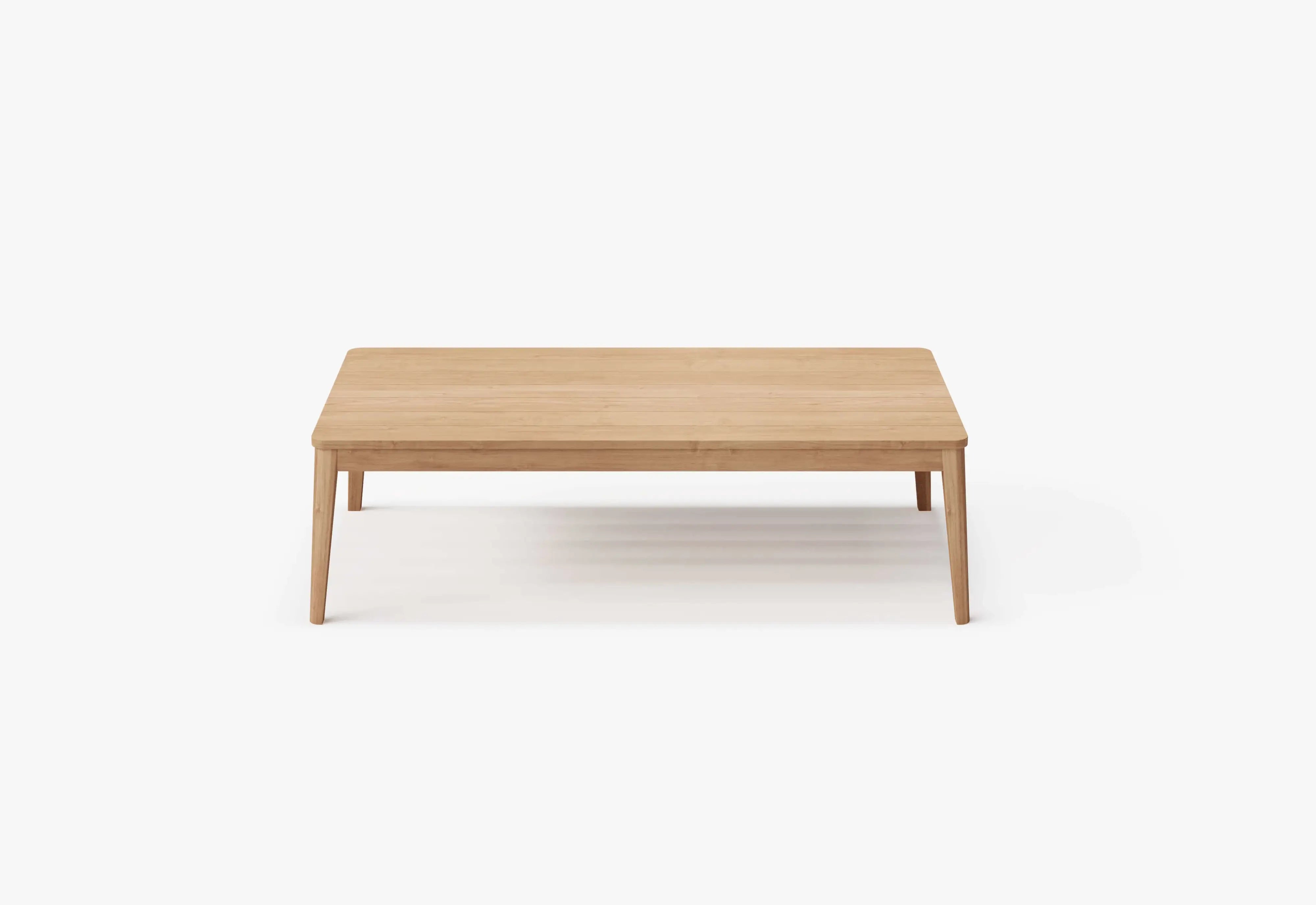
That is why flexible layouts matter so much. In outdoor spaces that need to shift between a quiet family setting and a larger gathering, a modular seating layout can help the area feel more natural over time. Smaller pieces matter too. Coffee tables and side tables help ground the setup, while an outdoor rug can make the space feel more settled under either structure.
What Outer’s Style Adds to the Conversation
At Outer, outdoor living is rarely treated like a single purchase or one dramatic reveal. The better approach is more considered than that. The structure overhead matters, though comfort, flexibility, and ease decide whether the space keeps earning its place in daily life. A backyard should not only look finished. It should feel easy to return to.
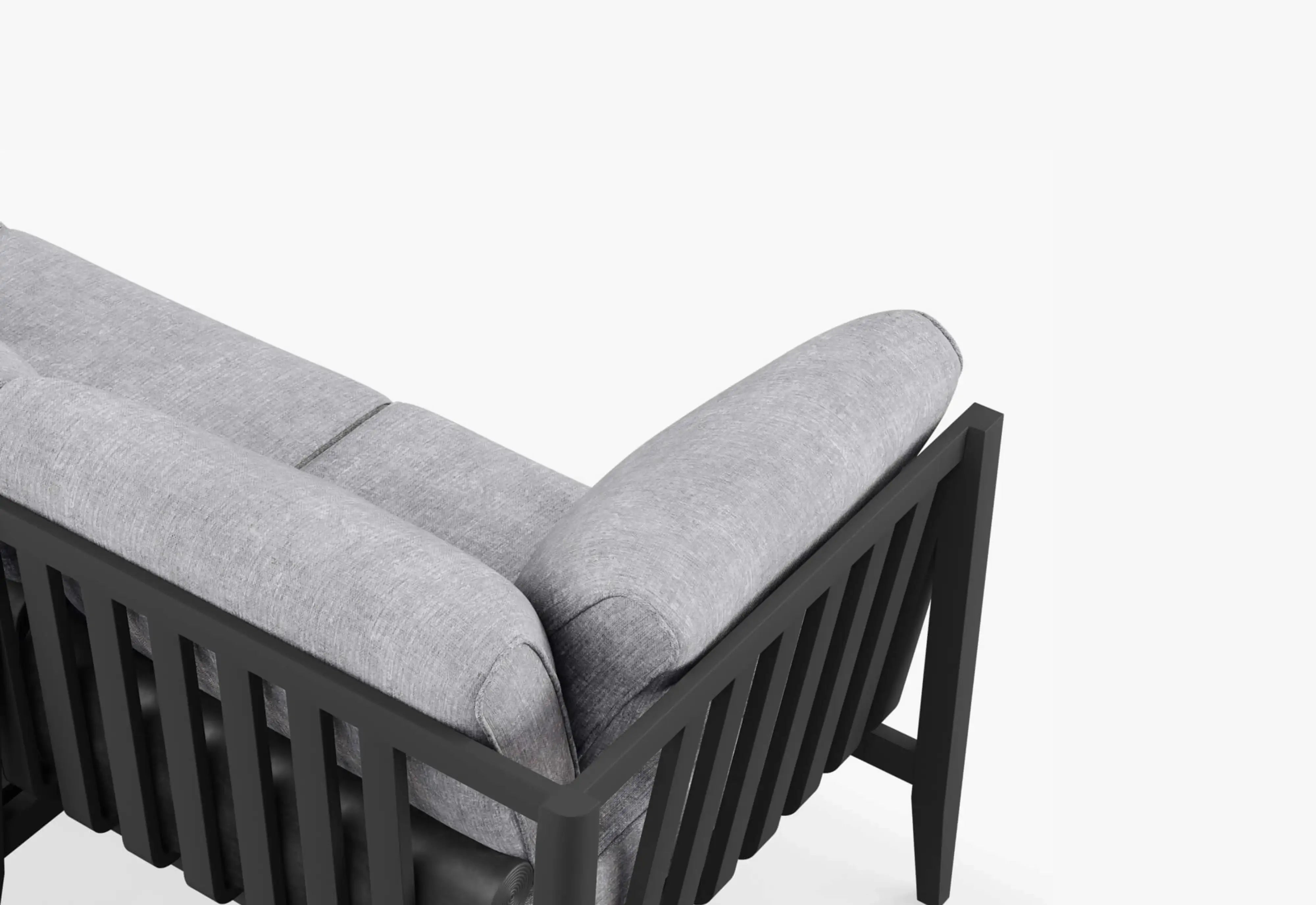
That point becomes even clearer once the structure is in place. Under a pergola, furniture often needs enough visual lightness and flexibility to keep the space open. Under a gazebo, the furniture has to hold up its end of the experience too, with comfort, strong materials, and a layout that does not make the covered zone feel crowded. Outer designs for that longer view of outdoor living. Live Better. Outside.

Final Thoughts on Gazebo vs Pergola
The best answer depends on what you want the outdoor space to do once the project is finished. A pergola often feels lighter, more open, and easier to integrate into a flexible patio layout. A gazebo often feels more sheltered, more defined, and more destination-oriented.
Neither choice is automatically better. The better choice is the one that fits your outdoor space, your climate, and the moments you want the space to hold. Morning coffee, family dinners, quieter evenings, bigger gatherings, all of these ask something a little different from the layout.
Once you know which direction fits the space, the next step is making it feel complete. That usually comes down to seating, scale, comfort, and how naturally the furniture works with the structure around it. Whether the roof overhead is open or fully covered, the goal stays the same: create an outdoor space that feels welcoming, useful, and built for the way you actually live outside.
FAQs About Gazebos and Pergolas
What is the main difference between a gazebo and a pergola?
The biggest difference is the amount of overhead coverage. A pergola usually has an open roof made of beams or slats, which gives the outdoor space structure while keeping it more open to light and airflow. A gazebo usually has a full roof, so it tends to create a more sheltered and more enclosed feel.
Is a gazebo better than a pergola for rain?
In most cases, yes. A gazebo usually offers better protection from rain because the roof is more complete. A pergola can still bring shade and structure to an outdoor space, though it is usually more open unless additional coverage is added.
Which is usually more affordable, a gazebo or a pergola?
A pergola is often more affordable because the structure is typically simpler and may use fewer materials. A gazebo usually costs more because it requires a fuller roof and a more built-out form. Final cost still depends on size, materials, installation, and how custom the project becomes.