


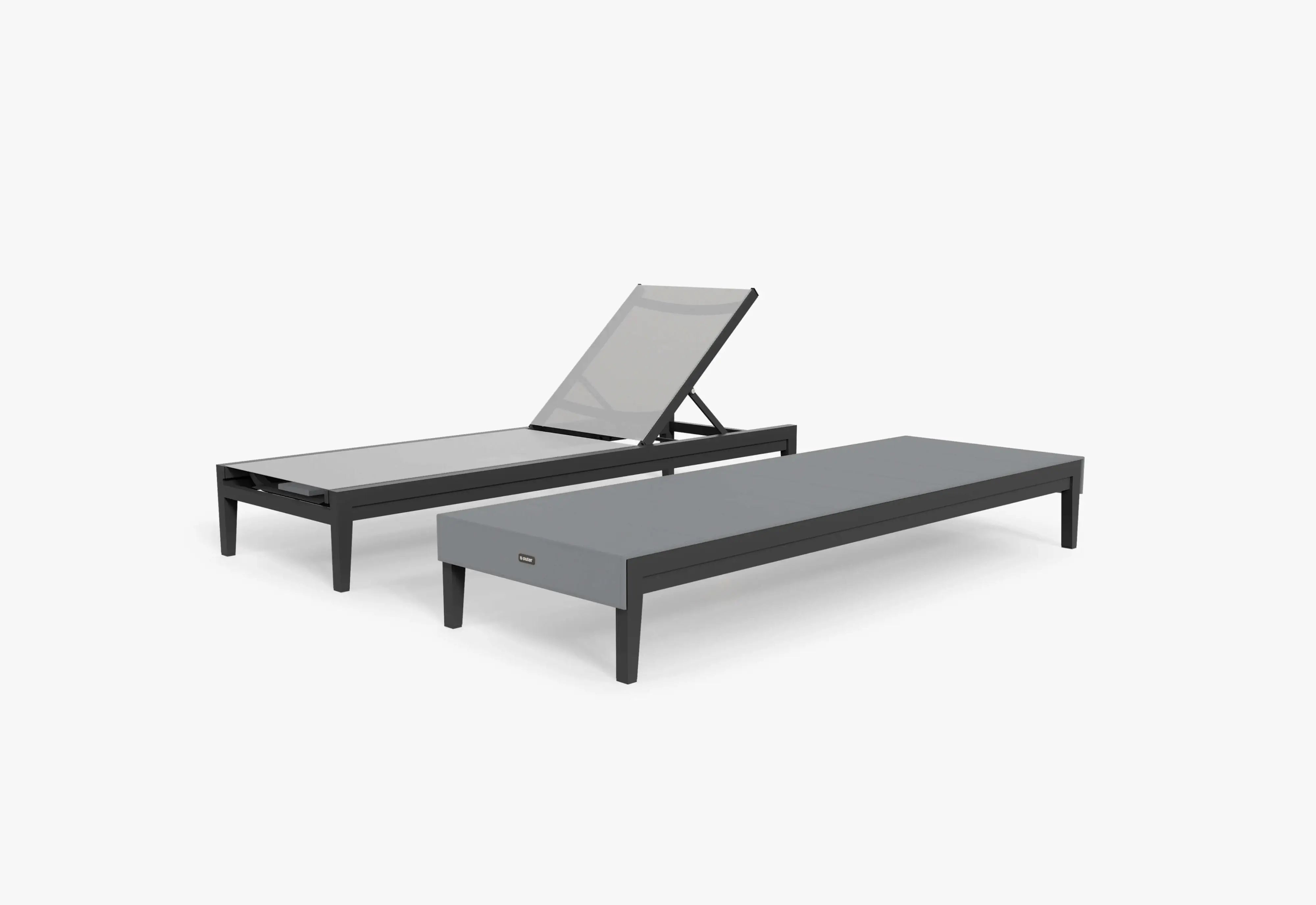
Built for Life Outdoors: Reclining Aluminum Lounge Positions for the Modern Patio

Outdoor furniture that’s truly built for life isn’t defined by how it performs on its best day, but by how it holds up through years of everyday use. Reclining lounge seating, in particular, reveals whether a patio is designed for longevity or simply for initial comfort.
Reclining aluminum lounge positions that are built for life outdoors prioritize structural reliability, repeatable performance, and ease of use—allowing the same piece to remain dependable season after season.
What “Built for Life Outdoors” Really Means
Longevity outdoors is not about avoiding use. It’s about supporting it.
Furniture that’s built for life is expected to be used often, adjusted frequently, and exposed continuously. Reclining positions must remain stable and intuitive even after years of movement, weight shifts, and environmental exposure.
This expectation shapes every design decision.
Reclining Positions Designed for Repetition
Reclining mechanisms are among the most frequently engaged components of a lounge.
Positions that feel secure on day one but loosen over time undermine trust. Built-for-life reclining lounges maintain consistent resistance and locking strength, ensuring that each position feels the same today as it did years ago.
Reliability is what turns adjustability into a long-term feature rather than a short-lived convenience.
Why Aluminum Supports Long-Term Reclining Performance
Material choice matters most under repeated stress.
Aluminum’s strength-to-weight ratio allows frames to support multiple reclining angles without becoming heavy or unstable. Over time, aluminum resists warping, fatigue, and joint deformation—key factors in maintaining reliable recline positions.
This structural integrity is essential for furniture meant to stay outdoors permanently.
Positions That Don’t Require Precision Use
Furniture built for life outdoors should not demand careful handling.
Reclining positions that engage smoothly and hold without fine adjustment allow users to sit, shift, and relax naturally. There’s no need to “find the right spot” every time.
This ease encourages regular use rather than hesitation.
Consistency Across Changing Conditions
Outdoor environments change constantly.
Heat, moisture, and temperature swings place ongoing stress on reclining components. Built-for-life designs account for these variables, ensuring that recline positions remain functional regardless of conditions.
Consistency builds confidence—and confidence extends use.
Reducing Wear Through Intelligent Movement
Fixed seating concentrates wear.
Reclining positions distribute load across different contact points as posture changes. This variation reduces localized stress on frames and cushions, supporting long-term durability.
Movement, when designed properly, protects the furniture rather than wearing it down.
Lounges That Stay Relevant Over Time
Patio needs evolve.
Furniture that only supports one posture or one style of use becomes obsolete. Reclining aluminum lounges remain relevant by adapting to changing routines—sunbathing one day, conversation the next, quiet rest another.
This adaptability allows the same lounge to remain useful for years without replacement.
Low-Maintenance Reliability
Built-for-life outdoor furniture should not require constant adjustment or tightening.
Aluminum lounge frames maintain alignment and stability without frequent intervention. Reclining positions continue to engage cleanly, reducing the need for upkeep.
Reliability is part of everyday ease.
Designing for Trust, Not Attention
When furniture behaves predictably, people stop thinking about it.
Reclining positions that work without supervision allow users to focus on the experience, not the mechanism. Over time, this quiet reliability defines how a space feels.
Trust is built through repetition.
Built to Be Used, Not Preserved
A patio built for life outdoors isn’t staged—it’s lived in.
Reclining aluminum lounge positions designed for longevity support this reality by remaining dependable under everyday use. They don’t need to be protected from life; they’re designed to accommodate it.
That resilience is what allows outdoor spaces to feel permanent rather than temporary.


