


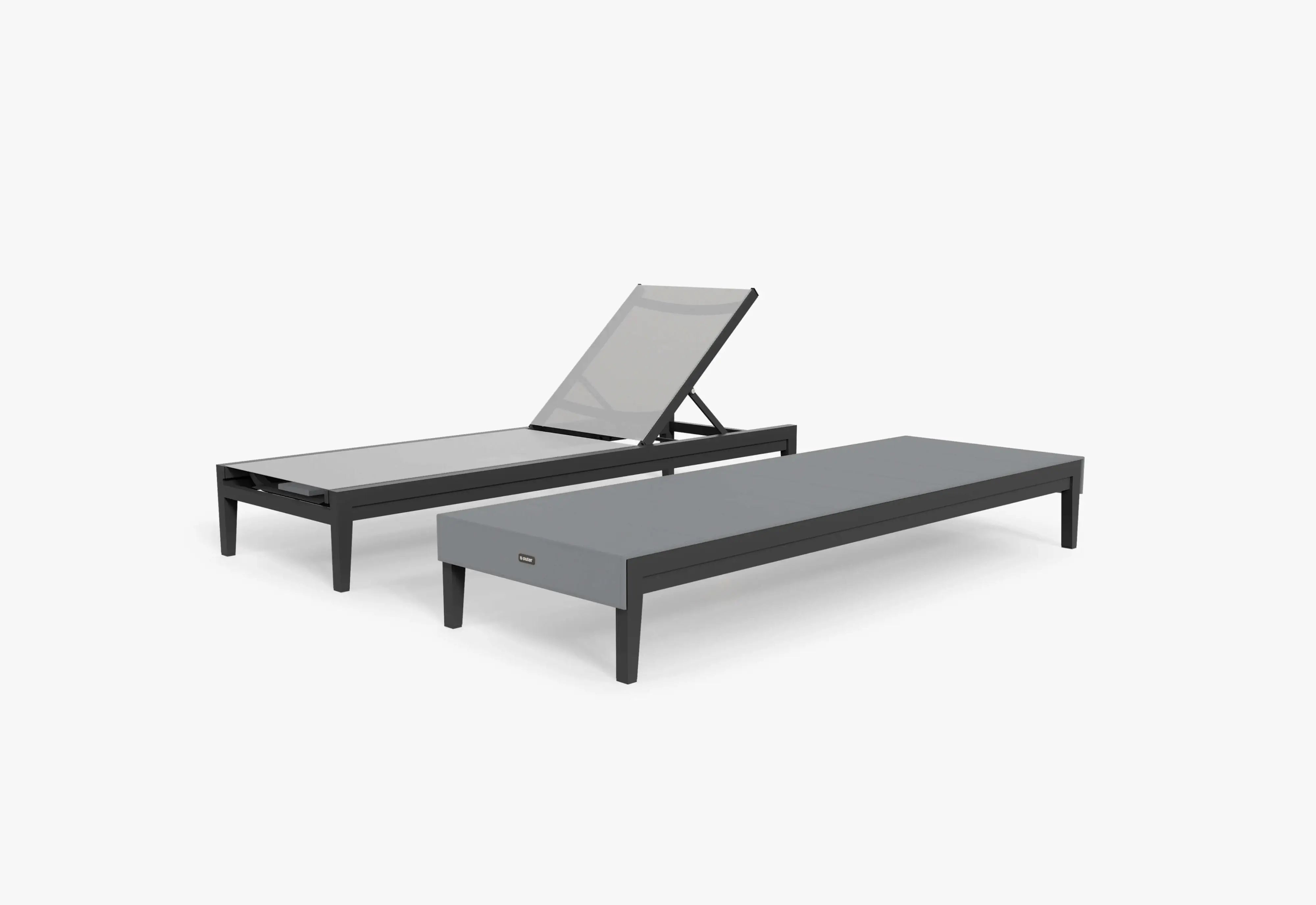
Time-Tested, Family-Approved: Reclining Aluminum Lounge Positions for the Modern Patio

Outdoor lounge seating often looks good on day one. What matters more—especially for families—is how it performs after years of use. Reclining aluminum lounge positions that truly stand the test of time are not defined by extreme comfort or novelty, but by their ability to adapt safely and reliably to everyday family life.
When lounge seating earns the label “family-approved,” it’s because it works for different ages, habits, and moments—without constant adjustment or concern.
Why Families Use Lounge Seating Differently
Family patios are rarely calm or predictable.
Children climb, adults shift positions, grandparents sit longer, and furniture is used continuously rather than carefully. Reclining lounges must support this variety without feeling fragile or overly complex.
Time-tested designs anticipate movement, weight changes, and frequent repositioning.
Reclining Positions That Feel Safe at Every Age
For family use, recline positions must feel stable and intuitive.
Gradual angle changes allow users to adjust posture without sudden movement. This is especially important for kids climbing on and off lounges or for older family members who need predictable support.
Aluminum lounge frames hold these positions firmly, reducing tipping or shifting that can cause hesitation or discomfort.
Why Aluminum Matters in Family Settings
Strength is essential when furniture is shared across generations.
Aluminum offers a balance of rigidity and lightness that makes lounges easy to adjust without feeling flimsy. Frames remain stable even as different family members use the same seating throughout the day.
This consistency builds trust—an important but often overlooked part of family-friendly design.
Positions That Support Both Activity and Rest
Family patios shift constantly between movement and relaxation.
More upright recline positions support conversation, reading, and supervision of children. Deeper recline positions allow for rest once activity slows.
Lounges that move smoothly between these states reduce the need for multiple furniture pieces.
Reducing Wear Through Shared Use
Furniture used by families experiences varied pressure points.
Multiple reclining positions distribute wear across different areas of the lounge rather than concentrating stress in one spot. Over time, this helps seating maintain its form and function.
Variation becomes a durability advantage.
Design That Encourages Responsible Use
When reclining mechanisms are intuitive, people use them correctly.
Clear, stable recline positions discourage forcing, leaning, or misuse—common causes of long-term damage in family environments.
Well-designed aluminum lounges guide behavior naturally rather than relying on caution.
Lounges That Stay Relevant as Families Change
Families evolve.
Furniture that only suits one stage of life is quickly replaced. Reclining aluminum lounges that adjust easily remain useful as needs shift—from playtime supervision to quiet evening relaxation.
This adaptability is what allows seating to stay in service for years.
Low-Stress Ownership Matters
Family-approved furniture should not require constant attention.
Aluminum lounge structures resist warping and instability, keeping reclining positions reliable without frequent tightening or correction.
When seating works without supervision, families use it more freely.
Why Time-Tested Design Builds Confidence
Confidence grows when furniture behaves consistently.
Reclining positions that hold their angle, move smoothly, and feel solid over time allow families to relax—literally and figuratively.
There’s no hesitation, no checking, no second-guessing.
Family-Approved Means Everyday Ready
A truly family-approved patio lounge doesn’t need to be protected from use.
It supports different bodies, different routines, and different moments without losing reliability.
When reclining aluminum lounge positions are time-tested, they become part of daily life rather than something reserved for special occasions.


