

The Outer Materials Guide
Teak vs Aluminum Outdoor Furniture: Which Is Better?
Both can live beautifully outside. The right choice comes down to how each material handles sun, rain, heat, weight, maintenance—and the way you actually use your dining space.


Choose teak for natural warmth, reassuring weight and a surface that feels comfortable across temperature swings. Choose powder-coated aluminum for lighter handling, minimal upkeep and a more consistent, architectural finish. Neither wins everywhere—the better material is the one whose tradeoffs fit your climate and routine.
The decision in one view
Teak vs aluminum at a glance
| Decision factor | Teak | Powder-coated aluminum |
|---|---|---|
| Look and feel | Warm, tactile and naturally varied. Ages from honey brown to silver-gray. | Clean, slim and contemporary. Color stays more consistent when the coating is intact. |
| Rain and humidity | High-quality heartwood naturally resists moisture, rot and decay; it still needs airflow and cleaning. | Does not rust. A complete powder coat helps protect the underlying metal from oxidation. |
| Full sun | UV exposure changes the color but is not, by itself, a sign of structural damage. | Quality UV-stable powder coating helps resist fading; dark finishes can feel warm in direct sun. |
| Temperature | Lower thermal conductivity generally makes exposed surfaces more comfortable to touch. | Conducts heat and cold more readily. Cushions, shade and finish color affect the experience. |
| Weight | Heavier and naturally stable; harder to move alone. | Comparatively light and easy to rearrange; exposed sites may need thoughtful placement. |
| Maintenance | Wash periodically. Oiling is optional for color—not required for outdoor performance. | Wash periodically, rinse salt and check coating chips. No oil or sealant required. |
| How it ages | Develops patina and small surface checks as part of a natural weathering story. | Designed to retain a uniform look; scratches should be touched up to protect the finish. |
| Best fit | Natural landscapes, windy spaces, tactile comfort and homeowners who welcome patina. | Modern spaces, flexible layouts, frequent hosting and low-maintenance routines. |
Important: these are material tendencies, not guarantees. Teak grade, aluminum alloy, joinery, welds, coating quality and hardware can matter as much as the material name.
Material 01
Why teak performs so well outdoors
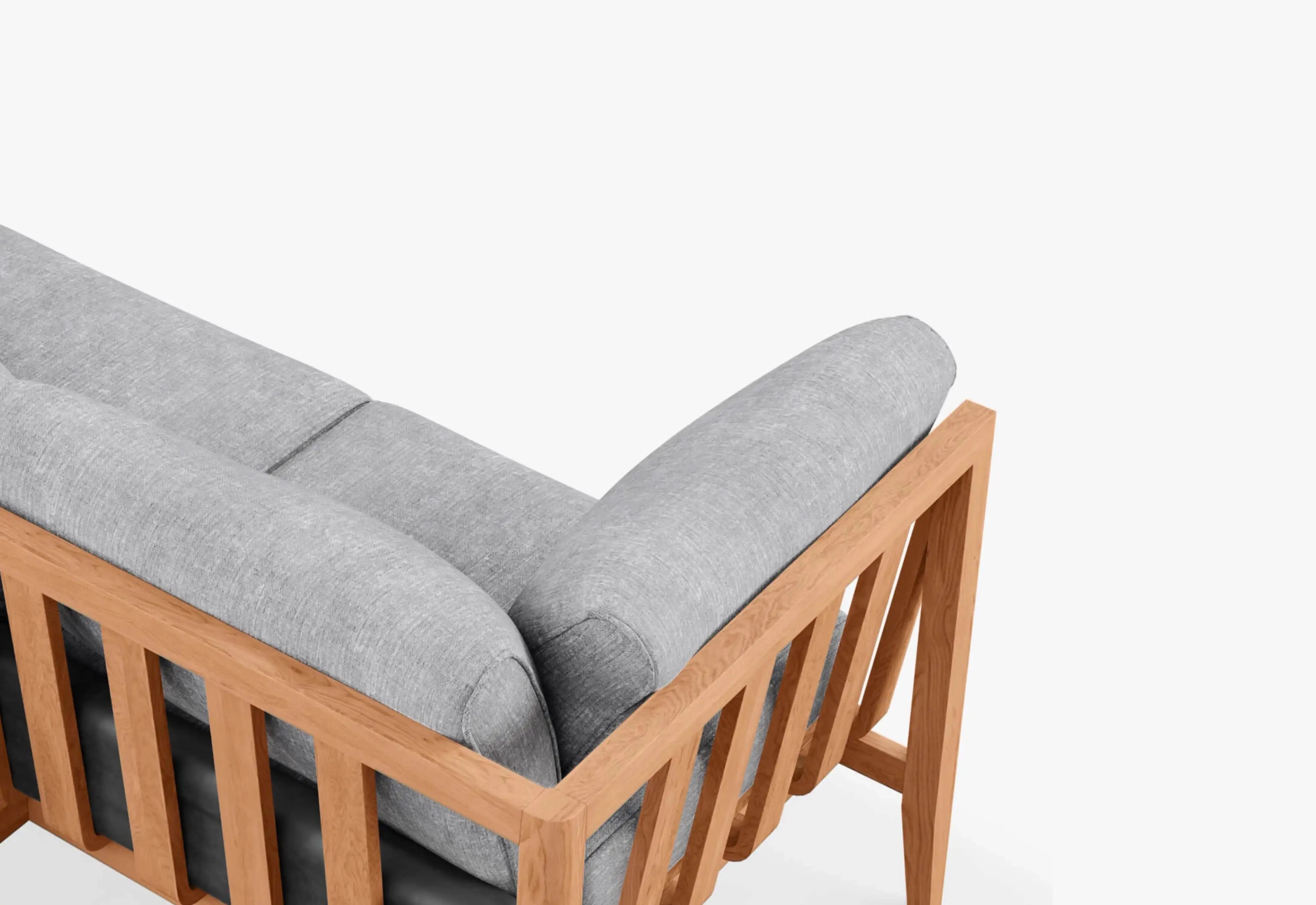
Teak has been used in exposed marine and architectural settings because it combines dense grain with naturally occurring oils. Those characteristics help quality teak resist water absorption, decay and seasonal movement better than many common woods. That does not make teak waterproof or maintenance-free; it means the right cut of teak is unusually well suited to changing outdoor conditions.
What “Grade A teak” actually means
The best outdoor teak is cut from mature heartwood—the dense center of the tree—rather than lighter, less oil-rich sapwood near the exterior. Grade A teak is generally selected for consistent grain, low defect levels and high natural oil content. Its initial honey tone is only the most visible clue; the more meaningful difference is how the wood behaves through wet-dry and hot-cold cycles.
Look beyond the label. Responsible sourcing, proper drying, accurate joinery and corrosion-resistant hardware determine whether a teak frame remains tight and stable. For environmental assurance, an independent standard such as FSC certification is more useful than an unverified “sustainable teak” claim.
Aging is not the same as failing
Untreated teak gradually turns silver-gray as sunlight and weather oxidize its surface. Patina is cosmetic. Deep splits, loose joints, persistent black staining or soft areas deserve attention; a uniform gray color does not.
The tradeoffs to understand
Teak is heavy, premium-priced and visually changeable. Fresh wood can release natural oils during early rain or periods of high humidity, so it is wise to keep pale textiles away from runoff until the surface has weathered or been cleaned. Small surface checks can also appear as moisture levels change. With well-made teak, these are usually part of natural movement rather than a loss of strength.
Material 02
Why powder-coated aluminum performs outdoors
Aluminum’s practical advantage is simple: it does not rust like iron or steel. It is also strong for its weight, which allows designers to create slimmer profiles and modular pieces that are easier to move. For an outdoor dining area that regularly changes from family meals to larger gatherings, that flexibility can make a visible difference in everyday use.
The coating is part of the material system
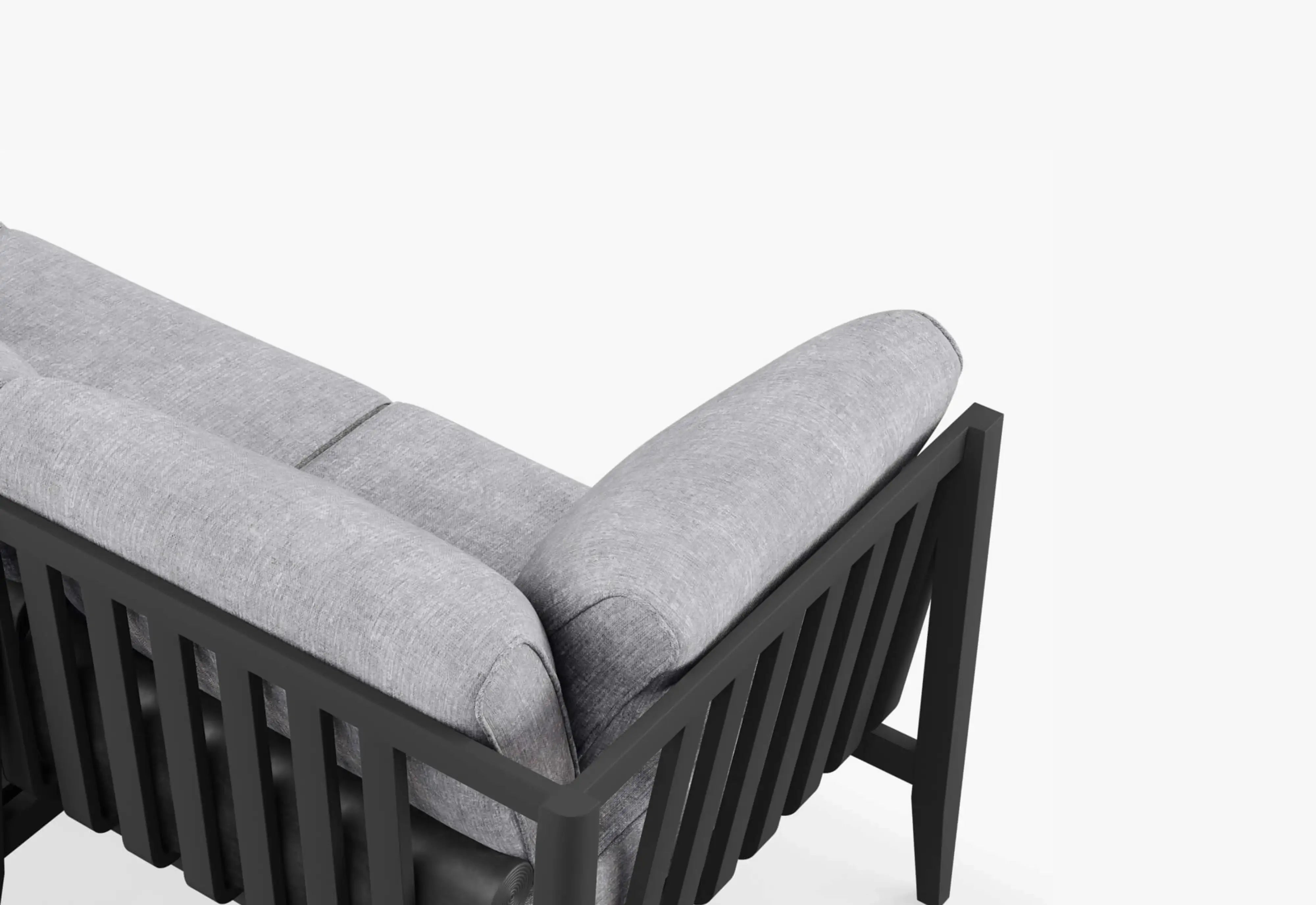
Outdoor aluminum is usually powder-coated. Dry pigment and resin are electrostatically applied to prepared metal, then cured into a hard skin. A good finish improves color consistency and creates a barrier against moisture, pollutants and salt. Poor surface preparation, thin coverage around joints or low-quality pigment can shorten that protection, which is why “aluminum” alone is not enough information.
It will not rust—but it is not invulnerable
Exposed aluminum can form a dull oxide layer, and coastal salt can encourage pitting where a finish is damaged. That is different from red iron rust, but it is still a reason to rinse furniture near the ocean and touch up meaningful chips. Inspect welds, underside edges and connection points—the least visible areas often reveal the quality of preparation and coverage.
Why 6063 aluminum appears in outdoor furniture
6063 is commonly used for extruded architectural profiles because it balances formability, surface finish and corrosion resistance. Alloy disclosure is a useful quality signal, but tubing thickness, weld quality and powder-coat preparation still determine the finished frame.
Climate test
Full sun, rain, humidity and coastal air
The material question becomes much easier when you replace “Which is best?” with “What happens in my most demanding condition?” Both can stay outdoors, but they manage exposure differently.
Relentless full sun
Teak color changes sooner, while well-formulated powder coat aims to remain more uniform. Teak is generally less thermally conductive; dark aluminum can feel hot before it is shaded.
Choose by look + touchFrequent rain and humidity
Quality teak tolerates repeated wet-dry cycles naturally. Coated aluminum sheds water and cannot rust, but finish damage and trapped debris should still be addressed.
Both are strong choicesCoastal salt air
Teak has no coating to chip. Aluminum remains practical when the powder coat is intact, salt is rinsed regularly and exposed marks are touched up promptly.
Teak is more forgivingWind-exposed terrace
Teak’s weight can provide welcome stability. Aluminum is easier to move but should be positioned securely, especially when paired with umbrellas, covers or loose accessories.
Teak for passive stabilityDaily experience
Heat, weight and the way you dine
A material can survive your climate and still be wrong for your routine. Think about the moments you touch, move and clean the furniture: pulling out a dining chair at noon, joining two tables for a party, wiping up wine, or shifting a sofa to face the sunset.
Which stays cooler in the sun?
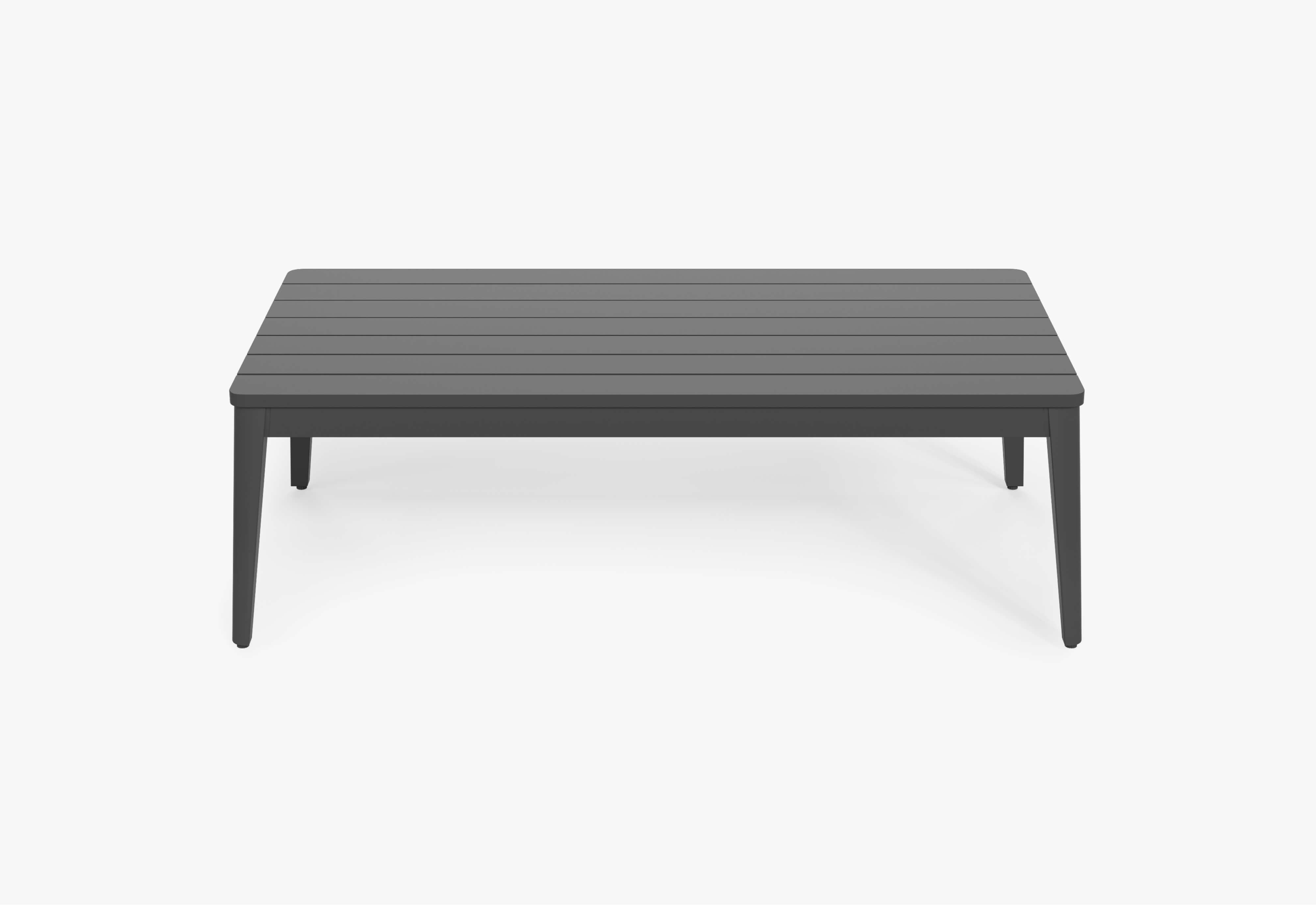
Teak is usually more comfortable to touch because wood transfers heat more slowly than metal. Aluminum’s temperature is more sensitive to direct sun, finish color and geometry. A charcoal tabletop can become noticeably warm; a slim, ventilated frame may cool quickly once shade returns. Cushions, an umbrella and furniture placement matter more than a simplistic “cool versus hot” label.
Which is easier to move?
Aluminum wins for frequent reconfiguration. Teak’s density makes it feel planted and substantial, but a large dining table may be a two-person move. That weight can be a benefit in open yards and a drawback on roof decks, balconies or patios that need to be cleared often.
For a dining tabletop, the priorities shift
Teak offers a warm, forgiving surface and looks at home beside planting, stone and natural landscapes. It also shows a changing patina and may release some natural oil early in its life. Aluminum is visually crisp, easy to wipe after meals and pairs naturally with extendable mechanisms—but scratches and finish chips should not be ignored.
Ownership reality
What maintenance actually looks like
Neither material requires a complicated regimen. The difference is that teak maintenance is largely about deciding how you want the wood to look, while aluminum maintenance is about keeping the coating clean and intact.
Avoid on teak
Harsh pressure washing, steel brushes, indoor varnish and aggressive sanding can damage the surface or create an uneven finish. Do not trap damp wood under a non-breathable cover.
Avoid on aluminum
Bleach-heavy cleaners, abrasive powders and metal-on-metal scraping can compromise the finish. Do not let fertilizer, pool chemicals or salty deposits sit on the frame.
Long-term value
Which lasts longer?
There is no honest universal winner. Mature, well-joined teak can remain serviceable for decades because its weather resistance runs through the wood. A well-engineered aluminum frame can also deliver long outdoor service because it will not rust and has fewer appearance decisions to manage. In both cases, construction quality is the multiplier.
Teak’s advantage is recoverability: superficial weathering can often be cleaned or gently refinished, and a scratch does not reveal a different substrate. Aluminum’s advantage is predictability: a good powder coat requires little intervention and keeps the frame visually consistent. Its weak point is localized finish damage; if the coating is badly compromised, a seamless repair is harder to make at home.
Upfront cost vs cost of ownership
Premium teak usually carries a higher material and sourcing cost. Aluminum can be less expensive, but alloy, frame engineering, welds and coating systems create a wide price range. Compare the whole product—not only the first-year price. Warranty coverage, replacement cushions, modular repairability, included covers and the likelihood that the design will still suit your space all shape long-term value.
A better value question
Ask: “Will I still like the way this material looks after five summers?” If silver teak patina feels like damage to you, its durability will not make it satisfying. If a uniform metal frame feels too cool for your garden, aluminum’s low maintenance will not make it feel at home.
Before you buy
How to spot quality in either material
Look for material honesty
- Grade A heartwood, not a vague teak-colored or teak-finished claim
- Responsible sourcing supported by a recognized certification such as FSC
- Consistent grain and proper drying to reduce unpredictable movement
- Precise joinery and outdoor-grade hardware, with no loose joints or excess filler
- Clear care guidance that treats patina as a choice, not a defect
Look under the finish
- Alloy disclosure, such as extruded 6063 aluminum, rather than “metal” alone
- Clean, complete welds and reinforced high-stress connection points
- Even powder-coat coverage around edges, undersides, seams and hardware
- Stable geometry, adjustable levelers and no flexing or rocking at the table
- Finish-specific warranty and care support, including a path for touch-ups
Make the call
Choose the material that fits your priorities
Natural warmth
Choose teak. Its grain, weight and changing color give an outdoor room the character of an interior furnished with real wood.
Easy reconfiguration
Choose aluminum. The lower weight makes modular seating and dining layouts easier to change for everyday use and parties.
Low visual change
Choose quality powder-coated aluminum. Wash it and protect the coating to maintain a more consistent finish through the seasons.
Wind-ready weight
Choose teak, then secure covers and accessories separately. Its mass gives larger pieces a planted feeling in open spaces.
Best of both materials
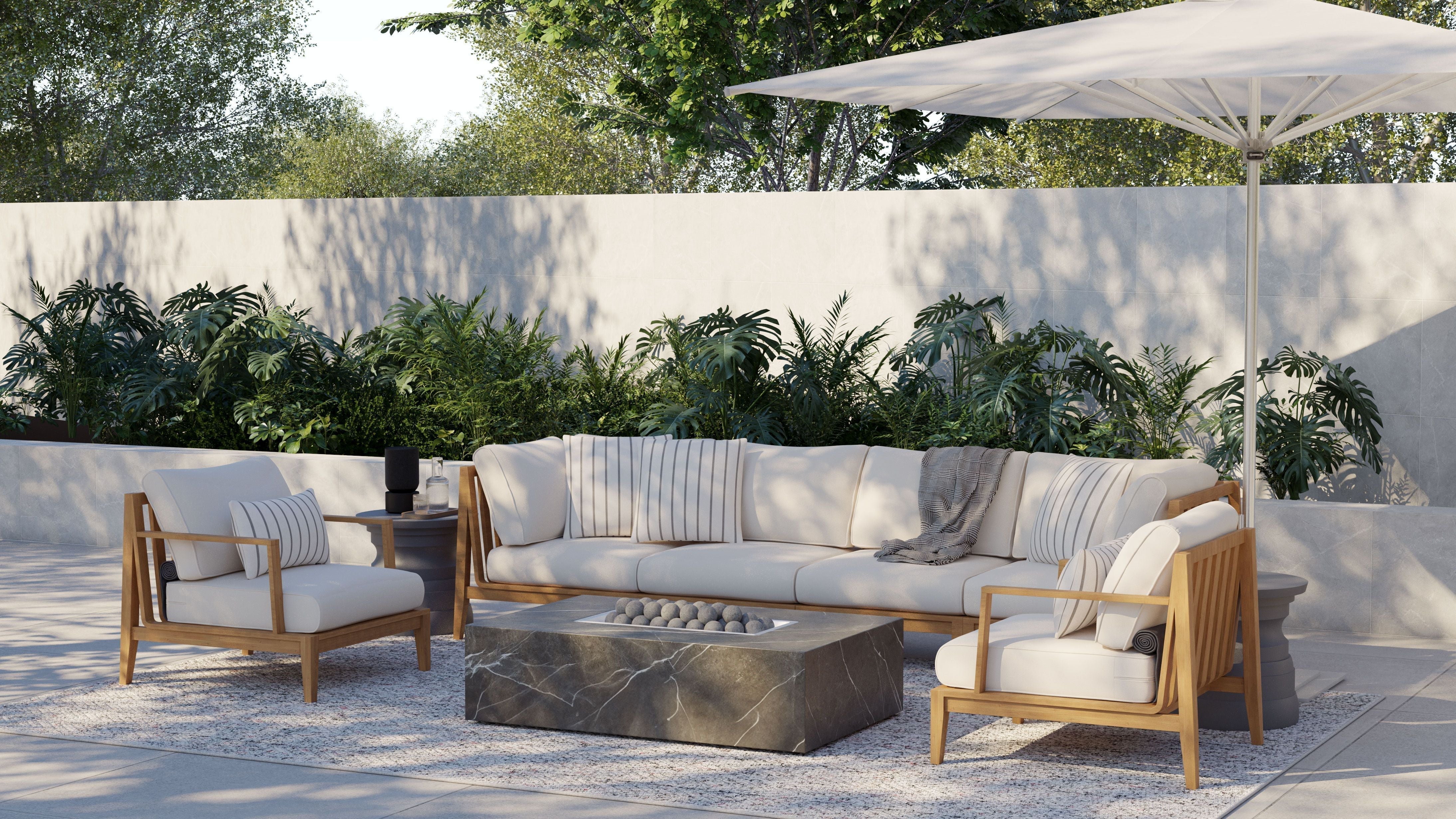
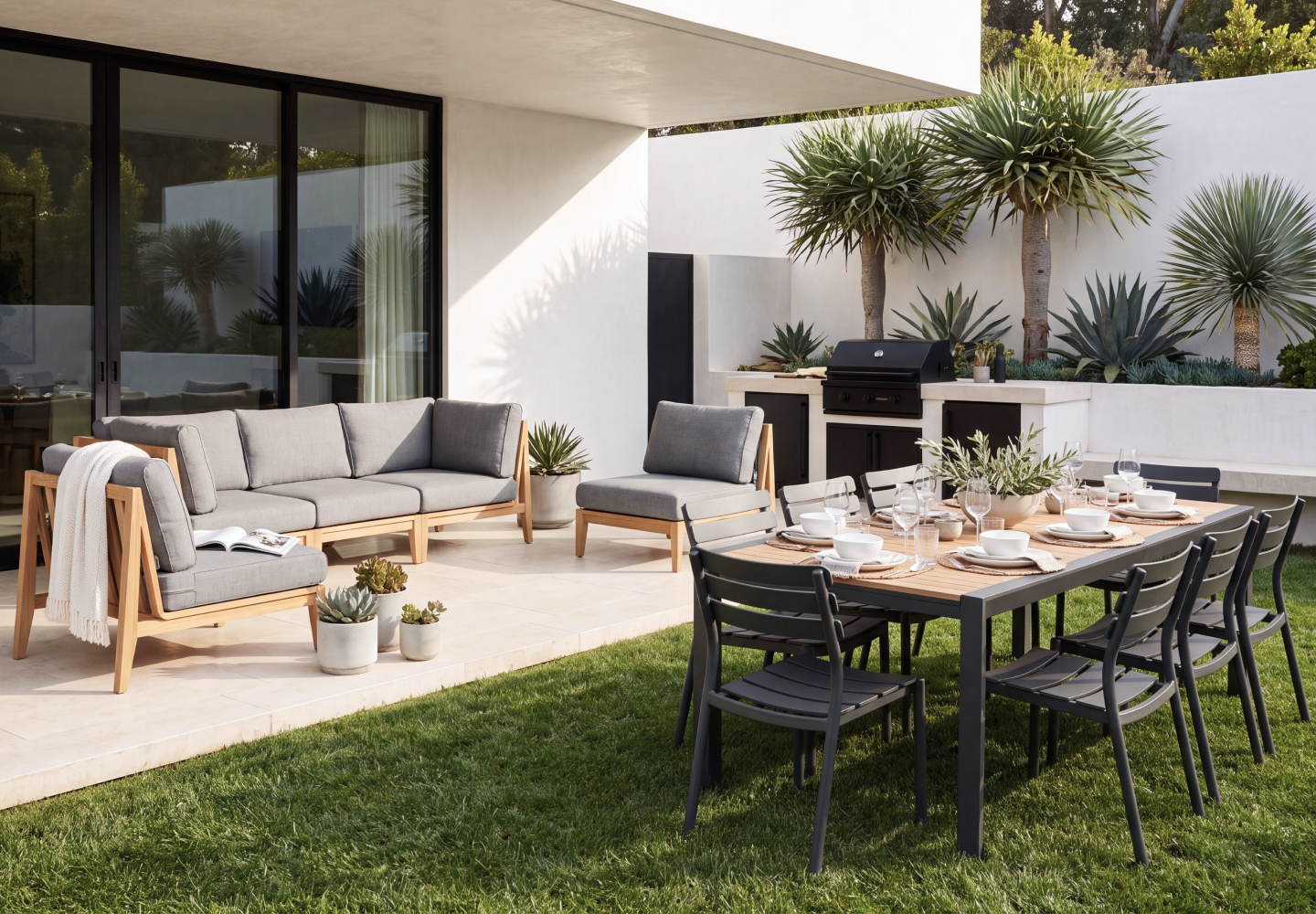
You do not have to make one material rule the entire patio. A teak sofa can anchor the lounge while an aluminum table simplifies dining. Or use a teak tabletop on an aluminum base to put warmth where guests touch and metal where structure and extension matter.
Complete the outdoor room
Two material-led furniture plans
Once you know which ownership experience you prefer, the simplest next step is to repeat that logic across lounging and dining. These combinations keep the space visually coherent without interrupting the decision guide with a catalog of products.

Teak Sofa + Extendable Dining Set
For patios that blur into planting, pool decks and relaxed indoor-outdoor rooms. Teak repeats a warm natural language across both zones, while the extendable table adds capacity only when the gathering needs it.
See the teak entertaining set →
Aluminum Sofa + 8-Seat Dining Set
For a clean-lined outdoor room that is easy to reset between quiet mornings and larger dinners. Charcoal frames connect the lounge and dining zones without making the overall layout feel heavy.
See the aluminum dining set →*Regional preference callouts are based on Outer’s first-party customer data and are intended as inspiration, not a universal recommendation for every home in that state.
Common questions