

Sectional Buying Guide
Outdoor Sectional Buying Guide: What To Know Before You Shop
Size, materials, comfort, and protection compose a systematic guide to choosing a sectional that fits your patio and the way you actually live outside.

The quick answer
How to choose the right outdoor sectional
Size comes first. Measure the full patio zone. Tape the footprint. Walk around it. A sectional that fits on paper can feel oversized once coffee tables, fire pits, and walking paths are added.
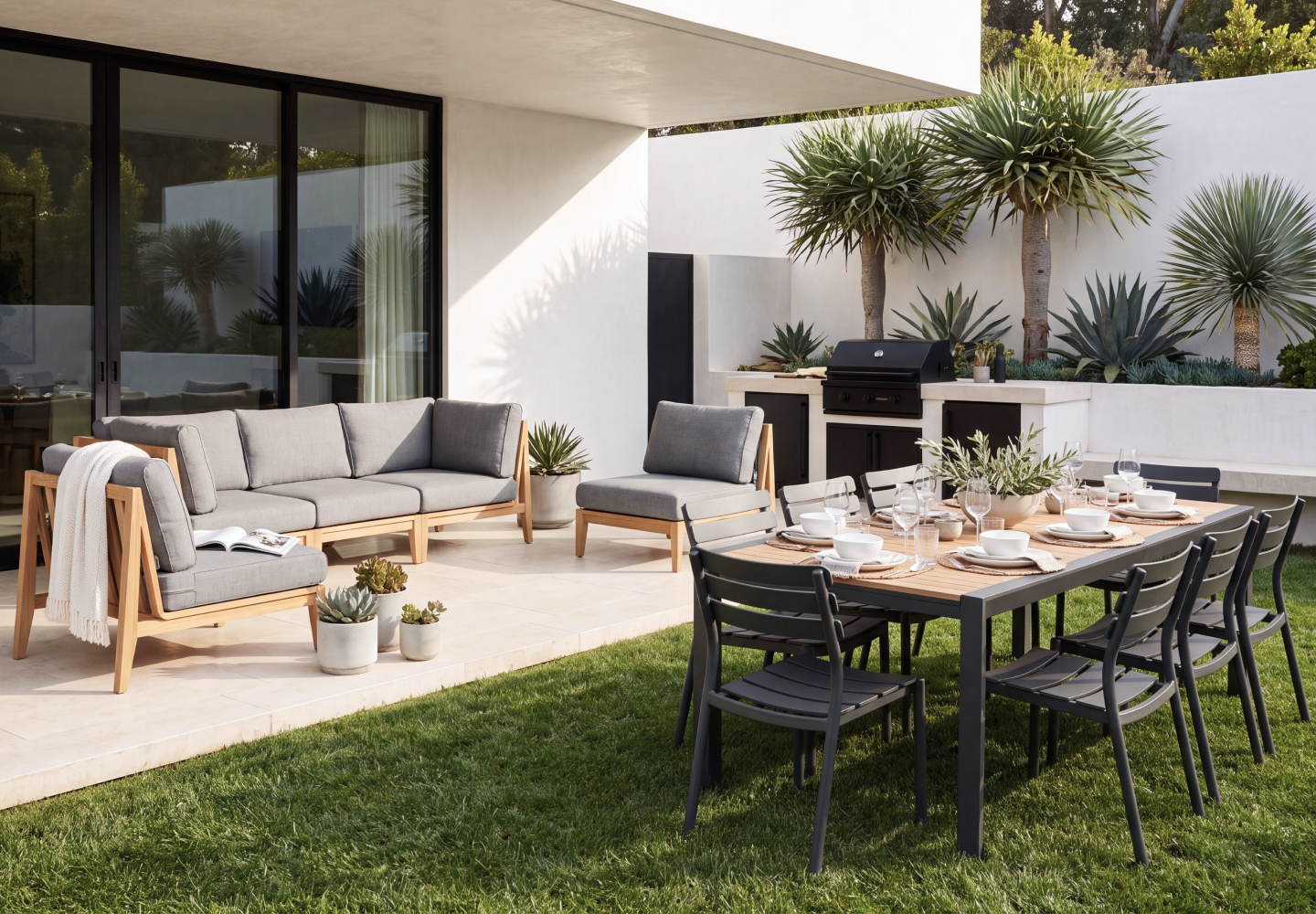
Shape controls how people gather. L-shaped suits corners and small decks. U-shaped surrounds a center table or fire pit. Modular adapts as needs change. Match shape to social patterns.
Protection is part of the purchase. Built-in OuterShell® deploys in 15 seconds. An All-Weather Cover handles storms and winter. If the cover system is a hassle, it will be skipped.
What size outdoor sectional fits your patio?
Size is the first decision to get right. A sectional too large crowds the patio. One too small leaves the space feeling unfinished. Measure the usable area — not the total patio, but the portion left after subtracting paths, doors, dining zones, and fixed features. Mark the footprint with tape or chalk. Walk around it. Test with real chairs. Verify clearance to doors, steps, railings, and walkways before committing to a module count.
| Patio size | Recommended sectional | Seats | Pairing |
|---|---|---|---|
| Small patio / balcony | 4-seat L-shaped | 3–4 | Side tables or small coffee table |
| Medium patio | 5–6 seat L or U | 4–5 | Coffee table or compact fire pit |
| Large backyard | 7–8 seat U-shaped | 6–8 | Fire pit, coffee table, side tables |
| Entertaining-focused | Modular with extra chairs | Flexible | Multiple surfaces, fire pit, rugs |
L-shaped vs. U-shaped vs. modular outdoor sectionals.
Shape matters because it determines how people interact. L-shaped sectionals suit corners, pool edges, and small-to-medium decks — they keep one side open for entry and work well against walls or railings. U-shaped sectionals surround a central table or fire pit and encourage face-to-face seating — ideal for large patios where conversation is the priority. Modular sectionals let you build the layout around the patio rather than the reverse — start with a 5-seat configuration and expand or reconfigure as needs evolve. When in doubt, choose flexibility.
How to compare outdoor sectionals by comfort.
Comfort determines whether a sectional becomes the seat everyone chooses or the one people avoid. Evaluate seat depth — deeper reads lounge-like, shallower suits upright conversation. Test cushion support — structured enough to hold shape through an afternoon, soft enough to settle into. Check back height and angle. Assess fabric texture against skin in warm weather. If the return policy allows, sit in the sectional at home before fully committing. Outer offers free returns within 14 days and extended returns up to 365 days.
Best materials for outdoor sectionals.
| Material | Maintenance | Look | Best for |
|---|---|---|---|
| Teak | Moderate — seasonal soap and water | Organic, architectural, timeless | Natural warmth, coastal homes, design-forward patios |
| Wicker | Low — hose down, air dry | Textured, comfortable, inviting | Family-friendly lounges, relaxed entertaining |
| Aluminum | Low — rinse, wipe clean | Clean, minimal, streamlined | Modern patios, low-maintenance households, coastal |
| Steel / Wrought Iron | Higher — rust-prone, heavy | Heavy, formal | Sheltered patios with minimal moisture exposure |
Teak outdoor sectionals
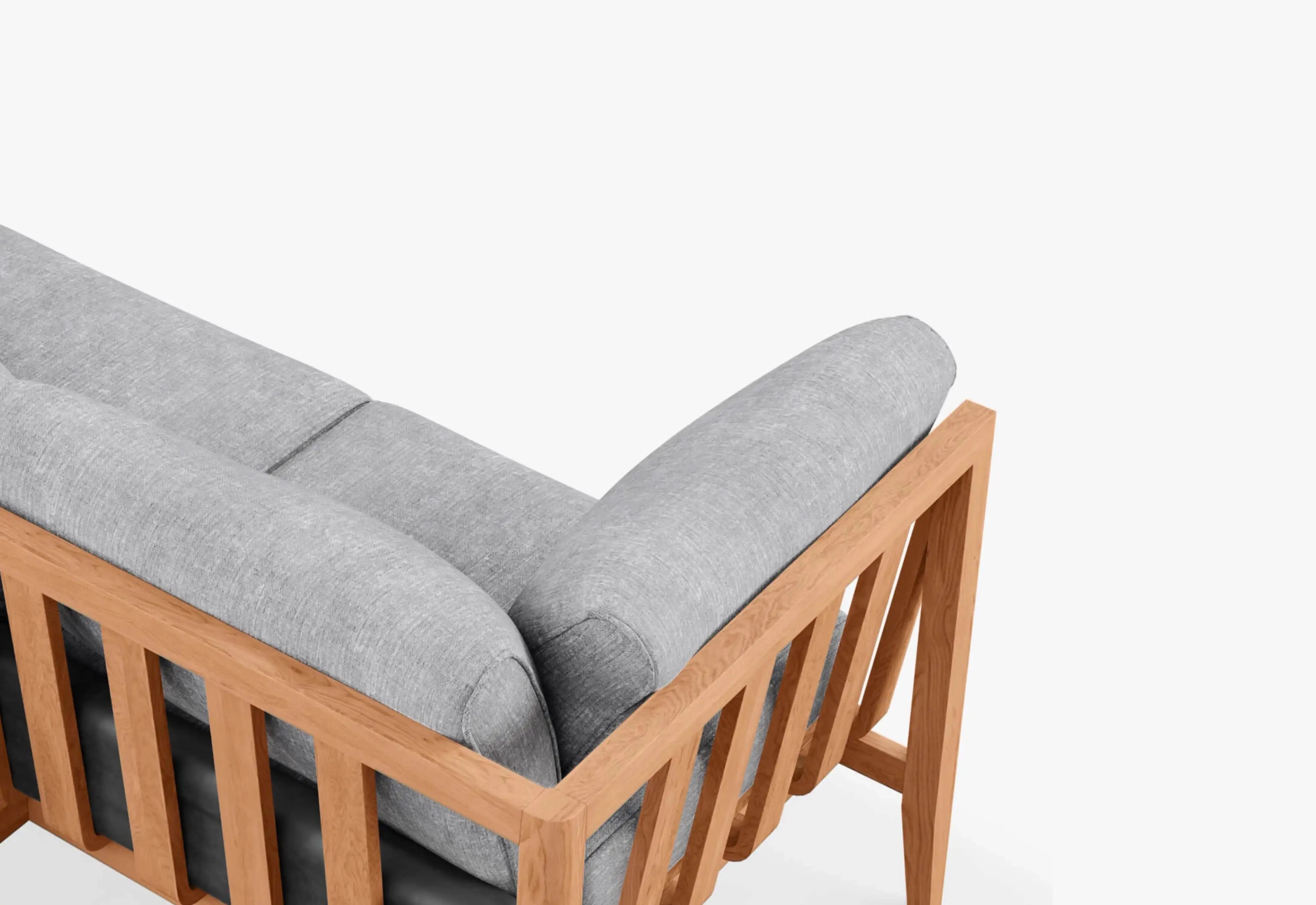
Teak brings natural warmth and architectural presence. Grade A heartwood from FSC-certified forests resists rot, insects, and moisture. It ages from golden-brown to silver-gray — both states are intentional. Seasonal cleaning with mild soap and water is the full maintenance program. Outer teak is sourced from Central Java, with three trees planted for every one harvested.
Aluminum outdoor sectionals
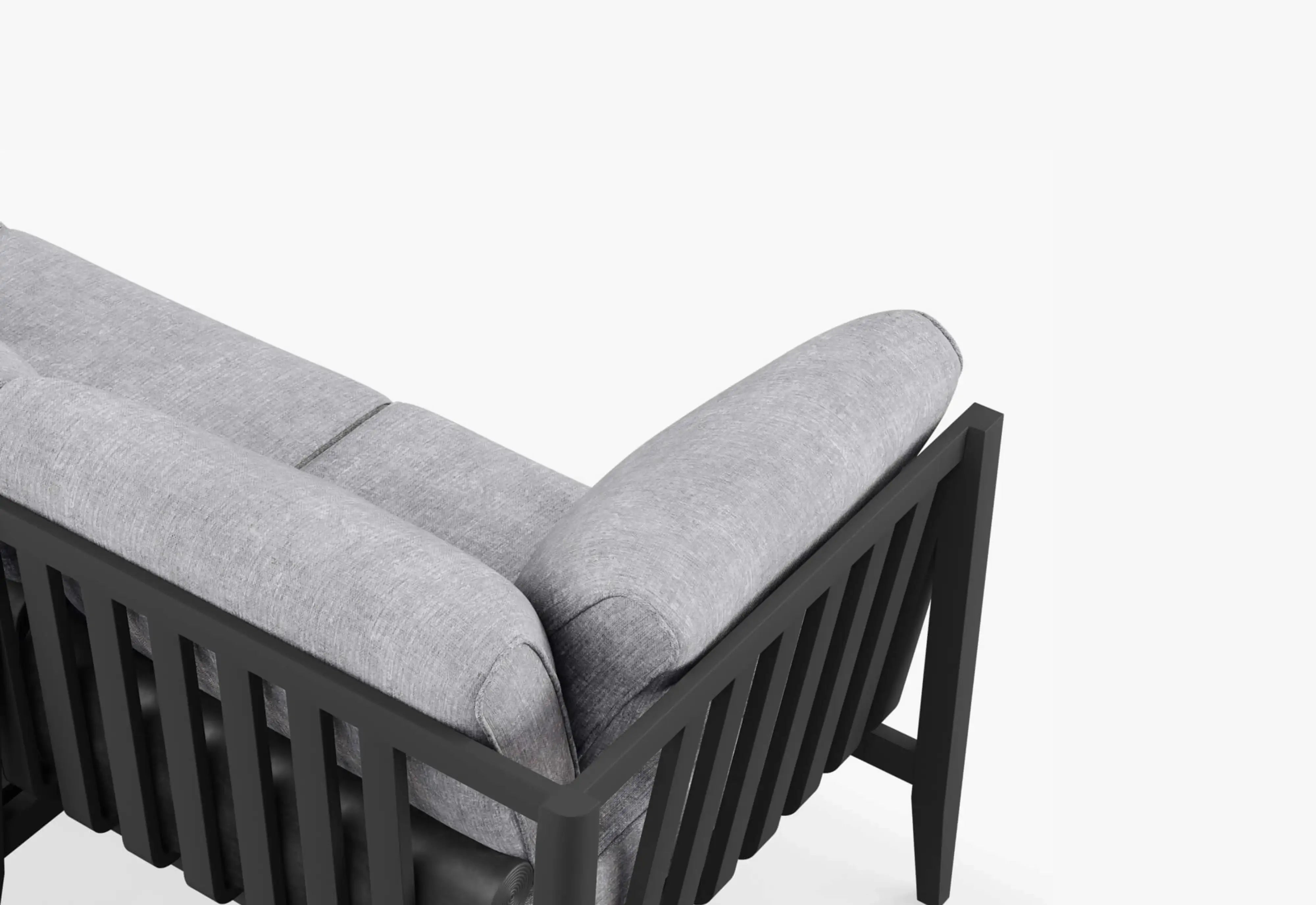
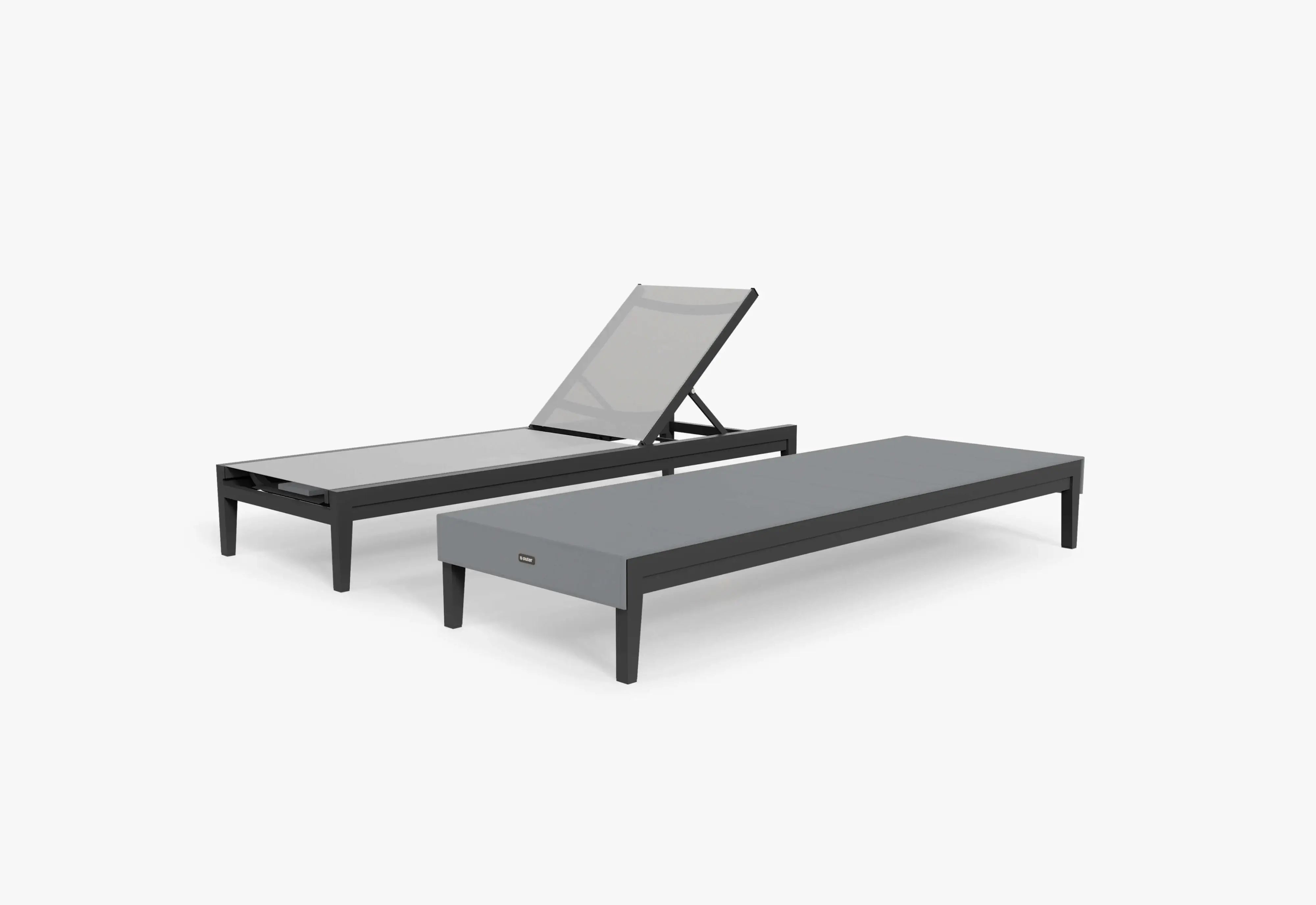
Powder-coated aluminum with stainless steel hardware resists rust at the molecular level. Lightweight enough to reposition. The frame dissipates heat quickly — comfortable to touch even after hours of direct sun. A fresh-water rinse every few weeks handles the full frame-care routine. The lowest-maintenance option for modern patios and coastal homes.
Wicker outdoor sectionals
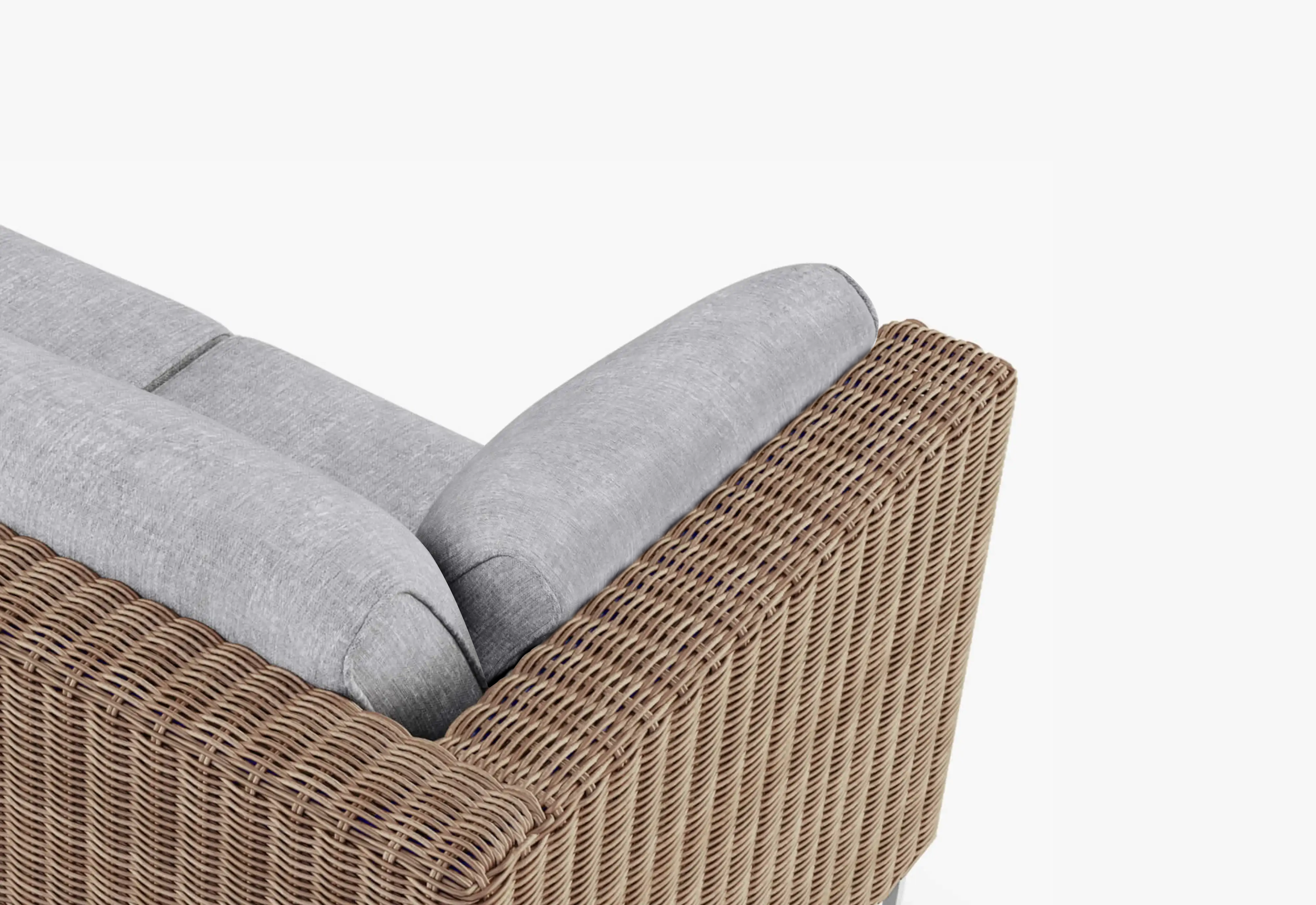
Handwoven HDPE wicker over a powder-coated aluminum frame — the rust-resistant structure of aluminum wrapped in a softer, more textured exterior. A weekly dry-brush prevents debris from settling into the weave. Seasonal deep-cleaning with mild soap and a soft brush restores the surface. The visual softness of the weave complements landscaping and natural textures.
Choose a sectional built for real outdoor life.
Outdoor furniture faces sun, rain, pollen, dirt, pets, spills, and long afternoons. Outer sectionals use solution-dyed acrylic fabric with a PFAS-free nano-coating — it resists UV, water, mold, bleach, and stains. OuterShell®, a patented cover built into every seat cushion, deploys in 15 seconds to protect the seating surface between uses. The fabric breathes so trapped moisture escapes even while the cover is closed. There is no storage bag, no straps, and nothing to misplace.
Check the warranty and read reviews strategically.
A warranty signals how the manufacturer expects the furniture to perform. Outer provides a five-year limited warranty on cushions and fabrics plus an additional five years on legs and frames. When reading reviews, look past the star rating. Focus on comfort over time, fabric performance after a season, ease of cleaning, delivery experience, and whether the sectional gets used as often as expected.
Common outdoor sectional mistakes to avoid.
- Buying too large for the patio. A sectional should leave room for other furniture, movement, and the activities that happen around it.
- Forgetting clearance. Measure for coffee tables, fire pits, side tables, doors, steps, and main walking routes — not just the sofa footprint.
- Prioritizing looks over comfort. A sectional that looks good in photos but lacks seat depth or cushion support will go unused.
- Skipping protection. Built-in OuterShell® and an All-Weather Cover reduce cleaning frequency and extend cushion life by years.
- Buying a fixed layout when modular fits better. Modular lets the sectional evolve as the patio and entertaining style change.
Key pointThe best sectional size is not the biggest one your patio can hold. It is the one that leaves the whole space easier to live in — room to walk, surfaces within reach, and a layout that supports how people naturally gather.
Outdoor Sectionals
Sectionals built for comfort, weather, and real outdoor life.

Aluminum Sectionals
Powder-coated frames. Rust-proof. Lightweight. The lowest-maintenance sectional material for modern patios and coastal homes.
OuterShell® built-in
Charcoal finish

Teak Sectionals
Grade A FSC-certified teak. Ages to silver-gray. Natural warmth that pairs with any architectural style.
OuterShell® built-in
Natural teak

Wicker Sectionals
Handwoven HDPE over aluminum frames. Textured, relaxed, and family-friendly. Weekly dry-brush keeps the weave clean.
OuterShell® built-in
Brown wicker

Sofa Configurator
Build your layout before you buy. Drag, drop, and test L, U, and modular arrangements against your patio dimensions.
All materials
Instant layout testing
Common questions
Outdoor sectional buying FAQ
What is the best material for an outdoor sectional?
Teak, aluminum, and all-weather wicker are the three strongest choices. Aluminum is the lowest-maintenance — rust-proof, lightweight, and rinses clean. Teak brings natural warmth and a 50-to-100-year lifespan with seasonal cleaning. Wicker offers texture and a relaxed look with a weekly dry-brush routine. Choose based on aesthetic preference and maintenance tolerance rather than durability alone — all three handle weather well.
L-shaped vs. U-shaped sectional — which should I choose?
L-shaped suits corners, pool edges, and small-to-medium patios — it leaves one side open for natural entry and exit. U-shaped surrounds a central table or fire pit and works best on large patios where conversation is the primary activity. For flexibility, choose a modular system that can be reconfigured as needs change.
Do I need a cover for my outdoor sectional?
Yes. A built-in cover like OuterShell® handles daily cushion protection — it deploys in 15 seconds and blocks UV, dust, pollen, and dew. For storms, winter, or extended non-use, add a fitted All-Weather Cover over the entire piece. The two layers work together: daily protection for cushions, full-piece protection for weather events.
How long should an outdoor sectional last?
With weather-ready materials and consistent protection, a quality outdoor sectional lasts 10–20 years. Teak frames can last 50+ years. Aluminum frames resist corrosion indefinitely with basic rinsing. Cushions protected by OuterShell® last 8–12 years versus 3–5 years for unprotected cushions. The largest variable is whether the cover system gets used — built-in protection dramatically outperforms aftermarket covers because it cannot be left in the garage.
What should I put in front of an outdoor sectional?
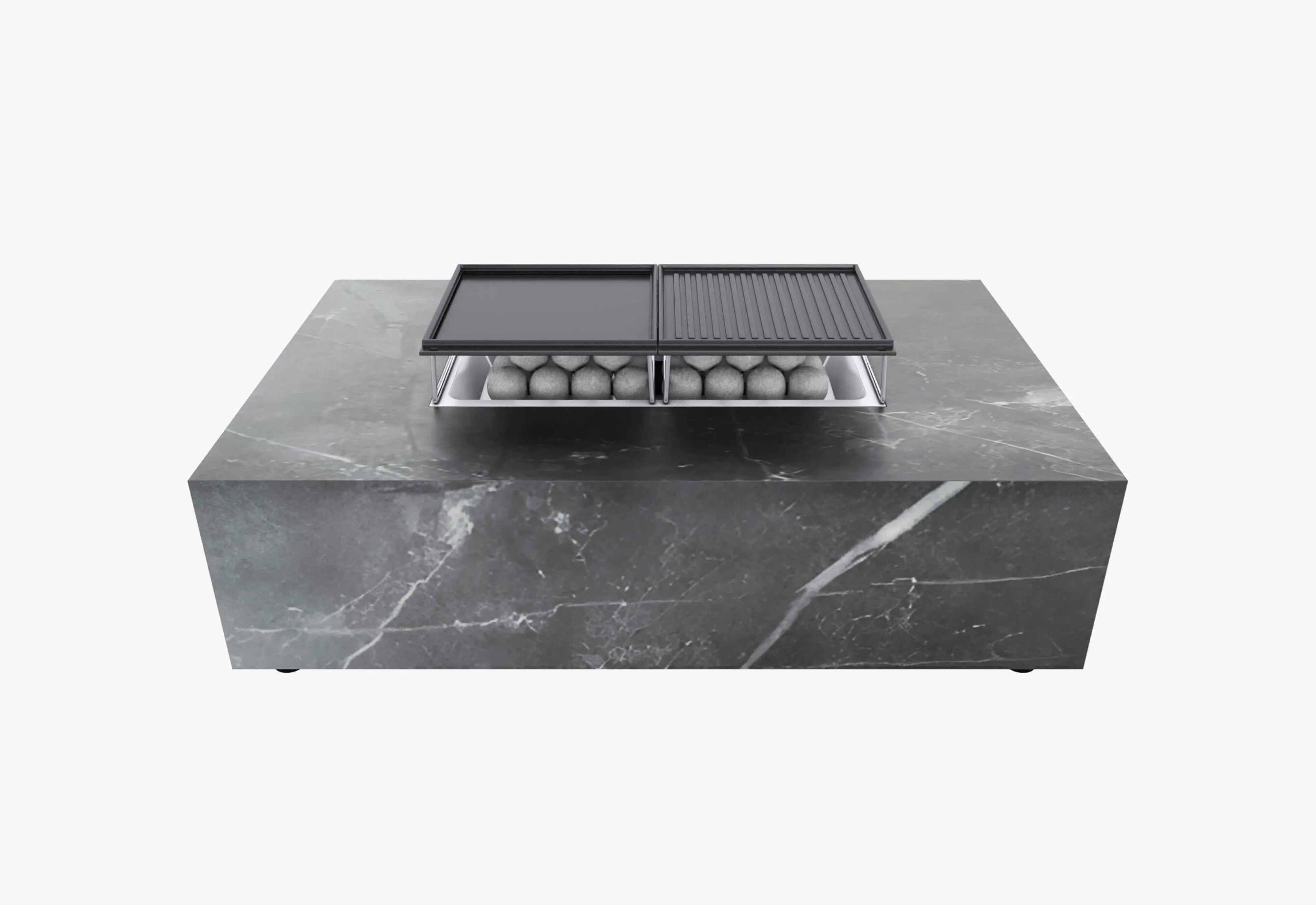
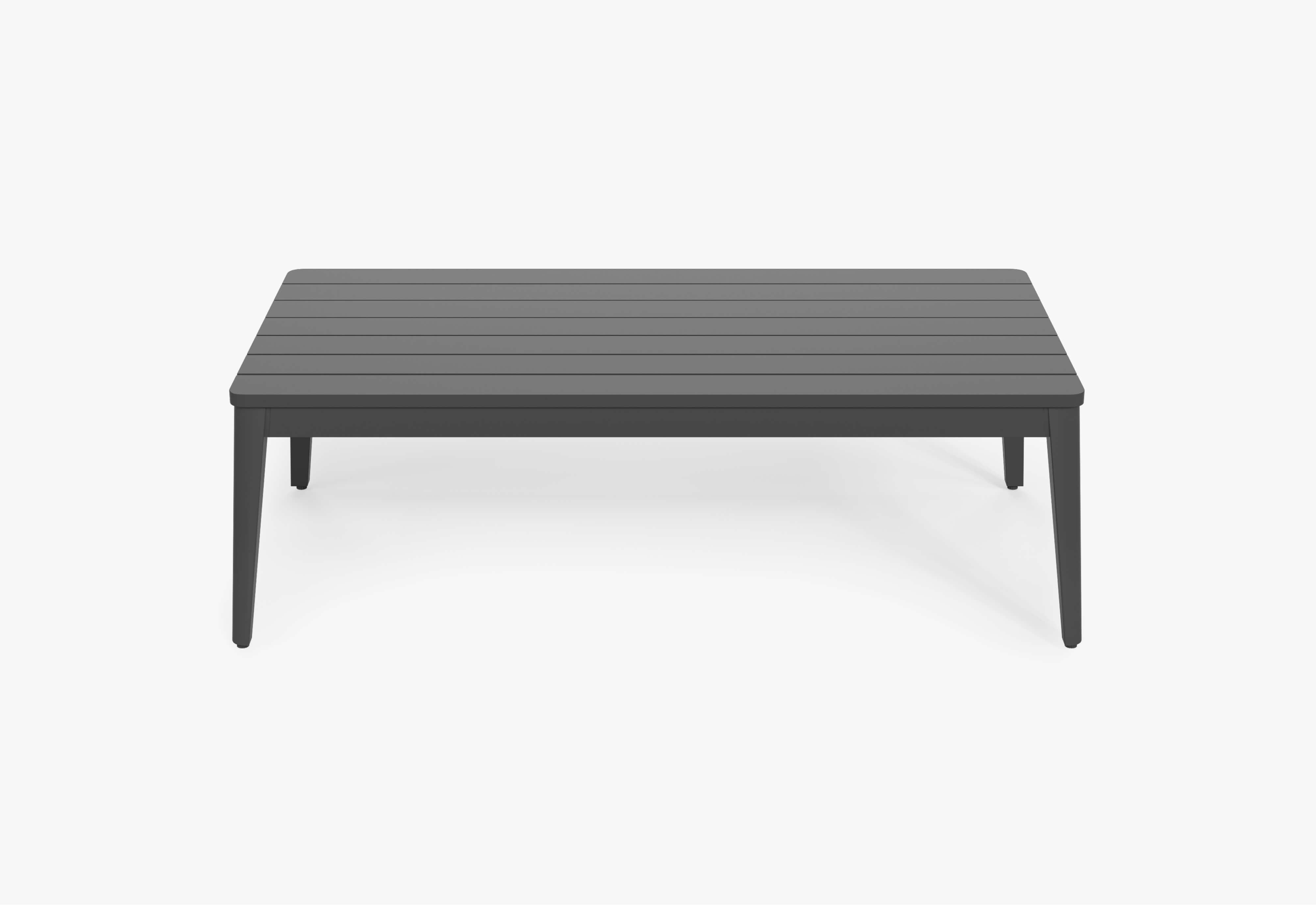
A coffee table placed 14–18 inches from the front edge is the standard pairing. For larger sectionals, add a fire pit table with wider clearance. Side tables at far seats keep the whole lounge functional. An outdoor rug defines the zone visually and makes the sectional area feel like a complete room.

Build a better outdoor room.
Browse outdoor sectionals in teak, aluminum, and wicker. Use the Sofa Configurator to plan your layout before you buy.