

Outdoor Dining Guide
The Joy of Sharing Meals Outdoors: Why Dining Outside Feels Different
Outdoor dining changes the rhythm of a meal. Fresh air, open space, fewer distractions, and the right weather-ready furniture can turn a simple dinner into a slower, more connected gathering.

Meals at home go beyond food. They become the memories shared with family, friends, neighbors, and the people who naturally gather around the table. When those meals move outdoors, the feeling changes. The air feels lighter, the setting feels less formal, and conversations often last longer than they would inside.
Dining outside feels different because the setting changes the pace of the meal. Fresh air, natural light, open space, and fewer indoor distractions make conversations feel less rushed and gatherings feel more memorable. With the right outdoor dining setup, a simple dinner can become a longer, more relaxed way to connect.
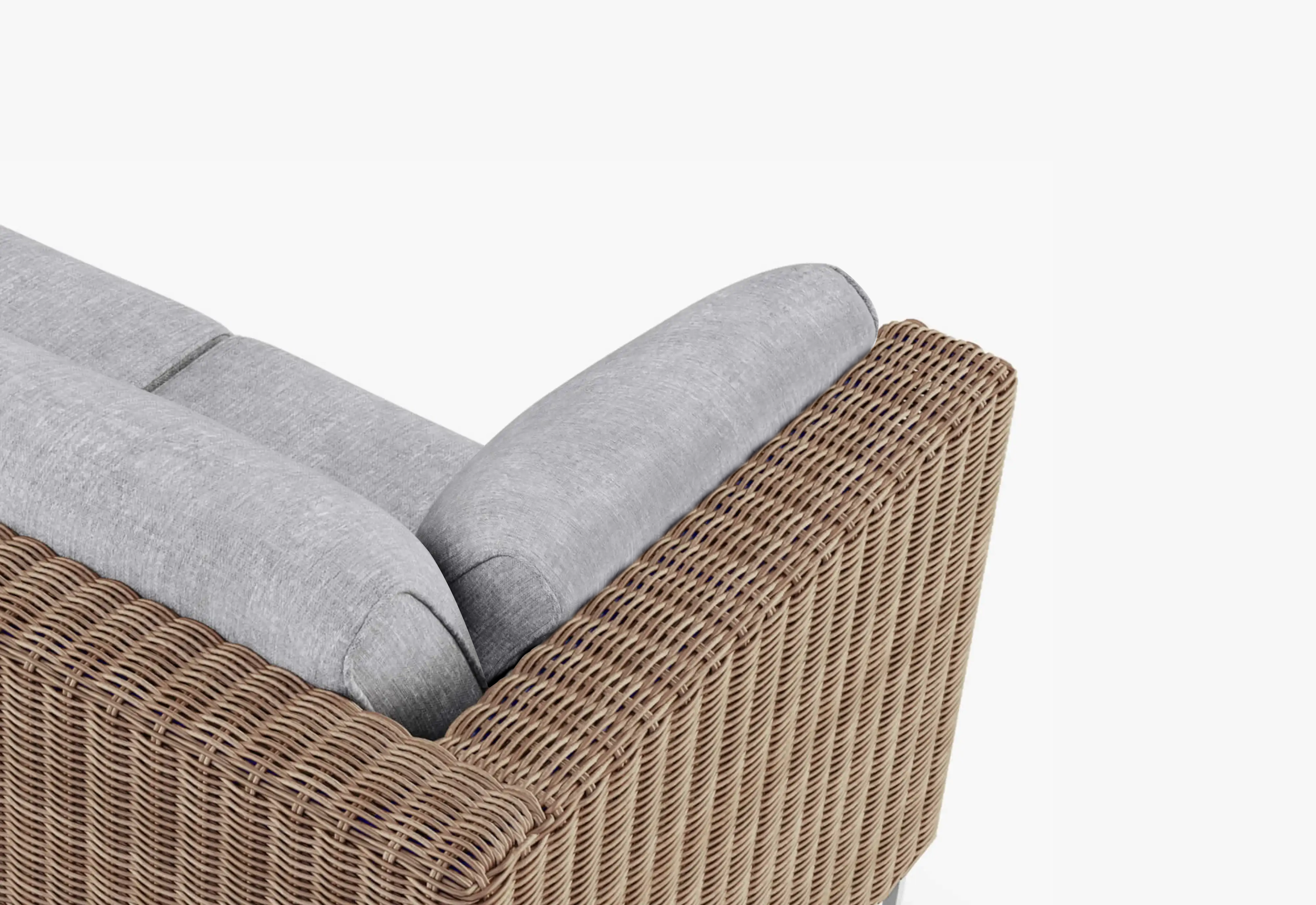
More Relaxed
Outdoor meals naturally feel less formal, giving people more room to settle in and stay present.
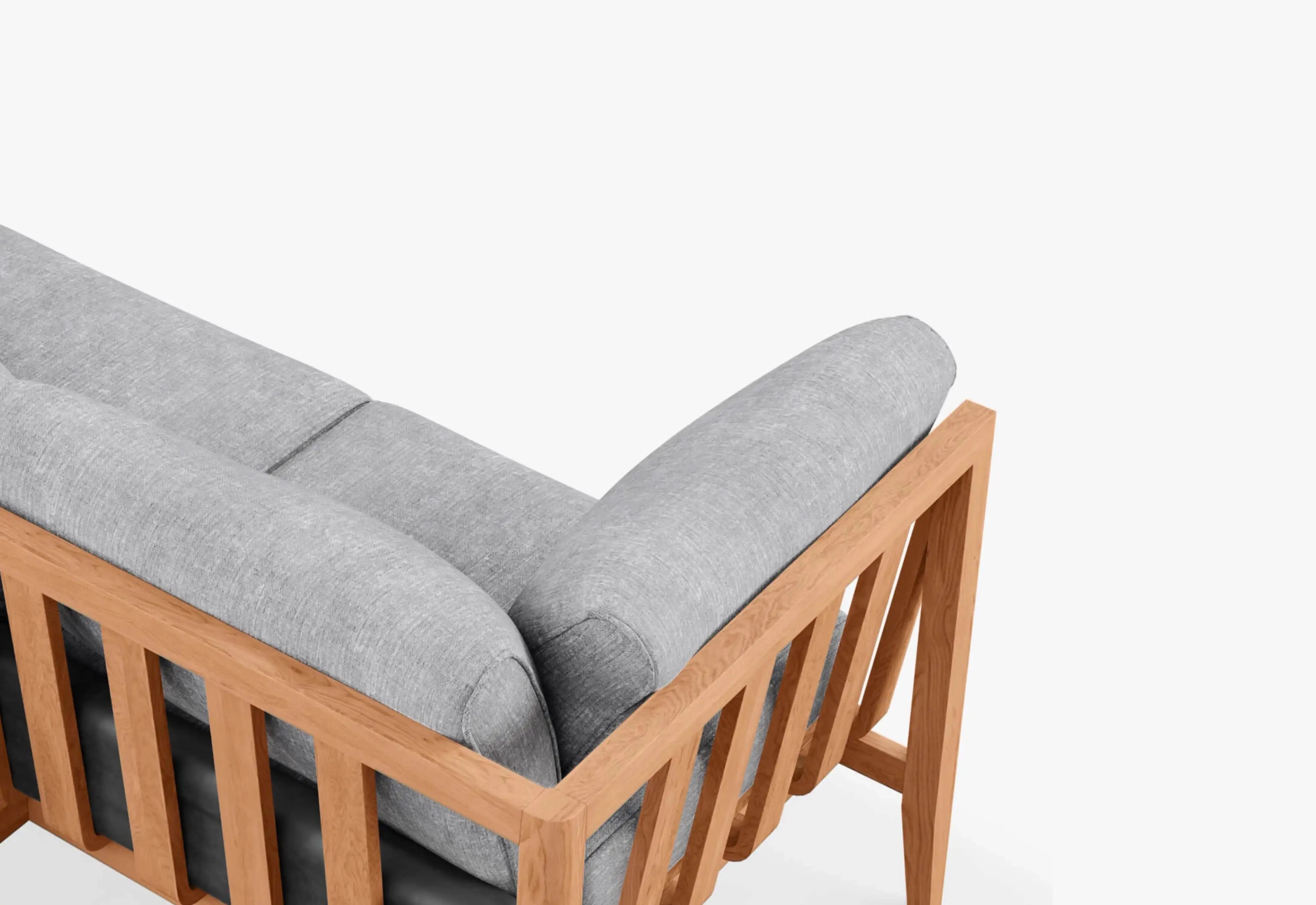
Better Connection
Fresh air, natural light, and fewer indoor distractions make conversation feel easier and more memorable.
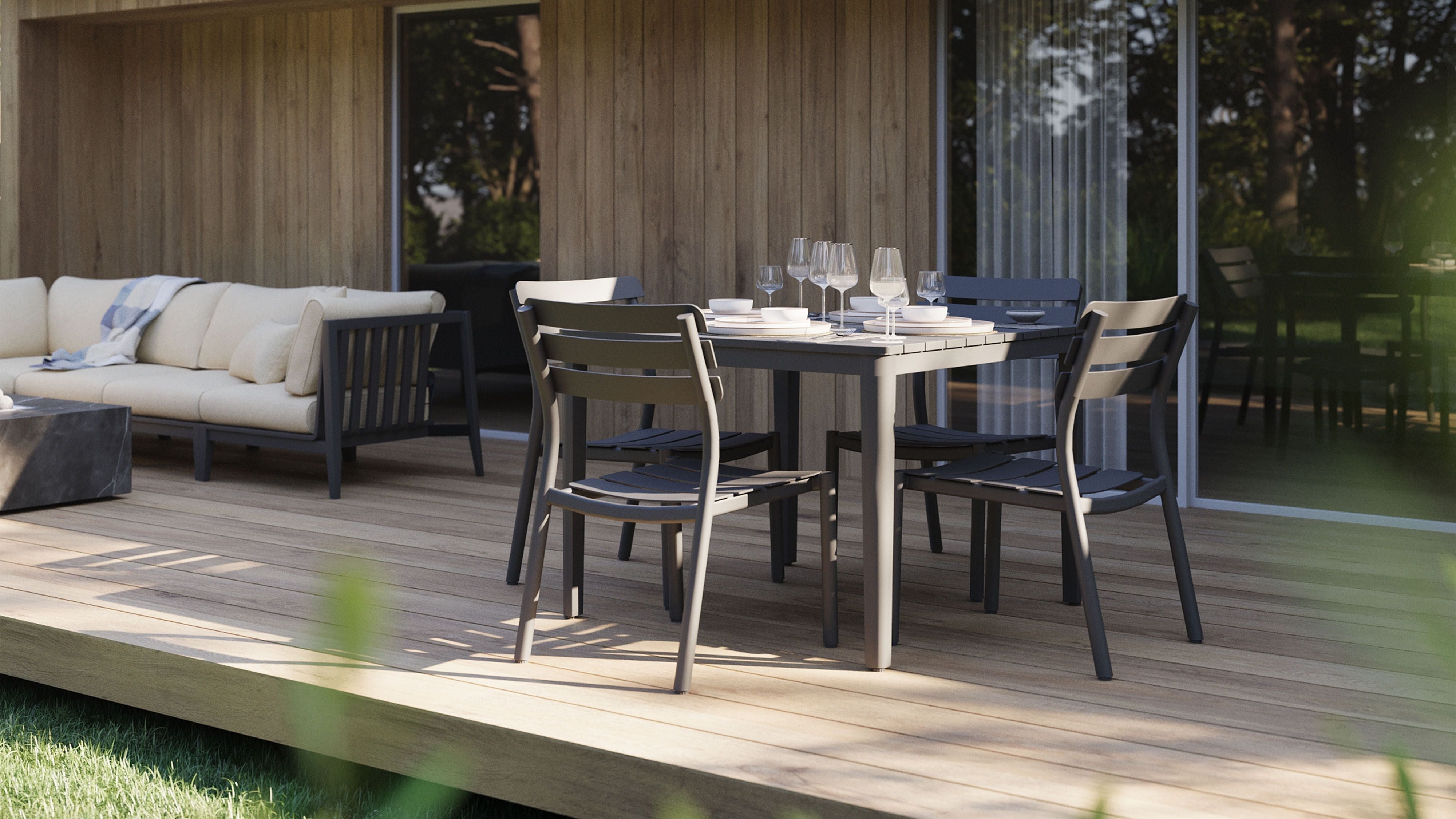
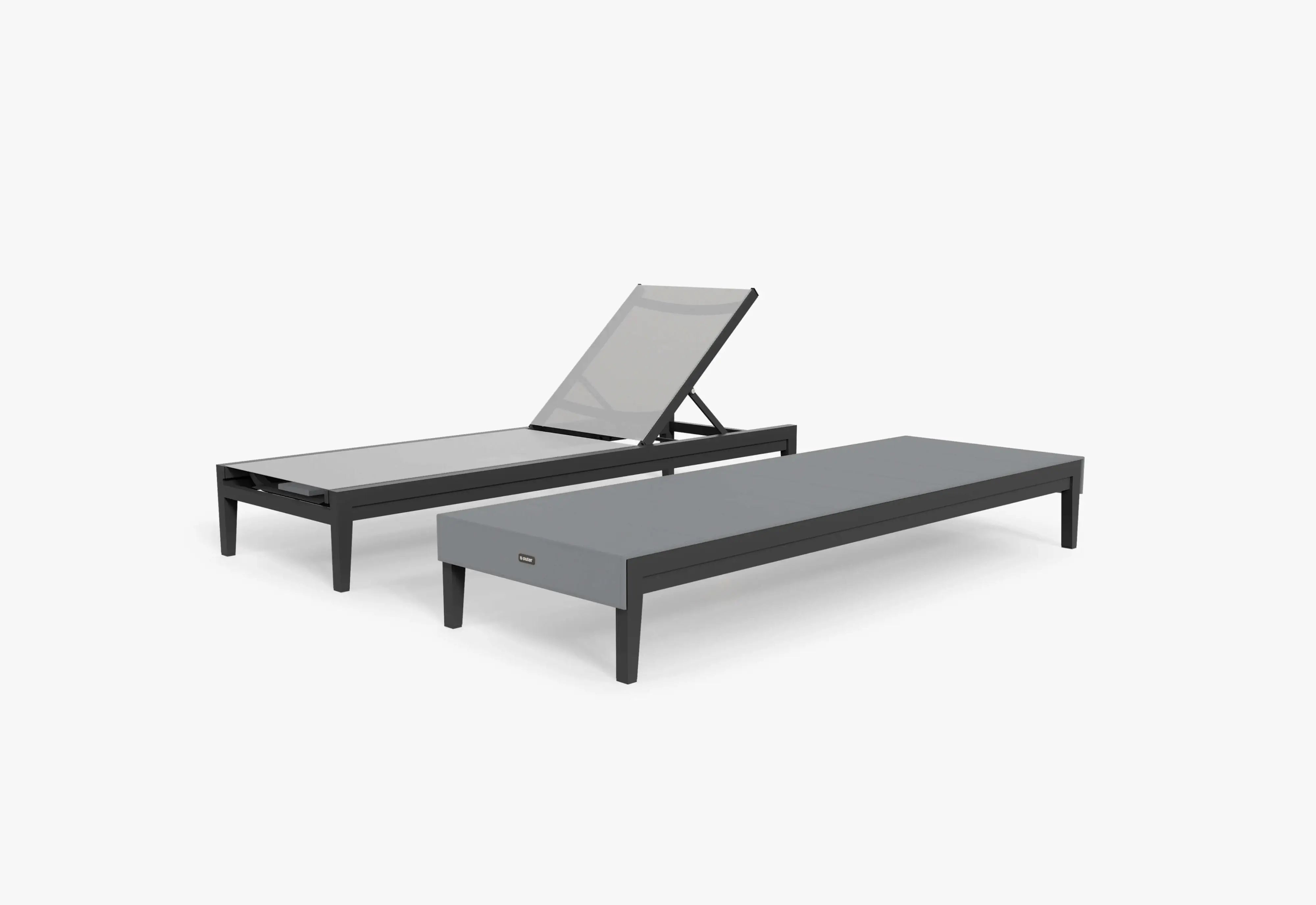
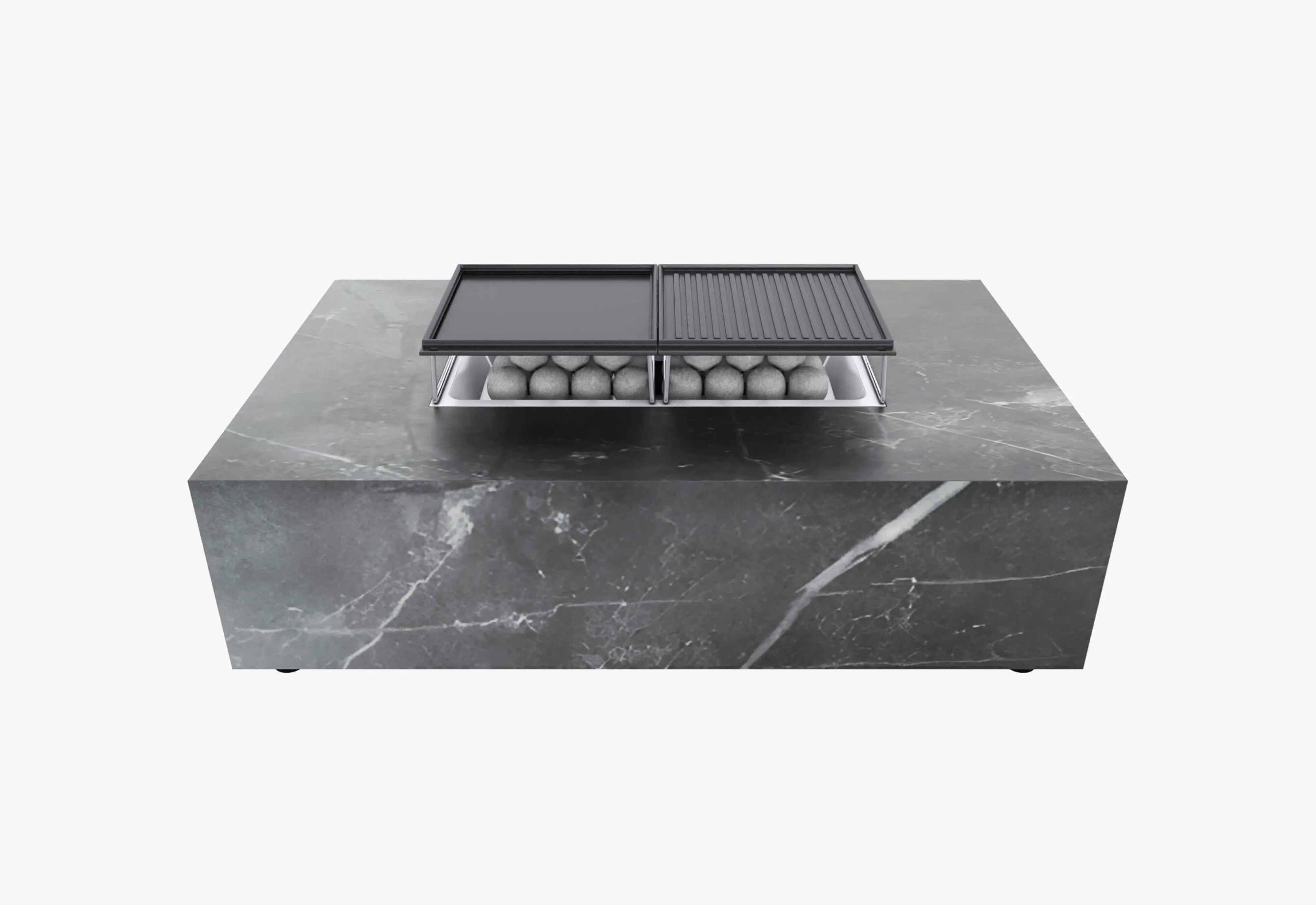
Dining + Gathering
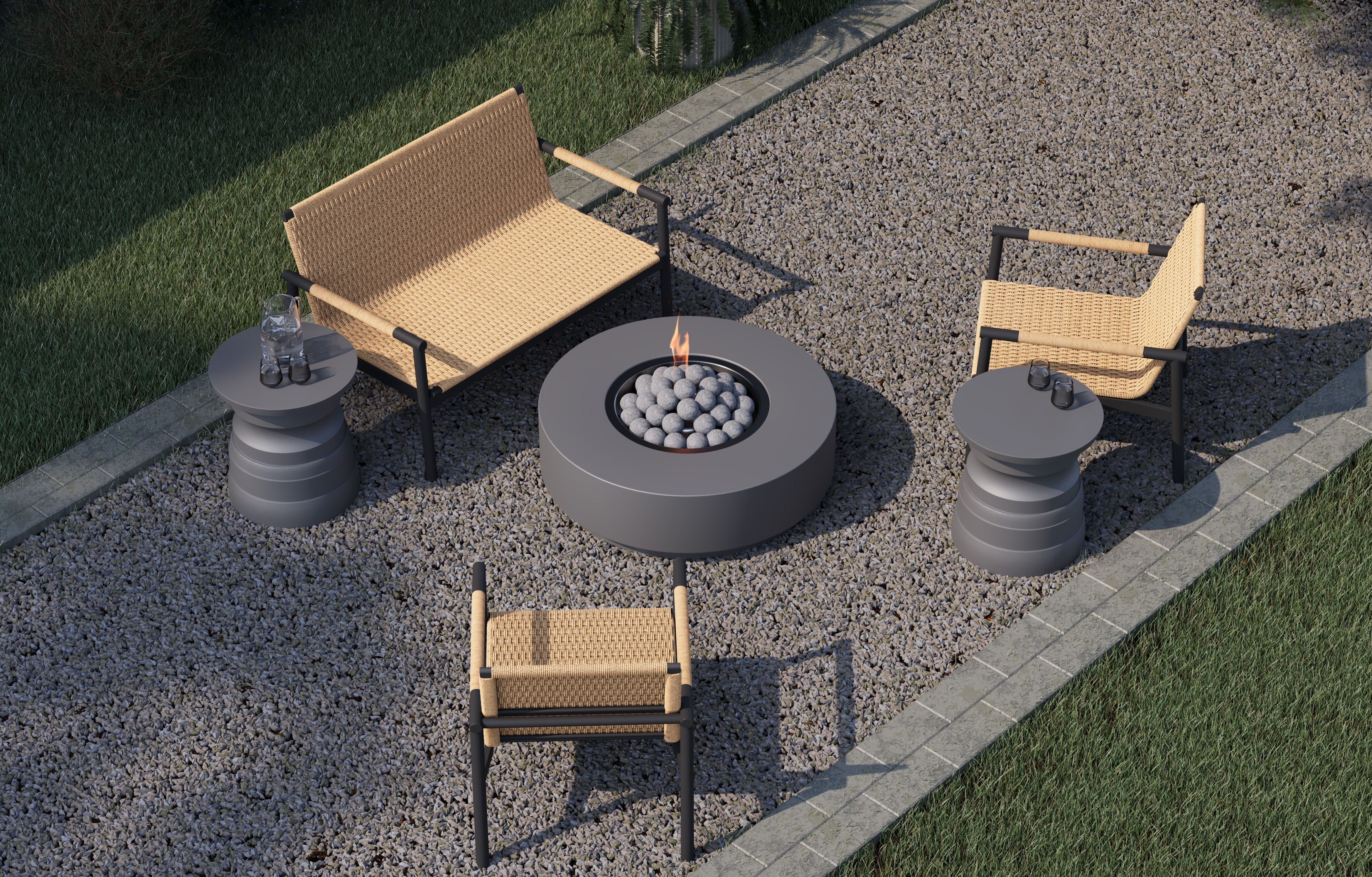
A strong outdoor dining space connects the table to fire pits, rugs, blankets, and lounge areas.
That is the quiet joy of outdoor dining. A simple dinner becomes a reason to slow down. A weekend brunch feels more relaxed. A birthday, holiday, or spontaneous neighborhood meal can turn into the kind of gathering people remember because the setting makes it easier to stay present.
At Outer, we design outdoor furniture for those real-life moments. From outdoor dining tables and sets built for everyday meals to fire pits that keep people gathered after the plates are cleared, every piece is made to help outdoor spaces feel more comfortable, durable, and ready to use.
Why Dining Outside Feels Different
Indoor meals often compete with the noise of everyday life. Phones buzz. Screens stay nearby. The evening can feel rushed before the meal even begins. Outside, the tone is different. Natural light replaces overhead bulbs. A breeze softens the setting. Children can move in and out of the scene without interrupting the whole meal. Guests tend to settle in rather than look for the next thing to do.
The setting shapes the experience. A patio, deck, garden, or backyard dining area gives the meal more room to breathe. It does not need to be elaborate. A sturdy table, comfortable chairs, layered lighting, and a few weather-ready details can shift the entire mood of a gathering.
This is one of the real benefits of outdoor dining: it naturally encourages connection. Meals stretch longer, stories come out more easily, and time feels less compressed. Instead of treating dinner as one more task in the day, eating outside can make the meal feel like the center of the evening.
The Benefits of Outdoor Dining for Families and Friends
Outdoor dining works because it removes people from the usual indoor routine. Parents may notice that kids stay near the table longer when the space feels open and casual. Friends may move naturally from dining chairs to a fire pit or lounge area. Guests may linger after dessert instead of heading straight for the door.
There are also subtle wellness benefits. Fresh air, natural light, and a more open setting can help meals feel calmer and less formal. The value is not just in eating outside. It is in creating a setting where people feel comfortable enough to stay.
- Outdoor dining creates a slower pace because the setting feels less rushed than a typical indoor meal.
- Outdoor dining encourages longer conversations because people are less surrounded by indoor distractions.
- Outdoor dining makes hosting feel more natural because the space can flow from table to fire pit, rug, or lounge zone.
- Outdoor dining helps patios get used more often when the furniture is comfortable, durable, and easy to maintain.

How to Create an Outdoor Dining Space People Actually Use
The most successful outdoor dining spaces are not just designed for the first impression. They are designed for repeated use. The table needs to fit the way you host. The chairs need to be comfortable enough for long meals. The surrounding pieces should help the gathering continue after dinner.
Start with the right table size
If you often host family dinners, weekend brunches, or holiday meals, an expandable outdoor dining table gives you flexibility. It can stay compact for everyday meals and open up when more people arrive.
Choose materials that reduce maintenance
Outdoor dining furniture needs to handle sun, moisture, pollen, spills, and regular use. Teak, aluminum, OuterStone®, and performance fabrics each solve different outdoor living needs.
Build a natural flow after dinner
A great outdoor meal rarely ends when the plates are cleared. Fire pits, outdoor rugs, throw pillows, and bug shield blankets help guests shift from dining to relaxing without leaving the space.
Make cleanup easier
Furniture that is easy to cover, clean, and use again lowers the barrier to outdoor meals. The easier the setup is to maintain, the more often the space becomes part of daily life.
Practical takeaway: Do not build an outdoor dining area only for special occasions. Build it around the meals you want to repeat: weekday dinners, weekend brunches, birthdays, holidays, and unplanned evenings with friends.
Outer in the Design Press
Outdoor dining works best when the setting feels beautiful, durable, and easy to live with. That balance is also why Outer has been recognized by design-focused publications. Architectural Digest lists Outer among its outdoor furniture brand recommendations, noting the brand’s recycled materials, neutral outdoor furnishings, and durable teak, aluminum, and wicker pieces.
House Beautiful has also covered Outer’s dining collection, highlighting features such as OuterShell® table protection, performance-focused dining chairs, and materials designed for hot-weather hosting and everyday outdoor use.
For readers planning an outdoor dining space, this outside perspective reinforces the same idea: the best outdoor meals are supported by furniture that looks refined, handles real weather, and makes hosting feel easier.
From Dinner to Gathering: What Happens After the Meal Matters
One reason outdoor dining feels different is that the meal has more room to become something else. Indoors, dinner often ends when the table is cleared. Outside, people may move toward the fire pit, sit back with another drink, or stay wrapped in conversation as the light changes.
This is where the surrounding setup matters. A dining table anchors the meal, but the full outdoor room keeps people comfortable after it ends. A fire pit adds warmth and atmosphere. An outdoor rug makes the space feel grounded. Throw pillows and blankets soften the setting. These details help the gathering continue naturally.

Why Eat Outdoors in Every Season
Outdoor dining is often treated as a summer ritual, but a well-planned patio can support gatherings across more of the year. Each season brings a different kind of meal, and the furniture should make adapting feel simple.
Spring
Fresh air, soft light, and blooming landscapes make spring ideal for weekend brunches, birthdays, and casual family meals. Weather-ready furniture helps manage pollen, changing temperatures, and unpredictable conditions without making the space feel high-maintenance.
Summer
Summer is when guest lists grow larger and meals stretch later. Expandable dining tables, comfortable chairs, and layered lighting help the space shift from dinner to conversation as the evening cools.
Fall
Cooler evenings make fire pits, warm drinks, and textured accessories more important. This is when outdoor dining can feel especially memorable because the setting becomes more intimate and atmospheric.
Winter
In milder climates, winter outdoor dining is still possible with the right preparation. Heaters, candles, throws, and easy-to-maintain furniture can make the space feel usable beyond the peak outdoor season.
Editor’s Picks for Outdoor Dining
Recommended Pieces for Better Meals Outside
Start with the dining table, then build the surrounding space with fire pits, covers, rugs, and accessories that make the meal easier to host and easier to enjoy.
Outdoor Dining Tables & Sets
Explore outdoor dining sets by size, material, layout, and hosting needs.
Shop outdoor dining
Teak + Aluminum Expandable Dining Table
A flexible table for everyday meals and larger gatherings, with the warmth of teak and the clean structure of aluminum.
View dining table
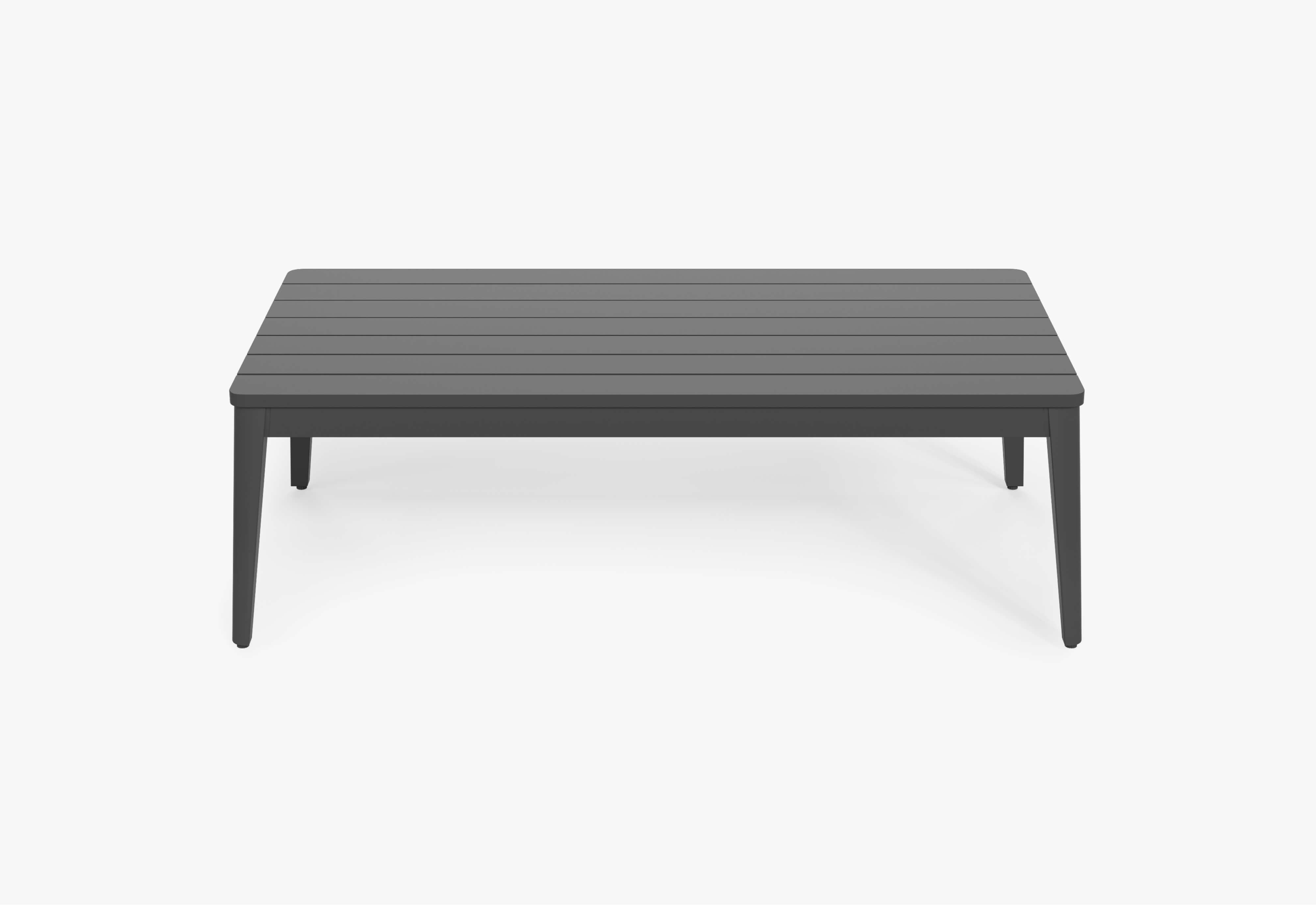
Aluminum Rectangular Dining Table
Rust-resistant, modern, and practical for frequent outdoor meals, rain, humidity, and easy cleanup.
View aluminum table For After Dinner
Outdoor Fire Pits
Add warmth, atmosphere, and a natural place to gather once the plates are cleared.
Shop fire pits
All-Weather Covers
Protect dining tables, fire pits, seating, and patio furniture from rain, pollen, debris, and off-season exposure.
Shop covers
Outdoor Accessories
Use rugs, throw pillows, blankets, and protective pieces to make the dining area feel more like an outdoor room.
Shop accessoriesComfort Is What Keeps People Around the Table
The most meaningful gatherings are not defined only by the food. They are defined by how long people stay, how naturally conversations move, and how comfortable everyone feels while they are there.
Comfort starts with proportion. Dining chairs should support long meals. Tables should have enough room for plates, serving pieces, drinks, and conversation. Materials should feel substantial without making the space difficult to maintain.
Comfort also comes from what happens around the table. A nearby fire pit, outdoor rug, or layered lighting setup gives guests somewhere to move after dinner. Instead of ending the gathering, the dining table becomes the beginning of the evening.
Connecting Outdoor Dining to the Bigger Patio Plan
The joy of sharing meals outside is part of a larger outdoor living strategy. A dining area should not feel isolated from the rest of the patio. It should connect naturally to seating, shade, lighting, storage, and the way people actually use the space.
If you are planning a full backyard or patio refresh, start with the dining moment and build outward. Decide how many people you usually host. Choose materials that match your climate. Add accessories that make the space feel comfortable. Then connect the dining area to a lounge or fire pit zone so the gathering can continue after the meal.
Planning tip: For a broader patio strategy, explore our outdoor patio furniture guide or read why most outdoor dining sets are not built for real gatherings.
Related Outdoor Dining and Patio Guides
Use these related guides to continue planning outdoor dining spaces by material, weather resistance, seating size, and long-term patio use.
Create an Outdoor Dining Space People Want to Stay In
Start with weather-ready dining furniture, then complete the space with fire pits, covers, rugs, and accessories designed for real outdoor living.
Outdoor Dining FAQs
Why does dining outside feel more relaxing?
Dining outside feels more relaxing because the setting changes the pace of the meal. Fresh air, natural light, open space, and fewer indoor distractions can make conversations feel less rushed and more connected.
What makes a good outdoor dining setup?
A good outdoor dining setup starts with a durable table, comfortable chairs, weather-ready materials, and enough space for guests to move naturally. Accessories like outdoor rugs, lighting, fire pits, and blankets can make the area feel more complete.
What type of furniture is best for outdoor meals?
Weather-resistant dining tables and chairs are the foundation of an outdoor meal space. Teak, aluminum, OuterStone®, and performance fabrics are strong options because they are designed to handle outdoor conditions while staying comfortable and visually refined.
How can I make outdoor dining work in more seasons?
To use an outdoor dining space in more seasons, add flexible pieces such as a fire pit, outdoor blankets, layered lighting, and furniture that is easy to keep clean. These details help the space feel comfortable beyond warm summer evenings.
Should an outdoor dining area connect to a lounge or fire pit space?
Yes. A connected lounge or fire pit area helps the gathering continue after the meal. This creates a more natural outdoor living flow, where guests can move from eating to relaxing without leaving the patio or backyard.
What is the easiest way to make outdoor meals feel more special?
Start with a comfortable dining set, then add small details that change the mood: outdoor lighting, a rug, serving space, a fire pit, pillows, or blankets. These pieces help the meal feel intentional without making hosting complicated.