

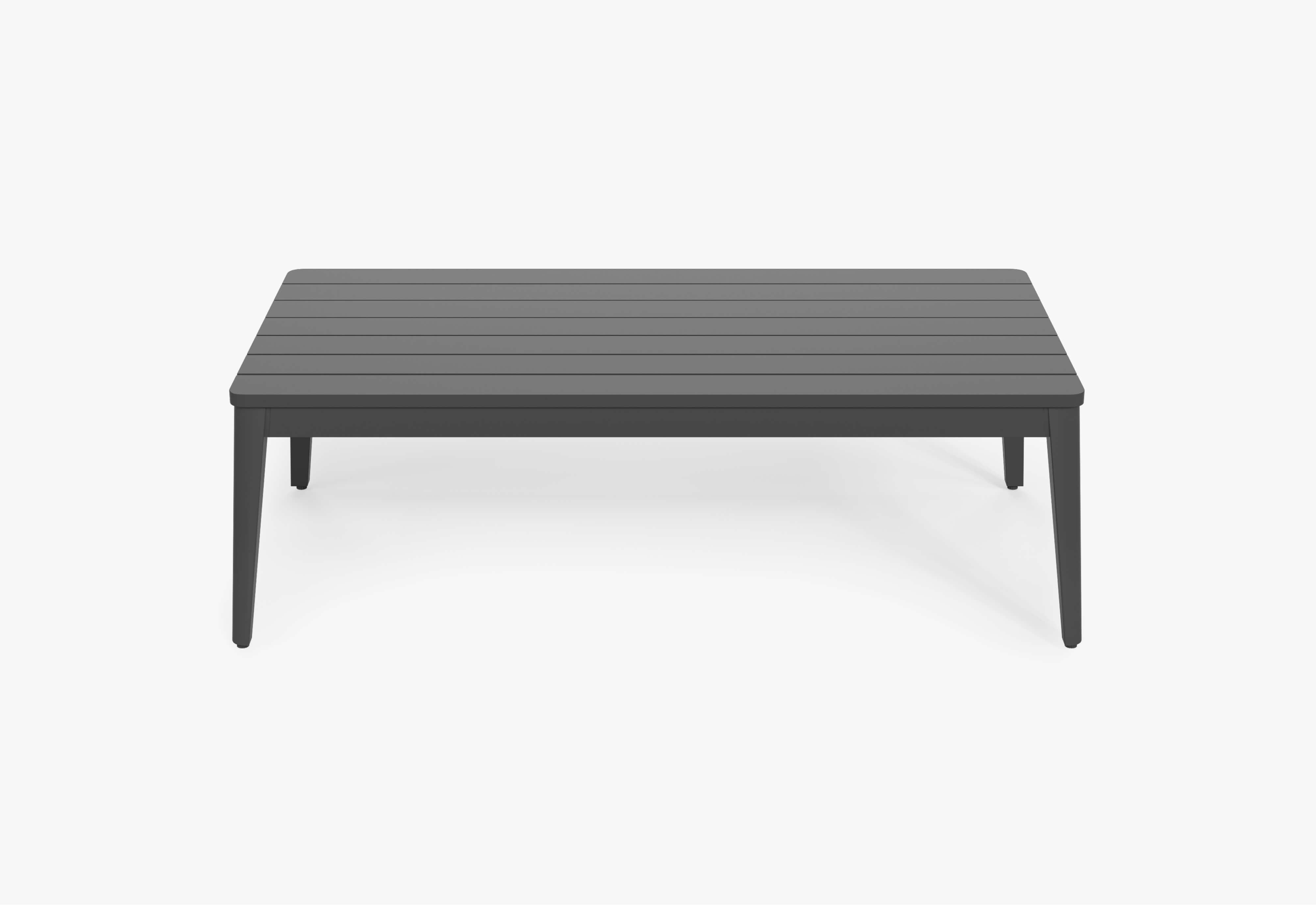
Best Time to Buy an Outdoor Fire Pit — Month by Month, City by City
From late-summer clearance windows in Chicago to year-round fire season in Los Angeles — a complete timing guide for every climate, patio setup, and outdoor scenario.
Timing your fire pit purchase correctly can mean the difference between paying full retail and saving several hundred dollars — while also ensuring your fire pit arrives in time for the season you actually want to use it. This guide breaks down the best buying windows by month, by city climate, and by the specific outdoor scenario you're designing for.

An outdoor fire pit table is one of the most transformative additions you can make to a backyard, patio, or rooftop. It extends the usable hours of your outdoor space well into the evening, creates a natural gathering point for guests, and — when designed as a 3-in-1 fire pit table like Outer's — doubles as a surface for drinks, small plates, and even outdoor cooking. But unlike a sofa or a dining table, a fire pit purchase is uniquely tied to seasonality: both the season you plan to use it and the season when retailers are most likely to offer their best pricing.
The short answer: late August through October is the single best window to buy a fire pit in most U.S. markets — retailers clear summer inventory, and you still have months of cool-weather fire pit season ahead. But the full picture is more nuanced, and it varies significantly by city, climate zone, and how you plan to use the fire pit.
The Month-by-Month Fire Pit Buying Calendar
Outdoor furniture pricing follows a predictable seasonal rhythm. Understanding where fire pits sit in that cycle — and how they differ from sofas or dining sets — gives you a meaningful edge as a buyer. Fire pits occupy a unique position: they are both a warm-weather patio piece and a cool-weather heating product, which means their demand curve is more complex than most outdoor furniture.
Post-holiday lull. Some retailers run clearance on prior-year models. Good for budget shoppers who don't need delivery until spring. Lead times can be long.
Presidents' Day sales occasionally include outdoor furniture. New model year inventory begins arriving at some retailers. Mild discount potential on carry-over stock.
Demand begins building. Ordering now ensures delivery before peak spring season. Ideal for Sun Belt cities (Phoenix, Miami, Austin) where fire pit season starts early.
Spring launch window. Full inventory available, but prices are at or near full retail. Best strategy: order early to secure your preferred configuration before stock runs low.
Memorial Day sales are the year's first major outdoor furniture event. Discounts are real but inventory of popular configurations can sell out quickly. Act fast on Memorial Day weekend.
Peak summer demand. Full-price window for most retailers. Fire pits are less urgently needed in summer heat, so this is a lower-priority buying month for most climates.
4th of July sales occasionally include outdoor furniture. Inventory is tightest of the year. Not the ideal time to buy unless you need immediate delivery for a specific event.
Late summer clearance begins. Retailers start moving summer inventory to make room for fall. Fire pit prices often soften. Delivery timing aligns perfectly with fall fire pit season.
Labor Day sales are the year's best outdoor furniture event. Strong discounts, full inventory still available. The sweet spot: you buy at a discount and use it immediately through fall.
Clearance deepens as retailers push remaining inventory. Excellent pricing, especially on prior-year configurations. Still warm enough in most cities to enjoy your fire pit right away.
Black Friday / Cyber Monday can yield strong discounts. Best for buyers in warm climates (Southern California, Florida, Texas) who will use it through winter. Northern buyers may face a long wait until spring.
Holiday promotions exist but inventory is thinner. A good time to buy as a gift or for a Sun Belt home where winter fire pit evenings are common. Delivery timing varies.
The Rule of Thumb
Buy 6–8 weeks before you want to use your fire pit. For most of the U.S., that means ordering in late August or September for fall use, or in March for spring use. The Labor Day window (late August through mid-September) consistently offers the best combination of pricing and delivery timing.
City-by-City Fire Pit Timing Guide
The "best time to buy" question is inseparable from the "best time to use" question — and that varies enormously by climate. A fire pit in Miami is a year-round evening amenity. The same fire pit in Minneapolis is a three-season piece at best. Understanding your city's climate profile helps you time both the purchase and the delivery to maximize the number of evenings you actually use it.
The following guide covers 16 major U.S. markets across four climate zones, with specific buying windows and usage season notes for each.
Sun Belt & Year-Round Climates
In warm-weather cities, fire pits are used most heavily in fall and winter evenings — when temperatures drop just enough to make a flame feel perfect. The buying window is more flexible here, but fall purchases still offer the best pricing.
LA's mild climate means fire pits are usable nearly year-round, but the sweet spot is October through March — cool evenings, no rain, perfect for outdoor entertaining. Buy in September for fall delivery, or February for spring setup. The September Labor Day window offers the best pricing alignment with LA's peak fire pit season.
Miami's fire pit season runs November through March, when evenings drop into the 60s and outdoor entertaining peaks. Buy in October to catch end-of-season clearance pricing and have your fire pit ready for the first cool evenings of the year. Summer purchases are less strategic — it's too hot and humid to use a fire pit comfortably.
Austin's shoulder seasons — October through April — are ideal for fire pit evenings. The brutal summer heat makes June through August uncomfortable for outdoor fire use. Buy in August or September: you'll catch clearance pricing and have the fire pit ready for Austin's long, pleasant fall season. Spring purchases in March also work well.
Phoenix's fire pit season mirrors Austin's: October through April is ideal, with summer temperatures making outdoor fire use impractical. The August–October buying window aligns perfectly — clearance pricing meets the arrival of cool desert evenings. Natural gas hookup is common in Phoenix homes, making NG-configured fire pits a strong choice here.
San Diego may be the best U.S. city for fire pit ownership: mild year-round temperatures mean you can use a fire pit in virtually every month. The September–November window offers the best pricing and aligns with the start of San Diego's "fire pit season" — when evenings cool enough to make a flame feel intentional rather than redundant.
Dallas has a long, hot summer that makes fire pits impractical from June through September. But fall arrives quickly, and October through April offers excellent fire pit weather. Buy in August or September to catch clearance pricing and have delivery timed for Dallas's first cool evenings.
Four-Season Climates
In cities with true winters, fire pit season runs from late spring through late fall — roughly May through October. The buying strategy here is more time-sensitive: order too late and you miss the season; order at the right moment and you get both good pricing and maximum use.
New York's fire pit season runs May through October, with the best evenings in September and October. The August–September buying window is ideal: Labor Day sales offer strong pricing, and you have 6–8 weeks of prime fire pit weather ahead. A March purchase works well for buyers who want delivery before Memorial Day weekend.
Chicago's outdoor season is compressed — roughly May through October — making timing critical. Buy in August or early September to maximize fall use. The September window is particularly strong: Chicago evenings in September and October are ideal for fire pit gatherings, and clearance pricing makes this the best value window of the year.
Boston's outdoor season is shorter than most — June through October at best. For maximum seasonal use, a March or April purchase ensures delivery before Memorial Day. The August window still works for fall use, but Boston's October evenings can be cold, so the spring buying window often makes more sense for Boston buyers.
Seattle's dry season runs July through September — the only reliable window for outdoor fire pit use. Buy in March or April to ensure delivery before Seattle's brief but beautiful summer. The fall buying window is less strategic here: by October, Seattle's rain season has returned and fire pit use becomes intermittent at best.
Denver's 300+ sunny days per year make it an excellent fire pit city, but the altitude means cold evenings even in summer. Fire pits are usable May through October, with the best evenings in September and October. Buy in March for spring delivery, or August for fall delivery. Denver buyers often prefer propane for flexibility, since natural gas line installation varies by property.
Atlanta's fire pit season is long — October through April — with mild winters that allow occasional use even in January. Buy in August or September to align with clearance pricing and the arrival of Atlanta's pleasant fall evenings. Atlanta buyers get exceptional value from a fire pit purchase because the usable season extends well beyond what most Northern buyers experience.
Pacific Northwest & Mountain West
Like Seattle, Portland's dry season is brief. Buy in spring to maximize summer and early fall use. A covered patio or pergola significantly extends Portland's fire pit season — if you have one, the fall buying window becomes more viable.
Salt Lake City has four distinct seasons and a long, pleasant fall. Buy in March for spring delivery, or August for fall use. The September–October window is particularly appealing: crisp mountain evenings make fire pit gatherings feel especially atmospheric.
San Francisco's famous fog and cool summers make fire pits useful nearly year-round. The fall and winter months — when evenings drop into the 50s — are peak fire pit season. Buy in September or October to catch clearance pricing and align with SF's best fire pit weather.
Las Vegas fire pit season mirrors Phoenix: October through April is ideal, with summer temperatures making outdoor fire use impractical. The August–October buying window is optimal. Las Vegas's dramatic temperature swings — hot days, cool nights — make fire pits a compelling choice for evening entertaining on patios and rooftops.
Quick Reference: City Buying Windows at a Glance
| City | Climate Zone | Fire Pit Season | Best Buying Window | Fuel Preference |
|---|---|---|---|---|
| Los Angeles | Mediterranean | Oct – Apr (year-round) | Sept – Nov | LP or NG |
| Miami | Subtropical | Nov – Mar | Oct – Dec | LP |
| Austin | Semi-Arid | Oct – Apr | Aug – Oct | NG or LP |
| Phoenix | Desert | Oct – Apr | Aug – Oct | NG |
| San Diego | Mediterranean | Year-round | Sept – Nov | LP or NG |
| Dallas | Humid Subtropical | Oct – Apr | Aug – Oct | NG |
| New York | Humid Continental | May – Oct | Aug – Sept / March | LP |
| Chicago | Humid Continental | May – Oct | Aug – Sept / March | LP |
| Boston | Humid Continental | June – Oct | March – April | LP |
| Seattle | Oceanic | July – Sept | March – April | LP |
| Denver | Semi-Arid Highland | May – Oct | March / Aug | LP |
| Atlanta | Humid Subtropical | Oct – Apr | Aug – Oct | NG or LP |
| San Francisco | Mediterranean | Year-round | Sept – Nov | LP or NG |
| Las Vegas | Desert | Oct – Apr | Aug – Oct | NG |
| Portland | Oceanic | July – Sept | March – May | LP |
| Salt Lake City | Semi-Arid | May – Oct | March / Aug | LP |
Buying by Scenario: What Setup Are You Designing For?
Beyond timing and climate, the right fire pit purchase depends heavily on the specific outdoor scenario you're building around. A rooftop terrace in Manhattan has different requirements than a sprawling Texas backyard. A covered patio in Atlanta has different constraints than an open deck in Denver. The following scenarios cover the most common outdoor fire pit setups and what each one demands from a fire pit table.
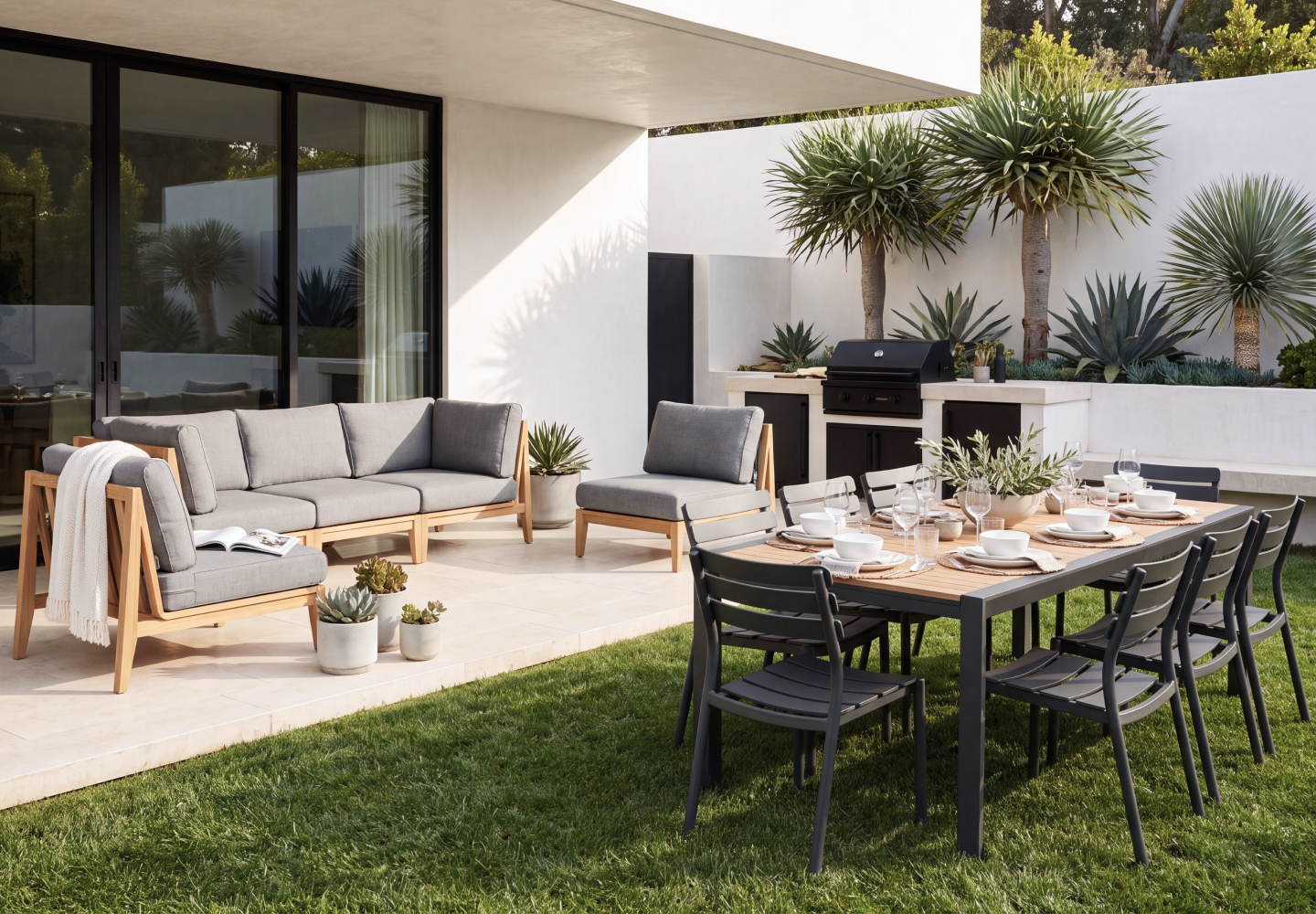
A dedicated outdoor living room anchored by a fire pit, with modular seating arranged for conversation. The most common setup for suburban homeowners with a patio or deck.
A fire pit under a pergola, covered patio, or retractable awning. This setup dramatically extends the usable season — even in Seattle or Boston — by providing protection from rain and wind.
A fire pit on a rooftop deck or terrace in a dense urban environment. Space is typically limited, wind is a factor, and building regulations may apply.
A fire pit adjacent to a pool or spa, creating a warm counterpoint to the water. Common in Southern California, Arizona, and Florida homes.
A fire pit table that serves double duty as a dining surface when the burner is covered. Ideal for smaller spaces where a separate dining table and fire pit isn't practical.
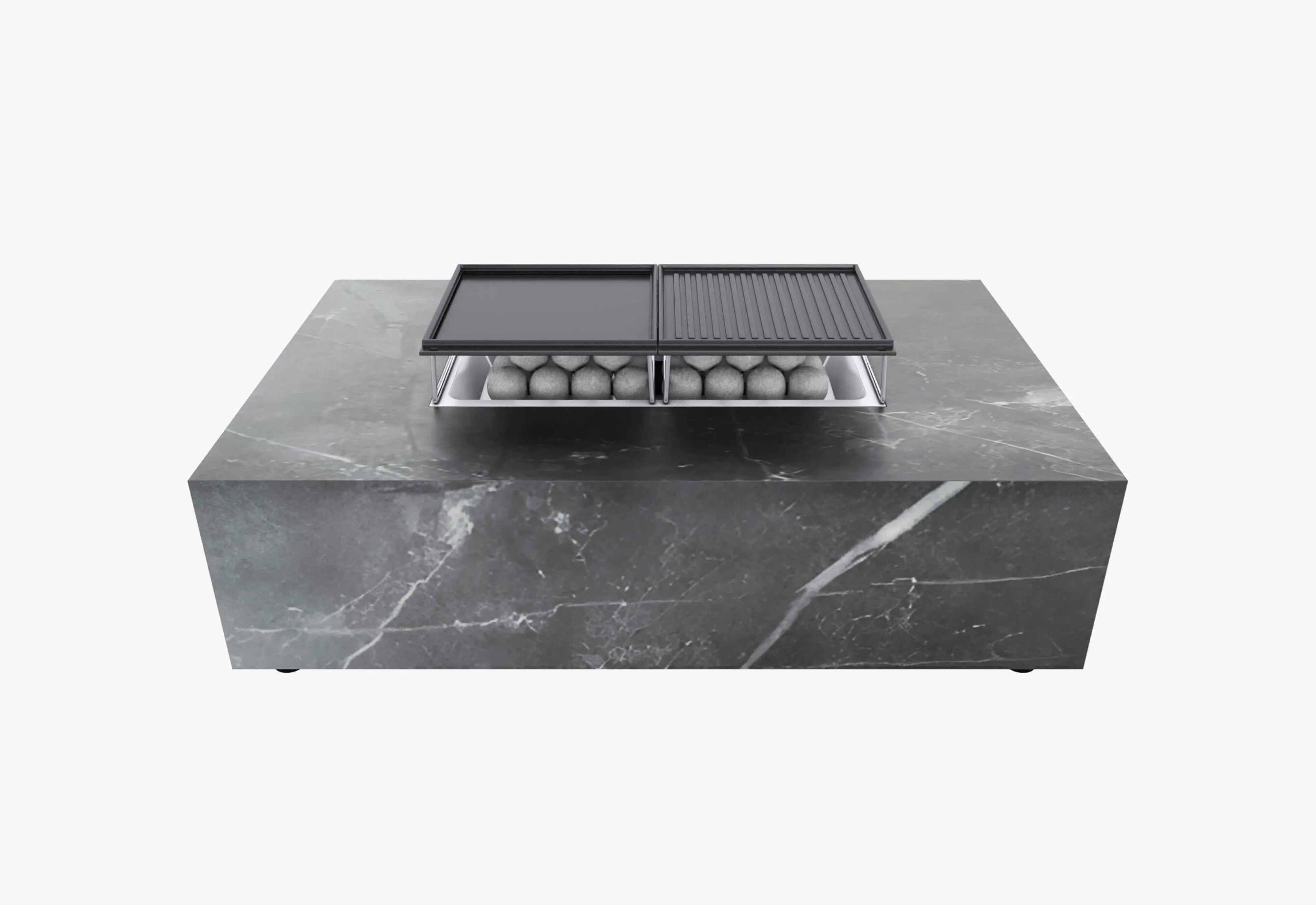
A fire pit used as an outdoor cooking surface with the optional Cooking Set. Griddles and stands transform the fire pit into a functional outdoor grill for entertaining.
A fire pit in a smaller, enclosed outdoor space — a side yard, courtyard, or narrow terrace. Space constraints require a more compact fire pit footprint.
A fire pit at a beach house, mountain cabin, or lake home. Usage is seasonal and intermittent, and the fire pit may sit unused for months at a time.
The 3-in-1 Design: Fire Pit, Table & Grill
Every Outer fire pit is built around a versatile 3-in-1 concept that distinguishes it from a standard fire pit bowl or standalone fire feature. Understanding this design philosophy helps explain why Outer fire pits are priced as they are — and why they deliver value that a single-purpose fire pit cannot.
- As a fire pit: The burner delivers consistent, adjustable flame in both liquid propane and natural gas configurations. Ceramic sphere fire media keeps the flame stable in wind and distributes heat outward toward seating.
- As a table: When the burner is covered, the fire pit functions as a full outdoor table — a flat, durable surface for drinks, food, books, or décor. OuterStone® and GFRC concrete surfaces are designed to handle everyday use.
- As a grill: With the optional Cooking Set, griddle pans and stands attach to the burner frame, transforming the fire pit into an outdoor cooking surface. Only Outer-branded cooking accessories should be used for this purpose.
This 3-in-1 versatility is particularly valuable in smaller outdoor spaces — a rooftop terrace, a courtyard, or a compact patio — where a separate fire feature and dining table isn't practical. One piece of furniture handles three functions, and the design is clean enough to look intentional rather than improvised.
Shop Outer Fire Pit Tables →Outer Fire Pit Collection: Which One Is Right for You?
Outer's fire pit collection is organized around two material choices — Concrete (GFRC) and OuterStone® — and three shape options: rectangular, round, and square. Each configuration is available with or without the Cooking Set, and with or without a Propane Tank Cover. Understanding the differences between the two materials is the most important decision in the buying process.
Glass Fiber Reinforced Concrete with a clean, architectural feel. Lighter than traditional concrete, with a modern matte finish that works in contemporary and transitional outdoor spaces.
Outer's proprietary sintered stone surface — scratch-resistant, heat-resistant, and built to resist the elements. The elevated look of natural stone with long-term performance for coastal, poolside, and high-use settings.
The round format is ideal for smaller patios, rooftop terraces, and intimate courtyard setups where a rectangular table would feel oversized. Creates a more social, face-to-face seating arrangement.
The square format balances the intimacy of a round fire pit with the surface area of a rectangular table. Works well in symmetrical patio layouts and pairs naturally with modular seating arranged on all four sides.
Available in rectangular, round, and square formats, the Cooking Set adds griddle pans and stands that transform the fire pit into an outdoor cooking surface. Available with or without a Propane Tank Cover.
A purpose-built cover that conceals the propane tank beneath the fire pit table, keeping the setup looking clean and intentional. Available separately for use with any Outer propane fire pit.
Concrete vs. OuterStone®: Which Material Is Right for Your Setting?
The choice between Concrete (GFRC) and OuterStone® is the most consequential decision in the Outer fire pit buying process. Both materials are designed for outdoor use and carry a 3-year warranty, but they perform differently in specific environments and have distinct aesthetic profiles.
| Factor | Concrete (GFRC) | OuterStone® |
|---|---|---|
| Aesthetic | Modern, architectural, matte finish | Elevated, natural stone look, more refined |
| Weight | Lighter (glass fiber reinforced) | Heavier (sintered stone) |
| Scratch Resistance | Good | Excellent (cannot be scratched) |
| Heat Resistance | Good | Excellent (cannot be burned) |
| Coastal / Salt Air | Good | Better (more resistant to salt air) |
| Poolside Use | Good | Better (resists pool chemicals) |
| Price Range | Lower starting price | Higher starting price |
| Best For | Contemporary patios, urban settings, budget-conscious buyers | Coastal homes, poolside, high-use settings, buyers prioritizing longevity |
Outer Fire Pit Warranty Coverage
All Outer fire pit tables carry a 3-year limited warranty from the date of purchase, covering defects in materials and workmanship. Coverage details differ slightly between the two materials.
Not covered: hairline cracks narrower than a quarter's thickness, staining from food or drink, damage from standing or sitting on the surface, damage from extreme weather, or damage from using the burner above the prescribed flame limit when griddles are installed. For full warranty terms, see Outer's official warranty page.
Natural Gas vs. Propane: Choosing the Right Fuel for Your City
The fuel choice for your fire pit is a practical decision that depends on your home's infrastructure, your city's typical outdoor setup, and how you plan to use the fire pit. Both configurations are available across Outer's full fire pit lineup, and both deliver the same clean-burning flame experience. The differences are in installation, convenience, and cost over time.
Natural Gas: Best for Permanent Installations
Natural gas is the better choice if your home already has an outdoor gas line or if you're willing to have one installed. It eliminates the need to manage propane tanks, refill them, or store them. Natural gas fire pits are more common in Sun Belt cities — Phoenix, Dallas, Houston, Las Vegas — where outdoor gas lines are standard in newer construction. The trade-off is that a natural gas fire pit is a permanent installation: it cannot be moved once connected.
Propane: Best for Flexibility and Portability
Propane is the better choice for renters, buyers without an outdoor gas line, rooftop terraces, and vacation properties. A 20 lb. LPG cylinder powers the fire pit and can be replaced at most hardware stores and gas stations. The Outer Propane Tank Cover keeps the tank concealed beneath the table for a clean look. Propane is the more common choice in Northern cities (New York, Chicago, Boston, Seattle) where outdoor gas lines are less standard.
Five Practical Tips for Timing Your Fire Pit Purchase
Beyond the seasonal calendar and city-specific windows, there are a few practical considerations that can make the difference between a smooth purchase and a frustrating one.
1. Order 6–8 Weeks Before You Want to Use It
Outer fire pits are made-to-order pieces. White Glove Delivery — which includes in-home delivery and setup — requires scheduling lead time. Ordering in late August for a September fire pit evening, or in March for a May Memorial Day gathering, gives you enough buffer for production and delivery scheduling without cutting it close.
2. Decide on Natural Gas vs. Propane Before You Order
If you're planning a natural gas installation, coordinate with a licensed plumber or gas contractor before ordering. The gas line installation timeline can add 2–4 weeks to your setup schedule. For propane buyers, the setup is simpler — but confirm that your outdoor space meets the minimum clearance requirements before the fire pit arrives.
3. Check Your Outdoor Space for Clearance Requirements
Outer fire pits require a flat, stable surface and a minimum of 4 feet of clearance from structures or plants, with no overhang or trees within 6 feet above the unit. For rooftop installations, check building regulations before ordering. For wooden deck installations, confirm that the deck surface and installation environment meet the product's safety requirements.
4. Consider the Cooking Set as Part of Your Initial Order
If you're interested in using the fire pit for outdoor cooking, ordering the Cooking Set at the same time as the fire pit is more efficient than adding it later. The Cooking Set transforms the fire pit into a functional outdoor grill and is available in all shapes and configurations.
5. Think About the Propane Tank Cover from the Start
If you're buying a propane fire pit, the Propane Tank Cover is worth adding to your initial order. It keeps the propane tank concealed beneath the table for a clean, intentional look — and it's easier to set up during initial installation than to add later.
Frequently Asked Questions
What is the single best month to buy an outdoor fire pit?
September is generally the best single month to buy an outdoor fire pit in most U.S. markets. Labor Day sales — which typically run from late August through the first week of September — represent the year's most significant outdoor furniture sales event, and fire pits are frequently included. You get strong pricing, full inventory availability, and delivery timing that aligns with the beginning of fall fire pit season. For buyers in warm-weather cities (Los Angeles, Miami, Austin), October is nearly as strong. For buyers in cold-weather cities (Boston, Seattle, Chicago) who want maximum seasonal use, a March purchase may be more strategic.
Is it worth buying a fire pit in winter?
It depends on your climate. In warm-weather cities — Los Angeles, Miami, Phoenix, Austin, Atlanta — a winter fire pit purchase makes excellent sense. Fire pit season in these cities runs November through March, and a November or December purchase catches end-of-season clearance pricing while aligning with peak usage time. In cold-weather cities like Chicago, Boston, or Minneapolis, a winter purchase means the fire pit will sit unused until spring. In those markets, a March purchase is more strategic — you catch pre-season inventory availability and have the fire pit ready for the first warm evenings of the year.
How long does it take to receive an Outer fire pit after ordering?
Outer fire pits are delivered via White Glove Delivery, which includes in-home delivery and setup. Lead times vary by product configuration, current inventory levels, and your location. As a general rule, plan for 4–8 weeks from order to delivery. During peak season (spring and early summer), lead times may be longer. Ordering in late August or early September — rather than waiting until October — gives you the best chance of receiving your fire pit before the best fall evenings have passed.
What is the difference between Concrete and OuterStone® fire pits?
Outer's Concrete fire pits use Glass Fiber Reinforced Concrete (GFRC) — a lighter-weight concrete with a clean, modern, architectural feel. OuterStone® is Outer's proprietary sintered stone material, which is harder, more scratch-resistant, and more heat-resistant than concrete. OuterStone® cannot be etched, scratched, or burned under normal use conditions. Both materials carry a 3-year warranty. OuterStone® is the better choice for coastal environments, poolside settings, and high-use situations where the surface will see frequent contact. Concrete is the better choice for buyers who prefer a more contemporary aesthetic or are working within a tighter budget.
Can I use an Outer fire pit on a wooden deck?
Yes, but with important conditions. The fire pit must be installed on a flat, stable surface with a minimum of 4 feet of clearance from structures or plants, and no overhang or trees within 6 feet above the unit. For wooden deck installations, confirm that the deck surface and surrounding environment meet the product's safety requirements before use. Outer recommends placement on concrete or slate patios as the ideal surface, though wooden deck installation is supported when the clearance and safety requirements are met.
What fire media works best in an Outer fire pit?
Outer includes ceramic spheres with its fire pits, and these are the recommended fire media. Ceramic spheres keep the flame more stable in wind and distribute heat outward toward seating — both important performance characteristics for an outdoor fire pit. The burner pan is also designed to work with aftermarket fire media including lava stones, lava granules, fire glass, and other ceramic spheres. For rooftop and windy environments, ceramic spheres are particularly recommended over fire glass, which can scatter in strong wind.
How does the Outer fire pit warranty work?
All Outer fire pit tables carry a 3-year limited warranty from the date of purchase. The warranty covers defects in materials and workmanship — for GFRC Concrete fire pits, this includes major cracking (cracks wider than a quarter's thickness), blistering or peeling of finish, and structural defects. For OuterStone® fire pits, coverage includes the OuterStone® material and any structural or mechanical defects. Fire pit accessories (Cooking Set components, Propane Tank Cover) are covered under Outer's 1-year warranty for other products. To initiate a warranty claim, contact Outer at (855) 277-7744 or orders@liveouter.com with photos and a description of the defect. The warranty applies to the original purchaser only and covers residential non-commercial use in the United States.
What outdoor furniture pairs best with a fire pit table?
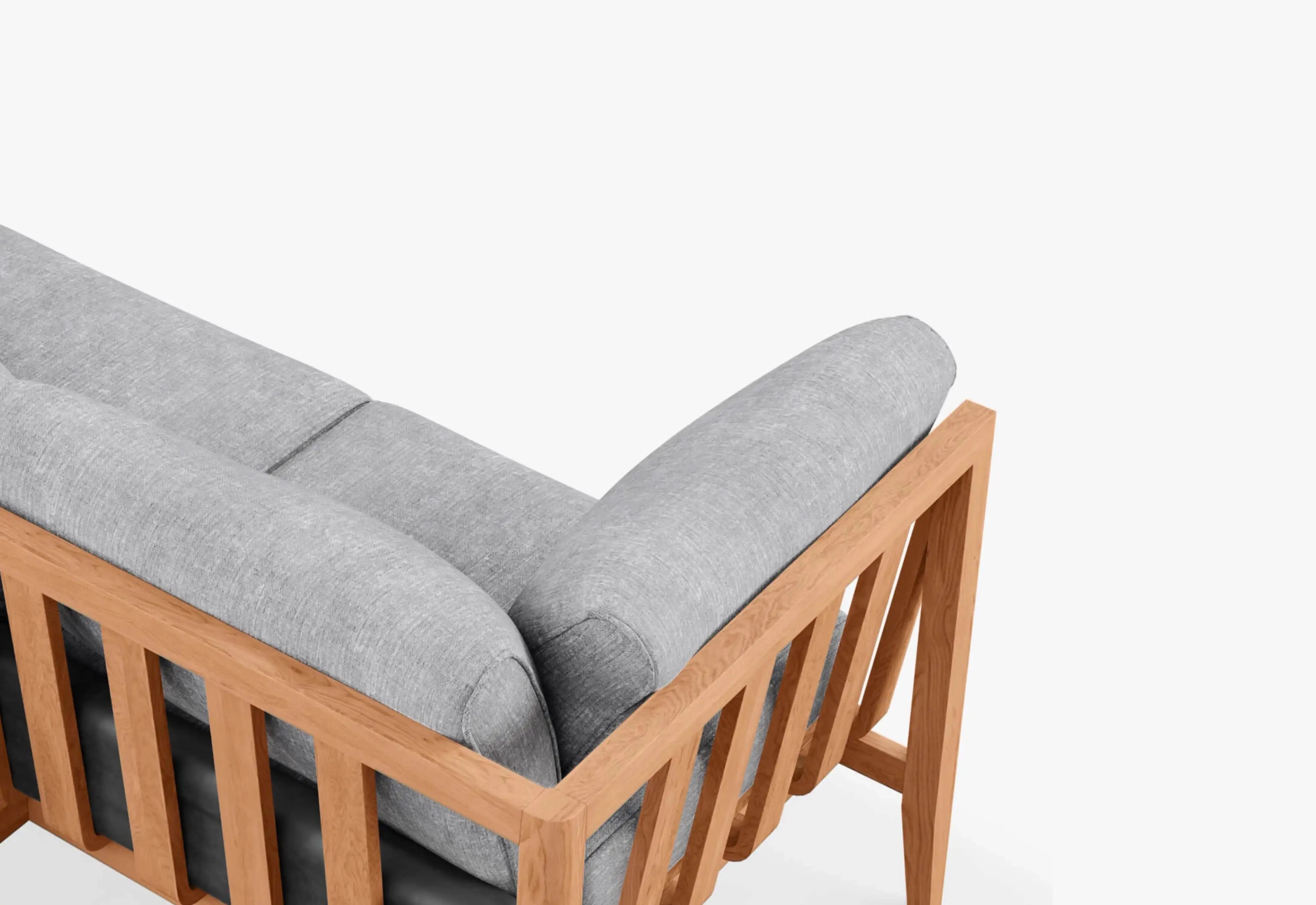
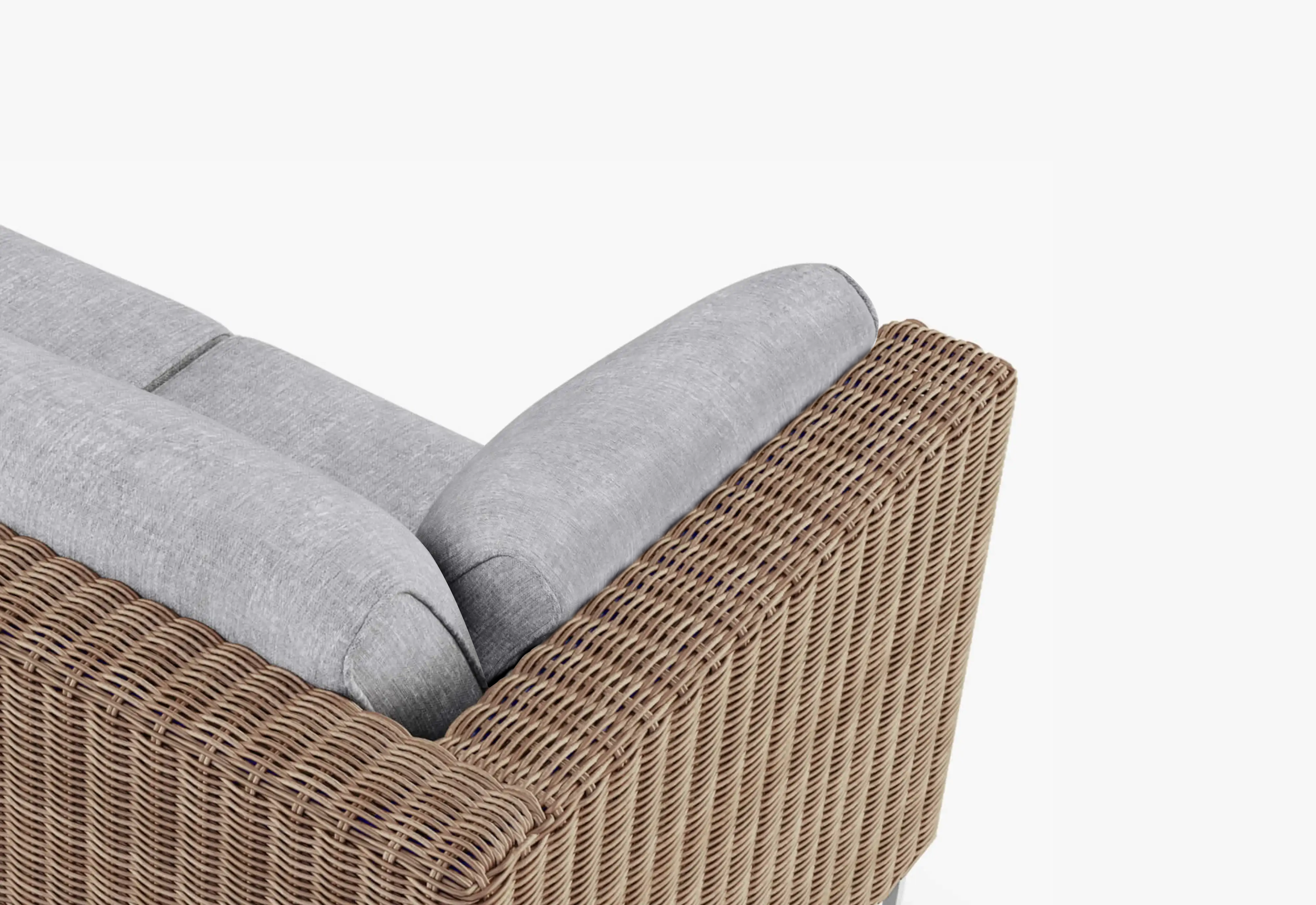
Fire pit tables pair best with outdoor sofas, lounge chairs, and modular seating arranged for conversation — with the fire pit at the center of the seating group. The ideal arrangement leaves enough surface space around the fire pit for drinks and small plates, while keeping seating close enough to feel the warmth. For a complete outdoor living setup, choose furniture that matches the scale and material palette of your fire pit. Outer's modular sofa collections in aluminum, teak, and wicker are designed to work with the fire pit collection, and the material finishes are coordinated across the product lines.
Is a propane or natural gas fire pit better for a vacation home?
Propane is almost always the better choice for a vacation home or second property. Vacation homes rarely have outdoor natural gas lines, and a propane fire pit can be set up and used without any permanent installation. The 20 lb. LPG cylinder can be stored safely when the property is unoccupied and replaced at local hardware stores or gas stations. The Outer Propane Tank Cover keeps the setup looking clean and protects the tank during off-season storage. OuterStone® is the recommended material for vacation homes in coastal or mountain environments, where salt air, humidity, and temperature swings are more demanding on outdoor surfaces.
Ready to Find Your Fire Pit?
Whether you're designing a backyard gathering space in Austin, a rooftop terrace in New York, or a poolside lounge in Los Angeles — the right fire pit and the right timing can make a meaningful difference in how much you actually use your outdoor space. The September window is the sweet spot for most buyers: strong pricing, full inventory, and delivery timing that aligns with the best evenings of the year.
Shop Fire Pit Tables → Free Design Consultation