



Outdoor Space Planning
Deck vs. Patio: Which Is Right for Your Family?
Trying to choose between a deck and a patio? Learn how to compare layout, property grade, maintenance, cost, and family use so you can pick the best patio furniture or deck setup for your home.

Deck vs. Patio: What Is the Main Difference?
When planning a backyard transformation, one of the first big decisions home buyers and renovators face is deciding patio vs. deck—or deck vs. patio. While both offer a dedicated outdoor footprint for relaxing, dining, and entertaining, they serve different structural functions and impact your home’s layout in distinct ways.
- Deck: A raised outdoor platform supported by an engineered frame of posts, joists, and beams. Decks are typically constructed using pressure-treated wood, composite decking, or aluminum.
- Patio: A ground-level paved outdoor space built directly on top of a prepared soil base. Patios use hardscaping materials like poured concrete, natural stone, brick, or stone pavers.
Deck vs. Patio Comparison Matrix
| Feature | Deck | Patio |
|---|---|---|
| Position | Usually elevated above grade | Built at or near ground level |
| Best Property Terrain | Sloped, steep, or uneven yards | Level or gently graded yards |
| Home Access | Connects directly to upper-floor kitchens or living rooms | Extends ground-floor rooms seamlessly into the yard |
| Common Materials | Natural wood, composite decking, aluminum | Poured concrete, natural stone, pavers, brick |
| Average Lifespan |
Wood: 10–15 years Composite: 25+ years |
Masonry/Stone: 25+ years |
| Primary Durability Risks | Rot, splintering, warping, UV fading | Surface cracking, deep staining, mold accumulation |
| Maintenance Needs |
Wood: High (yearly staining, sealing) Composite: Low (routine washing) |
Moderate (power washing, sealing, joint maintenance) |
| Estimated Resale ROI | 60% to 80% ROI | Under 50% ROI |
4 Key Decision Factors: Patio or Deck—Which Is Better?
1. Property Grade & Home Architecture
- Sloped vs. Flat Ground: If your property drops off or has an uneven incline, a deck is usually the simpler solution. Supporting posts create a level surface without extensive grading. For flat yards, a paved patio requires less framing work.
- Indoor-Outdoor Flow: If your kitchen or main living room sits on the main level above a walkout basement, a deck creates an effortless extension out the back door. If your living space opens at ground level, a patio flows directly into your lawn or garden.
2. Family Safety & Privacy
- Views vs. Exposure: Elevated decks capture scenic views, but they can leave your family visible to neighboring homes. Patios sit lower to the ground, making it easier to install privacy screens, pergolas, or tall landscaping.
- Railing Safety: Elevated decks require sturdy railings and stairs, which require periodic structural inspections if you have young children or pets.
3. Material Performance & Maintenance
- Natural Wood Decks: Pressure-treated lumber requires annual sanding, staining, and sealing. It absorbs moisture easily, leading to splintering, rot, and UV fading over time.
- Composite Decks: Requires minimal routine cleaning with mild soap and water. It has a higher initial material investment, but is backed by long warranties against fading, mold, and rot.
- Stone or Paver Patios: Occasional power washing, stain removal, and re-sanding of paver joints. Ground settling can lead to cracked concrete or shifting pavers, while porous surfaces can retain leaf stains.
Cost Tip: Consider long-term ownership costs alongside your initial builder quote. Natural wood may be cheaper upfront, but yearly maintenance costs and board replacements add up quickly compared to low-maintenance composite decking or stone.
4. Climate Considerations
- Rain & Moisture: Rain drains naturally through the gaps in deck boards. Patios require proper slope grading to keep water from pooling against your foundation.
- Sun & Heat: Dark composite boards and stone pavers absorb direct sunlight. Plan for shade solutions—like pergolas, outdoor umbrellas, or covered overhangs.
- Freeze-Thaw Seasons: Cold winters require patio sub-bases to be deeply prepared to avoid frost-heaving, while deck posts must sit below local frost lines.
Choosing the Best Outdoor Furniture for Your Space
Once your structure is set, choosing the right best outdoor furniture transforms the space into a true outdoor living room.
1. The Outdoor Lounge Zone
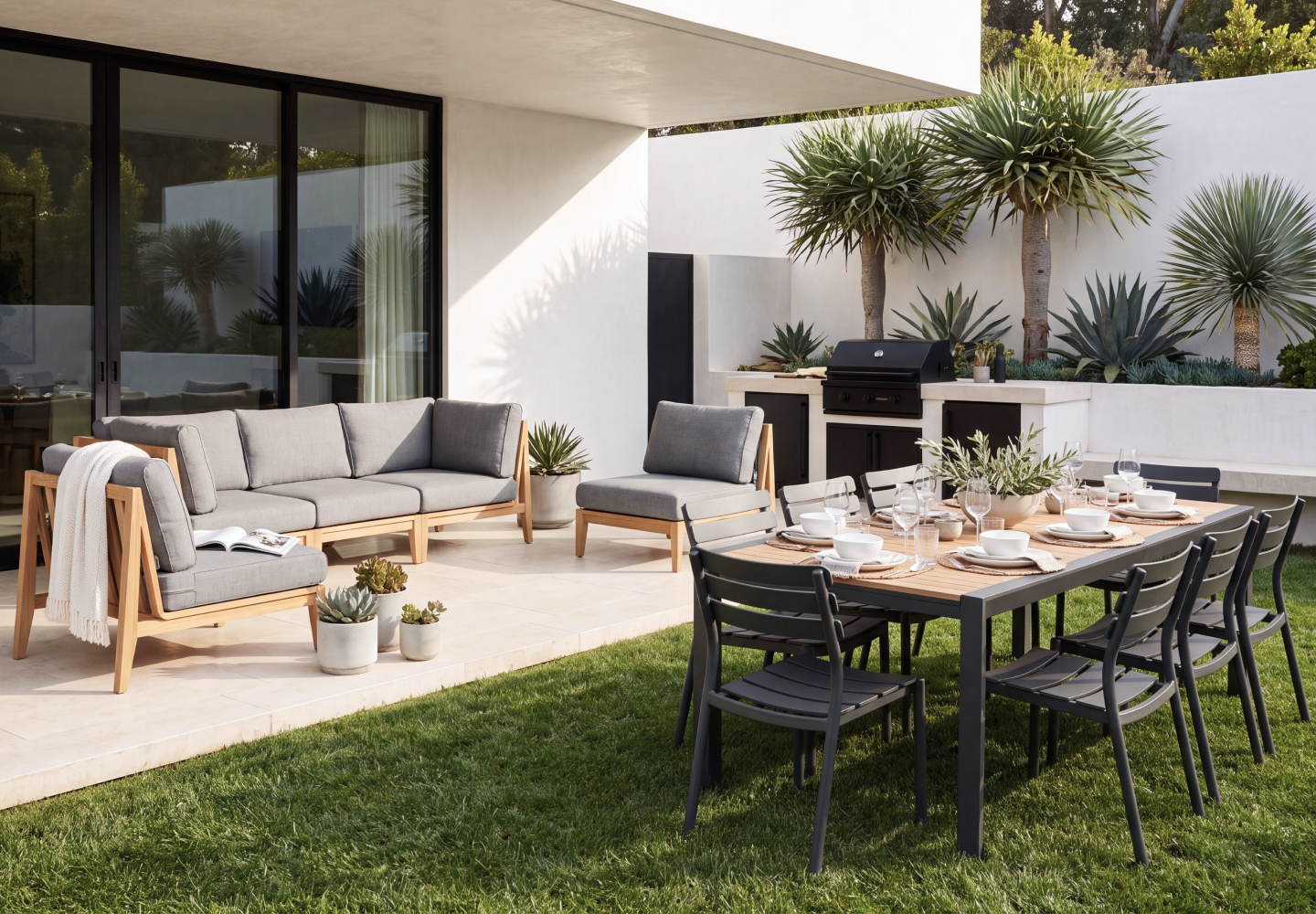
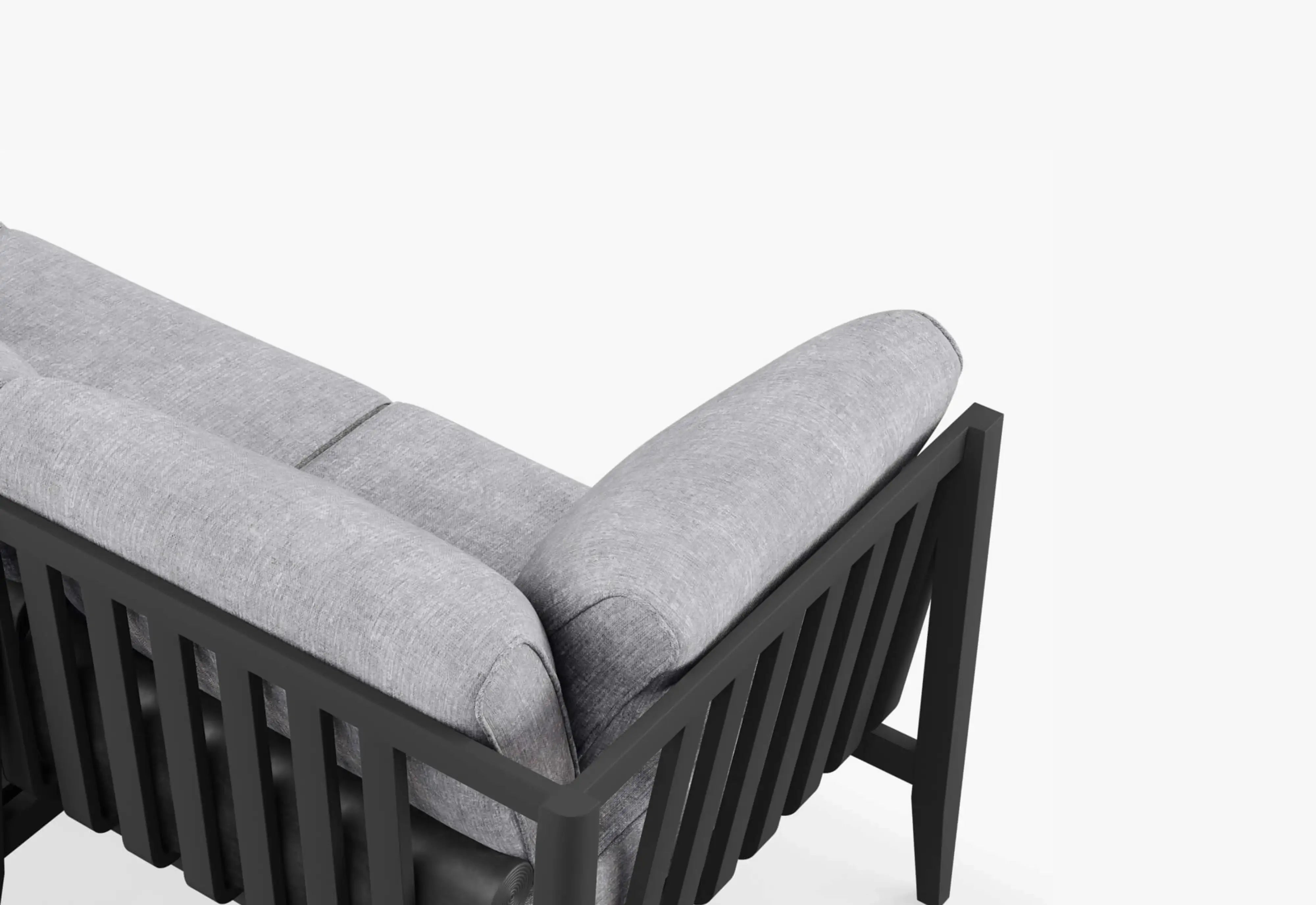
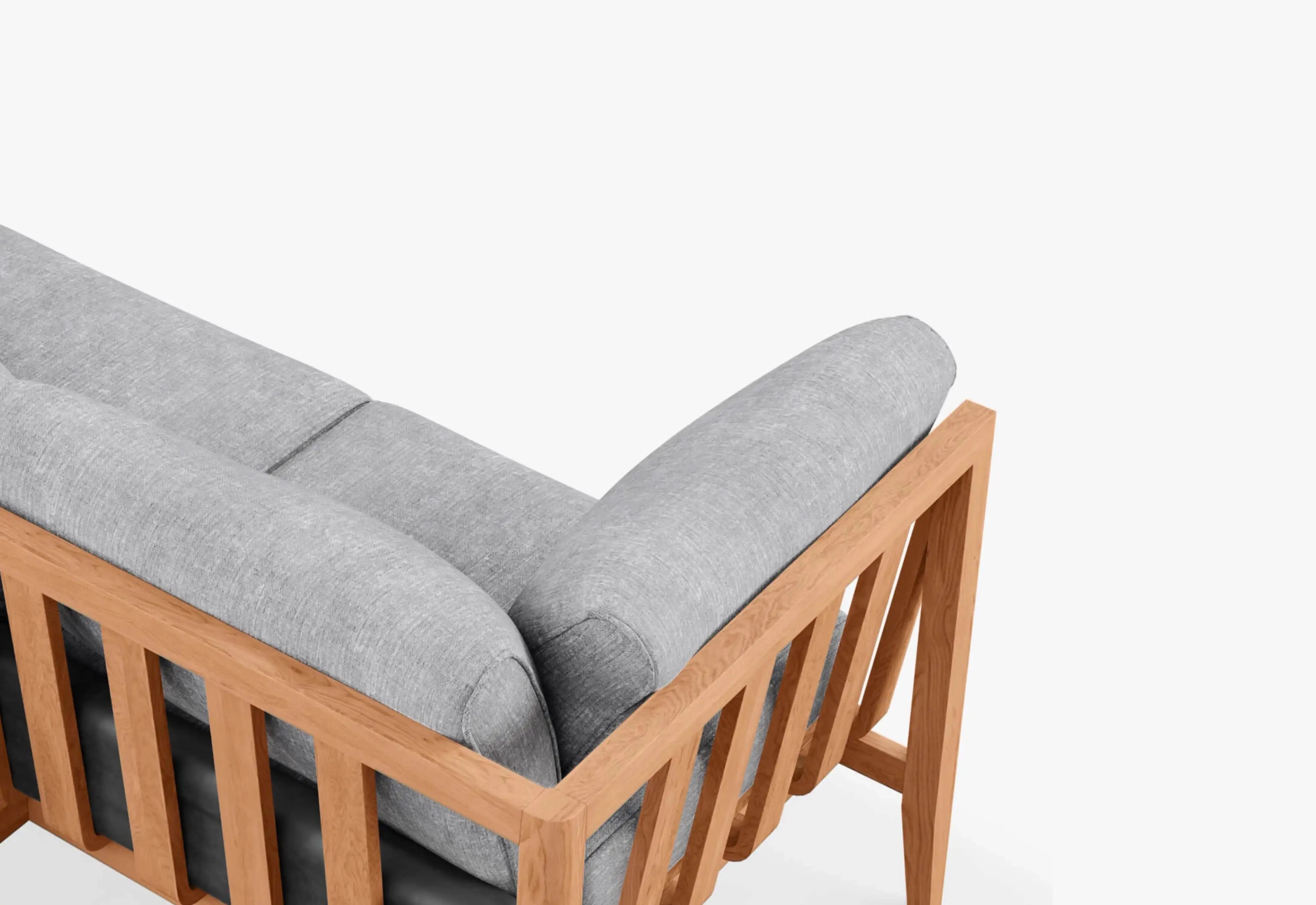
- Seating Setup: Create a relaxed gathering space with a comfortable outdoor sofa, outdoor couch, or patio couch. Modular sectionals let you adjust seating based on your family's size. Explore the Aluminum Outdoor Sofa or Teak Outdoor Sofa options to match your style.
- All-Weather Protection: Look for the best weatherproof outdoor furniture and best weather-resistant patio furniture. Selecting outdoor furniture with built-in covers (like the patented OuterShell® cover) or patio furniture with covers ensures your cushions stay dry and clean without hassle.
2. The Outdoor Dining Zone
- Layout: Position dining sets close to your indoor kitchen for easy food prep and serving.
- Flexibility: Extendable dining tables let you comfortably host family meals during the week and expand for weekend gatherings. Explore Extendable Dining Tables to maximize your dining area.
3. The Fire Pit Gathering Spot
- Safety & Atmosphere: Patios offer a naturally fire-resistant foundation for fire pit ideas and cozy evening gatherings. If installing a fire pit on a wood or composite deck, always use an approved protective heat mat and check local building codes. Browse Outdoor Fire Pits to find the perfect centerpiece.
Complete the Outdoor Room
Furniture for Dining, Lounging, and Gathering
Once the structure and zones are defined, choose pieces that support the way each part of the space will be used. Explore the complete outdoor furniture collection, or start with one of these settings.

Lounge zone
Charcoal Aluminum Outdoor Sofa with Armchairs
Modular seating for a deck or patio conversation area, with OuterCloud® cushions and integrated OuterShell® protection.
Explore the sofa set
Dining zone
Teak + Aluminum Extendable Dining Set
A flexible centerpiece for everyday meals and larger gatherings, extending from eight to twelve seats when the occasion calls for more room.
Explore the dining set
Fire zone
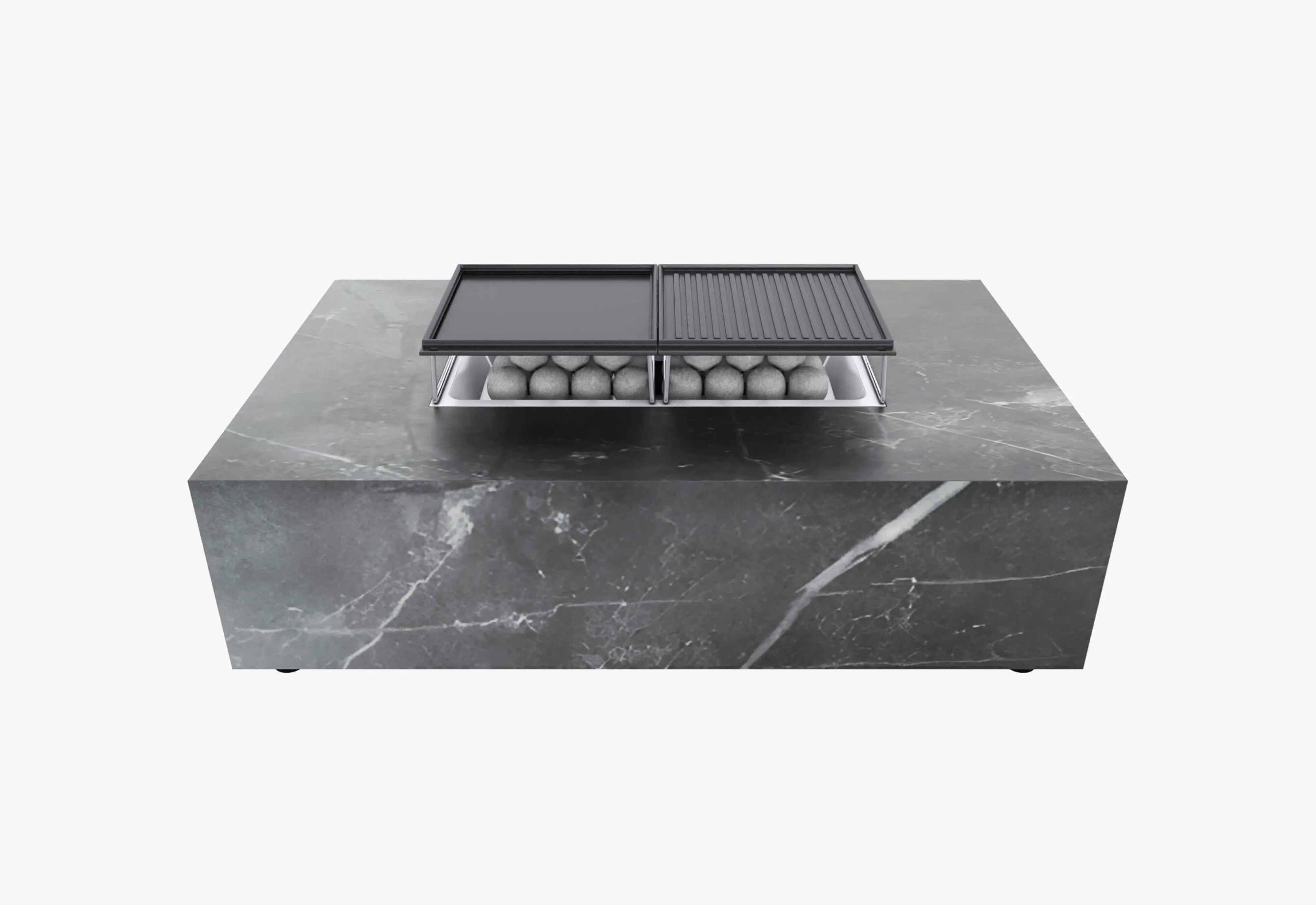
OuterStone® Fire Pit Cooking Set
A gathering point for warmth, table use, and outdoor cooking when the layout and local requirements support a fire feature.
Explore the fire pit set
Finishing layer
1188 Outdoor Rug
A durable, easy-to-clean layer that helps define a lounge or dining arrangement across deck and patio surfaces.
Explore the outdoor rugFinal Decision: Deck vs. Patio?
- Choose a Deck if your yard is sloped, your main living space sits above grade, you want to preserve an elevated view, or you prefer higher resale ROI (60%–80%).
- Choose a Patio if your yard is level, you want ground-level privacy surrounded by landscaping, you are building near a pool, or you want lower initial build costs.
- Consider Both if you have a multi-level yard. An upper dining deck off the kitchen connected by stairs to a lower lounging patio with a fire pit offers a versatile, full-property solution.
Frequently Asked Questions
What is the main difference between a deck and a patio?
A deck is typically a raised structure supported by framing, posts, and footings. A patio is built on or near the ground over a prepared base. Decks are more closely connected to the architecture of the home, while patios often feel more integrated with the landscape.
Is it better to have a deck or a patio?
It depends on the property. Decks are often better for elevated entrances, sloped yards, and views. Patios are often better for level yards, pools, gardens, fire features, and ground-level outdoor rooms. Some properties benefit from combining both.
Is a deck better for a sloped yard?
Often, yes. A deck can create a level outdoor surface above sloped or uneven terrain. However, the structure may require engineered footings, stairs, railings, and permits. A terraced patio may also work when retaining walls and grading are appropriate.
Does a patio require less maintenance than a deck?
It can, but maintenance depends on the materials and construction. Natural wood decks generally require more periodic care than many patio surfaces. Composite decks, natural stone, pavers, porcelain, and concrete each have their own cleaning and maintenance needs.
Which adds more home value: a deck or a patio?
The answer depends on the home, location, construction quality, and buyer expectations. A deck may be more valuable when it improves access or views. A patio may be more valuable when it completes a pool, garden, or larger landscape plan. Architectural fit and usability are more important than the category alone.
Can you combine a deck and a patio?
Yes. A deck can provide dining and entertaining space near the house, while a patio supports a fire pit, lounge, pool, or garden zone at ground level. Repeated materials, coordinated furniture, lighting, and intentional transitions can make them feel like one outdoor environment.
What outdoor furniture works on both decks and patios?
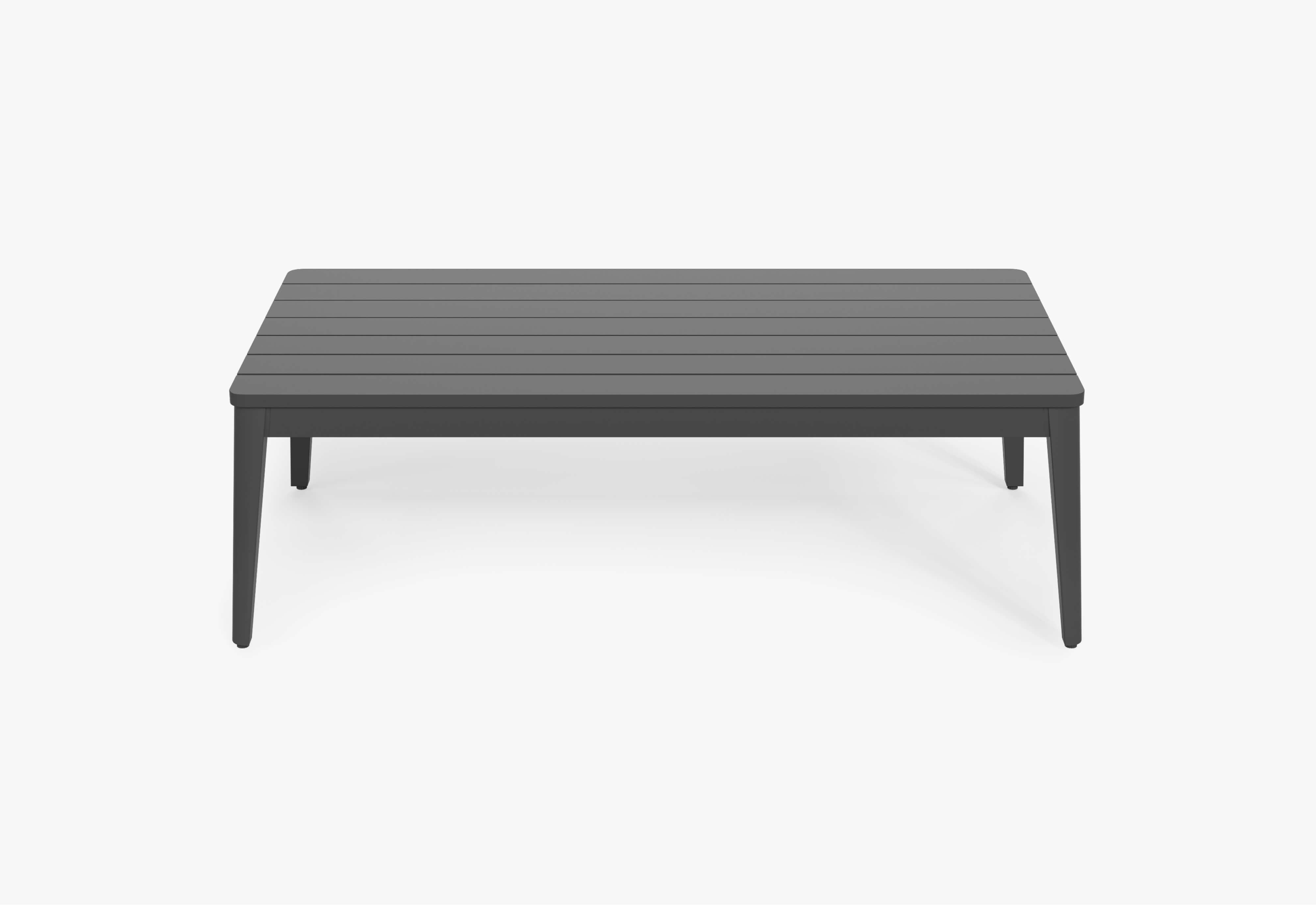
Outdoor sofas, sectionals, lounge chairs, dining tables, coffee tables, side tables, fire pits, and outdoor rugs can work on either surface when their size and placement suit the space. The furniture should also be selected for the local climate, exposure, and the way each zone will be used.
Should I choose the furniture before building the deck or patio?
At minimum, choose the intended furniture layout and approximate dimensions before finalizing the structure. This ensures there is enough room for chairs, circulation, doors, stairs, shade, and separate dining or lounge zones. Planning the furniture early can prevent an outdoor space from feeling undersized or poorly arranged.
Live Better, Outside
Build a Complete Outdoor Space Around the Way You Live
Explore premium outdoor furniture for decks, patios, poolside spaces, and complete backyard environments—or work with an Outer design specialist to plan the right arrangement for your home.