

Outdoor Living Ideas · Sunroom Furniture
Best Sunroom Furniture: How to Choose Sofas, Materials & Layouts
A practical guide to furnishing sunrooms, solariums and porches by climate, light and lifestyle.

The best sunroom furniture depends first on whether the room is climate-controlled. For a three-season room, choose outdoor-ready frames and washable, fade-resistant cushions. For a four-season room, prioritize living-room comfort without ignoring direct sunlight. For a solarium, UV exposure and heat should guide almost every choice.
Start with the room
Find your design direction
“Sunroom” can describe very different environments. A heated room that shares the home’s HVAC does not place the same demands on furniture as a porch enclosure with open windows and large temperature swings.
| Your space | Main exposure | Furniture priority | Strong starting point |
|---|---|---|---|
| Three-season room | Humidity, pollen and seasonal temperature changes | Outdoor-ready construction, washable cushions and flexible pieces | Aluminum or all-weather wicker sofa, ottoman and outdoor rug |
| Four-season room | Direct sun within a climate-controlled interior | Indoor-level comfort, UV resistance and a cohesive living-room look | Deep modular sofa in teak or aluminum with a durable coffee table |
| Solarium | Intense light through glass walls or roof, plus heat buildup | Fade-resistant fabric, lighter colors and furniture that does not visually block the view | Low-profile aluminum seating with performance cushions and light control |
| Enclosed sun porch | Airflow, dust, dirt and a stronger connection to the yard | Easy cleaning, relaxed texture and materials comfortable with indoor-outdoor use | All-weather wicker, washable textiles and movable accent pieces |
If your room sits between two categories, make the decision using its least controlled condition—not the way it looks on the mildest day.
Four rooms, four priorities
Choose by what type of sunroom you have
The same sofa can be an excellent choice in one sunroom and a frustrating one in another. Start with climate control, window use and the intensity of direct sunlight.

Three-season sunroom
Three-season rooms are usually separated from the home’s main heating and cooling system. Open windows, summer humidity and cool shoulder-season nights make traditional cushions a risky choice. Furniture should be tailored to the environment and easy to clean against pollen or dust.
A compact outdoor sofa, two lounge chairs, a multifunctional ottoman and an outdoor rug create a room that can shift between coffee, reading and family gathering. Lightweight aluminum is easy to move; all-weather wicker brings a softer character.
Prioritize: all-weather frames, washable cushions, flexible layouts and airflow.

Four-Season Sunroom
A four-season room shares more of the comfort and stability of the house, so the furniture can feel like a true second living room. But glass still changes the equation. Even with climate control, direct sunlight compromises standard fabrics and heats exposed surfaces.
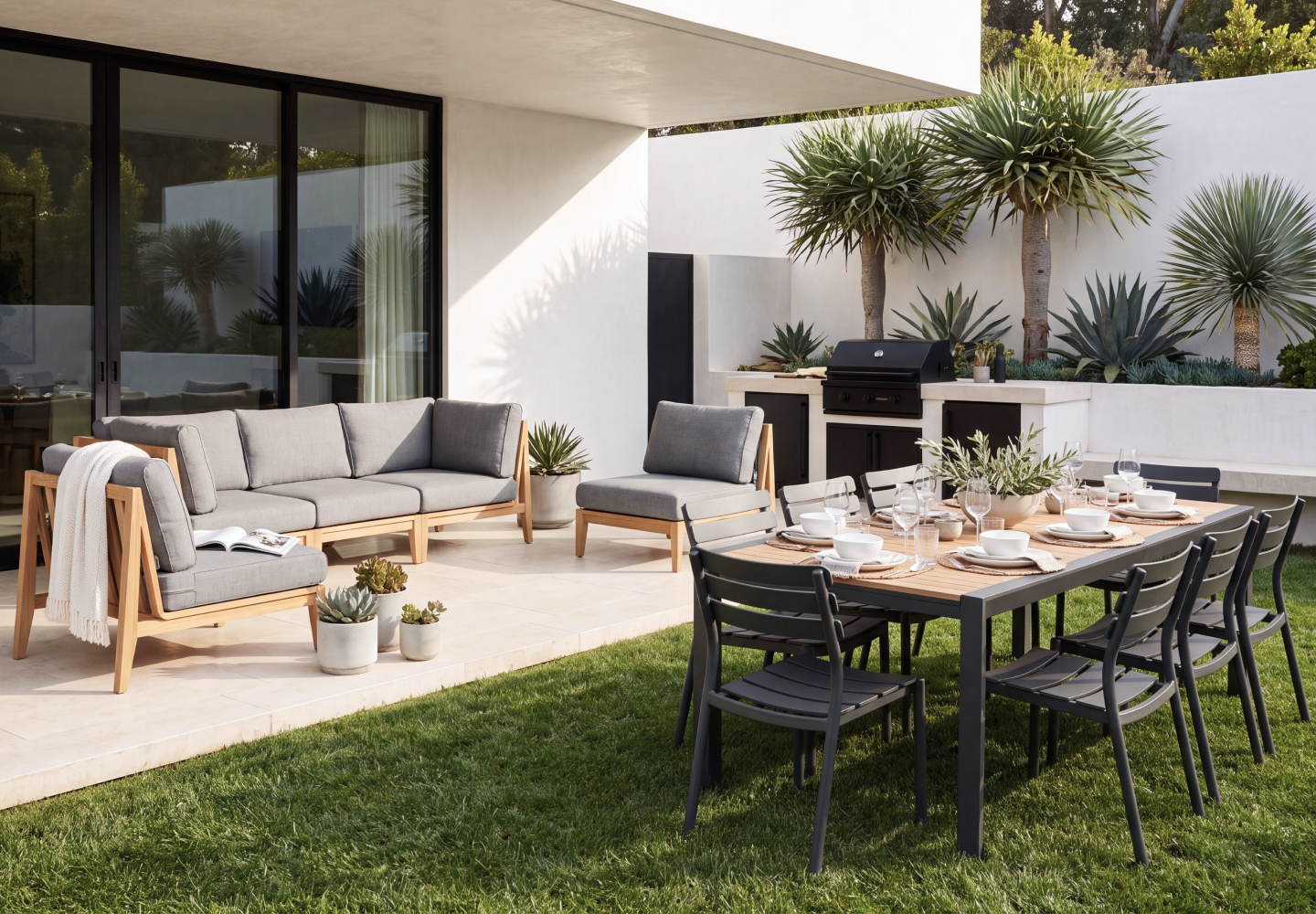
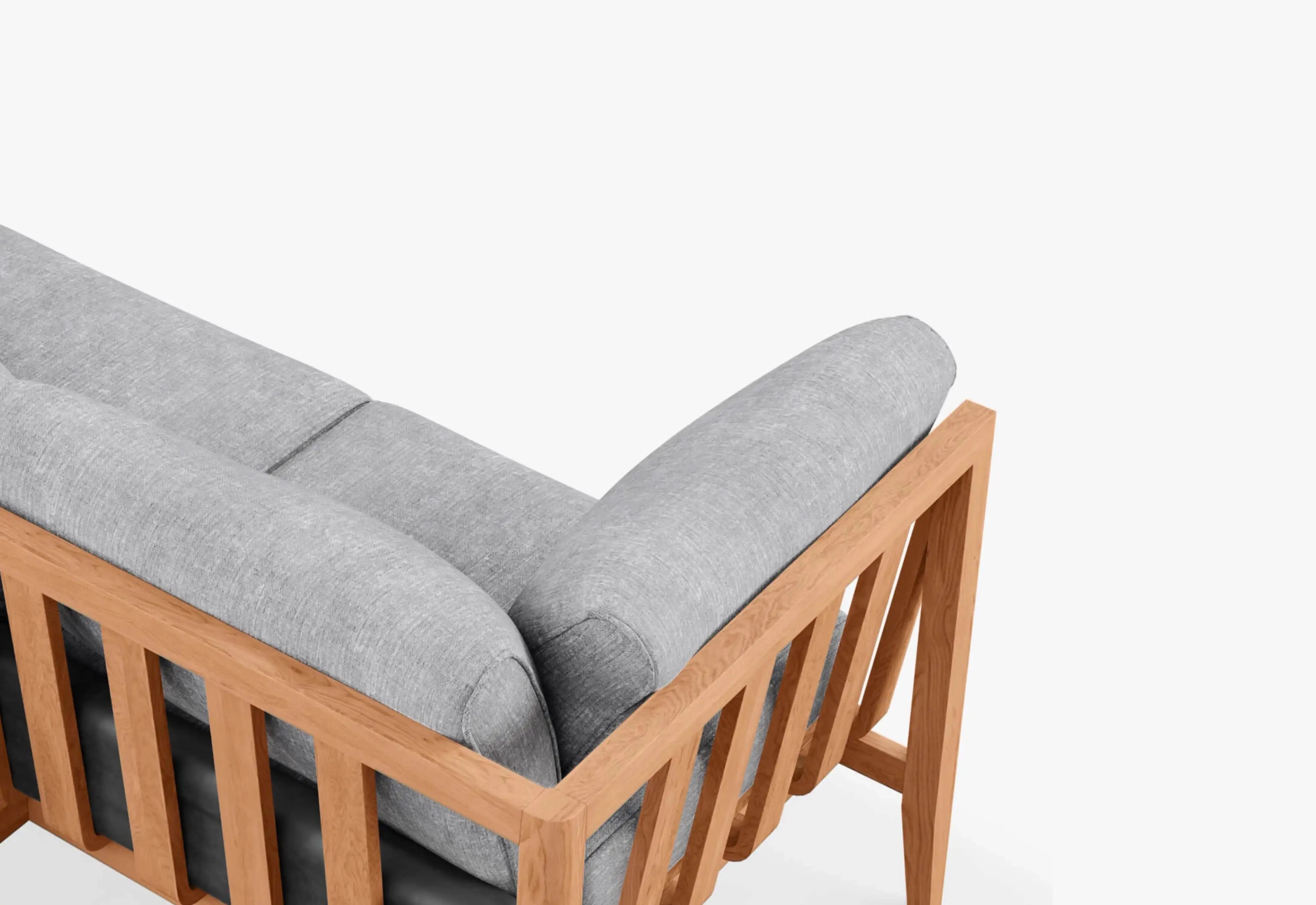
For sunroom furniture, choose the same depth and support you expect from an indoor sofa, then add performance fabric, modularity and easy cleaning. Natural teak helps bridge the garden and the interior; aluminum gives a more architectural touch.
Prioritize: deep comfort, UV-aware fabrics and a fitting style with the interior.

Solarium or Full-Glass Room
With glass overhead or on several sides, a solarium can create the article’s most demanding light environment. Observe where direct sun falls in the morning and afternoon before deciding on furniture placement. Window treatments, roof shades or UV-filtering glass can protect both comfort and color.
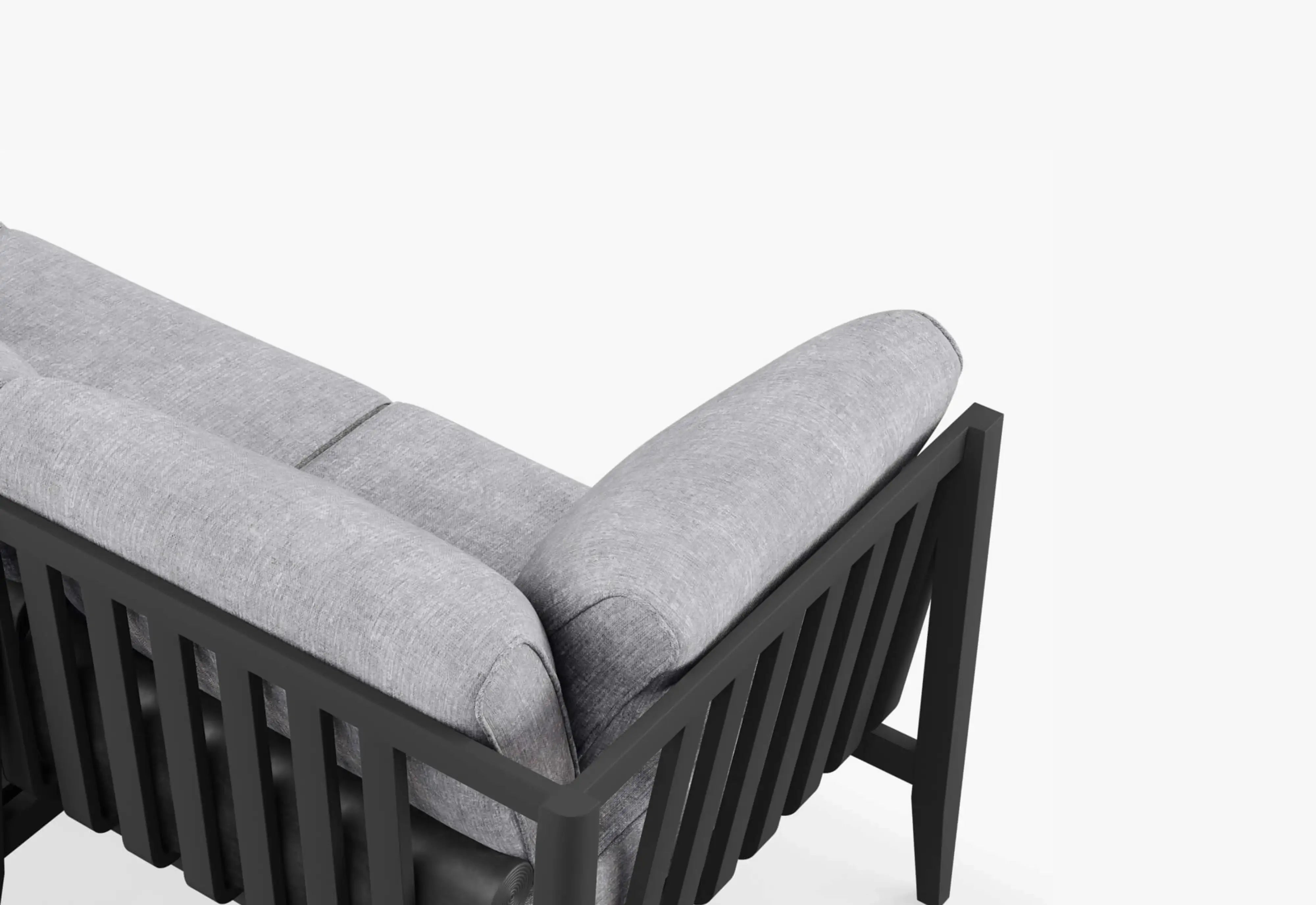
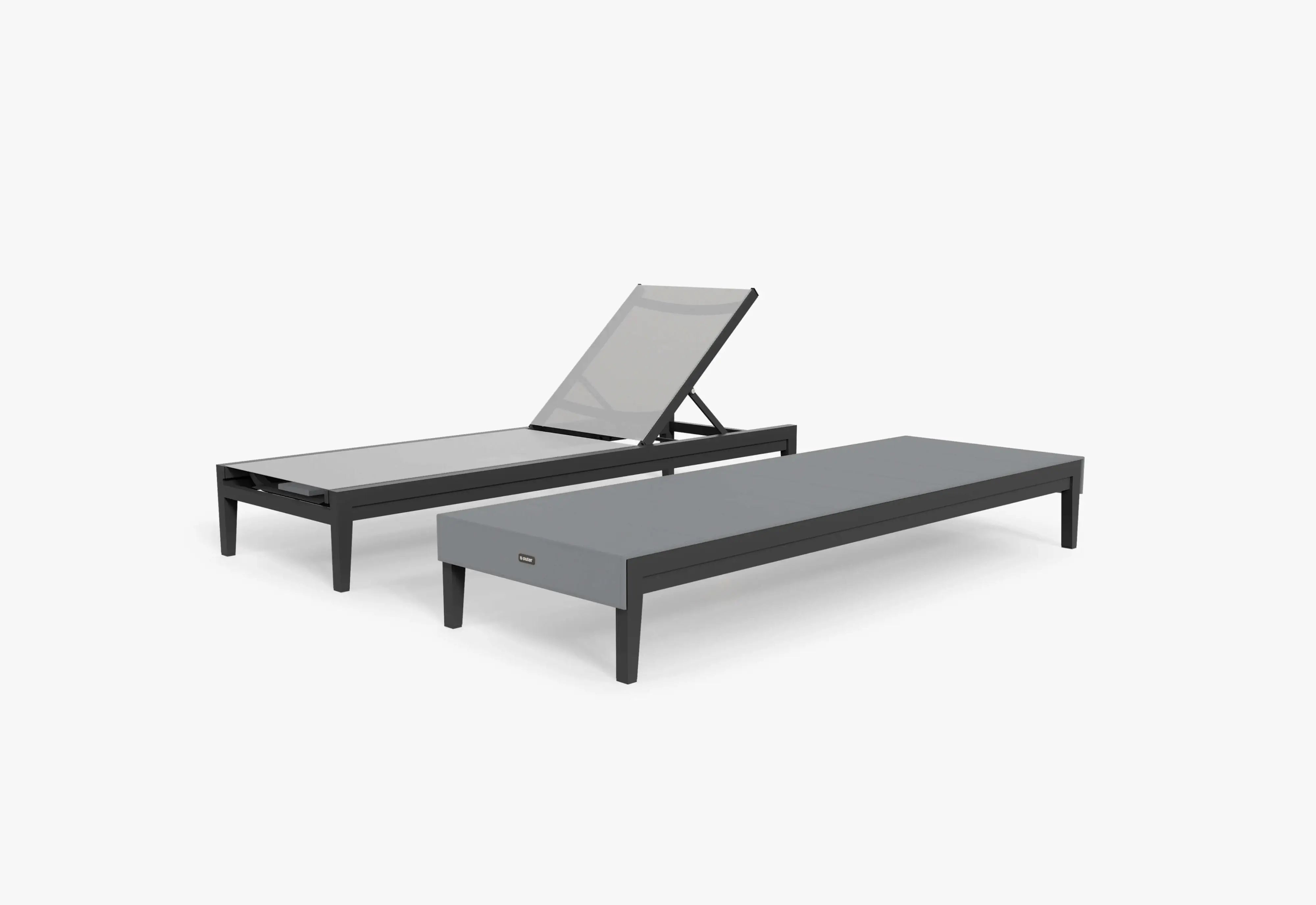
Low-profile furniture preserve both architectural details and outdoor views. In sun-drenched spaces, pale or mid-tone performance fabrics offer a smarter alternative to heat-absorbing dark surfaces, while slim, open frames ensure the room remains visually weightless.
Prioritize: fade resistance, heat management, low sightlines and movable shade.
Enclosed Sun Porch
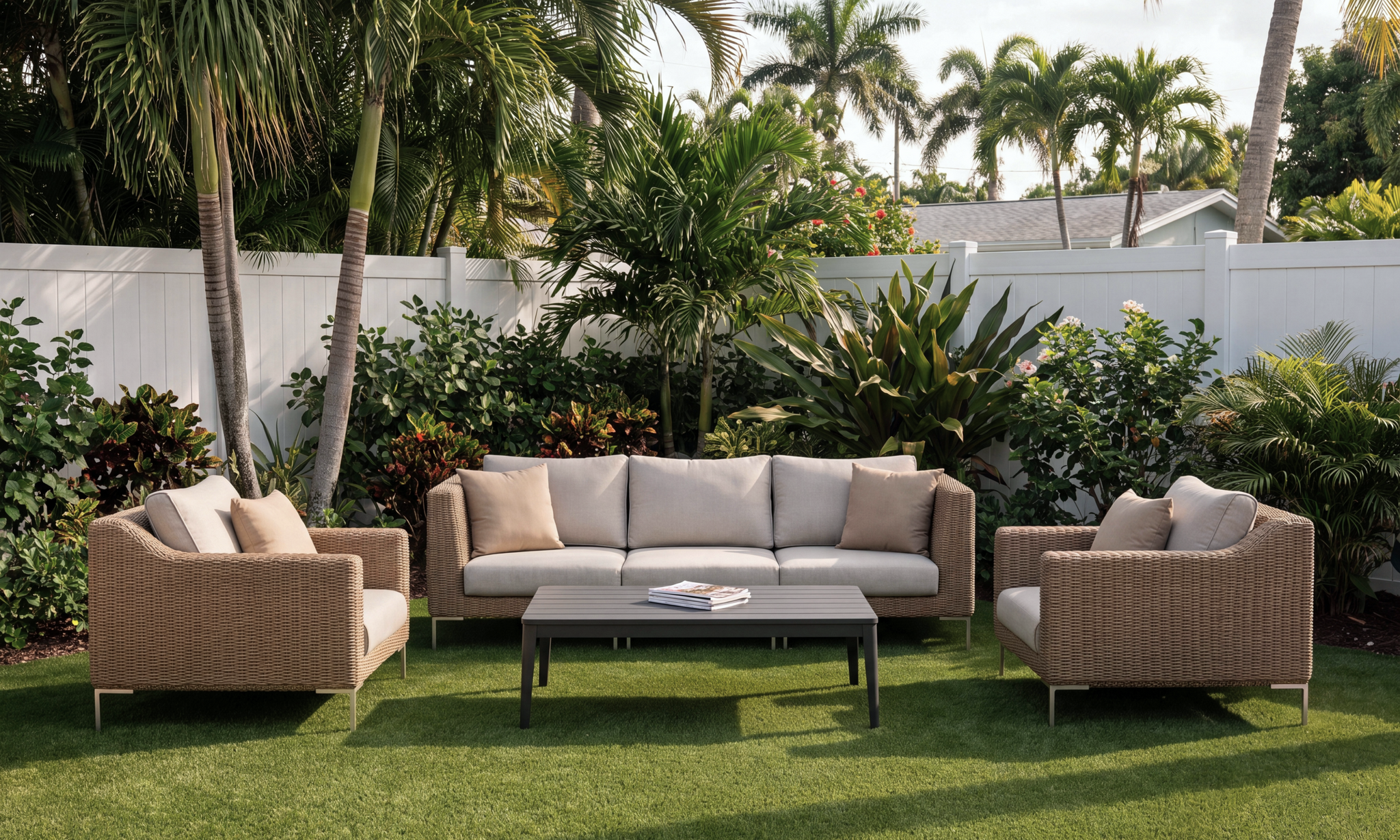
An enclosed sun porch requires outdoor resilience with indoor comfort. Frequent foot traffic, open transitions, and seasonal pollen demand effortless-care design.
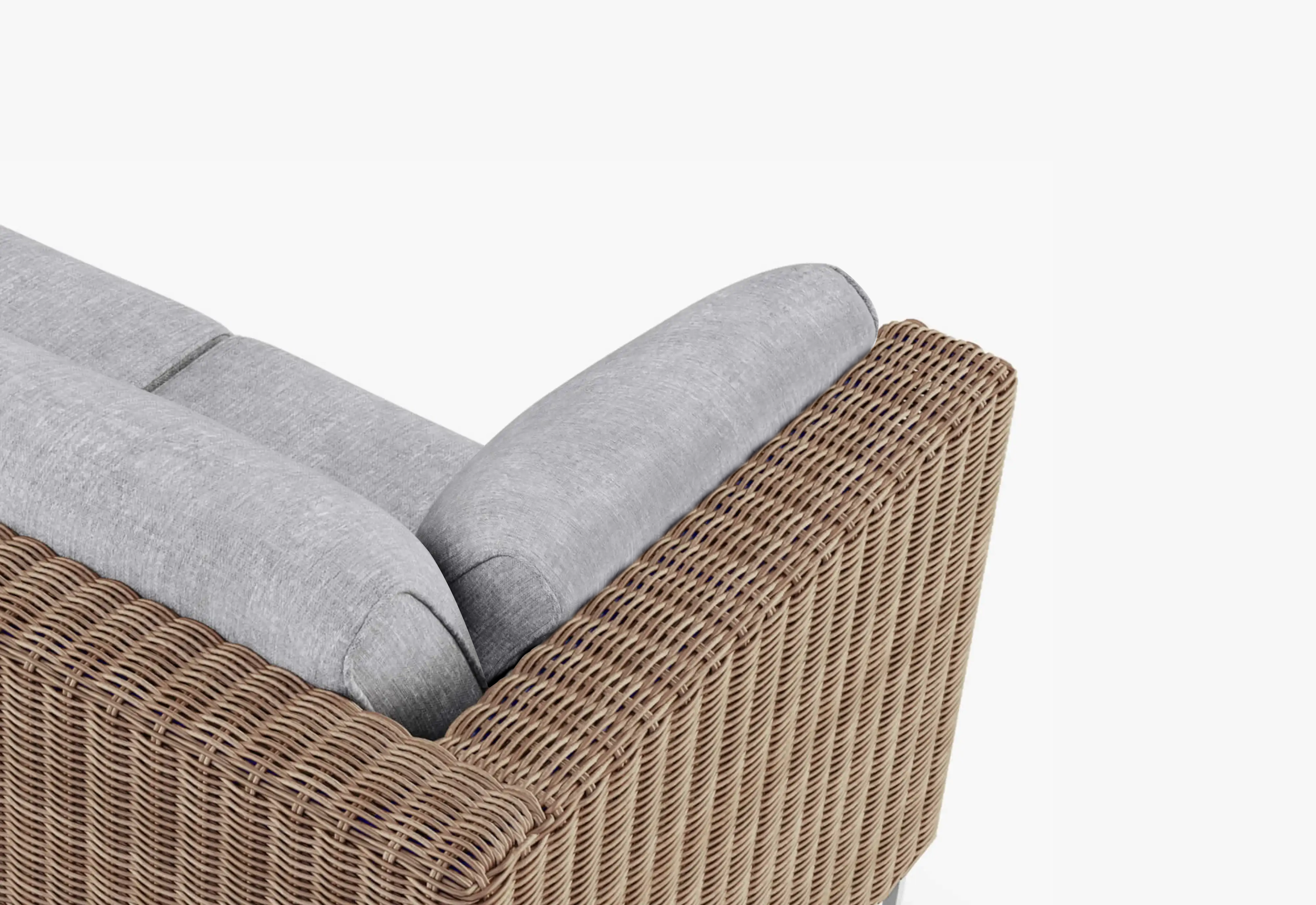
All-weather wicker supports a traditional or coastal look. Add supportive upholstered cushions so the room still feels like part of the home rather than a waiting area filled with patio chairs.
Prioritize: easy cleaning, textured frames, comfortable upholstery and casual flexibility.
The common question
Can you use regular indoor furniture in a sunroom?
Sometimes. The label on the room matters less than its actual microclimate. A climate-controlled four-season room with shaded glass may safely support conventional furnishings. A three-season room with open windows, humidity and strong afternoon sun needs more margin.
Indoor furniture may work if…
- The room shares the home’s HVAC year-round
- Windows remain closed all the time
- Direct sunlight is controlled with shades or treated glass
- The room is separated from yard traffic, plants and wet shoes
- The upholstery manufacturer approves the expected exposure
Choose outdoor furniture if…
- The room is not consistently heated or cooled
- Windows and doors are regularly left open
- It receives hours of direct morning or afternoon sun
- Pollen, dirt, moisture, pets or children are part of daily realities
- You favor washable performance cushions and more resilient frame finishes.
When the sunroom bridges the indoors and the outside, outdoor furniture make up more room for real life.
Begin with behavior
Design the sunroom around how you live
Even a flawless sunroom will go unused if the furniture fails to support its purpose. Decide on the room’s primary job first; secondary uses can be handled with movable pieces.
Family lounge
Choose a durable sofa with washable all-weather covers, then preserve an open path between the house and the view. Modular seats make movie nights and conversation easier to accommodate.
Morning coffee
Two comfortable chairs and a small table may serve the time better than a large sectional. Orient the seats toward soft morning light.
Plant-filled retreat
Leave breathing room around planters and choose surfaces that tolerate watering. Raised legs and movable side tables make cleaning easier.
Reading and napping
Prioritize supportive cushions, generous seat depth and an ottoman. Add a lamp for overcast days, because even a glass-rich room needs layered light.
Casual entertaining
Use lightweight accent pieces that can move as the guest count changes. Keep at least one landing surface within reach of every seat.
The anchor piece
How to choose a sofa for a sunroom
The sofa usually determines whether the room becomes part of everyday life or remains a space people admire from the doorway. Consider seat count only after you decide how people will sit: intimate over coffee, cuddling up with books, stretching out for a nap or gathered in conversation.
Loveseat
Best for two-person coffee, compact reading zones.
3-Seat Sofa
The most versatile piece for a medium sunroom, with room to lounge without dominating the windows.
Modular Sofa
Best for family entertaining and multi-purposes.
Sofa + Ottoman
Supports reading, napping, extra seating.
Solve the hardest problem
Choose materials for the room’s toughest condition
Do not choose a material because it appears on a generic “best for sunrooms” list. Choose it because it manages the room’s dominant exposure without undermining comfort or style.
OuterWeave®
Performance upholstery designed to resist everyday exposure while remaining comfortable enough for long sits.
OuterCloud®
Layered cushion construction that helps an outdoor-ready sofa deliver the comfort expected in a living space.
OuterShell®
Integrated cushion protection that makes transitions between daily use and periods away from the room simpler.
Make the view usable
Sunroom layouts that work
Do not automatically push every piece against the windows. Preserve the best sightline, keep doors and operable windows accessible, and maintain a clear path through the room.
Small Sunroom
Use a loveseat or compact 3-seat sofa along the least valuable wall, then place an ottoman inside the seating zone. One movable side table is usually more useful than two fixed tables.
Narrow Sunroom
Run the sofa parallel to the longest window wall without pressing it against the glass. A slim or round coffee table protects the traffic lane; one chair closes the conversation area.
Medium Sunroom
Face a sofa toward the view and float two chairs opposite or at an angle. A rug unifies the arrangement, while at least one open side keeps the room from feeling sealed off.
Large Four-Season Room
Use modular seating to create a primary conversation zone, then leave a secondary edge for plants, a reading chair or a small dining table. Avoid filling every window with furniture.
Flexible finishing pieces
Let smaller pieces do more than one job

Multifunctional Ottoman
A footrest for reading, flexible extra seat or soft table alternative in a compact sunroom.
View ottoman →
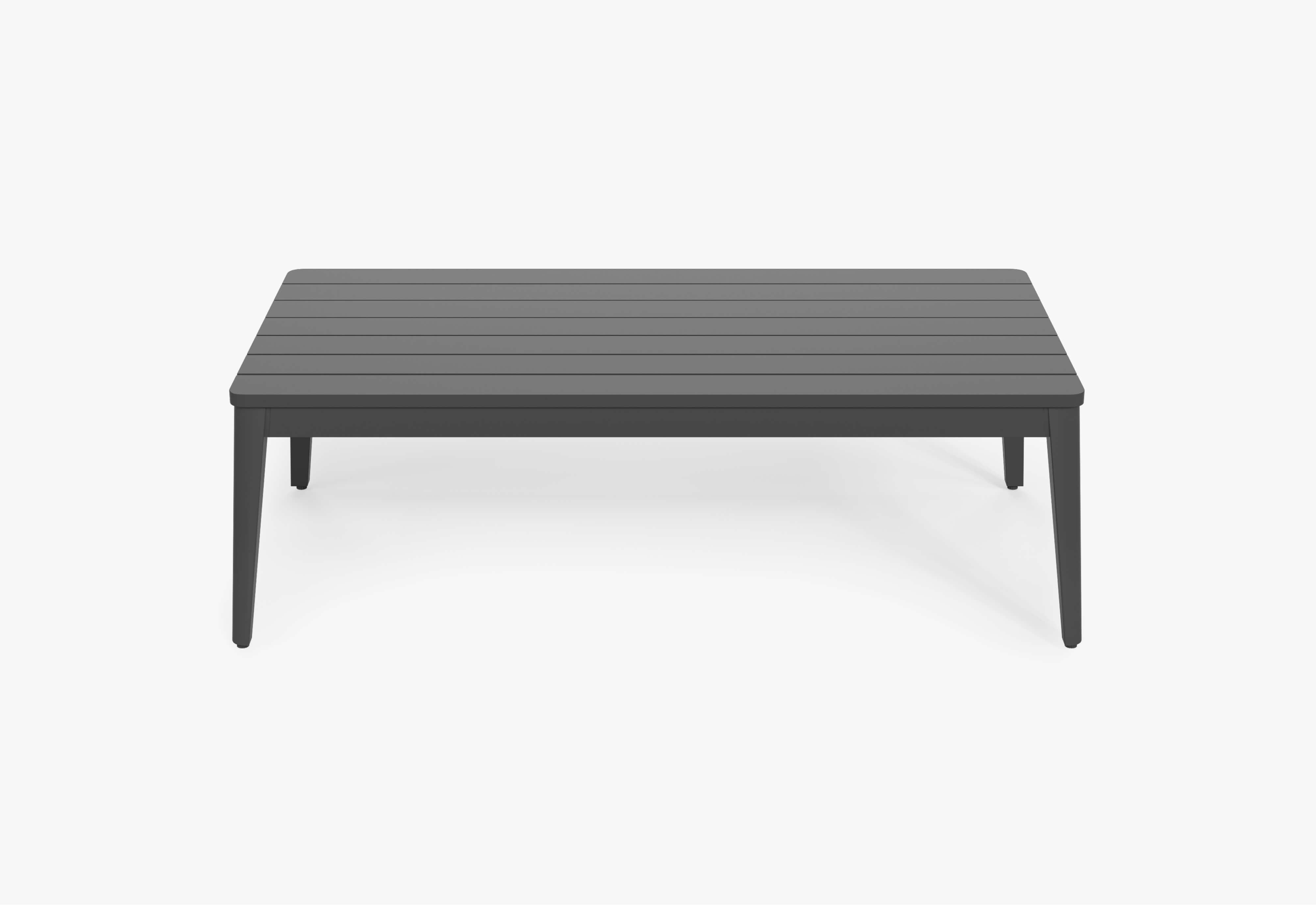
OuterStone Coffee Table
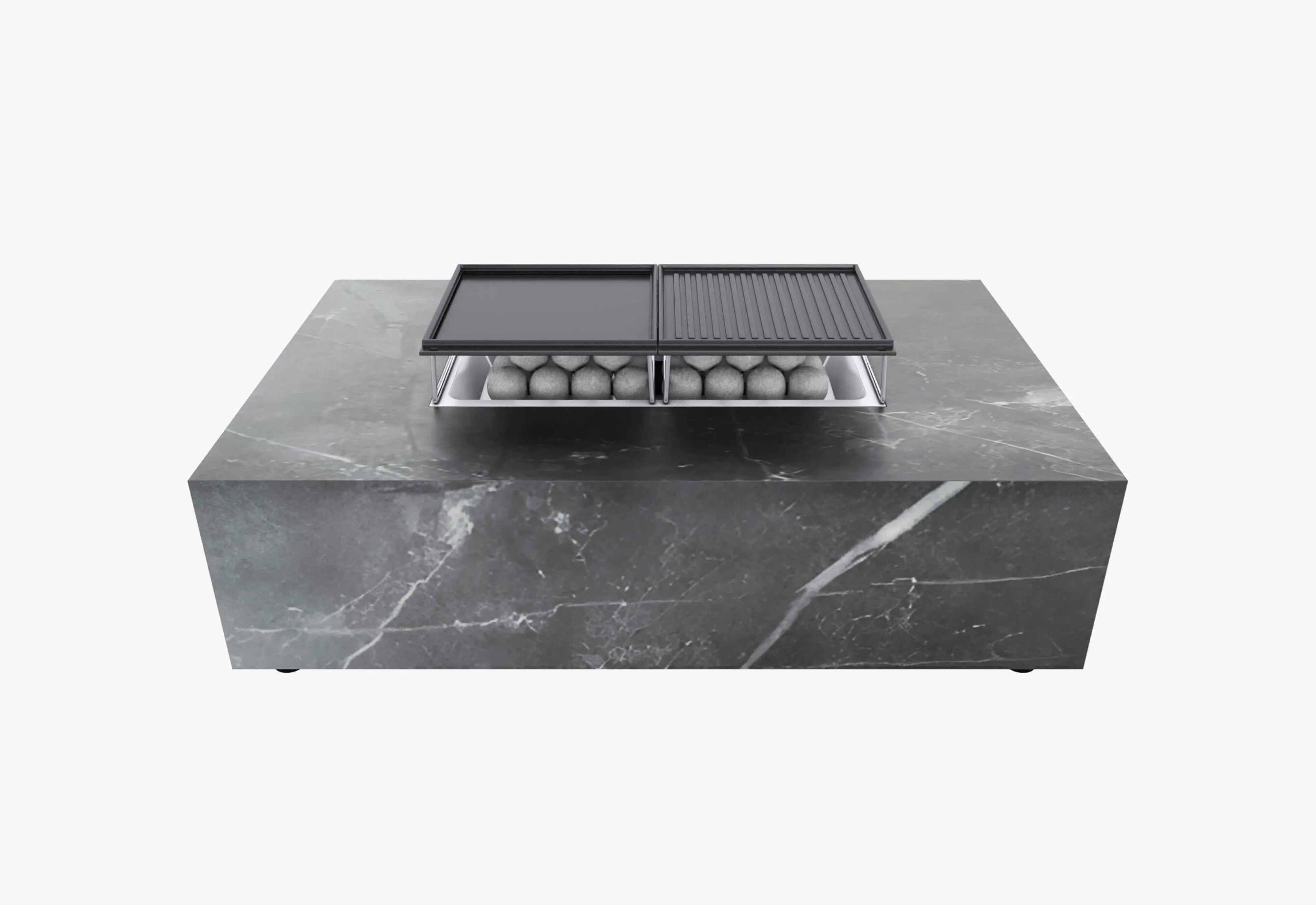
A clean, durable surface for coffee, books, trays and planters in a high-use four-season room.
View coffee table →
1188 Outdoor Rug
A softer visual foundation that defines the seating zone while fitting a room exposed to dirt and foot traffic.
View outdoor rug →From decision to room
Three complete sunroom plans
Use these as starting systems rather than rigid packages. The right plan connects a sofa, flexible surface and floor layer to the room’s exposure and daily purpose.
Teak Sofa + Coffee Table + Rug
Warm wood and deep cushions make the room feel integrated with the home, while an outdoor-ready rug supports the connection to the garden.
Aluminum Sofa + Ottoman + OuterStone Table
A slim frame preserves the visual openness of a glass-heavy room. Movable pieces let the layout respond to changing light and different activities.
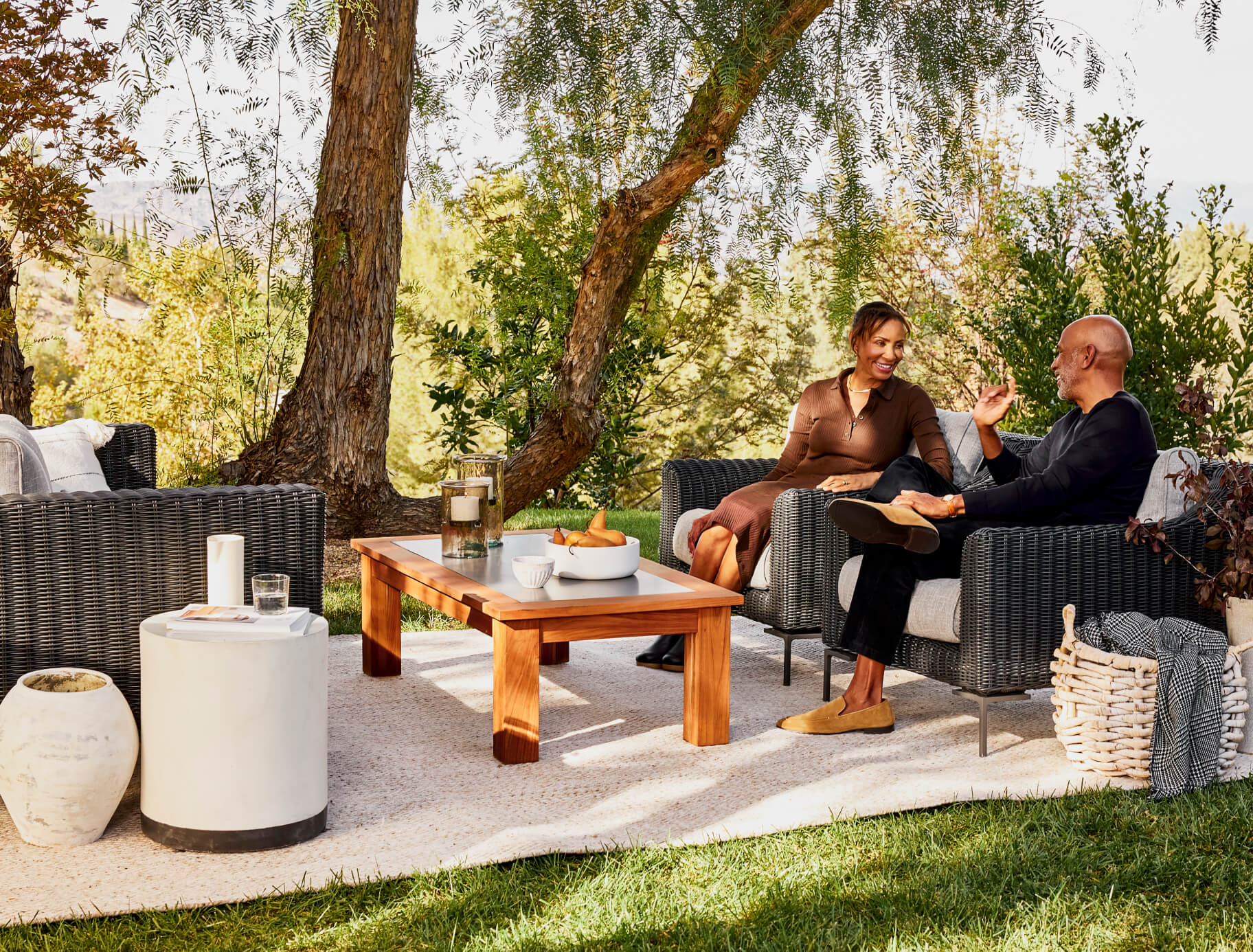
Wicker Sofa + Coffee Table Set
Woven texture connects to traditional porch architecture, while upholstered seating and a proper table keep the space comfortable enough for everyday use.
Common questions