




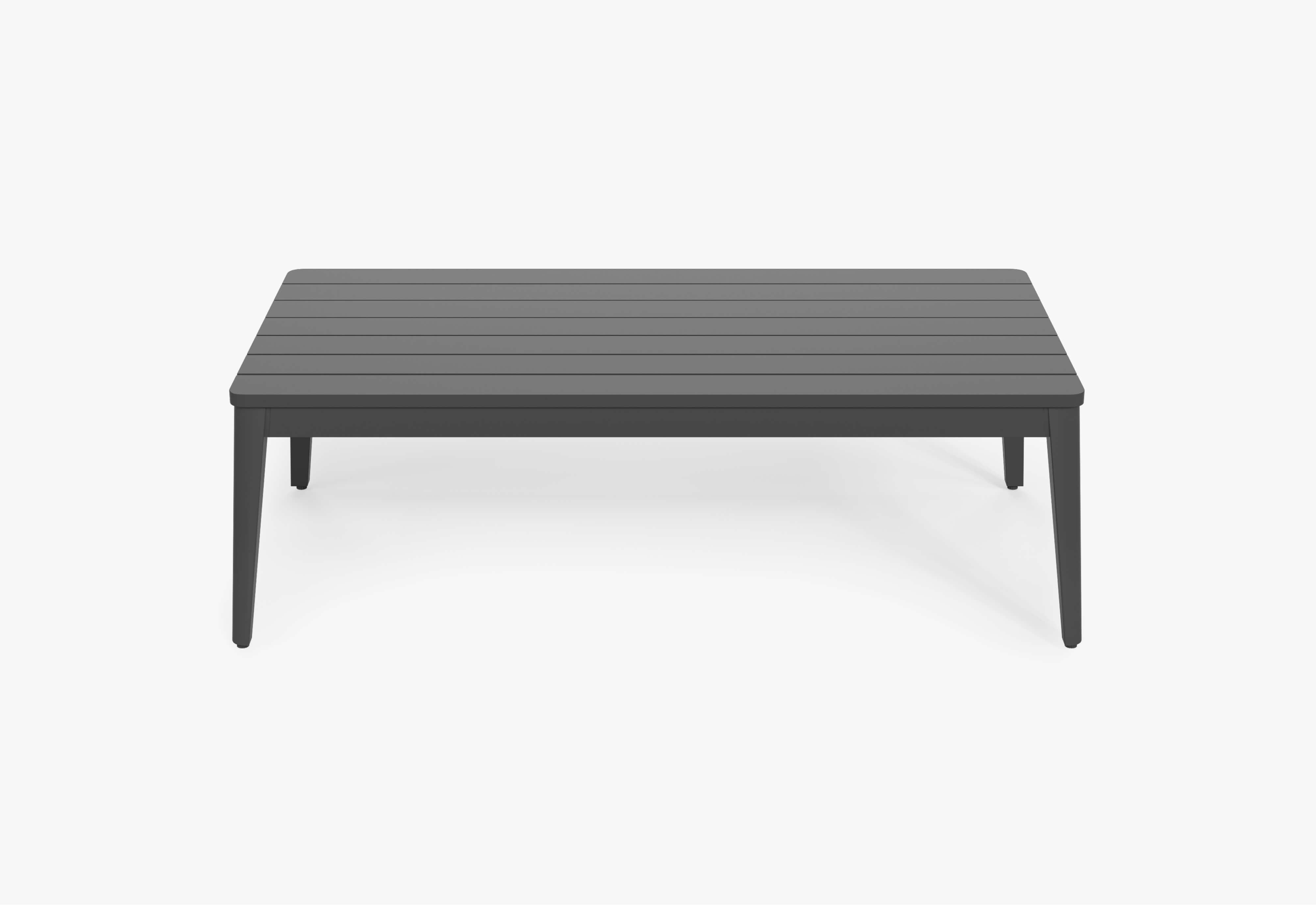
Teak Care Guide
How to Clean Teak Outdoor Furniture: The Complete Guide
Grade A teak offers timeless aesthetics. But wrong treatment strips them. Here's the method that preserves both the golden tone and the silvery patina.

The quick answer
How to Clean Teak Outdoor Furniture Safely
Use mild soap, warm water, and a soft-bristle brush. Rinse with a garden hose on gentle spray. Dry with a towel. That's it.
Never oil Grade A teak. Teak produces its own oils deep within the heartwood. Adding oil can trap moisture, feed mildew, and reverse the wood's natural weather resistance. The most searched teak care term is "teak oil" — and the correct answer is: don't.
Use mild soap and a soft brush. Harsh detergents and stiff bristles strip the surface. A soft brush, warm water, and a quarter-sized drop of mild dish soap per gallon is all the cleaning power teak ever needs.
Let it silver — or cover it. Teak naturally weathers to a silvery-gray patina. Both the golden tone and the silver-gray are correct. If you prefer one over the other, adjust sun exposure and cover use accordingly.
Why Teak Cleans Differently From Other Outdoor Woods
Teak contains a high concentration of natural oils and silica. These compounds make the wood rot-resistant, insect-repellent, and capable of enduring decades of direct sun and rain.
Cedar needs sealing. Pressure-treated pine needs annual staining. Eucalyptus benefits from regular oiling. Teak requires none of that. The oils are already inside the wood. Your job is to keep the surface clean so those oils can do their work unimpeded. Adding external oil seals the surface and traps moisture inside.
Outer uses Grade A teak sourced from FSC®-certified forests in Central Java, Indonesia. Grade A comes from the center of the mature tree, where oil concentration is highest. For more information, read about Outer's sustainability practices.

How to Clean Teak Furniture in Five Steps
Teak cleaning is straightforward. The risk is overcomplicating it. These five steps cover routine maintenance — end-of-season or whenever the wood looks dull.
Step 1: Gather Your Supplies
- Bucket of warm water
- Mild dish soap (Woolite or Dawn — roughly a quarter-sized drop per gallon)
- Soft-bristle brush
- Garden hose with adjustable nozzle
- Clean towel or microfiber cloth
- Optional: 220-grit sandpaper for rough spots
Step 2: Scrub Top to Bottom
Dip the soft brush into the soap solution. Scrub along the wood grain — top to bottom, following the direction of the grain lines. Replace the water when it becomes visibly dirty. For crevices and joints, use a smaller brush or toothbrush. Gentle pressure is enough; teak's surface is naturally resistant to most grime.

Step 3: Rinse With a Garden Hose
Use a broad, gentle spray. A garden hose on medium setting removes soap residue without forcing water into the grain. Keep the nozzle at least two feet from the surface.
Step 4: Towel Dry
Remove standing water with a clean towel. Teak dries quickly, but water left pooling in joints or on horizontal surfaces can leave mineral spots. Air-dry in partial shade or filtered sunlight.
Step 5: Sand Rough Areas
If the surface feels rough after drying — typically from raised grain after the first few washes — use 220-grit sandpaper. Sand lightly, with the grain. This smooths the surface and restores the original feel. Do this once. The grain stops raising after the first or second cleaning.
Skip the teak oil. Seriously.Grade A teak draws its weather resistance from oils produced inside the heartwood. External teak oil can reverse this natural process: it seals the surface, traps internal moisture, and creates conditions for mildew. If you've oiled teak in the past, stop. Let the wood breathe. It knows what to do.
Three Things That Damage Teak
| Action | What it does | What to do instead |
|---|---|---|
| Pressure washing | Forces water deep into the grain, raises the wood fibers unevenly, and can strip decades of natural oil protection in seconds | Garden hose on gentle spray, two feet from the surface |
| Applying teak oil | Blocks the wood's natural oil expression, traps internal moisture, and creates a film that attracts dirt and mildew | Leave the wood bare. If you want color, control sun exposure with covers |
| Steel wool or wire brushes | Steel fragments embed in the grain and rust within days, leaving orange stains that are nearly impossible to remove | Soft-bristle brush or 220-grit sandpaper for rough spots |
How Climate Affects Teak Care
Teak tolerates every climate that supports an outdoor patio.
Sun and Heat
UV accelerates the transition from golden to silver-gray. Both tones look intentional; the choice is yours. To preserve the golden hue longer: deploy a full cover during extended non-use and position teak pieces where they receive afternoon shade. Brush dust weekly in dry climates — fine grit settles in the grain and accelerates surface wear.
Rain and Humidity
Teak handles water better than any other natural wood. After heavy rain, tip cushions vertically against backrests to let both sides dry. Check the underside of furniture — shaded zones beneath seats stay damp longer. In sustained humidity above 70% RH, a weekly dry-brush removes organic debris before it feeds mildew on the surface.
Coastal Salt Air
Salt accumulates as a fine white film on teak surfaces. Rinse the frame with fresh water every two to three weeks in coastal settings. More often if you're within a quarter mile of breaking surf. Salt is abrasive to hardware, so wipe stainless steel clips and connection points during the same rinse.
Winter and Snow
Teak survives freeze-thaw cycles without cracking. Before winter: deep-clean the frame, dry it completely, and install a fitted All-Weather Cover. Brush snow off covers after each accumulation. If storing furniture indoors, avoid heated spaces — dry indoor heat can cause surface checking (fine cracks). A garage or shed is ideal.

Three Layers of Protection for Teak
Teak's natural oils handle the wood. The protection layers handle everything else — cushions, hardware, and the complete piece during storms and winter.
Layer 01 · Frame — Grade A Teak
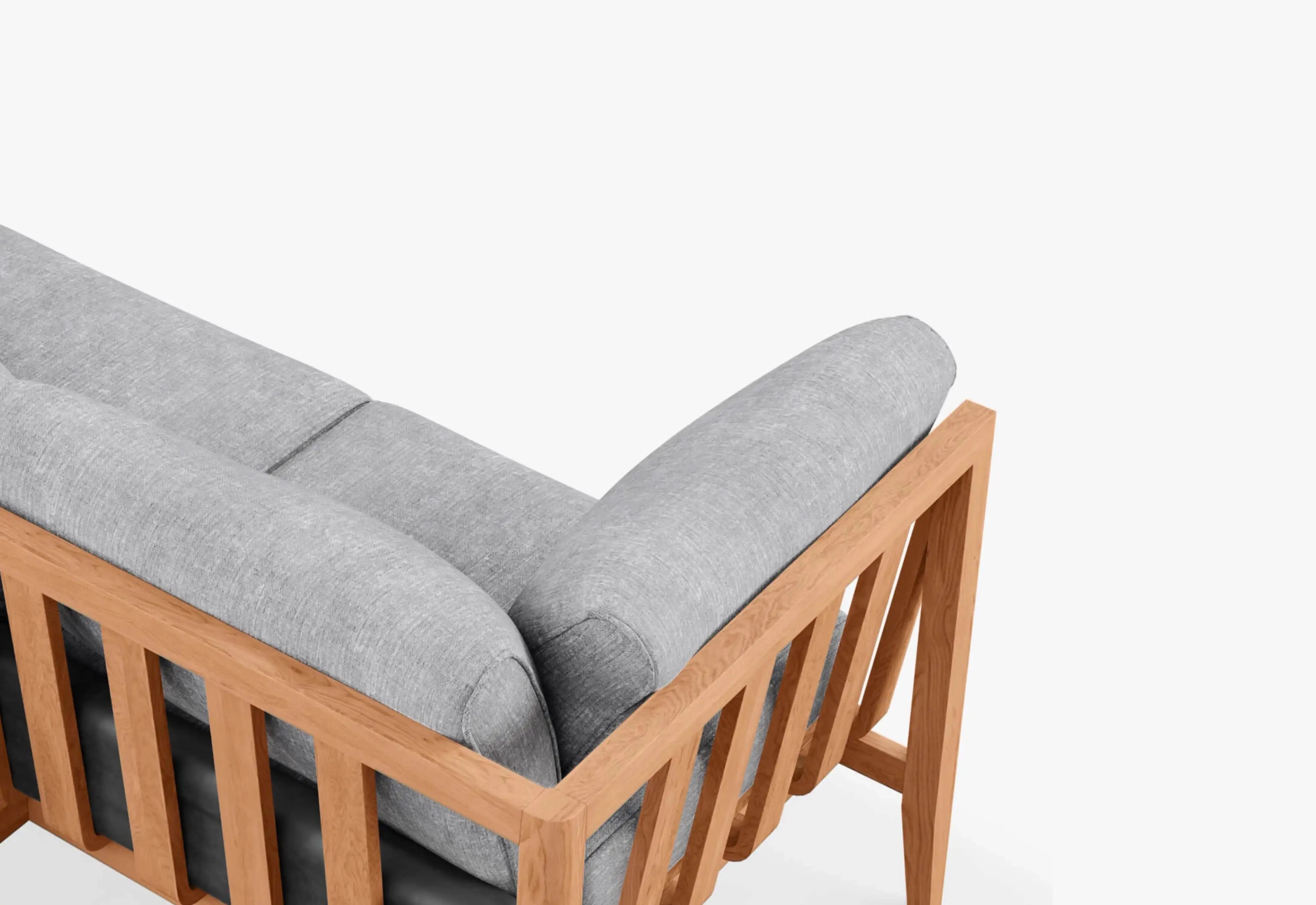
Solid teak heartwood with naturally occurring oils and silica. Hand-selected from mature trees in Central Java. FSC® certified. No sealers, no stains, no annual maintenance. The wood weathers to silver-gray on its own timeline. Explore Teak Seating.
Layer 02 · Cushions — OuterShell®
Built into every Outer cushion. Deploys in fifteen seconds by pulling the integrated handle forward and seating the rod. Protects the seating surface from dirt, debris, pollen, and morning dew. Machine-washable covers. The teak frame handles itself; OuterShell® handles the cushion. See how OuterShell® works.
Layer 03 · Full Piece — All-Weather Cover
A fitted, ventilated cover that shields the entire furniture piece. Deploy for storms, winter, salt spray, or weeks away. Install only after the furniture is clean and dry. Shop All-Weather Covers.
Teak + OuterShell® = the lowest-maintenance outdoor setup.Teak's self-protecting wood eliminates stripping, staining, and sealing from the routine. OuterShell® eliminates cushion storage. Together they reduce outdoor furniture care to a brush, a rinse, and fifteen seconds of cover deployment.
The Long-Term Value of Teak
Teak costs more upfront. The math flips when you account for time. Teak requires zero annual treatments — no oil, no sealer, no stain, no paint, no sanding regimen. Compare that to cedar or pine, which demand seasonal sealing and still last a fraction of teak's 50-to-100-year lifespan.
Before buying teak, ask: Is it Grade A or a lower grade? Is the source FSC certified? Are the cushions washable with built-in protection? Does a fitted full cover exist for the piece? Read the complete outdoor furniture buying guide.
Teak Designed to Last Generations
Grade A teak seating. Built-in cushion protection. No oil required.

Teak Outdoor Sofa — 3 Seat
Solid Grade A FSC-certified teak. Machine-washable cushion covers. OuterShell® deploys in seconds. A piece built to outlast you.
OuterShell® built-in
Pacific Fog Gray

Teak Armchair Conversation Set
Two armchairs in solid teak. Designed for long conversations, built for decades of weather.
OuterShell® on every seat5 fabric colors

All-Weather Cover — Teak Sofa 3 Seat
Layer 3 of the protection system. Tailored, vented fit. Shields the entire piece during storms, winter, or extended absence.
Secured straps
Vented base

Shop All Teak Seating
Armchairs, loveseats, sofas, sectionals, coffee tables, and dining sets. Every seating piece includes washable cushions and built-in OuterShell®.
5 fabric colors
FSC-certified teak
Common questions
Teak Cleaning FAQ
Should I oil my teak outdoor furniture?
No. Grade A teak produces its own oils from within the heartwood. Adding external oil can seal the surface, trap moisture inside the wood, and create conditions that encourage mildew. Leave teak bare. It protects itself.
Can I pressure-wash teak furniture?
No. Pressure washing forces water deep into the grain, raises wood fibers unevenly, and strips the surface of its natural oils. Use a garden hose on a gentle, broad spray setting. That is all the pressure teak ever needs.
How often should I clean teak furniture?
A light clean at the end of each outdoor season, plus spot-cleaning when visibly dirty. Brush or rinse after storms, heavy pollen, or coastal salt exposure. Teak is the lowest-maintenance outdoor wood; twice a year is usually enough.
Will my teak furniture turn gray?
Yes. All teak weathers from its original golden-brown to a silvery-gray patina over time. Sun and rain accelerate the process. Both colors are intentional — golden and silver-gray are equally correct states. To slow the transition, use an All-Weather Cover during extended non-use and position pieces with afternoon shade.
How do I restore weathered teak?
Clean with mild soap and a soft brush as described above. If you want to return silver-gray teak to its original golden tone, sand lightly with 220-grit sandpaper along the grain. The golden color sits just below the surface. Sanding removes the weathered outer layer and reveals fresh wood beneath. Do this once and let it weather again naturally from there.
Can teak furniture stay outside in winter?
Yes. Grade A teak handles freeze-thaw cycles. Clean and dry the frame before temperatures drop below 40°F. Install a fitted All-Weather Cover for the season. Remove snow from covers after each storm. If storing indoors, avoid heated rooms — dry heat can cause surface checking. A garage or garden shed works well.
How do I clean teak cushions?
Outer cushion covers are removable and machine-washable on cold/gentle. Air-dry only. For spot cleaning, mix 1 part mild detergent to 3 parts water. Blot stains — do not scrub. The foam insert should be laid flat to dry if soaked. OuterShell® prevents most cushion soiling before it starts.
Do I need a cover if my furniture is teak?
Covers serve two purposes: protecting cushions and controlling how quickly the wood weathers. If you prefer the golden tone, use an All-Weather Cover during extended non-use to slow UV-driven color change. If you like the silver-gray patina, the teak frame can remain uncovered. Cushions should always be protected — deploy OuterShell® daily and add a full cover for winter or storms.

Clean Lightly. Skip the Oil. Let Teak Do the Work
Fifty to a hundred years outdoors. Mild soap and water. That's the entire maintenance program.