

Sustainability in Every Detail: Quick-Clean Performance Fabric for the Modern Patio

Sustainability in outdoor living isn’t only about what materials are made from—it’s also about how they’re used, cleaned, and maintained over time. One of the most overlooked contributors to waste in outdoor spaces is not failure, but friction: fabrics that are difficult to clean, require special products, or encourage replacement instead of care.
Quick-clean performance fabrics reduce this friction. By making everyday maintenance simple, they help outdoor furniture stay in use longer, with fewer resources and less intervention.
Why Cleaning Habits Matter in Sustainable Design
Outdoor cushions face spills, sunscreen, pollen, dust, and everyday life. When cleaning becomes complicated, people delay it—or avoid it entirely.
Over time, untreated stains set in, fabrics discolor, and cushions are replaced long before their structural life is over. This cycle creates unnecessary waste, even when the materials themselves are durable.
Sustainability improves when cleaning becomes part of normal use rather than a specialized task.
Quick-Clean Fabrics Reduce Chemical Dependence
Many outdoor textiles rely on harsh cleaners to remove stains.
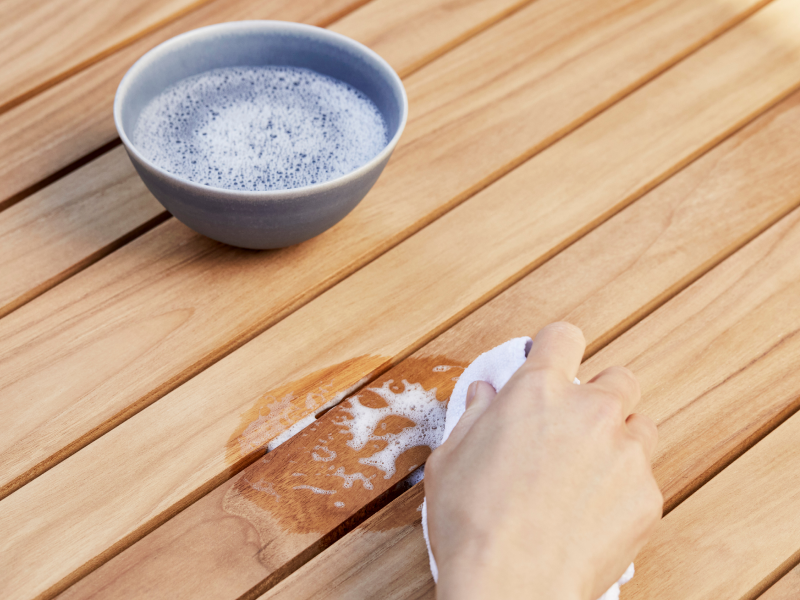
Performance fabrics designed for quick cleaning allow most spills to be addressed with mild soap and water. This reduces reliance on strong chemicals that can degrade fabrics, impact surrounding surfaces, and introduce unnecessary environmental load.
Using less to achieve more is a core principle of sustainable maintenance.
Shorter Cleaning Cycles Mean Less Water Use
Extended soaking and repeated rinsing consume more water than most people realize.
Quick-clean fabrics shed dirt and residue efficiently, allowing stains to lift with minimal effort. Faster cleaning cycles translate directly into reduced water use over the life of the product.
This efficiency compounds over years of ownership.
Durable Surfaces Encourage Care Instead of Replacement
When fabrics respond well to cleaning, people are more likely to maintain them.
Performance textiles like OuterWeave® are engineered to resist deep absorption, keeping spills closer to the surface where they can be addressed quickly.
This resistance doesn’t just preserve appearance—it extends functional lifespan by preventing permanent damage.
Cleanability Supports Everyday Use
Sustainable furniture is furniture that gets used.
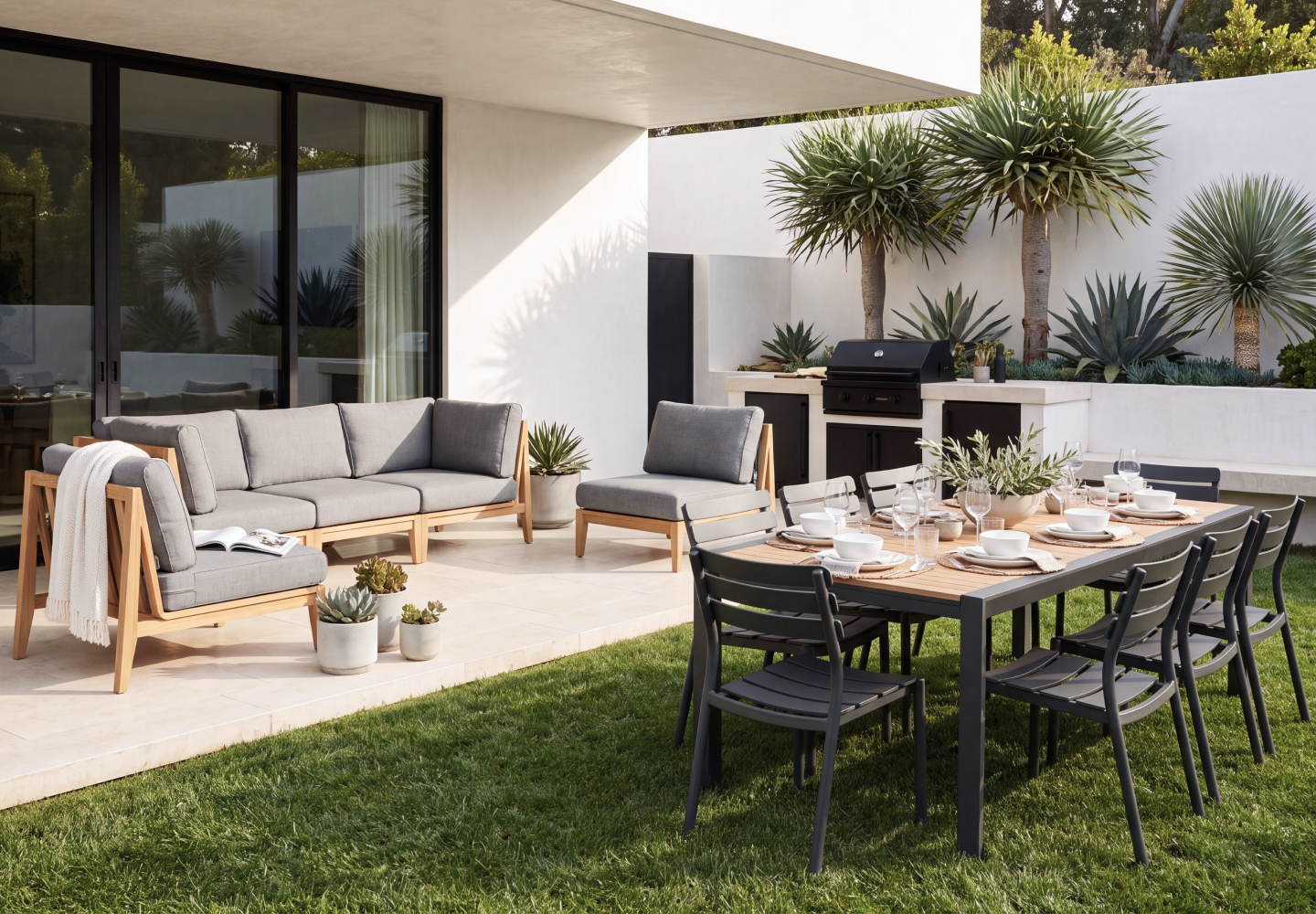
When owners feel confident that cushions can be cleaned easily, they’re more comfortable using the space fully—eating, lounging, hosting, and living outdoors without hesitation.
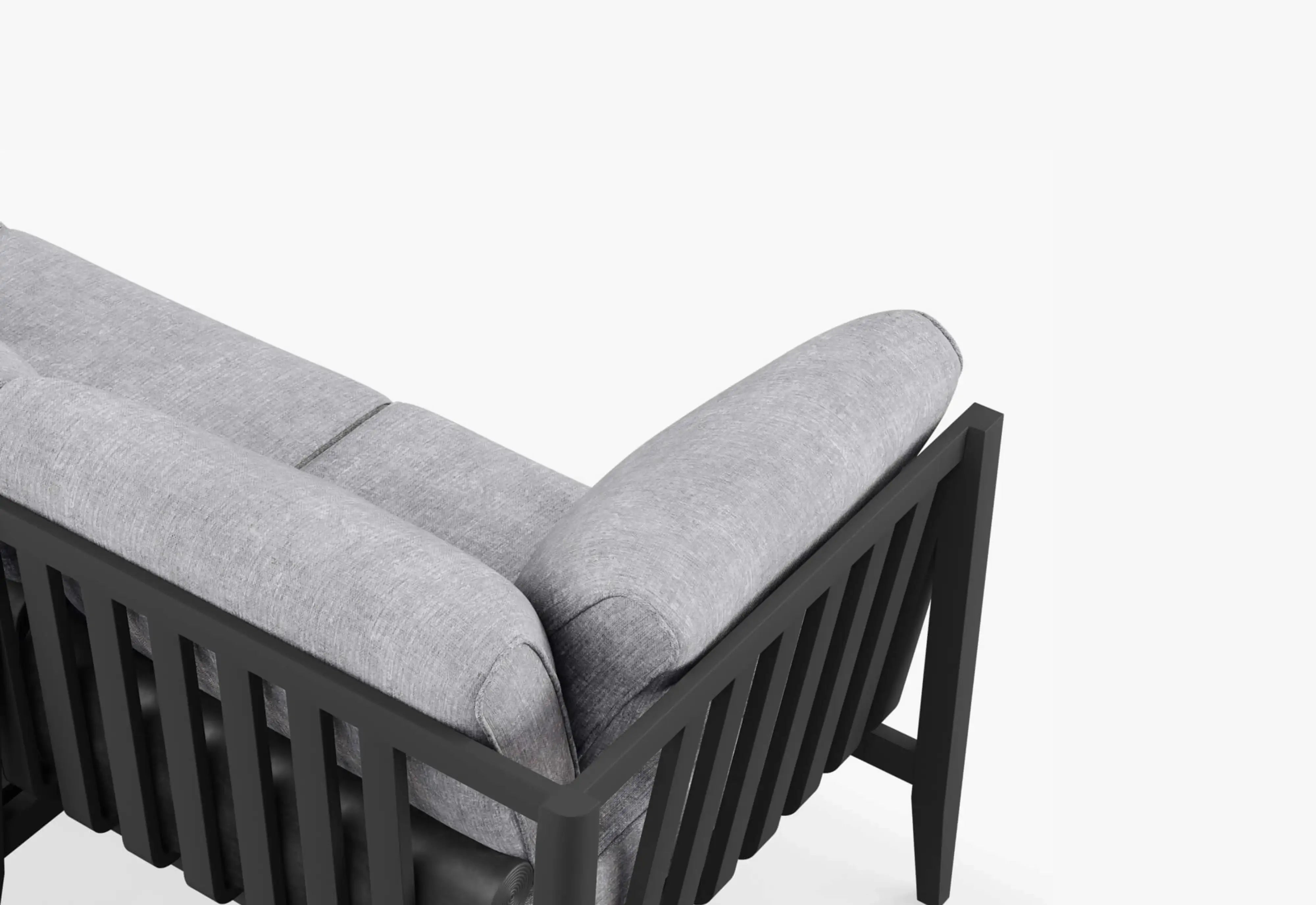
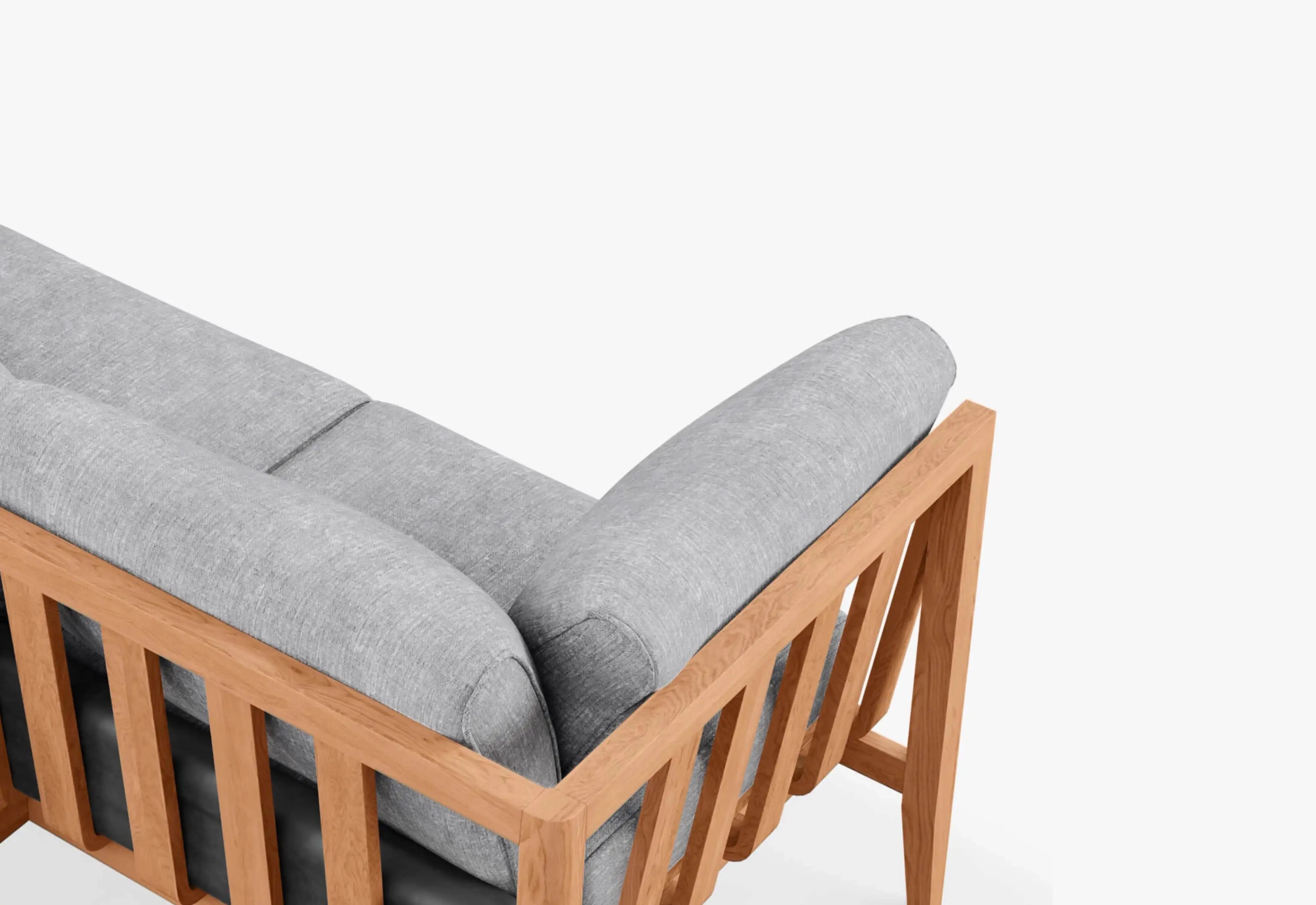
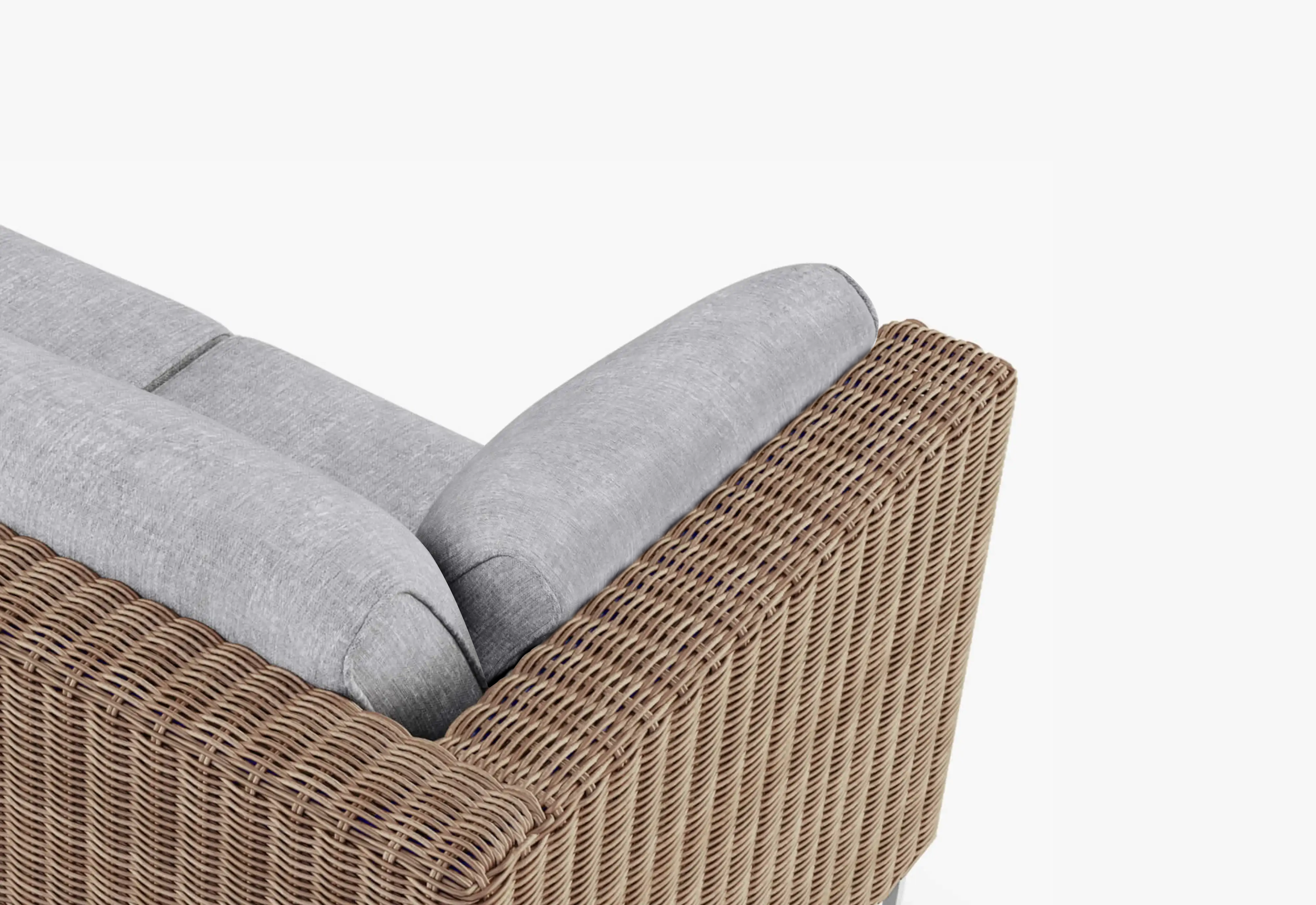
Seating within collections like the Teak Outdoor Sofa and Wicker Outdoor Sofa benefits from fabrics that support real life rather than restrict it.
Fewer Replacements Mean Lower Environmental Cost
The most sustainable cushion is the one that doesn’t need to be replaced.
Quick-clean performance fabrics reduce premature disposal by keeping cushions visually and functionally relevant longer. Even when cushions experience frequent spills, their ability to recover prevents the slow decline that leads to replacement.
Longevity is sustainability expressed through use.
Protection Complements Cleanability
Easy cleaning works best when paired with thoughtful protection.
Integrated systems like OuterShell® help shield cushions from prolonged moisture exposure, while breathable options from the Covers collection reduce dirt accumulation during downtime.
Protection reduces how often deep cleaning is needed, further lowering resource use.
Everyday Maintenance as a Sustainable Practice
Sustainability isn’t always visible.
It shows up in small, repeated actions—wiping a spill immediately, rinsing a cushion lightly, letting fabric dry naturally. Quick-clean performance fabrics make these actions effective, reinforcing habits that extend product life.
Over time, these details add up to meaningful impact.
Designing for Use, Not Just Longevity Claims
Many products promise sustainability through material sourcing alone.
Quick-clean performance fabrics support sustainability through behavior. They align with how people actually live outdoors, making care accessible instead of aspirational.
This alignment is what turns sustainable intent into sustainable outcome.
Sustainability Lives in the Details
A modern patio designed for sustainability doesn’t require perfect conditions or constant vigilance.
It relies on materials that support easy care, reduce waste, and remain in service through everyday life. Quick-clean performance fabrics embody this approach by lowering barriers to maintenance and extending usefulness.
In the end, sustainability is built not just into materials—but into how effortlessly they fit into daily living.