

From Morning Light to Moonlit Evenings: Shade Planning for Dining Terraces for the Modern Patio

A dining terrace is used across many moments, not just one. Morning coffee, midday lunches, late-afternoon gatherings, and evening dinners all experience light differently. Shade planning that works beautifully from morning light to moonlit evenings begins by understanding how sunlight moves—and how people use the space throughout the day.
Rather than blocking the sun entirely, effective shade creates comfort while preserving atmosphere.
Morning Light Calls for Openness
Early hours are gentle.
In the morning, diners often seek warmth and brightness rather than protection. Shade elements should allow filtered light to reach the table, keeping the space feeling open and energized.
Overly heavy coverage in the morning can make a dining terrace feel closed off before the day even begins.
Midday Shade Supports Lingering Meals
As the sun rises higher, shade becomes essential.
Midday dining benefits from coverage that reduces direct exposure without flattening the space. Well-placed shade helps keep surfaces cooler and makes longer meals more comfortable.
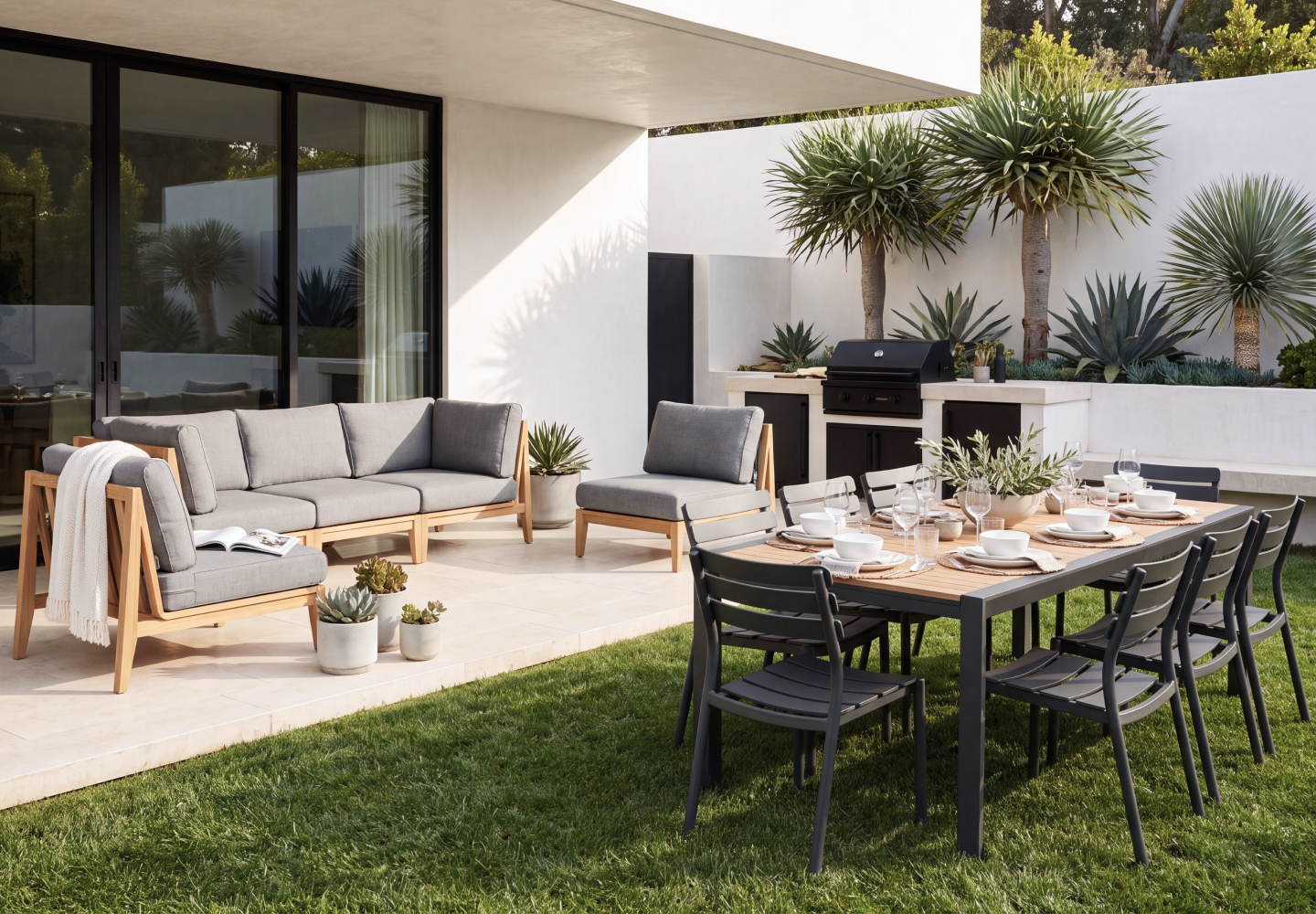
Dining areas anchored by pieces from Dining Tables & Sets benefit from shade that complements, rather than competes with, the table’s presence.
Afternoon Light Shifts Quickly
Late afternoon introduces contrast.
Lower sun angles create glare and uneven light across the table. Shade planning should anticipate this shift, providing coverage from the side as well as above.
Flexible shade elements allow the terrace to adapt as light changes.
Why Shade Placement Matters More Than Size
Bigger is not always better.
Oversized shade structures can overpower a dining terrace, making it feel heavy as the day progresses. Thoughtful placement—aligned with seating and table positions—keeps the space balanced.
Precision preserves atmosphere.
Evening Dining Needs Breathing Room
As daylight fades, shade should recede visually.
In the evening, diners value openness and connection to the surrounding environment. Shade elements that feel light and unobtrusive allow the terrace to transition naturally into night.
The goal is comfort without enclosure.
Integrating Shade With Material Systems
Shade should feel like part of the space.
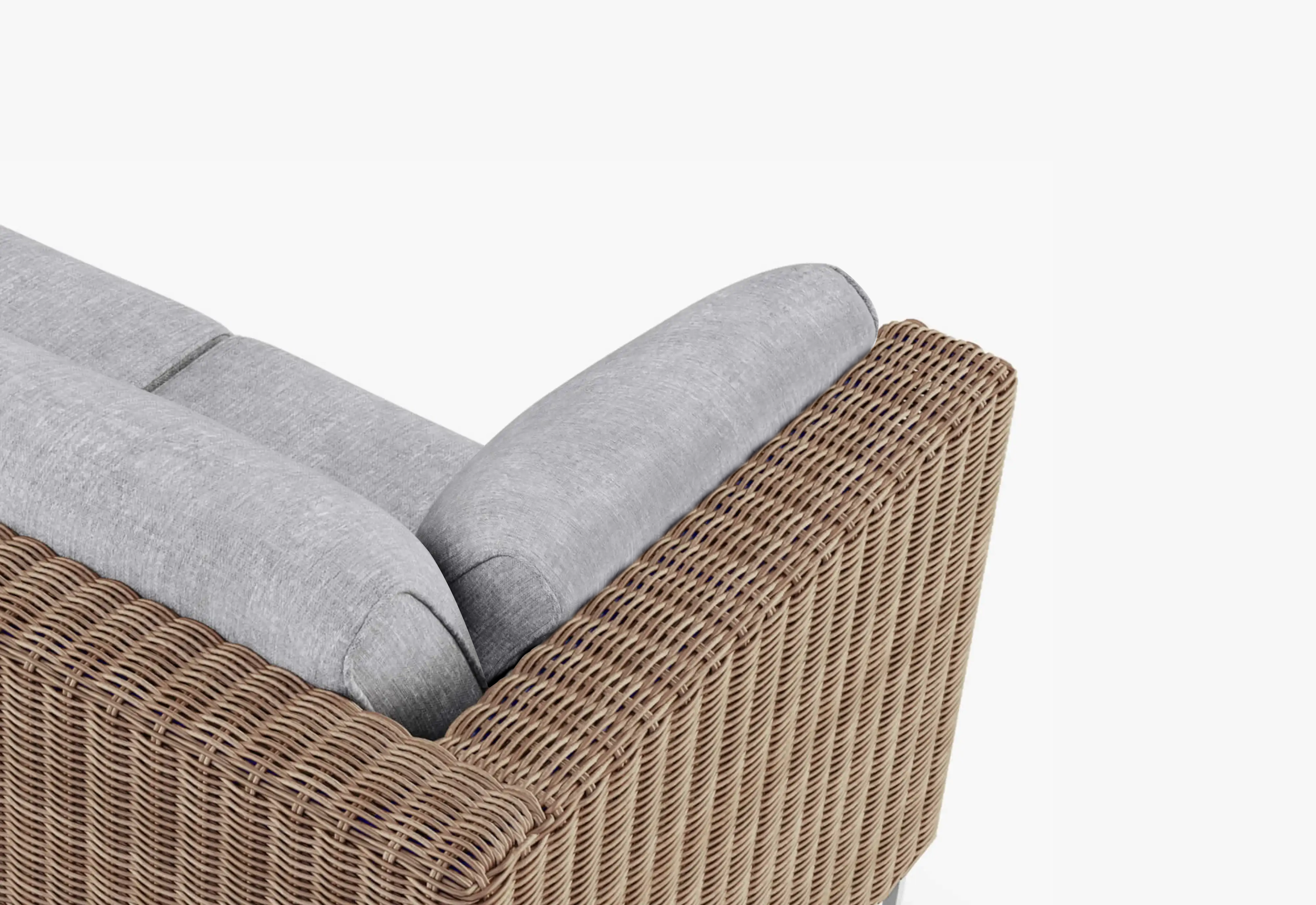
Textural elements such as OuterWeave® add softness without blocking airflow, while cushioned dining environments supported by OuterCloud® benefit from shade that reduces heat buildup during the day.
Material harmony supports all-day use.
Protection Without Disrupting the Terrace
When the terrace is not in use, protection matters.
Breathable systems like OuterShell® help protect dining setups overnight without requiring shade structures to be dismantled or repositioned.
This keeps the space ready for the next morning.
Shade Planning That Supports Conversation
Dining terraces are social spaces.
Shade that casts soft, even coverage allows faces to remain visible and expressions readable throughout the day. This supports conversation and connection, especially during long meals.
Comfort is both physical and social.
Designing for the Full Day, Not a Single Hour
The most successful dining terraces feel effortless.
They do not require constant adjustment or compromise as the sun moves. Shade planning that follows the rhythm of the day allows the space to stay welcoming from morning light through moonlit evenings.
When shade works with time, outdoor dining becomes second nature.