

Built for Life Outdoors: Patio Seating Zones for Conversation

Great outdoor conversations don’t happen by accident. They happen when seating feels intuitive, distances feel natural, and people can settle into different rhythms without disrupting one another. A single seating arrangement often works for photos—but real life outdoors calls for zones.
Patio seating zones designed for conversation acknowledge how people actually gather: breaking into smaller groups, drifting between moments, and staying longer when comfort and flow are supported. Built for life outdoors means designing spaces that evolve naturally as conversations do.
Why One Seating Area Isn’t Enough
A single, centralized seating setup asks too much of one layout. It must support deep conversation, casual check-ins, quiet moments, and transitions—all at once.
In reality:
- Some guests want to settle in and talk for hours.
- Others prefer lighter, shorter interactions.
- Movement in and out of a single zone can interrupt conversation.
Dividing the patio into conversation-friendly zones allows each interaction to find its natural place.
The Core Conversation Zone
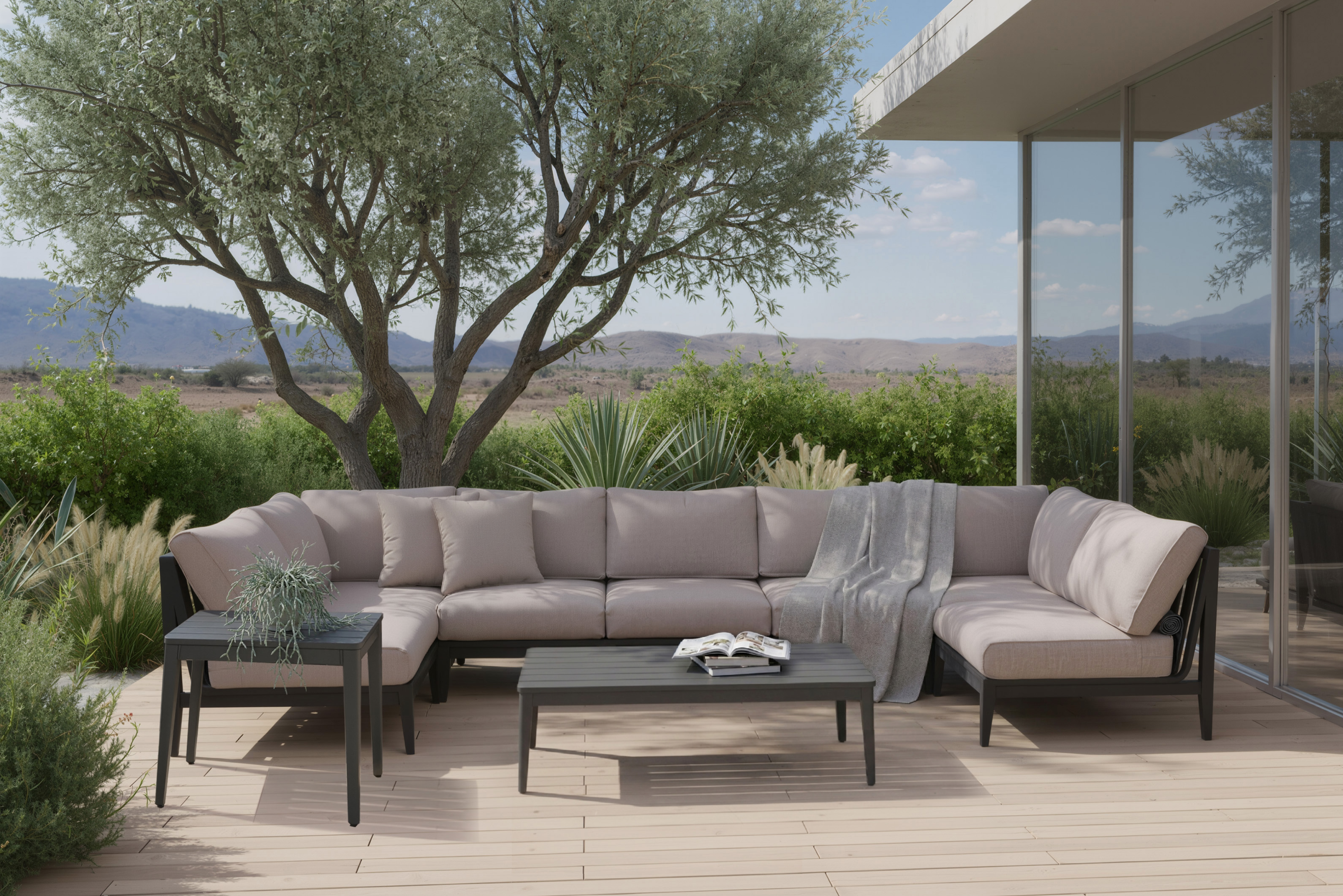
This is where longer conversations live. A core zone is anchored by comfortable, supportive seating that encourages people to stay.
Deep seating arrangements—often centered around a coffee table or fire feature—create intimacy without crowding. Chairs are angled slightly inward, reducing the need to lean forward or raise voices.
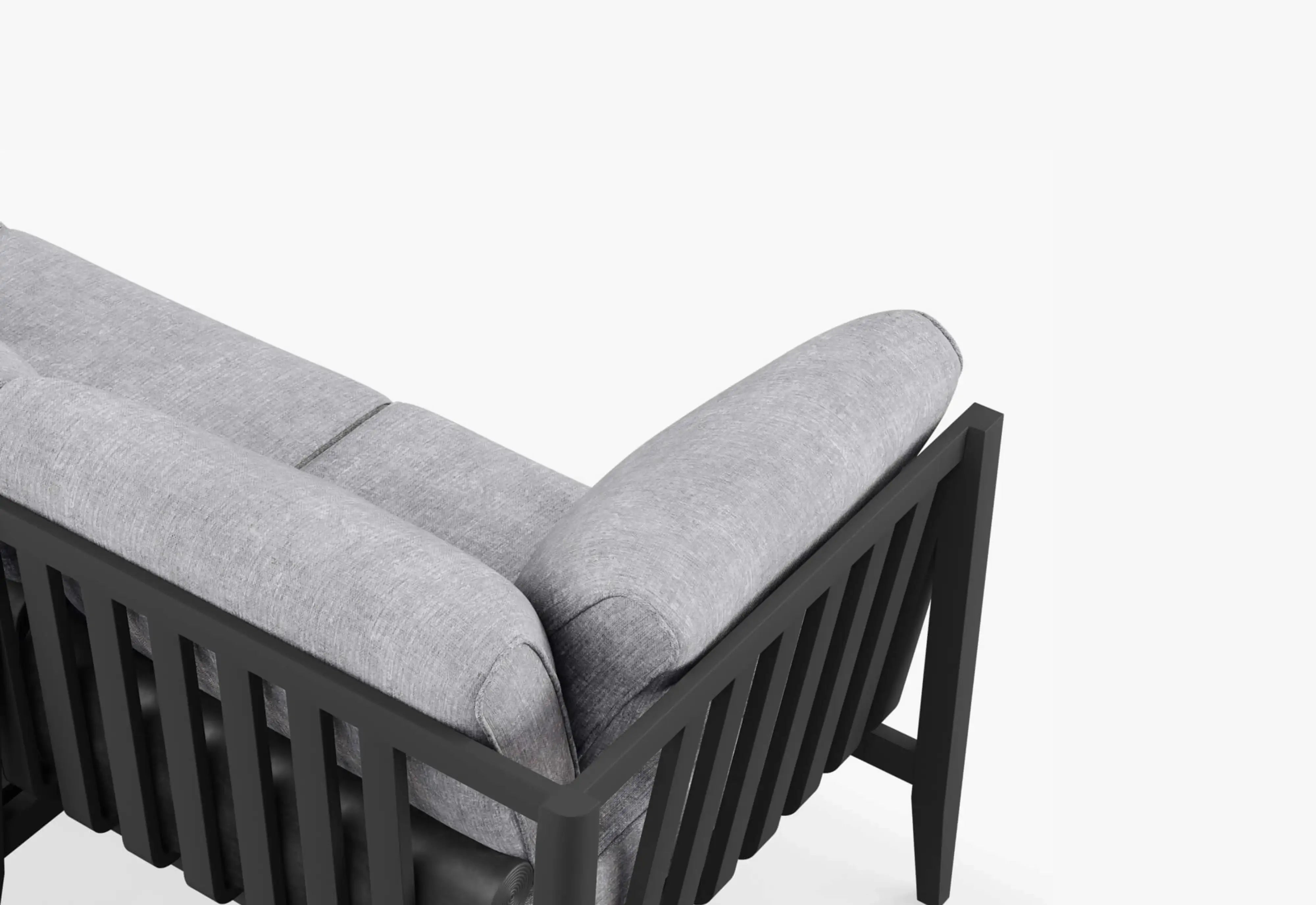
Materials and cushioning matter here. Performance systems like OuterCloud® help seating remain comfortable as conversations stretch on.
The Transitional Seating Zone
Between the main conversation area and the rest of the patio sits a transitional zone. This is where people pause, join in briefly, or wait for a moment to open up in the main group.
Transitional seating is slightly more upright and flexible. It supports:
- Short conversations.
- Easy entry and exit.
- Natural movement without disruption.
These zones reduce pressure on the core group and keep conversations from feeling closed off.
Edge Seating Encourages Organic Interaction
Edge seating—benches, single chairs, or side seating near pathways—plays a quiet but important role.
These spots allow people to:
- Observe before joining.
- Engage in one-on-one conversation.
- Step away without leaving entirely.
Edge seating keeps the patio socially porous, preventing conversation zones from becoming rigid or exclusive.
Distance Shapes Dialogue
Conversation thrives at certain distances. Too close, and people feel crowded. Too far, and voices strain.
By creating multiple seating zones, you allow each group to find its ideal conversational distance. Smaller clusters encourage softer voices and deeper engagement, while more open zones support lighter, overlapping chatter.
Orientation Matters More Than Symmetry
Perfect symmetry can look polished—but conversation prefers subtle angles.
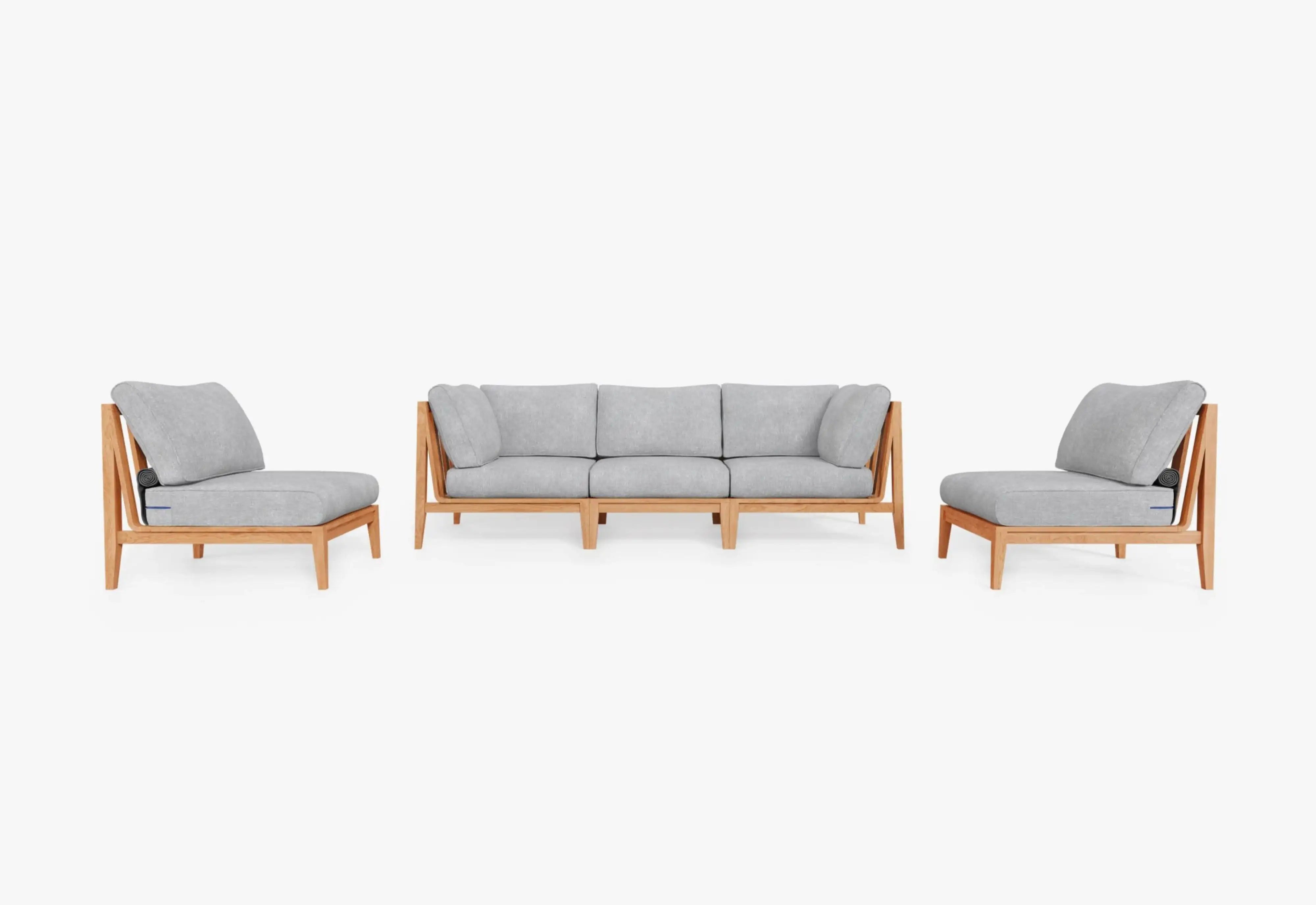
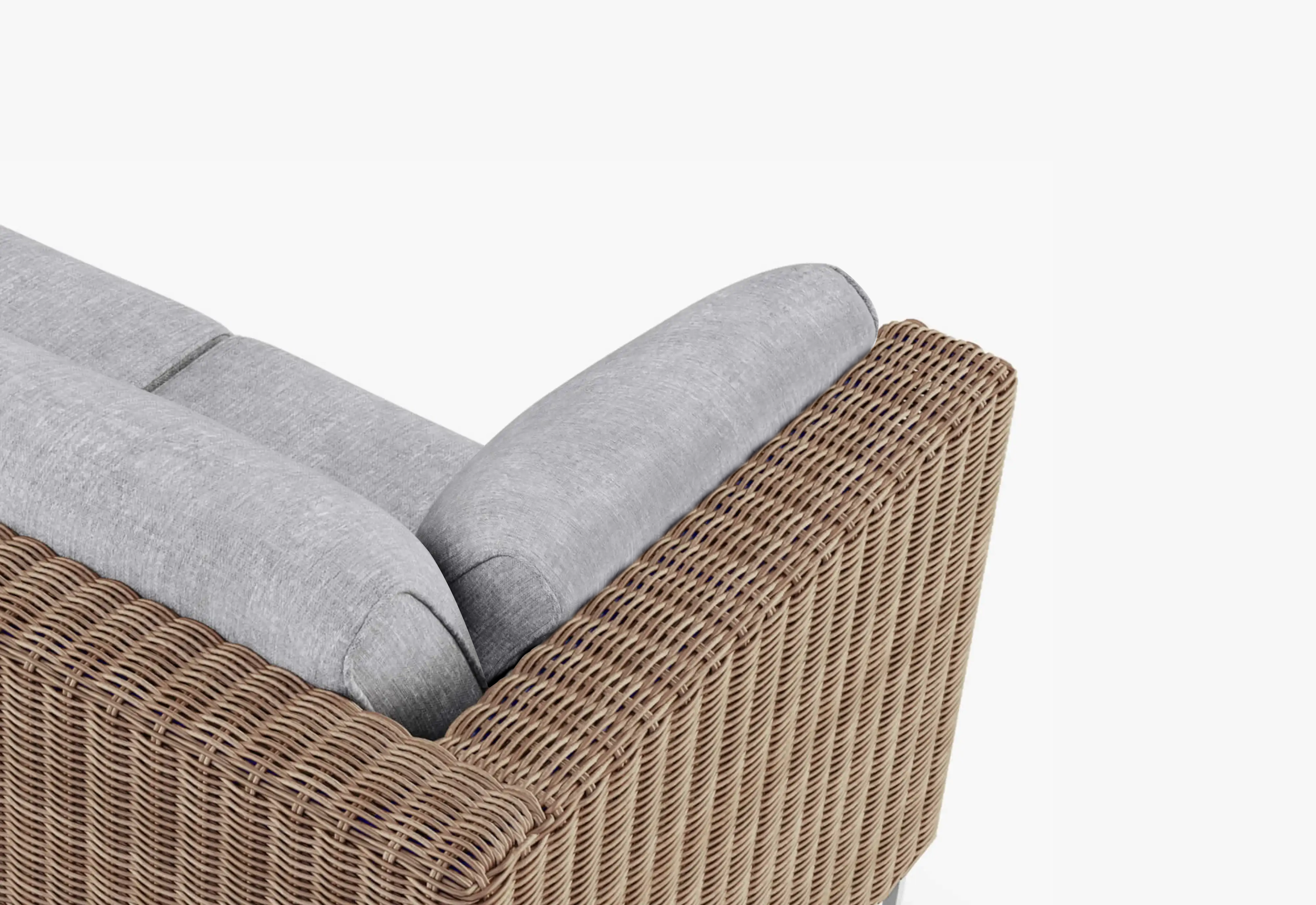
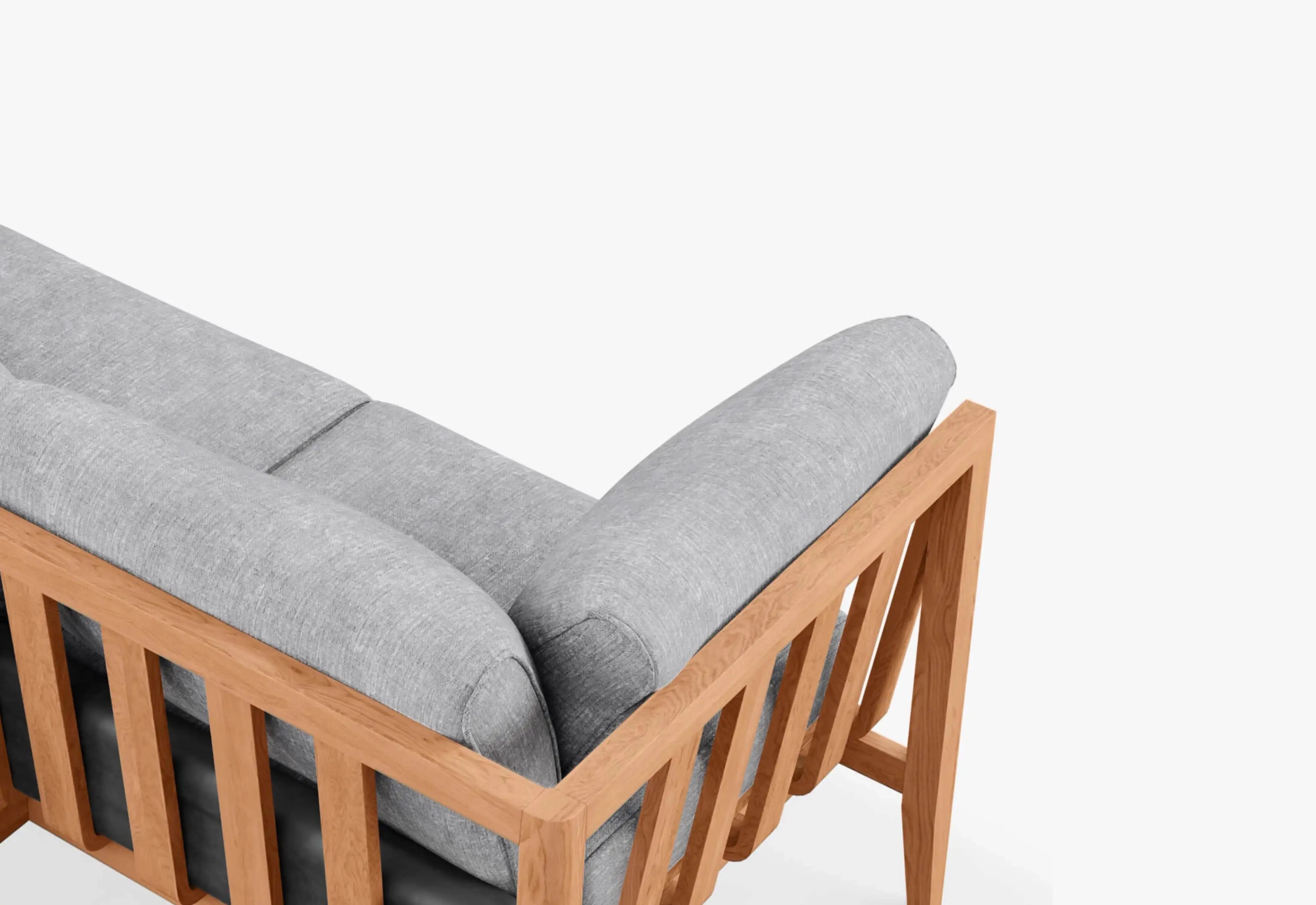
Chairs slightly turned toward one another, rather than rigidly aligned, create a sense of invitation. Modular layouts within the Teak Outdoor Sofa and Wicker Outdoor Sofa collections support this kind of flexible orientation.
When seating feels adjustable rather than fixed, conversation flows more naturally.
Environmental Comfort Keeps Conversations Going
Even the best seating zones fail if environmental comfort isn’t considered.
Shade, warmth, and protection from the elements help people remain present in conversation. Fire features, wind protection, and thoughtful placement away from direct sun all support longer engagement.
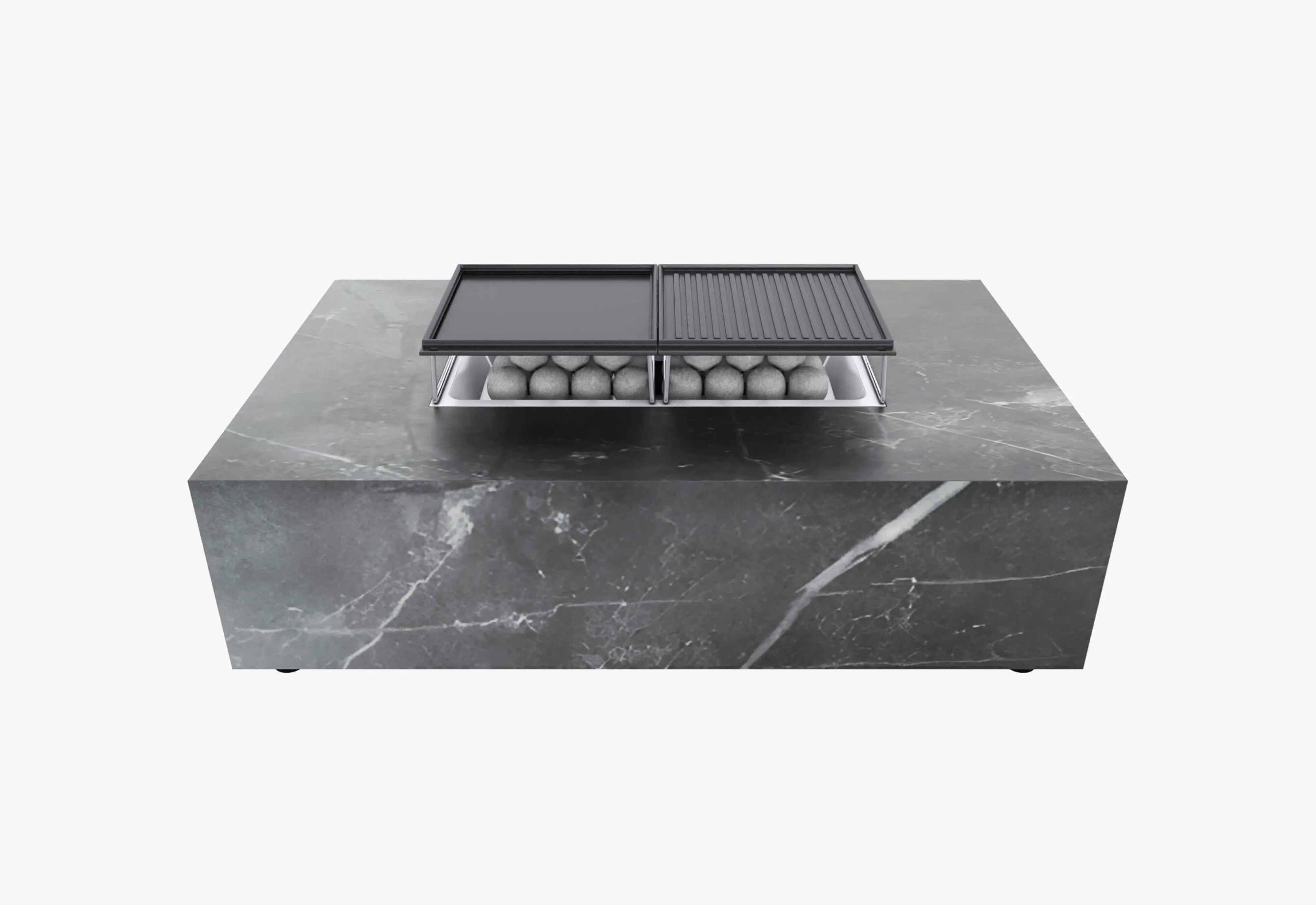
For cooler evenings, seating near fire features from the Fire Pits collection naturally becomes a conversational anchor.
Visual Separation Without Barriers
Conversation zones should feel distinct—but not isolated.
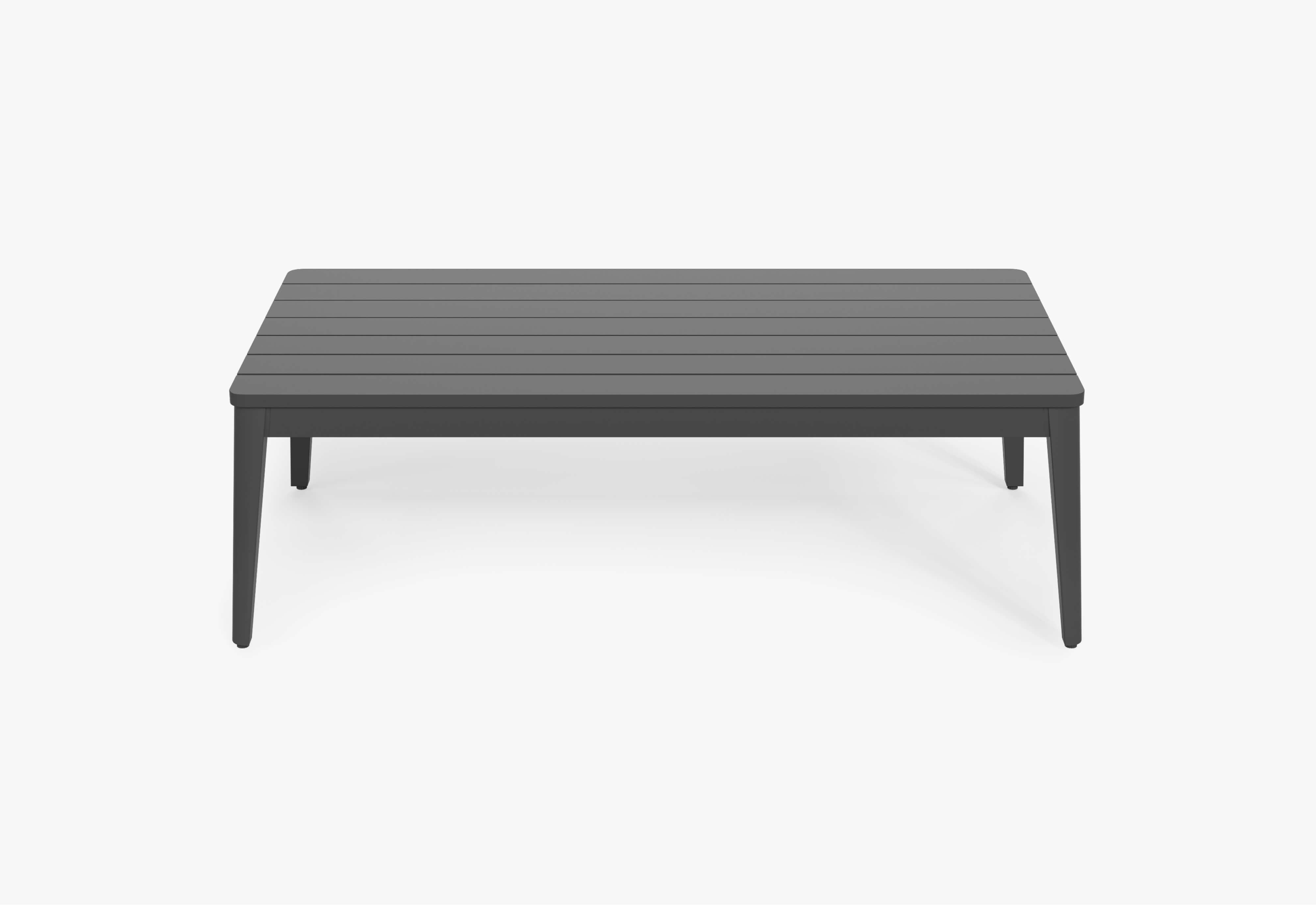
Low tables, subtle material changes, or shifts in orientation can define zones without walls or dividers. This keeps sightlines open and energy shared across the patio.
Visual continuity allows guests to move between conversations effortlessly.
Designing for Change, Not Perfection
The most successful conversation zones are resilient. Chairs get moved. Groups shift. People come and go.
Furniture that supports modularity and easy repositioning helps the space adapt without losing its underlying structure. When zones are designed with flexibility in mind, they recover gracefully after every gathering.
Why Zoned Seating Feels More Human
People don’t interact in straight lines or static circles. They cluster, separate, and reconnect.
Patio seating zones acknowledge this reality. They remove friction from social interaction and allow conversations to unfold at their own pace.
Built for life outdoors means designing spaces that support how people actually connect—not how they’re supposed to sit.
Conversation That Lasts
When seating zones are thoughtfully designed, conversations linger. Guests stay longer. The patio feels alive rather than staged.
That’s the power of zoning: not forcing connection, but making space for it to happen naturally—again and again.