

Outdoor Furniture Materials
Rattan Vs. Wicker Vs. All-Weather Wicker: What's The Difference?
Rattan and wicker are often used as if they mean the same thing, but they do not. One is a material, one is a weaving method, and the difference matters when you are choosing outdoor furniture for sun, rain, humidity, and everyday use.

Finding the best material for outdoor furniture can be difficult with so many choices. Adding to the confusion is the fact that terms like rattan, wicker, and all-weather wicker are often used interchangeably. So what is the actual difference, and which type of wicker is best for a patio, deck, porch, or backyard lounge space?
This guide explains the difference between rattan vs. wicker, how natural wicker compares with all-weather wicker, and what to look for when choosing wicker outdoor sofas or other outdoor furniture designed to live outside.
Quick Answer: Rattan vs. Wicker
Rattan is a natural material. Wicker is a weaving method. Wicker furniture can be made from rattan, but it can also be made from bamboo, reed, willow, synthetic resin, or other flexible materials.
For indoor rooms, sunrooms, or covered areas, natural rattan and natural wicker can work well. For outdoor patios exposed to sun, rain, humidity, and changing weather, all-weather wicker is usually the better choice because it is made for outdoor durability.
Rattan Vs. Wicker: The Main Difference
It is not uncommon for two closely related things to become interchangeable in everyday conversation. For example, many people refer to tissues as “Kleenex” without thinking about Kleenex being one brand. The same kind of confusion happens with rattan vs. wicker.
The difference is straightforward: rattan is the material; wicker is the weaving method. A wicker chair can be made from rattan, but wicker furniture can also be made from other natural or synthetic materials.
That means “rattan vs. wicker” is not a perfect one-to-one comparison. It is more useful to ask whether the wicker furniture is made from natural material or from all-weather material designed for outdoor use.
| Feature | Rattan | Wicker | All-Weather Wicker |
|---|---|---|---|
| What it is | A natural plant material | A weaving method or woven furniture style | A synthetic woven material designed for outdoor furniture |
| Best use | Indoor rooms, sunrooms, or covered spaces | Depends on the material used | Patios, decks, porches, pool areas, and outdoor living spaces |
| Weather resistance | Low to moderate | Varies by material | High, especially with proper care and furniture covers |
| Maintenance | Needs more protection from moisture and direct weather | Depends on whether it is natural or synthetic | Low-maintenance and easy to clean |
| Best for outdoor furniture? | Not ideal for full outdoor exposure | Only if made from outdoor-rated material | Yes, especially for long-term patio seating |
At Outer, material choice matters because outdoor furniture has to do more than look good in a photo. It needs to hold up through real weather, repeated use, seasonal changes, and everyday lounging.
What Is Rattan?
Rattan is a natural plant material that comes from climbing palms commonly found in tropical regions of Asia, Africa, and Australia. It became popular because it is light, flexible, and easier to grow, harvest, and transport than many types of timber.
Because rattan is both strong and bendable, it has been used for baskets, chairs, tables, decorative accents, and woven furniture frames. Its organic texture gives furniture a relaxed, natural look that works well in coastal, bohemian, traditional, and transitional spaces.
The limitation is that natural rattan is still plant-based. When it is exposed to heavy rain, harsh sunlight, snow, or repeated moisture, it can dry out, crack, weaken, or lose its shape. That is why natural rattan is usually better for indoor rooms, sunrooms, covered porches, and protected spaces rather than fully exposed outdoor furniture.
What Is Wicker?
Wicker is not one specific material. It is a weaving process that uses flexible strands to create furniture, baskets, and other woven pieces. Wicker can be made from rattan, bamboo, reed, willow, synthetic resin, or other materials that can be shaped into a woven structure.
Wicker furniture has existed for centuries, but it became especially popular in Europe during the Victorian era and later became a familiar part of American homes and patios. Over time, the word “wicker” became associated with the finished furniture style rather than only the weaving method.
That is why a wicker chair may be natural or synthetic, indoor or outdoor, delicate or highly durable. The material behind the weave matters more than the word “wicker” alone.
What Real Homeowners Say About Wicker Furniture
Beyond definitions, wicker has a strong emotional place in the home. In real homeowner discussions, people often describe wicker furniture as something they associate with reading corners, sunrooms, windows, coffee, books, beach houses, screened porches, and relaxed family spaces. That is part of why wicker remains such a recognizable furniture style: it feels natural, warm, familiar, and lived-in.
One common homeowner question is whether outdoor wicker furniture can move indoors. That question says something important about the material. Wicker does not read as purely “outdoor” or purely “indoor.” It sits in between. It can make a patio feel more like a room, and it can make a sunroom or reading corner feel more connected to the outdoors.
| Real homeowner feedback | What it means when choosing wicker | Best direction for outdoor patios |
|---|---|---|
| Wicker creates a cozy, relaxed feeling | People often connect wicker with reading, coffee, windows, sunrooms, and casual comfort. | Choose warmer brown all-weather wicker if you want a natural, classic patio sofa look. |
| Wicker can feel timeless rather than trendy | Many people associate wicker with older homes, screened porches, beachy spaces, and familiar family rooms. | Use wicker when you want an outdoor space that feels finished, personal, and welcoming. |
| Natural wicker can shed, splinter, peel, or squeak | The charm of natural wicker comes with real maintenance limits, especially as it ages. | For exposed patios, all-weather wicker gives the look with better durability and easier care. |
| Comfort depends on cushions and support | The woven frame creates the look, but the cushion system determines whether the sofa is actually comfortable. | Look for deep cushions, supportive fill, modular layouts, and weather-ready protection. |
| Cleaning matters before moving or styling wicker | Wicker’s woven texture can collect dust, pollen, dirt, and debris in its small gaps. | Outdoor-rated wicker should be easy to rinse, brush, and maintain throughout the season. |
Why Wicker Still Feels Natural, Warm, And Classic
Wicker has lasted as a patio furniture style because it does something many outdoor materials do not. It brings texture without feeling heavy. It feels relaxed without looking unfinished. It gives a patio sofa a warmer, more human look than plain metal or plastic, especially in spaces designed for lounging, conversation, and everyday outdoor living.
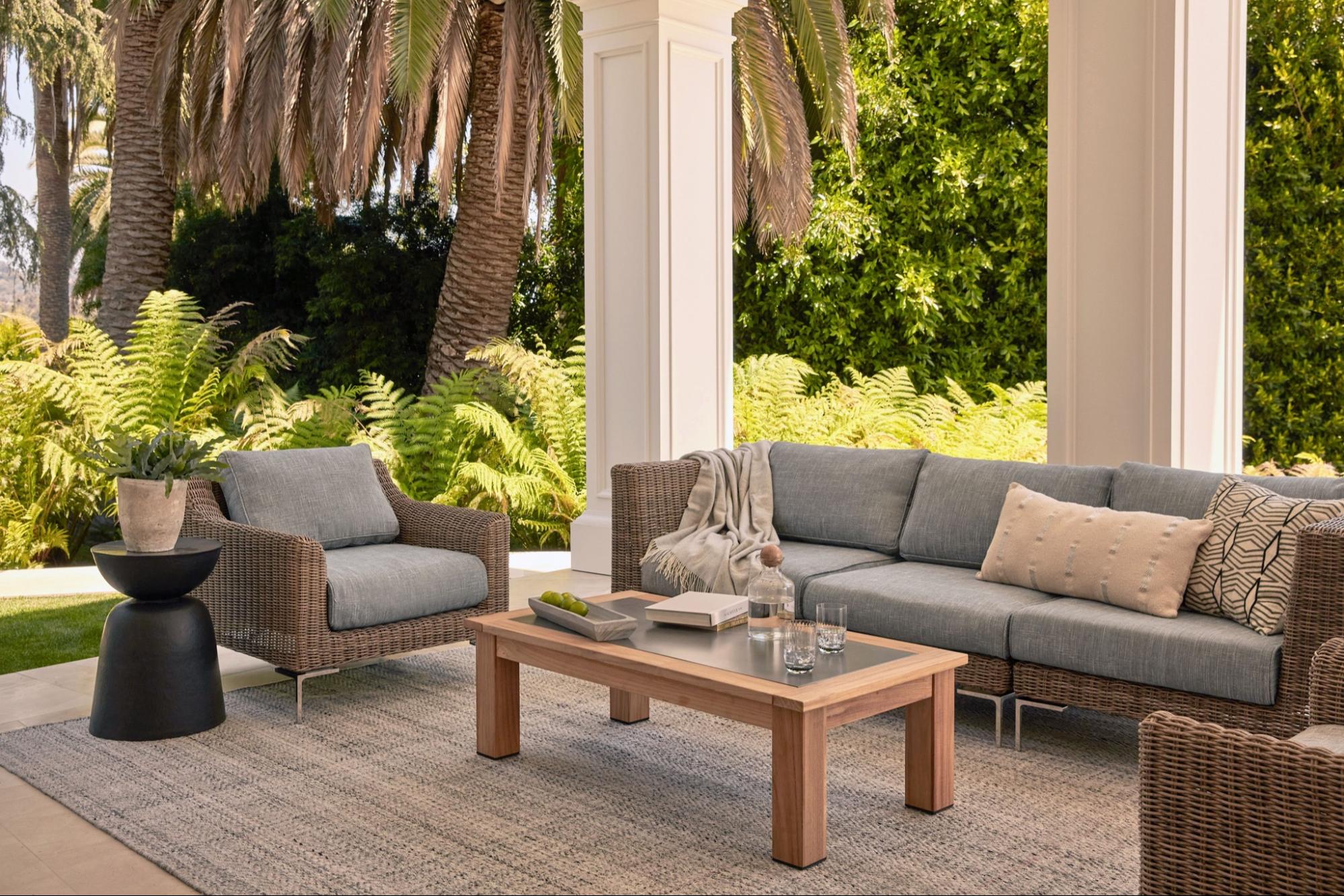
That is why wicker works especially well for outdoor sofas. A wicker patio sofa can make a deck, porch, or backyard feel less like a hard outdoor surface and more like an open-air living room. Brown wicker leans warmer and more traditional, while black wicker can feel cleaner and more modern. Both can work, but the best choice depends on the atmosphere you want to create.
The Real Tradeoff: Natural Charm Vs. Outdoor Performance
The homeowner feedback also highlights the main tradeoff. Natural wicker has character, but it can become brittle, shed fibers, peel if painted, and feel less supportive over time. That may be acceptable for a decorative indoor chair, a protected sunroom piece, or a vintage accent. It is not ideal for a patio sofa that needs to handle weather, regular use, pets, guests, spills, and seasonal exposure.
For that reason, all-weather wicker is usually the better patio choice. It preserves the woven, natural look people like about wicker, but it is built for outdoor conditions. In other words, it keeps the warmth and classic style of wicker while solving the practical problems that show up with natural wicker outside.
The key takeaway: wicker is not just a furniture material or weaving style. It is a patio mood. It feels natural, warm, familiar, and classic. For real outdoor use, all-weather wicker is the version that makes that look easier to live with long term.
What Is A Rattan Chair?
A rattan chair is a chair made from natural rattan, often shaped or woven into a lightweight frame. Many rattan chairs have a relaxed, handcrafted look and are popular in living rooms, bedrooms, sunrooms, and covered outdoor areas.
For full outdoor exposure, though, a natural rattan chair is usually not the most durable choice. If you want the look of rattan for a patio or backyard, look for all-weather wicker furniture instead. It gives a similar woven texture but is engineered for outdoor conditions.
For more outdoor seating options, explore Outer’s outdoor sofa collection, including modular designs built for open-air living.
Natural Vs. All-Weather Wicker

Natural wicker and all-weather wicker can look similar, but they perform very differently outdoors.
Once the rattan vs. wicker debate is settled, the next question is whether natural wicker or all-weather wicker is better for your space. The answer depends on where the furniture will live and how much weather exposure it will face.
Natural Wicker
Natural wicker is made from plant-based materials such as rattan, bamboo, reed, or willow. It has an organic look and can bring warmth and texture to indoor spaces. For rooms protected from weather, natural wicker can be a beautiful choice.
The disadvantage appears when natural wicker is used outside. Plant-based materials are not designed to withstand years of heavy rain, strong sun, humidity, snow, or fast temperature changes. Over time, natural wicker can crack, split, sag, or become brittle.
That does not mean natural wicker is a bad material. It means it should be used in the right environment. For an indoor accent chair, sunroom chair, or covered porch piece, natural wicker can work well. For a patio sofa exposed to the elements, all-weather wicker is usually the smarter investment.
Synthetic Resin And All-Weather Wicker
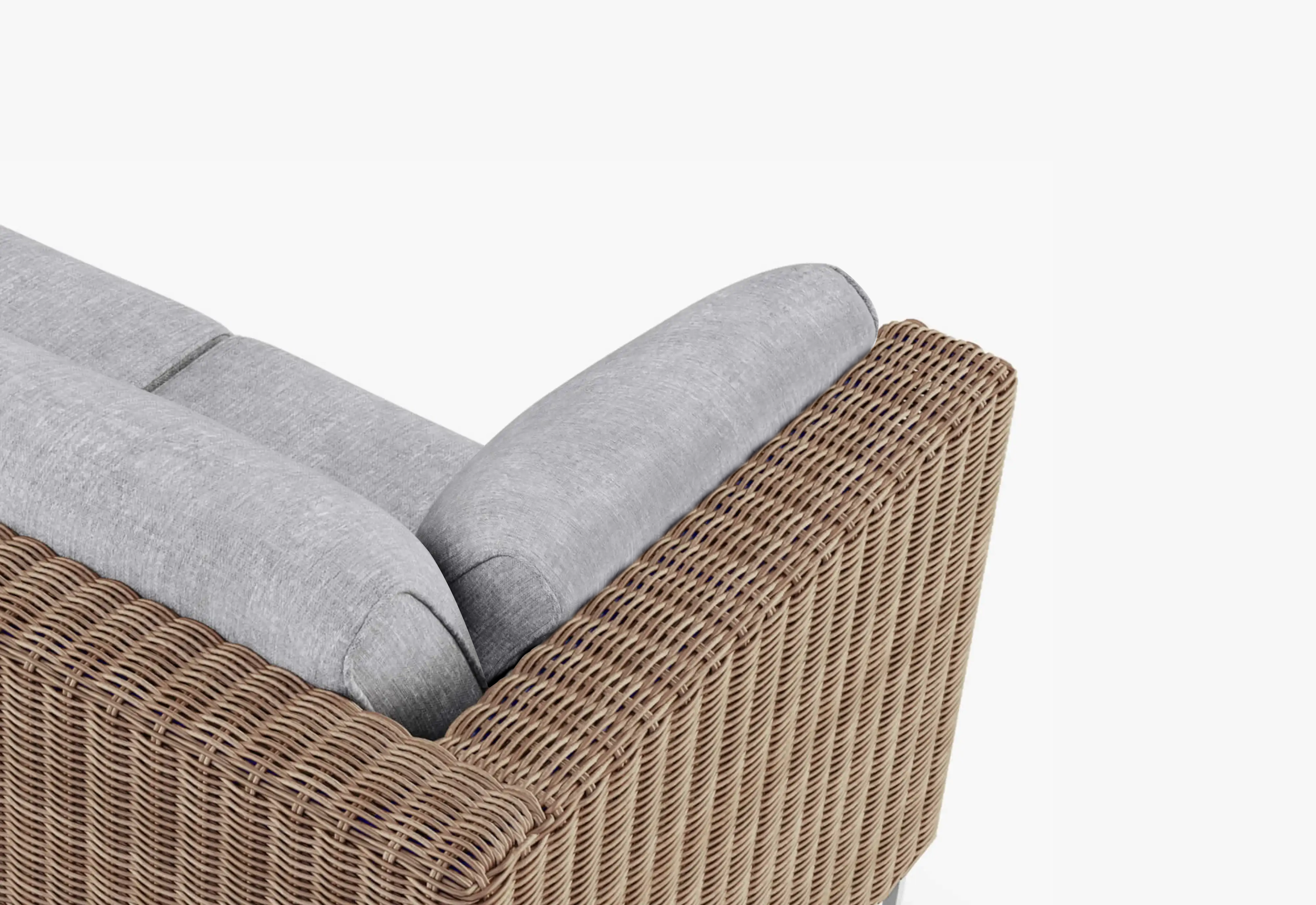
All-weather wicker is a synthetic woven material designed to give the look of natural wicker with much stronger outdoor performance. Instead of relying on untreated plant fibers, all-weather wicker uses durable synthetic strands that are woven over a furniture frame.
For outdoor furniture, this matters. High-quality all-weather wicker can resist moisture, sun exposure, fading, and everyday outdoor use better than natural wicker. It is also easier to clean, making it a practical choice for patios, decks, pool areas, and family backyards.
Outer’s wicker outdoor sofas are built around this outdoor-first idea, pairing all-weather wicker with comfortable cushions, modular layouts, and integrated protection designed for real life outside.
Which Is Better For Outdoor Furniture?

For outdoor patios, all-weather wicker is usually the better choice than natural rattan or natural wicker.
The question of whether natural or synthetic wicker is better depends on how it will be used. For indoor use, natural wicker and natural rattan can be perfectly appropriate. For outdoor use, all-weather wicker is the clear winner because it is built for exposure.
Indoor Vs. Outdoor Use
For indoor rooms, natural rattan and natural wicker can add texture without needing to withstand rain, snow, or prolonged sun exposure. They can also work in covered outdoor spaces if they are protected from heavy moisture and direct weather.
For outdoor patios, decks, and open-air lounge spaces, all-weather wicker is more practical. It is designed for the conditions outdoor furniture actually faces: heat, moisture, wind, pollen, dirt, spills, seasonal storms, and repeated use.
Environmental Considerations
Not all synthetic wicker is made the same way, so it is worth looking at how a brand thinks about materials, lifespan, and end-of-life impact. Furniture that lasts longer can also reduce the need for frequent replacement.
Outer’s all-weather wicker is designed with long-term outdoor use in mind, including recycled content and recyclability at the end of its lifespan. For shoppers comparing materials, that makes all-weather wicker more than a style choice; it is also a practical durability decision.
Comfort
Wicker creates the visual character of the furniture, but comfort comes from the full seating system. Real homeowners often point out that older wicker pieces can feel squeaky, stiff, or poorly supported when the cushions are thin or the frame is not designed for lounging.
That is why a wicker patio sofa should be judged by more than the weave. Look at the seat depth, cushion thickness, back support, fabric quality, and whether the layout works for the way you actually relax outside. A good all-weather wicker sofa should feel as comfortable as it looks: warm, casual, supportive, and easy to live with.
Outer pairs its wicker seating with deep, multi-layer cushions designed for outdoor relaxation, so the woven frame and cushion system work together instead of competing with each other.
Maintenance
Wicker’s woven texture is part of its appeal, but it also means dust, pollen, leaves, and debris can settle into small gaps. Natural wicker usually needs more careful handling because moisture can weaken the fibers, and older painted wicker may peel or shed as it breaks down.
All-weather wicker is lower-maintenance. In most cases, you can brush or vacuum between the woven strands, rinse the frame when needed, and let it dry fully. For patios that face rain, sun, wind, or long off-seasons, protective covers can also help reduce unnecessary wear.
For detailed cushion and furniture care steps, see Outer’s guide on how to clean outdoor cushions.
Benefits Of All-Weather Wicker

All-weather wicker gives outdoor furniture the woven look of natural wicker with better resistance to moisture, fading, and seasonal use.
All-weather wicker is popular for outdoor furniture because it offers the texture of woven furniture with better performance outside. It can support a relaxed patio look without the fragility of natural plant fibers.
Durability
While all-weather wicker can look like natural wicker, synthetic wicker offers the added advantage of outdoor durability. Compared with natural rattan or natural wicker, it is much better suited for long-term patio use.
This is especially important for larger outdoor seating pieces like sofas and sectionals, which are harder to move indoors every time the weather changes.
Resistance To Fading
All-weather wicker is more fade-resistant than natural wicker, especially when used in quality outdoor furniture. That said, no outdoor material is completely immune to the sun. Long-term UV exposure can still affect color over time.
To help protect your full setup, consider pairing your seating with outdoor furniture covers, especially in climates with frequent rain, snow, strong sun, wind, or off-season storage needs.
Low Maintenance
Outdoor furniture should make life outside easier, not add another complicated maintenance routine. All-weather wicker is generally simple to care for: remove leaves and debris, brush or vacuum between woven strands, rinse when needed, and let the frame dry fully.
Outer’s wicker furniture is also designed with everyday outdoor living in mind, including durable frames, weather-ready materials, and cushion protection through OuterShell®.
Moisture Resistance
Resin wicker helps water move off the furniture instead of absorbing moisture like natural plant fibers. That makes all-weather wicker better for humid climates, poolside seating, rainy seasons, and patios that do not stay fully covered.
Even with all-weather materials, it is still smart to protect your furniture during long periods of non-use or harsh seasonal weather. Covers can reduce dirt, pollen, moisture buildup, and unnecessary wear.
Lightweight, Modular Design
Wicker furniture has a naturally lighter look than many solid-frame materials. In outdoor spaces, that can make a patio feel more relaxed and flexible. When paired with modular design, wicker seating can be rearranged for everyday lounging, entertaining, or larger gatherings.
If you are still comparing materials, Outer’s broader outdoor patio furniture guide can help you think through seating, materials, layouts, and long-term outdoor use.
Product Picks
Outdoor Wicker Furniture Worth Considering
For shoppers who like the look of natural rattan but need furniture that can live outside, all-weather wicker is the better direction. These Outer picks connect the material guide to real patio use while keeping the article clean and editorial.
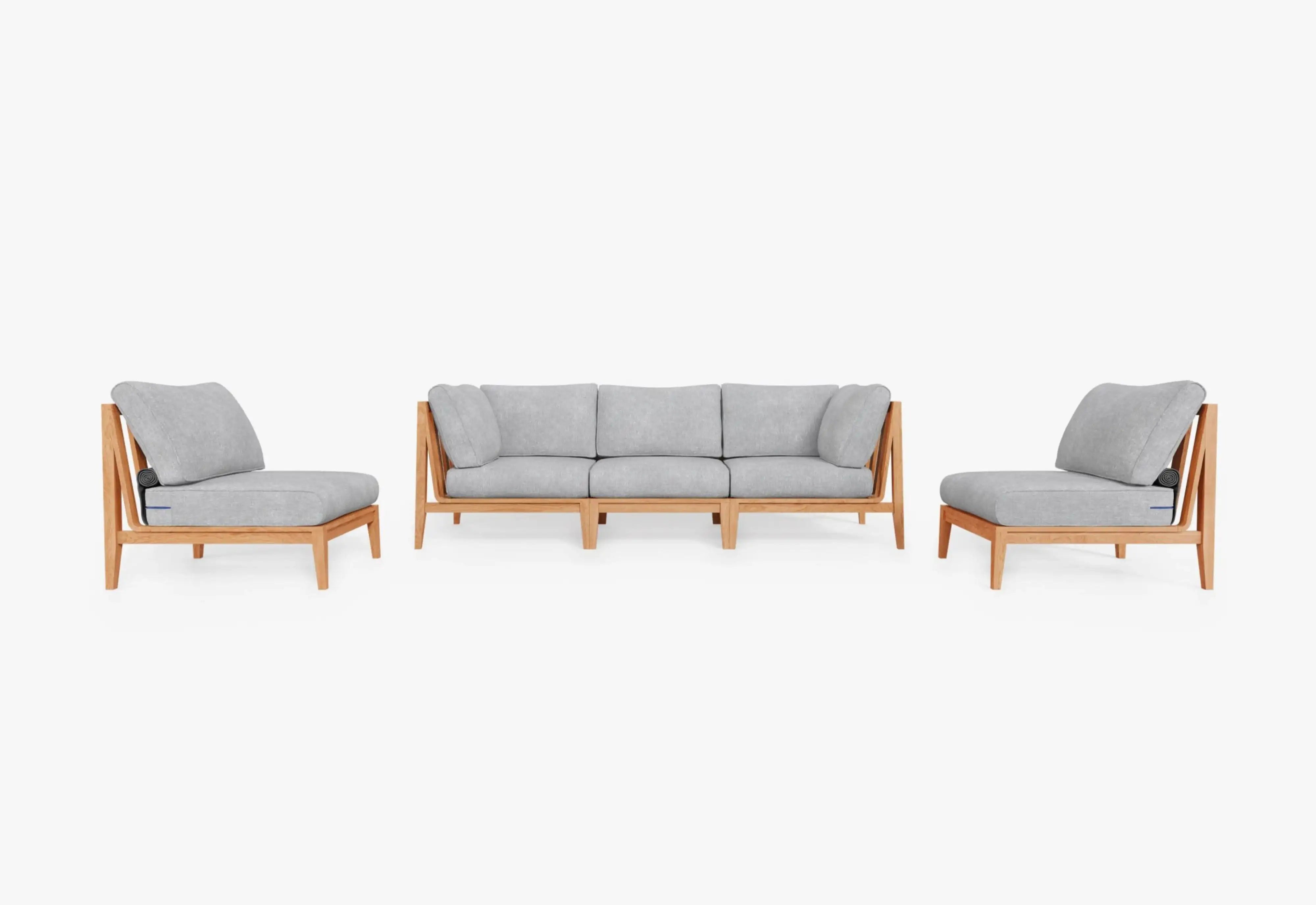
Brown Wicker Outdoor Sofa With Armless Chairs - 5 Seat
A warmer all-weather wicker option for larger patios, family seating areas, and outdoor lounge layouts that need comfort without losing the woven look.
View Brown Wicker 5-Seat Sofa
Black Wicker Outdoor Armchair Conversation Set
A compact all-weather wicker setup for conversation zones, balconies, and smaller outdoor spaces where durability and a cleaner modern look matter.
View Black Wicker Conversation Set
Wicker Outdoor Sofas
Compare brown wicker, black wicker, and modular wicker layouts designed for patios, decks, porches, and long-term outdoor living. This is the better landing point for readers who are still comparing configurations instead of choosing one product.
Explore Wicker Outdoor SofasHow To Choose The Right Wicker Furniture For Your Patio
When shopping for wicker patio furniture, do not stop at the word “wicker.” Look at what the furniture is made of, how it is built, how the cushions perform, and whether the full piece is designed for your climate.
1. Check Whether The Wicker Is Outdoor-Rated
Natural wicker may look beautiful, but it is not always built for rain, humidity, and direct sun. For exposed outdoor areas, choose all-weather wicker or another outdoor-rated material.
2. Look At The Frame
The woven exterior is only one part of the furniture. A durable frame helps the piece hold its shape and support weight over time. For outdoor furniture, frame construction matters as much as surface material.
3. Compare Cushion Quality
For sofas, lounge chairs, and sectionals, the cushions determine much of the comfort. Look for outdoor fabrics, supportive fill, weather-resistant construction, and protection features that make the furniture easier to use day to day.
4. Think About Your Climate
A covered porch in a mild climate is different from a fully exposed patio in a humid, rainy, or snowy region. If your furniture will face frequent weather, prioritize all-weather materials and full-piece covers.
5. Choose A Layout That Can Adapt
Outdoor spaces change. You may need a quiet reading corner one day and a larger entertaining setup the next. Modular wicker sofas and conversation sets give you more flexibility than fixed furniture layouts.
Choose Outdoor Wicker That Feels Natural And Lives Outside
Natural rattan and natural wicker can bring beautiful texture indoors, but outdoor living requires materials that can handle the elements. For patios, decks, porches, and open-air lounge spaces, all-weather wicker offers the better balance of natural warmth, classic style, durability, comfort, and low maintenance.
Frequently Asked Questions About Rattan, Wicker, And All-Weather Wicker
Is rattan the same as wicker?
No. Rattan is a natural plant material, while wicker is a weaving method. Wicker furniture can be made from rattan, but it can also be made from synthetic resin, bamboo, reed, willow, or other flexible materials.
Which is better for outdoor furniture, rattan or wicker?
For outdoor furniture, all-weather wicker is usually better than natural rattan because it is designed to handle sun, rain, humidity, and daily outdoor exposure. Natural rattan is better suited for indoor rooms, sunrooms, or covered spaces.
What is all-weather wicker?
All-weather wicker is a synthetic woven material designed for outdoor furniture. It gives the look of natural wicker while offering stronger resistance to moisture, fading, and seasonal weather.
Is wicker waterproof?
Natural wicker is not waterproof and can weaken when exposed to moisture. All-weather wicker is more water-resistant, but it still performs best with proper care and protective covers during harsh weather or long periods of non-use.
What is wicker made of?
Wicker can be made from rattan, bamboo, reed, willow, synthetic resin, or other flexible materials. The word “wicker” refers to the weaving technique, not one single material.
Can wicker furniture be left outside?
Natural wicker should not be left fully exposed outside for long periods. All-weather wicker furniture is designed for outdoor use and can stay outside, especially when paired with proper care and protective covers.
Does all-weather wicker fade?
All-weather wicker is more fade-resistant than natural wicker, but no outdoor material is completely fade-proof. To help preserve its look, use outdoor furniture covers during harsh sun, storms, or extended periods when the furniture is not in use.
Is wicker outdoor furniture hard to clean?
No. All-weather wicker is usually easy to clean. Brush or vacuum away debris, rinse the frame when needed, and let it dry fully. Natural wicker requires more careful cleaning because moisture can damage plant-based fibers.
Why do people choose wicker outdoor sofas?
Many people choose wicker outdoor sofas because they feel natural, warm, classic, and relaxed. Wicker can make a patio, deck, porch, or sunroom feel more like a real living space. For outdoor use, all-weather wicker is usually the better choice because it keeps that woven look while improving durability and maintenance.