


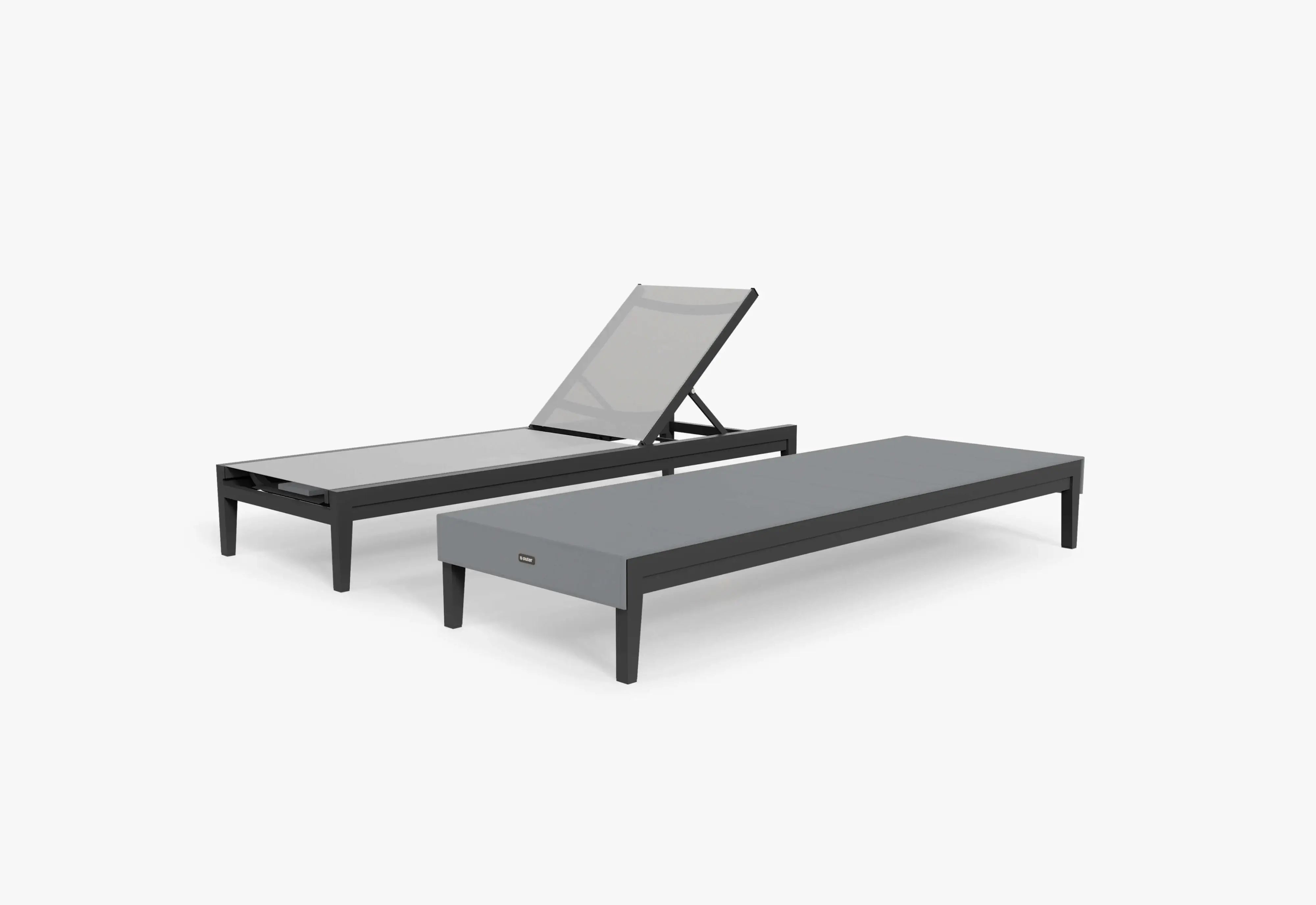
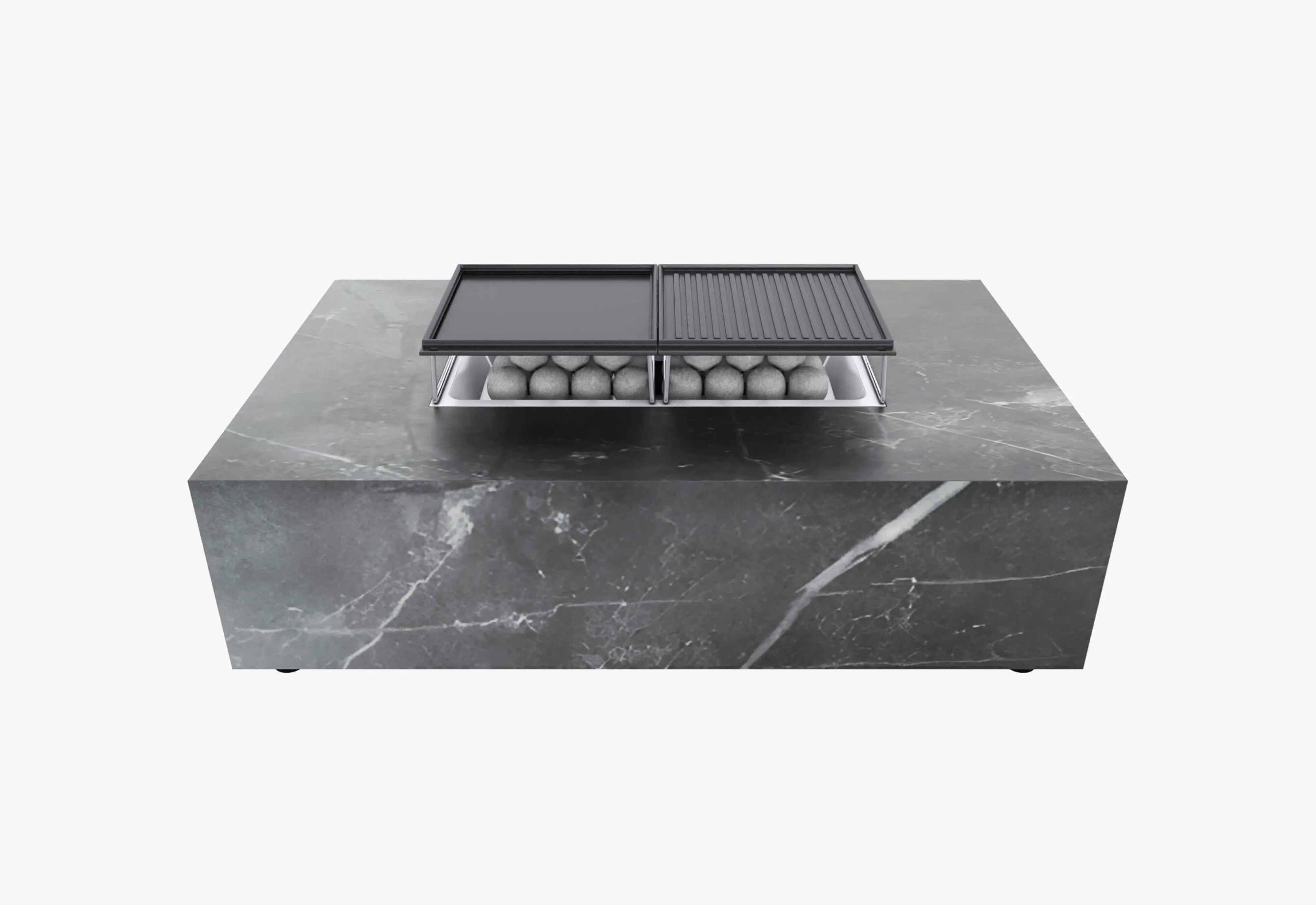
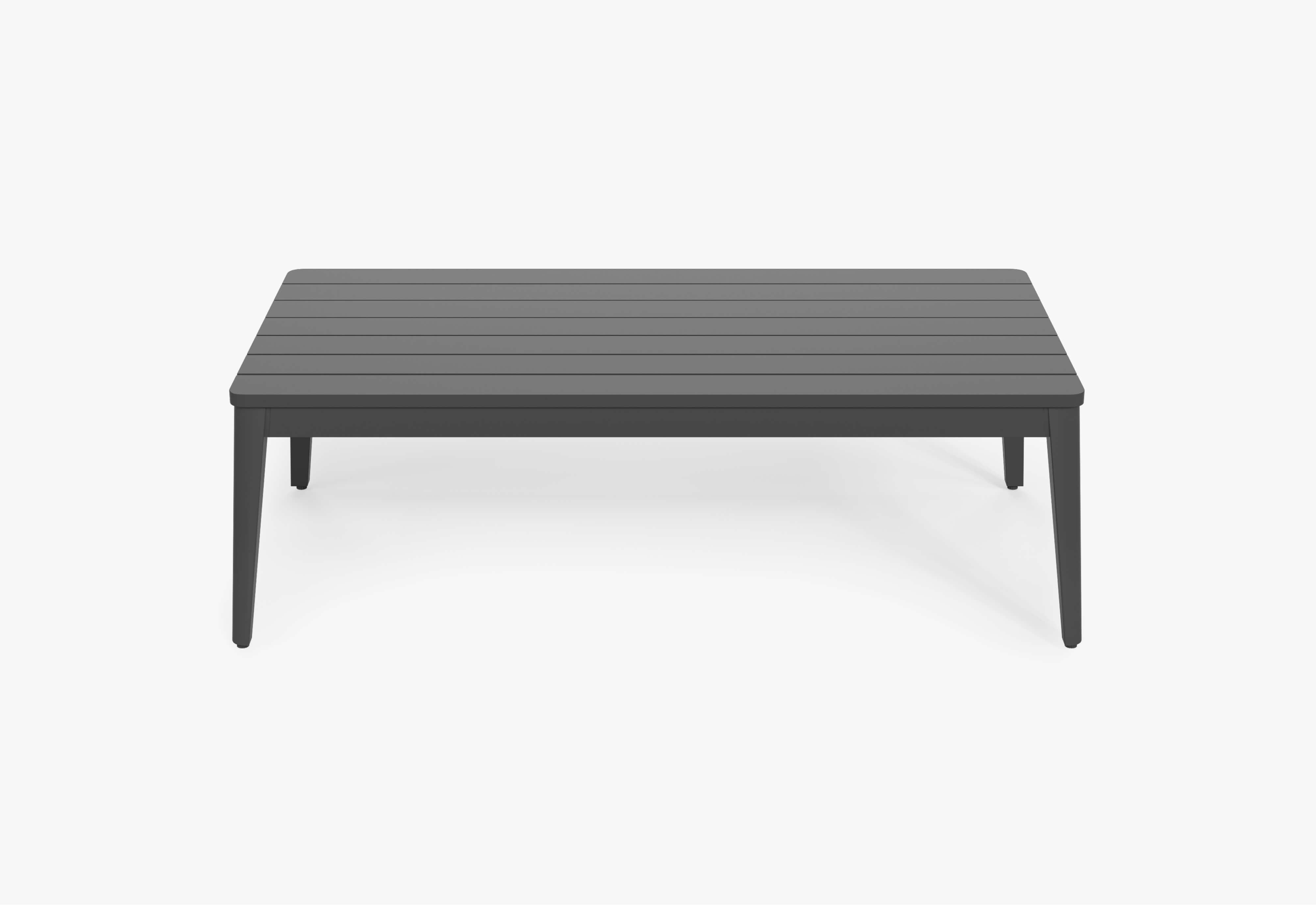
Engineered for Every Season: Sectional-Style Aluminum Configurations for the Modern Patio

Outdoor environments rarely stay consistent. Temperature swings, moisture, daily use, and seasonal rearranging all place stress on patio furniture. Sectional-style aluminum configurations are engineered to manage this variability by combining structural stability with modular flexibility.
Rather than fighting environmental change, these systems are designed to adapt to it—season after season.
Why Sectional Systems Perform Better Outdoors
Fixed furniture limits response.
Single-piece seating struggles when conditions shift. Sectional systems divide load, movement, and exposure across multiple components, reducing stress on any single point.
This distributed structure is inherently more resilient outdoors.
Aluminum as the Structural Core
Material choice defines seasonal performance.
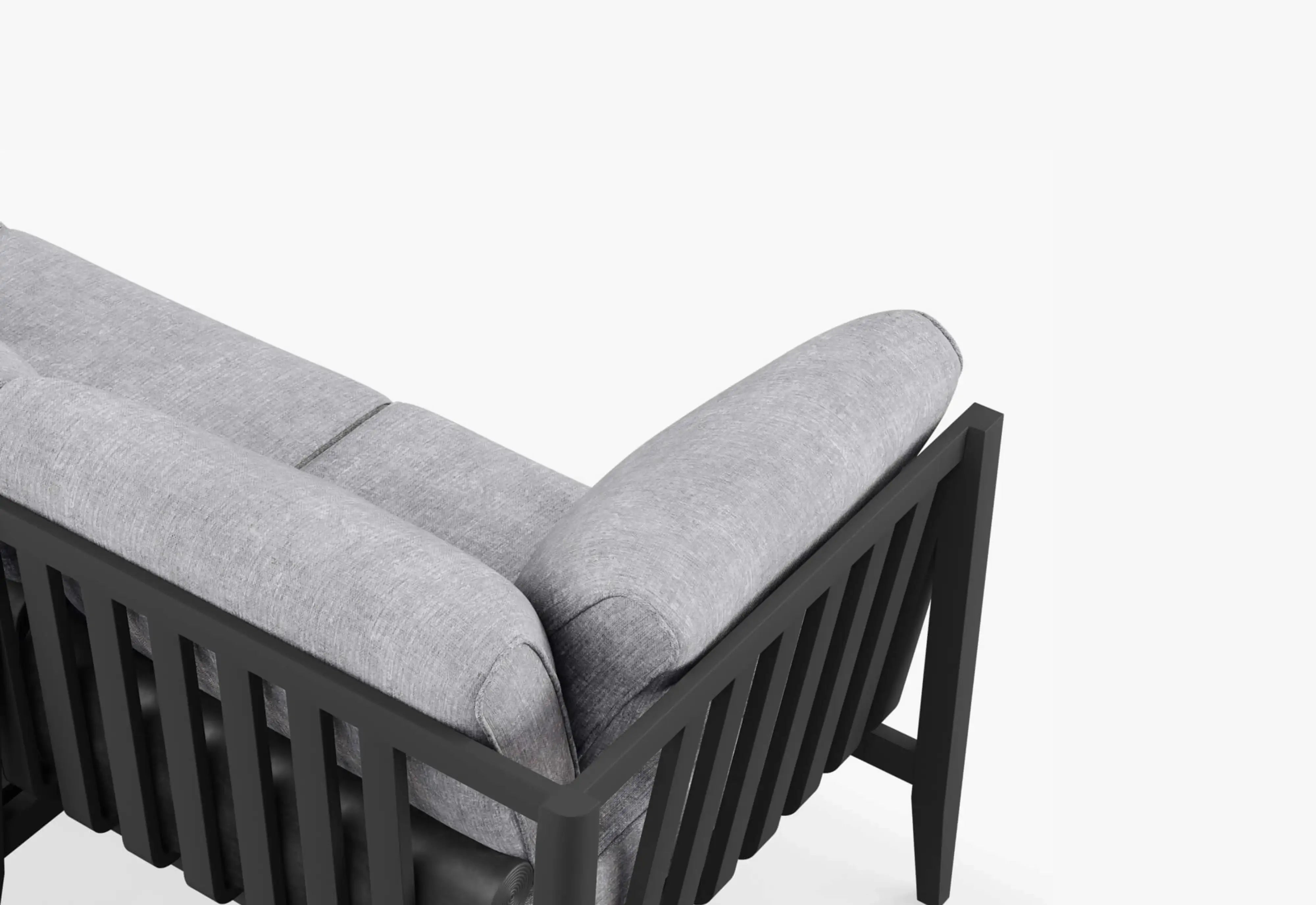
Aluminum frames resist corrosion, warping, and moisture absorption. Unlike materials that swell or fatigue, aluminum maintains alignment through heat, humidity, and cooler weather.
This stability allows sectional configurations to retain their original geometry throughout the year.
Configurations That Adapt Without Compromising Structure
Seasonal use patterns change.
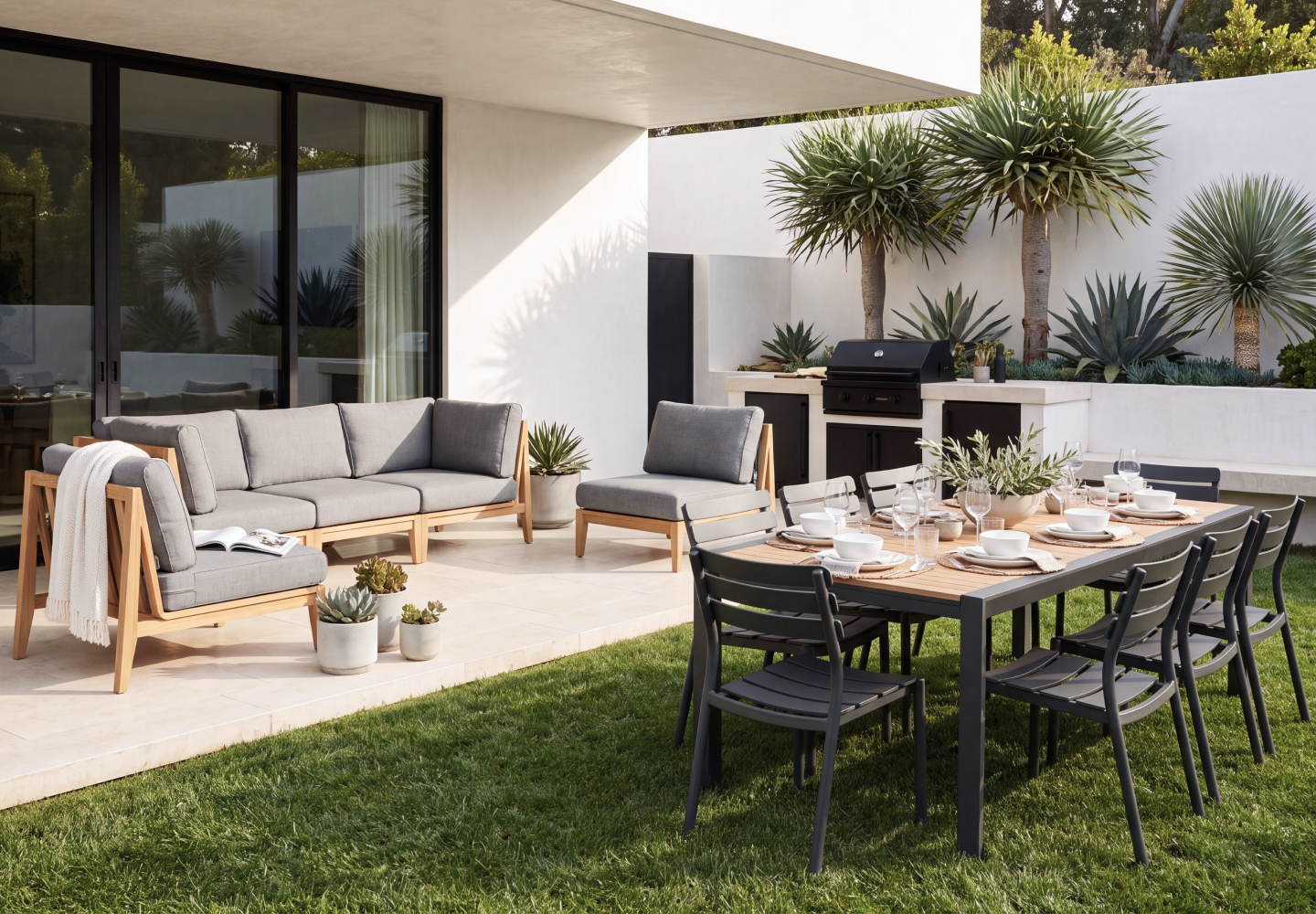
Entertaining layouts in summer often shift toward more compact arrangements in cooler months. Sectional-style aluminum systems allow modules to be reconfigured while preserving structural integrity and spacing.
Flexibility is engineered—not improvised.
Maintaining Alignment Across Modules
Outdoor performance depends on connection points.
Aluminum sectional systems are designed so individual modules sit evenly on varied surfaces, reducing rocking or misalignment as conditions change.
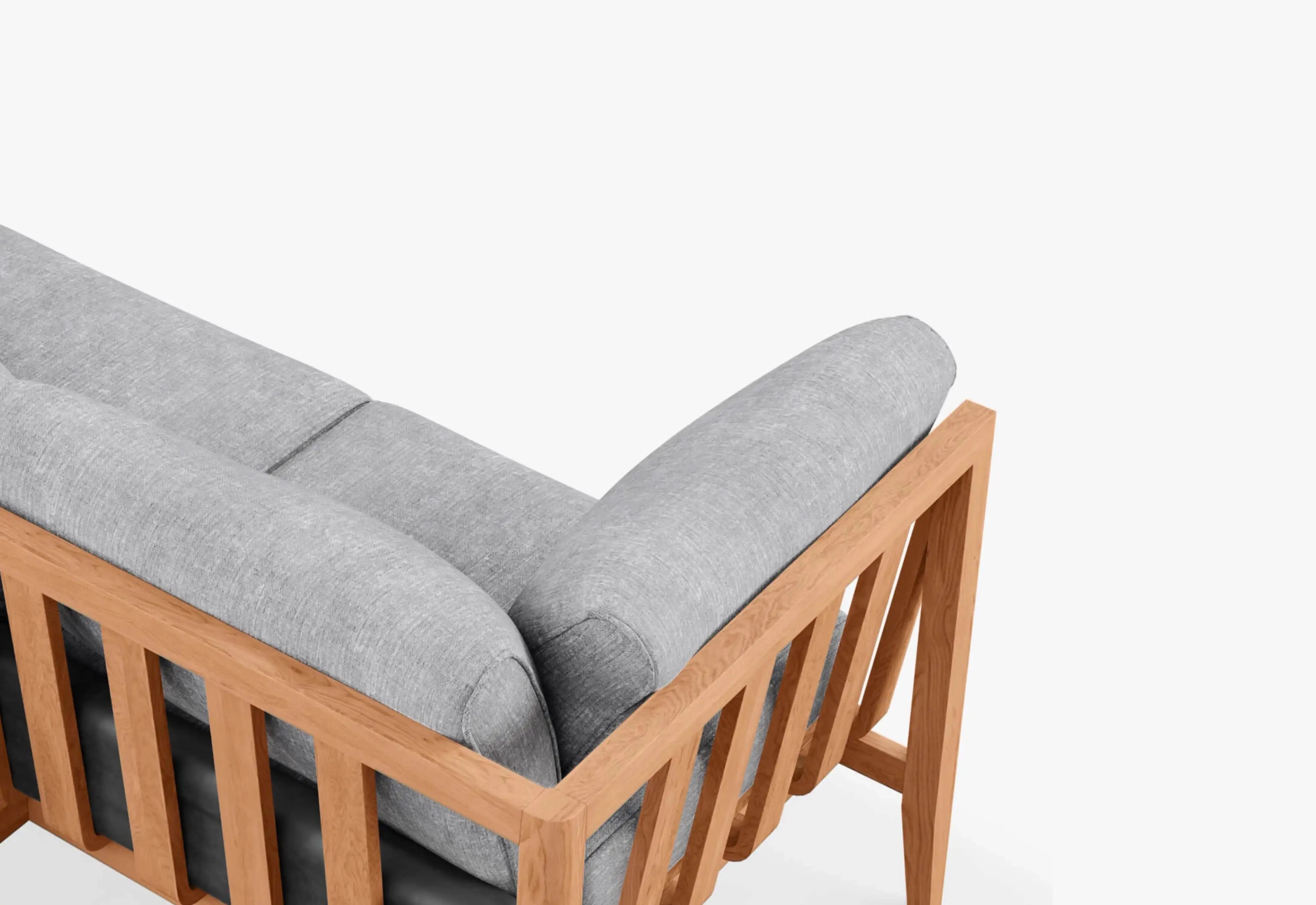
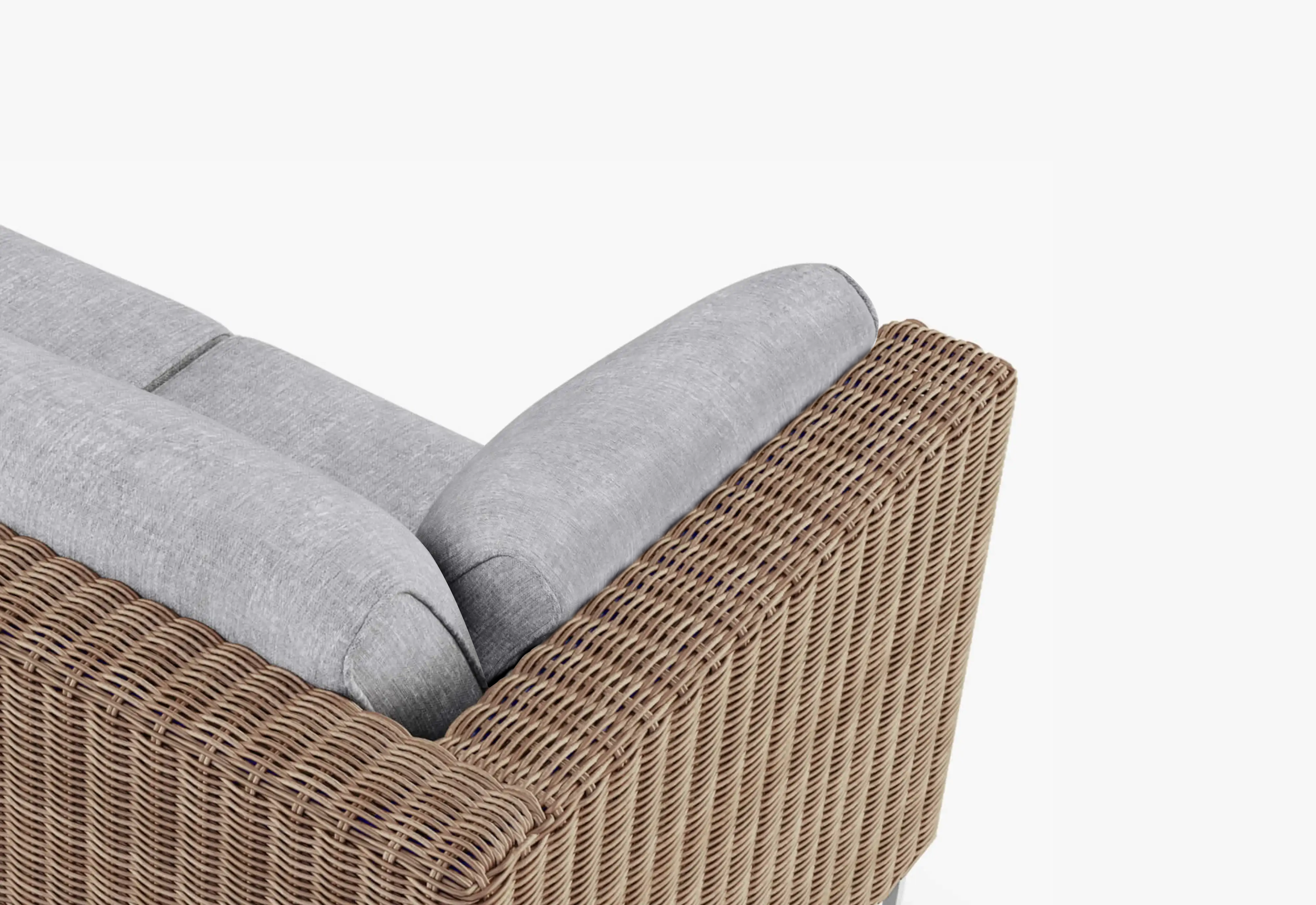
This is especially important in seating systems found within the Teak Outdoor Sofa and Wicker Outdoor Sofa collections, where consistent alignment supports long-term usability.
Weather Exposure Is Managed, Not Avoided
Outdoor furniture cannot escape exposure.
Sectional-style aluminum configurations are engineered with finishes and joints that tolerate repeated wet-dry cycles. By minimizing moisture retention at contact points, these systems reduce long-term degradation.
Engineering focuses on durability under real conditions.
Modularity Supports Seasonal Maintenance
Maintenance becomes simpler when furniture separates.
Individual sectional modules can be cleaned, rinsed, or repositioned without dismantling an entire setup. This makes seasonal care more practical and less disruptive.
Ease of care supports long-term performance.
Protection That Preserves Configuration Integrity
Seasonal protection should not distort layouts.
Breathable systems like OuterShell® and options from the Covers collection help shield sectional modules without trapping moisture or shifting alignment.
Protection works best when it supports the original configuration.
Consistent Performance Across Zones
Many patios combine lounging and dining.
Aluminum sectional configurations integrate cleanly with adjacent areas such as Dining Tables & Sets, maintaining visual and functional consistency across the space.
Unified materials perform more predictably outdoors.
Engineering for Repetition, Not One-Time Setup
Outdoor furniture is used repeatedly, not staged once.
Sectional-style aluminum configurations are engineered to be rearranged, exposed, cleaned, and reused without degrading performance.
This repeatability is what allows systems to function across every season.
Why Sectional Aluminum Systems Endure
Longevity outdoors is not about resisting change completely.
It is about designing structures that accommodate change without losing stability. Sectional-style aluminum configurations succeed because they balance strength with adaptability.
When engineering anticipates seasons, performance follows.


