


Sustainability in Every Detail: Patio Seating Zones for Conversation

Sustainable outdoor design isn’t defined by a single material or certification. It’s revealed through how a space is planned, used, and maintained over time. Nowhere is this more evident than in patio seating zones built for conversation.
Conversation zones that are thoughtfully designed tend to last longer, adapt better, and require fewer replacements. Sustainability lives in those details—spacing, modularity, durability, and the ability for a layout to evolve rather than be discarded.
Why Conversation Zones Matter in Sustainable Design
Outdoor seating areas that fail socially often fail environmentally as well.
When a conversation zone feels awkward, uncomfortable, or inflexible, it’s used less. Furniture gets moved excessively, repurposed incorrectly, or replaced entirely. Over time, this leads to waste—not because materials were poor, but because the layout never truly worked.
Sustainable patios begin with zones people actually want to use.
Designing Zones That Reduce the Need for Replacement
One of the most overlooked aspects of sustainability is longevity of layout.
Conversation zones that rely on fixed, single-purpose arrangements struggle to adapt as needs change. Modular seating systems allow a zone to evolve—expanding for gatherings, contracting for everyday use—without replacing core pieces.
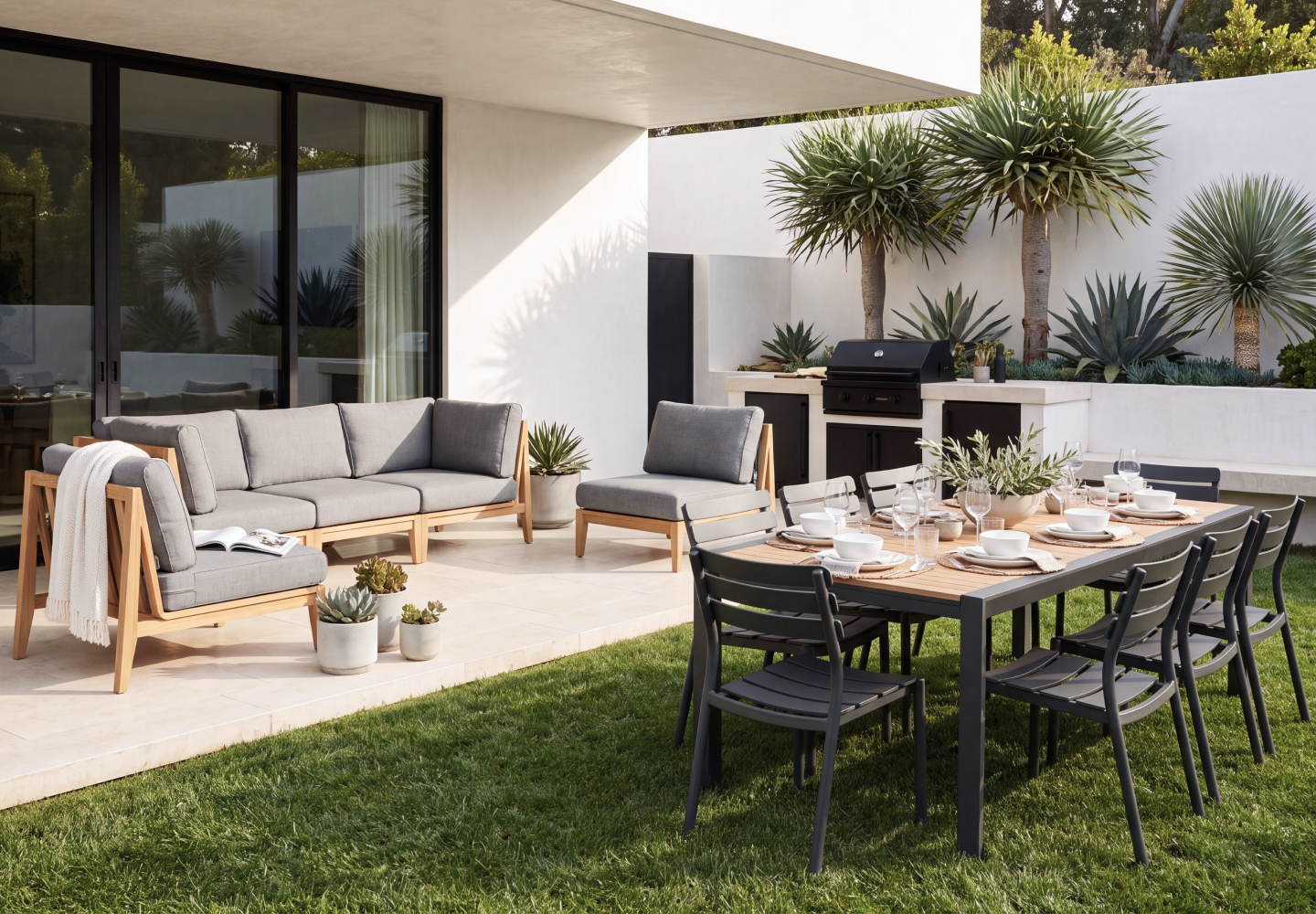
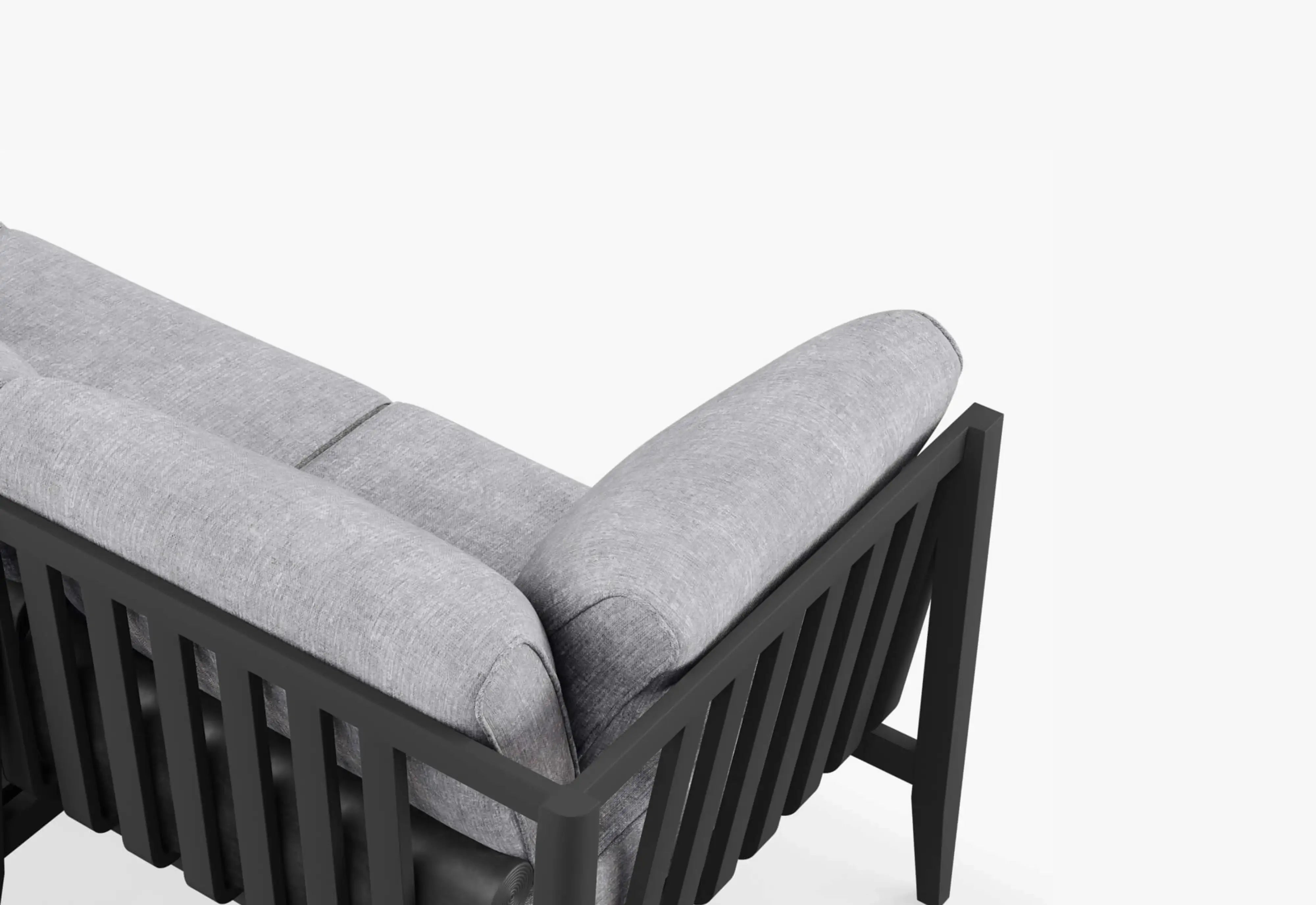
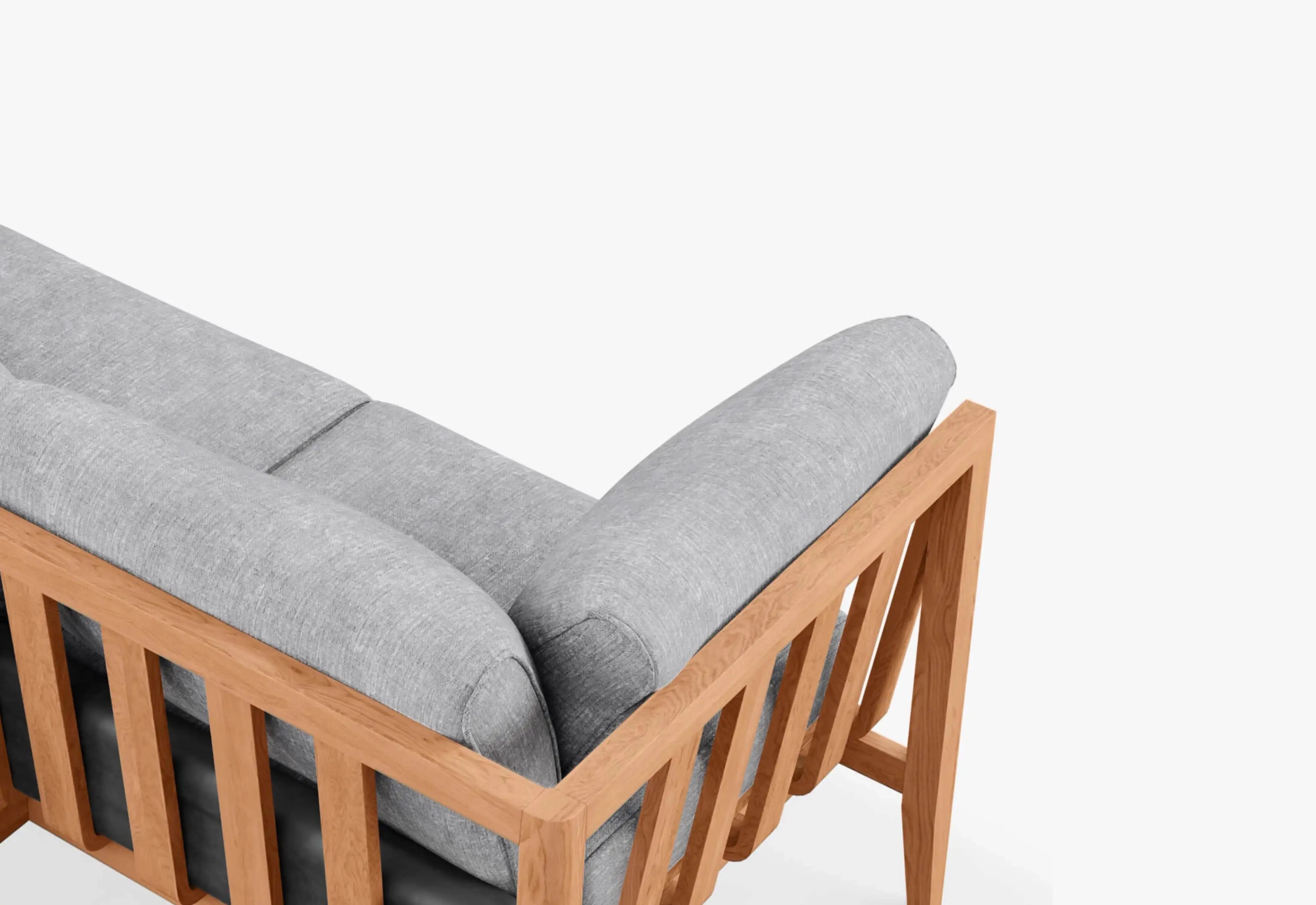
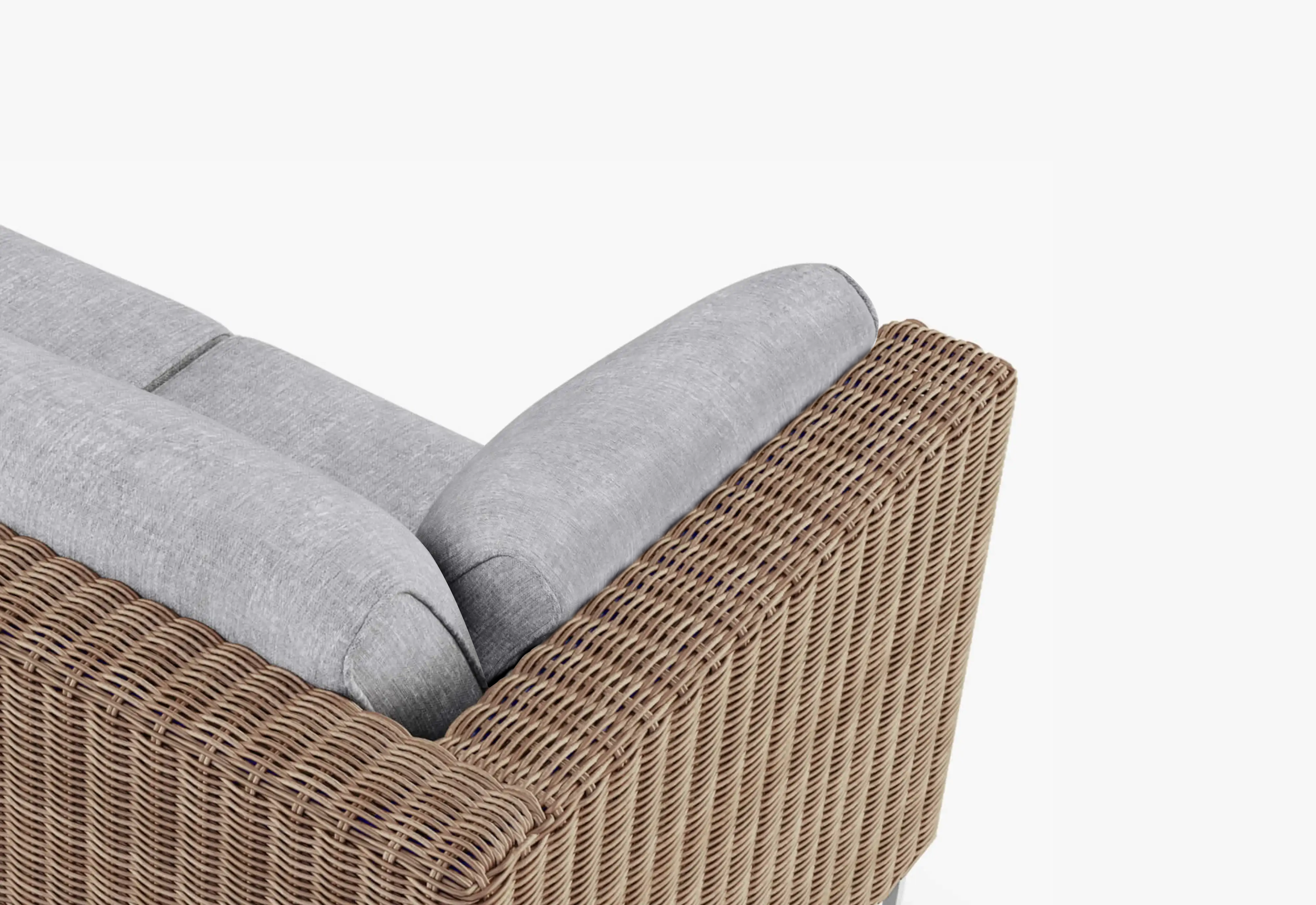
Flexible collections like the Teak Outdoor Sofa and Wicker Outdoor Sofa support this adaptability, extending the useful life of each component.
Sustainability Through Zoning, Not Oversizing
A common sustainability mistake is oversizing furniture to “cover all scenarios.” Oversized layouts consume more materials and often feel underused.
Zoned seating reduces this need. Instead of one large arrangement that’s rarely filled, multiple conversation zones support different group sizes more efficiently.
This approach uses fewer resources overall while creating a more functional patio.
Material Performance Is Only Half the Equation
Durable materials matter—but how they’re used matters just as much.
High-performance textiles like OuterWeave® are designed to withstand sun, spills, and daily exposure. Supportive cushion systems maintain comfort over time. But sustainability comes from pairing these materials with layouts that minimize unnecessary wear.
When seating zones encourage natural movement and balanced use, materials age evenly and predictably.
Anchors Reduce Furniture Drift and Wear
Conversation zones without clear anchors tend to sprawl. Chairs shift, spacing breaks down, and furniture is dragged across surfaces repeatedly.
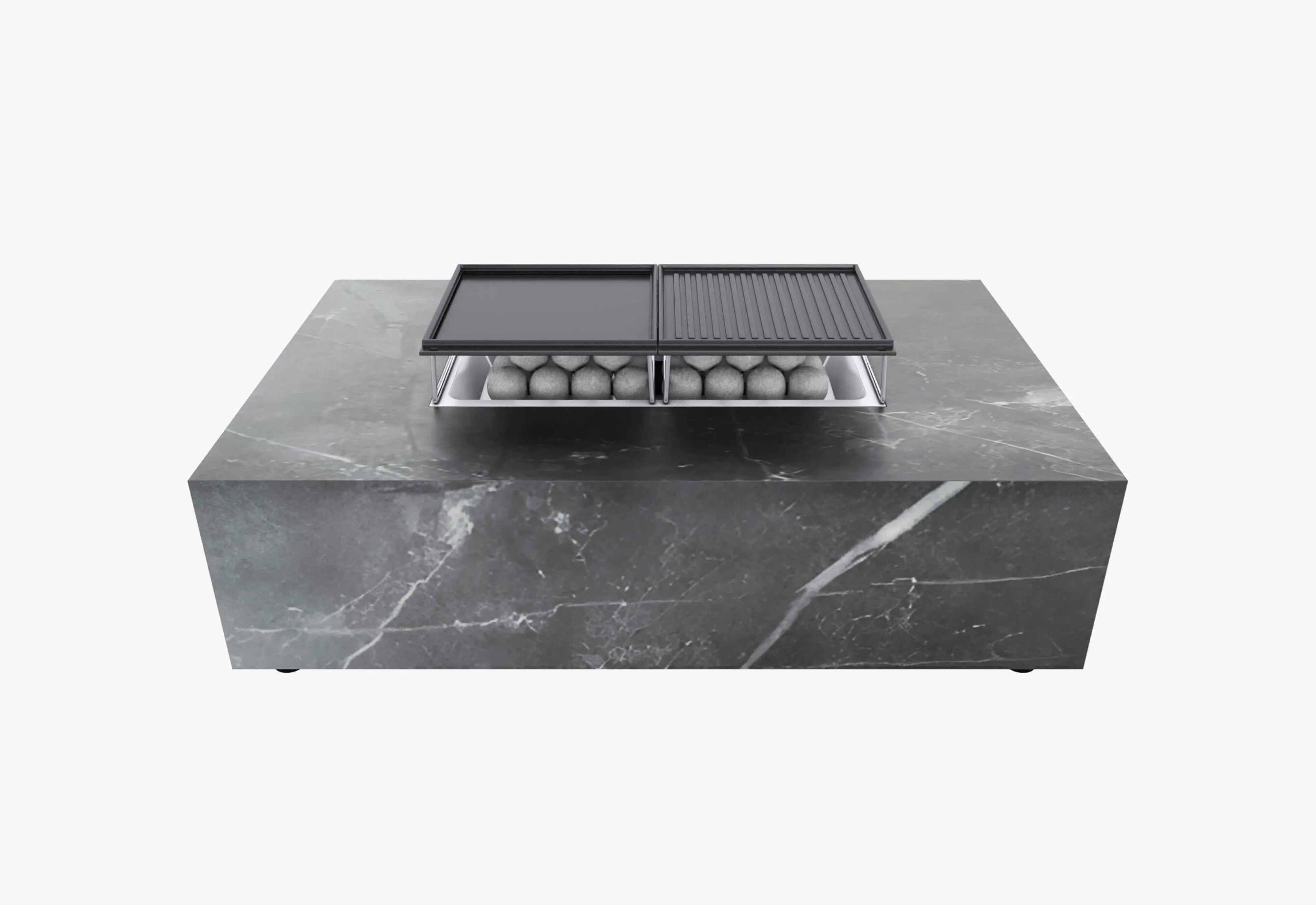
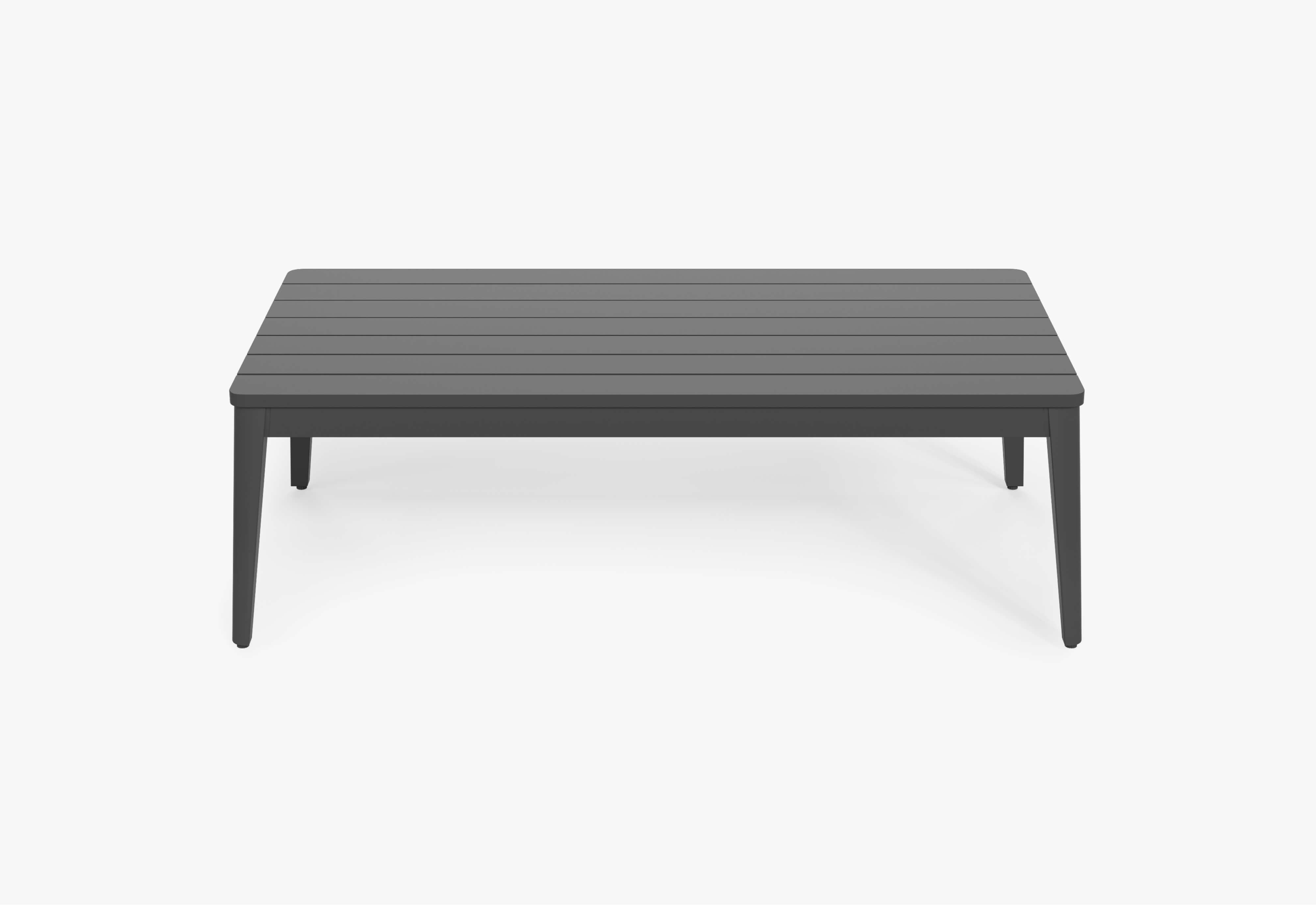
Anchors—such as low tables or fire features—give seating a point of reference. Fire elements from the Fire Pits collection often serve this role, encouraging consistent orientation and reducing constant repositioning.
Less movement means less friction, less surface wear, and longer-lasting furniture.
Sustainable Comfort Encourages Long-Term Use
Furniture that looks sustainable but isn’t comfortable rarely stays in use.
Conversation zones designed with supportive seating encourage people to stay longer and return more often. Systems like OuterCloud® help maintain comfort without frequent cushion replacement.
Comfort isn’t a luxury—it’s what keeps sustainable furniture in service year after year.
Seasonal Adaptability Reduces Waste
Patios that only work in ideal conditions are often abandoned part of the year.
Sustainable conversation zones are designed to adapt—shifting orientation with the sun, gathering closer in cooler months, expanding during warm evenings. This adaptability keeps the space relevant across seasons, reducing the temptation to redesign or replace.
Protection Is Part of Sustainable Planning
Longevity depends on how furniture is treated between uses.
Integrated protection systems like OuterShell® help keep cushions dry and functional, while breathable options from the Covers collection reduce moisture damage and material fatigue.
Protecting conversation zones during downtime preserves their structure and appearance, extending product life.
Fewer Adjustments, Better Outcomes
Sustainable design minimizes the need for constant intervention.
When seating zones are clear, anchored, and adaptable, they recover naturally after gatherings. Furniture returns to place without effort. The zone remains legible without manual correction.
This stability reduces stress on materials and on people.
Sustainability Lives in How Spaces Are Used
A truly sustainable patio seating zone isn’t defined by labels—it’s defined by behavior.
When a conversation zone is comfortable, flexible, and intuitive, it stays in use. When it stays in use, it avoids replacement. And when replacement is avoided, sustainability becomes real.
In the end, sustainability is found in the details—how zones are designed, how they adapt, and how long they continue to support meaningful moments outdoors.


