

Materials & Sustainability Guide
Best Outdoor Dining Table Material: Teak vs Aluminum for Outdoor Dining
Compare teak and aluminum outdoor dining furniture by durability, maintenance, weather resistance, style, long-term value, and which material fits your patio, deck, or backyard dining space.

Choosing between teak and aluminum outdoor dining furniture can feel simple at first. Then real outdoor use starts to matter: full sun, rain, humidity, cleaning, hosting, storage, and how the table looks after more than one season outside.
For full sun and rain, powder-coated aluminum is usually the easier low-maintenance choice, while teak is better if you want a warmer, more natural dining table with substantial weight and character over time. Aluminum stays visually consistent with less care, while teak develops a natural patina and feels more grounded in outdoor dining spaces.
Aluminum
Rust-resistant, lighter, easier to move, and strong for rain, humidity, and modern patio layouts.
Teak
Warm, substantial, character-rich, and well suited to outdoor dining spaces that should feel grounded.
Teak + Aluminum
A mixed-material dining table can combine the warmth of teak with the stability and modern structure of aluminum.
Outdoor dining is rarely just about the table itself. It is about weekday dinners, weekend hosting, long meals, family gatherings, and the feeling of a dining area that belongs outside. A table may look right in a product photo, but the better choice is the one that still works after seasons of sun, rain, cleaning, and real use.
Both teak and aluminum are strong outdoor furniture materials. The decision comes down to how you want the space to function: natural and substantial, lighter and lower-maintenance, or a balanced combination of both.
Teak vs Aluminum Outdoor Dining Tables: Quick Comparison
If you are comparing teak vs aluminum outdoor dining tables, start with the practical differences: look, weather resistance, maintenance, weight, and how each material changes over time.
| Factor | Teak Outdoor Dining Table | Aluminum Outdoor Dining Table |
|---|---|---|
| Look | Warm, natural, premium, and textured. | Clean, modern, streamlined, and lighter visually. |
| Weather Resistance | Strong natural outdoor performance with proper care. | Rust-resistant and strong for rain, humidity, and frequent outdoor exposure. |
| Maintenance | Medium if you want to preserve the original golden tone. | Low; usually easier to clean and keep visually consistent. |
| Weight | Heavier and more grounded. | Lighter and easier to move or rearrange. |
| Full Sun | Ages and patinas over time; can be maintained if you prefer the golden tone. | Finish quality matters; powder-coated aluminum is a strong low-maintenance option. |
| Rain and Humidity | Handles moisture well, but benefits from routine care. | Very practical because aluminum does not rust. |
| Best For | Natural outdoor dining spaces, premium patios, and a grounded table presence. | Modern patios, low-maintenance homes, flexible layouts, and frequent rearranging. |

Which Outdoor Dining Table Material Is Best for Full Sun and Rain?
For full sun and rain, powder-coated aluminum is usually the easier low-maintenance outdoor dining table material. It resists rust, stays lighter in the space, and requires less ongoing care than many natural materials.
Teak is also a strong outdoor dining material, especially when you want natural warmth and a more substantial table presence. It can handle outdoor exposure well, but it will change visually over time. If left untreated, teak naturally develops a silver-gray patina. If you want to keep the warmer golden color, expect more regular care.
Acacia is sometimes compared with teak and aluminum because it is also a wood option for outdoor furniture. In general, acacia usually requires more careful maintenance and is not typically as strong a long-term outdoor dining choice as high-quality teak. For a dining table that will face regular sun and rain, teak or powder-coated aluminum is usually the more dependable direction.
Practical takeaway: Choose aluminum if you want the lowest-maintenance option for full sun and rain. Choose teak if you want natural warmth and are comfortable with some material change or seasonal care. Choose a mixed teak-and-aluminum table if you want both warmth and structure in one design.
What Teak Brings to an Outdoor Dining Table
Teak has a natural richness that gives outdoor dining furniture a warmer, more organic, and more architectural feel. Its tone adds immediate visual depth, which is why teak often feels at home in outdoor spaces designed for longer meals, weekend gatherings, and slower evenings outside.
Over time, teak develops a silvery patina that many people appreciate because it softens the look of the wood without making the table feel worn out. For homeowners who prefer the original golden tone, that finish can be maintained with regular care.
Teak also tends to feel more substantial in use. That matters with dining furniture because the table is often the anchor of the outdoor space. A teak dining table feels stable, grounded, and visually calm even when the chairs, tableware, and styling around it change from season to season.
- Choose teak if you want a warm, natural, premium look.
- Choose teak if you like material character and natural aging.
- Choose teak if you want a more grounded dining table presence.
- Choose teak if you do not mind light seasonal care to preserve the original tone.

What Aluminum Brings to Outdoor Dining Furniture
Aluminum creates a different kind of advantage. It feels lighter, cleaner, and easier to move when your outdoor setup changes. If your dining area shifts between everyday family meals and larger group hosting, that flexibility can be useful.
Powder-coated aluminum is also lower maintenance. Because aluminum does not rust, it is especially practical for rain, humidity, and outdoor spaces that see frequent exposure. For people who want the table and chairs to stay visually consistent with less upkeep, aluminum often feels more straightforward.
Design-wise, aluminum works especially well in outdoor spaces that lean minimal, modern, or open. It keeps the furniture profile visually lighter, which can help when the dining area shares space with lounge seating, a fire pit area, or a poolside layout.
- Choose aluminum if you want a lower-maintenance outdoor dining setup.
- Choose aluminum if your patio gets rain, humidity, or frequent weather exposure.
- Choose aluminum if you prefer a clean, modern look.
- Choose aluminum if you want furniture that is easier to move or rearrange.
Teak vs Aluminum Outdoor Dining Table: Which Is the Better Long-Term Investment?
The better long-term investment depends on what kind of value matters most to you. Teak offers long-term material character, natural warmth, and a more grounded feel. Aluminum offers lower maintenance, rust resistance, and easier day-to-day handling.
Natural Character
Teak is a strong long-term investment if you value warmth, weight, patina, and a dining table that feels substantial in the space.
Low Maintenance
Aluminum is a strong long-term investment if you value rust resistance, easy care, flexibility, and a cleaner modern profile.
Balance
A teak-and-aluminum dining table can offer the warmth of wood with the structural clarity and stability of metal.
Cost Over Time
Factor in maintenance, covers, climate exposure, cleaning, and how long the table will stay useful and visually right for your home.
Should You Choose Teak, Aluminum, or a Mixed-Material Dining Table?
You do not always have to choose one material exclusively. A mixed-material dining table can make sense when you want the warmth of teak with the modern structure and stability of aluminum.
This approach works especially well in outdoor dining because the tabletop and frame do different jobs. Wood can bring warmth and tactile character where people gather, while aluminum can keep the profile clean, stable, and easier to integrate into a modern patio layout.
If your outdoor dining space connects to both natural landscaping and modern architecture, a mixed teak-and-aluminum direction can help bridge those two visual languages.

Best Outdoor Dining Sets by Seating Size
Material is only one part of the decision. Seating size matters just as much because outdoor dining furniture needs to support the way you actually host.
4-Seat Dining Set
Best for balconies, compact patios, couples, and smaller households that want a practical outdoor dining setup without crowding the space.
6-Seat Dining Set
A 6-seat outdoor dining set is often the most flexible choice for family meals, small gatherings, and patios that need everyday function.
8-Seat Dining Set
An 8-seat dining set works well for homeowners who host often but still want the layout to feel balanced when fewer people are seated.
10–12 Seat Dining Set
Larger outdoor dining sets are best for entertaining-focused patios, larger decks, and households that frequently gather around meals.
Expandable Dining Table
An expandable outdoor dining table can support everyday meals and larger gatherings without requiring a permanent oversized footprint.
All-Weather Covers
Whatever material you choose, covers help protect the dining set from rain, pollen, debris, and off-season exposure.
Planning tip: Choose the size you use most often, then build in flexibility for larger gatherings. An oversized dining set can overwhelm a patio if it is only needed a few times a year.
Editor’s Picks for Outdoor Dining Materials
Recommended Outdoor Dining Tables and Sets
Choose by material, seating size, maintenance preference, and how your patio or backyard dining space is used most often.
Outdoor Dining Tables & Sets
Explore outdoor dining sets by size, material, layout, and hosting needs.
Shop outdoor dining
Teak + Aluminum Dining Table
A balanced material direction for outdoor dining spaces that need warmth, structure, and flexibility.
View dining table
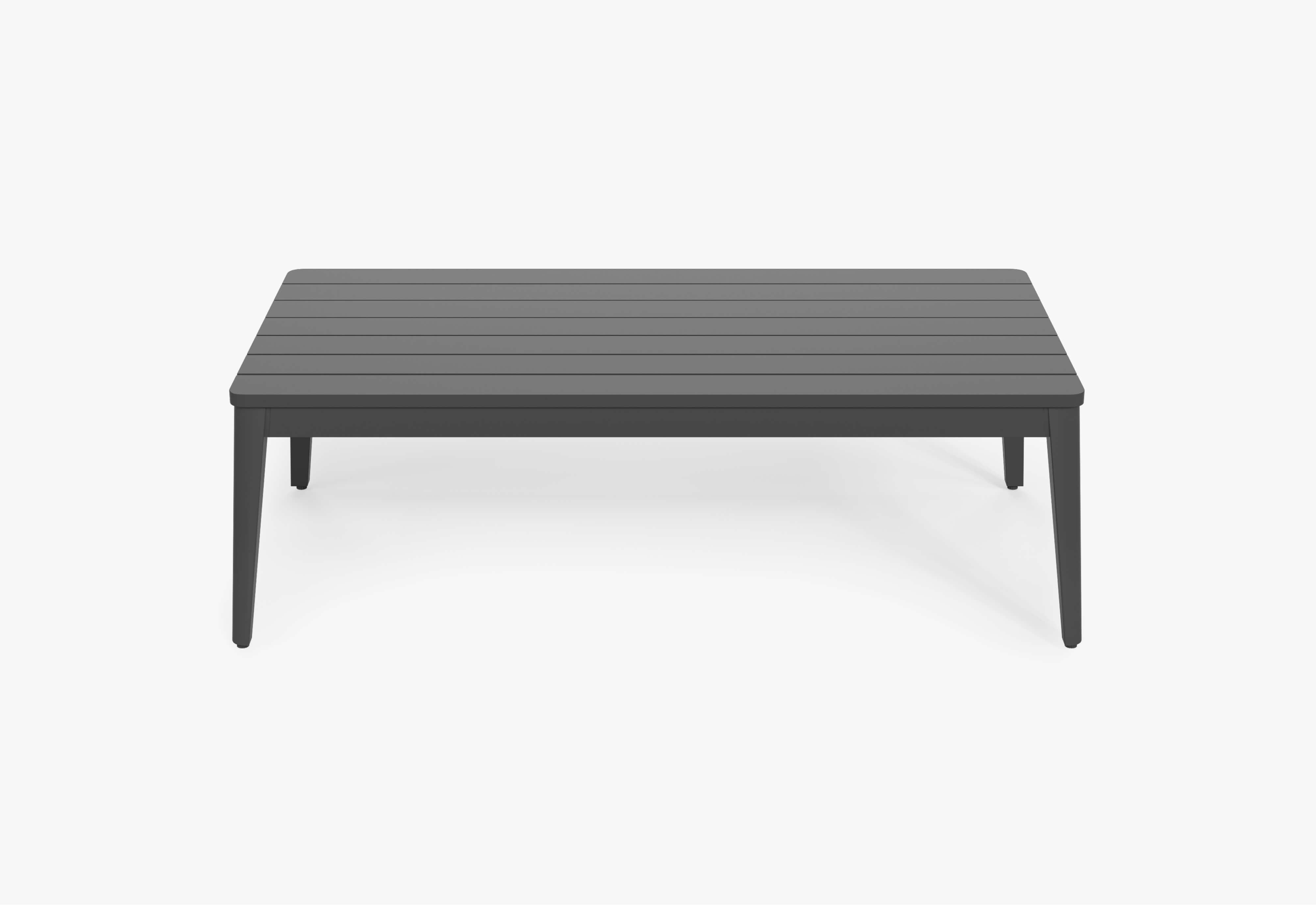
Aluminum Rectangular Dining Table
Rust-resistant, modern, and practical for rain, humidity, and frequent outdoor meals.
View aluminum table
Aluminum Square Dining Table
A compact dining option for balconies, smaller patios, and everyday outdoor meals.
View square table
All-Weather Covers
Protect outdoor dining furniture from rain, pollen, debris, snow, and long-term exposure.
Shop covers
Outdoor Patio Furniture
Build a full outdoor living space around dining, lounge seating, tables, and weather-ready materials.
Explore outdoor furniture
How to Care for Teak and Aluminum Outdoor Dining Furniture
Whichever material you choose, a simple maintenance routine will help the dining set look better and last longer. The goal is not complicated upkeep. It is consistent, practical care that fits real outdoor use.
Teak Care
Brush off debris regularly, clean with mild soap and water as needed, and decide whether you want to let the wood patina naturally or maintain a warmer golden tone with teak-specific care products. Covers can help reduce exposure during harsh weather or long off-season periods.
Aluminum Care
Wipe powder-coated aluminum with mild soap and water, check for buildup around joints or edges, and use covers during heavy weather or storage periods. Aluminum is low maintenance, but routine cleaning helps preserve the finish.
General Outdoor Dining Care
- Brush off pollen, leaves, and debris regularly.
- Clean spills quickly, especially after meals.
- Use all-weather covers during heavy rain, snow, storms, or off-season storage.
- Keep dining chairs and cushions dry when not in use where possible.
- Follow material-specific care instructions for wood, metal, fabrics, and tabletop surfaces.
Related Outdoor Dining and Material Guides
Use these related guides to continue comparing outdoor dining materials, weather resistance, durability, and maintenance before choosing a set.
Choose Outdoor Dining Furniture That Fits the Way You Host
Compare teak, aluminum, and mixed-material outdoor dining sets designed for meals, gatherings, weather, and everyday outdoor living.
Teak vs Aluminum Outdoor Dining Furniture FAQs
What is the best material for an outdoor dining table?
The best material for an outdoor dining table depends on your climate, maintenance preference, and design style. Powder-coated aluminum is excellent for low maintenance, rain, and humidity, while teak is strong if you want a warm natural material with more character over time.
Is teak or aluminum better for an outdoor dining table?
Teak is better if you want a warmer, more natural, and more substantial dining table. Aluminum is better if you want a lighter, rust-resistant, lower-maintenance material. Both can work well outdoors when properly designed and cared for.
Which outdoor dining table material is best for full sun and rain?
For full sun and rain, powder-coated aluminum is usually the easier low-maintenance choice because it does not rust and is simple to clean. Teak also performs well outdoors, but it will naturally age and may need more care if you want to preserve its original golden tone.
Does aluminum outdoor furniture rust?
Aluminum outdoor furniture does not rust, which is one reason it is widely used for outdoor dining tables, chairs, and patio furniture. A quality powder-coated finish can add surface protection and help maintain a clean appearance.
Does teak outdoor dining furniture need more maintenance than aluminum?
Yes. Teak generally needs more maintenance if you want to preserve the original golden tone. If left untreated, teak will develop a silver-gray patina. Aluminum is usually lower maintenance and keeps a more consistent look with less effort.
Is teak outdoor dining furniture worth the price?
Teak can be worth it if you value natural warmth, substantial weight, long-term outdoor performance, and a premium material feel. It is especially strong for outdoor dining spaces where the table is meant to be a lasting centerpiece.
Is aluminum outdoor dining furniture good for frequent hosting?
Yes. Aluminum outdoor dining furniture is practical for frequent hosting because it is rust-resistant, easier to clean, and lighter to move or rearrange. It works especially well for flexible dining layouts and modern patios.
What is the best low-maintenance outdoor dining table material?
Powder-coated aluminum is one of the best low-maintenance outdoor dining table materials. It resists rust, cleans easily, and works well in rain, humidity, and frequently used outdoor spaces.
What outdoor dining table material lasts the longest?
High-quality teak and powder-coated aluminum can both last a long time outdoors. Teak offers natural durability and character, while aluminum provides rust resistance and easier upkeep. Longevity depends on construction quality, exposure, covers, and maintenance.
Should I choose teak, aluminum, or a teak-and-aluminum dining table?
Choose teak if you want natural warmth and weight. Choose aluminum if you want lower maintenance and a modern look. Choose a teak-and-aluminum dining table if you want a balance of natural texture and clean structural design.
What is the best outdoor dining set for 6?
A 6-seat outdoor dining set is often the best everyday choice for families and small gatherings. It provides enough room for regular meals without overwhelming most patios or decks.
What is the best outdoor dining set for 8?
An 8-seat outdoor dining set is best for households that host often or want more space around the table. An expandable table can be especially useful if you want flexibility between everyday dining and larger gatherings.