

Materials Explained
Weather-Resistant Outdoor Furniture: Materials, Care & Protection
Weather-resistant outdoor furniture depends on more than a durable frame. Materials, finishes, hardware, cushion construction, and protection each handle a different part of outdoor exposure.
This guide explains why aluminum, teak, and all-weather wicker are used outdoors, what their material names do not tell you, and how to inspect and maintain the complete furniture system. Use it to compare construction and care requirements before choosing a sofa, sectional, chair, or dining setup.

What Makes Outdoor Furniture Weather Resistant?
Weather resistance comes from suitable materials and construction, supported by product-appropriate cleaning, drying, and protection. It describes how furniture handles its intended exposure—not immunity to every weather condition or freedom from maintenance.
- The frame carries the load and must remain stable through the conditions allowed by its care instructions.
- The finish and hardware affect exposed surfaces, connections, and the condition of the assembled piece.
- The fabric and cushion determine how the seating surface handles moisture, cleaning, comfort, and drying.
- The protection routine limits exposure between uses and during longer periods of bad weather or inactivity.
Powder-coated aluminum is a practical starting point for accessible frame cleaning. Teak offers natural wood with an appearance that changes outdoors. All-weather synthetic wicker offers woven texture, but the strands and underlying frame need separate evaluation.
Weather-Resistant vs. Weatherproof: What Each Claim Actually Covers
A frame, cushion cover, cushion interior, and protective cover can experience the same rain differently. A frame may remain structurally sound while a seat needs drying. Fabric may shed droplets while moisture enters through another part of the cushion.
| Term | What to Understand | What It Does Not Establish |
|---|---|---|
| Weather-resistant | Suitability for particular outdoor exposures under the product’s stated conditions. | That every component handles all climates, storms, or year-round uncovered use. |
| Water-resistant fabric | A fabric property that helps manage wetting at the surface. | That seams, zippers, undersides, or the cushion interior remain completely dry. |
| Quick-drying cushion | A claim about the complete cushion’s ability to release moisture under specified conditions. | That it is waterproof or dries within a fixed time in every environment. |
| Waterproof cover | A claim that should be checked against the cover’s construction, instructions, and intended use. | That the furniture underneath was dry when covered or that the cover protects against every severe event. |
| Weatherproof furniture | A broad shopping description that needs component-specific explanation. | A universal performance level or a maintenance-free furniture system. |
Water Beading Is a Surface Observation
Droplets sitting on fabric show how that surface behaves at that moment. They do not demonstrate that the completed cushion is sealed. Stitching, closures, folds, undersides, and contact points create a more complex assembly than a flat fabric sample.
For upholstered outdoor furniture, ask two separate questions: how is water kept out, and how should moisture be removed if it gets in? The answer should include protection and drying instructions.
Material durability and readiness to use are also different. A sound frame may be ready to support weight while the cushion is still damp. Evaluate both before sitting down or returning the furniture to storage.
What Type of Patio Furniture Is the Most Weather Resistant?
There is no material-only answer for the complete furniture set. Compare the frame’s strengths, the construction around it, and the care required by the cushions and protective covers.
| Material | Why It Is Used Outdoors | What Still Needs Attention | Ownership Tradeoff |
|---|---|---|---|
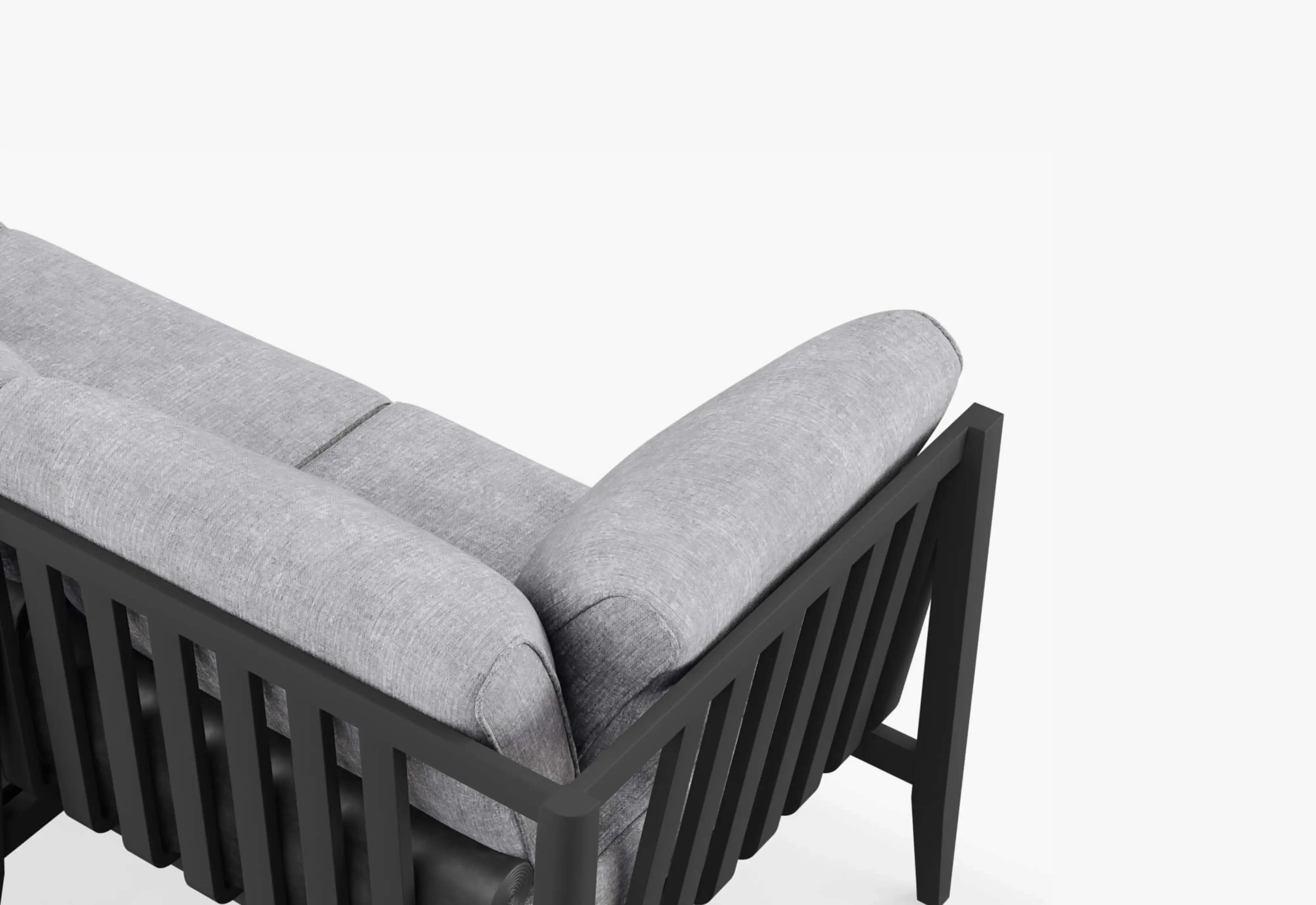
| Powder-coated aluminum | Aluminum has natural surface corrosion resistance, with an applied coating providing additional protection. | Finish damage, joints, fasteners, residue, and contact points—especially where moisture or salt collects. | Accessible surfaces can simplify cleaning, but the frame still needs inspection and product-appropriate care. |
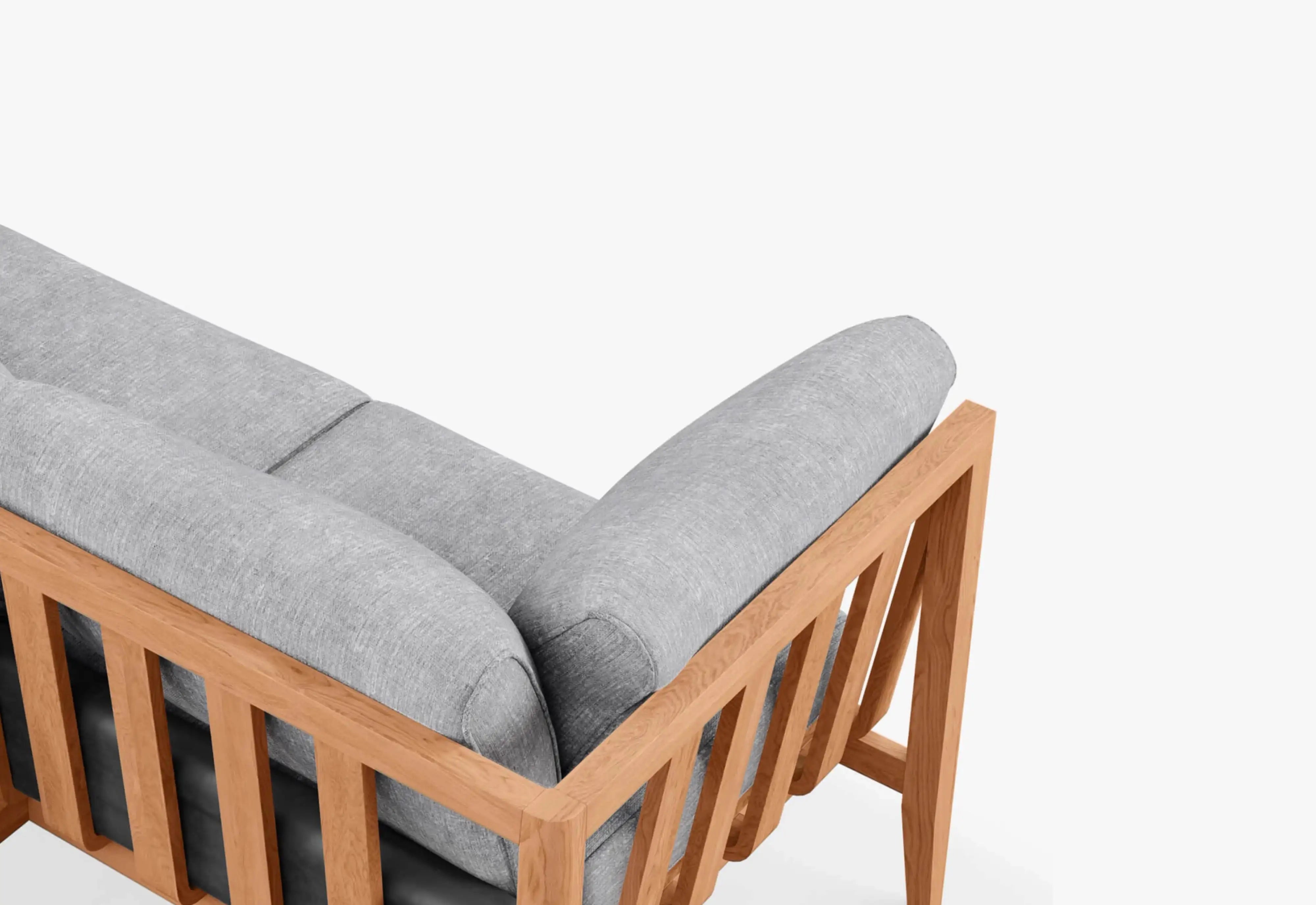
| Teak | A durable timber used in outdoor furniture that develops a weathered appearance over time. | Cleanliness, joint condition, stability, and changes that may affect structural performance. | Accepting silver-gray patina and maintaining the original color require different appearance routines. |
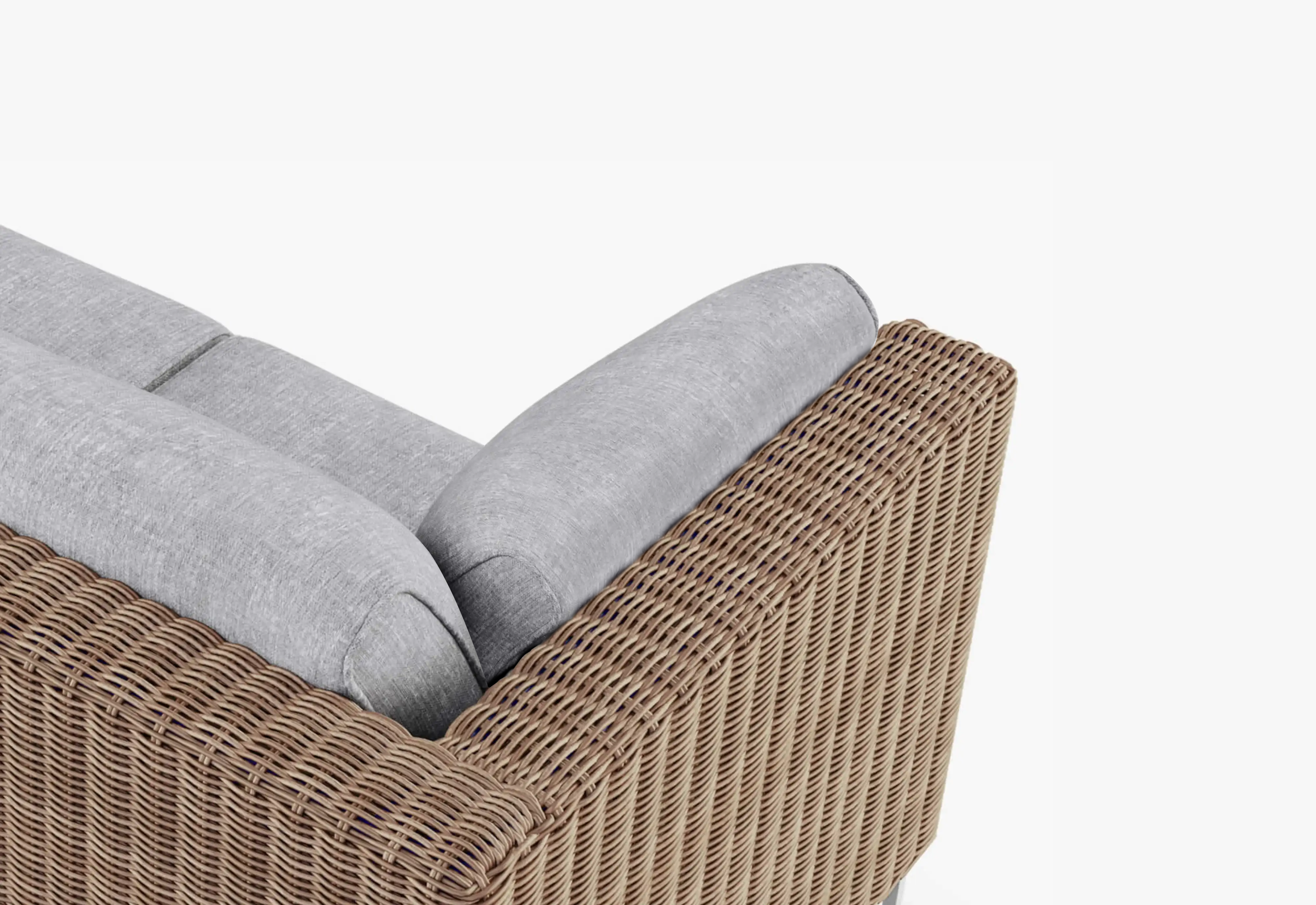
| All-weather synthetic wicker | Outdoor-grade synthetic strands provide woven texture over a supporting frame. | Strand condition, debris between the weave, and the underlying frame and hardware. | Cleaning needs to reach recesses that a smooth frame does not have. |
Aluminum: Understand the Metal and the Coating Separately
Aluminum forms a thin oxide layer that helps protect its surface. It does not develop the familiar iron rust associated with steel, but it is not immune to corrosion. A powder-coated finish adds protection and appearance; it does not remove the need to inspect the metal assembly and attached hardware.
The condition of the coating matters. A clean armrest cannot tell you whether there is damage underneath the seat, residue around a fastener, or repeated wetting at a frame connection. Inspect places that are less visible during normal use.
- Check the finish: Look for scratches, chips, peeling, or damaged edges rather than relying only on color.
- Check connections: Notice unusual movement, loose-looking fasteners, and residue around joints.
- Check the location: Salt, irrigation, pool activity, and standing moisture can create different care needs.
- Use approved care: Avoid unapproved abrasive cleaning and repair methods that may affect the finish.
Outer’s care instructions advise against pressure washing its powder-coated aluminum frames. If damage needs attention, use product-specific guidance rather than sanding or repainting without checking compatibility.
Teak: Separate Natural Weathering from Structural Condition
Untreated teak gradually develops a silver-gray surface outdoors. Exposure is rarely uniform, so the top, shaded underside, and surfaces beneath cushions may change at different rates. Color variation alone does not establish that the frame is failing.
Evaluate appearance, cleanliness, and stability separately. A gray surface can be an accepted design preference; food residue still needs cleaning, and a loose or unstable connection still needs attention.
- If you welcome patina: Continue product-appropriate cleaning and inspection while allowing the appearance to develop.
- If you prefer the original color: Include the approved appearance-care routine in the buying decision.
- If cracking appears: Check its location and whether it affects stability. Do not diagnose a potentially structural problem from color or size alone.
- Before applying treatments: Confirm the product’s instructions. Oils, cleaners, and sealers are not automatically interchangeable.
A visible change that is purely cosmetic and a defect covered by warranty are different questions. Review the applicable warranty and ask for product-specific advice if a joint or load-bearing component concerns you.
All-Weather Wicker: Evaluate the Weave and the Frame Beneath It
Wicker describes a weaving method, not a single material. Natural rattan and outdoor-grade synthetic strands should not be assumed to perform alike because they have a similar appearance.
Inspect a woven piece in two parts. Establish whether the strands are specified for outdoor use, then evaluate the frame and connections carrying the load beneath them. A sound weave does not prove that the frame is sound, and a sound frame does not prevent broken strands from affecting the seating surface.
Cleaning access is another distinction. Intersecting strands create recesses where pollen, leaves, and ordinary dirt can stay. Include those areas in routine care rather than cleaning only the most visible outside face.
Outer’s handwoven all-weather wicker seating uses an aluminum frame beneath the weave. For a closer explanation of the terms, read how rattan, wicker, and all-weather wicker differ .
Keep the comparison at the product level. Material names help narrow the options, but construction, hardware, cushions, and documented care determine what you are actually buying.
Why Hardware, Joints, and Finishes Matter as Much as the Frame Material
Furniture is an assembly of connected components. Its long-term condition depends on those connections and exposed surfaces, not simply the main frame material.
Fasteners and Connections
Check accessible fasteners and joints for unusual movement, missing parts, or visible deterioration. Follow the assembly instructions for adjustments; do not improvise replacement hardware or tightening methods.
Coating Edges and Contact Points
Inspect areas where pieces touch, covers rub, or the furniture contacts the ground. If damage appears, identify the approved repair method before applying a cleaner, coating, or touch-up.
Hidden Moisture and Debris
Look beneath cushions, around frame feet, and between modules. Clear ordinary debris without blocking existing drainage paths or altering the frame.
Placement and Repeated Exposure
Check whether sprinklers, roof runoff, plants, or nearby pool activity repeatedly wet the same area. Reducing that exposure may be more useful than adding another layer of covering.
Unusual movement, a damaged support, or a concern about structural integrity should be addressed before further use. Contact the manufacturer with the product details and photographs instead of treating every visible change as a cosmetic issue.
How Fabrics and Cushion Construction Affect Weather Resistance
The upholstery controls the surface you touch and clean. The interior controls much of the support and comfort. Protection between uses limits exposure. These are related responsibilities, but they are not interchangeable.
OuterWeave®: Surface Performance and Cleanability
OuterWeave® performance fabric uses solution-dyed yarn, with color incorporated into the fiber. It is designed to resist water, stains, fading, and everyday outdoor wear.
Water resistance helps manage moisture at the fabric surface. It does not establish that the entire cushion, including seams and closures, is sealed. Likewise, a removable cover’s washing instructions do not automatically apply to the cushion insert or an attached protective component.
When comparing upholstery, consider how it feels, how spills are handled, and whether cleaning is practical for your household. Request Outer fabric swatches to compare color and texture in your own space.
OuterCloud®: Comfort and Support Beneath the Fabric
OuterCloud® cushions combine memory foam with supportive foam construction. The fabric and the interior therefore explain different parts of the seating experience.
Do not assume that all outdoor foam behaves the same way or that a water-resistant fabric provides a fixed drying time. The complete cushion construction, exposure, and airflow determine the drying routine you need to follow.

OuterShell®: Protection Between Uses
OuterShell® is the built-in protective cover. It helps protect the cushions between uses, while a compatible full cover serves a broader furniture-protection role.
A protective cover does not reverse existing dampness. If cushions become wet, follow the drying instructions before extended covering or storage. Check more than the upper surface: seams, undersides, and folds may retain moisture after the top feels dry.
Why Mildew Resistance Still Requires Cleaning
Outdoor surfaces can collect pollen, food residue, leaves, and ordinary dirt. A fabric’s resistance claim does not remove those deposits or eliminate the need to manage moisture.
Remove ordinary debris, clean as directed, and allow wet components to dry. If visible mold appears, avoid aggressive dry-brushing and use the product’s approved cleaning guidance rather than assuming every surface can tolerate the same treatment.
Match Protection and Care to the Component
The right routine depends on what is being protected and for how long. Daily cushion protection, a full furniture cover, and sheltered storage perform different jobs.
| Protection | Main Role | What to Remember |
|---|---|---|
| Built-in OuterShell® | Convenient everyday cushion protection between uses. | It is not a full-frame cover or a drying method for already wet cushions. |
| Fitted All-Weather Cover | Broader coverage of the compatible furniture arrangement during appropriate inclement weather or longer idle periods. | Check fit, fastening, pooling, and the condition of the furniture beneath it. |
| Sheltered storage | Reduced exposure for removable cushions and other components when conditions require it. | Components should be appropriately clean and dry; a closed container does not dry a damp cushion. |
A Practical Cleaning and Inspection Sequence
-
Identify the Component Before Choosing a Cleaner
Frame finishes, wood, wicker, cushion fabric, and covers can require different methods. Follow the relevant care instructions instead of using one treatment across the entire sofa.
-
Remove Ordinary Loose Debris
Clear leaves and ordinary dirt from accessible surfaces, seams, weave recesses, and joints using gentle tools. Avoid forcing debris or water deeper into the furniture.
-
Clean and Rinse as Directed
Use the approved cleaner and tools for the component. Remove cleaner residue as directed, including from accessible corners and undersides. Avoid unapproved harsh chemicals, abrasives, and pressure washing.
-
Allow Wet Components to Dry
Uncover damp cushions and position them according to the instructions so air can reach more than the top surface. Avoid stacking wet cushions or enclosing them for storage.
-
Inspect Before Returning to Use or Storage
Check accessible seams, undersides, frame connections, and cover condition. If structural damage or unusual movement is present, seek product-specific advice before use.
For Outer cushion-cover machine washing: remove the entire OuterShell® from the cushion fabric first. OuterShell® itself must not go in the washing machine. Follow the cover’s washing instructions and do not assume they apply to the insert.
Detailed cleaning instructions are available in the official Outer care and maintenance guide and our step-by-step outdoor cushion cleaning article .
For a closer explanation of the protection choices, read patio furniture with built-in covers .
How to Interpret Common Signs of Wear and Exposure
An observation helps identify what to inspect next; it is not always a diagnosis. Separate appearance changes from issues that affect support, cleaning, or protection.
| What You Notice | What It May Mean | What to Do Next |
|---|---|---|
| Teak turning silver-gray | Natural surface weathering, which is separate from structural condition. | Continue approved cleaning and inspect stability, joints, and any concerning cracks separately. |
| Scratched or chipped metal finish | A damaged area that deserves inspection; its significance depends on location and condition. | Clean as directed and ask about the approved repair method before applying a treatment. |
| Residue around a connection | Deposits, repeated moisture exposure, or another condition that needs closer evaluation. | Inspect the connection and follow cleaning guidance. Seek advice if deterioration or movement persists. |
| Cushion top feels dry but underside is damp | The complete cushion has not necessarily finished drying. | Follow the drying instructions and avoid extended covering or storage while damp. |
| Broken or displaced wicker strands | A weave condition that may affect appearance or the seating surface. | Inspect without pulling adjacent strands. Ask about repair or replacement before continued use if concerned. |
| Water collecting on a protective cover | Cover fit, low spots, or setup may need attention. | Follow instructions for fit and pooling, then inspect the furniture underneath. |
Do not assume a larger warranty period resolves an observed issue. Record the model, purchase information, location of the concern, and clear photographs so the manufacturer can assess the relevant component.
What to Look for Behind Outdoor Performance Claims
Useful product information connects a claim to a component, a condition, and a practical care requirement. A single label should not be used as proof of unrelated properties.
- Material specification: Identify what the frame, strands, upholstery, and interior are made from rather than relying only on a collection name.
- Testing scope: Ask which property was evaluated, which component was tested, and what conditions the result represents.
- Water and drying information: Distinguish surface water resistance from complete-cushion construction and drying instructions.
- Cleaning compatibility: Confirm which parts can be removed or washed and which products or tools should be avoided.
- Protection requirements: Check what is recommended between uses, during prolonged weather, and in off-season storage.
- Warranty scope: Confirm the component, defect, conditions, exclusions, and care obligations described in the applicable warranty.
A skin-contact certification does not, by itself, establish waterproof performance or resistance to every outdoor exposure. Likewise, a fabric claim does not automatically apply to the completed sofa.
For location-specific buying decisions, including rain, coastal exposure, sun, and winter, continue to our outdoor furniture guide by U.S. climate and season .
Understand Aging, Replacement, and Warranty Before Buying
A frame, cushion cover, cushion interior, and protective cover do not necessarily reach the same condition at the same time. A worn upholstery surface and a damaged frame are different problems and may have different remedies.
Review Outer’s limited warranty for the specific product and component. Normal appearance changes, normal wear, covered defects, and replacement availability should not be treated as the same category.
Questions That Clarify Long-Term Ownership
- Can the upholstery cover be removed and cleaned without replacing the complete cushion?
- Are replacement covers, cushions, or hardware compatible with the exact model, size, and purchase period?
- Does the fitted cover match the arrangement you expect to use?
- Can you access joints, undersides, and weave recesses for care?
- Do you have suitable space to dry or store components when the instructions require it?
- Which changes are expected appearance changes, and which concerns should be assessed by the manufacturer?
Confirm availability, compatibility, and cost separately from warranty coverage. Avoid treating a headline warranty period as the guaranteed lifespan of every part.
Common Questions About Weather-Resistant Outdoor Furniture
What makes outdoor furniture weather resistant?
Suitable materials and construction help furniture handle its intended exposure. The complete result also depends on finishes, hardware, fabric, cushion construction, cleaning, drying, and protection. Weather resistance does not mean immunity to every condition or freedom from maintenance.
Which material is best if I want less maintenance?
Powder-coated aluminum is a practical starting point for accessible frame cleaning. Compare the complete seat, because cushions, protective covers, and local exposure can create more work than the frame alone. Teak introduces an appearance-care choice, while wicker adds recesses to clean.
Can powder-coated aluminum outdoor furniture corrode?
Yes. Aluminum does not develop iron rust, but corrosion remains possible. Finish condition, attached hardware, joints, and retained residue deserve inspection. Follow the product’s cleaning and repair guidance, especially where moisture or salt exposure is relevant.
Does gray teak mean the wood is wearing out?
Not on its own. Silver-gray color is a natural weathering change. Evaluate cleanliness, stability, joints, and concerning cracks separately rather than using color as the sole measure of structural condition.
Is all wicker suitable for outdoor use?
No. Wicker describes a weaving method. Natural rattan and outdoor-grade synthetic strands are different materials. Check the strands, underlying frame, intended exposure, and care instructions for the specific furniture.
Can a water-resistant cushion still get wet inside?
Yes. Surface water resistance does not establish that seams, closures, undersides, and the interior are sealed. Follow the complete cushion’s protection and drying instructions rather than relying only on visible water beading.
Does OuterShell® replace a full furniture cover?
No. OuterShell® provides convenient everyday cushion protection. A compatible full cover provides broader furniture coverage. The appropriate choice depends on exposure and time without use. Extended wet weather or off-season conditions may require sheltered cushion storage.
Can outdoor furniture stay outside all year?
That depends on the specific product, placement, protection, and care instructions. Year-round placement does not mean leaving every component uncovered. Plan cleaning, drying, compatible covers, and sheltered storage when required.
Apply the Material Comparison
Explore Outer Seating by Frame Material
Compare the material and configuration together. Check dimensions, cushion care, cover compatibility, and product instructions for the option that fits your patio.
 Aluminum Outdoor Sofas Compare configurations, accessible surfaces, and frame care.
 Teak Outdoor Sofas Natural wood with product-specific care and appearance choices.
 Wicker Outdoor Sofas Woven texture with separate weave, frame, and cushion care.
For a focused frame comparison, read teak vs. aluminum outdoor furniture . For comfort, sizing, and broader purchase considerations, see how to choose patio furniture .