

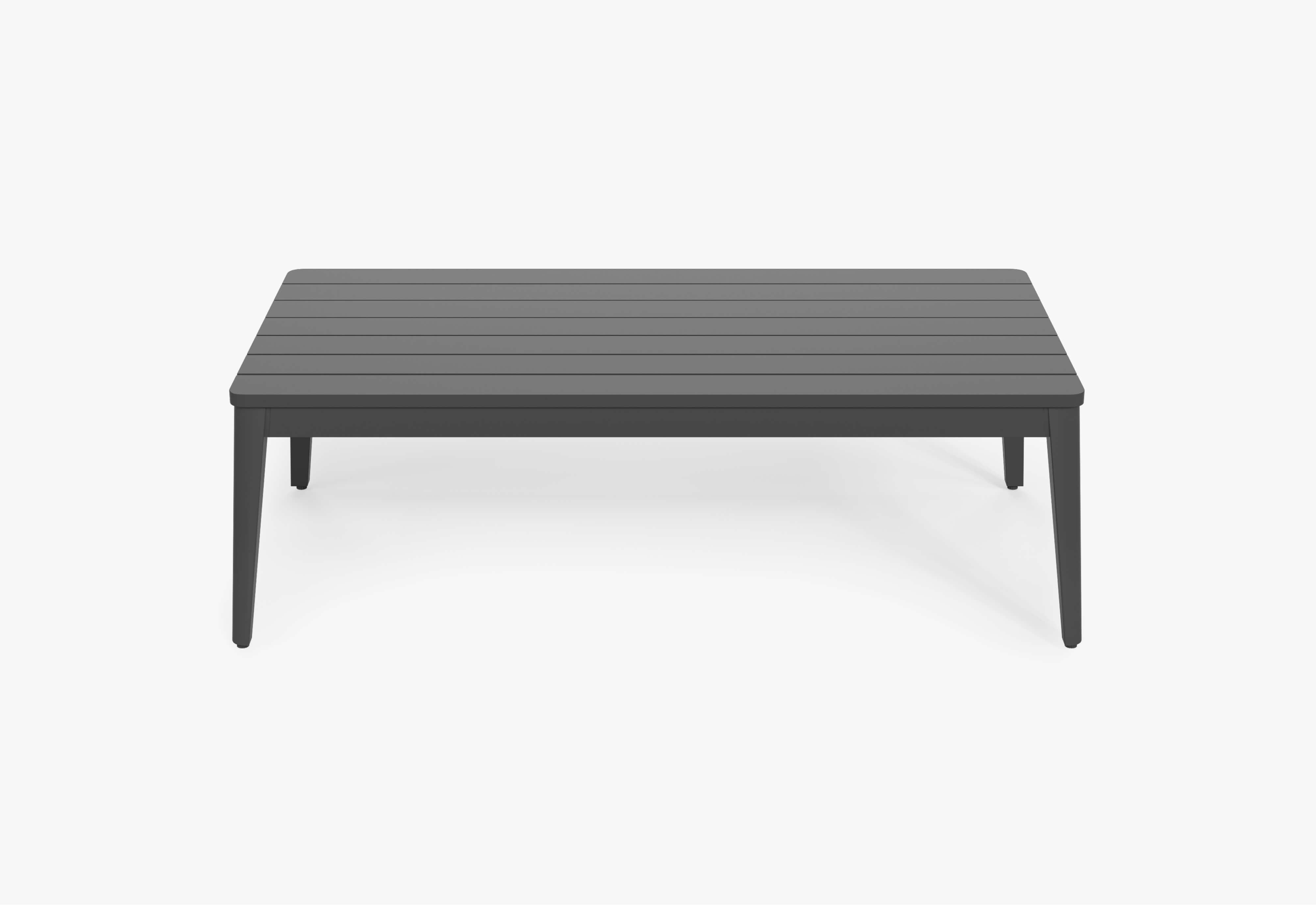
Material Comparison
Teak vs Aluminum Outdoor Furniture: Which Material Is Right for Your Space?
Compare teak and aluminum outdoor furniture by weather resistance, upkeep, comfort, appearance, and ownership cost. Find the right frame material for the way you actually use your patio.

The quick answer
Teak or Aluminum — at a Glance
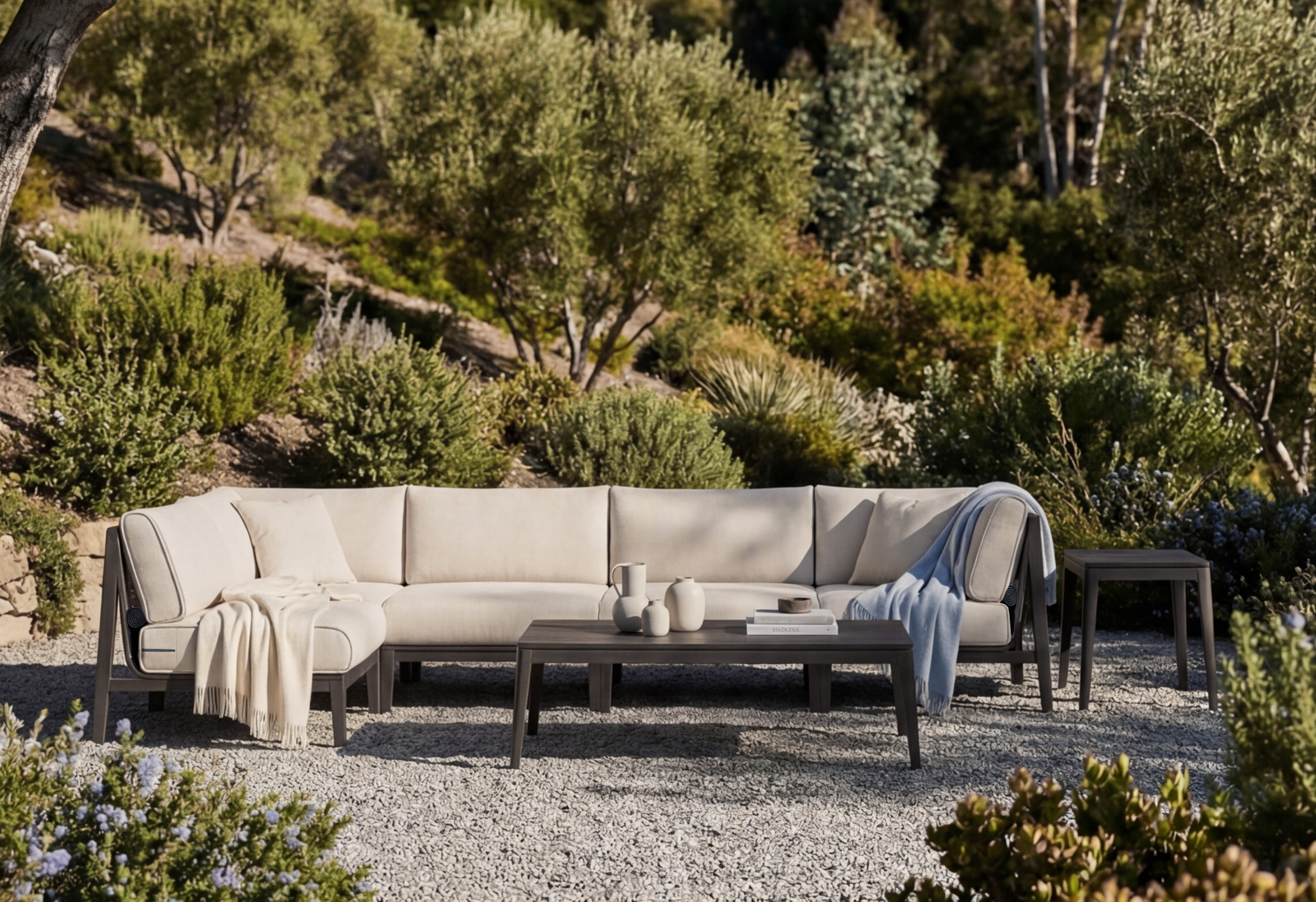
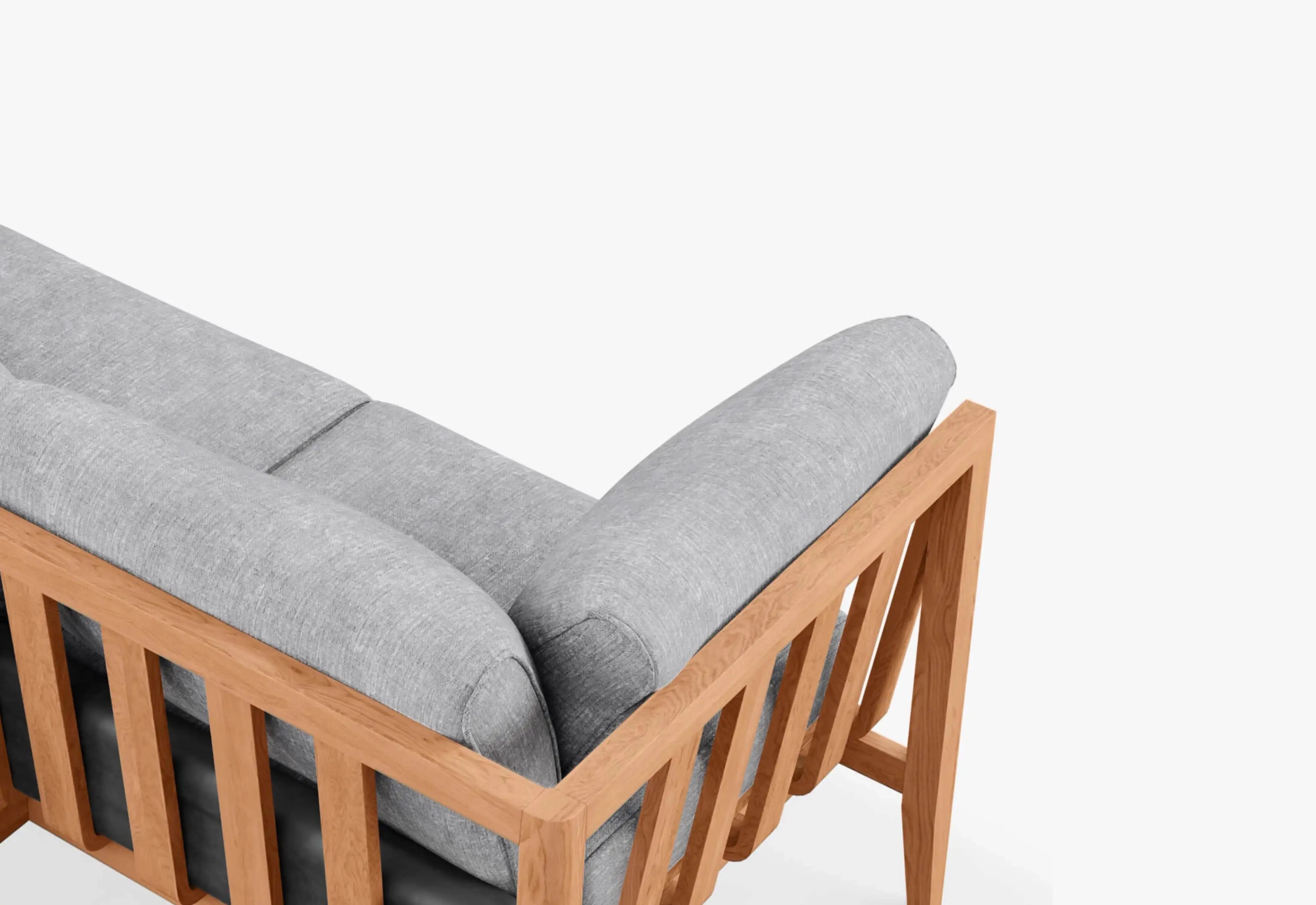
Choose teak for natural warmth and a changing patina. Its grain and golden tone suit gardens, wood decks, and relaxed outdoor rooms. Expect the color to change with exposure, and plan for gentle cleaning rather than a permanently new-looking finish.
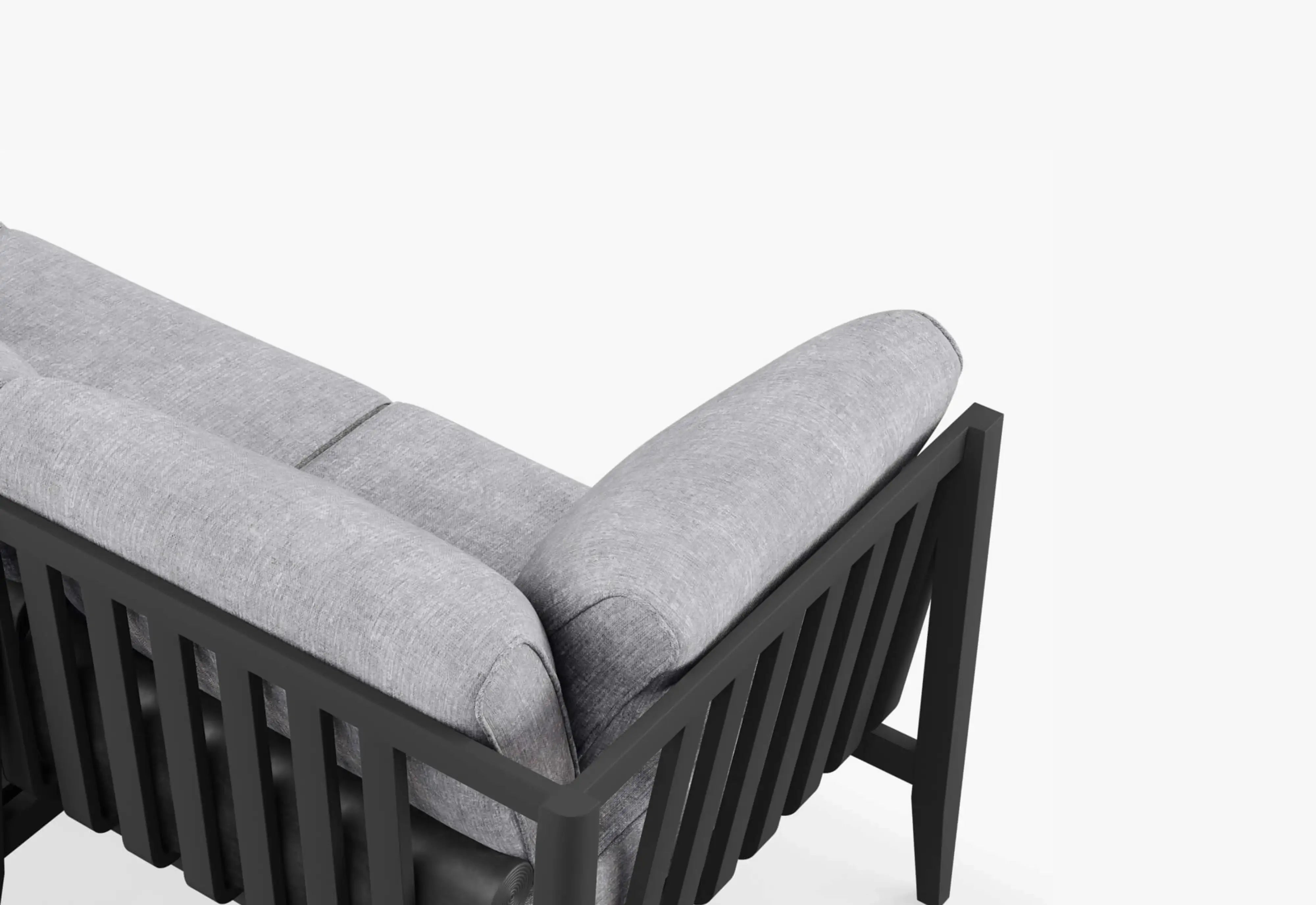
Choose aluminum for a consistent finish and straightforward upkeep. Powder-coated frames work well with modern patios and poolside spaces. They do not develop iron rust, but salt, dirt, and damaged coatings still need attention.
Choose the whole furniture system, not just the frame. Cushion comfort, drainage, modular connections, covers, and replacement parts matter alongside the material. Neither frame makes wet cushions ready to use or removes the need for seasonal care.
Teak vs Aluminum: Detailed Comparison
The main difference between teak and aluminum outdoor furniture is how the surface ages and what you need to do to maintain it. Teak is a natural hardwood with visible grain and variation. Aluminum is a metal frame whose powder-coated finish provides its color and surface protection. Both can be appropriate for outdoor use, but material quality and construction make a substantial difference.
| What to compare | Teak | Aluminum |
|---|---|---|
| Appearance over time | Natural grain and a golden-brown tone that gradually develops a silver-gray patina outdoors. Exposure affects the pace and evenness of the change. | A powder-coated color with a more uniform look. Inspect for scratches, chips, and changes in the finish as the furniture ages. |
| Weather resistance | Naturally durable hardwood. Good drainage, ventilation, and sound joints still matter; resistance to weather does not mean wood cannot move or develop surface checking. | Corrosion-resistant metal with an additional powder-coated barrier. Does not form iron rust, but coating damage and salt accumulation can create problems. |
| Routine upkeep | Remove debris and clean gently. Accept the patina or follow approved care guidance if you prefer a golden appearance. | Wash with a mild soap solution and a soft cloth or sponge. Rinse residue and inspect the coating, particularly in coastal or poolside settings. |
| Moving and rearranging | A substantial feel, although actual weight depends on the frame and configuration. Lift pieces rather than dragging them. | Often easier to reposition, but compare actual product weights. A light frame is not automatically a safe choice for a windy balcony. |
| Comfort in use | A tactile wood surface. Sofa comfort still depends mainly on cushions, seat depth, and back support. | A smooth or lightly textured coated surface. Exposed metal can become hot in direct sun; cushions and shade affect comfort. |
| Long-term value | Depends on wood quality, construction, care, and whether you enjoy the aged appearance. | Depends on frame design, coating quality, care, and access to repair or replacement components. |
Material quality matters more than the category name
Two pieces labeled “teak” can differ in the wood selected, joinery, hardware, and finishing. Two aluminum sofas can differ in their frame construction, welds, powder coating, and connections. Compare those details before treating all furniture made from one material as equivalent.
For a sofa, also check whether the modules can be reconfigured, how cushions attach, and whether individual components can be replaced. Those details influence daily use and ownership costs more directly than a generic claim that one material lasts longer.
Explore Aluminum Outdoor Sofas
Teak vs Aluminum: Weather Resistance Compared
Start with the conditions your furniture will actually face. An uncovered coastal deck, a sheltered city balcony, and a shaded inland patio require different care routines, even when they use the same frame material.
Rain and humidity: drainage and drying matter
Teak's natural durability makes it suitable for outdoor exposure, but it is still wood. Persistent dampness, trapped debris, and poor airflow deserve attention. Keep leaves out of joints and allow the furniture to dry after cleaning. Aluminum does not absorb water like wood, but water can collect around connections and beneath cushions, so drainage remains important.
In humid climates, clean up pollen, food residue, and leaf litter before they sit on damp surfaces. A durable frame can still look dirty or support surface mildew on accumulated organic material. Do not cover wet furniture and leave it sealed for long periods.
Direct sun: compare surface temperature and aging
Teak gradually changes color outdoors. A silver-gray surface is an expected appearance change, not by itself evidence that the frame has failed. Partially sheltered furniture may weather unevenly because different areas receive different amounts of light and moisture.
Powder coating gives aluminum its finished appearance, but no fixed color-retention timeline applies to every product and climate. Strong sun, abrasive cleaning, and damaged surfaces affect the finish. Check exposed armrests before sitting down, especially with dark frames in full afternoon sun. An umbrella or pergola can make either material more comfortable to use.
Salt air and poolside use: neither material is maintenance-free
Aluminum does not develop the reddish rust associated with iron, but that does not mean salt cannot affect it. Chlorides can contribute to corrosion, particularly where protection is compromised. Rinse away salt deposits, keep coated surfaces clean, and inspect scratches and connections. Avoid treating a powder-coated frame as immune to coastal exposure.
Teak is also suitable for many coastal settings, but rinse off salt residue and let the wood dry. Around a pool, remove splashes and cleaner residue from either frame. For an exposed site, compare the manufacturer's care instructions and warranty conditions rather than declaring a universal coastal winner.
Wind and winter: evaluate the setup, not just the material
Compare the actual weight of the furniture, its footprint, and how modules connect. Aluminum is often chosen for easy rearranging, but that convenience can be a trade-off in an exposed location. Do not assume modular connectors make furniture wind-proof. Move or secure furniture as directed when severe weather is forecast.
Before winter or an extended absence, clean the frames, clear drainage areas, and let cushions dry thoroughly. Use suitable covers and sheltered storage where practical. Avoid leaving wet cushions under a cover throughout the off-season.
Frame durability and cushion protection are different jobsOuterShell® built-in cushion protection is intended for everyday exposure such as dew, debris, and lighter rain. It is water-resistant rather than fully waterproof. For prolonged rain, storms, snow, or extended non-use, use an appropriate All-Weather Cover or move cushions to a protected area.

Teak vs Aluminum: The Maintenance Difference
Aluminum generally has the simpler surface-care routine. Teak adds a decision about appearance: do you want to enjoy the natural patina, or spend more time maintaining a golden tone? Both still need cleaning when dirt, salt, or spills accumulate.
| Care task | Teak | Aluminum |
|---|---|---|
| Routine cleaning | Mild soap, water, and a soft-bristle brush used gently along the grain. | Mild soap, water, and a soft cloth or sponge. Include corners and the underside of the frame. |
| After salt or pool exposure | Rinse away deposits and allow the wood to dry. | Rinse away deposits and inspect the finish and hardware. |
| Appearance care | Allow the silver-gray patina, or follow product-specific guidance for approved cleaning and appearance treatments. | Avoid abrasive cleaning. Ask the manufacturer about suitable touch-up options for damaged coating. |
| Seasonal inspection | Check joints, hardware, feet, and any movement or damage that affects stability. | Check coating damage, connections, hardware, feet, and drainage areas. |
| Before covering or storing | Remove debris, clean as needed, and let the frame and cushions dry. | Remove debris, clean as needed, and let the frame and cushions dry. |
A practical teak cleaning routine
Remove cushions and brush off loose debris. Clean gently with a mild soap solution, working along the grain rather than aggressively scrubbing across it. Rinse and allow the frame to dry before replacing cushions. Avoid using a pressure washer or abrasive tools as a shortcut.
If you prefer the golden appearance, check the instructions for your specific furniture before choosing a teak cleaner or treatment. A cleaner can improve the current appearance, but it does not permanently prevent outdoor weathering. See our complete teak furniture cleaning guide for the cleaning steps.
Do you need to oil teak?Oil is not a routine requirement for accepting teak's natural silver-gray patina. Cosmetic treatments have their own application and upkeep requirements. Follow the care instructions for your particular product, and ask the manufacturer before changing the finish or applying a treatment to a previously treated surface.
A practical aluminum cleaning routine
Remove loose dirt, then wash with mild soap and a soft cloth or sponge. Rinse away residue and allow the frame to dry. Avoid pressure washing and abrasive pads that can damage the powder coating. If the finish is chipped or scratched, ask about the appropriate repair method instead of applying an unrelated paint.
Set the cleaning frequency by exposure rather than a fixed calendar. A sheltered patio may need less attention than furniture beside salt spray, falling leaves, or a pool. Check the Outer care and maintenance instructions for guidance specific to each product.
Teak vs Aluminum: Long-Term Ownership Cost
Compare equivalent configurations before comparing price. A three-seat teak sofa and a larger aluminum sectional are not a useful like-for-like comparison. Include the same seating capacity, cushions, delivery options, and accessories in both totals.
What to include in a 10-year comparison
Start with the delivered purchase price. Add the accessories you actually need, such as covers or extra modules. Confirm whether delivery and assembly are included so the comparison does not favor one option simply because its services are quoted separately.
Plan for replaceable components. Cushions, covers, feet, and hardware may need attention before the frame does. Check availability and current replacement prices rather than assuming a cushion will last a fixed number of years. Exposure, use, and care affect replacement timing.
Count the care you will realistically perform. Both materials need cleaning. Teak may require more appearance-related work if you want to keep it golden. Aluminum may need finish touch-ups after damage. Your time and willingness to do those jobs are part of the value comparison.
Read the warranty alongside the care requirements. A warranty period is not a guaranteed service life. Check which components are covered, the exclusions, and what maintenance is expected. A useful comparison is purchase price plus expected care, replacement, and repair costs over your chosen ownership period.
There is no universal winner on lifetime cost. The better value is the furniture you will use, maintain, and keep. Material choice should support that plan rather than rely on a promised lifespan or resale value.
Which Outdoor Furniture Material Is Right for You?
Choose teak if you enjoy natural texture and visible aging
Teak works well when you want wood grain, warmth, and a surface that changes with the seasons. It pairs easily with planting, stone, timber decking, and softer outdoor color palettes. It is especially appealing if you see the silver-gray patina as part of the furniture's character.
Before choosing it, decide how you feel about uneven weathering, occasional surface cleaning, and the effort required to maintain a golden appearance. If you expect exposed wood to look permanently new without additional care, teak may not match that expectation.
Choose aluminum if you prefer a uniform finish and easy cleaning
Aluminum suits clean-lined patios, pool decks, and spaces where you want the frame color to coordinate with paving, railings, or architecture. It is a practical option if you rearrange seating and prefer a straightforward wash-and-rinse care routine.
Check the actual product weight, coating, and frame construction. For an exposed balcony or coastal patio, include wind conditions, salt exposure, and the care instructions in the decision. Aluminum's resistance to iron rust is useful, but should not be mistaken for immunity to damage.
Mix teak and aluminum when you want both qualities
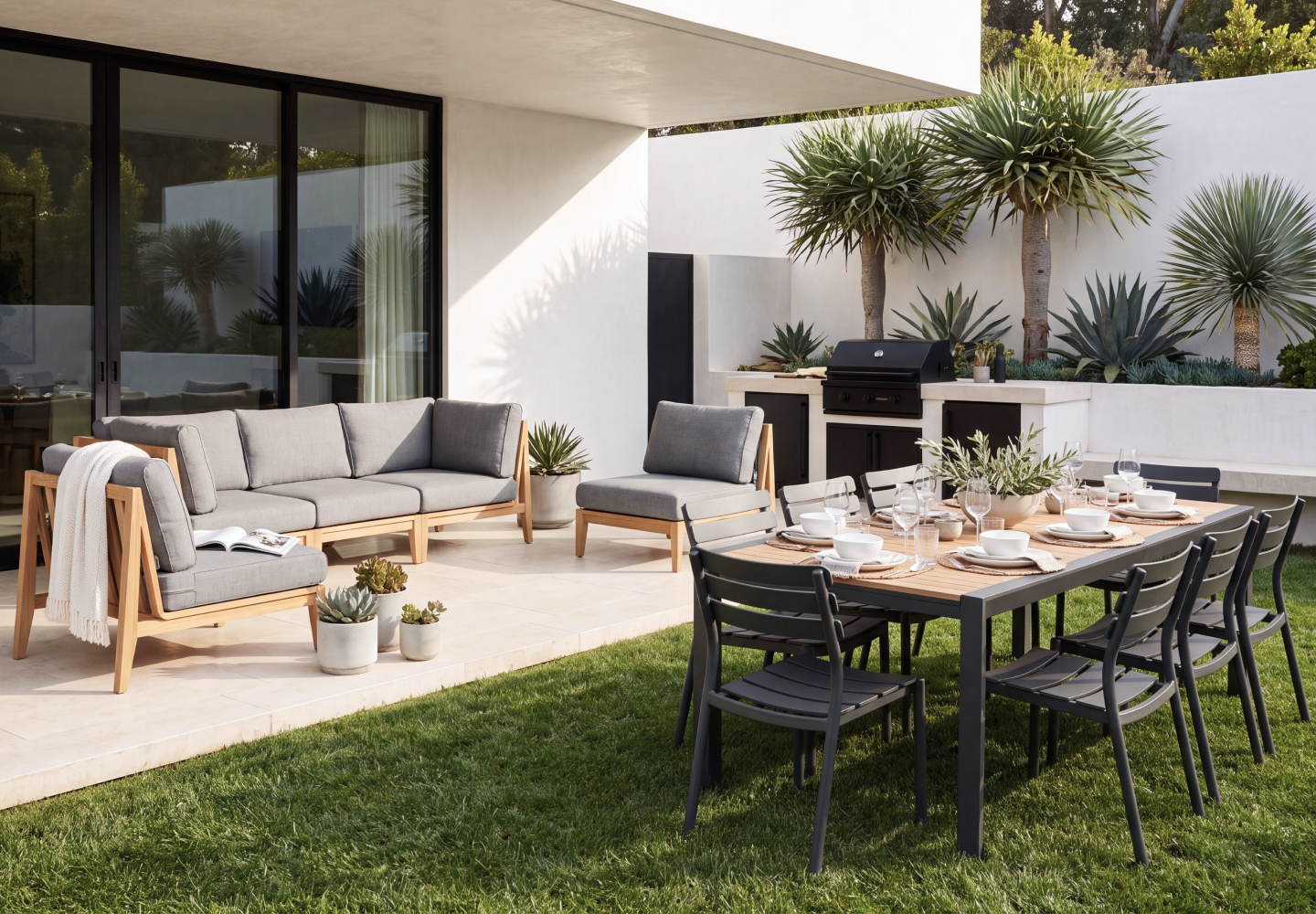
You do not need every piece to have the same frame material. A teak table can add warmth beside an aluminum sofa, while an aluminum frame can create contrast around a wood tabletop. Keep cushion colors and the scale of the furniture consistent so the arrangement feels connected.
Maintain each surface according to its material. On a mixed-material dining table, clean the wood and coated metal gently, and avoid assuming one treatment is suitable for both. Explore teak and aluminum extendable dining tables and sets for examples of the combination.
Check these details before you order
Measure the full footprint, including walkways and pulled-out dining chairs. Compare seat depth, cushion support, module connections, and access for delivery. Check replacement components and product-specific care guidance. Once those requirements are met, choose the material whose look and upkeep you prefer.
Compare the Collections
Compare Teak and Aluminum Outdoor Furniture

Teak Sofa — 3 Seat
A teak frame with natural grain and a finish that develops a patina outdoors. Compare the cushions, modular layout, and care requirements on the product page.
Listed on the linked page

Aluminum Sofa — 3 Seat
A powder-coated aluminum frame with built-in OuterShell® cushion protection. Compare finish options, seating dimensions, and modular configurations on the product page.
Listed on the linked page

Teak + Aluminum Extendable Dining Tables
A teak tabletop paired with an aluminum frame. Check the closed and extended footprint, seating capacity, and care instructions before planning your dining area.
Listed on the linked page

Aluminum Outdoor Dining Table
A powder-coated aluminum dining option for outdoor meals. Compare available table sizes and leave room for chairs and circulation around the table.
Listed on the linked page
Common questions
Teak vs Aluminum: Questions Answered
Which lasts longer: teak or aluminum outdoor furniture?
Both can provide long-term outdoor use when well constructed and properly cared for. A fixed lifespan cannot be predicted from the material alone. Wood quality, frame connections, finish, exposure, and cushion replacement all matter. Compare the warranty, care instructions, and availability of replacement components rather than treating a generic year range as a guarantee.
Is teak or aluminum better for coastal homes?
Both can work in coastal settings with suitable construction and care. Aluminum does not form iron rust, but salt deposits and coating damage can contribute to corrosion. Teak also benefits from removing salt residue and allowing the wood to dry. For direct oceanfront exposure, check the product's care guidance and warranty conditions, and plan for more frequent cleaning than on a sheltered inland patio.
Which material requires less maintenance?
Aluminum usually has the simpler surface-care routine: gentle cleaning, rinsing, and inspecting the coating. Teak also needs cleaning, with additional appearance care if you want to maintain a golden tone. Letting teak develop its natural patina reduces that extra work, but does not remove the need to clear debris and clean spills.
Does aluminum outdoor furniture rust?
Aluminum does not develop the red-brown rust associated with iron and steel. It can still corrode under certain conditions, including salt exposure where protection is compromised. Keep powder-coated frames clean, avoid abrasive tools, and follow manufacturer guidance for scratches or chipped coating.
Does teak need to be oiled?
Regular oiling is not necessary if you accept teak's natural outdoor patina. If you want to change or maintain the appearance, follow the instructions for the specific furniture and treatment. Cosmetic products can add upkeep requirements. Ask the manufacturer before treating a previously finished surface.
Does teak turning gray mean it is damaged?
The silver-gray patina is an expected surface change from outdoor exposure. Color change alone does not mean structural damage. Inspect separately for loose joints, instability, or other damage that affects use. Weathering can vary between covered and exposed parts of the same piece.
Can teak and aluminum furniture stay outside in winter?
Outdoor-rated frames are designed for exposure, but winter care depends on the product and local conditions. Clean the furniture, clear debris, and dry cushions before covering or storing them. Use suitable covers or sheltered storage during prolonged non-use. Do not rely on frame durability to protect wet cushions from an entire winter outdoors.
Is teak or aluminum more comfortable in direct sun?
Exposed surfaces on either material can become warm. Dark metal finishes can be uncomfortable to touch in strong sun, so check armrests and provide shade where possible. For a sofa, cushion construction, seat depth, and back support are more useful comfort comparisons than frame material alone.
Can I mix teak and aluminum furniture?
Yes. A teak table with aluminum seating, or a mixed-material dining table, can create a coordinated outdoor room. Repeat cushion colors and choose compatible proportions. Follow separate care guidance for wood and coated metal, even when they are part of the same piece.
Teak, Aluminum, or a Mix That Fits Your Space
Compare Outer outdoor sofas by frame material, configuration, and comfort. Check each product page for the cushions, protection features, and care guidance included with your selection.