

Outdoor Furniture Materials Guide · Updated 2026
Is All-Weather Wicker Good for Outdoor Use?
All-weather wicker offers a softer, more relaxed look than many other outdoor furniture materials, but its appeal is not only visual. This guide explains what it is, how it performs outdoors, and whether it is the right fit for your patio, deck, or backyard.

Wicker has long been associated with outdoor living, but not all wicker is the same. What many people are really looking for today is not traditional natural wicker, but all-weather wicker — a material designed to hold up outdoors while keeping the softer, more relaxed visual feel that makes wicker so appealing in the first place.
So is all-weather wicker good for outdoor use? In many cases, yes. But like any outdoor furniture material, the better question is not only whether it works outside, but whether it fits the way you want your space to look, feel, and function over time.
Quick Answer
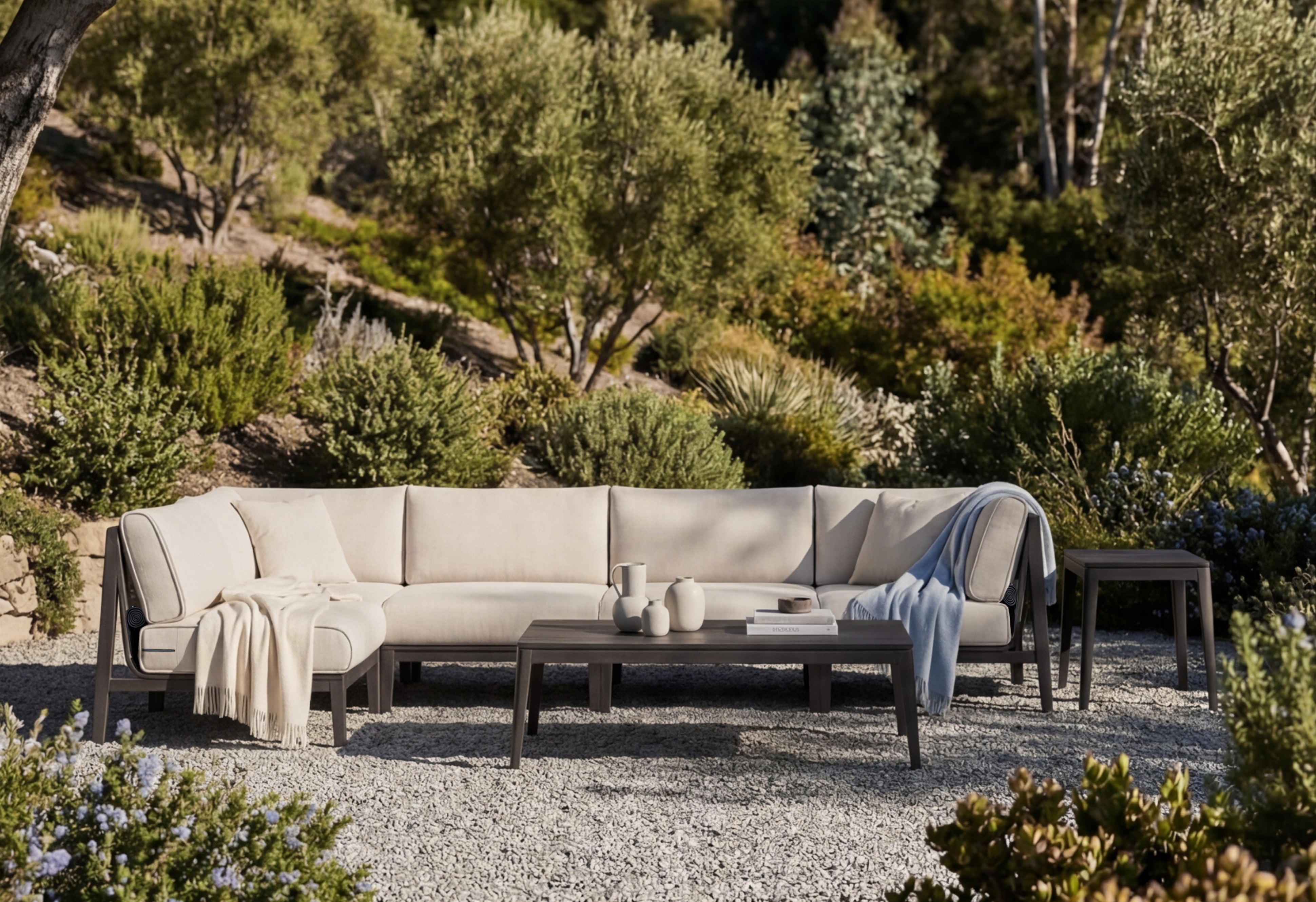
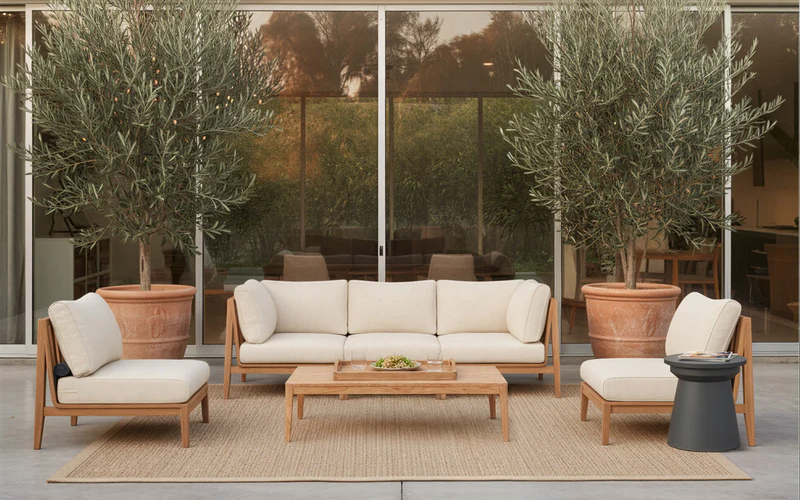
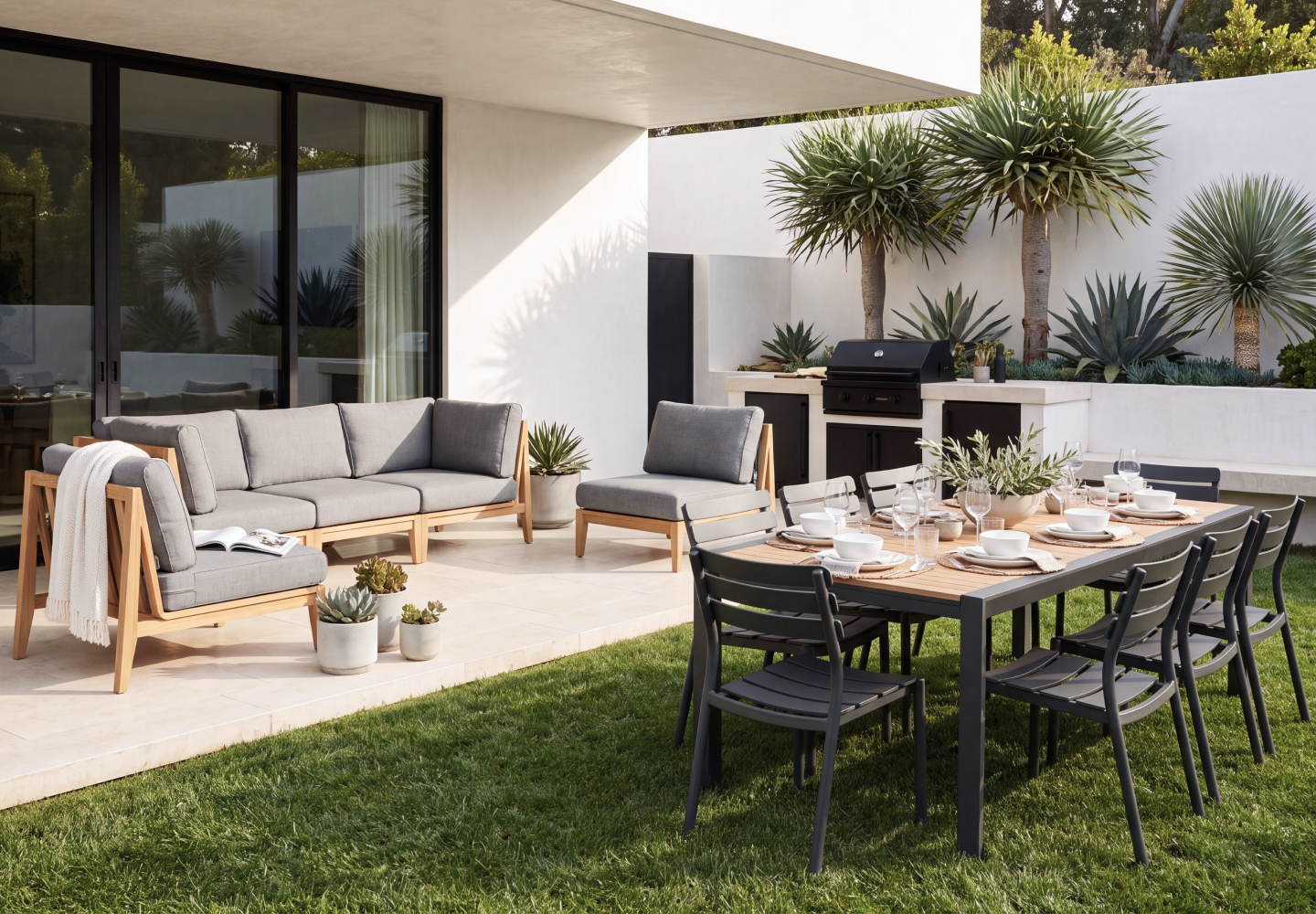
Yes — all-weather wicker can be a very good choice for outdoor use when you want a material that feels softer and more relaxed visually, while still being designed for outdoor durability. It is especially appealing for lounge seating and spaces that aim to feel warm, layered, and inviting rather than sharp or highly architectural.
All-weather wicker works best when you want outdoor furniture that feels durable, but still looks soft, relaxed, and easy to live with.
What All-Weather Wicker Is
All-weather wicker is not the same as traditional natural wicker. It is designed specifically for outdoor use, which is why it performs differently in changing weather and daily exposure.
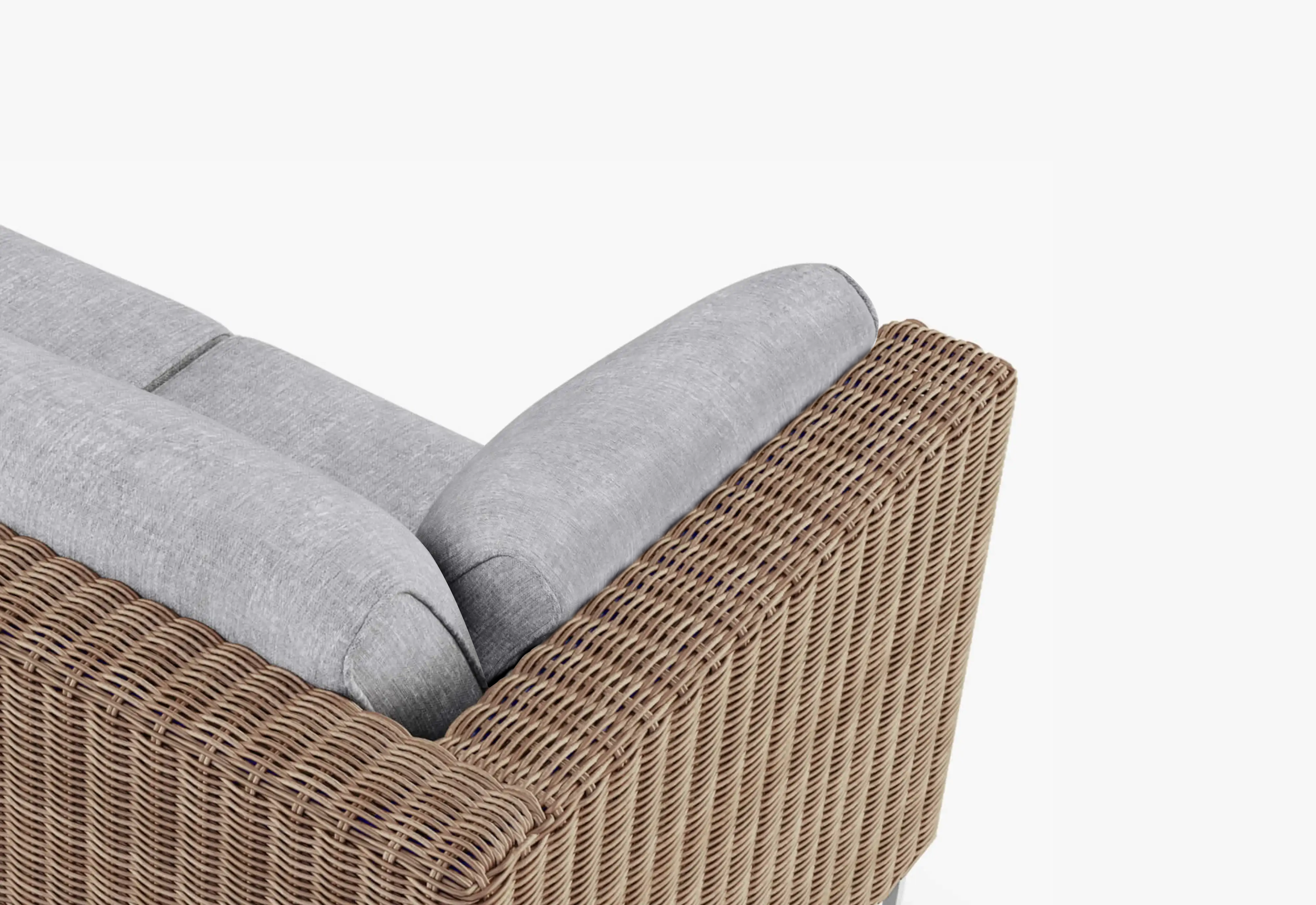
At Outer, all-weather wicker is positioned as a material that combines outdoor durability with a more inviting, textured appearance. It is designed to look more natural and dimensional than flatter, more obviously synthetic alternatives, while still supporting long-term outdoor use.
What makes it different
It is made for outdoor living, rather than adapted from an indoor or natural-fiber material.
What people notice first
A softer, more relaxed look than many metal-forward outdoor furniture styles.
What it is best known for
Texture, warmth, and a more resort-like visual feel in outdoor seating.
Why People Choose All-Weather Wicker
The appeal of all-weather wicker is often emotional as much as practical. It tends to make a space feel less rigid and more welcoming right away. Where aluminum can feel cleaner and more minimal, wicker introduces softness through texture.
That is why wicker is often chosen for outdoor sofas, lounge seating, and layouts that are meant to feel comfortable, layered, and relaxed. It can help a patio feel more like an outdoor room than a simple furniture arrangement.
It softens the look of a patio
Wicker adds visual warmth and texture without needing the natural aging pattern of wood.
It creates a more relaxed atmosphere
Many people gravitate toward wicker when they want a space that feels more lounge-like, more layered, and less strictly modern.
It works especially well in seating
Wicker often feels most natural in sofas, lounge chairs, and outdoor conversation areas.
How All-Weather Wicker Performs Outdoors
All-weather wicker is designed to hold up outdoors, which is why it remains a popular choice in spaces that see regular use. It is meant to balance durability with a material language that feels more tactile and inviting than harder, more industrial alternatives.
In Outer’s internal material positioning, wicker is framed as a fit for customers who like hand-crafted texture, a more relaxed outdoor mood, or even higher-humidity settings where a softer visual style is still important. The material story is not only about performance, but about combining performance with ease and comfort in the way the furniture is perceived. :contentReference[oaicite:2]{index=2}
| Category | All-Weather Wicker |
|---|---|
| Overall look | Textured, soft, relaxed |
| Best use | Lounge seating, outdoor sofas, relaxed layouts |
| Outdoor fit | Designed for outdoor use rather than indoor styling alone |
| Visual mood | Warmer and more resort-like than stricter modern materials |
| Main strength | Combines outdoor readiness with texture and visual softness |
Maintenance and Cleaning
One reason people often feel comfortable choosing all-weather wicker is that the maintenance routine can stay relatively straightforward. The goal is usually simple: keep debris from settling into the weave, clean gently, and avoid harsher products that can do more harm than good.
Outer’s care guidance for wicker starts with removing leaves and trapped debris, then using a gentle cleaning approach and rinsing thoroughly. It also specifically warns against bleach and abrasive cleaners, which can permanently damage the wicker and make long-term dirt buildup worse. :contentReference[oaicite:3]{index=3}
Best everyday habit
Remove trapped debris and dust regularly so it does not settle deep into the weave.
Best cleaning approach
Use a mild soap solution, a soft bristle brush, and a thorough rinse.
What to avoid
Bleach and abrasive cleaners, which can damage the wicker surface over time.
How All-Weather Wicker Compares to Other Outdoor Furniture Materials
Wicker often sits between teak and aluminum in how people perceive it.
Compared with teak, wicker tends to feel less grounded in natural wood character and more driven by texture and shape. Compared with aluminum, it feels softer, less architectural, and more obviously lounge-oriented. That makes it a strong option for people who want comfort and ease visually, not just functionally.
| Material | Overall Feel | Best For |
|---|---|---|
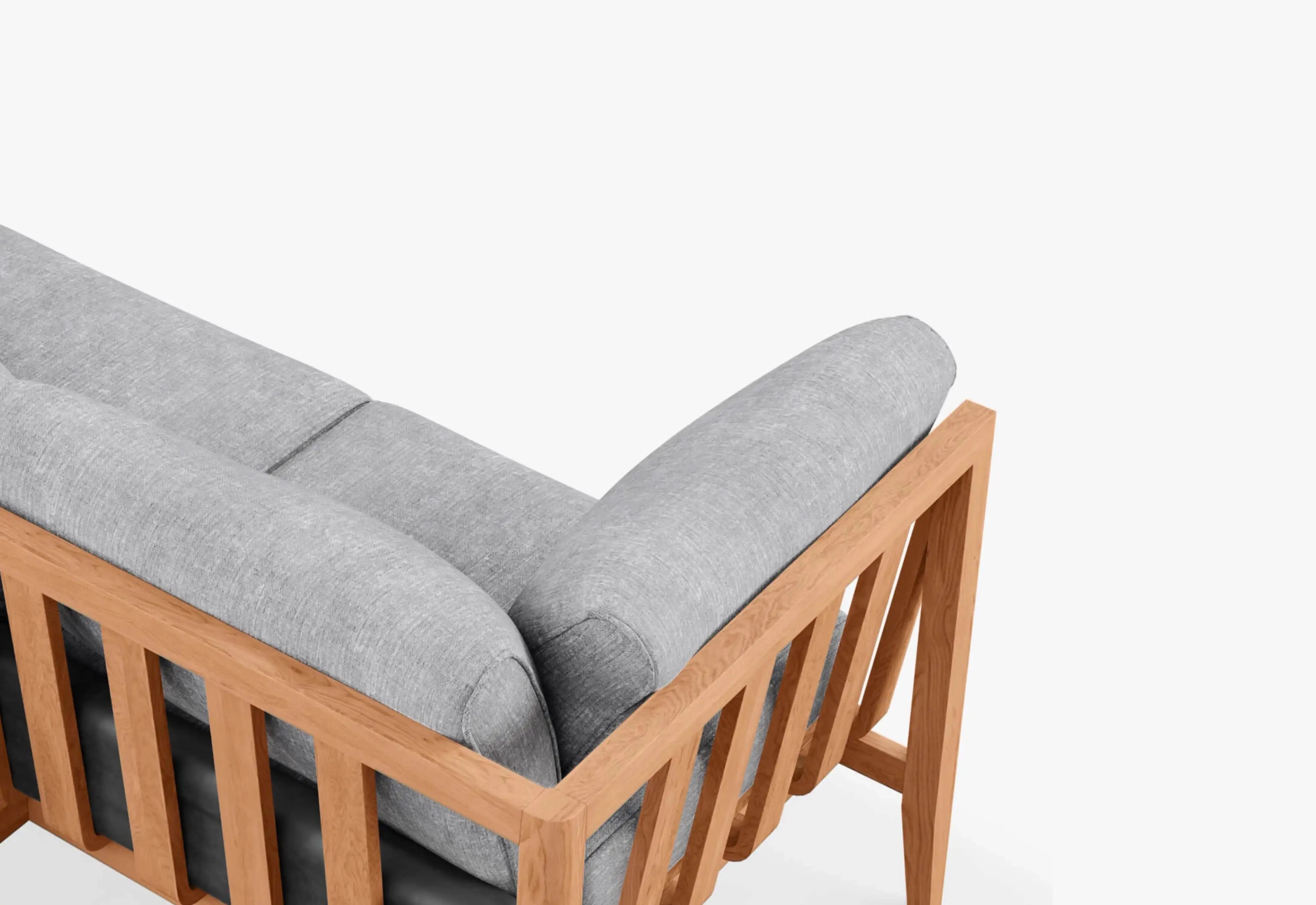
| Teak | Warm, natural, timeless | Organic spaces, natural texture, wood character |
| Aluminum | Clean, modern, minimal | Architectural layouts, lighter visual footprint, easier upkeep |
| All-weather wicker | Soft, textured, relaxed | Lounge seating, layered outdoor rooms, resort-like atmosphere |
Who All-Weather Wicker Is Best For
Choose wicker if…
You want your outdoor space to feel soft, welcoming, and more lounge-like than minimal.
Choose wicker if…
You prefer texture and visual warmth over a highly architectural or industrial look.
Choose something else if…
You want either the natural wood character of teak or the sharper, more modern clarity of aluminum.
In the end, all-weather wicker is a good choice for outdoor use when the feeling you want matters as much as the material performance itself. It is not only about durability. It is about the kind of outdoor room you want to create.
Explore by material
See How Wicker Fits Into Outer Outdoor Living
Compare wicker with other material directions to find the right outdoor look, feel, and maintenance rhythm for your space.
Frequently Asked Questions
Is all-weather wicker good for outdoor use?
Yes. All-weather wicker is designed for outdoor use and is especially appealing when you want a softer, more relaxed outdoor look paired with durable everyday performance.
What is the difference between wicker and all-weather wicker?
Traditional wicker and all-weather wicker are not the same. All-weather wicker is designed specifically for outdoor living, which is why it performs differently in weather and daily exposure.
Is all-weather wicker hard to maintain?
Not usually. Regular debris removal, gentle cleaning, and avoiding harsh cleaners are the main habits that help wicker stay looking its best. :contentReference[oaicite:5]{index=5}
Can I use bleach to clean wicker outdoor furniture?
It is better to avoid bleach and abrasive cleaners, since they can permanently damage the wicker and lead to more dirt accumulation over time. :contentReference[oaicite:6]{index=6}
Is wicker better than aluminum for outdoor furniture?
Neither is universally better. Wicker is often better when you want texture, softness, and a relaxed lounge feel. Aluminum is often better when you want a cleaner, more modern look with simpler visual lines.