


Outdoor Furniture · Regional Climate Guide
Best Weatherproof Outdoor Furniture for Every U.S. Climate and Season
The best outdoor furniture for your climate combines a suitable frame, practical cushion care, and the right level of protection. Compare aluminum, teak, and all-weather wicker for rain, humidity, salt air, intense sun, and winter exposure—and learn what to check before leaving furniture outside through the seasons.

Quick Answer
What Is the Best Weatherproof Outdoor Furniture?
For many exposed patios, powder-coated aluminum is a practical, lower-maintenance starting point. Teak is another option for homeowners who prefer natural wood and understand its appearance and care requirements. Outdoor-grade synthetic wicker offers woven texture, but its suitability depends on the underlying frame, weave quality, exposure, and product instructions.
For upholstered furniture, the frame is only part of the decision. Check the cushion construction, removable covers, drying requirements, and available protective covers. A frame that handles rain does not automatically make the complete sofa waterproof or ready to sit on immediately after a storm.
Start with the conditions at your own patio—not just the name of your state. A shaded courtyard, an uncovered deck, and a poolside seating area can require different care routines within the same city.
Understand the Claim
Weatherproof, Waterproof, and Weather-Resistant Are Not the Same
Weather-resistant describes a product’s ability to handle certain outdoor conditions. It does not tell you how every component will perform under continuous rain, salt exposure, intense sunlight, or freezing weather. Ask which material or component the claim covers and what maintenance is required.
Waterproof should be evaluated at the component level. A protective cover, fabric surface, seam, zipper, and cushion interior can behave differently. Water beading on a cushion’s surface does not prove that the entire cushion will stay dry through prolonged rain.
Weatherproof is often used as a broad shopping term. Translate it into practical questions: Can the frame tolerate outdoor exposure? How should the cushions be protected? What happens after heavy rain? Can the furniture remain outdoors during your winter? The answers should come from product-specific care information.
What to check before buying: Look for clear information about the frame, finish, hardware, fabric, cushion construction, cleaning, storage, and warranty. A reassuring label cannot replace those details.
Look Beyond One Material
Build a Weather-Ready Furniture System
Outdoor durability depends on several parts working together. A suitable frame can still be paired with cushions that require regular protection. A good cover can still trap existing moisture if it is placed over wet furniture. Evaluate the complete setup and the routine you can realistically maintain.
Frame, Finish, and Hardware
Check exposed joints, fasteners, frame feet, and coating condition. Aluminum does not develop iron rust, but it can still experience corrosion, and attached hardware may use other metals. Teak and synthetic wicker also need product-appropriate cleaning and inspection.
Cushions and Airflow
Ask how the complete cushion handles moisture and how it should be dried. Leave space for air around the seat, back, and underside. Avoid assuming that water-resistant fabric means waterproof cushion interiors or a guaranteed drying time.
Protection and Storage
Plan for everyday use, extended bad weather, and the off-season separately. Confirm that a fitted cover matches your configuration and that cushions can be moved to a clean, dry sheltered location when the forecast requires it.
For a deeper explanation of individual components, read our weather-resistant outdoor furniture materials guide . This article focuses on using those details to make a climate-specific buying decision.
Rain, Dampness, and Daily Use
How to Choose Outdoor Furniture for Heavy Rain and Humidity
The best garden furniture for rain is a setup that can tolerate its intended exposure and be cleaned, protected, and dried between uses. The key distinction is occasional wetting versus repeated wetting without a reliable drying opportunity.
What Outdoor Furniture Can Be Left in the Rain?
Some outdoor-rated frames can remain outside through ordinary rain when their care instructions allow it. Cushions require a separate decision. Rain can reach seams, zippers, the underside, and contact points even when the upper fabric sheds water. Check the complete product instructions before leaving upholstered furniture uncovered.
If you want seating that needs less cushion handling, also compare outdoor furniture designed to be used without upholstery. If cushioned comfort is your priority, include the time and storage space needed for cushion care in your purchase decision.
Separate a Passing Shower from Several Wet Days
A short shower followed by dry, breezy weather creates a different situation from consecutive rainy days on a shaded patio. For an extended wet forecast, protect furniture before rain begins and move removable cushions to shelter where practical. A full cover helps reduce exposure, but it does not dry cushions that are already wet.
| Situation | What to Check | Practical Response |
|---|---|---|
| Occasional shower | Cushion seams, lower surfaces, frame joints, and retained water | Inspect after rain and allow damp components to dry before covering. |
| Several days of rain | Whether the setup has a realistic drying window and sheltered storage | Move cushions to shelter where possible and use suitable frame protection. |
| Humid, shaded patio | Airflow behind cushions, wet leaves, vegetation, and damp undersides | Increase clearance, remove debris, and inspect areas that stay wet longest. |
| Roof runoff or irrigation | Repeated concentrated wetting at the same seat or frame connection | Reposition furniture or correct the water source rather than relying only on a cover. |
| Severe storm | Loose cushions, covers, lightweight pieces, and local weather guidance | Move items to safe shelter before conditions deteriorate; a cover is not storm anchoring. |
Check Where Water Can Stay Trapped
Look underneath cushions, between adjoining sectional modules, around frame feet, and in low areas of the protective cover. Do not block existing drainage openings or add an improvised waterproof layer without checking the product instructions. Preventing water from entering and allowing existing moisture to escape are different tasks.
Rain Resistance Does Not Mean Mildew-Proof
Leaves, pollen, spills, and other residue can collect on outdoor surfaces. Keeping those surfaces clean and allowing them to dry is important even when the fabric is marketed as mildew-resistant. Inspect damp, shaded areas rather than judging the whole sofa by a dry-looking cushion top.
Climate-to-Furniture Decisions
Choosing Weatherproof Outdoor Furniture by Climate Region
Use the regions below as starting points. Coastal and inland locations, elevation, nearby vegetation, patio orientation, and overhead shelter can change the exposure at a particular address. Choose for the conditions your furniture actually experiences.
| Region | Representative Cities | Exposure to Evaluate | Starting Point | Care Priority |
|---|---|---|---|---|
| Florida, Southeast, and Gulf Coast | Miami, Tampa, Orlando, Charleston, Savannah, New Orleans, Houston | Humidity, heavy rain, coastal salt where relevant, and storms | Powder-coated aluminum with outdoor cushions and practical storage | Moisture checks, salt removal, and a severe-weather plan |
| Coastal California | Los Angeles, San Diego, Santa Barbara, San Francisco, Oakland | Sun, marine moisture, salt exposure, and seasonal rain | Aluminum or teak selected for the particular site | Sun planning, coastal cleaning, and finish inspection |
| Desert Southwest and Inland California | Phoenix, Las Vegas, Palm Springs, Fresno, Sacramento, Inland Empire | Strong sun, heat, dust, and local storm exposure | Aluminum or teak with documented outdoor fabric performance | Shade, comfortable surfaces, and dust removal |
| Pacific Northwest | Seattle, Portland, Tacoma, Eugene | Extended wet periods, shade, and slow drying | Outdoor-rated aluminum or teak with good clearance and cushion access | Airflow, debris removal, and sheltered drying |
| Northeast, Great Lakes, and Upper Midwest | New York, Boston, Philadelphia, Buffalo, Chicago, Detroit, Minneapolis | Seasonal rain, snow, freezing weather, and winter inactivity | Outdoor-rated frames with product-approved winter protection | Dry storage, cover fit, and checks for pooled water |
| Mountain West | Denver, Salt Lake City, Boise, Santa Fe | Sun exposure, snow, elevation, and temperature changes | Aluminum or teak with both summer and winter care plans | Sun protection and preparation before freezing weather |
| Mid-Atlantic and Transitional Markets | Washington, D.C., Richmond, Raleigh, Nashville, St. Louis | Humidity, pollen, storms, and variable winter conditions | Aluminum or another outdoor-rated frame suited to the site | Adaptable daily protection and seasonal storage |
Hot · Humid · Coastal
Florida, the Southeast, and Gulf Coast
Miami · Tampa · Orlando · Charleston · Savannah · New Orleans · Houston
Moisture management is central to furniture selection here. Coastal sites may also expose joints and hardware to salt. An inland covered patio should not be treated as identical to an uncovered oceanfront deck.
- Choose: An outdoor-rated frame, accessible cushions, removable covers where appropriate, and a storage routine you can use before extended wet weather.
- Inspect: Cushion undersides, coating damage, fasteners, and spots repeatedly wetted by sprinklers or pool activity.
- Maintain: Remove residue and coastal salt according to the product’s cleaning instructions. Allow wet components to dry before extended covering.
- Plan ahead: Arrange safe shelter for cushions and loose pieces before tropical storms. Do not treat a fitted cover as protection against hurricane winds or flooding.
Sun · Marine Moisture · Salt
Coastal California
Los Angeles · San Diego · Santa Barbara · San Francisco · Oakland
Match the setup to the balance of sun and marine moisture at your address. A bright south-facing patio and a shaded, fog-prone courtyard may need different cushion and protection routines.
- Choose: Aluminum for a practical cleaning routine or teak if you prefer natural wood and accept its weathered appearance.
- Inspect: Sun-facing fabric, frame feet, exposed hardware, and areas where morning moisture persists.
- Maintain: Clean salt residue where present, provide shade where practical, and let damp cushions dry before closing them away.
Strong Sun · Heat · Dust
Desert Southwest and Inland California
Phoenix · Las Vegas · Palm Springs · Fresno · Sacramento · Inland Empire
Evaluate comfort in the hottest part of the day as well as durability. A surface that performs outdoors can still become uncomfortable to touch in direct sun.
- Choose: Fabric with documented outdoor performance, finishes appropriate for exterior use, and a location with shade when available.
- Inspect: Exposed armrests, cushion color, seams that collect dust, and any plastic components.
- Maintain: Remove loose dust before washing. Protect dry cushions between uses and make a separate plan for local heavy rain or wind events.
- Compare: Color and placement together. Do not assume that every light-colored component stays cool or that every darker finish performs identically.
Repeated Rain · Shade · Slow Drying
Pacific Northwest
Seattle · Portland · Tacoma · Eugene
The practical challenge is often how long the furniture remains damp between uses. Frame selection matters, but access to airflow and sheltered cushion storage can be just as important.
- Choose: A configuration with clearance around the back and underside, easy cushion removal, and compatible full-cover options.
- Inspect: Wet leaves, shaded seams, nearby plants, roof runoff, and water retained between sectional modules.
- Maintain: Remove organic debris promptly. Separate wet cushions for drying rather than stacking them.
- For extended rain: Move cushions to a ventilated sheltered space where practical. A cover alone is not a substitute for drying an already wet interior.
Four Seasons · Snow · Freezing Weather
Northeast, Great Lakes, and Upper Midwest
New York · Boston · Philadelphia · Buffalo · Chicago · Detroit · Minneapolis
Separate the active-season setup from winter storage. Furniture left unused for months needs a different care plan from furniture that is uncovered and checked regularly.
- Choose: Frames approved for your intended exposure, removable cushions, and a cover designed for the actual furniture configuration.
- Inspect: Trapped moisture, damaged cover fastenings, low points that collect water, and product instructions for snow and freezing conditions.
- Prepare: Clean and fully dry components before off-season storage. Sheltered cushion storage is preferable where practical.
- During winter: Check covers periodically. Address pooling and accumulation using the manufacturer’s instructions; do not strike frozen surfaces or pull a cover free by force.
Sun · Snow · Changing Conditions
Mountain West and High-Altitude Markets
Denver · Salt Lake City · Boise · Santa Fe
Use a plan that covers both sunny active months and cold-weather exposure. Conditions can differ substantially with elevation, patio orientation, and local shelter.
- Choose: Outdoor-rated frames and fabric with documented performance, rather than assuming a generic “high-UV certification” applies.
- Inspect: Sun-exposed fabric, cover fit, seams, and places where water remains before a freeze.
- Maintain: Manage direct sun during use, dry components before storage, and follow product-specific winter instructions.
Humidity · Pollen · Seasonal Storms
Mid-Atlantic and Transitional Markets
Washington, D.C. · Richmond · Raleigh · Nashville · St. Louis
A flexible routine is useful where the same patio experiences humid summers, pollen, thunderstorms, and variable winter weather. Choose furniture you can clean and protect without making the space difficult to use.
- Choose: An outdoor-rated frame, manageable cushion sizes, and protection that fits your normal use and off-season plans.
- Inspect: Pollen and leaves around seams, irrigation exposure, frame connections, and damp areas under the seating.
- Maintain: Use everyday cushion protection when appropriate, then switch to broader protection or sheltered storage during extended bad weather and long idle periods.
Frame Decision
Compare Aluminum, Teak, and All-Weather Wicker
Compare materials by the care they require at your site. No frame choice removes the need to evaluate hardware, cushion protection, cover compatibility, and storage.
| Material | Why Consider It | What to Inspect | Main Tradeoff | Practical Care |
|---|---|---|---|---|
| Powder-Coated Aluminum | Outdoor frame option that does not develop iron rust | Finish damage, fasteners, joints, and contact points | Corrosion and hardware issues remain possible; exposed surfaces can become hot | Product-approved washing, coastal residue removal, and finish checks |
| Teak | Natural wood with a warm appearance that can weather to a silver-gray patina | Joints, debris, surface condition, and contact with fabric | Keeping the original color requires a different routine from accepting natural patina | Product-appropriate cleaning and any appearance treatment recommended for that item |
| All-Weather Synthetic Wicker | Woven texture in an outdoor-grade construction | Underlying frame, weave condition, dirt between strands, and drying access | “Wicker” alone does not identify the material or its outdoor suitability | Gentle cleaning between strands, rinsing as directed, and full drying |
When Aluminum Makes Sense
Consider aluminum when you want a frame with a straightforward cleaning routine and prefer its appearance. In coastal settings, evaluate the coating and hardware together rather than relying on a blanket “rust-proof” claim. Furniture weight also matters on exposed sites: a lightweight frame is convenient to move but is not automatically secure in strong wind.
When Teak Makes Sense
Consider teak if natural wood is an important part of the design and you are comfortable with its care requirements. Decide before buying whether you want to accept a silver-gray patina or maintain the original appearance. That choice affects ongoing work and should be separated from the wood’s outdoor suitability.
When All-Weather Wicker Makes Sense
Check that the weave is an outdoor-grade synthetic material and that the frame is suitable for exterior use. Natural rattan and synthetic all-weather wicker should not be treated as interchangeable. Covered or partially sheltered placement may reduce exposure, but it does not eliminate wind-driven rain, dust, or humidity.
For more detail, explore our teak vs. aluminum outdoor furniture comparison , aluminum patio furniture guide , and rattan, wicker, and all-weather wicker explanation .

Comfort and Moisture Management
Water-Resistant Fabric Is Only One Part of an Outdoor Cushion
Look beyond the fabric’s surface. Ask how the cushion is constructed, whether covers can be removed, which parts can be washed, and how the complete cushion should be dried after wet weather. Two products with similar-looking fabric can require different care routines.
OuterWeave®: The Fabric
OuterWeave® is Outer’s solution-dyed performance fabric. It is designed for resistance to water, stains, fading, and everyday outdoor wear. It should not be described as the foam interior or a complete waterproof barrier.
OuterCloud®: The Cushion System
OuterCloud® is the layered cushion system that provides comfort and support. Follow the cushion’s care instructions rather than assuming all outdoor cushion interiors share the same drainage or washing properties.
OuterShell®: Between-Use Protection
OuterShell® is the built-in cover used to help protect cushions between uses. It performs a different role from the upholstery and the cushion interior, and does not replace every form of seasonal protection.
Questions to Ask Before Buying Outdoor Cushions
- Cleaning: Can the cover be removed, and does the label allow machine washing or only surface cleaning?
- Drying: What is the recommended position and location for drying the complete cushion?
- Replacement: Are replacement covers or cushions available for the exact collection, size, and configuration?
- Protection: What should be used during ordinary daily exposure, prolonged rain, and long periods without use?
- Performance evidence: Which fabric properties are documented, and what does each test or certification actually cover?
Do not use a skin-contact certification as proof that a fabric is waterproof, and do not infer a universal drying time from the words “performance fabric.” For a broader checklist, see what to look for when buying outdoor cushions .
Match Protection to the Forecast
When to Use a Built-In Cover, Full Cover, or Sheltered Storage
Choose protection according to the duration and severity of exposure. Frequent use, several rainy days, and a winter off-season are different situations. Protect dry furniture before weather arrives whenever practical, and inspect it again after the weather passes.
Daily Use
OuterShell®
Purpose: Convenient everyday cushion protection between uses, including exposure to dew, dirt, and ordinary changing weather.
Limit: It is not a full-frame cover or a permanently waterproof enclosure. Open it when needed to inspect and dry damp cushions.
Explore OuterShell®Broader Coverage
Fitted All-Weather Cover
Purpose: Broader furniture protection during longer idle periods and product-appropriate inclement weather.
Limit: Fit, fastening, water pooling, and existing moisture still need attention. Match the cover to your actual furniture arrangement.
Explore fitted coversExtended or Severe Exposure
Sheltered Storage
Purpose: A practical option for removable cushions during consecutive rainy days, severe weather, or extended off-season inactivity.
Limit: Storage must be clean, dry, and suitable for the product. Moving wet cushions into a closed container does not solve the moisture problem.
For several days of rain: Outer’s care guidance recommends bringing cushions indoors where possible. Do not assume that adding more layers of covers will keep already damp cushions dry.
How to Choose and Use a Full Furniture Cover
- Check that the cover is compatible with the full configuration, including separate chairs or changes to a modular sectional.
- Follow the cover’s fastening instructions and keep any designed ventilation features unobstructed.
- Inspect low spots where water can collect and follow instructions for preventing or removing pooling.
- Check covered furniture periodically during long idle periods, especially after substantial rain or snow.
- Treat storms and high winds as a separate safety and storage question. A cover is not a substitute for moving loose items to safe shelter.
For a focused comparison of built-in protection and separate covers, read our guide to patio furniture with built-in covers .
After Rain and Everyday Use
How to Clean and Dry Weatherproof Outdoor Furniture
Use the instructions for the specific frame, fabric, cushion, and cover. The routine below explains the order of care; detailed stain treatments and machine-washing directions belong in the relevant product instructions.
-
1
Remove Loose Debris
Lift away leaves and remove loose pollen, dust, and ordinary dirt with suitable gentle tools. Pay attention to seams, wicker gaps, and frame connections. Avoid aggressive dry-brushing if visible mold is present.
-
2
Use the Correct Cleaner for Each Component
Follow the care label for the surface being cleaned. Do not assume a cleaner approved for cushion fabric is also suitable for wicker, a coated frame, or wood. Avoid unapproved abrasive tools and harsh chemicals.
-
3
Rinse Residue Without Forcing Water into the Furniture
Rinse as directed to remove soap and loosened dirt. Use a gentle approach around seams and joints. Do not use a pressure washer on Outer powder-coated aluminum frames.
-
4
Separate Wet Cushions and Expose Them to Airflow
Uncover cushions after rain and position them according to the care instructions. Outer recommends turning damp cushions onto their sides for air circulation. Avoid stacking wet cushions or leaving their undersides pressed against a wet surface.
-
5
Check More Than the Top Surface
Inspect the underside, seams, folds, and other accessible areas for retained dampness. A dry-feeling upper surface does not establish that the full cushion is dry. Drying time depends on the weather, airflow, and construction.
-
6
Cover or Store Only After Components Are Dry
Wait until the furniture and cushions are appropriately dry before extended covering or storage. If outdoor conditions do not provide a drying opportunity, move removable cushions to a suitable ventilated sheltered location.
For removable covers, fixed cushions, stains, rinsing, and drying, follow the step-by-step outdoor cushion cleaning guide and the official Outer care and maintenance instructions .
A Year-Round Routine
A Seasonal Care Checklist for Outdoor Furniture
Adjust these tasks to your local conditions. A seasonal inspection is useful, but spills, significant weather, and unusual moisture may require attention sooner.
Spring: Inspect Before Regular Use
- Check frames, joints, hardware, covers, and cushion seams.
- Remove off-season debris and clean using approved methods.
- Look for stored moisture before placing cushions back on the frame.
- Confirm that covers still fit any changes to the seating layout.
Summer: Manage Sun and Sudden Weather
- Consider shade and check exposed surfaces before use.
- Clean spills and remove loose dust or pollen promptly.
- Use appropriate between-use protection on dry cushions.
- Prepare for heavy rain and wind before conditions worsen.
Fall: Remove Debris and Prepare Storage
- Clear leaves from cushions, frame gaps, and cover surfaces.
- Check areas that stay damp as weather becomes cooler.
- Clean and dry components before longer idle periods.
- Arrange suitable storage before the first expected freeze.
Winter: Follow the Product’s Exposure Limits
- Store removable cushions in a clean, dry location where practical.
- Use compatible frame protection when outdoor storage is permitted.
- Inspect cover fit, pooling, and accumulation periodically.
- Reinspect and dry components before returning them to use.
Leaving a frame outside and leaving the complete upholstered sofa uncovered are different decisions. Winter suitability should be confirmed for the specific product, not assumed from a material name alone.
Buy for More Than One Season
What Weatherproof Outdoor Furniture Costs Over Time
Compare the purchase price with the cost and effort of keeping the setup usable. Depending on your site, that can include fitted covers, seasonal storage, cleaning supplies, appearance treatments, and replacement components.
Treat the years of use as a planning assumption, not a guaranteed lifespan. Use the same period when comparing alternatives and keep the scope consistent. Warranty length is not automatically the same as service life.
Compare the Questions That Affect Ownership
- Cleaning access: Can you maintain the frame, fabric, and underside without difficult disassembly?
- Replacement compatibility: Are the right covers, cushions, and parts available for your exact product?
- Seasonal effort: Do you have space and capacity to move, dry, and store the components when required?
- Cover fit: Will protection still fit if you change the furniture arrangement?
- Warranty scope: Which components and conditions are covered, and what care obligations or exclusions apply?
A furniture setup that matches your climate and maintenance capacity is easier to use consistently than one chosen only for its appearance or initial price.
Before You Buy
Your Weatherproof Outdoor Furniture Checklist
- Identify your main exposure: rain, humidity, salt, sun, snow, or a combination.
- Distinguish an uncovered patio from a roofed, screened, or enclosed space.
- Check roof runoff, sprinklers, pool activity, vegetation, and ground contact.
- Evaluate the frame, finish, and hardware separately from the cushions.
- Confirm fabric care, removable-cover instructions, and cushion drying requirements.
- Leave practical airflow and access around the back and underside.
- Plan for daily use, extended rain, storms, and off-season inactivity.
- Confirm cover fit and replacement compatibility for the exact configuration.
- Review product-specific care and warranty information.
- Measure seating, circulation space, and the storage area you will actually use.
Common Questions
Weatherproof Outdoor Furniture FAQ
What is the best weatherproof outdoor furniture?
Powder-coated aluminum is a practical starting point for many exposed patios. Teak and outdoor-grade synthetic wicker can also suit particular preferences and conditions. Compare the complete frame, hardware, cushion, protection, and maintenance system rather than choosing by material alone.
What is the best garden furniture for rain?
Choose outdoor-rated furniture with clear care instructions, accessible surfaces, and a realistic drying and protection routine. For cushioned seating, evaluate the fabric and cushion interior separately from the frame. Move removable cushions to shelter where practical during consecutive rainy days.
Can outdoor furniture be left out in the rain?
Some outdoor-rated frames can remain outside through ordinary rain when their product instructions allow it. Cushions may require covering, drying, or sheltered storage. Check seams, undersides, and retained moisture after rain rather than assuming the entire setup stayed dry.
Which sectional patio sofas can withstand heavy rain?
Evaluate the sectional’s frame, joints, cushions, drainage openings, and fitted protection together. Check for retained water between modules and under cushions. No upholstered sectional should be assumed to remain completely dry through heavy rain without product-specific evidence and appropriate protection.
Is a water-resistant outdoor sofa completely waterproof?
No. Water resistance at the fabric surface does not establish that seams, zippers, undersides, and cushion interiors are waterproof. Confirm the scope of the claim and follow the recommended protection and drying instructions.
What outdoor furniture is best for Florida and coastal areas?
Powder-coated aluminum is a practical option, but finish condition, hardware, moisture management, and salt removal still matter. Choose accessible cushions and plan sheltered storage for extended wet weather and severe storms. Inland and oceanfront sites may require different routines.
What outdoor furniture is best for Phoenix and other hot climates?
Look for documented outdoor fabric performance, exterior-rated finishes, and practical shade. Consider exposed surface temperature, color, dust accumulation, and local storm conditions. Aluminum and teak can both be considered when their product instructions match the intended exposure.
Can outdoor furniture stay outside through a New York or Chicago winter?
Some frames can remain outside with product-approved protection. Clean and dry components before the off-season, store removable cushions in shelter where practical, and inspect covers for pooling or accumulation. Confirm winter suitability for the specific furniture rather than assuming it from the material.
Do I need a full cover if my sofa has OuterShell®?
OuterShell® provides convenient everyday cushion protection. A fitted full cover offers broader furniture coverage during longer idle periods and appropriate inclement weather. For several days of rain, Outer recommends bringing cushions indoors where possible. Severe conditions may require sheltered storage.
Does furniture on a covered patio still need weather protection?
Often, yes. A roof may reduce direct rain and sun, but wind-driven rain, humidity, dust, pollen, and condensation can still reach furniture. Select products for the actual exposure, check damp areas, and adjust protection according to the forecast and length of time without use.
Apply Your Climate Checklist
Explore Outer Outdoor Seating and Protection
Once you have identified your exposure and care routine, compare materials and configurations that fit your space. The options below provide starting points; suitability depends on placement, protection, and the instructions for the product you choose.

Aluminum Seating
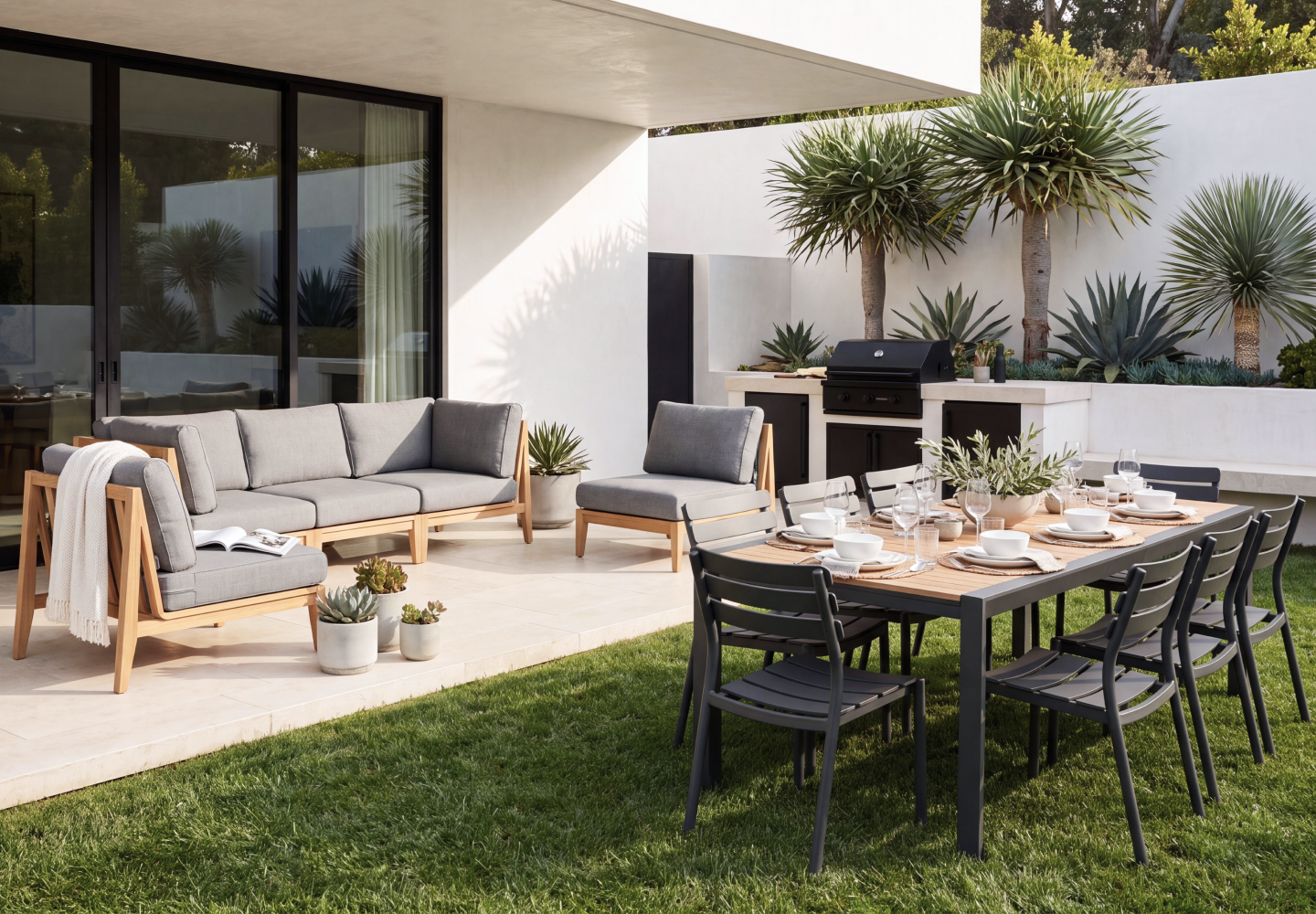
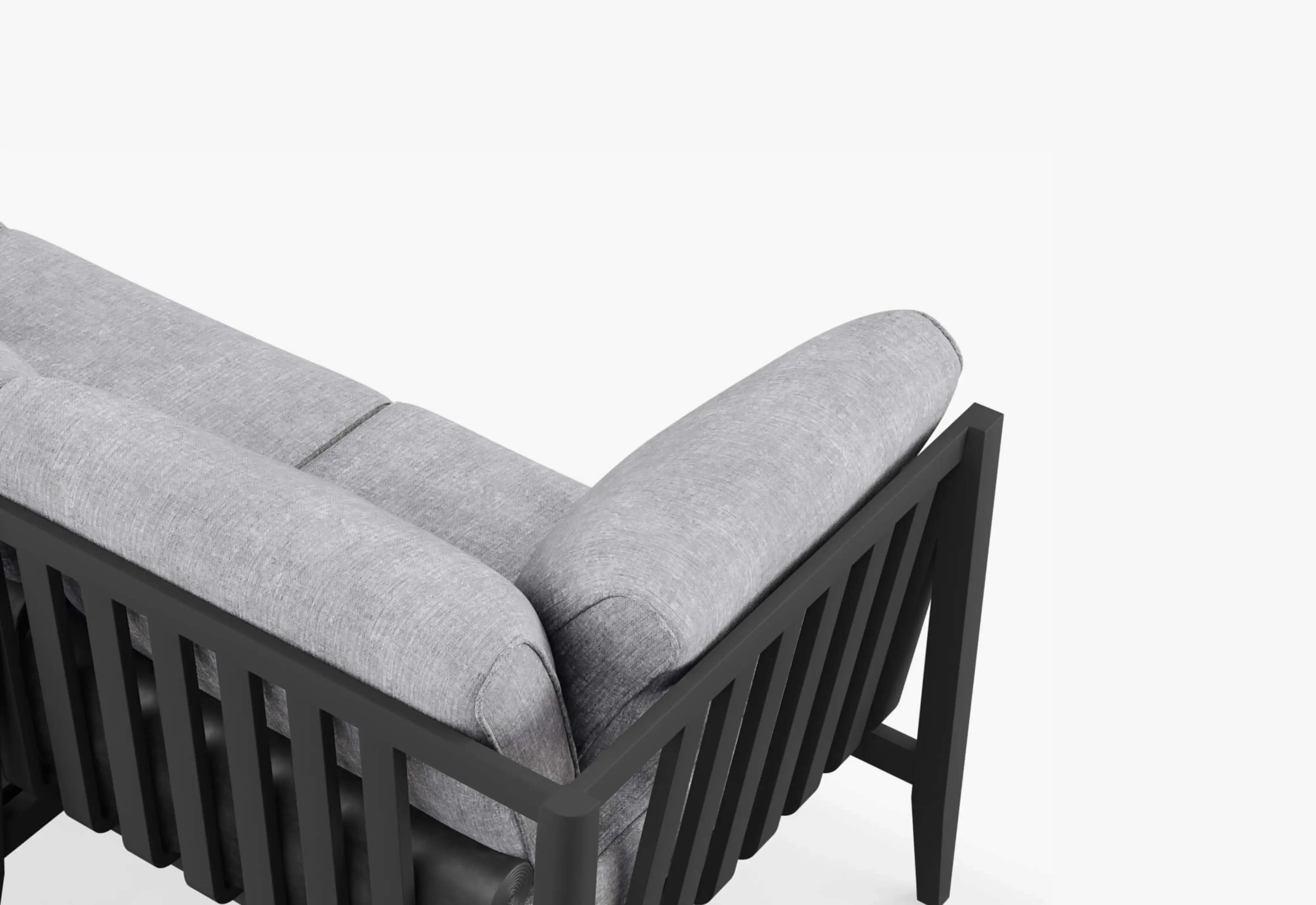
Charcoal Aluminum Outdoor Sofa with Armchairs — 5 Seat
Consider this arrangement when you want aluminum seating with a sofa and separate armchairs. Assess each piece’s exposure and confirm the protection needed for the complete layout.
- Check: Footprint, circulation space, cushion handling, and cover compatibility.
- Maintain: Inspect finish and hardware, especially where salt or repeated wetting is relevant.
- Plan: Everyday cushion protection plus storage or broader coverage for extended exposure.

Natural Wood
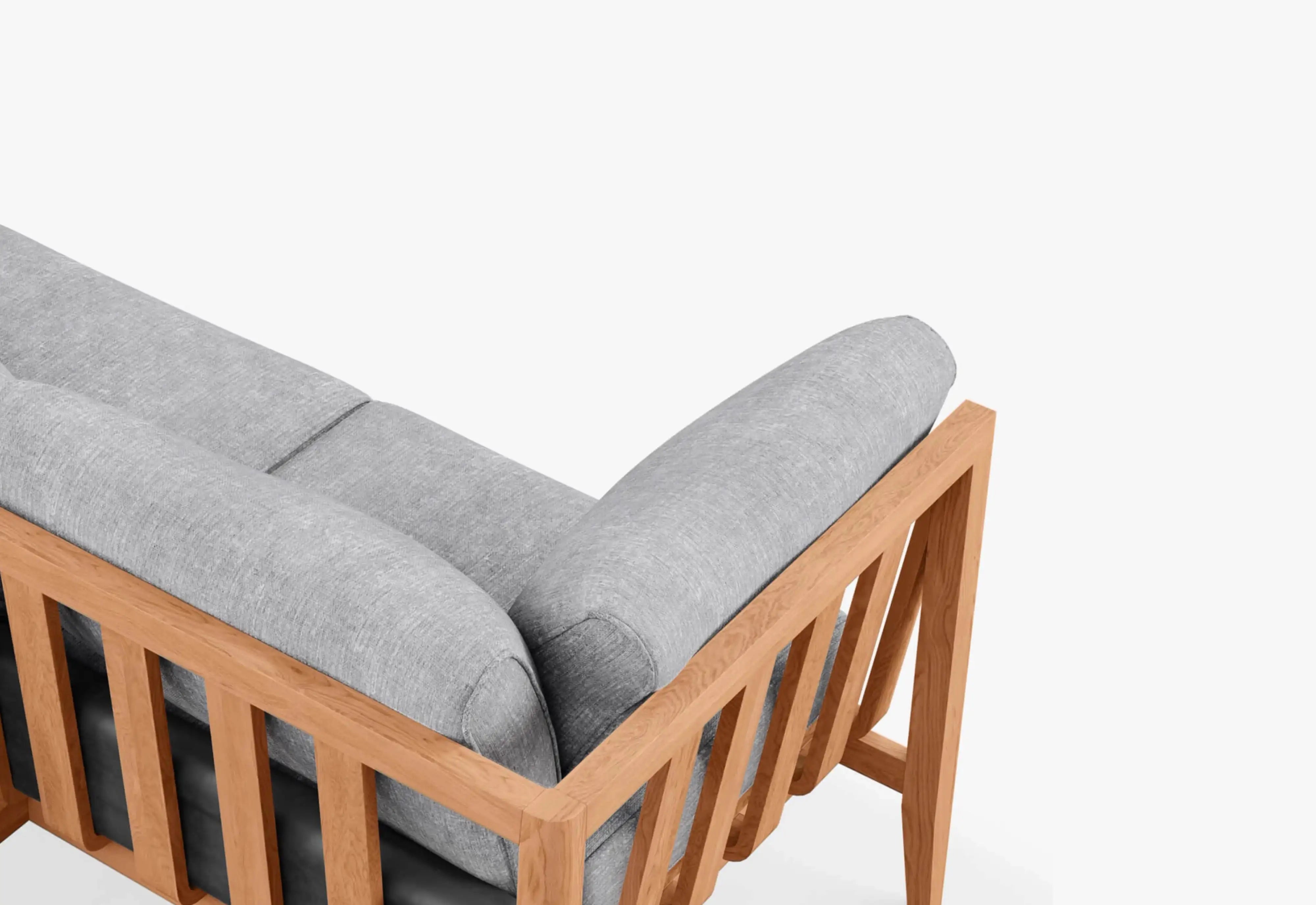
Teak Outdoor Sofa with Armless Chairs — 5 Seat
A natural-wood option to consider if you prefer teak’s appearance and are comfortable with its cleaning and weathering characteristics. Decide whether you will accept patina or maintain the original look.
View the Teak 5-Seat Sofa Shop Teak Outdoor Sofas
Woven Outdoor Seating
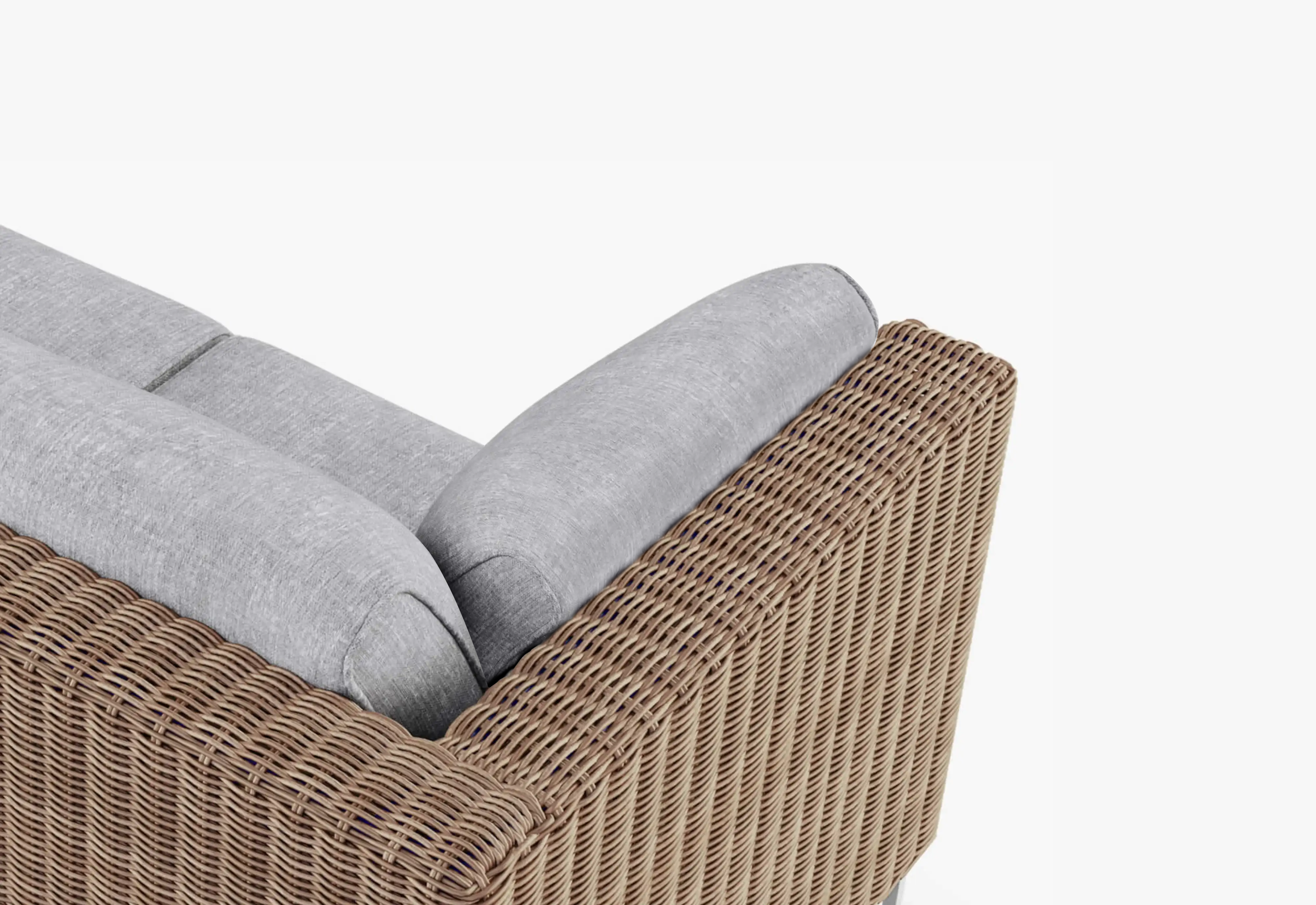
Brown Wicker Outdoor Sofa with Armless Chairs — 5 Seat
A woven seating option for an outdoor room. Compare its placement and protection needs, keep debris from collecting between the strands, and allow cleaned components to dry before covering.
View the Wicker 5-Seat Sofa Shop Wicker Outdoor Sofas
Connected Lounge Layout
White Aluminum Outdoor Corner Sectional — 5 Seat
Consider a corner sectional when it suits your patio dimensions and seating needs. Leave access around the back and underside, inspect contact points between modules, and confirm that the cover matches the assembled layout.

Broader Furniture Coverage
Outer All-Weather Furniture Covers
Select the cover designed for your particular furniture configuration. Check fit and fastening instructions, place it over dry components, and inspect it during extended periods without use.
Behind the Design
How Outer Redefined Outdoor Furniture
Explore Outer’s approach to outdoor furniture design in this video featuring Co-Founder and Chief Design Officer Terry Lin.
Watch on Outer’s official YouTube channel
Experience Outer in Real Life
Visit a Neighborhood Showroom
Explore comfort, materials, and configurations in a real-home setting. Connect with a host virtually or arrange an in-person visit where available.
Find a Showroom →Build for the Climate You Actually Live In
Start with your main exposure, then choose the frame, cushions, protection, and care routine that fit your space and the way you use it through the seasons.


