

Materials & Sustainability
Teak vs Aluminum Outdoor Dining Furniture: Which Material Fits Your Space Best?

Choosing between teak and aluminum outdoor furniture can feel straightforward at first, until you start thinking about how your dining setup will actually live outside. A table may look right in a product photo, though daily outdoor use brings different questions. How much care will it need? Will the finish still feel considered after seasons of sun and rain? Will the material still suit the way you host, gather, and spend time outside?
That is where teak vs aluminum outdoor furniture becomes a real decision, not just a style preference. Both materials are built for the outdoors, but they create very different experiences over time. For people building an outdoor dining space that feels polished, easy to live with, and lasting, the better material often comes down to how you want your outdoor space to function day after day.
At Outer, material choices are approached with the same mindset that shapes the rest of the brand: thoughtful design, long-term use, and a better everyday experience outside. If you are comparing finishes, maintenance, and the overall feel of an outdoor dining table, this guide can help you decide what belongs in your outdoor space. You can also explore more about Outer’s approach to performance materials on the Outdoor Furniture Innovation page.
Why Teak and Aluminum Keep Coming Up in Outdoor Dining
When people search for the best patio dining table, teak and aluminum usually rise to the top for a reason. Both are durable, both feel elevated in the right setting, and both work well in outdoor dining areas where furniture needs to handle weather, routine use, and changing seasons without feeling temporary.
Teak brings warmth, natural variation, and a grounded presence that works especially well in outdoor spaces where texture matters. Aluminum offers a lighter visual profile and lower maintenance, which appeals to households that want a clean look without adding much upkeep. Neither is the right answer for everyone. The better choice depends on the kind of outdoor living you want to support.
Teak
Warm, natural, substantial, and timeless in feel.
Aluminum
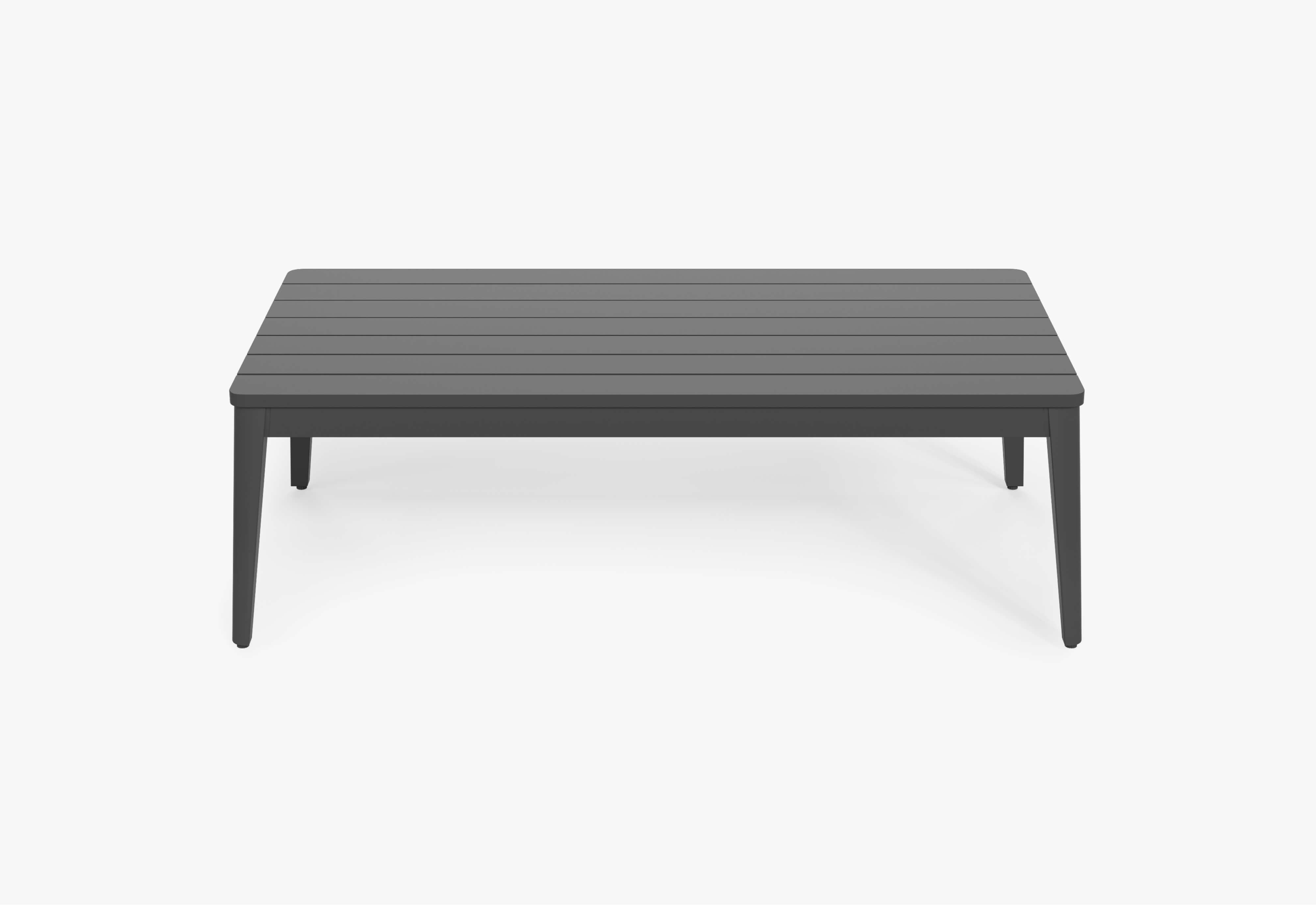
Lightweight, streamlined, rust-resistant, and easy to maintain.
What Teak Brings to an Outdoor Dining Table
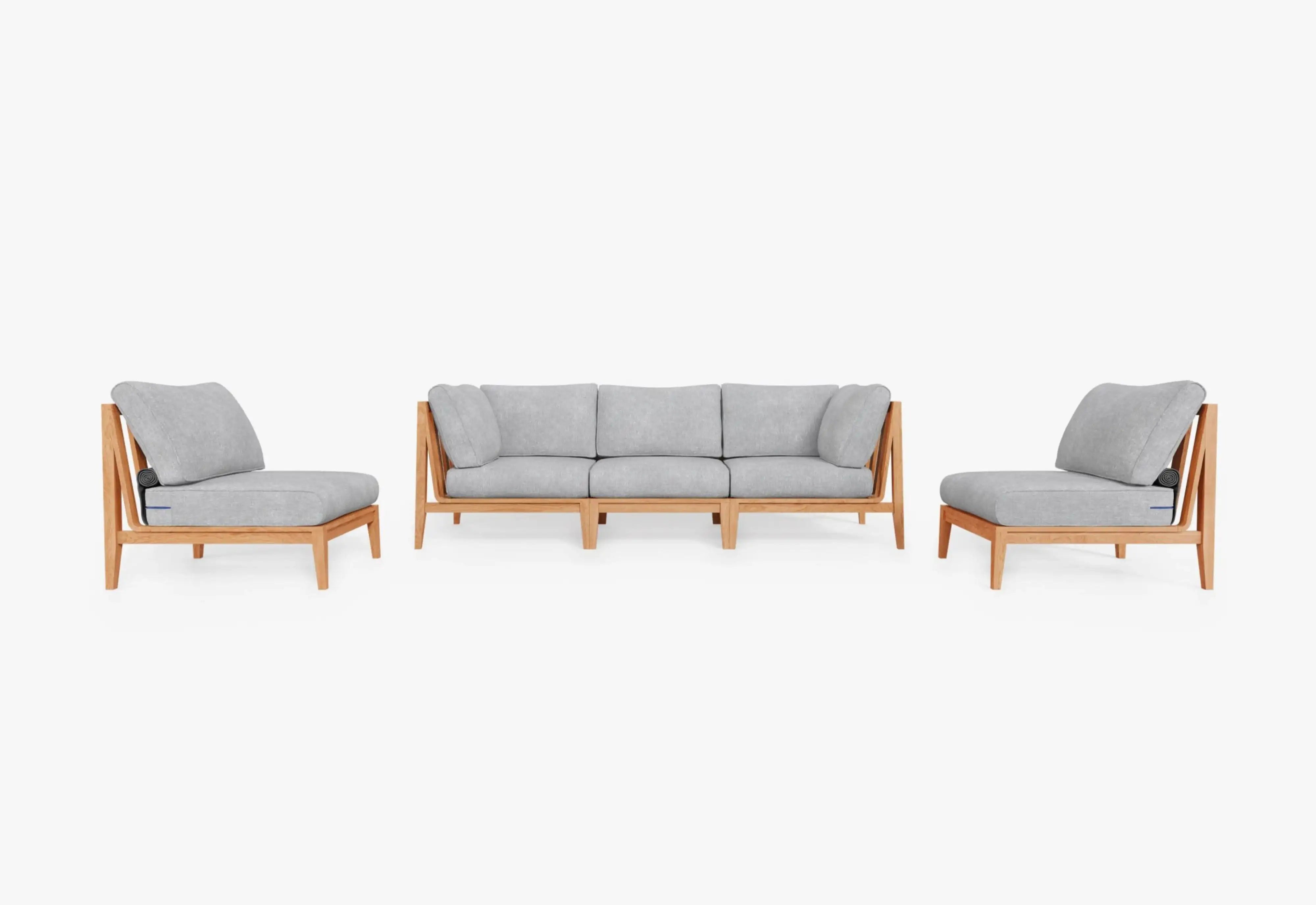
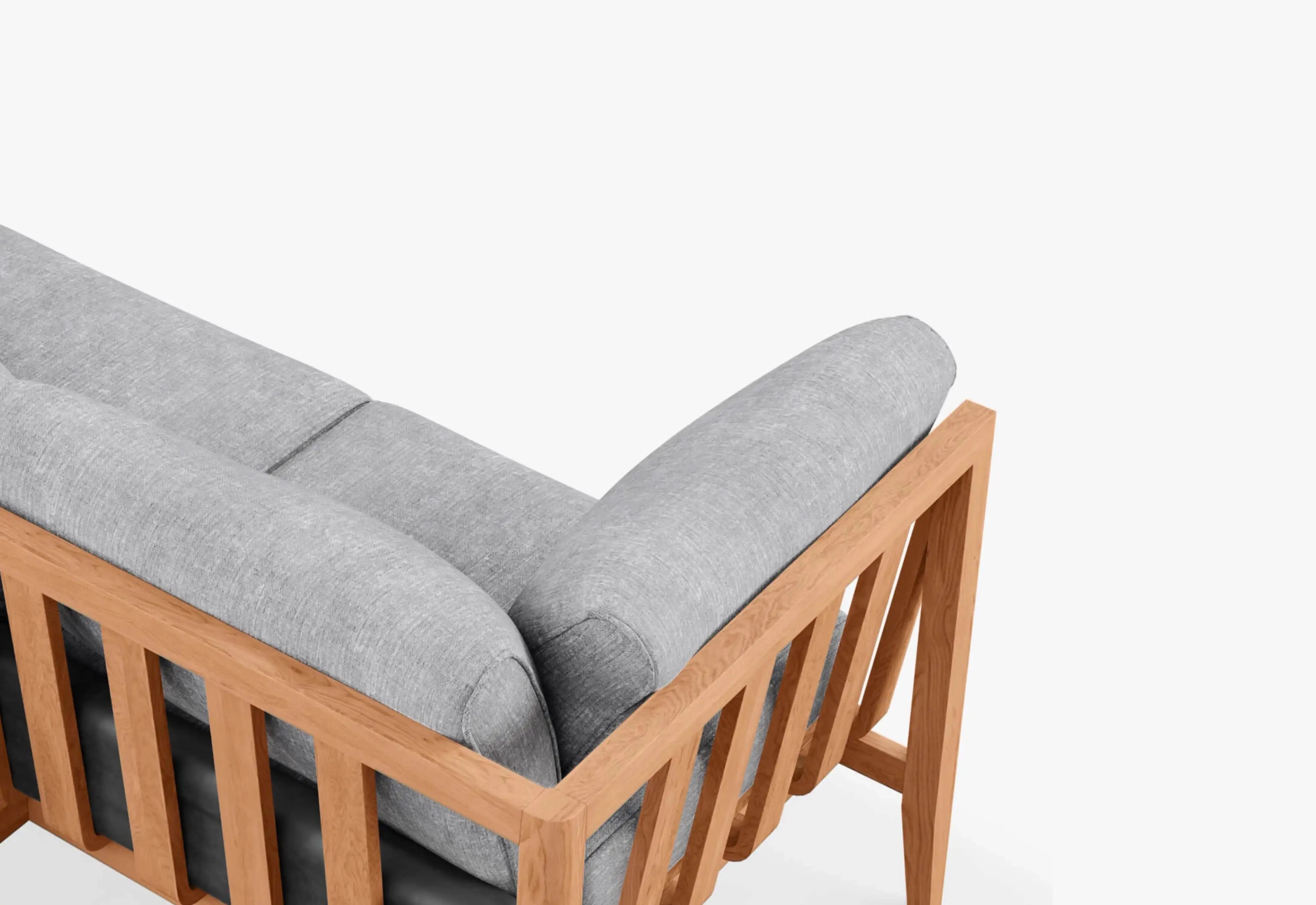
Teak has a natural richness that gives outdoor dining furniture a more organic and architectural feel. Its golden tone adds warmth right away, which is why teak often feels at home in outdoor spaces designed for longer meals, weekend gatherings, and slower evenings outside.
Over time, teak develops a silvery patina that many people appreciate because it softens the look of the wood without making the table feel worn out. For anyone who prefers the original golden tone, that finish can be maintained with teak cleaning products. From a sustainability standpoint, responsibly sourced teak also matters. Outer uses FSC®-certified teak, which supports a more considered material story for outdoor furniture.
Teak also tends to feel more substantial in use. That matters with dining furniture because the table is often the anchor of the outdoor space. A teak dining table feels stable, grounded, and visually calm even when the chairs, tableware, and styling around it change from season to season.
What Aluminum Brings to Outdoor Dining Furniture
Aluminum creates a different kind of advantage. It feels lighter, more streamlined, and easier to move when your setup changes. If your outdoor dining area shifts between everyday family meals and larger group hosting, that flexibility can be useful.
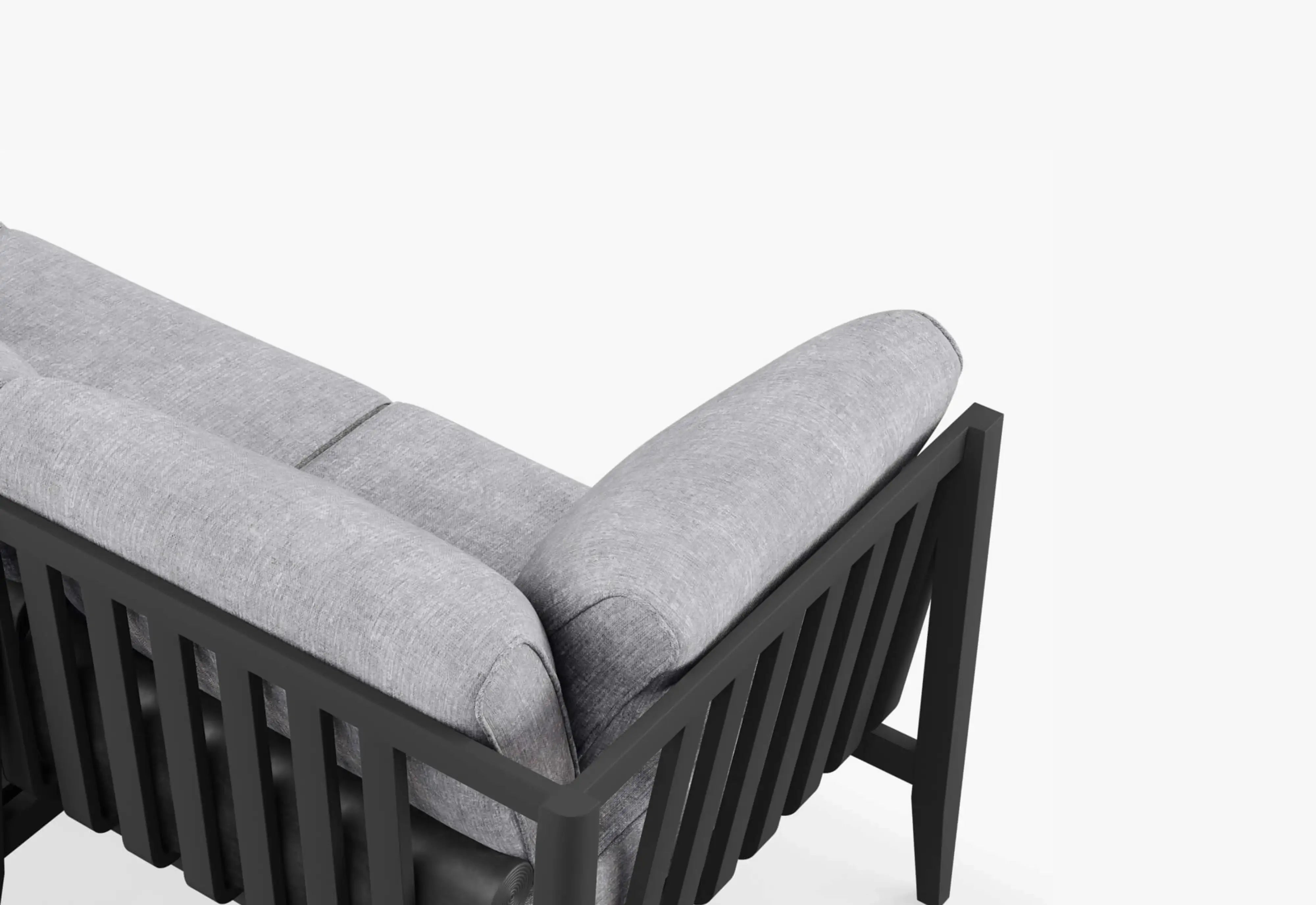
It also tends to be easier to maintain. Powder-coated aluminum is built for the outdoors and rust-resistant, which helps it hold a cleaner, more consistent appearance with less effort. For people who want the material to stay visually steady over time, aluminum often feels more straightforward. In sustainability conversations, aluminum also has value because it is recyclable.
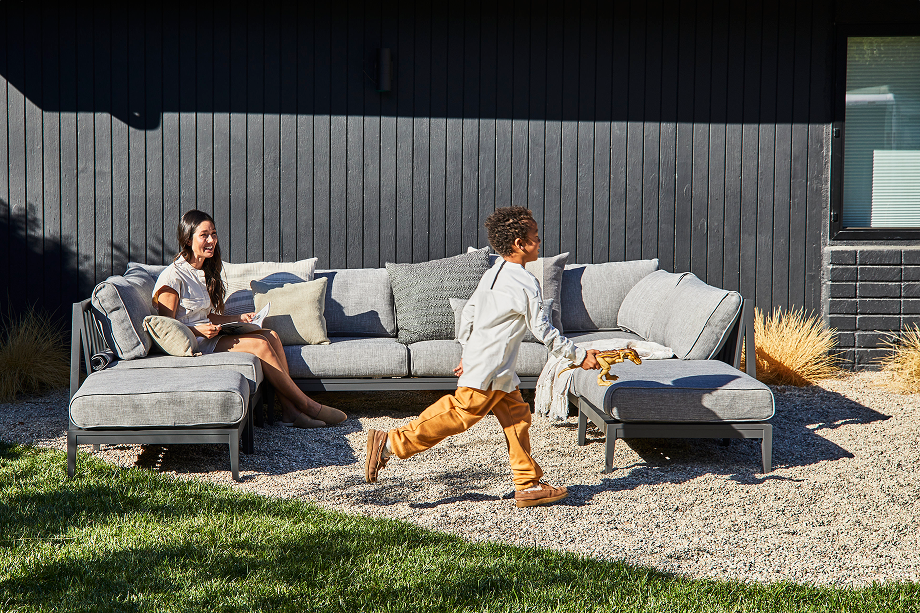
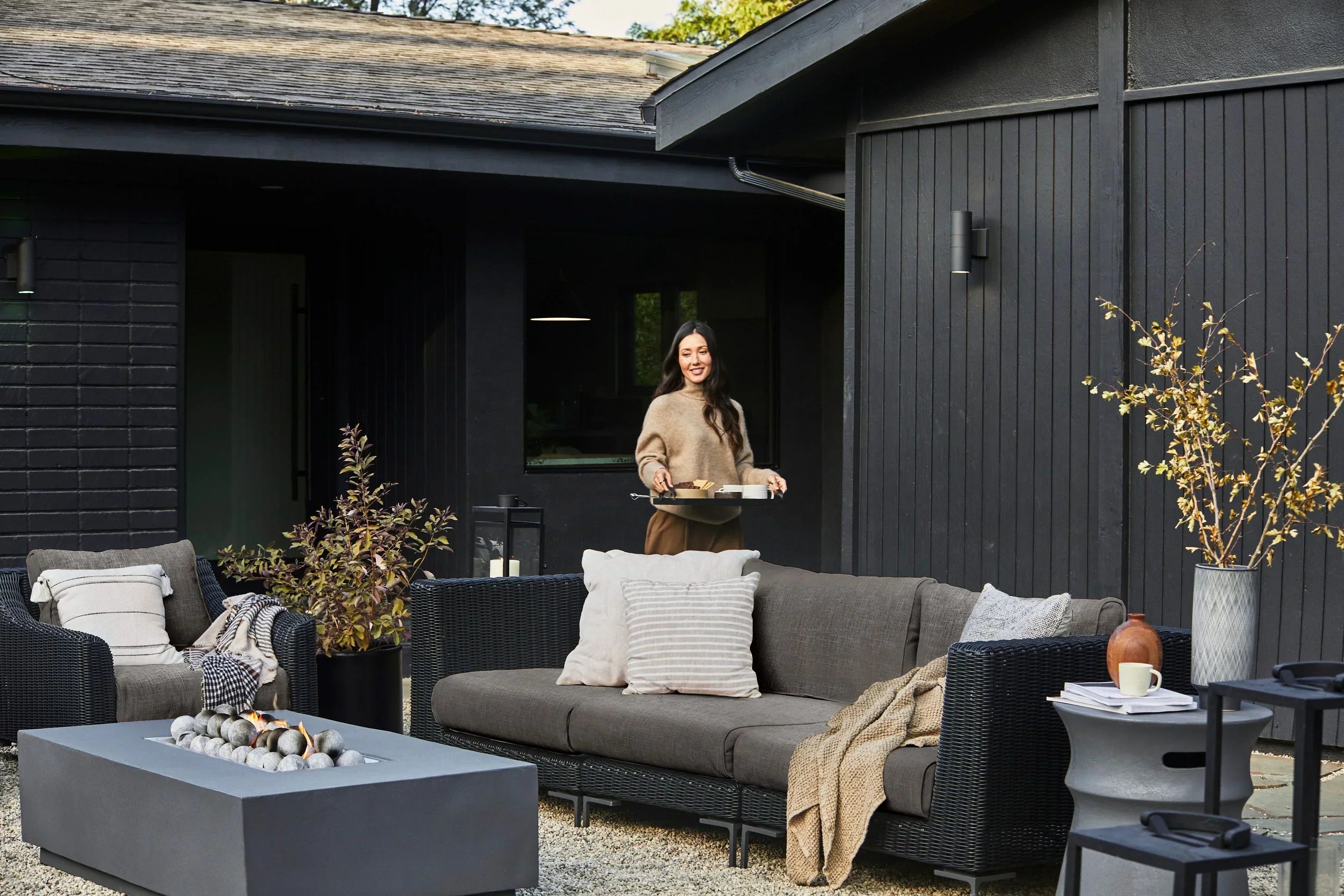
Design-wise, aluminum works especially well in outdoor spaces that lean more minimal, modern, or open. It keeps the profile of the furniture visually lighter, which can help when the dining area shares space with lounge seating, a fire pit area, or a poolside layout.
Teak vs Aluminum Outdoor Furniture: What Actually Matters Over Time
The biggest difference between teak and aluminum outdoor furniture is not just how each material looks on day one. It is how each material fits into life outdoors. Teak changes with age in a way that many people find appealing. Aluminum stays more consistent with less intervention.
That makes teak a strong fit for outdoor spaces where warmth, texture, and a more natural finish matter as much as function. Aluminum often fits better where ease, lighter visual weight, and lower maintenance are the priority. If you host often and want the dining area to feel more rooted and collected, teak may feel more satisfying. If you want a setup that is simpler to rearrange and easier to care for, aluminum may feel like the better fit.
How This Choice Fits Into Dining Outside
Outdoor dining is rarely just about the table itself. It is about building an outdoor space that supports weekday dinners, longer weekend meals, and the kind of hosting that feels relaxed rather than overplanned. The right material should make that easier, not add hassle.
If you are shaping a full dining setup, it helps to think beyond the frame alone and consider the broader furniture mix, the surrounding textures, and how the dining zone connects with the rest of your outdoor layout. For a broader look at material decisions across categories, visit What Is the Best Material for Outdoor Furniture?. If you want to compare other woven outdoor options, this guide on Rattan vs. Wicker vs. All-Weather Wicker: What’s the Difference? is also useful.
For maintenance planning, it helps to keep care simple and consistent. Brush off debris regularly, especially during high pollen or leaf seasons. Let covers dry thoroughly before tucking them away after rain or morning dew. Clean with mild soap and water as needed. For extreme weather, such as heavy snow or tropical storms, store your pieces or secure them under shelter for added protection. You can read more in How To Clean Patio Furniture: A Guide.
Which Material Fits Your Outdoor Space Best?
Choose teak if you want the dining area to feel warmer, more natural, and more grounded over time. It is a strong choice for people who care about material character and do not mind a little seasonal care to maintain the original tone.
Choose aluminum if you want outdoor dining furniture that feels lighter, simpler to maintain, and easy to integrate into a cleaner, more modern layout. It is especially practical when flexibility matters and you want the table and chairs to stay visually consistent with less upkeep.
If the goal is to build a better outdoor dining experience, both can work beautifully. The best patio dining table is not just the one that photographs well. It is the one that still feels right after repeated meals, changing weather, and real outdoor use.
Frequently Asked Questions About Teak vs Aluminum Outdoor Dining Furniture
Is teak or aluminum better for an outdoor dining table?
It depends on what you value more in your outdoor space. Teak offers a warmer and more natural look with a substantial feel, while aluminum is lighter, lower maintenance, and more visually streamlined. Both are built for the outdoors, though they support different styles of outdoor living.
Does teak outdoor dining furniture need more maintenance than aluminum?
Yes. Teak generally needs more attention if you want to preserve its original golden tone. Without that upkeep, it naturally develops a silvery patina. Aluminum is usually easier to care for and keeps a more consistent look with less effort.
Will aluminum outdoor furniture rust?
Powder-coated aluminum outdoor furniture is rust-resistant, which is one reason it is widely used for outdoor dining furniture. It is designed to handle outdoor exposure while staying easier to maintain than many heavier materials.
Is teak a sustainable material for outdoor furniture?
Teak can be part of a more responsible material choice when it is sourced thoughtfully. Outer uses FSC®-certified teak, which supports responsible forest management while also offering long-lasting outdoor performance.
What material is best for outdoor dining furniture if I host often?
If you host often and want a more grounded, collected look, teak often feels more substantial and inviting. If you host often but want easier upkeep and more flexibility in your layout, aluminum may be the better fit. The right answer depends on how you want the space to feel and function over time.