



Patio Care Guide
How to Clean Patio Furniture: A Guide
Every material on your patio needs a different approach. Wicker, teak, aluminum, and fabric each have their own method — and their own list of things that cause damage. This guide covers all four, with the tools and steps for each.

The quick answer
How to Clean Every Material on Your Patio
The universal rule: mild soap, warm water, soft brush, gentle rinse, complete dry. Each material has its own exceptions — pressure washers for wicker, oil for teak, bleach for aluminum, and machine dryers for outdoor fabric. Skip those four things and you skip the damage.
Match the method to the material. Synthetic wicker handles a hose. Teak handles a hose but skips the oil. Aluminum needs spot-cleaning. Fabric covers go in the wash. Each material has its own rules — follow them.
Clean less often with built-in protection. OuterShell® keeps cushions clean between uses. All-Weather Covers shield entire pieces during storms and winter. Prevention reduces cleaning frequency more than any technique.
Deep-clean once per season. End of summer or before winter storage. Spot-clean spills immediately. For heavy-use patios in coastal or high-pollen areas, add a mid-season rinse.
First, Reduce How Often You Need to Clean
Prevention outperforms any cleaning method. Two tools do most of the work before dirt becomes a problem.
OuterShell® — everyday cushion protection. A patented cover built into every Outer cushion. Deploy it by pulling the integrated handle forward and seating the rod. Fifteen seconds per seat. It blocks dust, pollen, dew, and bird droppings from reaching the fabric. The cover stows invisibly behind the backrest when guests arrive. No storage bag, no straps, nothing to forget.
All-Weather Cover — full-piece protection. A fitted, ventilated cover that shields the entire furniture piece. Deploy for storms, winter, salt spray, or weeks of non-use. The tailored fit includes a sloped top so water runs off, wind straps and buckles to hold it in place, and back vents that allow airflow while keeping moisture out. Only install after furniture is clean and dry. Shop All-Weather Covers.
Outer's performance fabric handles the rest. Solution-dyed acrylic with a PFAS-free nano-coating resists water, stains, bleach, and mold. Cushion covers remove easily and machine-wash on cold. Always air-dry — the dryer damages the waterproof backing.
All-Weather Wicker: Soap, Brush, Rinse, Dry
Synthetic HDPE wicker is the most practical outdoor weave. It handles water, resists UV, and cleans with basic household supplies. Outer's wicker uses 30% recycled material and is fully recyclable, handwoven over a powder-coated aluminum frame.
For a complete deep-dive: Read the full wicker cleaning guide.
Tools
- Bucket of warm water with a few drops of mild dish soap
- Soft-bristle brush
- Garden hose with adjustable nozzle
- Clean towel
Steps
- Remove cushions and loose debris. Dry-brush the frame top to bottom.
- Dip the soft brush in soap solution. Scrub along the weave — alternate horizontal and vertical strokes.
- Rinse with a garden hose on gentle to medium spray. Check corners and underneath for soap residue.
- Towel off standing water. Air-dry in partial shade. Replace cushions only after the frame is fully dry.
Skip the pressure washer.High-pressure water separates wicker strands from the frame and forces moisture into joints. A garden hose on gentle spray handles outdoor synthetic wicker. When gentle spray fails to clean the surface, the furniture is overdue for maintenance. The answer is frequency.
Teak Wood: Soap, Brush, Rinse, Walk Away
Grade A teak contains natural oils that make it rot-resistant. It needs cleaning. Twice a year with mild soap and water. Skip the oil, skip the sealer, skip the stain.
For a complete deep-dive: Read the full teak cleaning guide.
Tools
- Bucket of warm water with mild dish soap
- Soft-bristle brush
- Garden hose
- Clean towel
- Optional: 220-grit sandpaper for raised grain
Steps
- Dip the soft brush into soap solution. Scrub along the wood grain, top to bottom.
- Rinse with a garden hose on gentle spray. Keep the nozzle at least two feet from the surface.
- Towel dry. Air-dry in partial shade.
- If the surface feels rough after drying, sand lightly with 220-grit paper, following the grain.
Apply teak oil? No.Grade A teak produces its own protective oils from within the heartwood. External oil seals the surface and traps moisture — which feeds mildew in the grain. Leave teak bare. It protects itself.
Metal Frames: Spot-Clean and Rinse
Powder-coated aluminum frames with stainless steel hardware handle weather with minimal upkeep. Cleaning maintains appearance. The metal resists rust and corrosion on its own.
Tools
- Bucket of warm water
- Mild detergent (1 part detergent to 3 parts water)
- Soft rag or microfiber cloth
- Garden hose
Steps
- Mix a 1:3 detergent-to-water solution.
- Spot-clean scuff marks and visible dirt with a soft rag. Work from the outside of the mark inward.
- Rinse the frame with a garden hose to remove detergent residue.
- Air-dry before replacing cushions or installing a cover.
Abrasive pads and steel wool embed fragments that rust within days. Stick to soft cloth. If a scuff won't lift with mild detergent, it's cosmetic — the powder coat underneath is intact.
Outdoor Fabric: Machine-Wash Covers, Spot-Clean Stains
Outer cushion covers use solution-dyed performance fabric with a PFAS-free nano-coating. They resist water, stains, bleach, and mold. They're also machine-washable — a rarity in outdoor furniture.
Tools
- Washing machine (cold water, gentle cycle)
- Mild laundry detergent
- Soft rag for spot cleaning
- Optional: diluted bleach solution for mold (1:3 bleach-to-water)
Steps
- Remove cushion covers. Machine-wash on cold/gentle. Air-dry only — never machine-dry.
- For spot cleaning: mix 1 part detergent to 3 parts water. Blot from the center outward. Dab dry after each pass.
- For mold: use 1:3 bleach-to-water on the affected area. Rinse thoroughly. Air-dry in direct sun for two hours — UV kills residual spores.
- The foam insert does not go in the wash. Lay it flat to dry if soaked. OuterShell® prevents most deep saturation before it starts.
Always check the care label.Outer cushion covers are designed for machine washing. Other brands may not be. Before buying outdoor furniture, confirm that cushion covers are removable and washable — it directly affects long-term ownership cost.
How Climate Affects Your Cleaning Schedule
| Climate | Main threat | Adjustment |
|---|---|---|
| Sun and heat | Baked-on pollen, sunscreen, body oils | Clean oily marks within 24 hours. Brush dust weekly. Dry washed furniture in shade. |
| Rain and humidity | Mildew, trapped moisture | Check beneath cushions after rain. Let everything dry before covering. Brush weekly above 70% RH. |
| Coastal salt air | Salt film on all surfaces | Fresh-water rinse every 2–3 weeks. Salt is abrasive to wicker, teak, metal, and fabric alike. |
| Snow and freeze-thaw | Water expansion in joints and foam | Clean and fully dry before first frost. Install All-Weather Covers. Remove snow after each storm. |
The Real Cost of Patio Furniture Maintenance
Cleaning supplies are cheap — mild soap, a soft brush, and a microfiber cloth run about $30 a year. The variable is time. Furniture that demands cushion storage, specialty cleaners, or frequent deep-cleans costs far more in hours than in dollars.
Material choice drives the real cost difference. Teak and aluminum eliminate annual treatments from the routine. Wicker needs a brush and a rinse. Fabric covers go in the wash. A patio furnished with self-protecting materials and built-in cushion covers converts cleaning from a weekend project into a 15-minute task. See how OuterShell® changes the cleaning equation.
Furniture That Cleans Up in Minutes
Washable covers. Built-in protection. Every material covered.

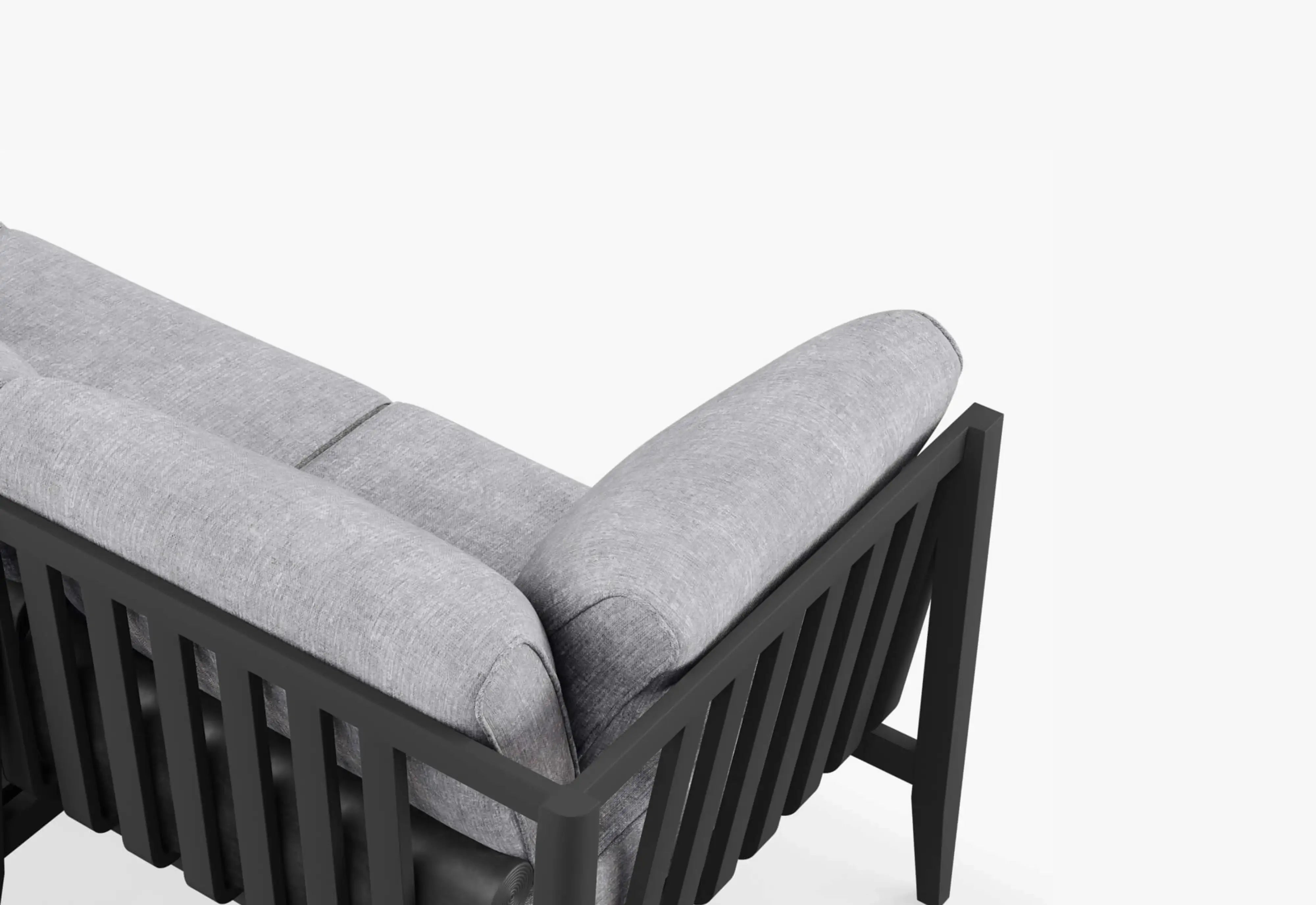
Aluminum Outdoor Sofa — 3 Seat
Powder-coated aluminum frame with stainless steel hardware. Machine-washable cushion covers. OuterShell® built in.
OuterShell® built-in
Sandstone Gray

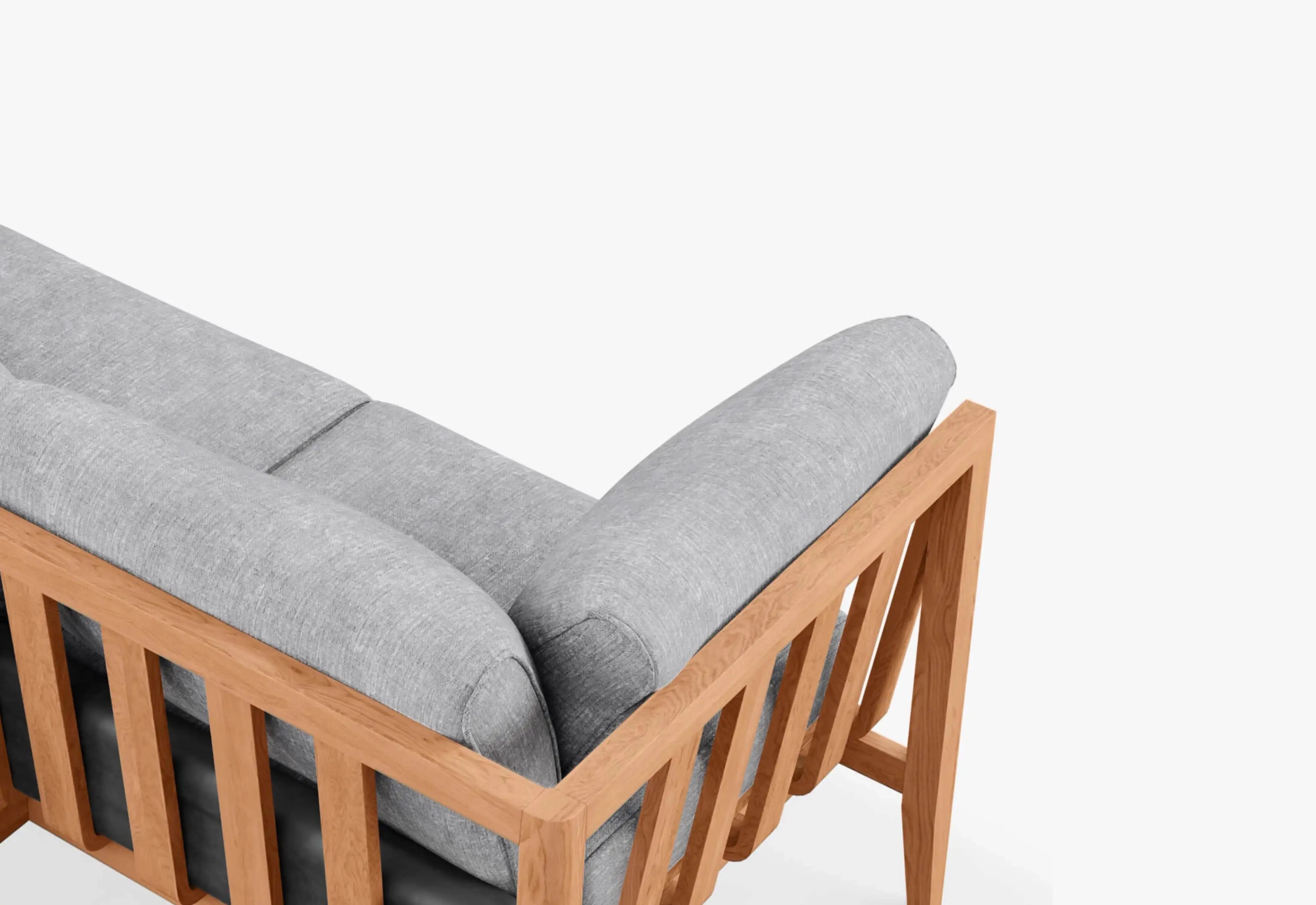
Teak Outdoor Sofa — 3 Seat
Solid Grade A FSC-certified teak. No oil, no sealer, no annual treatments. OuterShell® protects the cushion while the wood protects itself.
OuterShell® built-in
Natural teak / Pacific Fog Gray

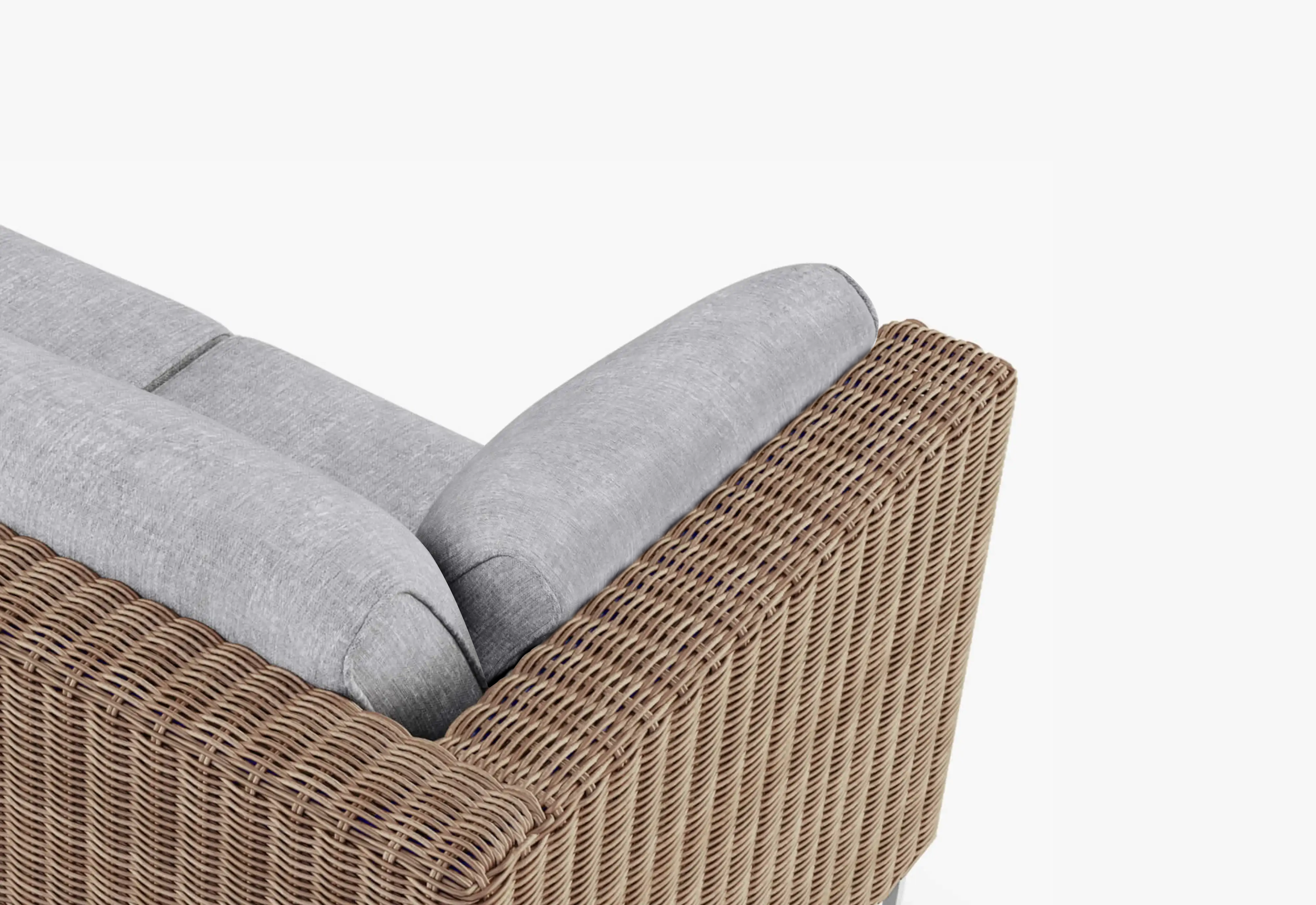
Brown Wicker Outdoor Sofa — 3 Seat
Handwoven HDPE wicker on a powder-coated aluminum frame. Same washable cushions, same built-in OuterShell®.
OuterShell® built-in
Brown wicker / Pacific Fog Gray

Shop All-Weather Covers
Tailored, vented covers for every Outer piece. Deploy over OuterShell® during storms, winter, or extended absence.
Wind straps + buckles
Vented base
Common questions
Patio Furniture Cleaning FAQ
How often should I clean my patio furniture?
Deep-clean once per outdoor season — end of summer or before winter storage. Spot-clean spills immediately. Brush or rinse after storms, heavy pollen, or coastal salt exposure. Furniture with built-in cushion protection needs less frequent deep-cleaning because the seating surface stays covered between uses.
Can I use a pressure washer on patio furniture?
No — across all materials. Pressure washers separate wicker from its frame, strip teak's natural oils, chip powder coating from aluminum, and force water past fabric seams into cushion foam. A garden hose on gentle spray handles every material. More pressure does not mean cleaner — it means damage.
How do I clean outdoor cushion covers?
Outer cushion covers are removable and machine-washable on cold/gentle. Air-dry only — the dryer destroys the waterproof backing. For spot cleaning, mix 1 part detergent to 3 parts water. Blot from the center outward. The foam insert never goes in the wash. Read the full cushion cleaning guide.
Does teak furniture need oiling?
No. Grade A teak produces its own oils from within the heartwood. External oil seals the surface wide, traps internal moisture, and creates conditions that promote mildew. Clean with mild soap and water. That's it.
How do I remove mold from outdoor furniture?
For fabric: mix 1 part bleach to 3 parts water, apply to the affected area, rinse, and air-dry in direct sun. For wicker and teak: use the standard mild-soap solution and dry completely. For metal: mild detergent on a soft rag. Never cover damp furniture — trapped moisture is what feeds mold in the first place.
What is the easiest patio furniture to keep clean?
Aluminum frames with machine-washable cushion covers and built-in OuterShell® protection. The frame needs spot-cleaning with mild detergent. The cushion covers go in the wash twice a season. OuterShell® handles daily dust, pollen, and dew in fifteen seconds. Teak is a close second — mild soap and water, twice a year, zero treatments.

Gentle Tools. Mild Soap. Complete Dry
The right furniture makes cleaning the easiest part of outdoor living.