

Outdoor Furniture Materials Guide · Updated 2026
Best Outdoor Furniture Material for Rainy or Coastal Climates
Rainy and coastal climates ask more from outdoor furniture. This guide explores which materials work best in wetter environments, how maintenance needs change, and when built-in protection or full covers become even more important.

Not every outdoor climate asks the same thing from furniture. A dry, sunny patio and a wet, coastal setting may look equally beautiful, but they place very different demands on the materials you live with every day.
In rainy or coastal climates, the best outdoor furniture material is usually the one that balances three things well: how it handles moisture, how much upkeep it asks of you, and how naturally it fits into your everyday routine. That is why the real answer is not just about the frame. It is also about cushions, protection, drying habits, and the type of outdoor life you want the space to support.
Quick Answer
If you want the shortest answer: aluminum is often the easiest fit for rainy or coastal climates when lower-maintenance living matters most. Teak can also work beautifully in wetter environments, especially if you like a more natural look and are comfortable with the way it evolves over time. All-weather wicker can be a strong choice when you want a softer, more relaxed visual style, as long as routine cleaning remains part of the plan.
In rainy or coastal climates, the best material is usually not the one that needs no care — it is the one whose maintenance rhythm best matches the way you actually live outside.
What Matters Most in Rainy or Coastal Climates
Wetter environments change the priorities. Instead of asking only what looks best, people start asking what dries more easily, what feels easier to clean, and what will still feel inviting after repeated exposure to dew, rain, humidity, salt air, and general outdoor residue.
That is why material decisions in rainy or coastal areas often come down to a few practical questions:
How does it handle regular moisture?
Wet climates bring repeated exposure, not just occasional weather.
How much maintenance feels realistic?
The best material on paper may not be the best fit if the upkeep does not match your routine.
How easy is the full setup to protect?
Cushions and protection systems matter just as much as the frame when rain is frequent.
Teak in Rainy or Coastal Climates
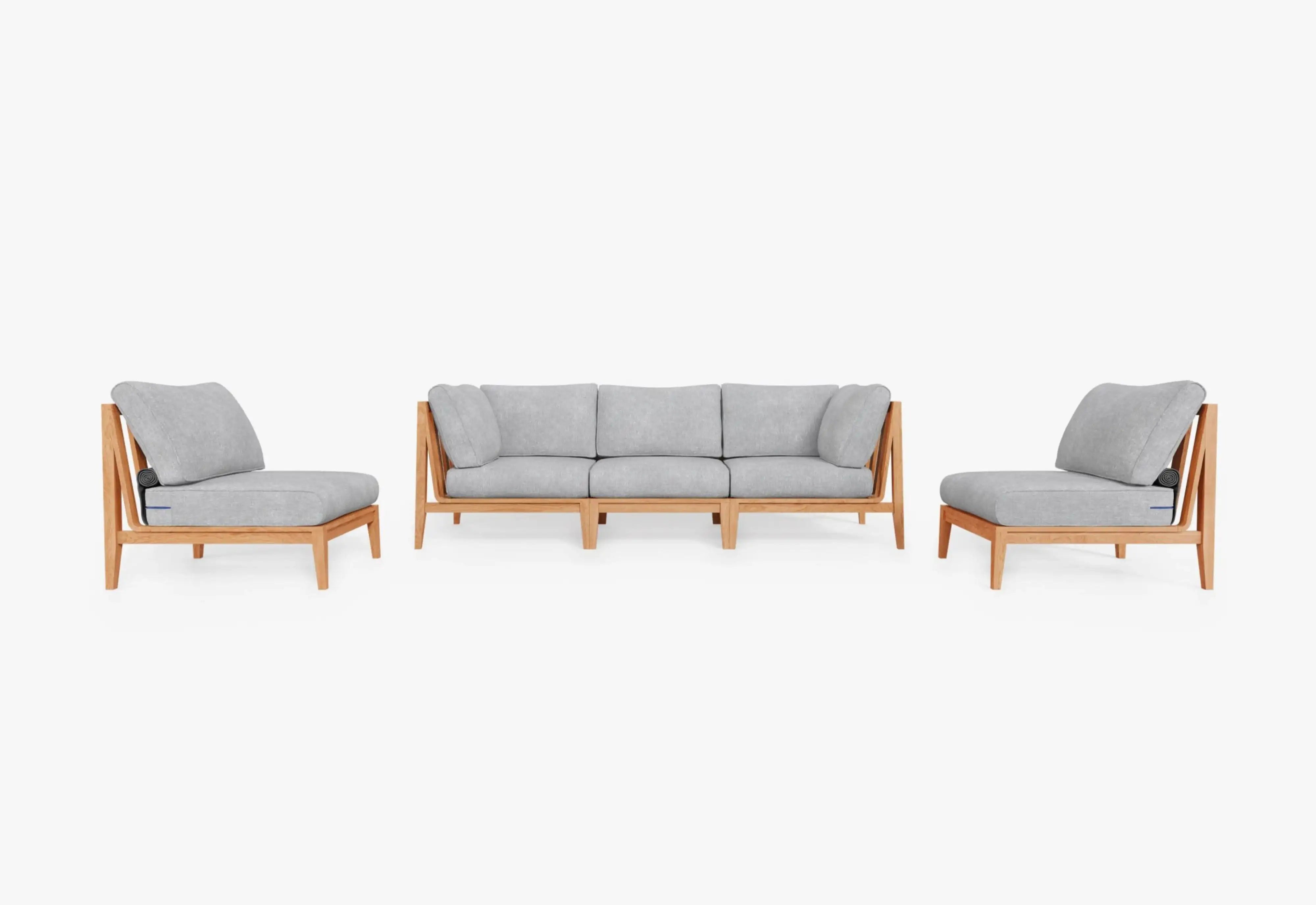
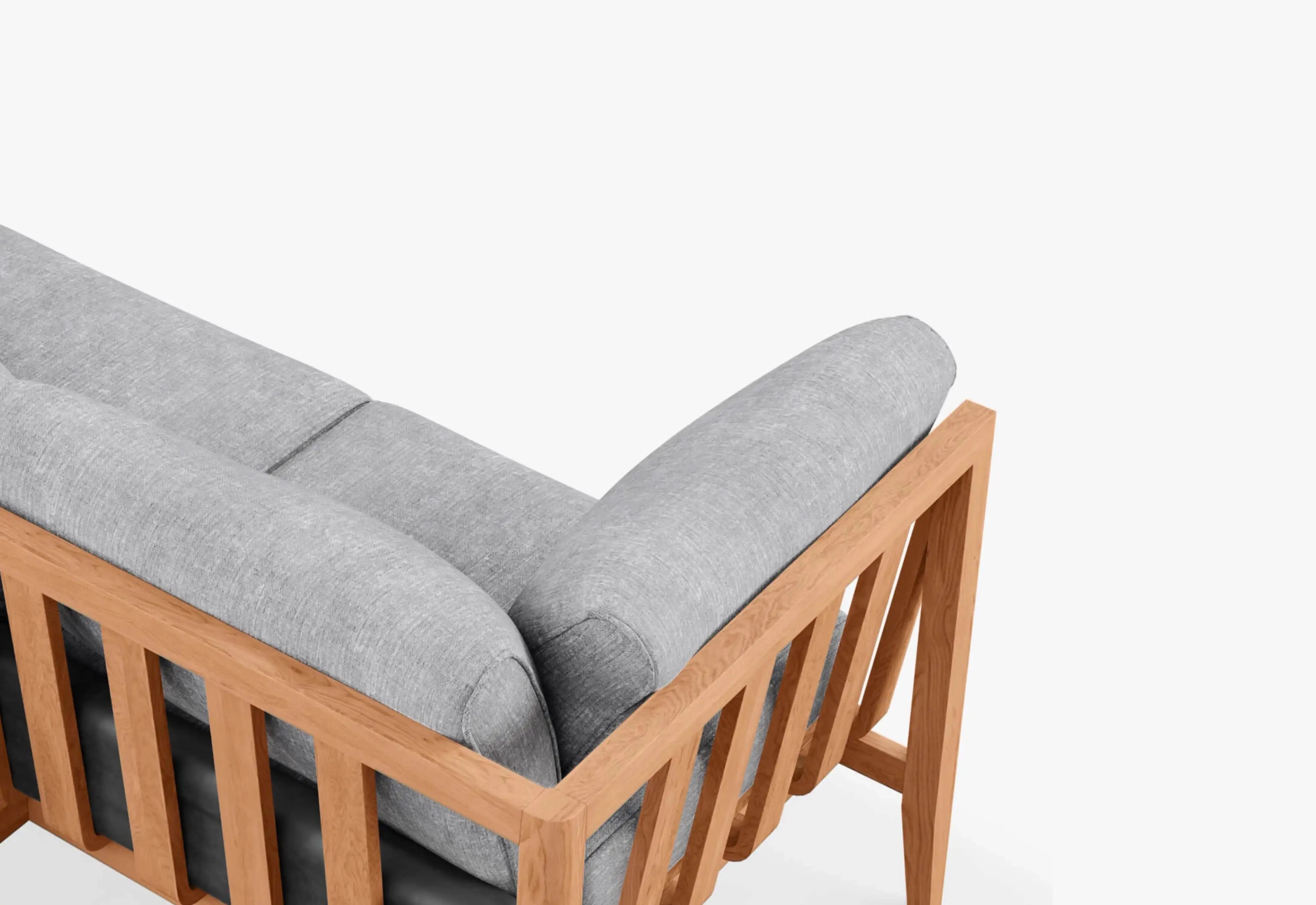
Teak remains one of the most beautiful outdoor furniture materials for a reason. It brings warmth, natural texture, and a timeless quality that many people want in an outdoor space. In wetter climates, teak can still be an excellent choice, especially for homeowners who are drawn to natural materials and do not mind a more organic aging process.
One of the defining characteristics of teak is how it changes over time. Exposed outdoors, it can shift from its original golden tone to a silver-gray patina. That change is cosmetic and often part of the material’s appeal, especially in climates where outdoor furniture naturally lives in closer conversation with the weather. If you want to preserve the original tone, though, teak asks for more intentional care.

Teak is a strong fit if…
You want a natural, elevated look and are comfortable letting the material age gracefully over time.
Teak may ask more from you if…
You want to preserve its original golden appearance rather than let it develop a silver-gray finish.
Aluminum in Rainy or Coastal Climates
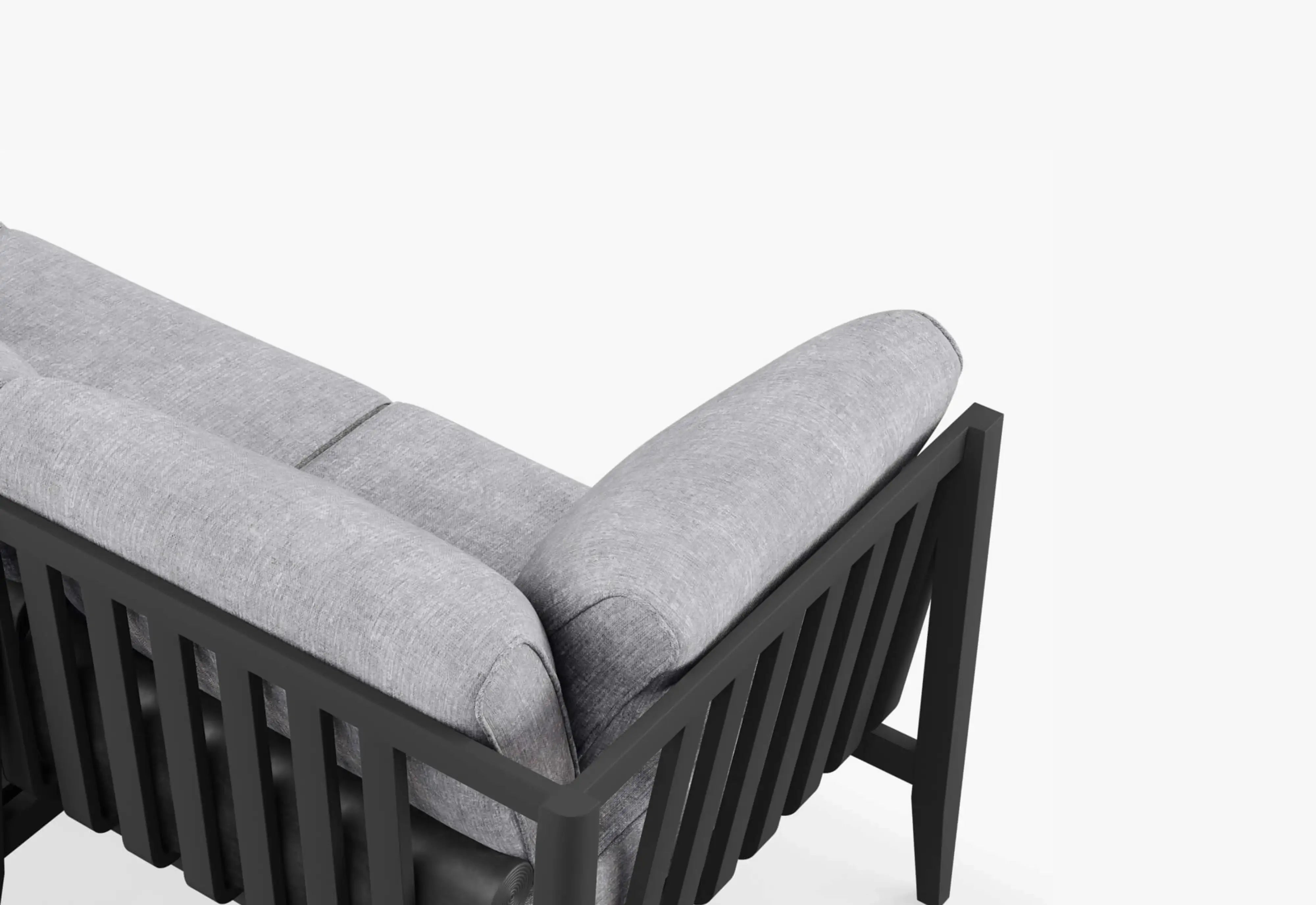
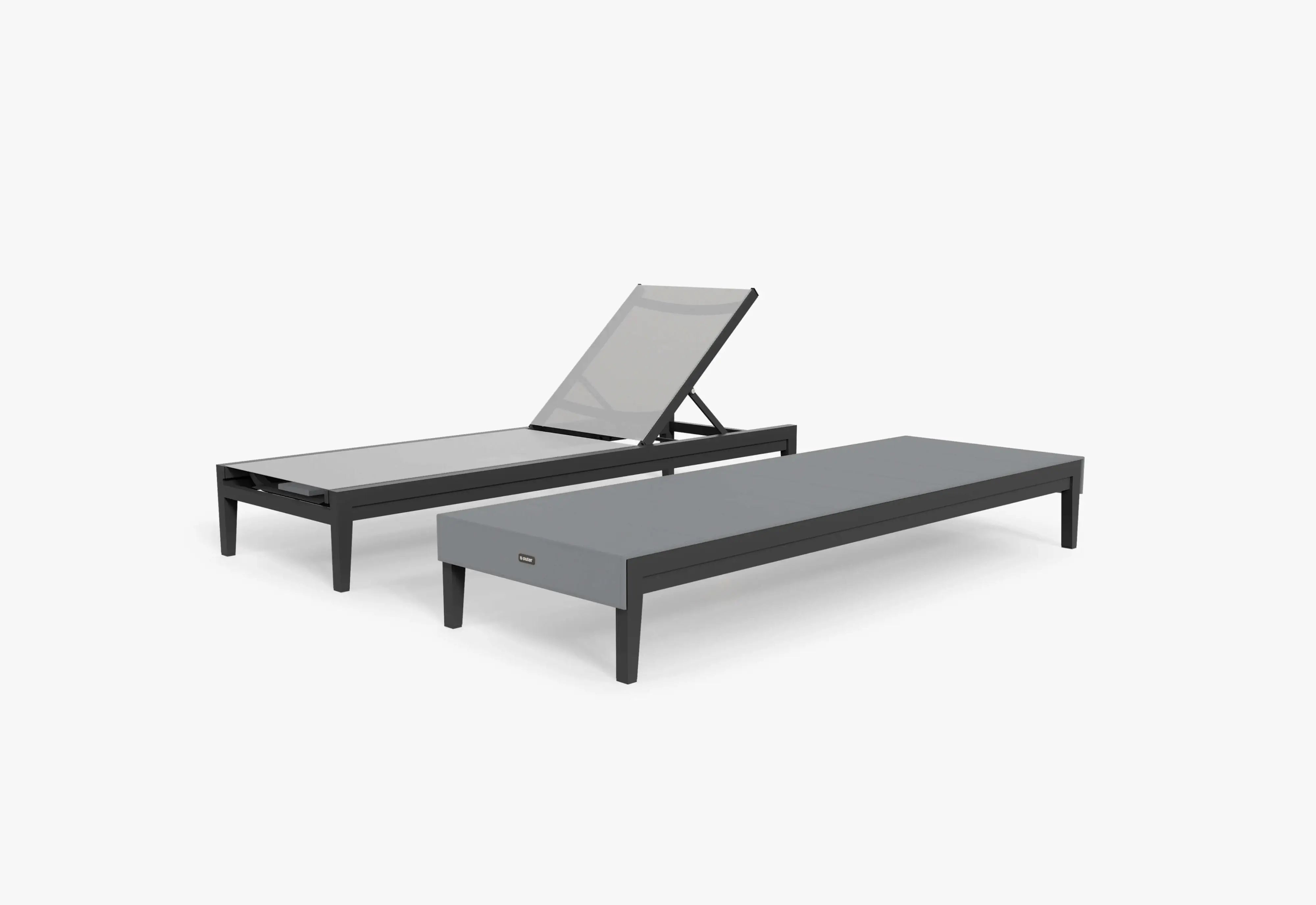
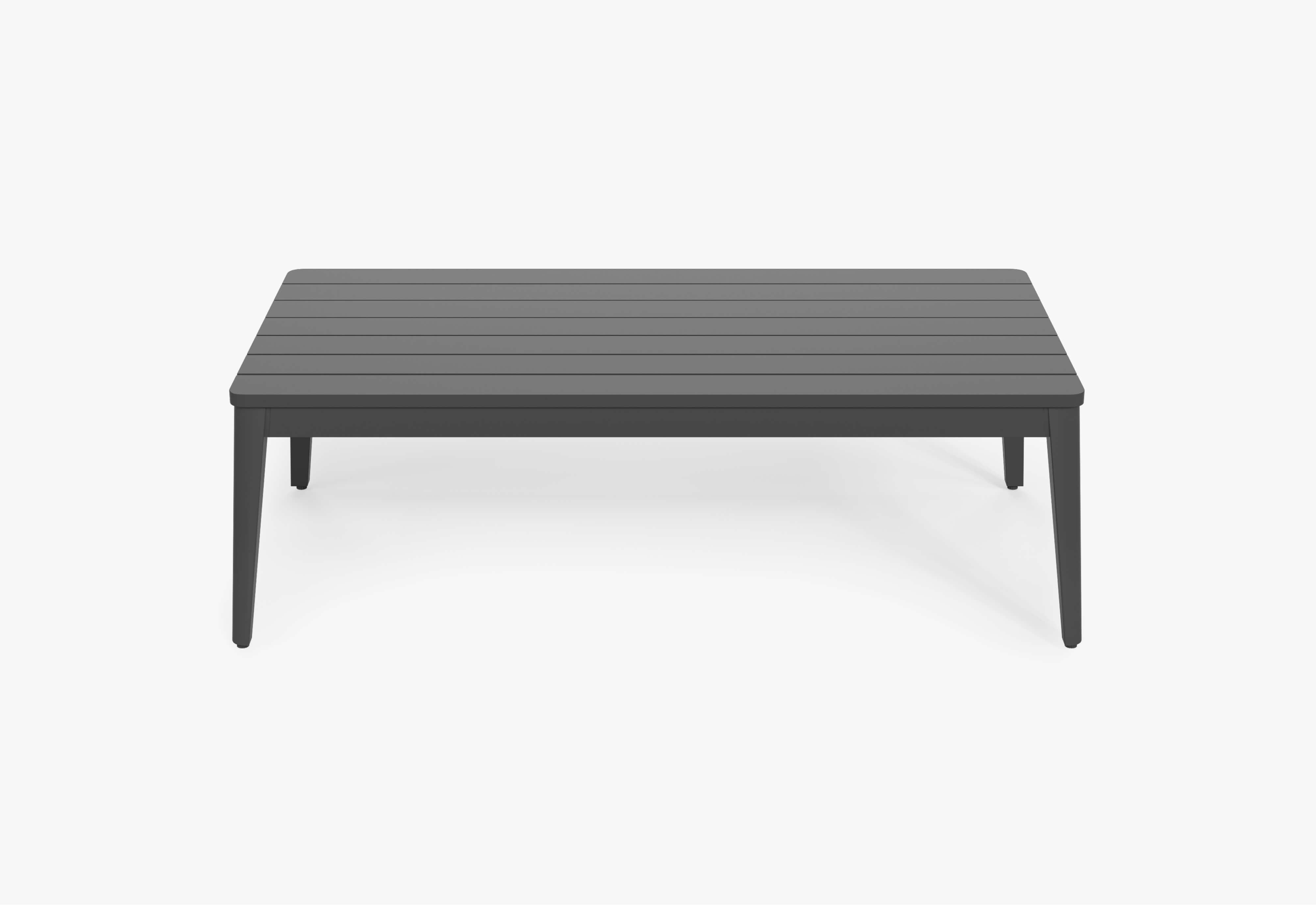
Aluminum is often the simplest answer for wetter climates because it combines a clean, modern look with a more straightforward maintenance rhythm. It tends to feel lighter visually, easier to manage day to day, and more aligned with homeowners who want performance without too much intervention.
In practical terms, aluminum is often a strong fit when moisture, salt air, and frequent weather exposure make easier upkeep a priority. It also works well in homes that want a more architectural outdoor style or a patio that feels crisp rather than organic.
Aluminum is best for…
Homeowners who want lower day-to-day friction in wetter climates and a cleaner modern look.
Why it stands out
It tends to feel easier from a maintenance perspective while still looking refined outdoors.
Who usually prefers it
People who want consistency, simplicity, and less concern about a visibly changing material surface.
All-Weather Wicker in Rainy or Coastal Climates
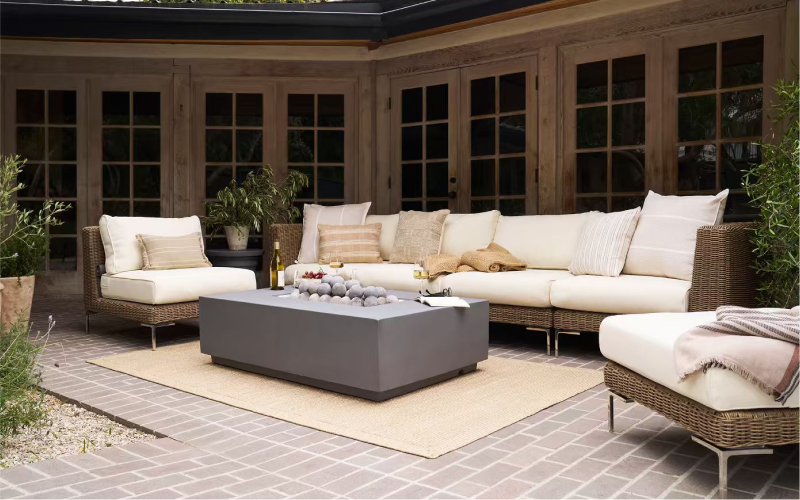
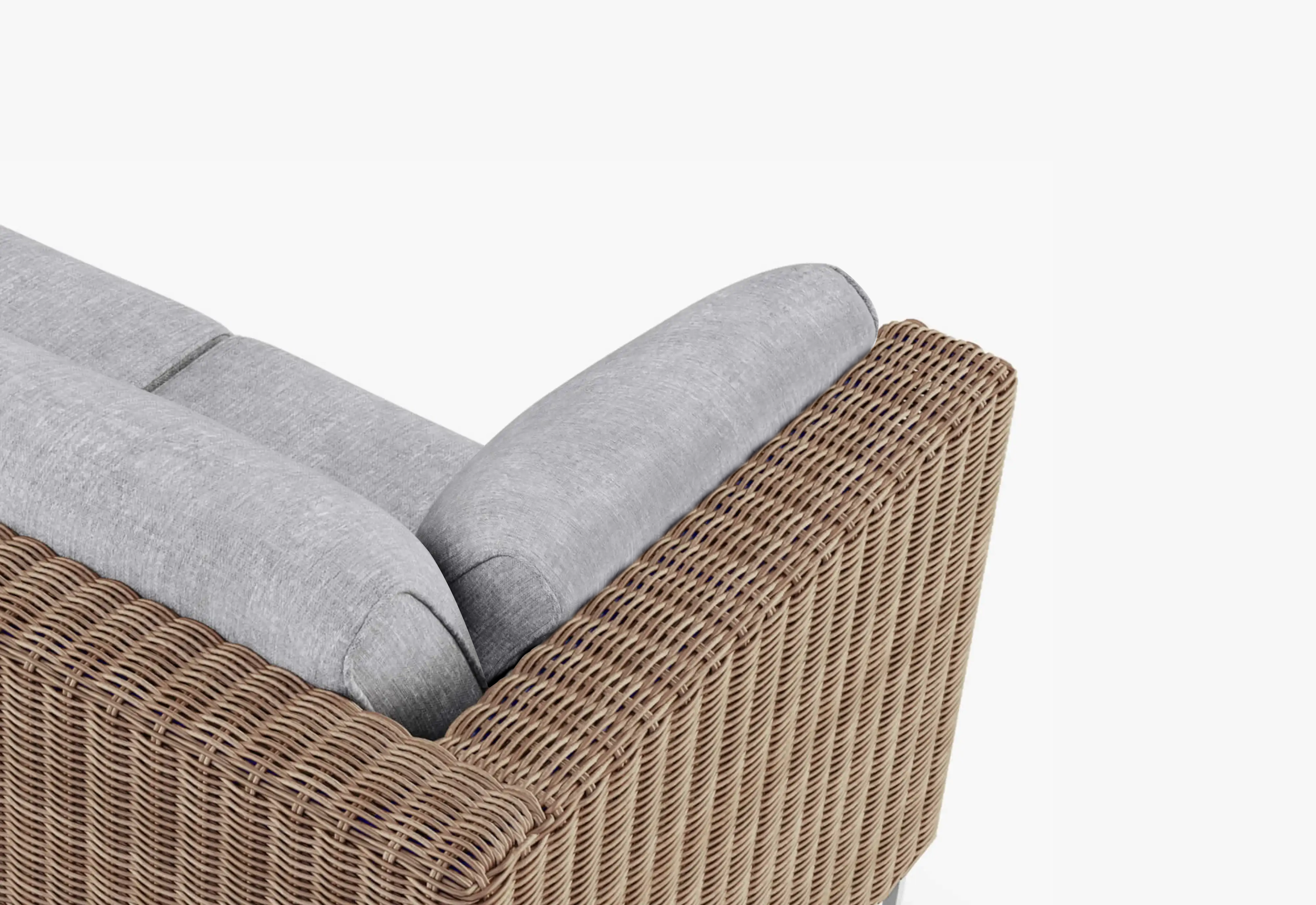
All-weather wicker can also be a good fit in rainy or coastal areas, especially for spaces where you want the visual softness of a more relaxed, lounge-oriented setup. It is particularly attractive when comfort, texture, and a resort-like mood matter as much as durability.
The key with wicker is not avoiding the material, but understanding the maintenance style that comes with it. Debris can collect in the weave, which is why periodic cleanup matters. Outer’s care guidance recommends removing trapped debris, cleaning gently, rinsing thoroughly, and avoiding bleach or abrasive cleaners that can damage the wicker over time. :contentReference[oaicite:3]{index=3}
Wicker is a strong fit if…
You want a softer, more relaxed outdoor look and do not mind occasional weave-focused cleaning.
Wicker may not be ideal if…
You want the cleanest possible surface language and the least amount of detail work during routine upkeep.
Comparison Table: Best Material for Wet or Coastal Conditions
| Material | Visual Feel | Wet/Coastal Climate Fit | Maintenance Style |
|---|---|---|---|
| Teak | Warm, natural, timeless | Strong fit if you like natural aging and wood character | Easy if you embrace patina; more work if preserving the original tone |
| Aluminum | Clean, modern, minimal | Often the easiest fit for wetter or coastal environments | Generally simpler routine upkeep |
| All-weather wicker | Soft, textured, relaxed | Good fit when paired with a practical cleaning routine | Gentle, recurring cleanup to keep the weave clear |
In Rainy Climates, Protection Matters as Much as Material
In wetter environments, the frame is only half the conversation. Cushions often determine whether outdoor furniture feels ready to use after a stretch of weather. That is why protection systems matter just as much as the material you choose.
For everyday conditions like dew, dirt, and light to medium rain, built-in cushion protection can make outdoor living feel much easier. OuterShell® is designed around that day-to-day use case. But if your furniture will sit through several days of rain, harsher winters, or long periods without use, full outdoor covers are the stronger answer.
Protection matters in wetter climates
Explore Everyday and Extended Weather Protection
See how built-in cushion protection and full outdoor covers each fit into a smarter rainy-climate routine.
Which Material Is Right for You?
Choose teak if…
You want warmth, natural texture, and do not mind a material that visibly evolves over time in outdoor conditions.
Choose aluminum if…
You want the easiest overall fit for wet or coastal conditions, especially if lower-maintenance living matters most.
Choose wicker if…
You want softness and texture in the visual language of the space and are comfortable with a more hands-on cleaning rhythm.
In the end, rainy and coastal climates do not eliminate great material options. They simply make your priorities clearer. If you want warmth and natural character, teak may still be the right answer. If you want the easiest day-to-day path, aluminum often leads. If you want a more relaxed and layered outdoor room, all-weather wicker can absolutely still belong.
Explore by material
Find the Right Outdoor Material for Your Climate
Compare material directions and protection options to build an outdoor space that fits both your weather and your routine.
Frequently Asked Questions
What is the best outdoor furniture material for rainy climates?
Aluminum is often the easiest overall answer when lower-maintenance living matters most in wetter climates. Teak can also work beautifully if you like a more natural look and are comfortable with the way it ages outdoors.
Is teak good for rainy or coastal areas?
Yes. Teak can be a strong fit in rainy or coastal areas, especially if you appreciate its natural character and do not mind the way it gradually develops a silver-gray patina over time.
Is aluminum better than teak in wet climates?
For many households, aluminum is the easier day-to-day fit because it asks for a simpler maintenance rhythm. Teak can still be excellent, but it tends to suit people who are comfortable with a more natural aging process.
Is all-weather wicker okay near the coast?
Yes, it can be. All-weather wicker can work well near the coast when paired with a good cleaning routine and gentle maintenance habits. Bleach and abrasive cleaners should be avoided. :contentReference[oaicite:7]{index=7}
Do I need full outdoor covers in rainy climates?
For everyday light weather, built-in cushion protection may be enough. But for several days of rain, harsher weather, or long periods without use, full outdoor covers are the better choice.