

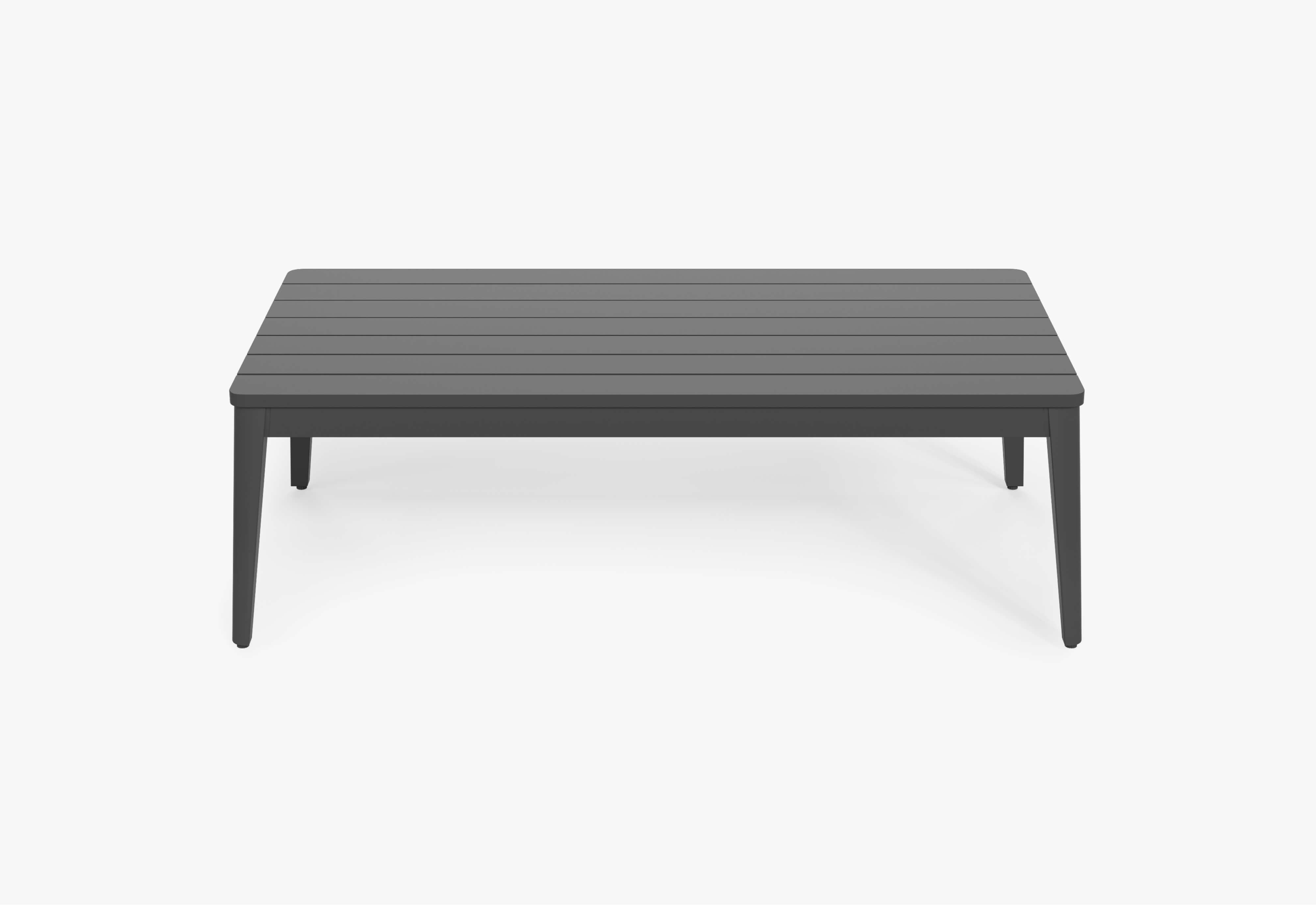
The Science of Staying Beautiful Outside: Leveling on Pavers for the Modern Patio

Outdoor spaces age visually long before they fail structurally. What often looks like “wear” or “misalignment” is frequently the result of a simple, hidden issue: furniture that isn’t level. On patios built with pavers, small height differences can quietly disrupt visual order—tilting lines, breaking symmetry, and making even well-designed pieces appear off.
The science of staying beautiful outside begins at ground level. When furniture is properly leveled on pavers, lines stay straight, proportions remain intact, and the patio reads as calm and intentional over time.
Why the Eye Detects Imbalance So Quickly
Human perception is highly sensitive to alignment. Even slight inconsistencies—barely noticeable in isolation—become obvious when repeated across a space.
- Tables that lean appear improvised rather than designed.
- Chairs at uneven heights break visual rhythm.
- Misaligned legs create shadows that amplify imbalance.
On pavers, where micro-variations are common, these effects compound. What starts as a subtle tilt becomes a visual distraction that makes the entire patio feel unsettled.
Pavers Move—Design Must Account for It
Pavers are intentionally modular. They expand and contract with temperature, shift with moisture, and settle over time. This flexibility is part of their durability—but it also means the surface is rarely perfectly flat.
Without proper leveling, furniture responds to these changes unevenly. Over time, legs sink at different rates, creating visible misalignment even when the pieces themselves are well made.
Designing for beauty outdoors requires acknowledging this movement and planning for it rather than fighting it.
Leveling as a Visual Design Tool
Leveling isn’t just functional—it’s aesthetic. When furniture sits evenly:
- Table edges read as clean, continuous lines.
- Chair backs align into a coherent pattern.
- Negative space between pieces remains consistent.
This visual order allows other design elements—materials, proportions, and layout—to do their work without distraction.
Dining Areas Reveal Problems First
Dining setups are often the first place where leveling issues become noticeable. Large, flat surfaces magnify even small tilts, especially when surrounded by straight-backed seating.
A dining table that isn’t level disrupts more than function—it breaks the geometry of the space. Plates appear uneven, chair heights feel inconsistent, and the entire setup reads as temporary.
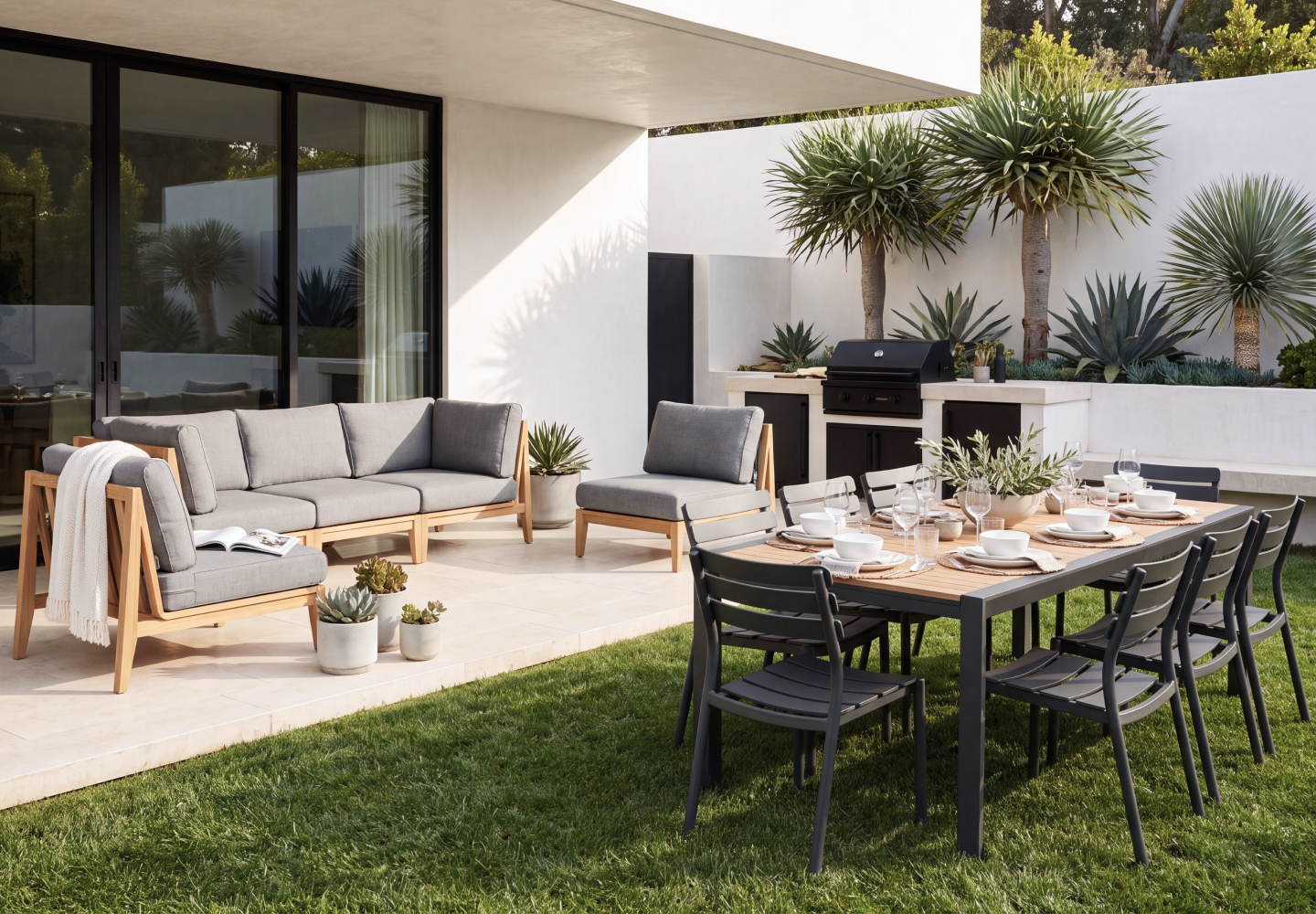
Design-forward options within the Dining Tables & Sets collection maintain their intended proportions when supported evenly, preserving both performance and appearance.
Seating Alignment Preserves Visual Rhythm
Seating plays a major role in how a patio reads at a glance. When chairs and sofas sit at slightly different heights, the effect is cumulative.
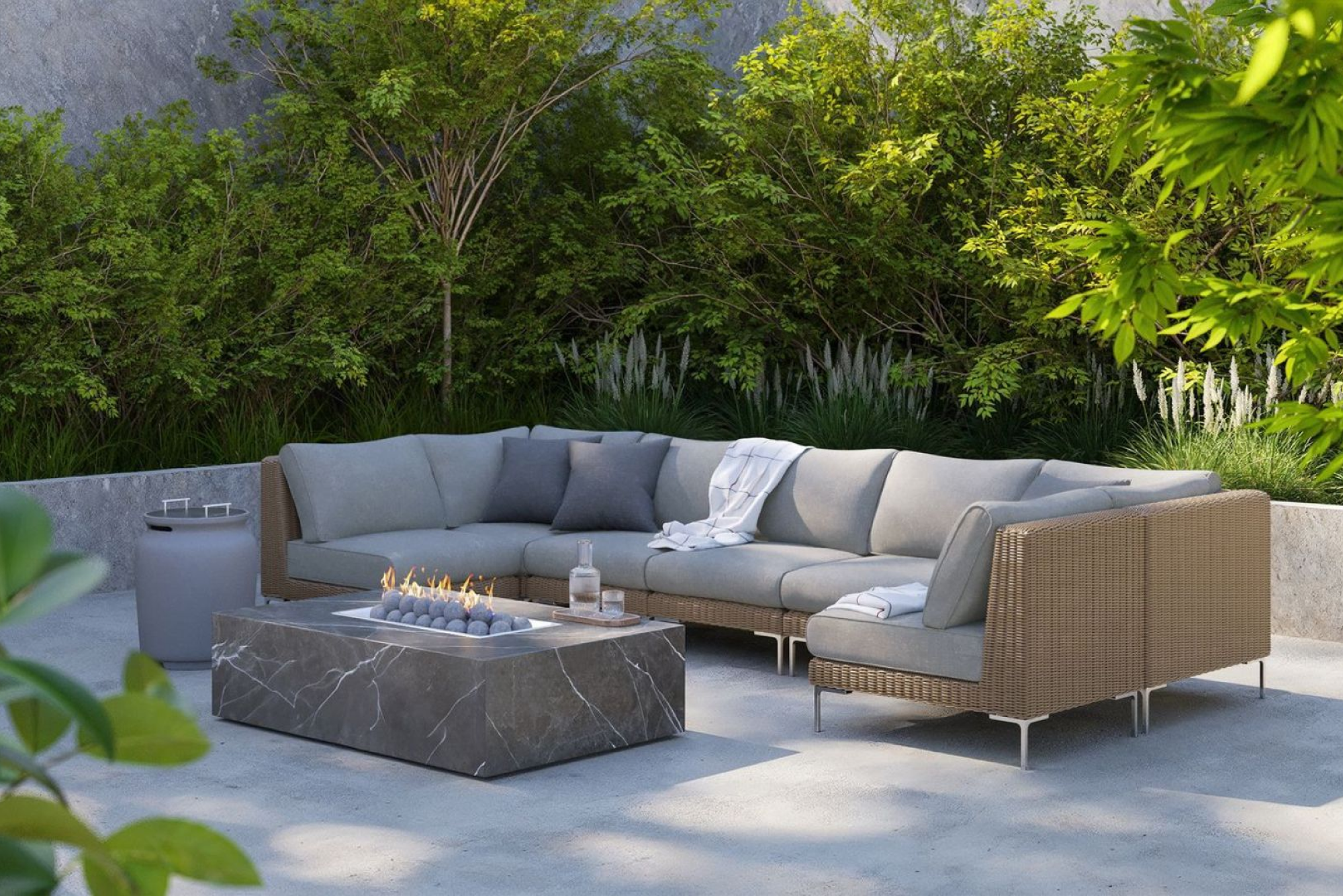
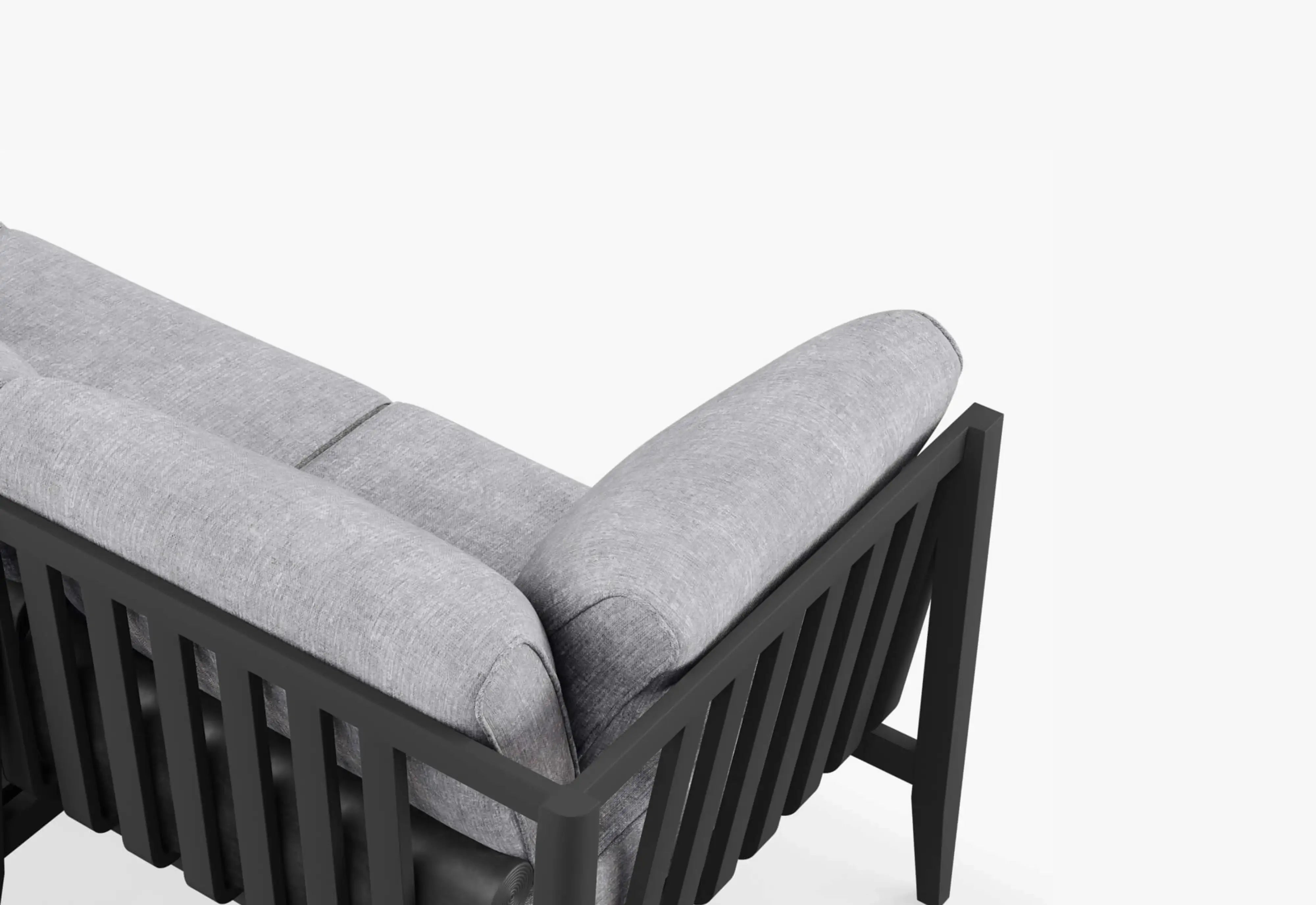
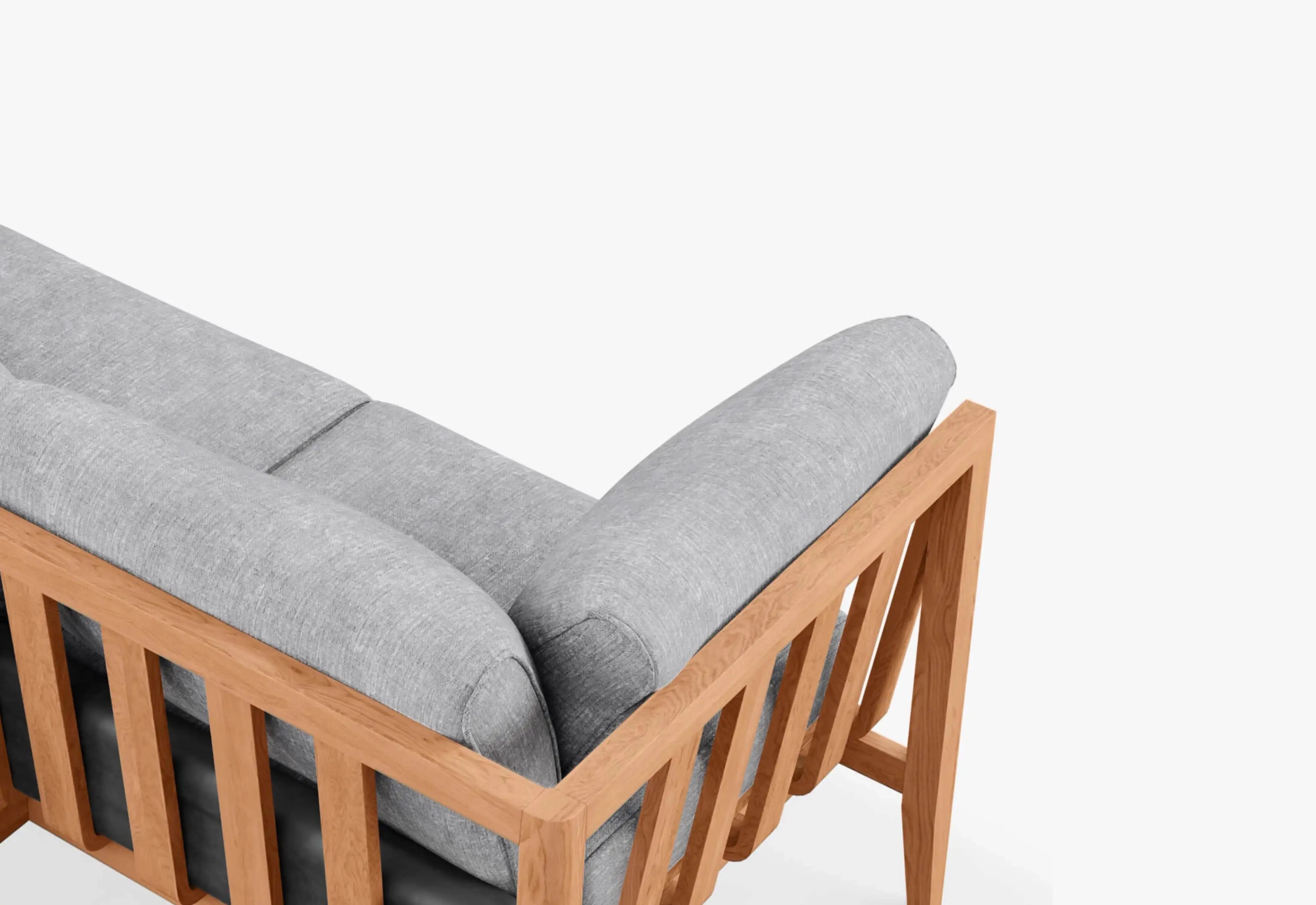
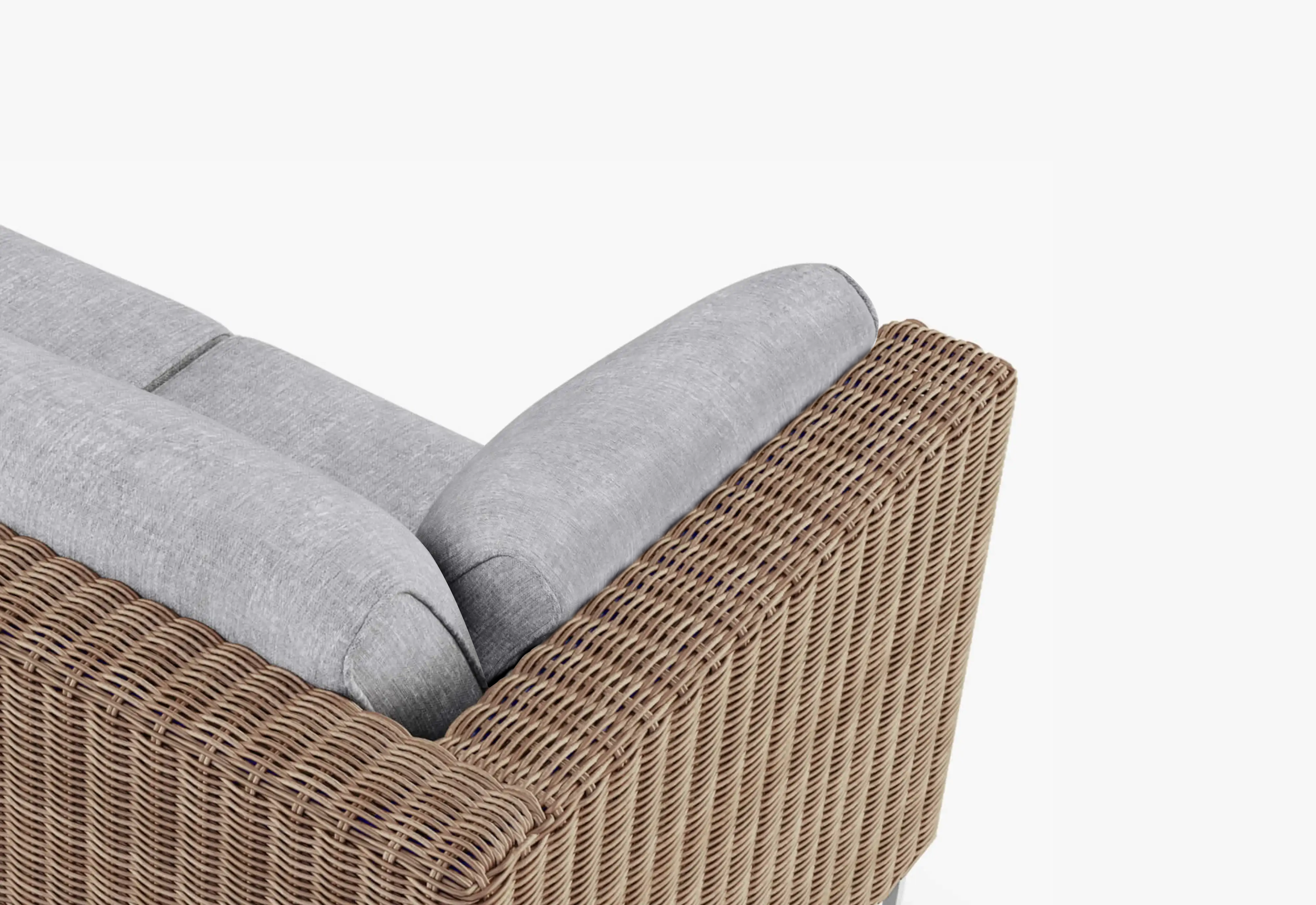
Proper leveling keeps seat lines consistent, allowing arrangements using the Teak Outdoor Sofa or Wicker Outdoor Sofa collections to maintain their intended flow and balance—even as pavers shift subtly beneath them.
Fire Features Demand Precise Visual Balance
Fire pits act as visual anchors. Any misalignment is immediately noticeable because the eye is drawn to the flame and the surrounding geometry.
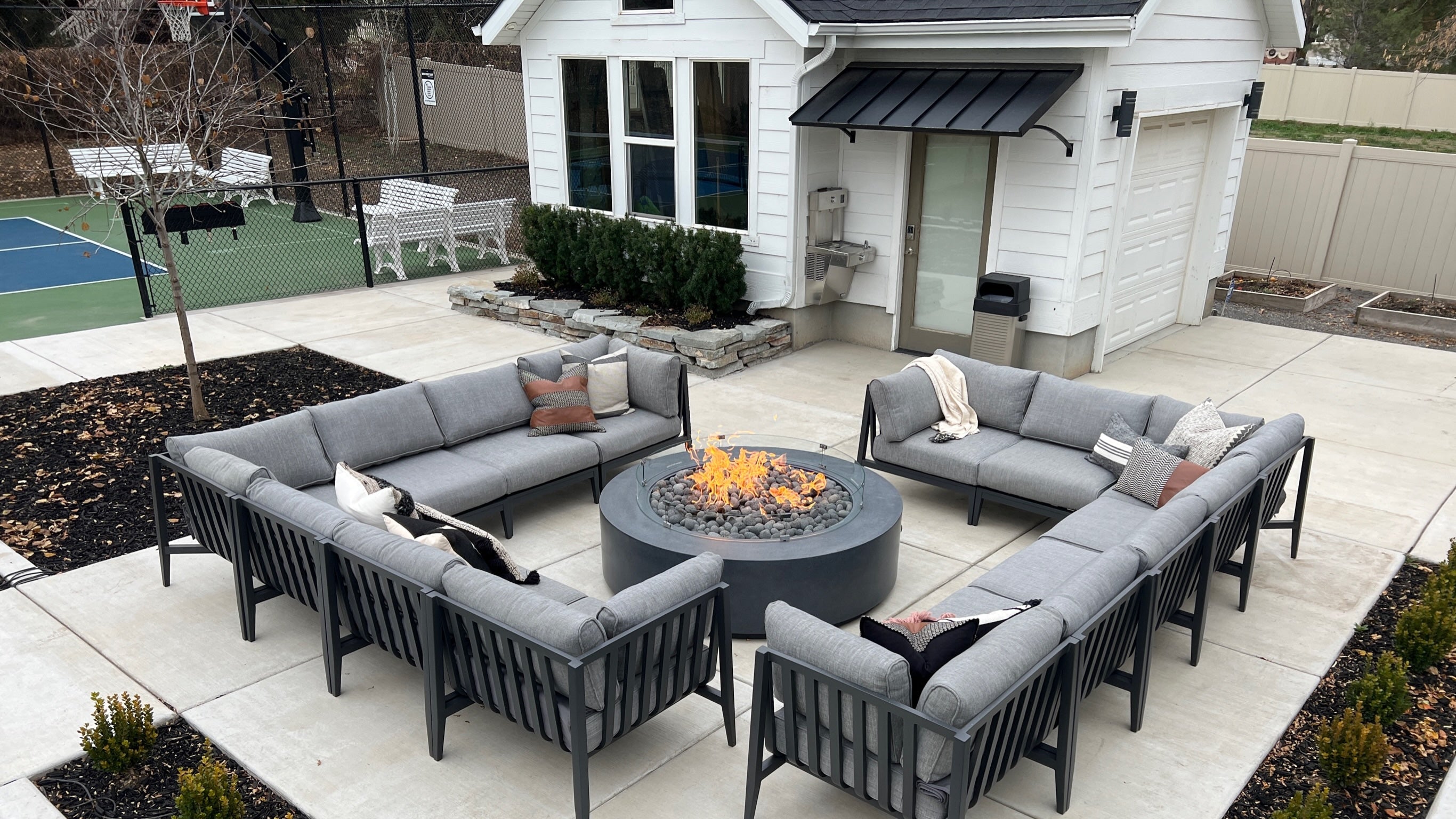
When a fire pit sits unevenly on pavers, the asymmetry becomes exaggerated—especially at night, when light casts longer shadows. Proper leveling ensures the fire feature remains centered, grounded, and visually calm.
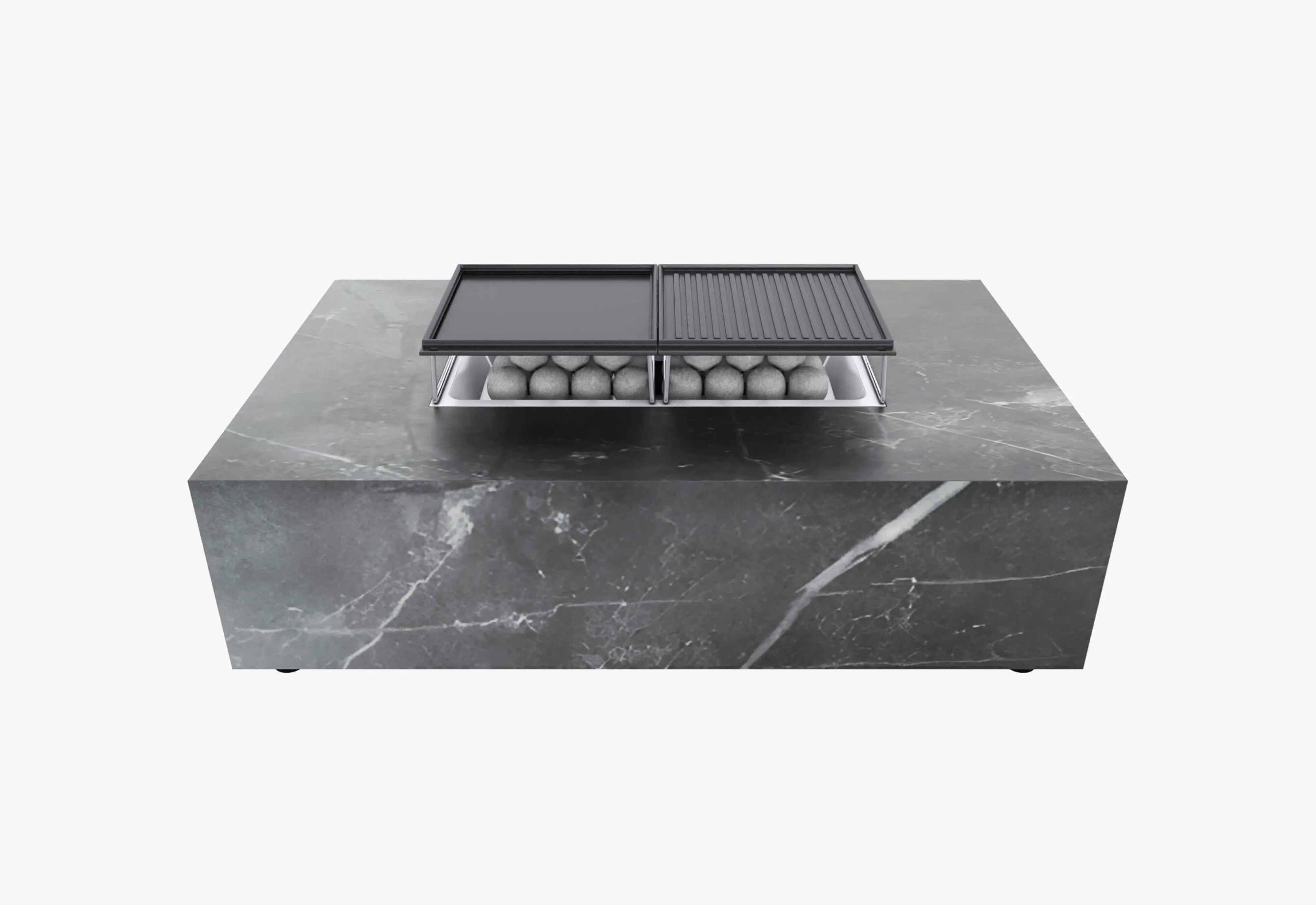
Pieces from the Fire Pits collection retain their sculptural presence when placed on a stable, evenly supported surface.
Micro Adjustments, Long-Term Impact
Maintaining visual beauty outdoors doesn’t require constant intervention. Small, thoughtful adjustments make the difference.
- Use outdoor-rated leveling shims that won’t compress.
- Adjust legs individually rather than forcing a single fix.
- Recheck alignment after major seasonal changes.
These minor steps preserve alignment without disrupting the patio’s flexibility.
Protection Helps Maintain Alignment
Environmental exposure accelerates paver movement. Moisture infiltration and temperature swings can subtly shift surfaces over time.
Protective systems like OuterShell® reduce moisture exposure around furniture legs, while breathable options from the Covers collection help limit seasonal stress on both furniture and surface.
Consistent protection supports consistent alignment—and consistent beauty.
Beauty Is Maintained, Not Applied
Outdoor spaces don’t stay beautiful because of finishes or accessories alone. They stay beautiful because their underlying structure remains orderly.
Leveling on pavers is one of the most effective ways to protect that order. It keeps lines straight, proportions intact, and layouts visually calm—season after season.
That’s the science of staying beautiful outside: understanding how small physical details shape long-term visual experience, and designing from the ground up to preserve it.