

Sustainability in Every Detail: Leveling on Pavers for the Modern Patio

Sustainable outdoor design isn’t only about materials or finishes—it’s about reducing waste over time. On patios built with pavers, one of the smallest decisions often has the biggest long-term impact: proper leveling. When furniture sits unevenly, it wears faster, shifts more often, and needs to be replaced sooner. When it’s level, everything lasts longer.
Leveling on pavers may feel like a technical detail, but it plays a critical role in extending the life of furniture, preserving the surface beneath it, and avoiding unnecessary replacement. Sustainability, in this case, is built quietly into the foundation.
Why Uneven Placement Creates Hidden Waste
Pavers are designed to move slightly with weather and ground conditions. Without proper leveling, that movement transfers directly into furniture.
- Uneven legs increase stress on joints and frames.
- Constant micro-shifting accelerates loosening and wear.
- Unbalanced weight shortens the lifespan of both furniture and pavers.
Over time, these small stresses add up—leading to repairs, replacements, or complete resets that could have been avoided.
Leveling Extends Furniture Lifespan
Furniture designed for outdoor use performs best when all points of contact are evenly supported. When a chair or table rests unevenly, one or two legs end up carrying more load than intended.
Proper leveling distributes weight as designed, allowing frames to perform predictably and joints to remain tight longer. This is especially important for high-use areas like dining zones, where repeated movement amplifies imbalance.
Dining pieces from the Dining Tables & Sets collection benefit significantly from correct leveling, helping them stay stable and functional across years of use.
Protecting the Patio Surface Itself
Sustainability isn’t limited to furniture. Uneven furniture placement can also damage pavers.
- Concentrated pressure can chip or crack edges.
- Movement can widen joints between pavers.
- Repeated adjustment accelerates surface wear.
Leveling furniture reduces friction and pressure points, preserving the patio surface and minimizing the need for reinstallation or repair.
Reducing the Need for Frequent Adjustments
Furniture that isn’t level rarely stays in one place. People instinctively shift, shim, or reposition it—often repeatedly.
This constant adjustment creates a cycle of disturbance that affects both furniture and surface stability. Taking time to level properly from the start reduces the need for ongoing intervention, saving time, effort, and materials.
Sustainable Leveling Is About Adaptability
Because pavers are designed to move, sustainable leveling avoids rigid, permanent fixes. Instead, it relies on solutions that can be adjusted as conditions change.
- Outdoor-rated leveling shims that resist compression.
- Individual leg adjustments rather than forcing alignment.
- Seasonal checks after heavy rain or temperature shifts.
This approach respects the natural behavior of pavers while maintaining long-term stability.
Fire Features Require Extra Attention
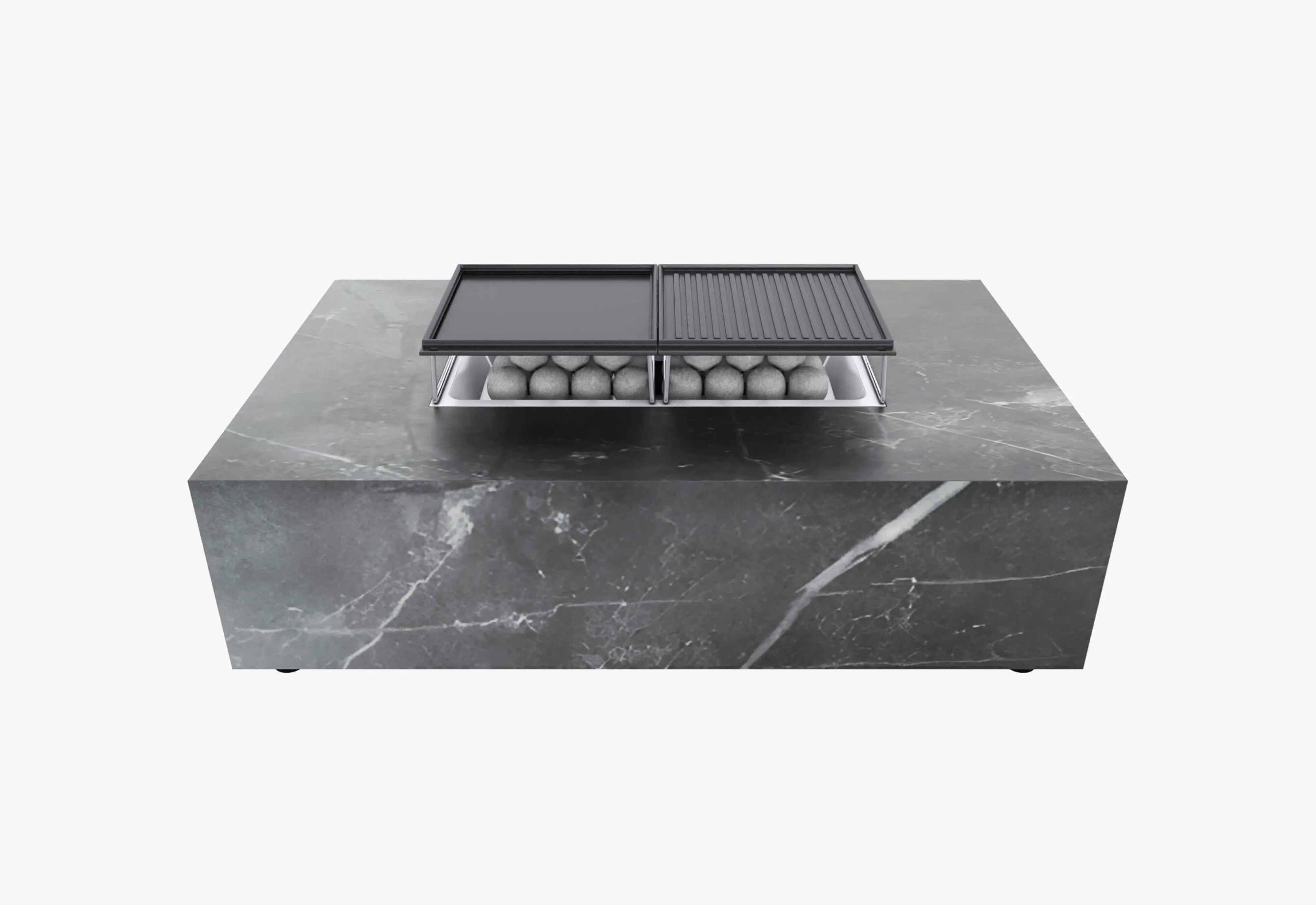
Fire pits introduce both weight and heat, making proper leveling even more important. An uneven fire feature not only wears unevenly but may require repositioning or replacement sooner than expected.
Placing fire features on evenly supported surfaces helps ensure consistent performance and longevity. Options within the Fire Pits collection are designed to last—but only when supported correctly.
Weather Protection Supports Sustainable Leveling
Moisture is one of the biggest contributors to paver movement. Protecting furniture reduces water infiltration around legs and contact points.
Integrated solutions like OuterShell® help keep cushions and frames dry, while breathable options from the Covers collection limit prolonged exposure that accelerates surface shift.
Less moisture means less movement—and fewer adjustments over time.
Sustainability Is Built Into the Setup
A sustainable patio isn’t defined by how often it’s redesigned, but by how long it works without intervention. Proper leveling on pavers helps furniture last longer, protects the surface beneath it, and reduces the need for replacement.
By addressing this small but essential detail, outdoor spaces become more durable, more efficient, and more responsible. Sustainability, in this sense, isn’t visible—but it’s felt every time the patio stays stable, season after season.