

Time-Tested, Family-Approved: Off-Season Storage Strategies for the Modern Patio

Off-season storage is where long-term outdoor living is quietly won or lost. For families, it’s not about packing everything away perfectly—it’s about creating a system that actually gets used. When storage strategies are simple, repeatable, and realistic, furniture stays in better condition, setups last longer, and spring doesn’t begin with repairs or replacements.
Time-tested, family-approved storage focuses on reducing friction. The goal is to protect what matters without turning seasonal changeovers into a project that never quite happens.
Why Off-Season Storage Matters More Than You Think
Outdoor furniture is designed to live outside, but constant exposure during low-use months accelerates wear. Moisture lingers longer, debris builds up unnoticed, and cushions stay compressed when they’re rarely used.
- Prolonged dampness increases fabric and cushion stress.
- Static placement concentrates pressure on frames and joints.
- Neglected surfaces age faster when not cleaned regularly.
Off-season storage interrupts this cycle, giving materials a break and extending their useful life.
Family-Approved Means Easy to Do
Storage only works if it’s manageable. For families, that means avoiding strategies that require disassembly, heavy lifting, or complex sequencing.
The most effective approaches share a few traits:
- They don’t require moving furniture far from its place.
- They work piece by piece, not all at once.
- They can be completed quickly, even in short windows.
When storage fits into real schedules, it actually happens.
Start With Cushions and Soft Goods
Cushions experience the most off-season stress. Moisture, compression, and lack of airflow can all shorten their lifespan if they’re left unattended.
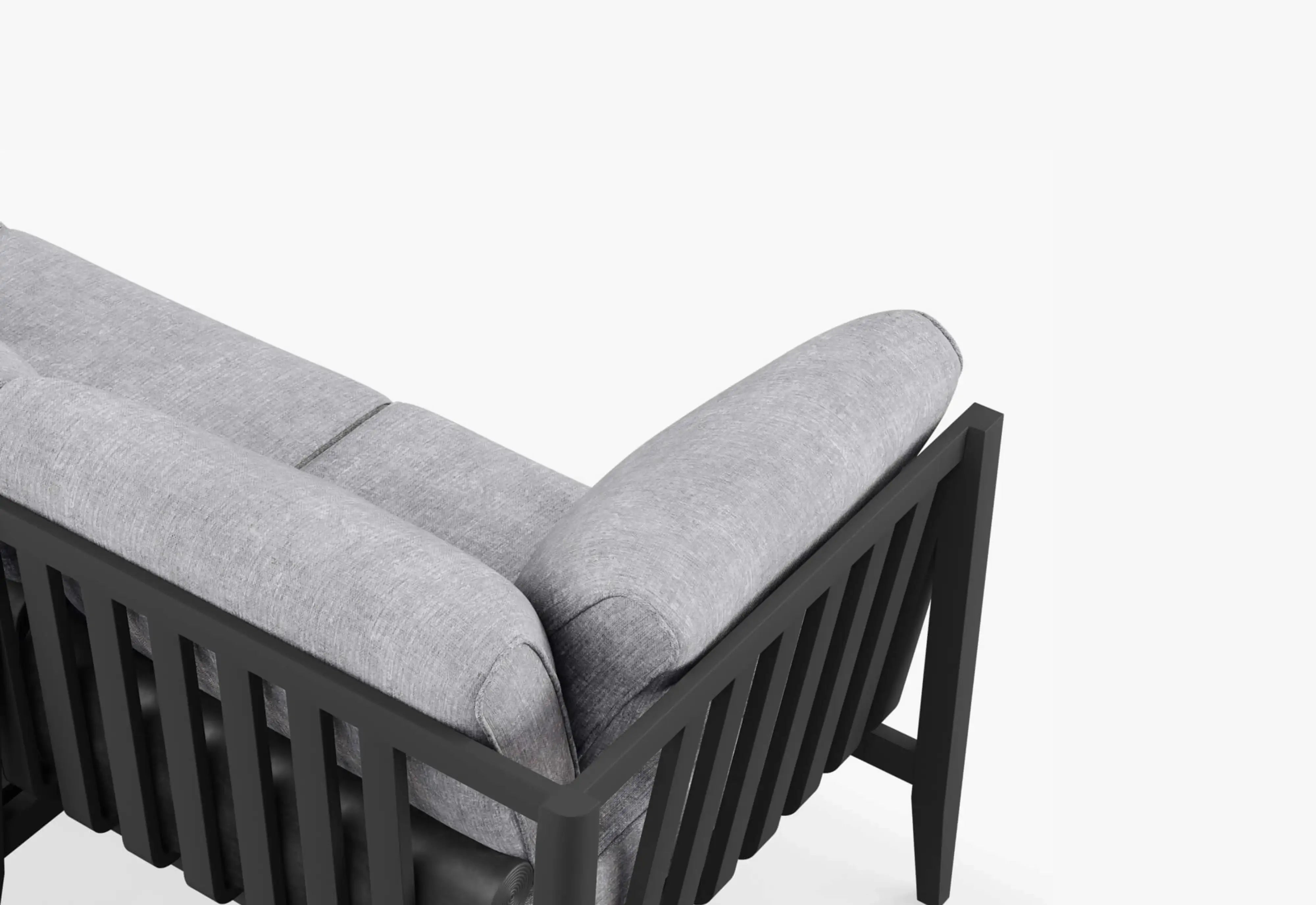
Performance systems like OuterCloud® are designed to recover well, but giving cushions time off during low-use months preserves loft and comfort even longer. Storing cushions clean and dry—rather than stacked outdoors—helps maintain their shape.
Fabrics such as OuterWeave® resist wear, but they still benefit from reduced exposure when the patio isn’t in regular use.
Protect Furniture Without Breaking Down the Space
One of the biggest barriers to off-season storage is the fear of dismantling the patio. Fortunately, most modern spaces don’t require that.
Instead of moving furniture indoors, focus on shielding it where it stands. Integrated protection like OuterShell® allows seating to stay in place while limiting exposure to rain and debris. For extended off-seasons, breathable options from the Covers collection offer an added layer without trapping moisture.
This approach keeps the layout intact and makes it easier to bring the space back online quickly.
Dining Areas Benefit From Partial Storage
Dining zones often see the biggest seasonal swings. During off-season months, they may be used occasionally—or not at all.
Rather than fully disassembling dining setups, consider partial storage:
- Store seat cushions separately to reduce compression.
- Cover tables to limit debris buildup.
- Leave chairs in place but protected.
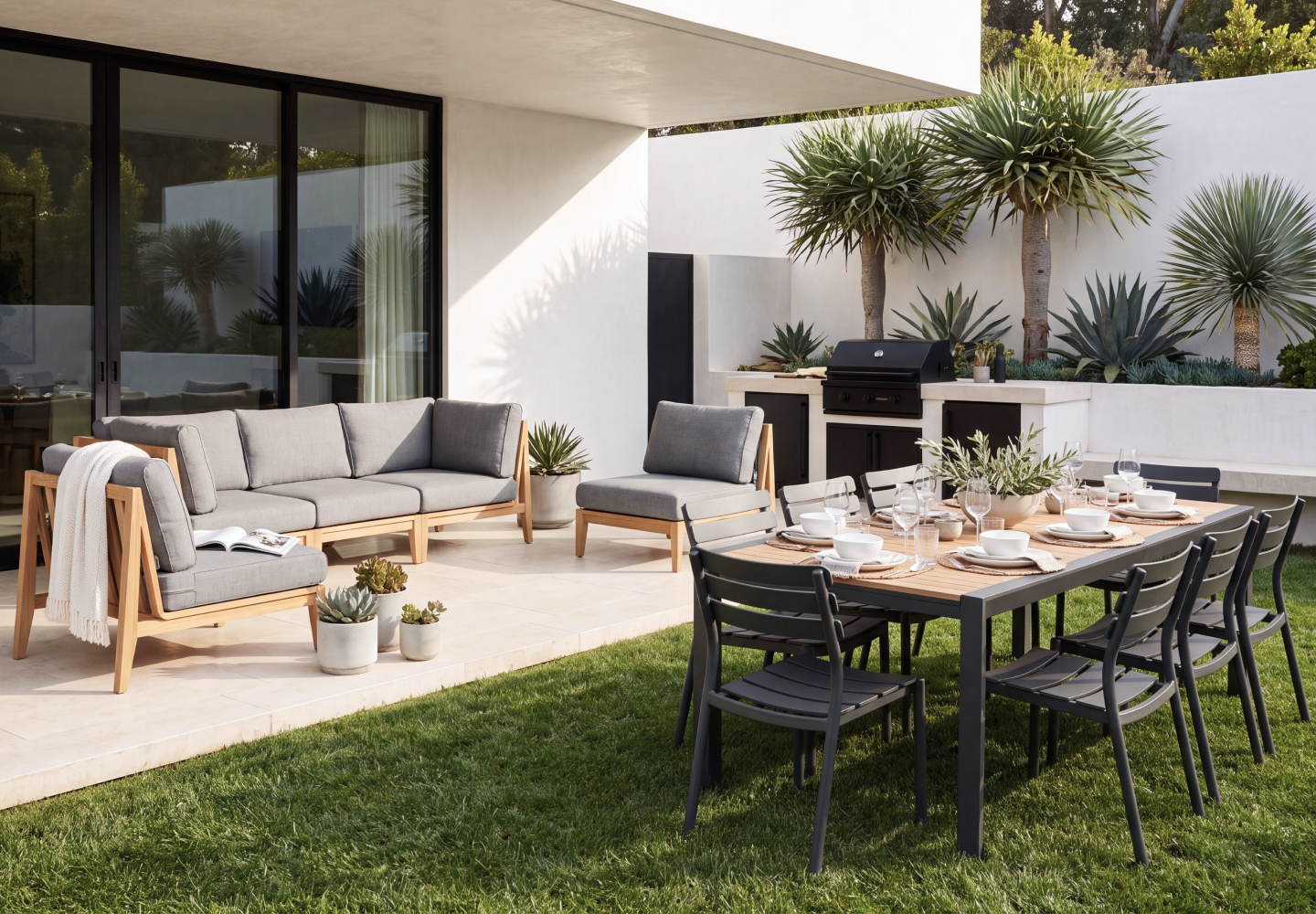
This strategy keeps the dining area ready for spontaneous use while reducing unnecessary wear. Well-designed pieces within the Dining Tables & Sets collection are built to handle this kind of flexible care.
Storage That Supports Everyday Family Life
Family patios rarely go fully dormant. Kids still head outside, pets wander through, and quick moments happen even in colder or wetter months.
Storage strategies should account for this. Keeping core furniture accessible—but protected—allows the patio to remain usable without exposing everything to full seasonal stress.
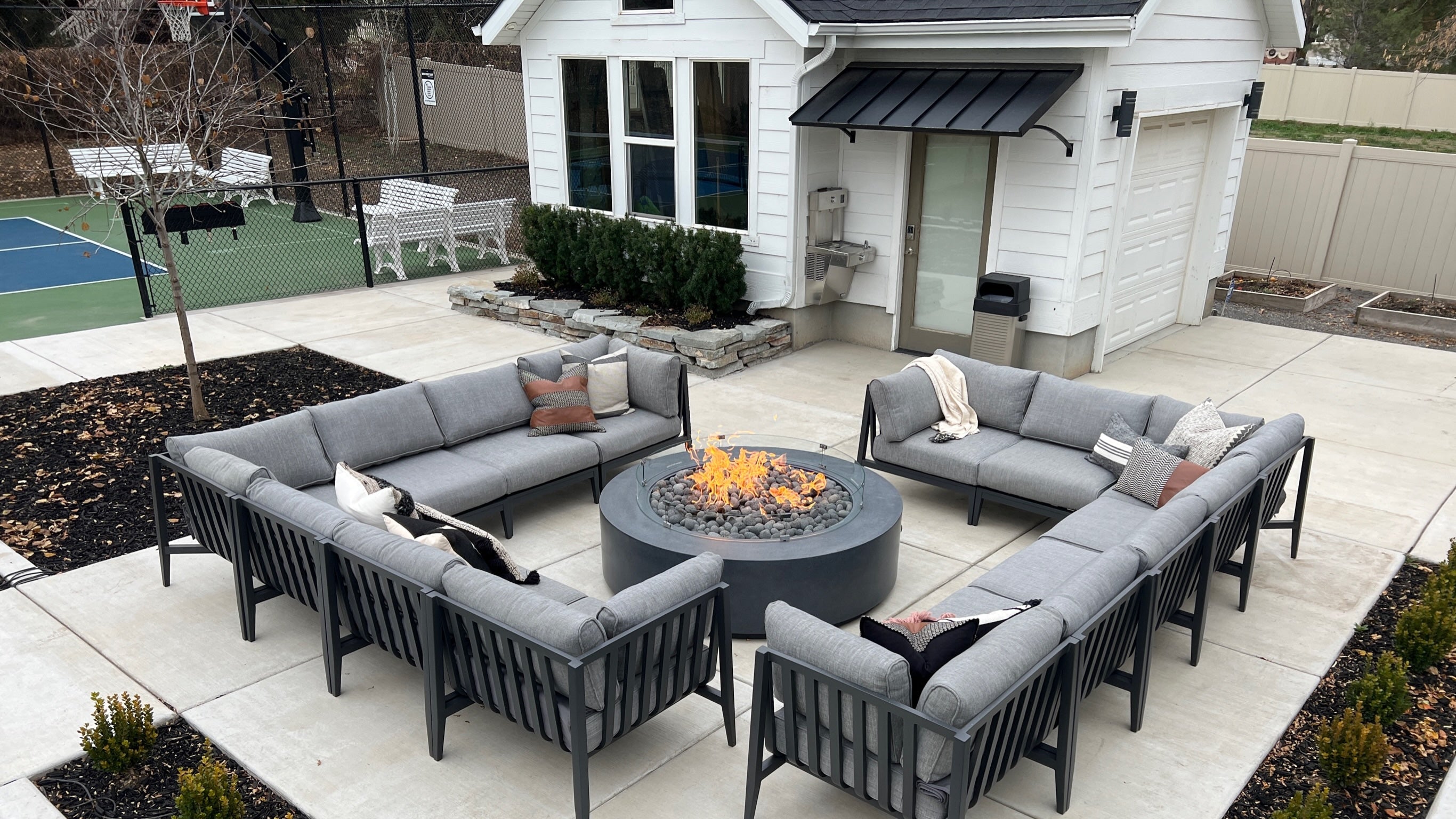
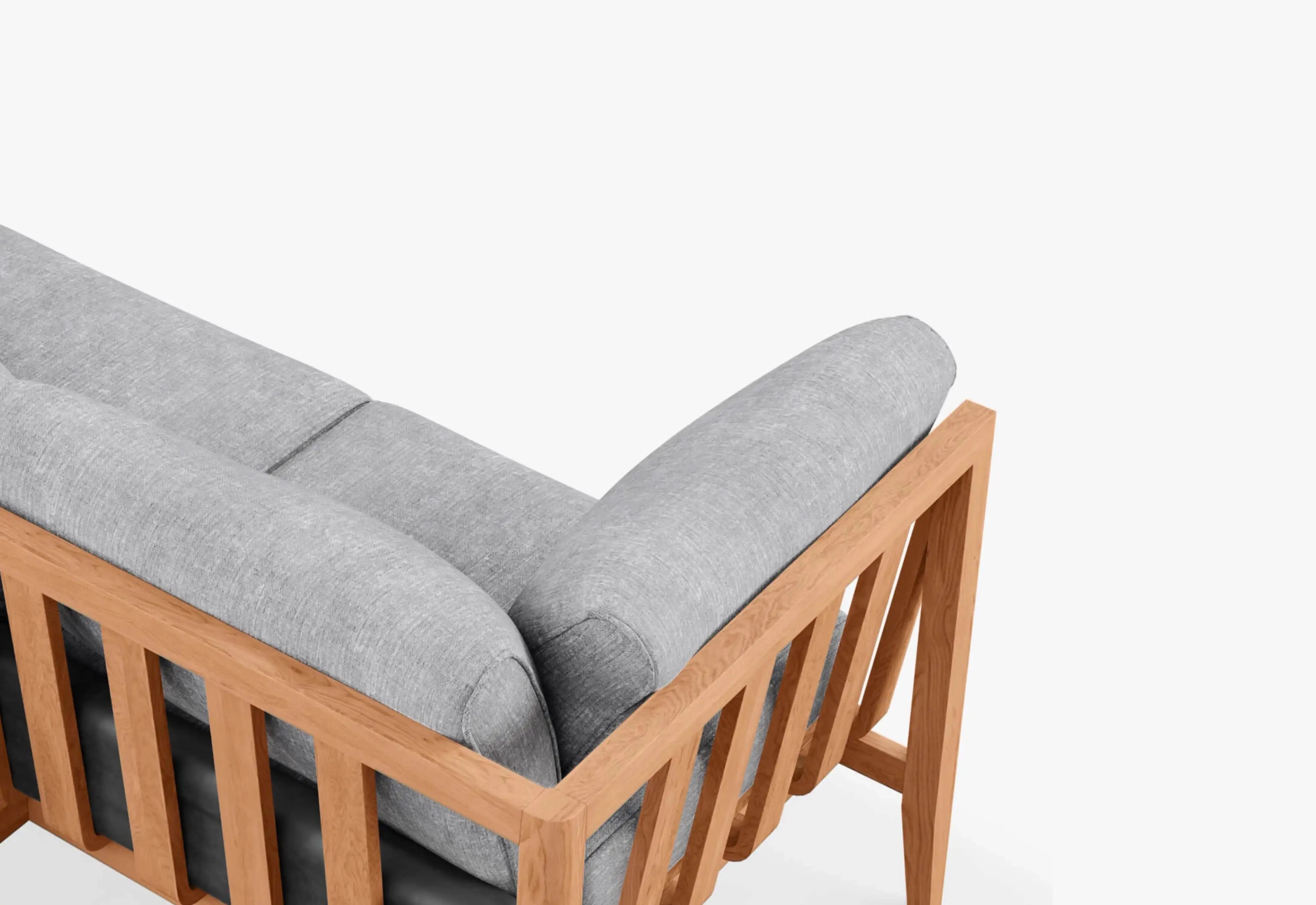
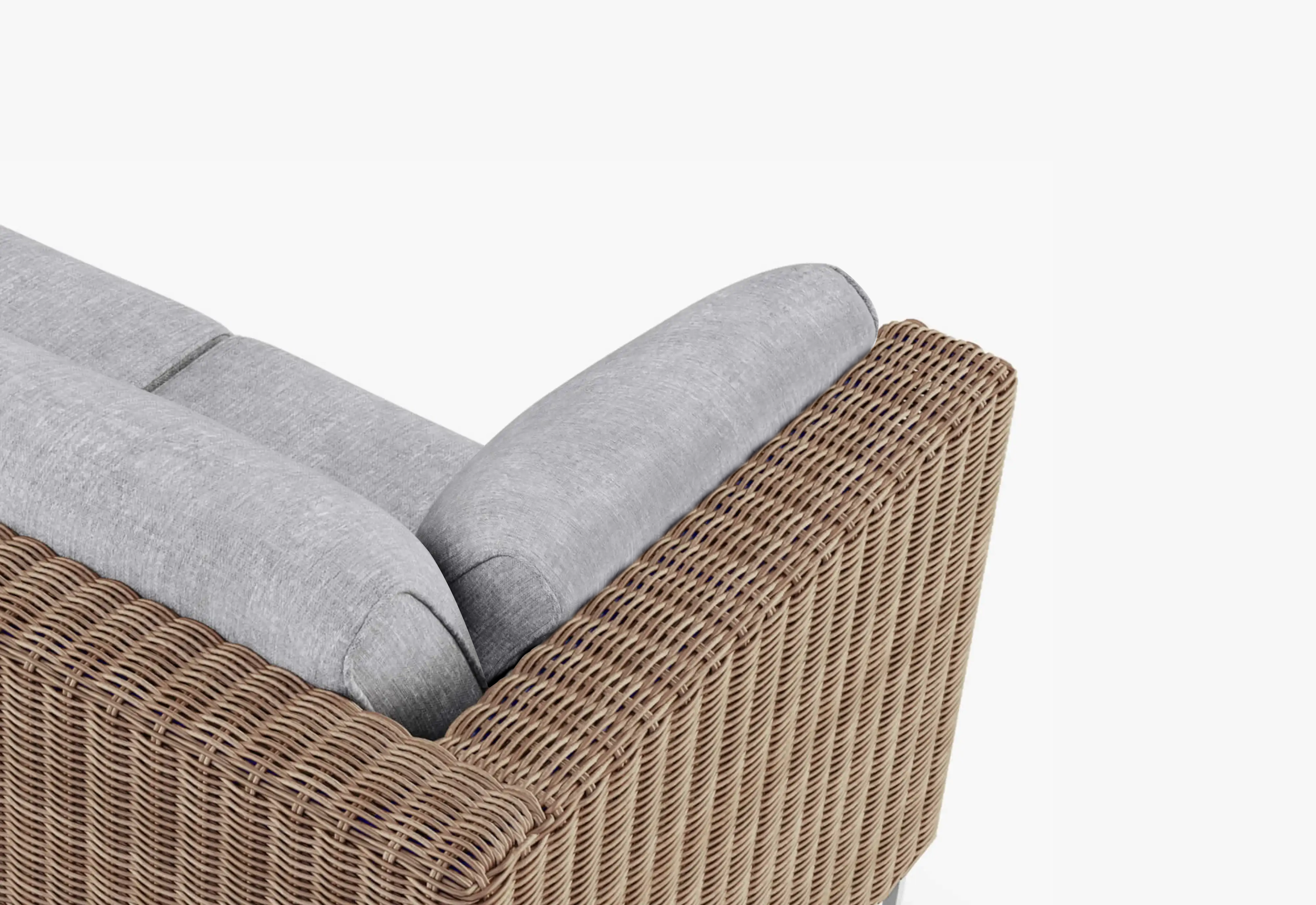
Lounging areas anchored by the Teak Outdoor Sofa or Wicker Outdoor Sofa collections benefit from this approach, staying part of daily life while aging more slowly.
Fire Features: Store Around, Not Away
Fire pits often extend patio use into cooler months, but they still benefit from thoughtful off-season care.
Rather than removing fire features entirely, clear surrounding furniture and protect surfaces during periods of low use. This keeps the area safe, accessible, and visually tidy.
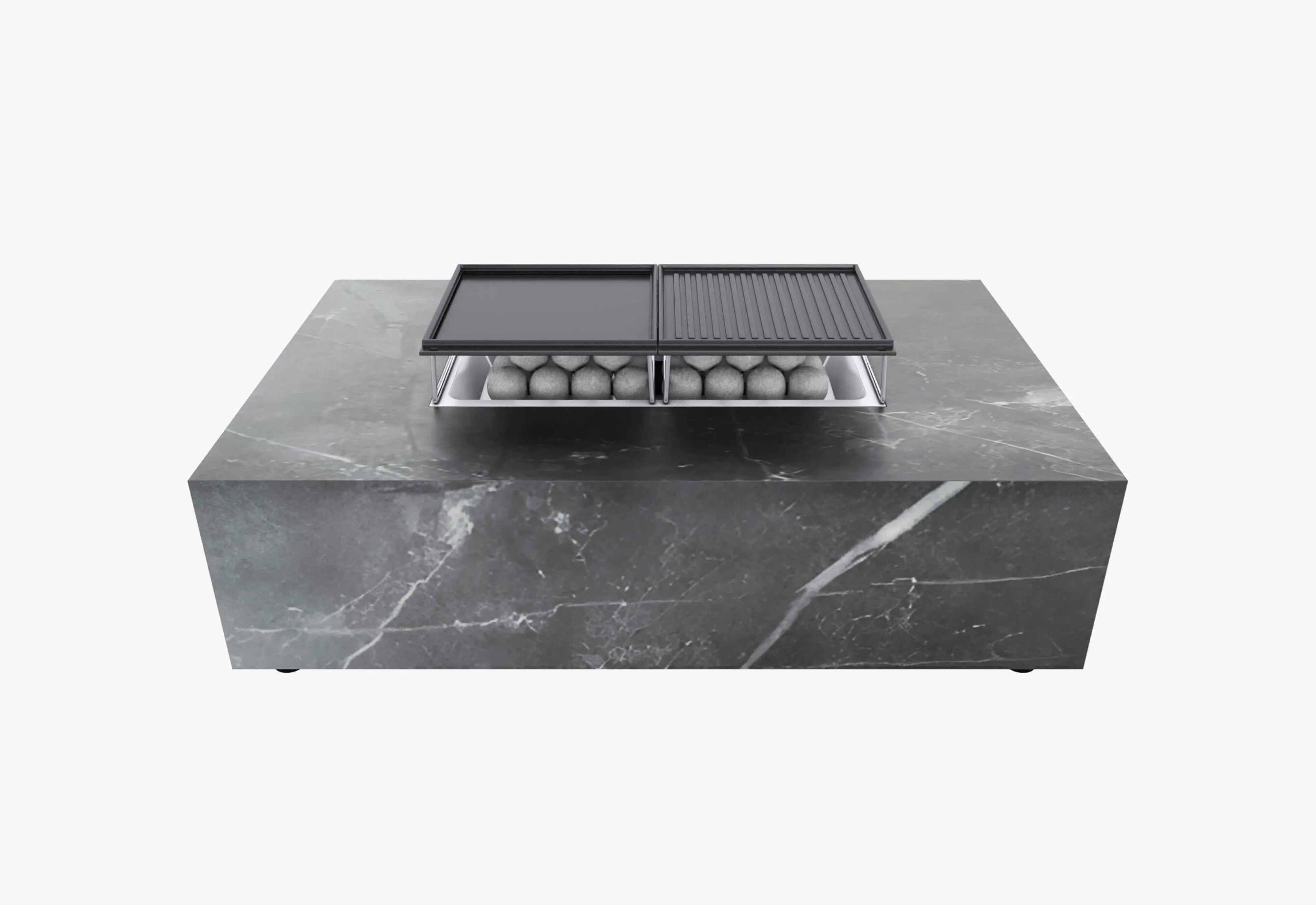
Durable designs within the Fire Pits collection perform best when supported by consistent, low-effort care routines.
Create a Repeatable Seasonal Rhythm
The most successful storage strategies are the ones families repeat every year. Instead of reacting to weather changes, build a simple rhythm:
- Clean and dry cushions before extended storage.
- Cover furniture during low-use stretches.
- Check protection after major storms.
These habits reduce surprise damage and make seasonal transitions smoother.
Storage That Pays Off in Spring
When off-season storage is done well, spring feels different. Furniture is clean, cushions recover quickly, and the patio needs only minor adjustments to feel ready again.
Time-tested, family-approved storage doesn’t ask for perfection. It asks for consistency. By protecting furniture during low-use months without overcomplicating the process, outdoor spaces last longer, perform better, and stay welcoming year after year.