



Outdoor Dining After Dark: Patio Lighting & Layout Guide

Discover outdoor lighting ideas for dining. Learn how to combine lights, fire pits, and patio furniture layouts for an inviting backyard vibe.
What Outdoor Lighting Works Best for a Patio Dinner Setup?
To light an outdoor dining setup effectively, use three distinct layers:
- Ambient Overhead Light: Soft string lights or canopy lighting to define the ceiling of the dining zone.
- Task Light at the Table: Portable tabletop lanterns or candles to keep food and faces visible without harsh glare.
- Secondary Path Light: Subtle step or path lighting to connect the dining table seamlessly to nearby lounge seating or a fire pit.
Thoughtful lighting begins with how you arrange the space—not a fixture catalog.

Choose the Right Outdoor Dining Table
Before deciding where lights should go, map out your seating capacity and ensure there’s ample clearance for guests to move comfortably around the chairs.
Compact round or square tables create a cozy visual centerpiece ideal for intimate patio chats. Longer rectangular tables need an even rhythm of light down their full length so no one feels left out on the far ends.
If you struggle to balance everyday family meals with larger weekend dinner parties, opting for an extendable outdoor dining table gives you instant flexibility—keeping daily dining intimate while expanding easily for big gatherings.
Position fixtures so light sits comfortably below eye level. The goal is to highlight good food and warm faces across the table, not blind your guests with unshielded glare.
How to Light Your Outdoor Dining Area
Light can create connection and order by drawing attention toward the table and allowing the surrounding landscape to remain quieter.
Begin with a soft ambient layer—like string lights or a warm overhead glow—rather than harsh floodlights that glare in eyes and naturally attract nighttime insects. If mosquitoes frequently interrupt your outdoor hosting, review our expert guide on how to keep bugs away from your patio.
Path and step lighting should remain clear and help guests move between the house, table, and seating area, but it should not compete with the dining scene.
Dining table: most visible. Walking routes: clearly readable. Landscape: softly suggested. Lounge area: warmer and more relaxed.


Match Your Lighting Setup to Your Patio Layout
Good lighting responds to the structure that already exists. A small balcony, a covered terrace, and an open backyard do not need the same arrangement. Before you start hanging extra fixtures, finalize your furniture placement.
If you are unsure exactly how much walking room you need between zones, refer to our patio furniture layout dimensions guide to decide which surfaces and pathways truly need illumination
Keep the focal point compact
Let one well-scaled table establish the center. Use lighting at the perimeter or above the table so the tabletop remains clear and the patio does not feel crowded with accessories.
Align the room overhead
Use beams, walls, and rooflines to reinforce the table’s position. Keep overhead light centered on the furniture arrangement, then allow the lounge area to sit in a softer layer nearby.
Create zones through furniture
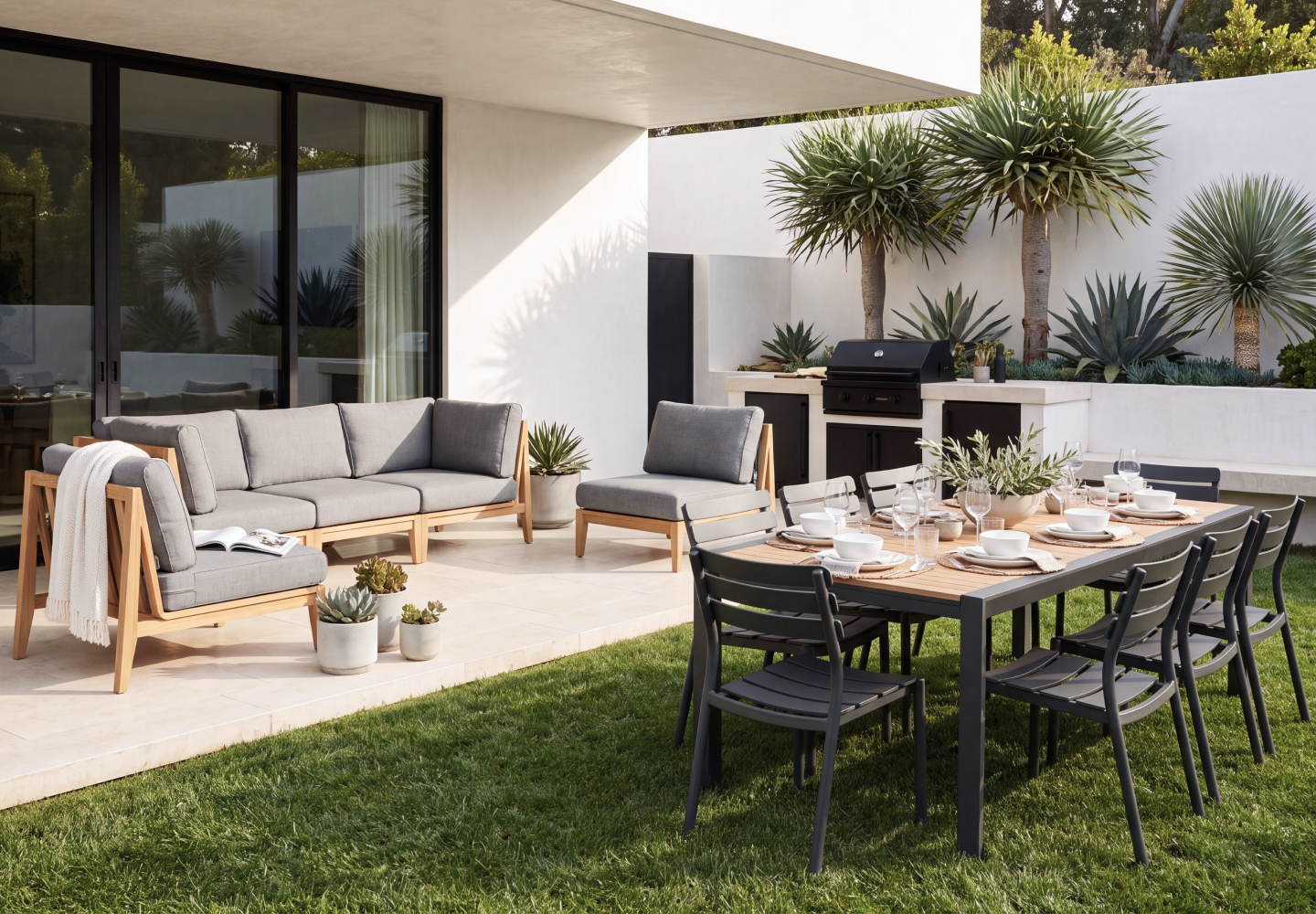
In an open landscape, the dining table, sofa, outdoor rug, and fire pit become the architecture. Use light to connect those anchors rather than illuminating the entire yard evenly.

Connect Dining to an Outdoor Lounge Zone
The most memorable evenings don’t end just because the plates are cleared.
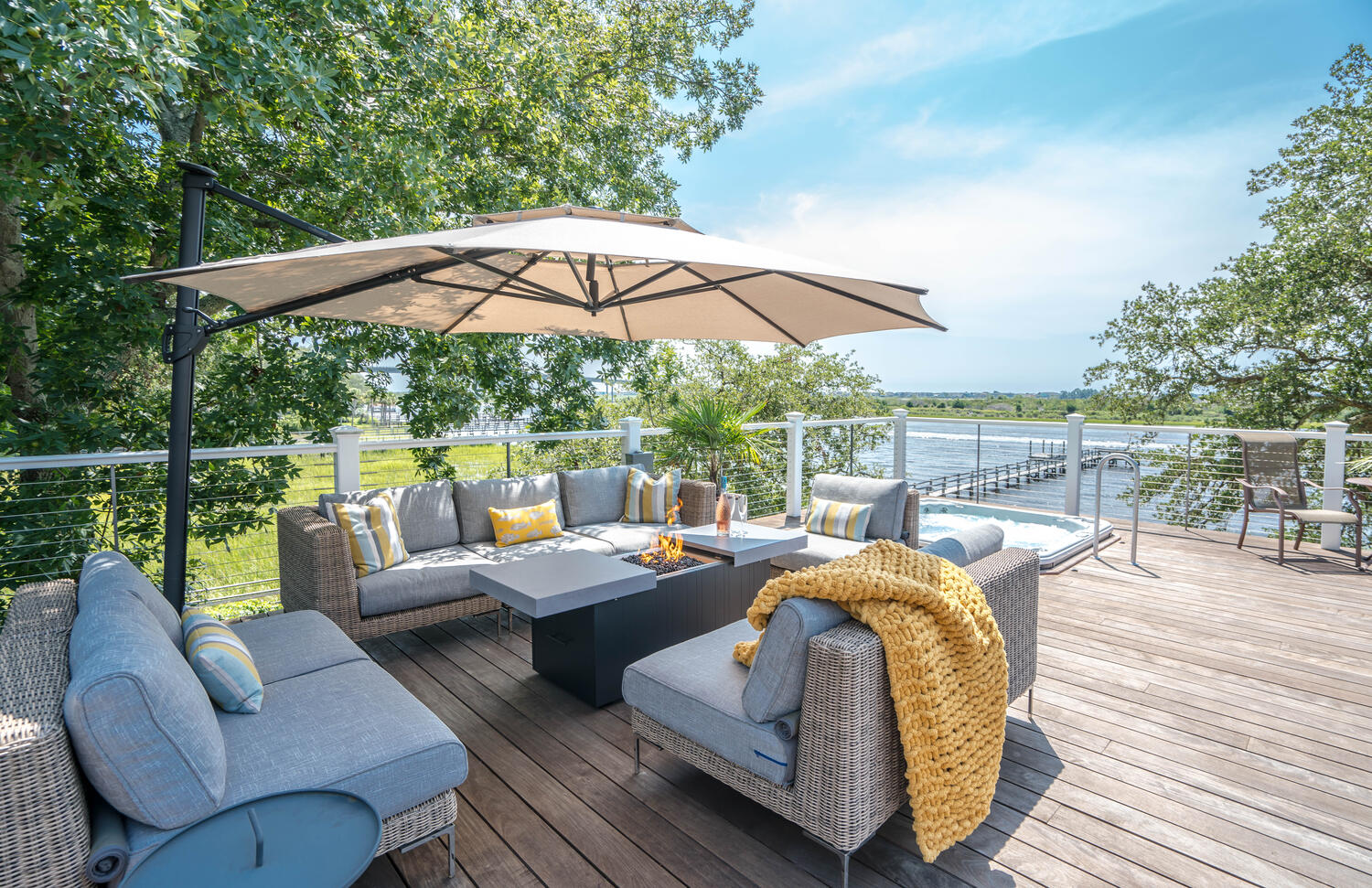
Placing a comfortable outdoor sofa or sectional nearby gives guests an intuitive place to settle next, without making the gathering feel interrupted. Keep the lighting language consistent between both areas, but drop the intensity as people move away from the table.
The dining area needs clarity for serving and eating; the lounge should feel softer, warmer, and perfectly tuned for long conversations.
Give the Evening a Natural Rhythm
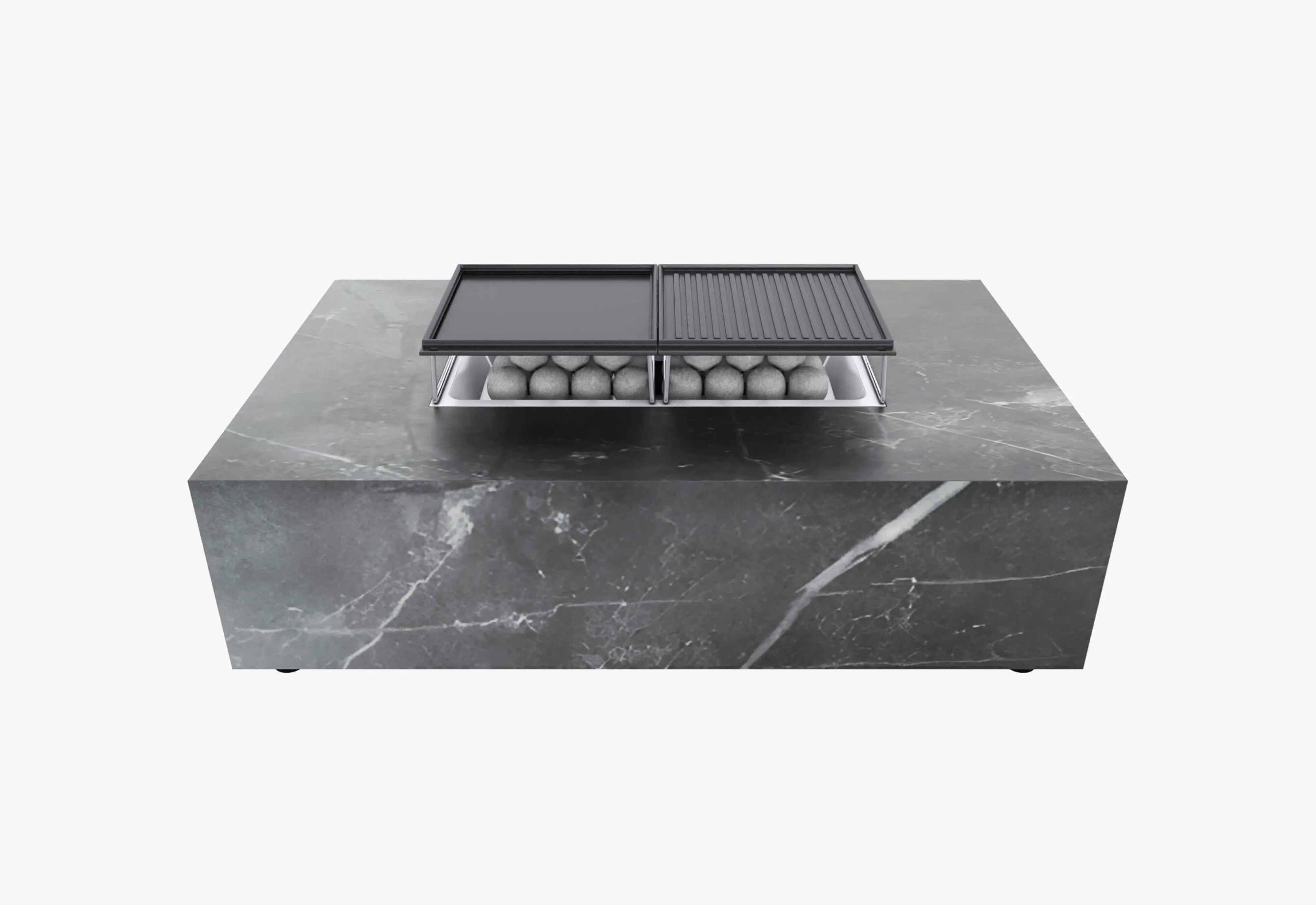
A well-planned patio supports more than just the meal. Guests gather around the table, migrate to deeper seating, and ultimately stay longer when an outdoor fire pit or fire table becomes the final focal point of the night. Once dinner ends, a warm, glowing fire naturally anchors dessert, drinks, and the last round of stories.
Begin at the table
Keep food, faces, and serving pieces comfortably visible while the surrounding patio remains calm.

Move into comfort
Use deeper seating and softer light to shift the mood from dining to unhurried conversation.
Let the fire take focus
Once dinner ends, firelight can become the warmer visual anchor for dessert, drinks, and the last conversation of the night.
Borrow the Best Ideas from Outdoor Dining
Best outdoor dining spaces never rely on just one bright light. They feel welcoming when every table has a clear center, pathways flow easily, and cozy seating spots offer their own evening vibe.
Bring that hospitality energy home by keeping your outdoor dining setupuncluttered, ensuring an easy route back to the house, and creating a second gathering spot around an outdoor fire pit lounge.
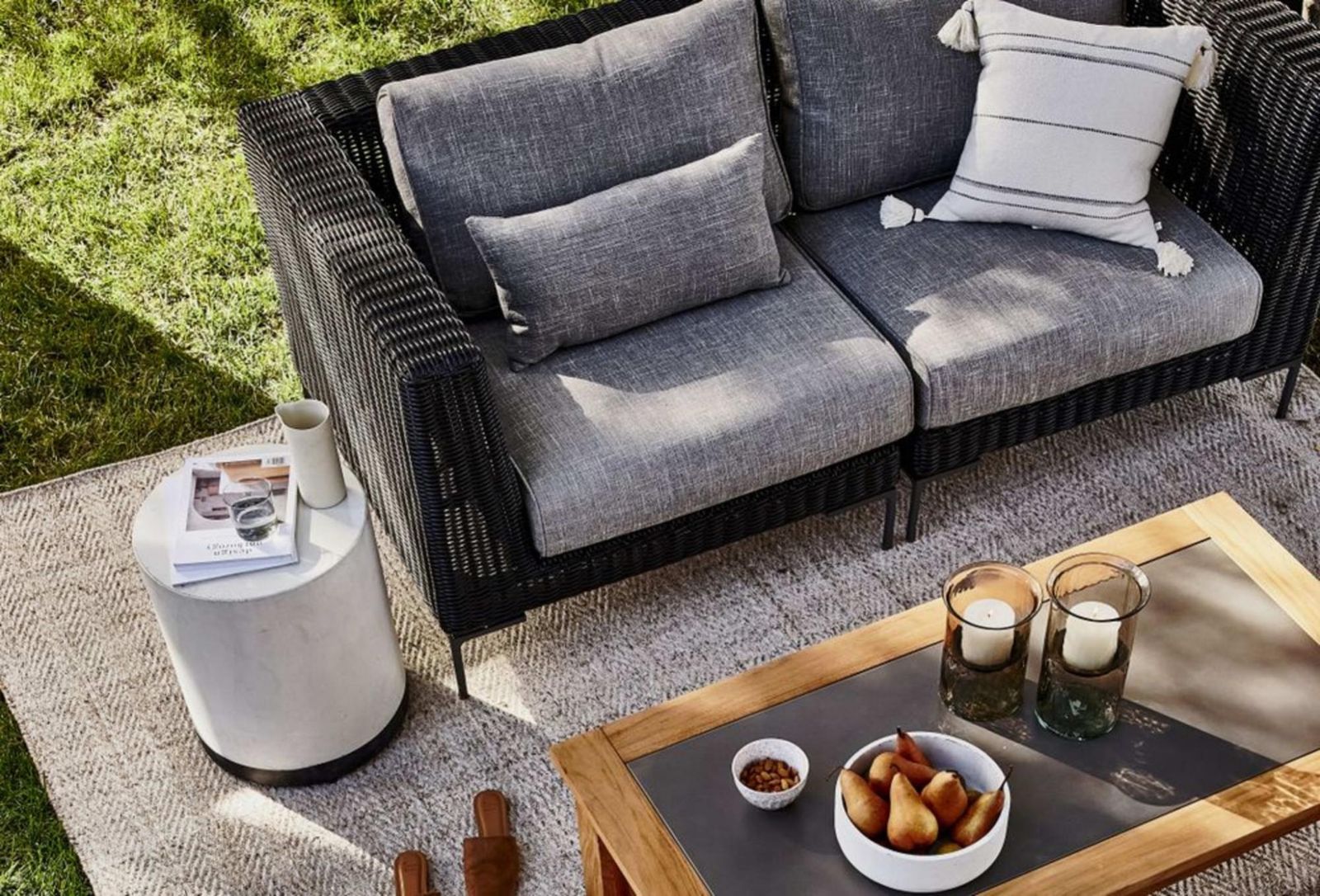
Comfort transforms atmosphere into unforgettable evenings. Complete the space with deep-seated outdoor sectionalsand durable patio side tablesbuilt for real outdoor living.
The best outdoor lighting quietly guides how the space is lived in—without ever stealing the spotlight.

Easy Maintenance for Outdoor Dining
A great evening outdoor setup should be just as easy to wrap up as it was to start.
Transitioning from the dining table to a nearby outdoor fire pit table adds warmth and soft ambient light without any extra wiring. When the night ends, built-in OuterShell® covers and washable performance fabrics keep your furniture dry, clean, and ready for tomorrow—turning cleanup into a quick five-minute routine rather than a late-night chore.
Outdoor dining lighting FAQs
What outdoor lighting works best for a patio dinner setup?
Use a layered setup: soft ambient light around or above the dining zone, low light at table level, and subtle path or step lighting along the routes guests use. Keep the table visible without allowing any single source to create harsh glare.
Are string lights enough for outdoor dining?
String lights can create a comfortable ambient glow, but they may not provide enough clarity at the table on their own. Add low lanterns, candles, or rechargeable table lamps when guests need to see food, serving pieces, menus, or games clearly.
How should lighting be arranged around an outdoor dining table?
Let the table shape guide the arrangement. A compact square or round table can work around one visual center, while a long rectangular or extendable table benefits from light distributed more evenly along its length. Keep fixtures out of direct sightlines across the table.
How do you light a patio without overhead wiring?
Use rechargeable tabletop lamps, battery-powered lanterns, candles designed for outdoor use, and solar or low-voltage path lighting where appropriate. Portable options are especially useful when the furniture layout or guest count changes.
How should dining and outdoor sofa areas be connected at night?
Keep both zones within the same visual palette, then use a softer light level around the sofa. A clear path, an outdoor rug, coordinated furniture materials, and repeated warm light help the areas feel connected without making them identical.
Should a fire pit be placed near an outdoor dining area?
A nearby fire pit can create a natural destination after dinner, provided it does not crowd the table or interrupt the main walking route. Follow all product clearance and safety instructions, and treat the fire pit as a separate conversation zone rather than the only light source for dining.
Make more room for evenings outside
Explore outdoor dining furniture designed for shared meals, flexible guest lists, and every conversation that follows.