

Teak vs Aluminum vs Sintered Stone: Which Outdoor Dining Table Material Is Best?
Choosing the best outdoor dining table material can feel harder than it should. A table may look right in a photo, then feel too heavy, too formal, or too demanding once it becomes part of daily outdoor living. When you are trying to decide between teak, Aluminum, and sintered stone, the real question is not which material sounds best on paper. The better question is which material fits your outdoor space, your hosting style, and the kind of upkeep you are actually comfortable with.
A dining table does more than fill a corner of the patio. It sets the tone for weeknight dinners outside, weekend lunches that stretch into the afternoon, and gatherings that feel easy instead of overly planned. That is why material matters so much. It affects the mood of the space, the visual weight of the table, the maintenance routine, and how the setup feels season after season.
At Outer, we think good outdoor design should feel considered, lasting, and warm. Material choice is part of that. If you are still narrowing down the overall layout first, this guide on how to choose the right outdoor dining set for your space is a helpful place to start before deciding which surface and frame feel right for your outdoor space.
Why outdoor dining table material matters so much
When people shop for a dining table, they often focus on shape and size first. Those details matter, though material is what determines how the table lives with you over time. Some materials bring warmth and natural texture. Others create a lighter, more architectural feel. Others feel substantial and clean, with a surface that reads almost like indoor design brought outside in a more grounded way.
There is also the question of care. Some people do not mind a little seasonal maintenance if the material develops character. Others want a lower-maintenance option that still feels elevated. Neither approach is more correct. The right choice depends on how you host, how often you dine outside, and how much effort you want to put into preserving the look you love.
If you want a broader read on performance and longevity across categories, Outer’s article on what is the best material for outdoor furniture offers useful context alongside the dining-specific guidance here.

Teak outdoor dining tables bring warmth and natural character
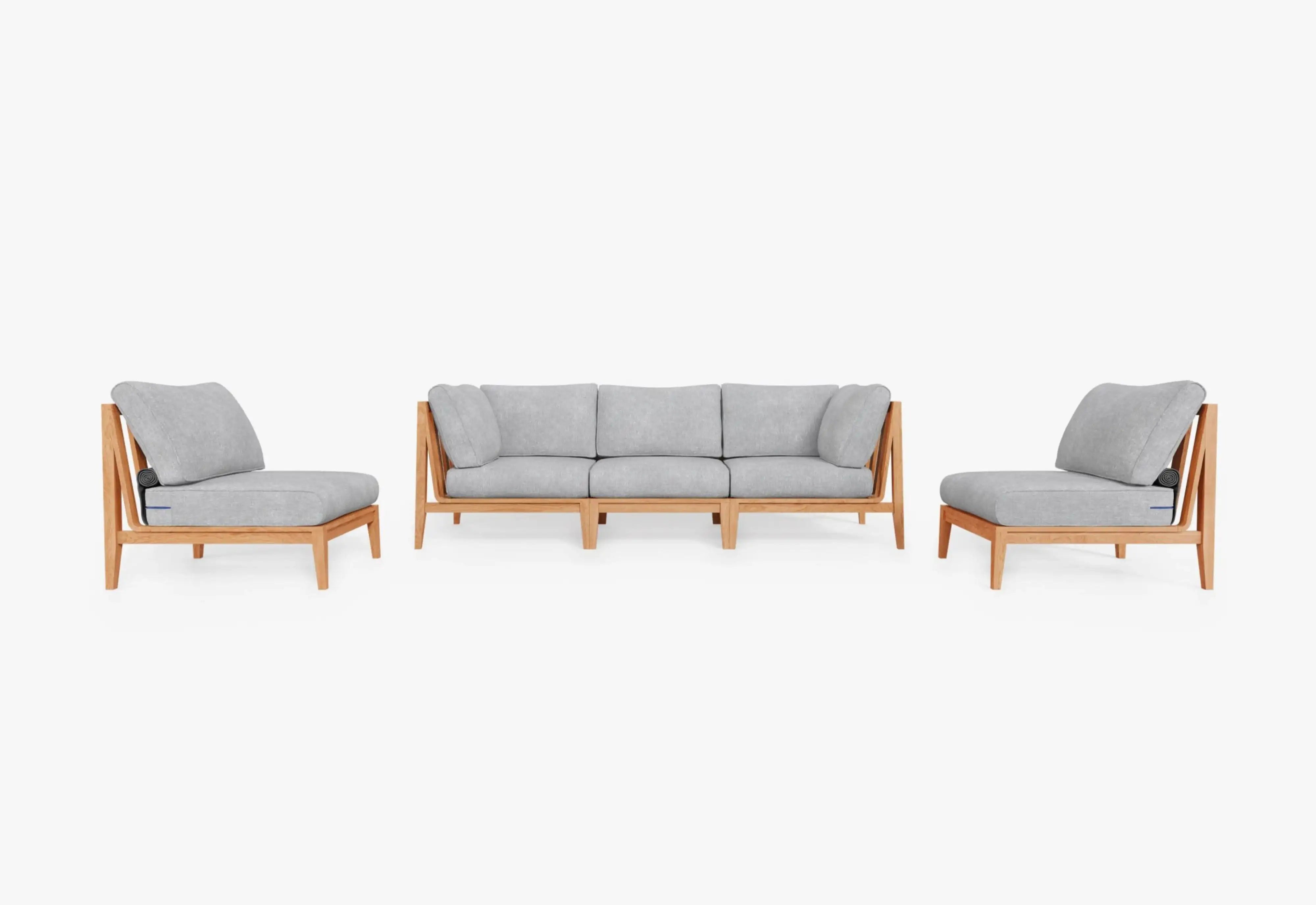
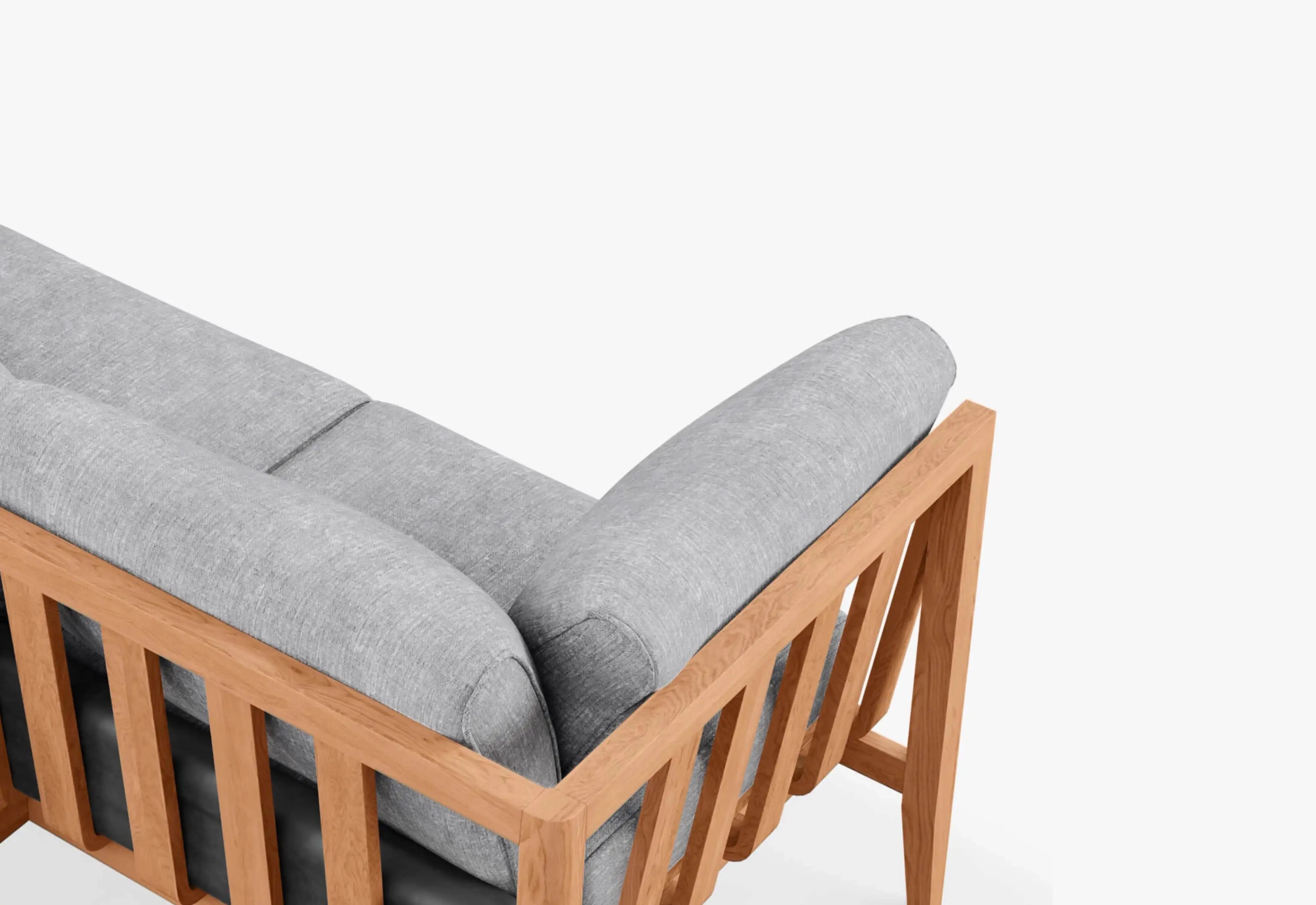
Teak has a timeless presence that works especially well in outdoor dining. It feels warm, grounded, and welcoming, which makes a dining area feel settled rather than temporary. A teak table often suits homes that want the outdoor space to feel calm, lived in, and ready for long meals with family and friends.
Another reason people gravitate toward teak is visual softness. Even in larger dining setups, teak tends to feel inviting rather than cold. It can anchor the dining area without making the whole arrangement feel too heavy. That balance is part of why teak continues to be such a strong material for outdoor living.
Over time, teak develops a silvery patina. Some homeowners love that weathered look because it gives the table more character. Others prefer to maintain the original golden tone, which can be done with teak cleaning products. That makes teak a strong fit for people who like natural materials and do not mind some care in exchange for that warmth and richness. If you want a closer look at how this material shows up in dining design, see teak outdoor dining sets for durable, timeless outdoor living.
outdoor dining tables feel lighter and easier to live with
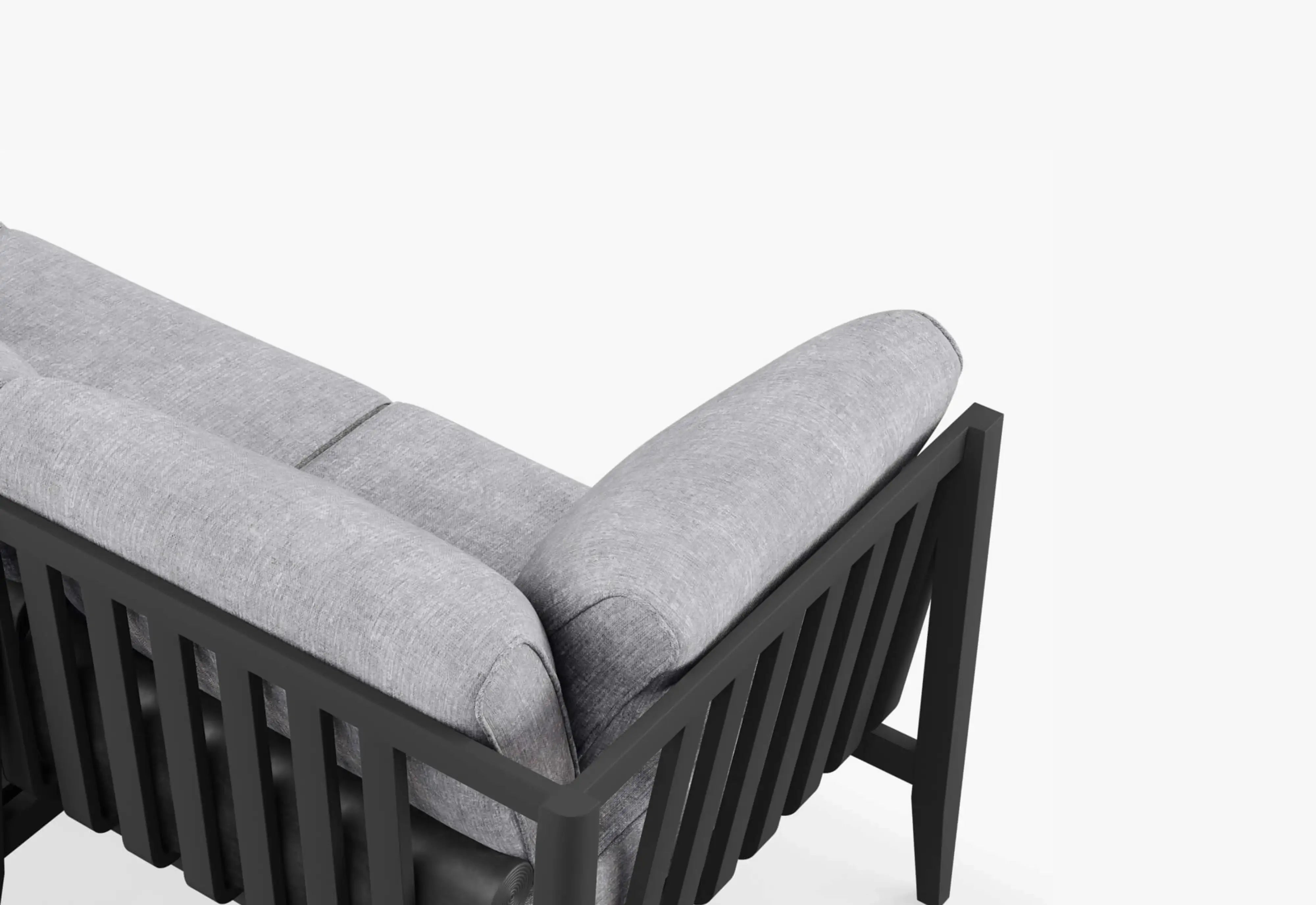
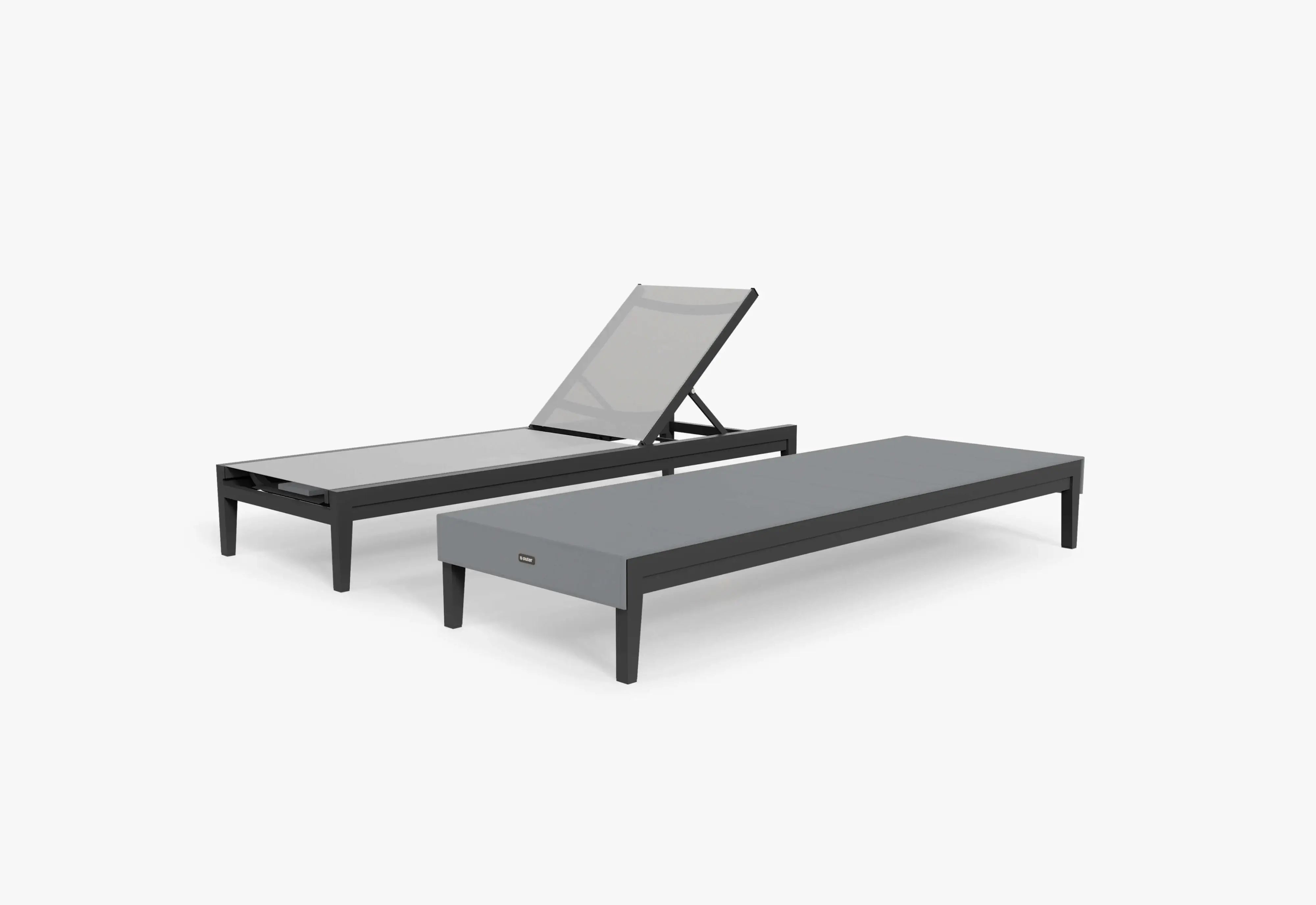
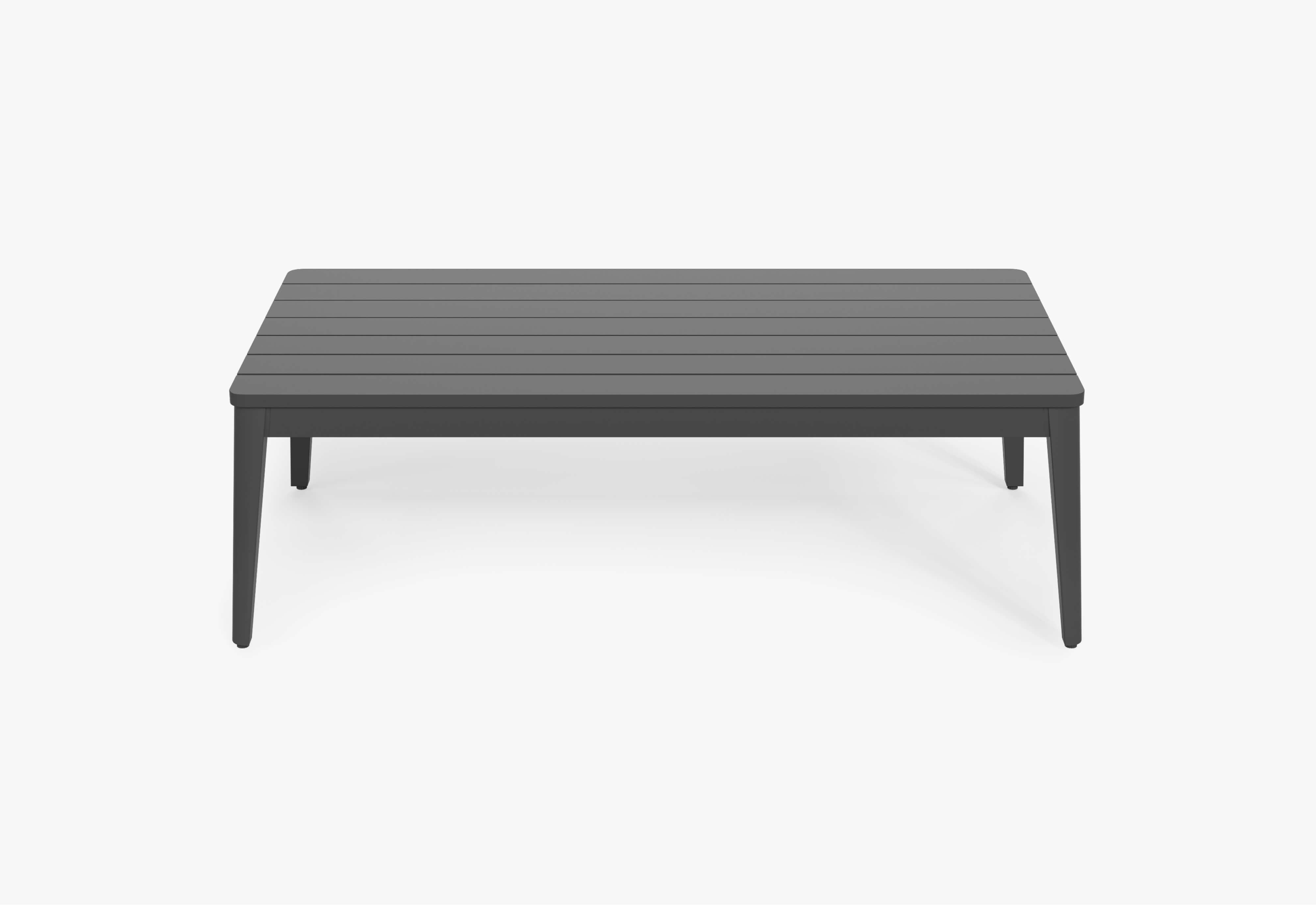
Aluminum has a very different presence. Where teak feels organic and warm, Aluminum tends to feel cleaner, leaner, and more architectural. That can be a strong advantage in an outdoor space that already has a lot of texture from plantings, cushions, rugs, or layered seating. The table helps create visual clarity without asking for too much attention.
Aluminum also appeals to people who want low maintenance. It is a practical choice for daily outdoor use, and it fits naturally into layouts that need to feel easy and unfussy. In a family outdoor space, or in a setting where people host often, that ease matters. The dining area should invite people in, not quietly add another chore to the week.
From a sustainability perspective, Aluminum is also recyclable, which makes it a smart fit for homeowners trying to balance durability with more responsible material choices. The look is usually more tailored and more modern than teak, though it can still feel warm when paired with the right chairs, textiles, and lighting. For a more focused take on this material direction, Outer has a helpful piece on Aluminum outdoor dining sets that are stylish, durable, and built for the outdoors.

Sintered stone outdoor dining tables feel substantial and refined
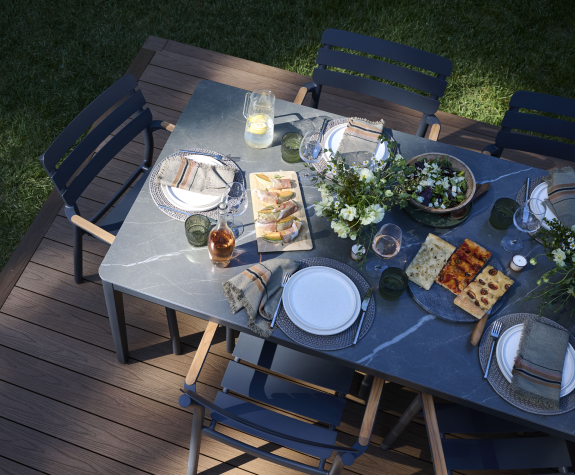
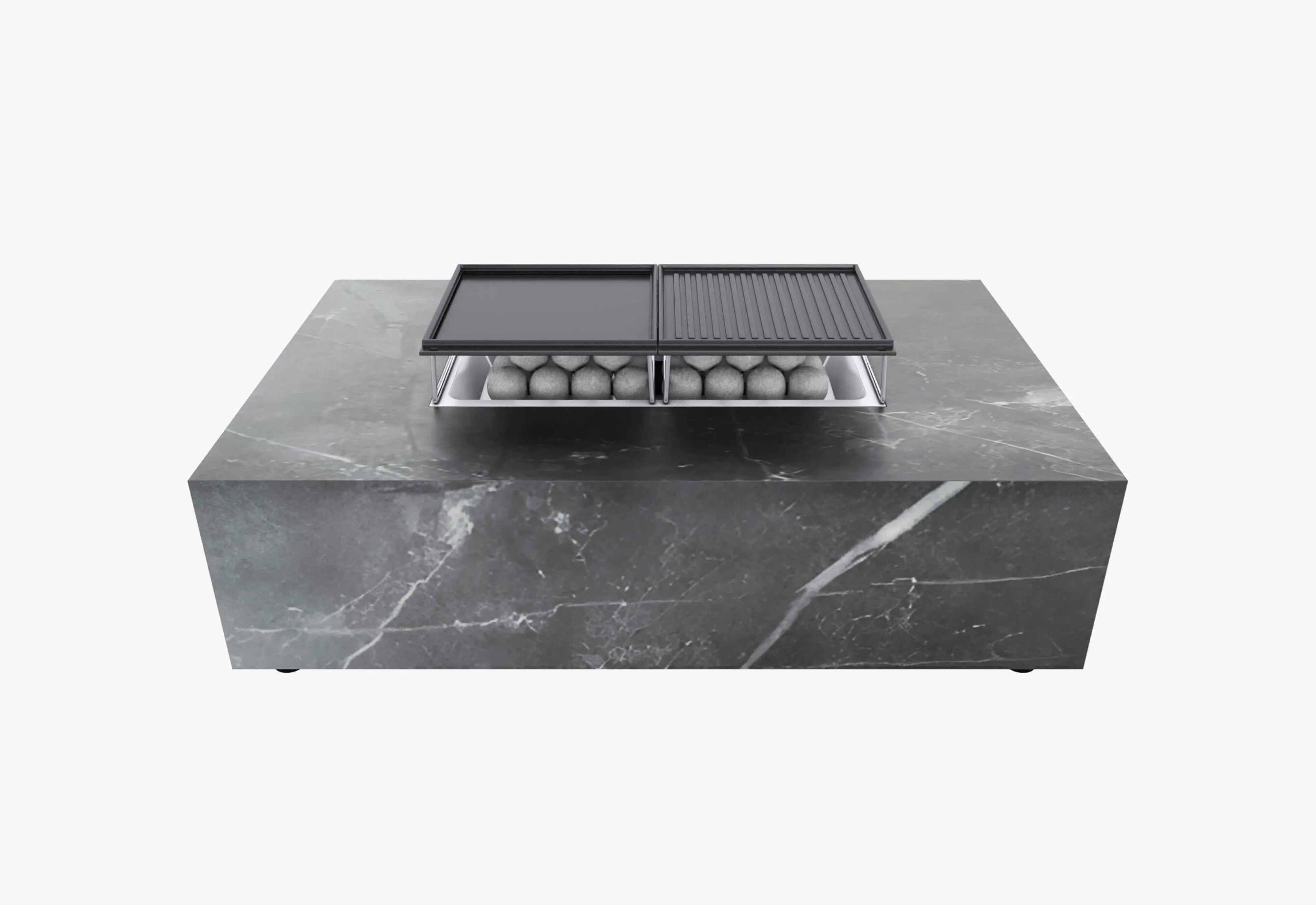
Sintered stone brings a different kind of presence to outdoor dining. The surface tends to read as clean, substantial, and quietly polished. It works well for people who want their dining area to feel architectural and composed, with a tabletop that gives the whole setup a stronger visual center.
That can be especially appealing in an outdoor space where the dining table is meant to carry more of the design weight. A sintered stone top often makes the dining zone feel more intentional, almost as if the outdoor space has been edited with the same care as the interior. It suits homeowners who want that sense of permanence and surface refinement without leaning into anything flashy.
Sintered stone can also be a strong choice for people who care about a cleaner tabletop experience. In day-to-day life, that can mean less hesitation around family meals, serving dishes, and the regular rhythm of outdoor dining. If you want to see how Outer approaches this material direction, the Outerstone outdoor dining collection is the most relevant place to explore that perspective.
Which outdoor dining table material is best for your outdoor space?
The best outdoor dining table material is usually the one that matches the way you live outside, not the one with the strongest sales pitch. Teak is often the right fit when you want warmth, natural texture, and a dining area that feels relaxed and timeless. Aluminum tends to work well when you want lighter visual weight, low maintenance, and a more tailored modern look. Sintered stone often feels right when you want the dining table to have more presence and a cleaner, more substantial surface.
It also helps to think about what surrounds the table. If your outdoor space already includes a lot of natural texture, an Aluminum frame may keep the composition feeling balanced. If the surrounding pieces are cleaner and more minimal, teak can soften the overall look. If the dining area is meant to stand out as a destination for hosting, sintered stone can create that grounded focal point.
Material mixing can also work beautifully when it is handled with restraint. You do not need every surface to match perfectly for the outdoor space to feel cohesive. What matters more is balance between warm and cool finishes, lighter and heavier shapes, and how the dining area connects to the rest of the layout. Outer’s guide on how to mix and match outdoor furniture materials is helpful if you are thinking through that larger picture.
Dining outside starts with a table you want to use often
Good outdoor dining is rarely about finding a perfect material in the abstract. It is about choosing a table that supports the way meals actually happen in your outdoor space. It should feel right on an ordinary evening, not just during a styled photo shoot. It should work when the table is set simply, when dinner runs long, and when people gather without much notice.
That is why the best material often comes down to personality as much as performance. Teak feels warm and grounded. Aluminum feels streamlined and easy. Sintered stone feels substantial and composed. Each can be the right answer when the table suits the mood of the outdoor space and the way you want to spend time outside.
This is also part of the larger shift toward more intentional dining outdoors. A well-chosen table creates a place people naturally return to, whether the meal is quick, celebratory, or somewhere in between. That idea is at the center of Outdoor Dining: A New Way to Gather, and it is why material choice matters more than it may seem at first.
If you are ready to compare actual options, explore Outer’s dining tables and sets to see how teak, Aluminum, and stone-forward dining designs translate into real outdoor living. Live Better. Outside.
Frequently Asked Questions About Outdoor Dining Table Materials
Is teak or Aluminum better for an outdoor dining table?
That depends on the look and maintenance level you want. Teak brings warmth and natural character, while Aluminum usually feels lighter, cleaner, and lower maintenance. Both are built for the outdoors, though they create very different moods in an outdoor space.
Is sintered stone good for outdoor dining tables?
Sintered stone can be a strong fit for outdoor dining when you want a more substantial, refined surface. It often works well in outdoor spaces where the dining table is meant to carry more visual presence and create a clear focal point.
Which outdoor dining table material is the lowest maintenance?
For many households, Aluminum is the easiest material to live with day to day because it tends to support a lower-maintenance routine. Teak may need more care if you want to preserve its original golden tone, while sintered stone appeals to people who want a clean, composed tabletop surface.
What material makes an outdoor dining space feel warmer?
Teak usually creates the warmest and most natural feel. Its tone and texture can make an outdoor dining area feel more inviting and more settled, especially when paired with soft seating, outdoor rugs, or layered lighting.