


Outdoor Living Ideas · Fire Pit Design
10 DIY Backyard Fire Pit Ideas: Simple, Low-Cost Outdoor Designs
A backyard fire pit can bring warmth, structure, and a natural gathering point to your outdoor space. Whether you want a simple paver fire pit, a low-cost cinder block setup, a tabletop fire feature, or a more finished fire pit table area, the best design starts with the way you actually want to gather outside.
If your outdoor space needs more warmth, more structure, or a clearer place to gather, a backyard fire pit is one of the most effective upgrades you can make.
Some fire pit ideas are simple weekend DIY projects. Others are better handled with ready-made fire pit tables or professionally installed features. The right option depends on your budget, available space, local fire rules, fuel type, and how much function you want the fire pit to provide beyond the flame itself.
This guide covers 10 DIY backyard fire pit ideas, low-cost fire pit options, patio layout tips, material considerations, and safety reminders to help you create an outdoor space that feels warmer, more useful, and easier to enjoy.

Quick Answer
What Are the Best DIY Backyard Fire Pit Ideas?
The best DIY backyard fire pit ideas are simple, safe, and suited to your outdoor space. Popular options include classic paver fire pits, cinder block fire pits, in-ground fire pits, concrete fire pits, tabletop fire pits, metal drum fire pits, and portable fire pits. Before building, check local fire rules, choose a flat and stable surface, leave proper clearance from structures and plants, and select materials designed to handle high heat.
Best DIY Fire Pit Ideas by Budget, Space, and Setup
A good DIY fire pit idea should fit both your space and your comfort level with building. Some fire pits can be assembled with basic materials. Others require cutting, forming, fuel planning, or professional help.
| DIY Fire Pit Idea | Best For | Typical Materials | Setup Level |
|---|---|---|---|
| Cinder Block Fire Pit | Low-cost backyard projects | Cinder blocks, gravel, fire-safe insert if needed | Beginner |
| Classic Paver Fire Pit | Timeless backyard layouts | Pavers, gravel, fire ring, level base | Beginner to intermediate |
| In-Ground Fire Pit | Lower-profile fire pit areas | Pavers, fire-rated blocks, gravel, shovel | Intermediate |
| Concrete Fire Pit | More established backyard designs | Concrete, forms, fire-safe bowl or insert | Intermediate |
| Tabletop Fire Pit | Small patios and compact seating areas | Heat-safe container, glass frames, pebbles, fuel canister | Beginner |
| Modern Fire Table | Outdoor entertaining and multifunctional layouts | Fire table kit, tabletop structure, fire-safe components | Advanced |
The best backyard fire pit is not always the most elaborate one. It is the one that fits your space, supports how you gather, and can be used safely and comfortably over time.
The Benefits of a Backyard Fire Pit

It Creates a Clear Outdoor Gathering Zone
A fire pit helps define an outdoor seating area. Instead of scattered chairs or an unfinished patio, the fire pit gives the space a center. This is especially helpful when you want to separate a dining area from a lounge area or create a clear evening gathering spot.
It Adds Warmth and Atmosphere
A fire pit brings warmth, light, and a more inviting feel to the backyard. It can make outdoor time feel more natural after dinner, during cooler evenings, or when guests want a central place to gather.
It Encourages More Time Outside
Fire pits are not only about appearance. They can encourage longer conversations, slower evenings, backyard games, s’mores, and quiet time outside with family and friends.
It Can Support Outdoor Cooking
Some fire pits can support simple outdoor cooking, depending on their design, fuel type, and accessories. If cooking is important to you, choose a fire pit or fire pit table that is designed for it and follow the manufacturer’s instructions.

10 DIY Backyard Fire Pit Ideas
1) Classic Paver Fire Pit

A classic paver fire pit is one of the most recognizable DIY backyard fire pit ideas. It works well when you want a more established fire pit area without building a full outdoor kitchen or custom masonry feature.
Use pavers or fire-rated blocks, create a level base, and consider adding a fire ring or insert depending on your design. The surrounding area matters too: gravel, pavers, or stone can help define the fire pit zone and make it feel more finished.
2) Modern Fire Table

A modern fire table is a strong option if you want warmth and surface function in the same piece. It can serve as the center of an outdoor lounge area while still leaving room for drinks, snacks, and conversation.
A DIY fire table usually requires more planning than a simple paver fire pit. You may need cutting, assembling, sanding, and a fire-safe insert or fuel system. If you want the look and function without the build complexity, a ready-made fire pit table can be a more practical option.
3) In-Ground Fire Pit

An in-ground fire pit can create a lower, cleaner visual profile than an above-ground design. It works well when you want the fire pit to feel integrated into the landscape rather than placed on top of it.
The main watch-out is visibility and safety. In-ground fire pits should be clearly defined and kept away from high-traffic paths so children, pets, and guests do not accidentally step too close to the fire area.
4) Metal Drum Fire Pit

A metal drum fire pit can be one of the more straightforward DIY options when you have the right fire-safe materials and setup. Some homeowners repurpose old metal drums or washing machine drums to create a simple backyard fire feature.
Make sure the metal is appropriate for high heat and has not been used to store unsafe materials. Place it on a stable, non-combustible base and keep it away from anything that can burn.
5) Concrete Fire Pit

A concrete fire pit can create a clean, modern look with strong visual weight. For a DIY version, you’ll typically need a removable form, concrete, proper curing time, and a fire-safe bowl or insert.
Concrete projects require planning and care. The form needs to be level and stable, and the final structure should be compatible with high heat and your chosen fuel type. If you want the look without building from scratch, a Concrete fire pit table may be a better fit.
6) Tabletop Fire Pit

A tabletop fire pit can work well when you want a small, easy-to-move fire feature for a compact patio or seating area. These designs usually use a heat-safe container, decorative stones or pebbles, and a small fuel source.
Because tabletop fire pits sit close to furniture and people, follow the product or material guidance carefully. Keep the base stable, use only appropriate fuel, and do not place the fire too close to flammable decor, fabric, or overhanging objects.
7) Teardrop Fire Pit
A teardrop fire pit adds more visual character than a standard round fire pit. It is usually built as a rounded fire area with a taller back on one side, which can help create a more sculptural focal point.
This design can work well in a backyard seating zone where you want the fire pit to feel more architectural. Be careful about placement near walls, fences, and plants, and make sure the taller side does not create unexpected heat or airflow issues.
8) Simple Cinder Block Fire Pit

A cinder block fire pit is one of the most accessible low-cost fire pit ideas. The materials are easy to source, the structure is simple to understand, and the layout can be adjusted before you commit to a more established fire pit area.
For a more finished look, define the surrounding zone with gravel or pavers, keep the seating simple, and use a consistent shape rather than stacking blocks loosely without a plan.
9) Portable Backyard Fire Pit
A portable fire pit can be useful when you want flexibility. It can move between areas, support smaller gatherings, and work in backyards where a built-in feature is not the right fit.
Portability does not remove the need for safety. Place the fire pit on a stable, non-combustible surface, keep the correct clearance, and think through the fuel type before moving it from one place to another.
10) Hibachi Grill

A hibachi grill is more cooking-focused than most backyard fire pit ideas, but it can still bring the same sense of flame, warmth, and gathering to a small outdoor setup.
Because hibachi grills are compact, they work well for smaller gatherings where cooking and conversation happen close together. Use them only on appropriate surfaces and follow the grill manufacturer’s safety and fuel instructions.
Low-Cost DIY Fire Pit Ideas That Still Look Considered
A low-cost fire pit does not need to look unfinished. The most budget-conscious options usually start with simple materials such as cinder blocks, pavers, gravel, or a metal fire ring. The difference comes from how you define the surrounding area, arrange the seating, and keep the setup clean and intentional.
Cinder Blocks
Useful for a quick backyard setup when you want a simple fire pit structure without pouring concrete.
Pavers
Useful for a more finished look while still using materials that are easy to source.
Gravel Base
Useful for defining the fire pit zone and helping the setup feel more deliberate.
For a better result, avoid thinking only about the fire pit itself. A low-cost setup feels more complete when the ground plane is defined, the seating is scaled to the space, and the surrounding area is kept simple.
DIY Fire Pit Materials: What to Consider Before You Build

When planning a DIY backyard fire pit, materials are more than a style choice. They affect heat performance, safety, maintenance, and how long the fire pit area will continue to feel good to use.
Pavers and Fire-Rated Blocks
Good for classic fire pits and low-cost backyard projects. Make sure the materials are appropriate for high heat.
Concrete
Good for clean-lined designs, but it requires careful forming, curing, and compatibility with fire-safe inserts.
Metal
Good for drums, bowls, and portable fire pits. Confirm the metal is safe for heat and has not been used for hazardous materials.
Gravel or Stone Base
Good for defining the area beneath and around the fire pit while keeping the setup visually grounded.
Patio Fire Pit Ideas for Outdoor Seating Areas
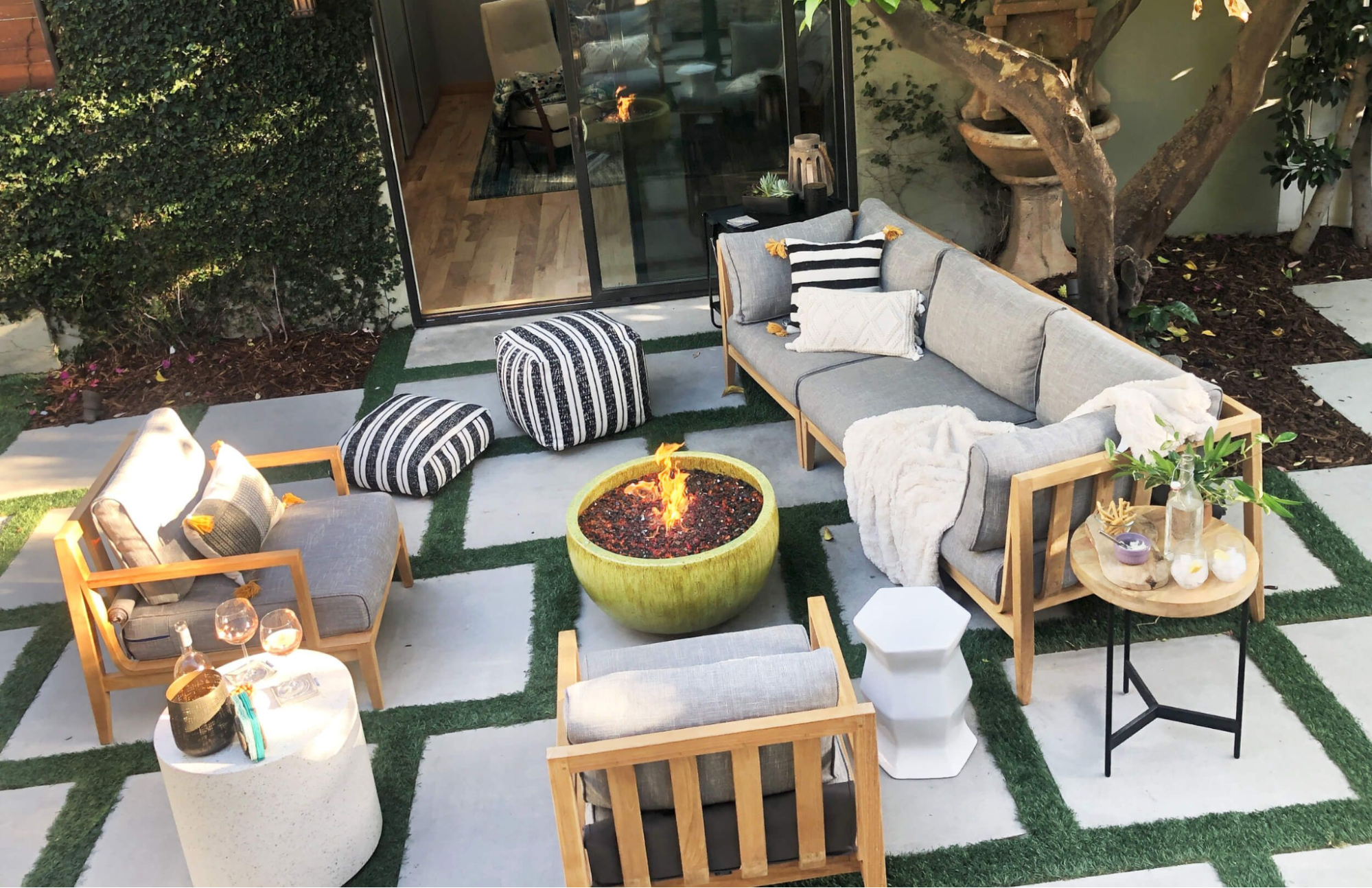
If your fire pit will sit on a patio instead of open yard space, focus on layout first. The fire pit should leave enough room for people to move around the seating area, set drinks down, and sit comfortably without crowding the center.
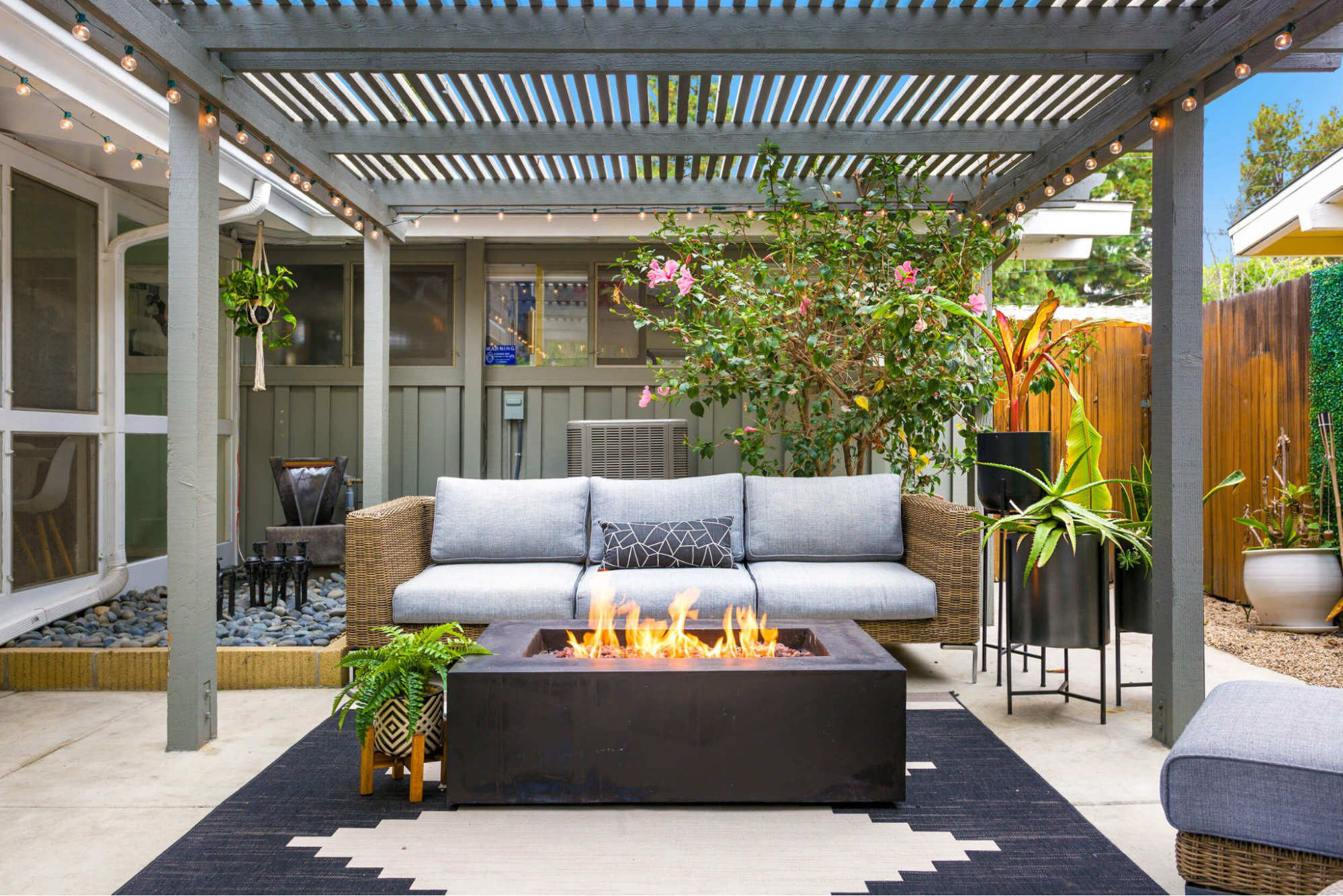
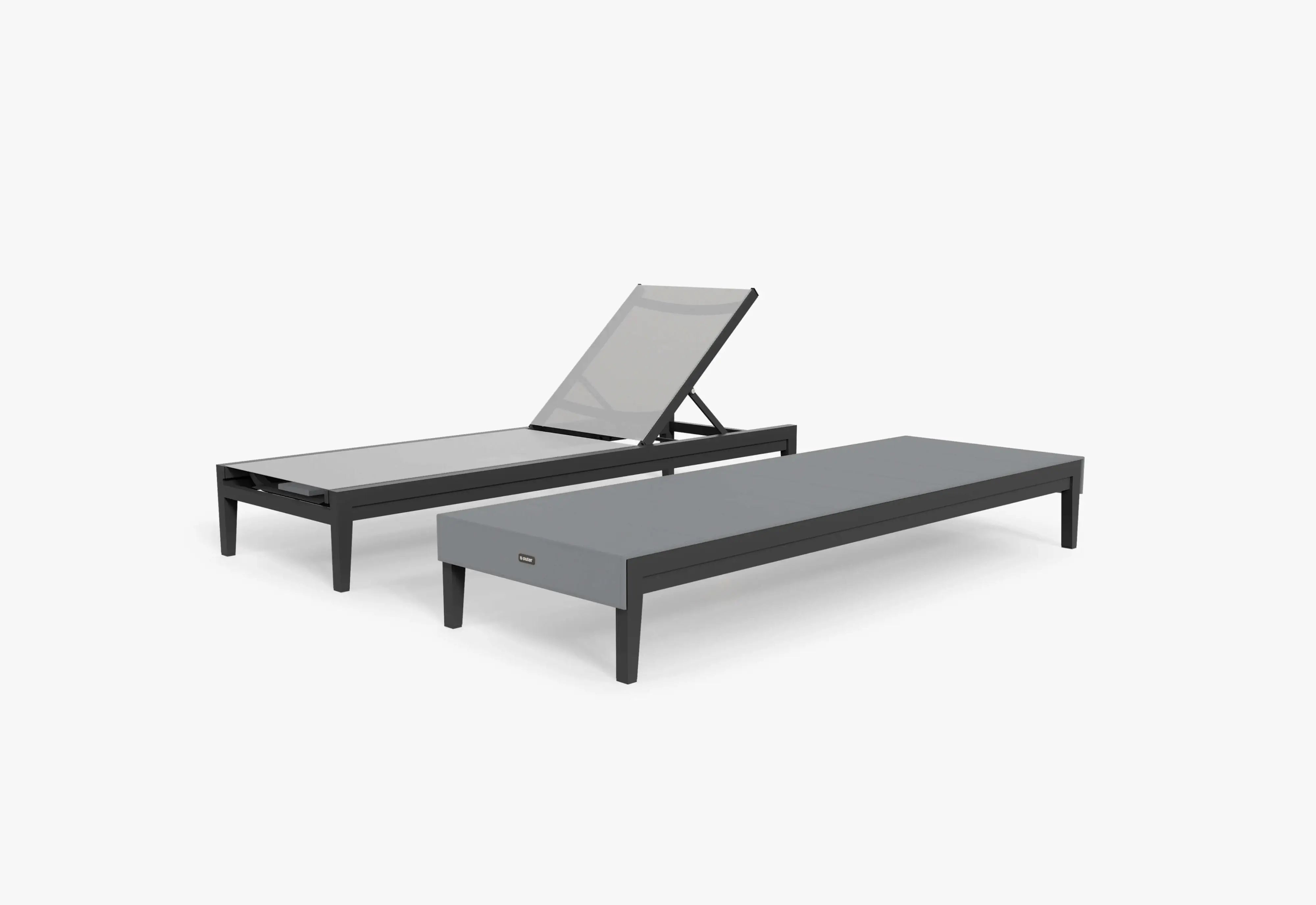
For many patios, a fire pit table works better than a purely decorative pit because it can act as both a gathering point and a usable surface when the flame is off. Pair it with sofas, lounge chairs, a rug, or side tables rather than adding too many pieces around the center.

DIY Fire Pit Safety Checklist
Fire pit safety starts before you buy materials or light the first flame. Use this checklist as a starting point, then follow your local rules and the manufacturer’s instructions for the specific fire pit, fuel, and setup you choose.
Check local rules: Before building or buying, confirm whether your city, HOA, or county restricts open flames, fire pit size, fuel type, or permits.
Choose a stable surface: Place the fire pit on a flat, stable, non-combustible surface such as stone, concrete, pavers, or gravel.
Leave proper clearance: Keep fire pits outdoors and away from anything that can burn, including homes, fences, furniture, plants, and overhanging branches.
Watch children and pets: Keep the fire supervised while in use, and make sure children and pets cannot step into or lean over the fire area.
Put the fire out before leaving: Turn off or fully extinguish the fire before leaving the backyard or going inside.
DIY Fire Pit vs. Fire Pit Table: Which Is Better?
A DIY fire pit can be a good choice if you want a hands-on project, a lower-cost starting point, or a fire feature that feels more rustic and personal. A fire pit table may be better if you want a cleaner finished look, easier everyday use, tabletop function, and a fire feature that fits naturally into a patio seating layout.
| Option | Best For | Trade-Off |
|---|---|---|
| DIY Fire Pit | Hands-on projects, low-cost builds, rustic backyard layouts | Requires more planning, material decisions, and safety checks. |
| Fire Pit Table | Patios, lounge areas, entertaining, everyday outdoor living | Costs more up front, but adds table function and a more finished setup. |
Outer Product Picks for Fire Pit-Friendly Outdoor Living
DIY fire pit ideas are useful for inspiration, but not every outdoor space needs a from-scratch build. If you want a more finished fire pit area, start with the fire feature, then build the seating and supporting surfaces around how you gather most often.
Product Picks
Build a Fire Pit Area That Works Beyond the First Night
Choose a fire pit that fits your layout, then add seating and side surfaces that make the area comfortable, functional, and easy to use.

Outdoor Fire Pits & Fire Pit Tables
For warmth, surface function, and a natural gathering point.
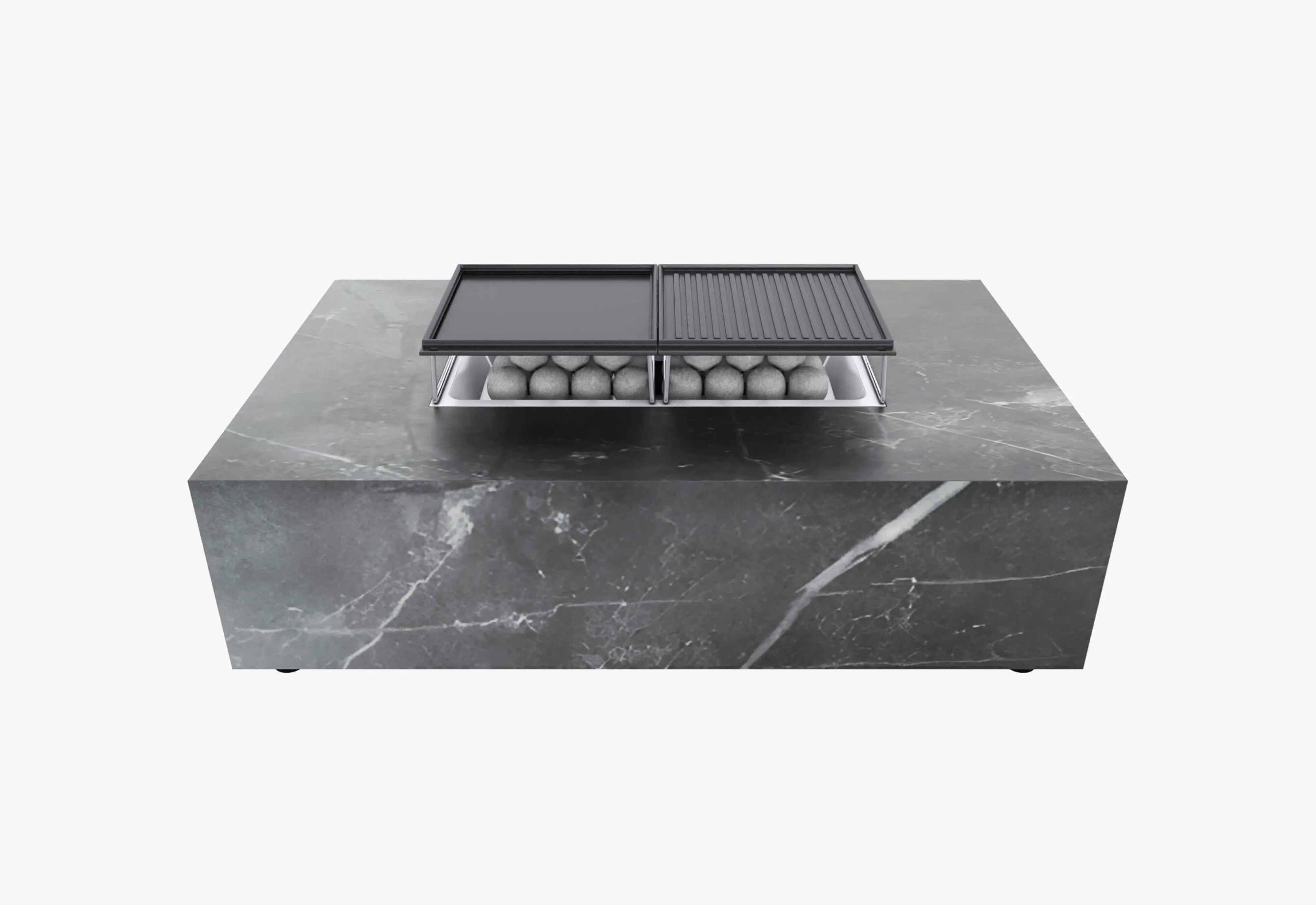
Outer fire pits are available in Concrete and OuterStone® with rectangular, round, and square formats. Each fire pit table is built around a versatile 3-in-1 concept designed to work as a fire pit, table, and grill when paired with the optional Cooking Set.
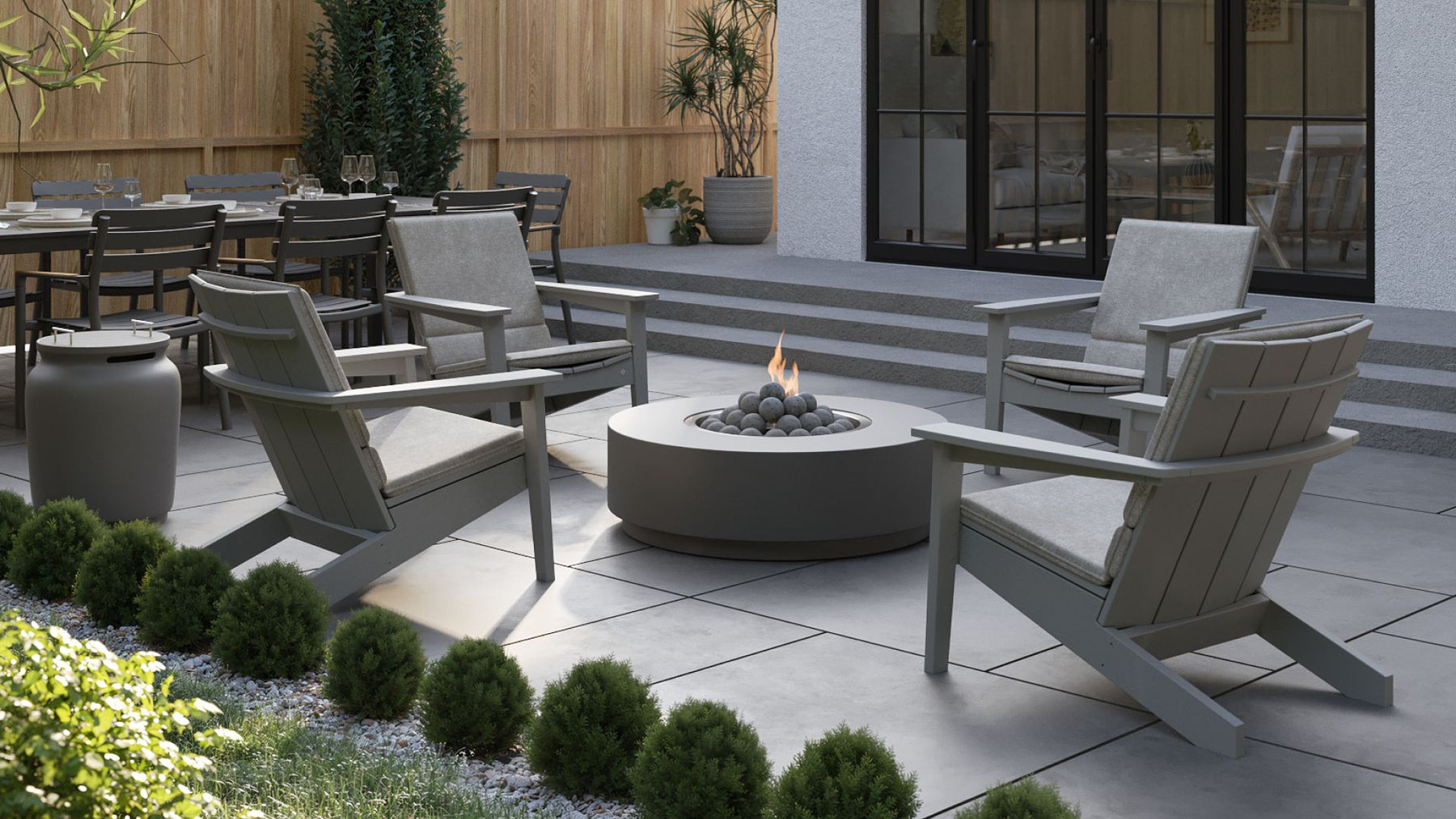
Concrete Fire Pit Tables
For clean-lined patios and lounge-forward fire pit areas.
Concrete fire pit tables work especially well when you want the fire pit to feel architectural and grounded. A rectangular format pairs naturally with sofas, sectionals, and patio lounge layouts.

Outdoor Sofas & Modular Seating
For comfortable conversation around the fire.
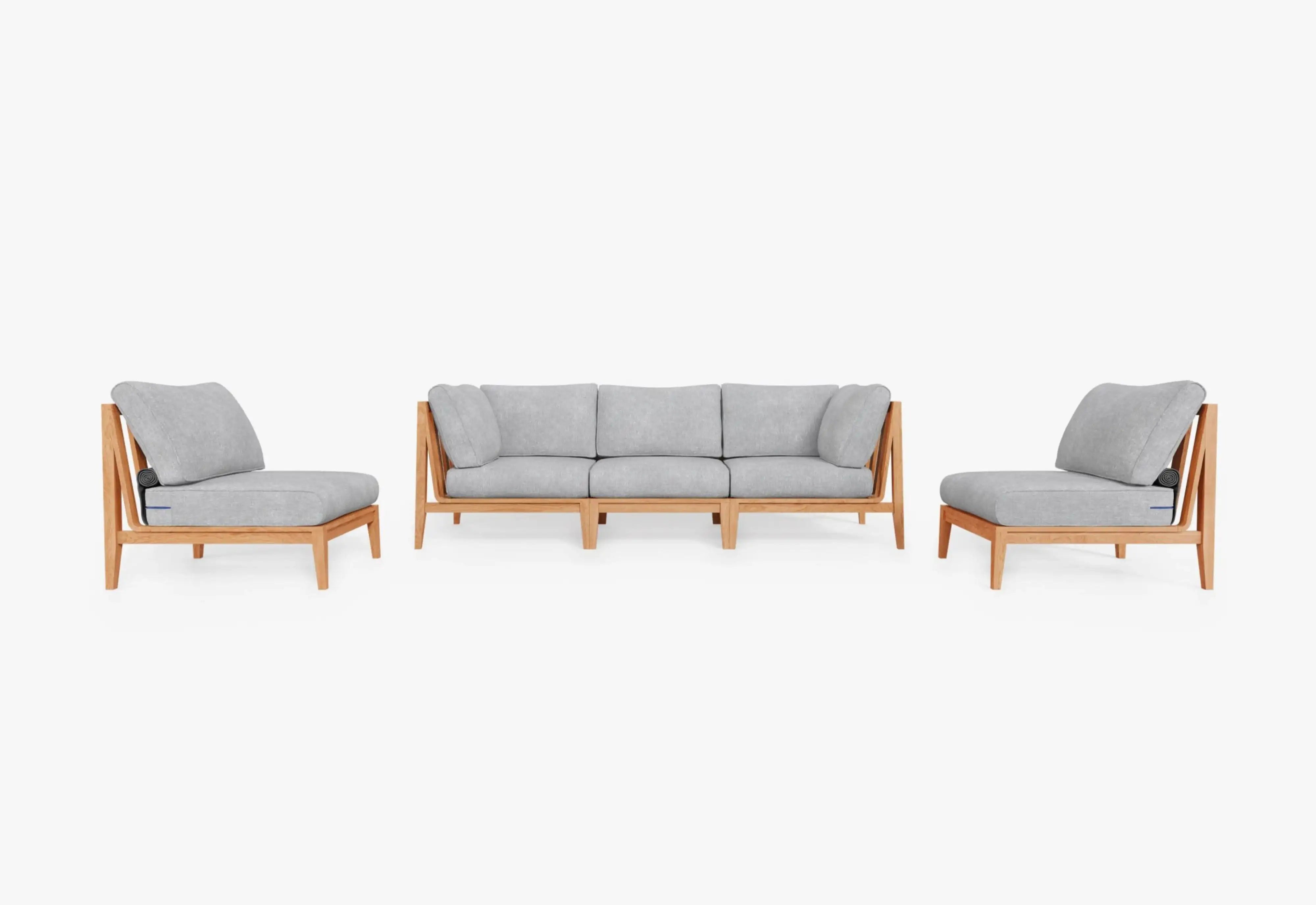
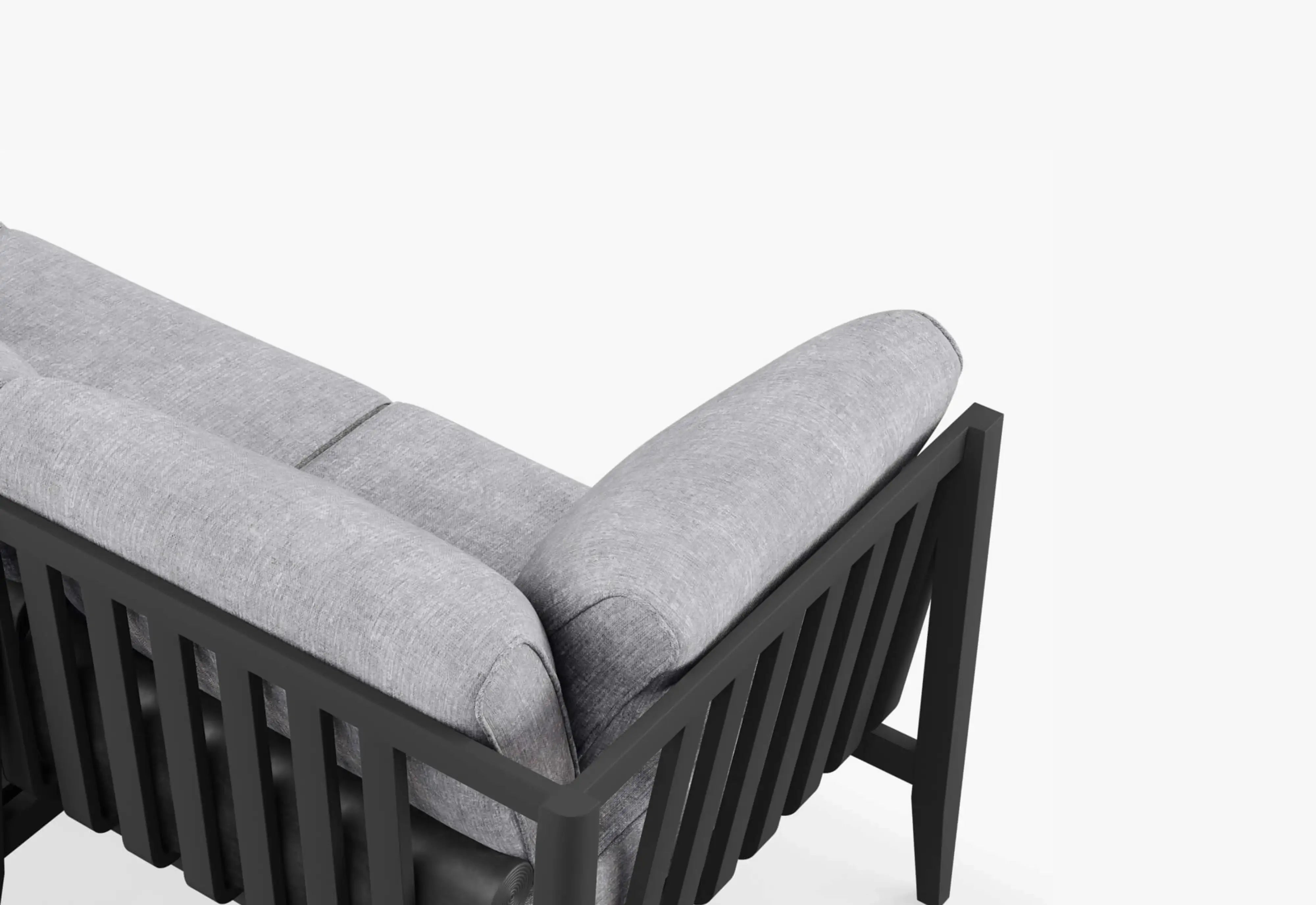
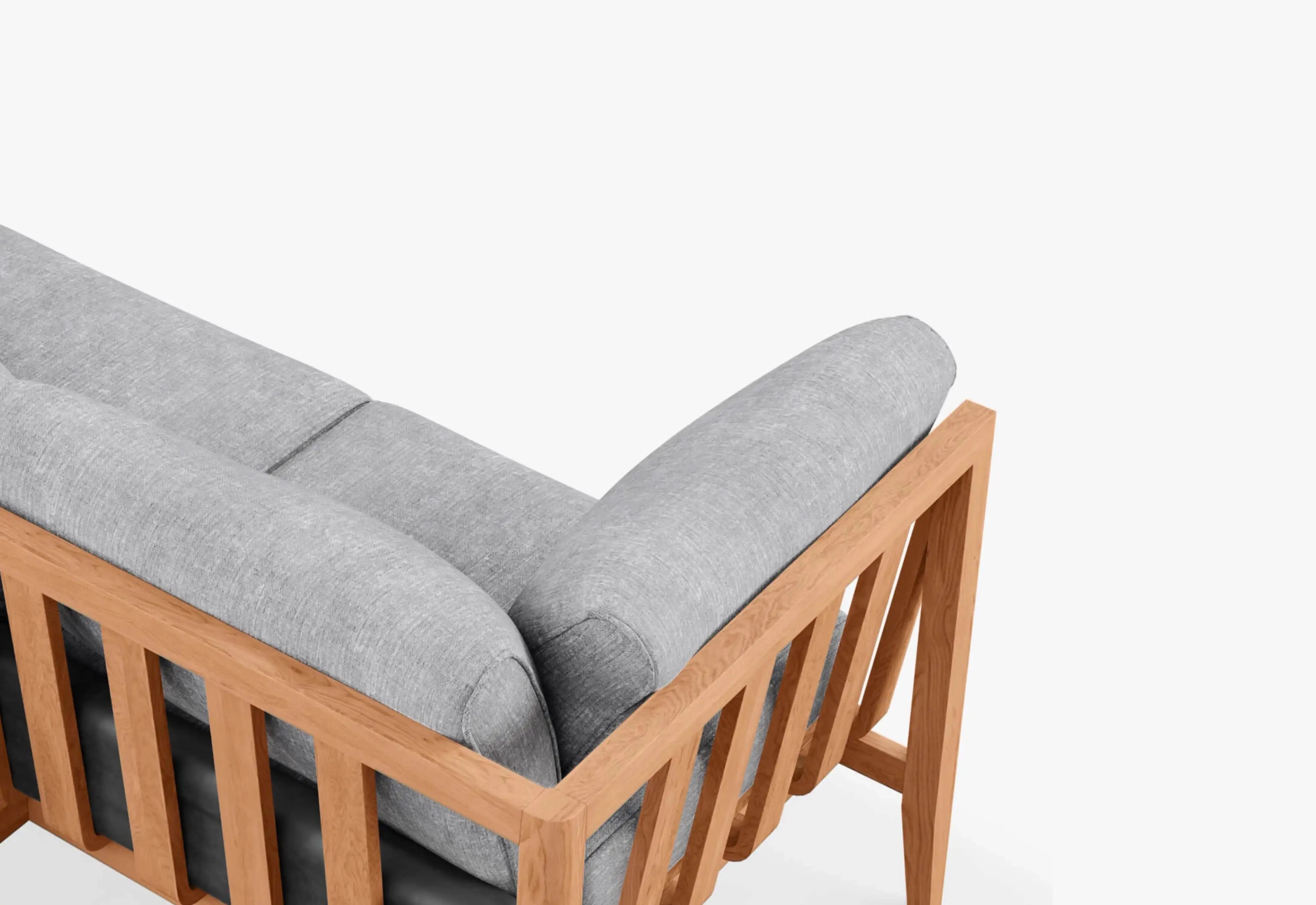
A fire pit area works best when the seating supports conversation without crowding the center. Outer’s modular sofa collection lets you compare frame materials, fabric colors, and configurations that accommodate your changing outdoor needs.
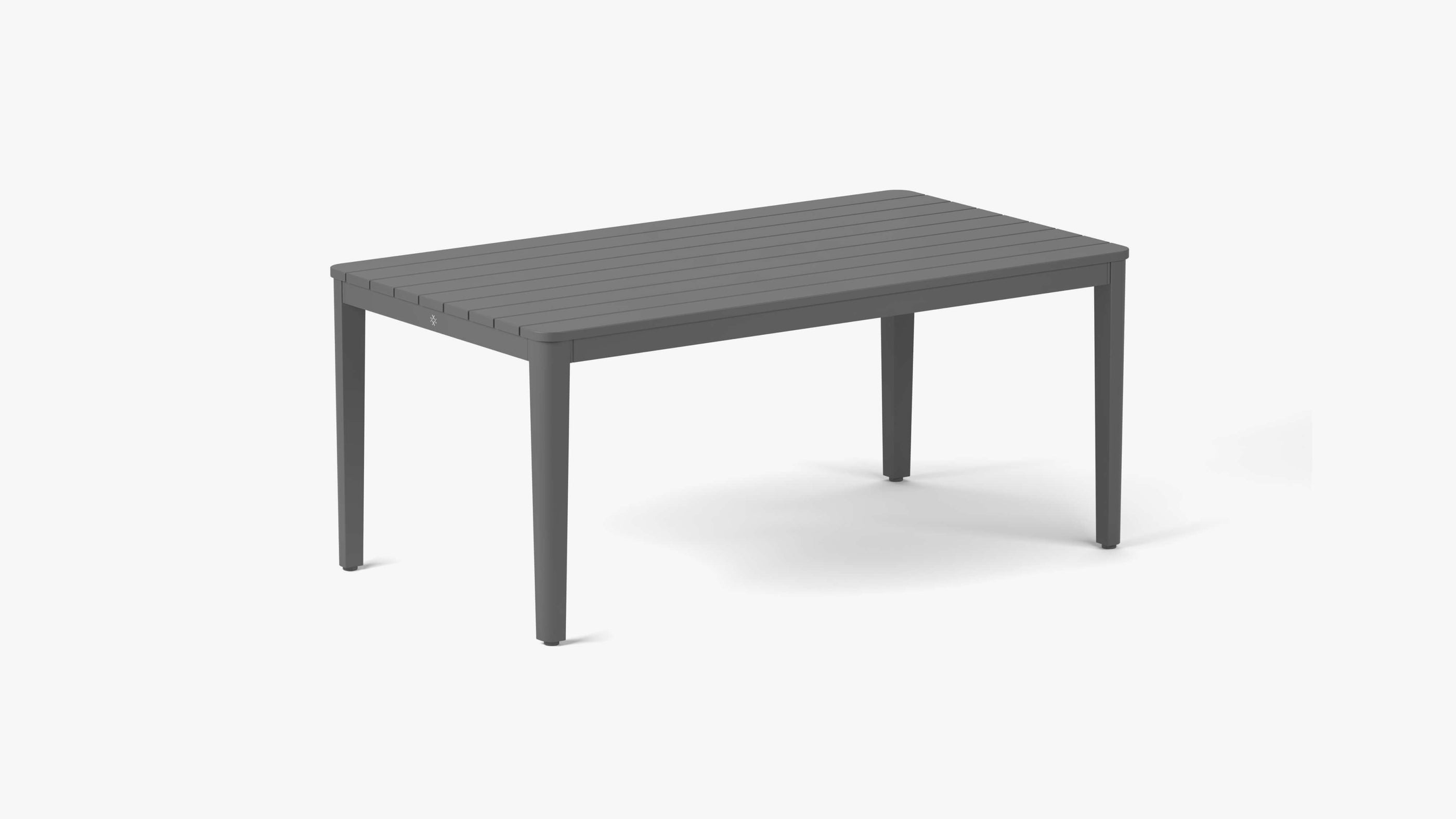
Outdoor Coffee & Side Tables
For drinks, small plates, books, and hosting details.
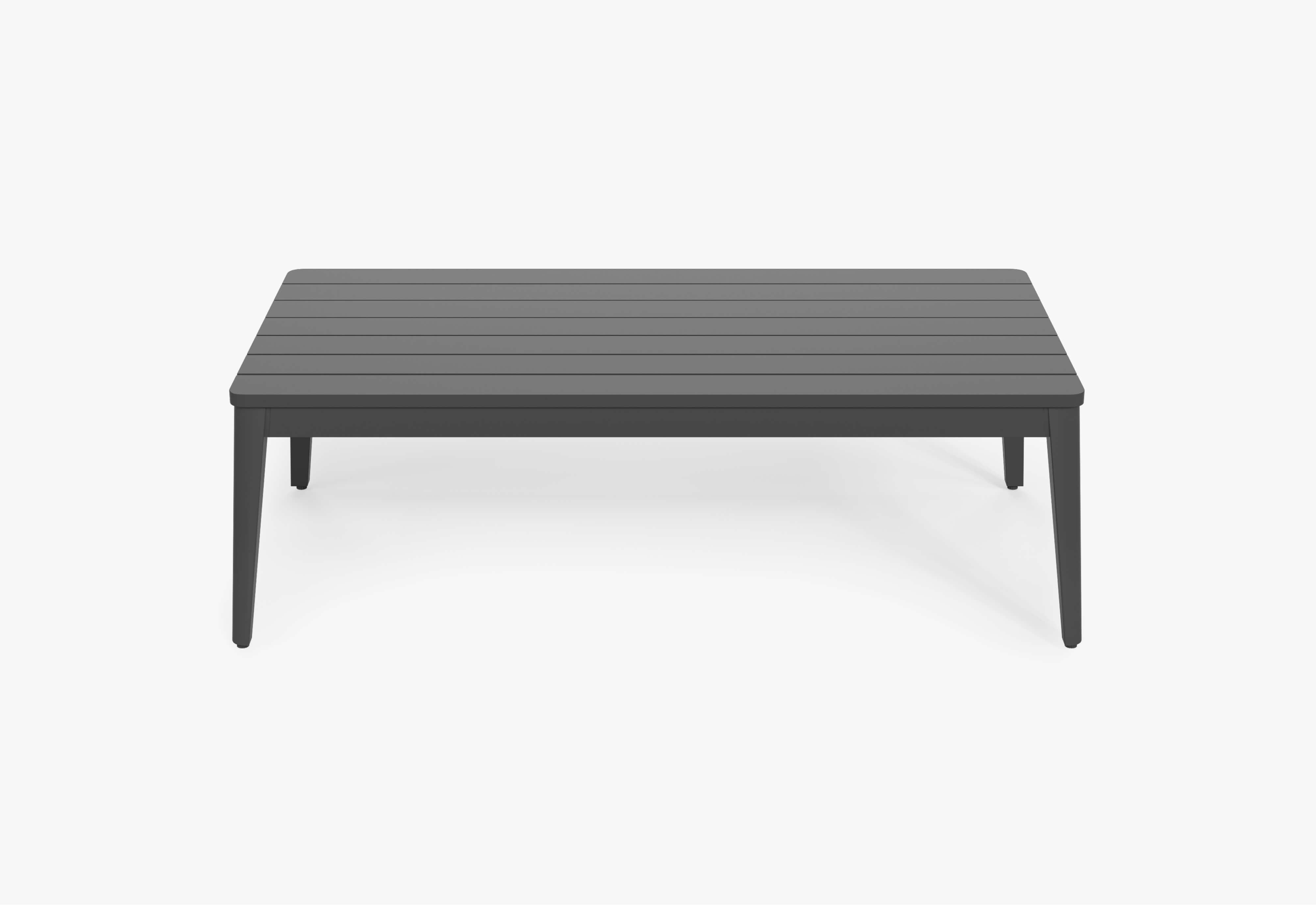
Side tables can make a fire pit area more useful without filling the center with extra furniture. They work well beside lounge chairs, sofas, or along the edge of a patio fire pit setup.
Related Reading
Live Better. Outside.
Create a Fire Pit Area You’ll Actually Use
Whether you choose a simple DIY fire pit or a finished fire pit table, the best outdoor spaces are planned around how people gather. Start with the fire feature, then add seating, side tables, and layout details that make the backyard easier to enjoy.
DIY Backyard Fire Pit FAQ
What is the easiest DIY fire pit to build?
A cinder block or paver fire pit is usually one of the easiest DIY fire pits to build because the materials are easy to find and the structure can be assembled without advanced tools. Always use fire-safe materials and follow local rules before building.
What is the most budget-conscious way to build a backyard fire pit?
The most budget-conscious way to build a backyard fire pit is usually with cinder blocks, pavers, gravel, and a simple fire-safe insert or ring. A defined ground surface and clean seating layout can help a low-cost setup feel more finished.
Can you build a fire pit on a patio?
You can use a fire pit on a patio only when the surface is flat, stable, non-combustible, and compatible with the fire pit manufacturer’s guidance. Always maintain proper clearance from structures, plants, furniture, and overhanging elements.
What materials should you use for a DIY fire pit?
Common DIY fire pit materials include fire-rated bricks, pavers, concrete blocks, gravel, steel rings, fire-safe bowls, and non-combustible base materials. Avoid materials that can crack, melt, burn, or release unsafe fumes under high heat.
Are in-ground fire pits safe?
In-ground fire pits can work when they are built correctly, placed safely, and supervised while in use. They should be clearly visible, kept away from foot traffic, and protected so children or pets cannot accidentally step into the fire area.
What is better: a DIY fire pit or a fire pit table?
A DIY fire pit can be a good choice for a low-cost or hands-on project. A fire pit table may be better if you want a cleaner finished look, tabletop function, and a fire pit that fits more naturally into a patio seating layout.
How far should a fire pit be from a house?
Always follow local rules and the manufacturer’s guidance. As a general safety baseline, keep outdoor fire pits at least 10 feet away from your home or anything that can burn, and avoid placing them under overhangs, branches, or other combustible elements.
What is the best fire pit idea for a small backyard?
For a small backyard, a tabletop fire pit, compact square fire pit, cinder block fire pit, or rectangular fire pit table can work well. The best choice depends on your seating layout, available clearance, and whether you want portability or a more established setup.