


Backyard cookouts · Family gatherings · Game day
25 Backyard Games for Family Fun
Lawn games for a Saturday cookout, something active for the kids, and a few patio favorites when dinner is over. Here are 25 ways to bring family and friends together outside.

Start here
For a cookout: Cornhole or ladder ball. For an active group: Kan Jam or Spikeball. For a compact patio: giant four in a row or ring toss. After dinner: UNO or team trivia. Start with one outdoor game and one seated option.
See all 25 games
- Cornhole (Bags)
- Ladder Toss (Ladder Ball)
- Bocce Ball
- Horseshoes
- Washer Toss (Washers)
- Kan Jam
- Spikeball (Roundnet)
- Backyard Badminton
- Wiffle Ball
- Backyard Kickball
- Giant Jenga-Style Stacking Game
- Giant Four in a Row
- Ring Toss
- Kubb
- Croquet
- Backyard Scavenger Hunt
- DIY Obstacle Course
- Sponge Relay
- Backyard Flag Football
- Yard Dice
- UNO
- Dominoes
- Charades
- Family Trivia
- Name That Tune
Games 01–05
Cookout Classics: Toss, Roll, and Take Turns
For a backyard BBQ or a game-day get-together, start with games guests can join between conversations. Cornhole, ladder ball, and bocce are easy entry points; horseshoes and washers offer different target challenges. Choose one clear playing lane and put the waiting area beside it.
01. Cornhole (Bags)
Players: 2 or 4
Bring: Two boards and beanbags
Space: Clear lawn or patio lane
Put out the boards before a cookout and guests can join a quick round while the rest of the group catches up. Cornhole, also called bags, works with two players or two teams of two. Take turns tossing toward the opposite board, aiming to land on the surface or through the hole. For a casual afternoon, agree on scoring and play a few rounds before switching partners; use your set's rules if the group wants a full match.
Backyard tip: Move the throwing line closer for beginners and children. Keep the waiting area beside the lane, outside the path of flying bags, and choose a distance that fits your yard and the players.
02. Ladder Toss (Ladder Ball)
Players: 2 or more, taking turns
Bring: Ladder toss set
Space: Clear throwing lane
Ladder toss, also called ladder ball, gives a cookout another easy turn-taking option. Toss the connected balls, called bolas, toward the ladder and try to wrap them around a rung. Use the scoring supplied with your set, or count each successful wrap as one point in a beginner round. Let a player finish before collecting the bolas. It is easy to rotate new guests into the next match without interrupting the conversation.
Backyard tip: Choose a closer throwing line for newcomers. This is a throwing game, so put the ladder where missed shots will not reach people, windows, or the snack table.
03. Bocce Ball
Players: 2–8 in teams
Bring: Bocce balls and a target ball
Space: Open patch of lawn
Place or gently toss the small target ball, then take turns rolling larger balls toward it. The closest ball wins the round in a simple family version. Divide the available balls evenly and change the target position between rounds to keep the challenge interesting. Bocce works especially well when guests want a game with pauses for conversation rather than constant running.
Backyard tip: You do not need a regulation court for casual backyard play. Use a shorter target distance, agree on boundaries, and wait until everyone has finished before collecting the balls.
04. Horseshoes
Players: 2 players or two teams
Bring: Horseshoe set and suitable targets
Space: Dedicated clear pitching area
Horseshoes brings a traditional pitching game to a backyard with room for a separate lane. Players take turns tossing toward a stake, trying to land close to it or around it for a ringer. Use the scoring and setup directions supplied with the set. Keep the round short when several people are waiting, and pair an experienced player with a newcomer so the first game does not become a lesson from the sidelines.
Backyard tip: For mixed-age gatherings, choose a lightweight rubber horseshoe set with its matching targets. Keep spectators outside the pitching area and wait until all throws are finished before retrieving pieces.
05. Washer Toss (Washers)
Players: 2 players or two teams
Bring: Washer toss set
Space: Clear lane between target boxes
Washers is a compact target game: players toss washers toward a cup or opening in a target box. Sets vary, so review which landing spots score and how points cancel before starting. For an introductory round, give everyone equal throws and simply compare totals. The short turns suit a cookout where guests want to play a little, take a break, and come back for a rematch. A target box also makes the game's goal easy for onlookers to understand.
Backyard tip: Use the throwing distance recommended for your set, shortening it for a clearly agreed casual version. Keep small washers collected between rounds and choose larger, lighter pieces for younger players.
Games 06–10
Active Lawn Games for Teens and Adults
These games need room to move. Save a broad, clear patch of lawn for discs, quick rallies, or a casual ball game, and keep the grill and dining area outside the action. They work best when guests want an activity rather than a game they can play from their seat.
06. Kan Jam
Players: 4 in two teams
Bring: Flying disc and two Kan Jam goals
Space: Long, open throwing lane
One teammate throws the disc toward the far goal while their partner tries to deflect it into or against the target. Partners alternate throwing and deflecting, so both people stay involved. It is a good choice for a group that already enjoys throwing a flying disc but wants an actual team challenge. Start with practice throws, then use the game's scoring rules for a match. A shorter-distance version can help beginners find their rhythm before moving the goals farther apart.
Backyard tip: The official setup places the goals 50 feet apart, so check your usable lawn first. A shorter layout is a house-rule adaptation. Keep a clear buffer around each goal and alongside the disc's flight path.
07. Spikeball (Roundnet)
Players: 4 in two teams
Bring: Roundnet set and ball
Space: Open lawn around the entire net
Roundnet is the game played on the small circular net, often recognized by the Spikeball brand. After the serve, a team has up to three alternating touches to return the ball onto the net. The other team then plays the rebound. Movement happens all around the net, which makes it a better fit for guests who want an energetic game than those hoping to stay in one spot. Let beginners practice cooperative rallies before keeping score.
Backyard tip: Start with catch-and-throw practice to learn the bounce, then progress to hitting. Leave open space on every side; a small net does not mean the game fits safely into a tiny patio corner.
08. Backyard Badminton
Players: 2 or 4
Bring: Rackets, shuttlecock, and portable net
Space: Open lawn with overhead clearance
Set up a portable net and see how long you can keep the shuttlecock in play before turning the rally into a match. Singles works for two guests; doubles lets four people share the court. For a casual cookout version, mark manageable boundaries and use a simple agreed score rather than stopping every few minutes to debate a line call. It is also easy to swap partners between rounds, giving the afternoon a little movement without organizing a large team.
Backyard tip: Choose a calmer part of the yard because wind changes the shuttlecock's flight. Shorten the court for beginners, keep room behind each baseline, and check for branches before setting up the net.
09. Wiffle Ball
Players: Small teams or a rotating batter
Bring: Plastic bat, perforated ball, and base markers
Space: Large clear lawn
Turn an open lawn into a casual ball field with a plastic bat, a perforated ball, and a few flat base markers. Before the first pitch, agree on the fair area, what counts as a hit, and how runners score. With only a few players, use a permanent pitcher and rotate the batter, or agree on imaginary runners instead of staffing every base. The appeal is a backyard version of baseball that you can adapt to the people who showed up.
Backyard tip: Keep everyone clear of the batter's swing and hit away from windows and neighboring property. If the yard is too small for batted balls, choose a target game instead of trying to squeeze in a field.
10. Backyard Kickball
Players: Two small teams
Bring: Playground ball and flat base markers
Space: Large, open lawn
Roll the ball toward the kicker, kick it into the agreed playing area, and run the bases while the other team fields. Keep the rules simple and explain how to make an out before starting. For family play, use catches and force-outs at bases rather than throwing the ball at runners. Limit each team's turn to a short inning so people can rotate roles and nobody spends the whole game waiting to kick.
Backyard tip: Reduce the distance between bases for a smaller group, but preserve room to slow down. Play on a clear lawn, keep paths and furniture outside the field, and switch games if the space feels crowded.
Hosting tip: Put water and towels at the edge of the activity area, with a clear route to a shaded resting spot. Announce a short break between games so guests can switch activities without missing a turn.
Games 11–15
Easygoing Yard Games Between Bites
Giant stacking blocks, four in a row, and ring toss can fit a smaller gathering area. Kubb and croquet need more lawn, but offer a slower pace than a running game. Choose by usable space as well as energy level: a relaxed game can still need a clear throwing area.
11. Giant Jenga-Style Stacking Game
Players: 2 or more
Bring: Outdoor stacking-block set
Space: Level ground with space around it
Build the tower according to your set's instructions. Each player removes an eligible block and adds it to the top, trying to keep the structure standing. The fun is in the suspense, so let everyone study the tower before their turn. When it falls, rebuild together and start a fresh round rather than making someone sit out.
Backyard tip: Use a smaller, lighter set for younger players. Keep spectators outside the fall area, follow the set's age guidance, and let falling blocks drop rather than trying to catch them.
12. Giant Four in a Row
Players: 2 players or two teams
Bring: Freestanding four-in-a-row set
Space: Small, level patio area
Take turns dropping discs into the upright frame, aiming to connect four in a row horizontally, vertically, or diagonally. The oversized board makes each move easy for nearby guests to follow, so this works well as a casual side activity during a cookout. Play one-on-one, let two-person teams discuss their choices, or rotate challengers after every round. It gives a patio something to do without requiring a running lane or a large tabletop.
Backyard tip: Place the frame on a stable surface where players can reach the slots. Keep spare discs in a container beside it, and leave space for the pieces to come out when the board is reset.
13. Ring Toss
Players: 2 or more
Bring: Rings and a ring toss target
Space: Small clear area
Set up the target and give each player the same number of rings. Count successful throws over three rounds, or assign different points to the target's pegs. Players can compete individually or combine scores in teams. Because turns are short, ring toss fits easily between a meal and a longer lawn game without requiring everyone to commit to a tournament.
Backyard tip: Create two throwing lines so children and adults can play together. Bring the target closer before adding complicated scoring; early successes help beginners enjoy the game.
14. Kubb
Players: 2 teams; flexible team size
Bring: Kubb blocks, throwing batons, and a king
Space: Rectangular lawn area
Kubb adds a little strategy to a lawn-game afternoon. Teams take turns throwing batons underhand to knock over wooden blocks, clearing the required blocks before attempting the king in the middle. Knocked-down blocks return to play on the opposing half, which changes the next team's challenge. Demonstrate a round before starting; it needs more explanation than ring toss, but the turn-taking leaves plenty of room for conversation between throws.
Backyard tip: Read the set's rules, especially the order for clearing field blocks and the king. Recreational court dimensions can vary with the space and players. Keep people out of the throwing area and collect pieces only when the turn is finished.
15. Croquet
Players: 2–6, depending on the set
Bring: Mallets, balls, and wickets
Space: Short, reasonably level grass
Arrange the wickets into a route and show everyone the order before starting. Players take turns tapping their ball through each gate with a mallet. For a relaxed introduction, allow one stroke per turn and skip bonus shots until everyone understands the course. The first player through the agreed route wins; the others can finish their own rounds.
Backyard tip: Use fewer wickets and wider turns in a small yard. Pair a beginner with someone who can explain the next shot, and leave room between players while they swing.
One space, two activities: If you have a compact patio, choose giant four in a row or ring toss. If you have a larger lawn, leave a Kubb or croquet area set up while the group takes a break. Keep passing routes open in either case.
Games 16–20
Family Challenges for a Backyard Afternoon
Mix one activity for curious kids with a team challenge and a game that welcomes quick turns. These ideas work well for a family reunion or an afternoon with neighbors. Explain the boundaries and house rules before starting, then let the group settle into the game.
16. Backyard Scavenger Hunt
Players: Individuals or small teams
Bring: A list and optional picture clues
Space: Any defined backyard area
Make a short list of things to spot, such as a yellow flower, a smooth stone, something round, and a bird. Players check off discoveries instead of collecting everything. For a treasure hunt, hide a few clearly marked objects and write clues leading from one to the next. Finish with everyone sharing their favorite find rather than rewarding speed alone.
Backyard tip: Use pictures for younger children and riddles for older players. Set clear boundaries and keep every clue in a reachable place, away from equipment or plants that should be left alone.
17. DIY Obstacle Course
Players: One at a time or relay teams
Bring: Cones, hoops, and ground markers
Space: Open lawn
Build a short sequence: weave around cones, step into a hoop, balance along a marked line, and finish by tossing a beanbag into a basket. Walk through the route together before starting. Players can try to improve their own time or work as a team to complete the course. Keep the obstacles at ground level so the challenge comes from coordination.
Backyard tip: Change a hopping section to walking, rolling, or reaching to suit the players. Avoid using chairs and tables as climbing equipment, and leave enough room to finish without running into the next activity.
18. Sponge Relay
Players: Two or more teams
Bring: Sponges, water buckets, and empty containers
Space: Lawn with separate lanes
Each team starts with a water bucket, a sponge, and an empty container a short distance away. One player soaks the sponge, carries it to the container, squeezes out the water, and returns it to the next teammate. Compare the collected water after everyone has taken the same number of turns. Walking keeps the challenge focused on carrying rather than speed.
Backyard tip: Use a shorter route or pass the sponge along a stationary line. Keep the activity away from slippery decking and electrical equipment, and empty the containers when the game is finished.
19. Backyard Flag Football
Players: Two small teams
Bring: Football, flag belts, and boundary markers
Space: Large open lawn
For a game-day gathering with enough lawn, set two end zones and split into small teams. The offense tries to move the ball down the field; the defense ends a play by pulling a flag instead of tackling. Agree on a short set of house rules for downs, rushing the passer, and scoring before kickoff. You can rotate a designated quarterback when players have very different throwing skills, keeping more people involved in each possession.
Backyard tip: Use non-contact play and keep routes away from furniture, fences, and planting beds. If there is no room to run and stop comfortably, turn it into a stationary passing challenge with a soft ball.
20. Yard Dice
Players: 2 or more
Bring: Oversized dice, bucket, and score sheet
Space: Flat lawn patch or patio
Oversized dice turn a small patch of the yard into a game station. For an easy house game, give each person one roll of five dice per turn, total the numbers, and compare scores after five turns each. If the group prefers combinations, use the instructions and scorecard supplied with your yard-dice set. Keep a clipboard nearby for the scorekeeper and collect all the dice before the next player rolls.
Backyard tip: Roll onto clear ground, not a furniture surface, and choose lightweight dice for family play. Keep oversized pieces away from feet and paths. A standard dice set can move to a tabletop tray when everyone is ready to sit.
Games 21–25
Patio Games for After Dinner
When the grill is off and the lawn games are packed away, bring out cards, dominoes, or a few good trivia questions. These five seated and conversation games extend the gathering without needing more lawn. Light the table and paths before it gets dark; a fire pit is optional.
21. UNO
Players: A small group; check your edition
Bring: UNO deck
Space: Table with a central card pile
Match the top discard by color, number, or an allowed action card, following the instructions for your edition. Explain the special cards before the first hand and agree on any house rules instead of introducing them mid-game. A single hand makes an easy break between outdoor activities; a running score can turn it into the evening's main event.
Backyard tip: Help new players sort their hands by color. Use a shallow tray to contain the draw and discard piles, and move to a sheltered spot when the breeze starts lifting cards.
22. Dominoes
Players: 2–4 for a simple round
Bring: Domino set
Space: Shared tabletop
For a simple matching game, shuffle the tiles face down and deal an equal starting hand. Place one tile in the center, then take turns adding a tile with a matching number to either open end. Agree whether players draw or pass when they cannot make a match. Try to empty your hand first, or finish the round when nobody can play.
Backyard tip: Use a tray for the draw pile and leave enough table space for the line to grow. Younger players can keep tiles face up and work together to find matches.
23. Charades
Players: Two teams or one group
Bring: Optional prompt cards
Space: Lit seating area and clear performance spot
Choose a familiar animal, activity, book, or movie and act it out without speaking. The group guesses, then a new person takes the next turn. Start with easy prompts so nobody needs to be a confident performer. For teams, give each side the same number of turns and agree on a time limit before the round begins.
Backyard tip: Let players pass on unfamiliar prompts or act with a partner. Use enough lighting to see gestures clearly, and keep the performance area separate from steps, furniture edges, and any fire feature.
24. Family Trivia
Players: Individuals or mixed-age teams
Bring: Questions and a score sheet
Space: Seating within easy hearing distance
Prepare a few short rounds covering animals, food, music, places, and family memories. Read each question aloud, give teams time to discuss, and reveal answers at the end of the round. Mixing subjects helps different people contribute. Add one question each guest has written to make the game feel personal without turning it into a test of one person's favorite topic.
Backyard tip: Offer picture clues or multiple-choice answers for younger players. Use team answers rather than rewarding whoever shouts first, so quieter guests have a chance to participate.
25. Name That Tune
Players: Individuals or teams
Bring: A prepared song list, or just humming
Space: Seated gathering area
Hum a melody or play a brief song excerpt and ask players to identify it. Give separate points for the song and artist if your group wants an extra challenge. Mix decades and styles so the playlist is not built around only one person's taste. For a relaxed game, let people take turns choosing and presenting the next tune.
Backyard tip: Use well-known children's songs alongside adult favorites, and accept a sung lyric when someone cannot recall the title. Keep the volume conversational so the game fits comfortably into the evening.
Bring it together
How to Set Up a Backyard Game Night
You do not need to redesign the whole yard for one afternoon. Start with the games your guests will enjoy, then give playing, resting, and refreshments their own places. Walk through the setup before people arrive: can someone get a drink or go indoors without crossing a throwing lane?
Leave the active area open
Set up throwing games so the targets face away from windows, seating, and entrances. For a running game, choose an area without narrow turns or furniture in the route. If the yard only fits one clear lane, rotate games through it instead of squeezing several stations side by side.
Make the resting area part of the gathering
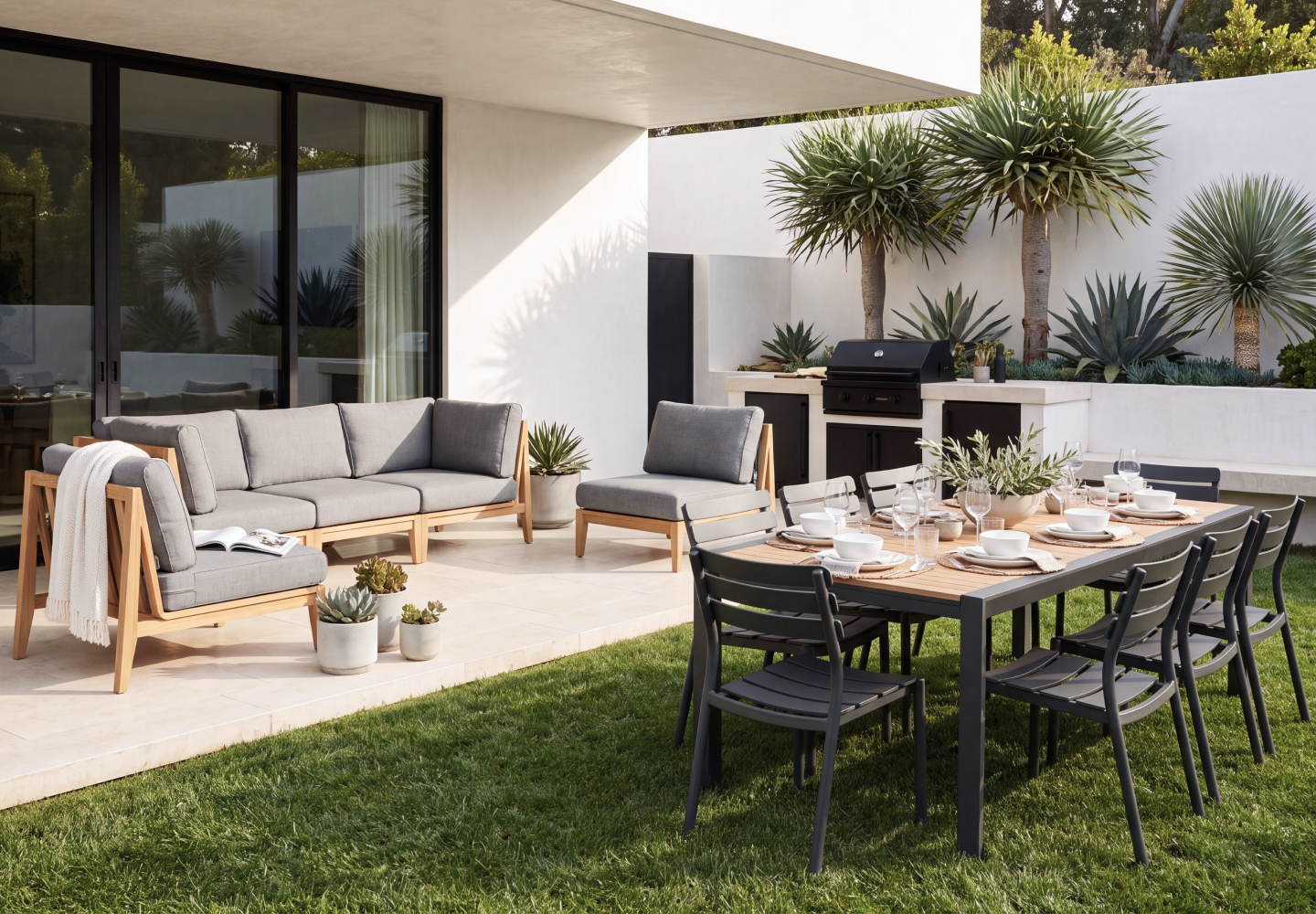
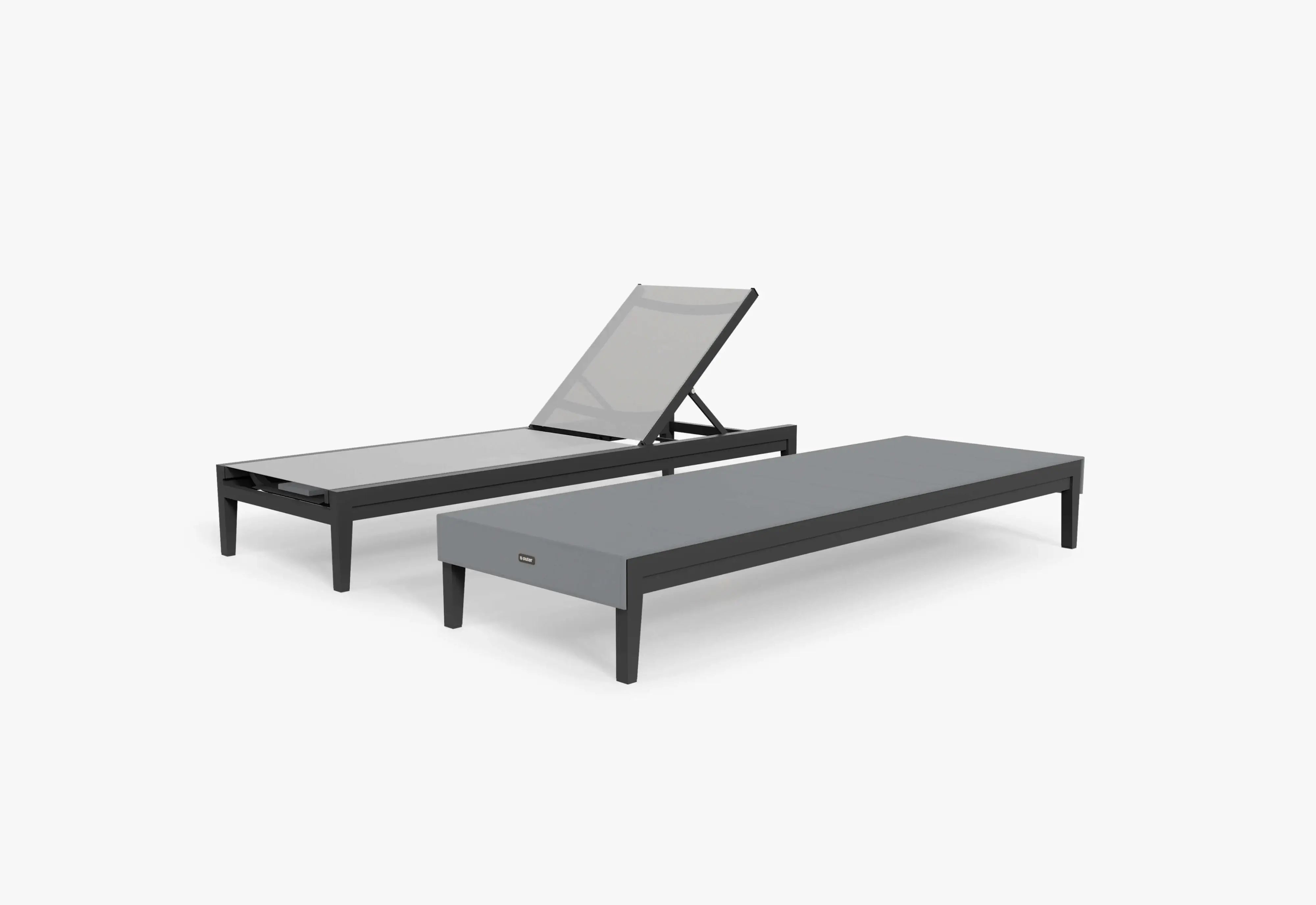
Place seats where guests can watch and talk without becoming part of the playing field. A sofa beside the lawn can suit a straight layout; separate chairs may work better around an irregular patio. Keep the path to the seats open, including room for anyone using a mobility aid.
Choose the table around the game
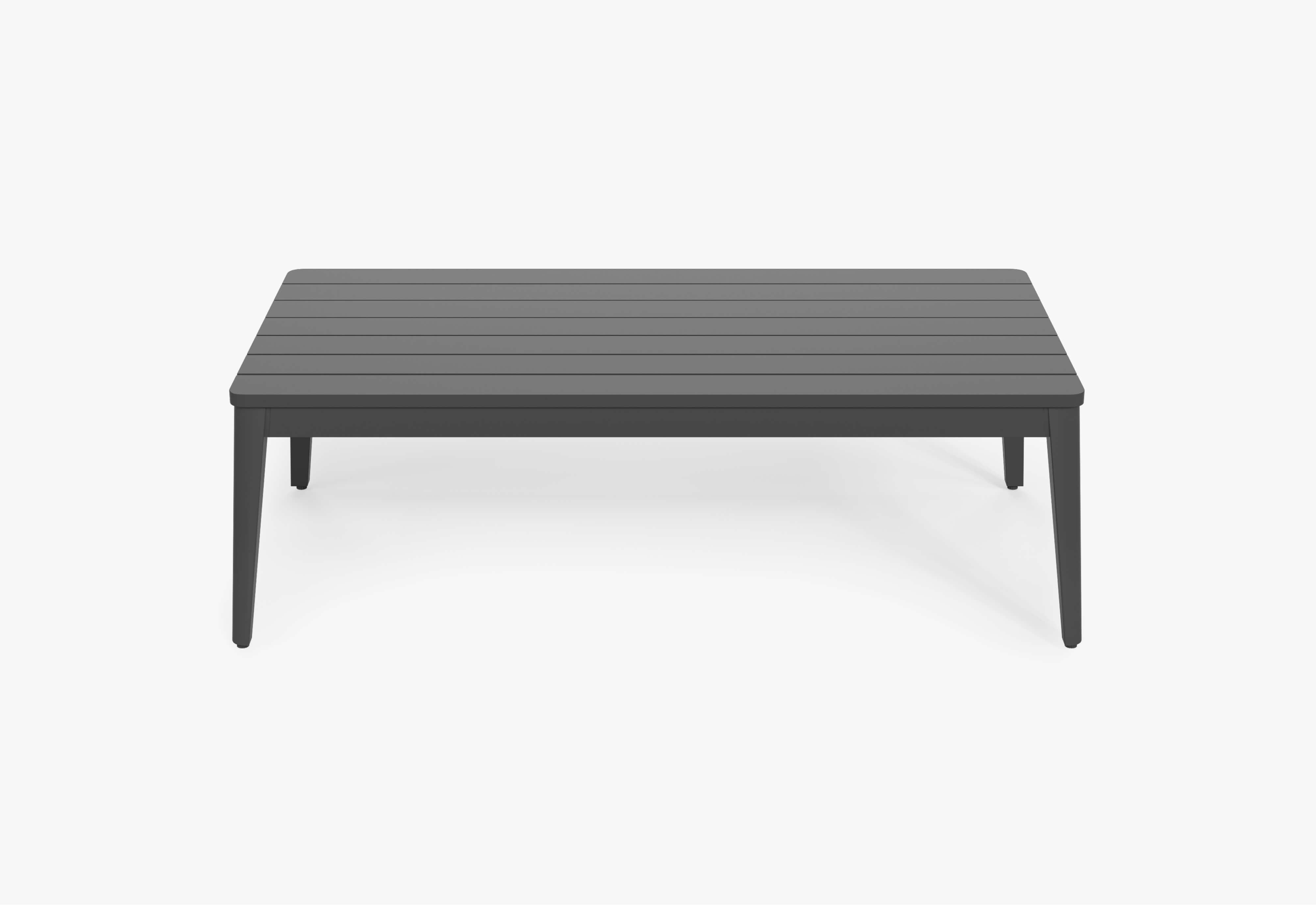
Lay out the actual board, cards, and score sheets before deciding how much surface you need. A coffee table can work for a short, relaxed game, but a dining-height setup may feel better for a longer session that involves writing or reaching repeatedly. A separate drinks surface keeps condensation and spills away from paper and cards.
Plan the switch from afternoon to evening
Choose an active opener, pause for food or drinks, and finish with one seated game. For example: ring toss, a snack break, then family trivia. Put away loose equipment before the light fades and illuminate steps and paths. Bring cards, dice, and paper indoors afterward rather than leaving them out overnight.
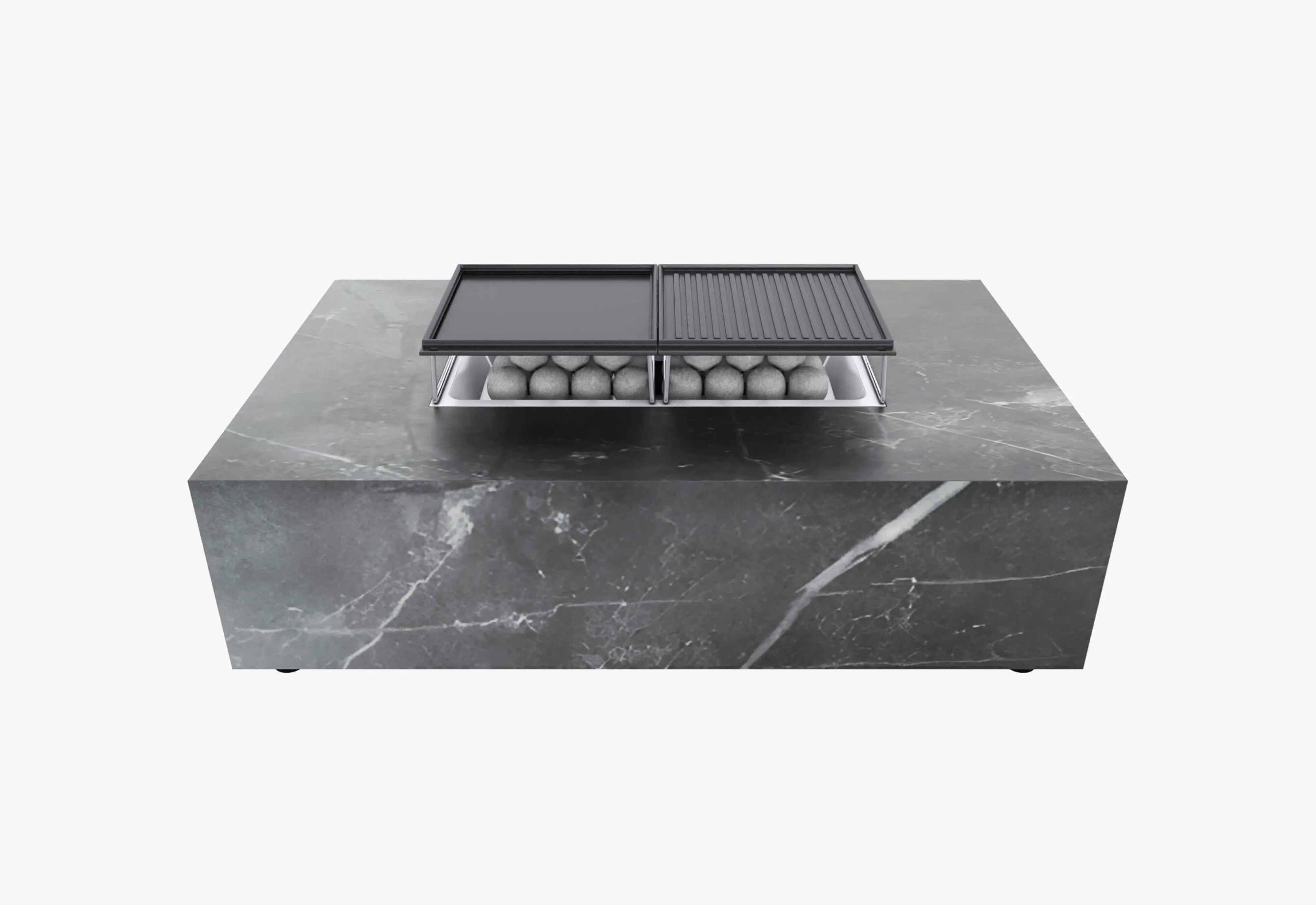
If a fire feature is part of your longer-term plan, explore outdoor fire pit tables as a separate gathering option. Follow the product’s placement and clearance instructions, keep active games away from it, and do not assume a gas fire table is approved for cooking.
A little planning, more time to play
Backyard Games: Common Questions
What are the best backyard games for a family with different ages?
Ring toss, cornhole, scavenger hunts, and family trivia are flexible starting points. Adjust throwing distances, use picture clues, or mix ages into teams. Offer a seated game alongside the active option so guests can choose how they participate.
Which backyard games work in a small space?
Try giant four in a row, a compact ring toss setup, dominoes, UNO, or team trivia. Leave walking routes clear and use the space for one activity at a time. A small yard does not need to accommodate a regulation court to host a casual game.
What are good backyard games for adults and large groups?
Charades, team trivia, and Name That Tune let several people participate together. With enough open lawn, Kan Jam and Spikeball give smaller teams a more active option. Cornhole and ladder toss also work with rotating teams. Use short rounds and a clear turn order so guests spend less time waiting.
Which backyard games require no equipment?
Charades needs no equipment if players choose their own prompts. Name That Tune can use humming instead of a speaker, and family trivia can use questions read aloud. A scavenger hunt also works with a spoken list of things to spot around the yard.
How much space do I need for backyard games?
It depends on the game, the equipment, and the players. For casual target games, choose a distance everyone can manage while keeping the throwing area clear. Running games need more open room. Tabletop and spoken games are better choices when paths, furniture, or planting leave little usable space.
What outdoor furniture is useful for game nights?
Start with enough seating for the guests who want to sit, a stable surface that fits the game, and somewhere separate for drinks. Match table height to the seating and check that everyone can reach the playing area. Keep furniture outside throwing and running routes.
Can I host backyard games without a lawn or fire pit?
Yes. A patio can host tabletop games, guessing games, and suitable compact target games. For evening play, provide lighting for faces, game pieces, and paths. A fire pit is optional and is not needed for any of the 25 games in this guide.