

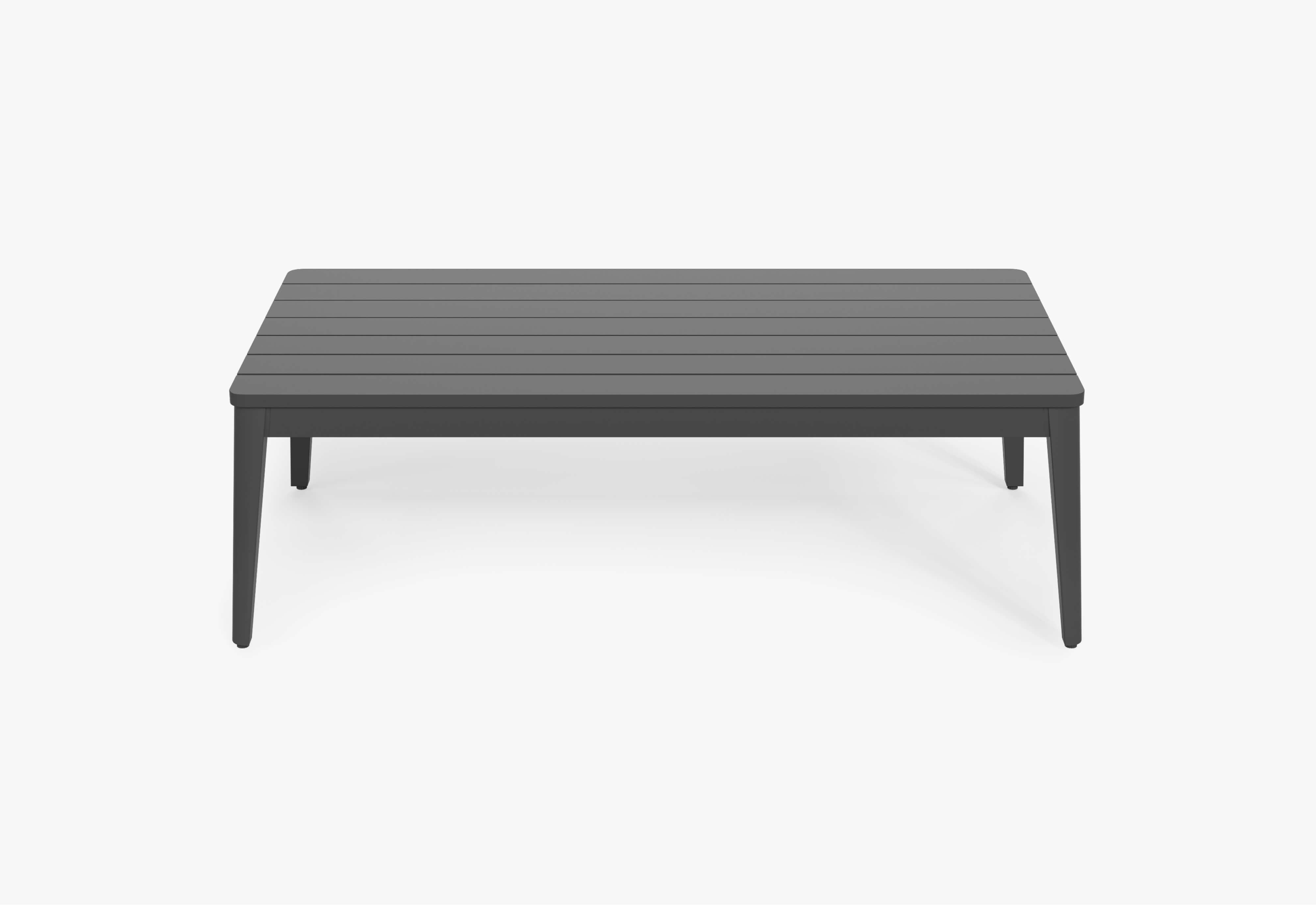
Design That Endures: Teak U Sectional With Coffee Spacing for the Modern Patio

Outdoor layouts fail quietly. Not because the furniture breaks, but because spacing no longer works. As habits change and spaces are used more often, small misalignments—especially between seating and tables—create friction that leads to constant adjustment or eventual replacement.
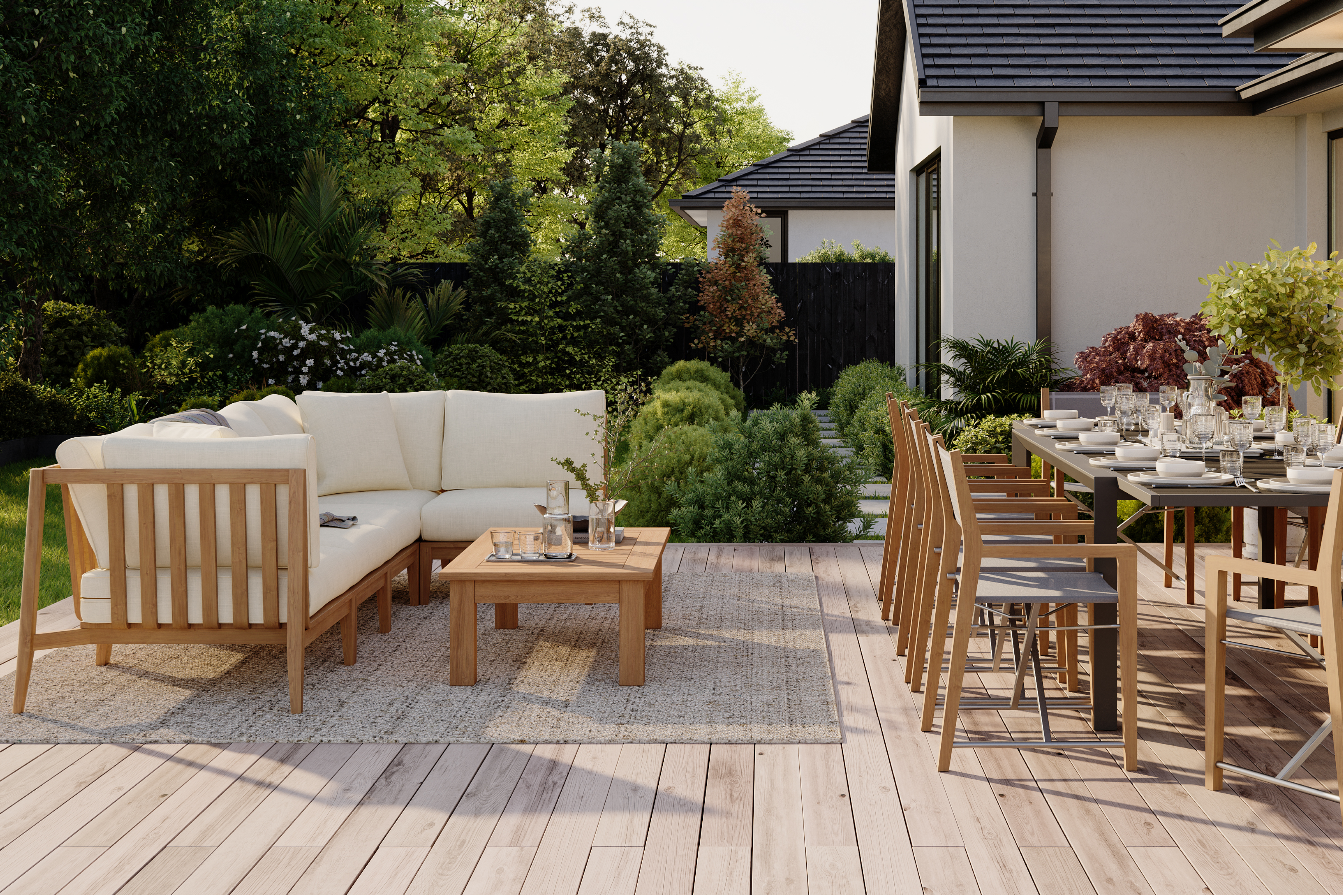
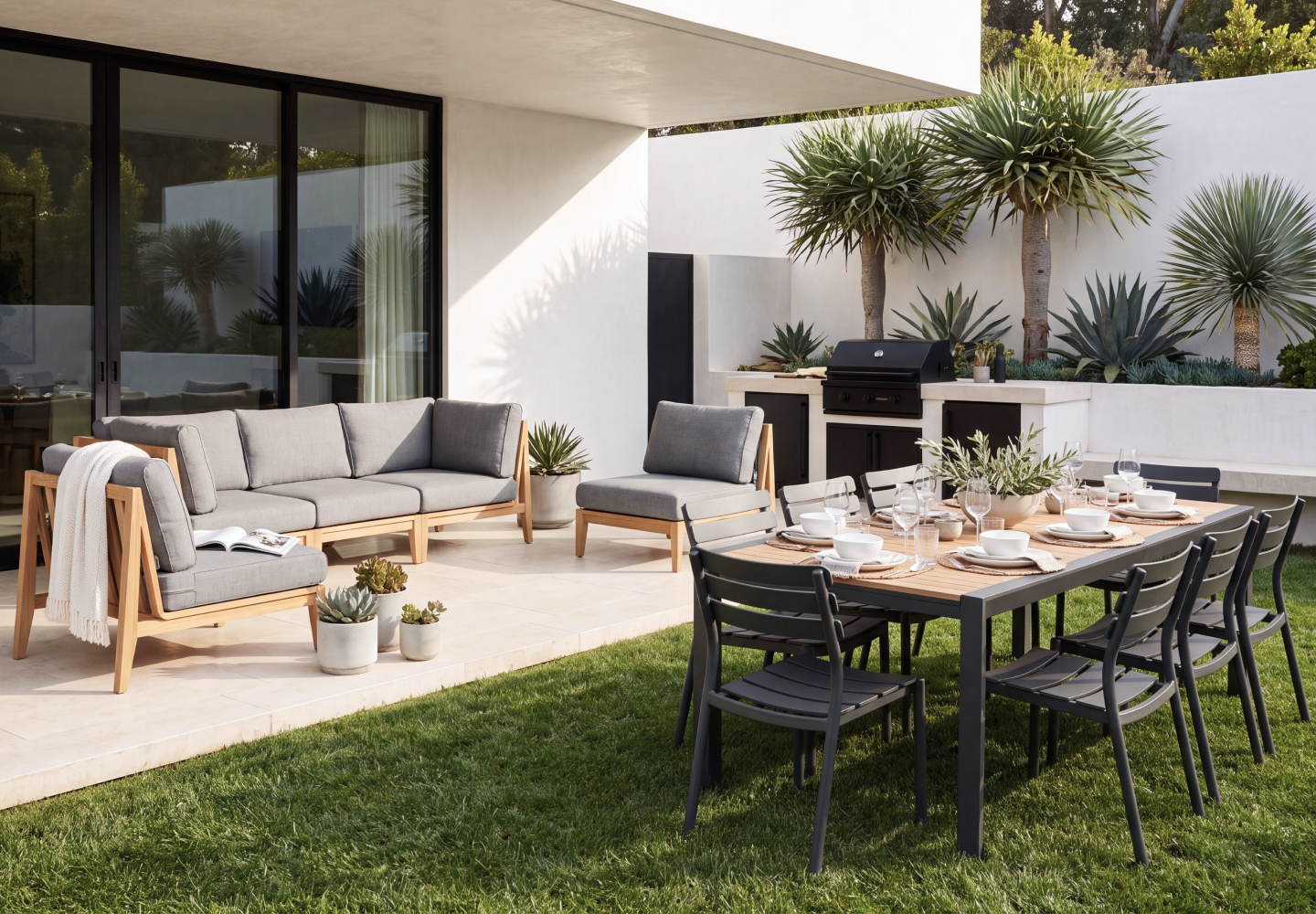
A teak U sectional paired with well-considered coffee table spacing supports a layout that continues to function without revision.
Why Spacing Determines Longevity
Enduring design minimizes correction.
When coffee tables sit too close, circulation breaks down. When they sit too far away, the seating loses purpose. Layouts that require frequent repositioning rarely last.
Spacing that works from the start reduces long-term intervention.
The U Layout Establishes a Fixed Center
U-shaped sectionals create an implied interior zone.
This center becomes the anchor for tables, shared items, and movement. Proper coffee spacing reinforces this structure, keeping the layout legible even as usage patterns evolve.
Clear structure supports long-term use.
Teak Supports Stable Spatial Relationships
Material stability affects layout stability.
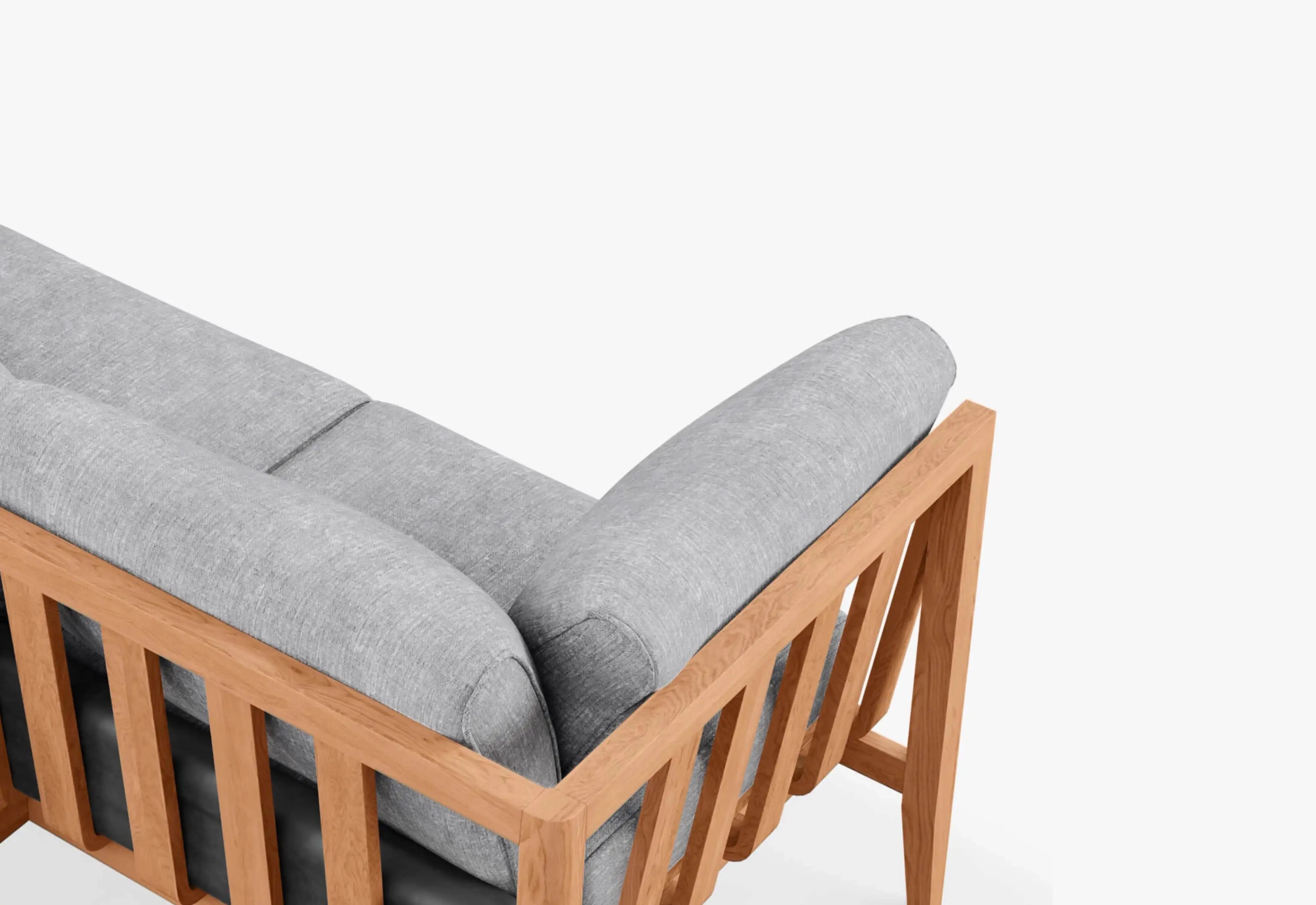
Teak’s weight and rigidity help sectional components remain grounded, preventing gradual shifting that can distort spacing over time. When seating stays in place, coffee spacing remains consistent.
Stable materials protect spatial intent.
Even Spacing Preserves Circulation Paths
Movement changes over time.
As households grow or entertaining styles shift, clear paths around a sectional become more important. Thoughtful coffee spacing preserves these paths without forcing a full reconfiguration.
Design endures when movement is anticipated.
Consistency Across the Seating System
Mixed dimensions create friction.
Using coordinated components from the Teak Outdoor Sofa collection ensures uniform seat depth and height, allowing coffee tables to relate evenly to every position.
Consistency reduces layout drift.
Supporting Surfaces Without Overcrowding
Tables should support, not dominate.
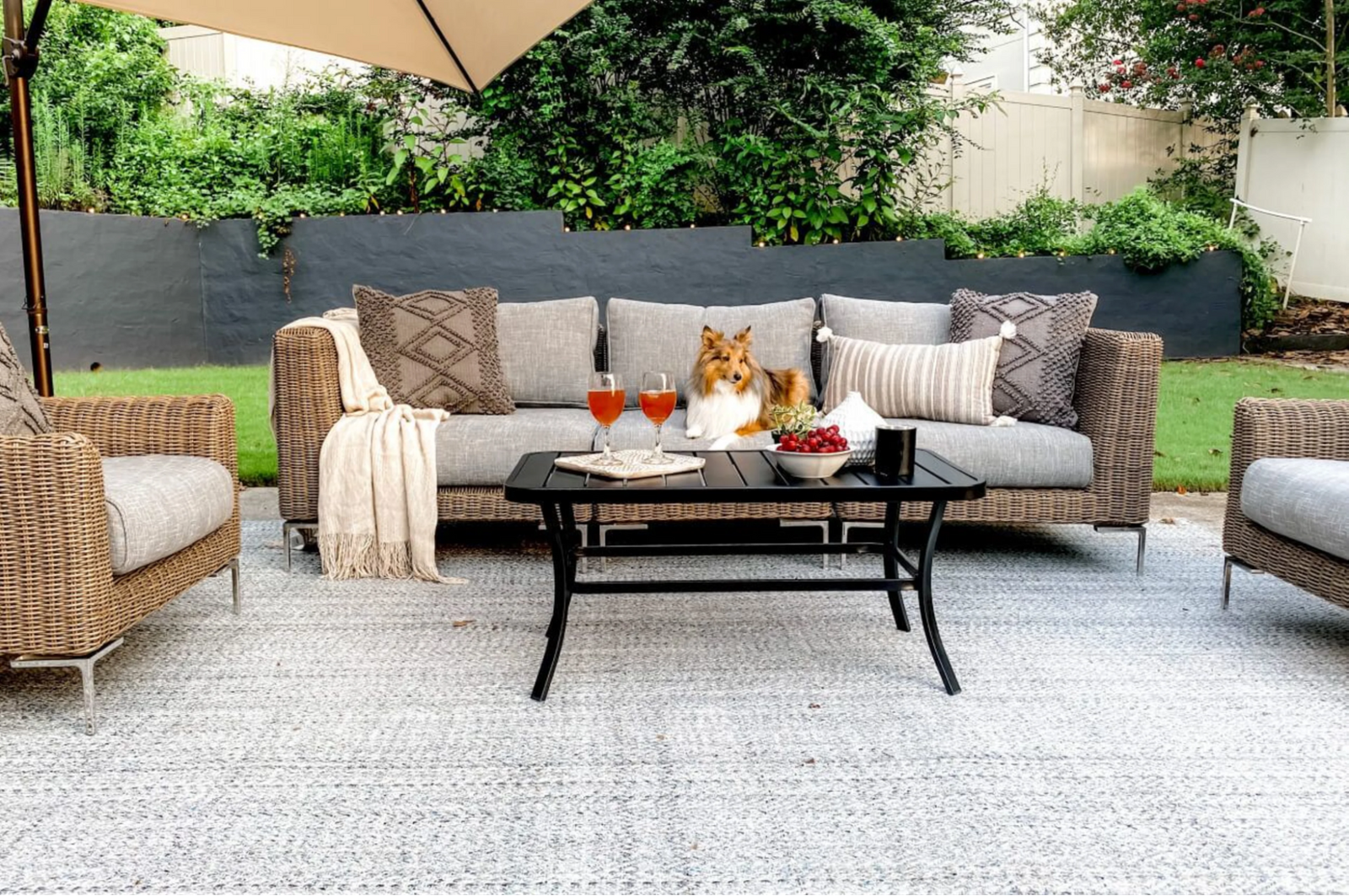
When coffee tables sit at a balanced distance, they remain functional without visually compressing the seating zone. This restraint keeps the layout adaptable as accessories or lighting change.
Design lasts when elements stay in proportion.
Material Systems That Absorb Change
No outdoor space is static.
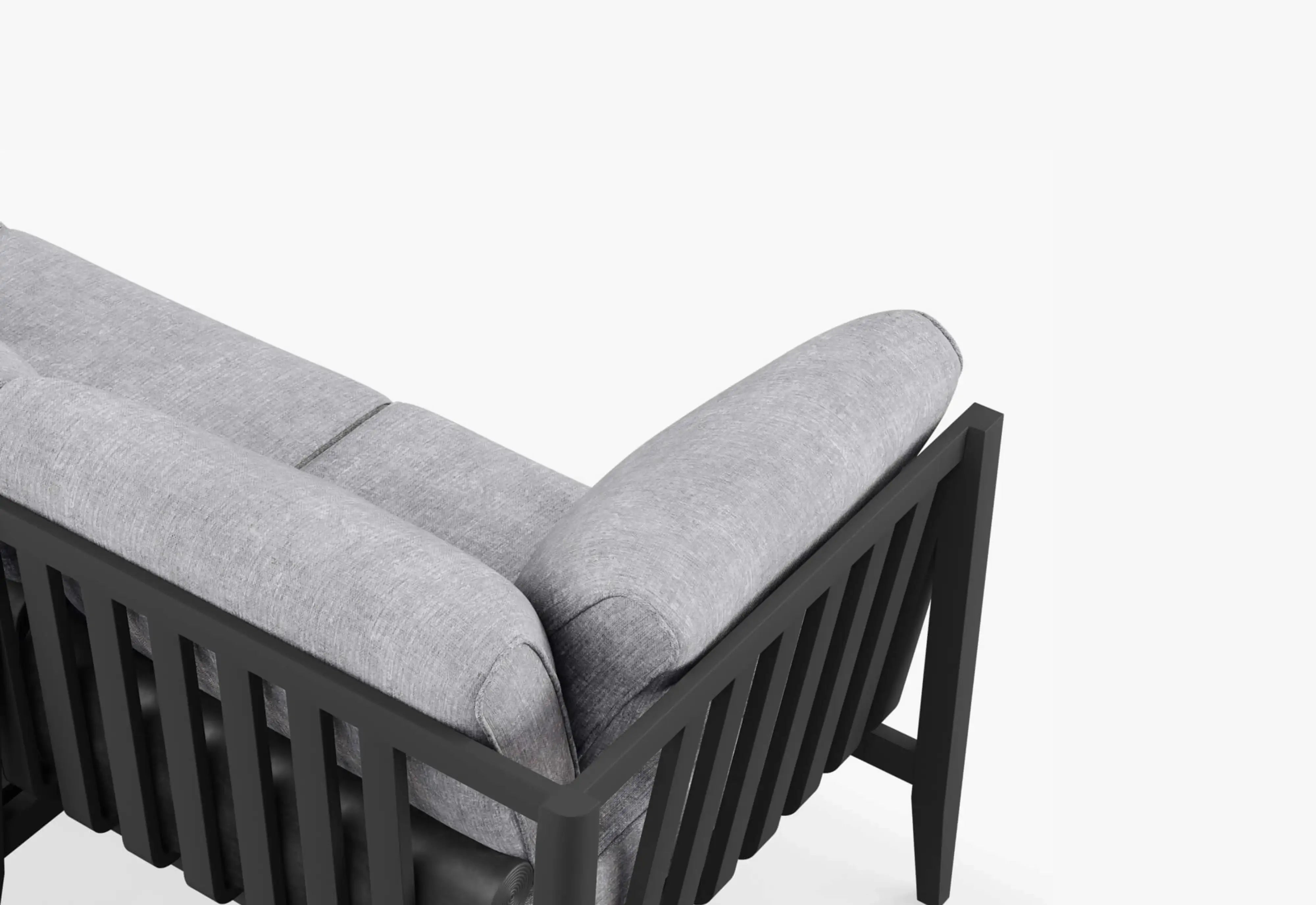
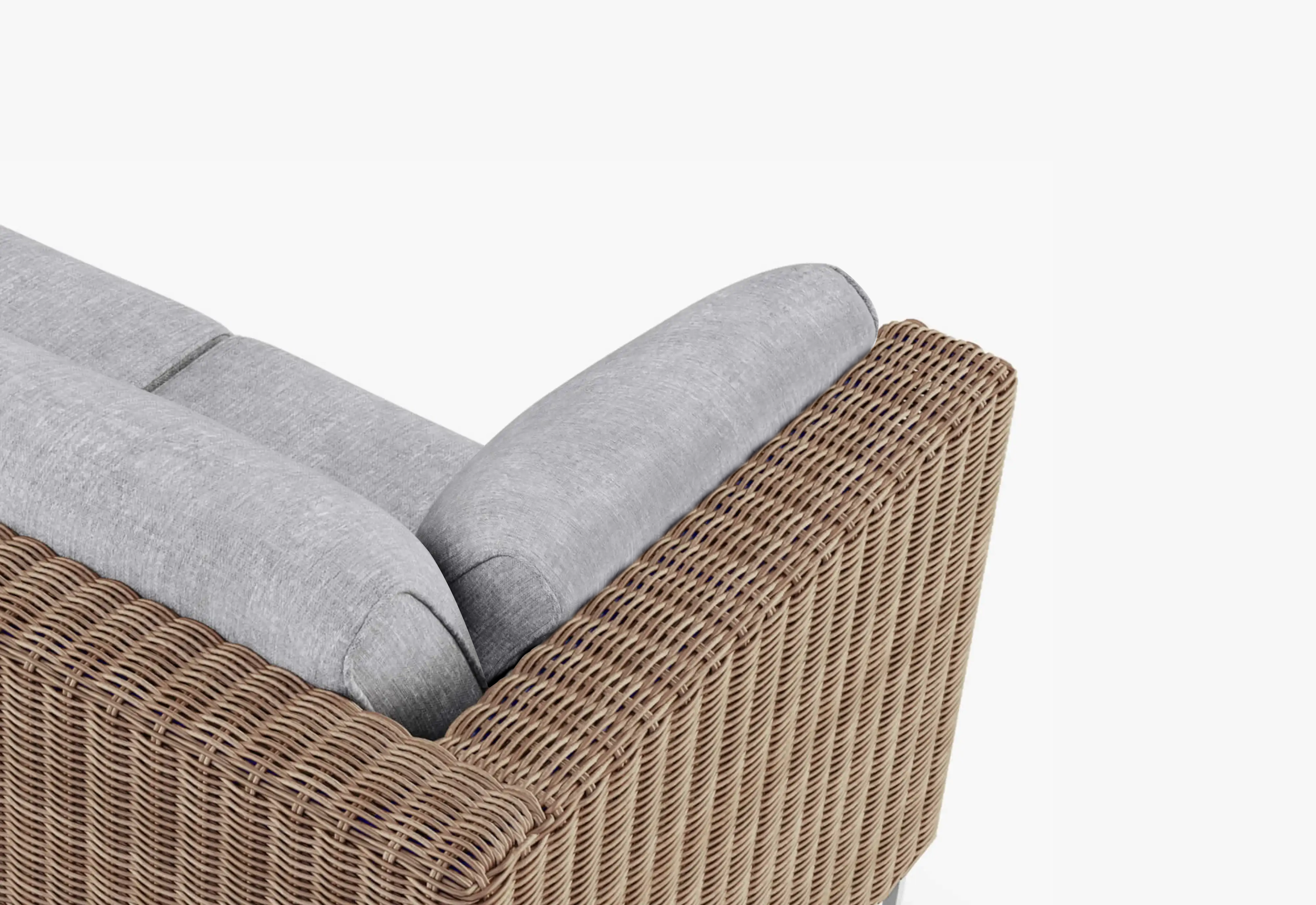
Supportive cushion systems like OuterCloud® and subtle textures such as OuterWeave® help seating maintain its form, preventing sag or distortion that would otherwise disrupt spacing.
Resilient materials protect layout integrity.
Protection Maintains Original Positioning
Exposure leads to movement.
Using breathable protection systems like OuterShell® and options from the Covers collection reduces moisture-related shifting and wear.
Preserving placement preserves design.
Why Fewer Adjustments Mean Longer Life
Layouts that require constant tweaking rarely endure.
A teak U sectional with properly considered coffee spacing reduces the need for seasonal repositioning or partial replacement. The space remains usable as habits evolve.
Stability is a sign of good design.
A Layout That Holds Over Time
Design that endures is rarely dramatic.
It is built on quiet decisions—like spacing—that continue to work long after trends shift. In teak U sectional layouts, coffee table placement plays a central role in that longevity.
When spacing holds, the design holds.