

Outdoor Living Tips
How to Create the Ultimate Backyard Fort for Epic Summer Fun
A backyard fort does not need to be elaborate to feel memorable. With the right setup, a simple outdoor fort can turn an ordinary summer afternoon into a place for reading, relaxing, make-believe, and time outside together.
Some of the best summer memories come from simple ideas. A backyard fort is one of them. It gives kids a place that feels playful and personal, while also helping the outdoor space feel more inviting for long afternoons, quiet mornings, and the kind of family time that does not need much planning.
The best backyard fort is not always the biggest or most complicated. It is the one that fits your outdoor space, feels comfortable to spend time in, and is easy enough to build that the process stays fun from start to finish.

What Is a Backyard Fort?
A backyard fort is a simple outdoor structure made for play, lounging, reading, and imagination. It can be temporary or more built-out, though in most cases it works best as a flexible summer project rather than a formal backyard installation.
That is part of the appeal. A fort can be made from fabric, wood, cardboard, branches, or a mix of simple materials you already have on hand. It can come together in an afternoon or evolve over a few weekends. Either way, it gives kids a place that feels separate from the rest of the yard while still keeping them outside and engaged.
The best backyard fort is not the most elaborate one. It is the one that makes your outdoor space feel more fun, more comfortable, and easier to enjoy together.

Choose a Backyard Fort Style That Fits Your Outdoor Space
Before gathering materials, it helps to choose the kind of fort that makes the most sense for your space. A smaller patio or deck may call for a lightweight fabric setup, while a larger backyard may have room for something more built-out. The right choice usually comes down to how permanent you want the fort to be, how much time you want to spend building it, and how independently your kids can help.
Fabric Forts
These are the easiest to build and often the most approachable. A sheet, outdoor blanket, or piece of fabric can be draped over rope, a table, or a simple frame to create instant shade and a cozy hideaway.
Wooden Forts
A wooden fort takes more planning, though it can become a longer-term backyard feature if built safely and with adult help. This option works best if you want something more structured.
Recyclable Forts
Cardboard boxes, sticks, and other reusable materials can create a fort that feels imaginative without requiring a large project. This style is often the easiest to tear down and rebuild.
Fabric forts tend to work especially well for everyday summer use because they are quick to set up, easy to adapt, and simple to decorate. If the goal is less about construction and more about creating a comfortable outdoor experience, that flexibility makes a difference.

Plan the Fort Around Shade, Safety, and Use
Before you build, think through how the fort will actually be used. Will it be a quiet reading corner, a pretend clubhouse, a backyard movie-night setup, or a mix of all three? The answer helps shape the structure, the materials, and the location.
Start with shade. A fort will be much more inviting if it is placed where the outdoor space already feels comfortable for longer stretches of time. If your yard gets strong afternoon sun, choose a location with some natural shade or plan the structure so the fabric creates enough coverage.
Safety matters just as much. If you are using furniture as part of the structure, make sure it is stable and properly placed. If you are building with wood, keep the design straightforward and secure, and reserve more advanced structural decisions for adults. For recyclable forts, choose materials that are clean, easy to handle, and simple to assemble without sharp edges.
It also helps to think about what will happen once the fort is built. A fort becomes much more useful when it is not just a shell. Planning for comfort, activities, and nearby seating makes the whole setup feel more complete.
How To Build a Backyard Fort Without Overcomplicating It
The simplest approach is often the best one. Start by choosing your fort style, gather only the materials you actually need, and build with the final experience in mind rather than trying to make the structure overly elaborate.
For a fabric fort, that may mean stringing a line between two anchor points and draping fabric over it, or using an existing outdoor dining table as the foundation. For a recyclable fort, it may mean taping together boxes and leaving enough open space inside for pillows, books, and a few favorite activities. For a wooden fort, the process usually starts with a basic, safe frame and builds up from there.
The point is not to make the fort perfect. The point is to create a space that feels inviting enough to use. Once the structure is stable, the details inside are what really shape the experience.

Make the Backyard Fort Feel Comfortable and Lived In
A fort gets much more enjoyable once it feels comfortable inside. This is where simple soft layers can completely change how the setup feels. Start with the floor. A durable outdoor rug helps define the interior and gives kids a softer place to sit, stretch out, or play.
Outer’s 1188 Outdoor Rug works especially well for this kind of setup because it adds softness underfoot and is built for the outdoors. If your goal is to make the fort feel less temporary and more like a real little room in the yard, the rug is often what creates that shift.
After that, bring in a few comfortable layers. Throw pillows, blankets, a low crate or small stool for books and snacks, and a basket for simple activities can go a long way. If you have safe access to outdoor power, soft lighting can make the fort feel even more special during longer summer evenings.
What matters most is that the fort feels easy to use. It should be comfortable enough for reading, imaginative play, coloring, or just taking a break from the sun.

Bring in Activities That Keep the Space Engaging
Once the structure and soft layers are in place, think about what will help the fort stay interesting all summer. Books, puzzles, coloring supplies, card games, and dress-up pieces all work well because they invite kids to slow down and use the space in different ways.
This is also a good opportunity to lean into outdoor living without relying on screens. The fort can become a place for quiet time in the morning, a basecamp for backyard adventures in the afternoon, and a cozy nook once the day starts to cool down.
Small decorative details can make it feel more personal. A handmade sign, a flag, a string of paper decorations, or artwork taped inside the fort can help it feel like a place kids helped create rather than something simply built for them.

Do Not Forget the Adult Side of the Outdoor Space
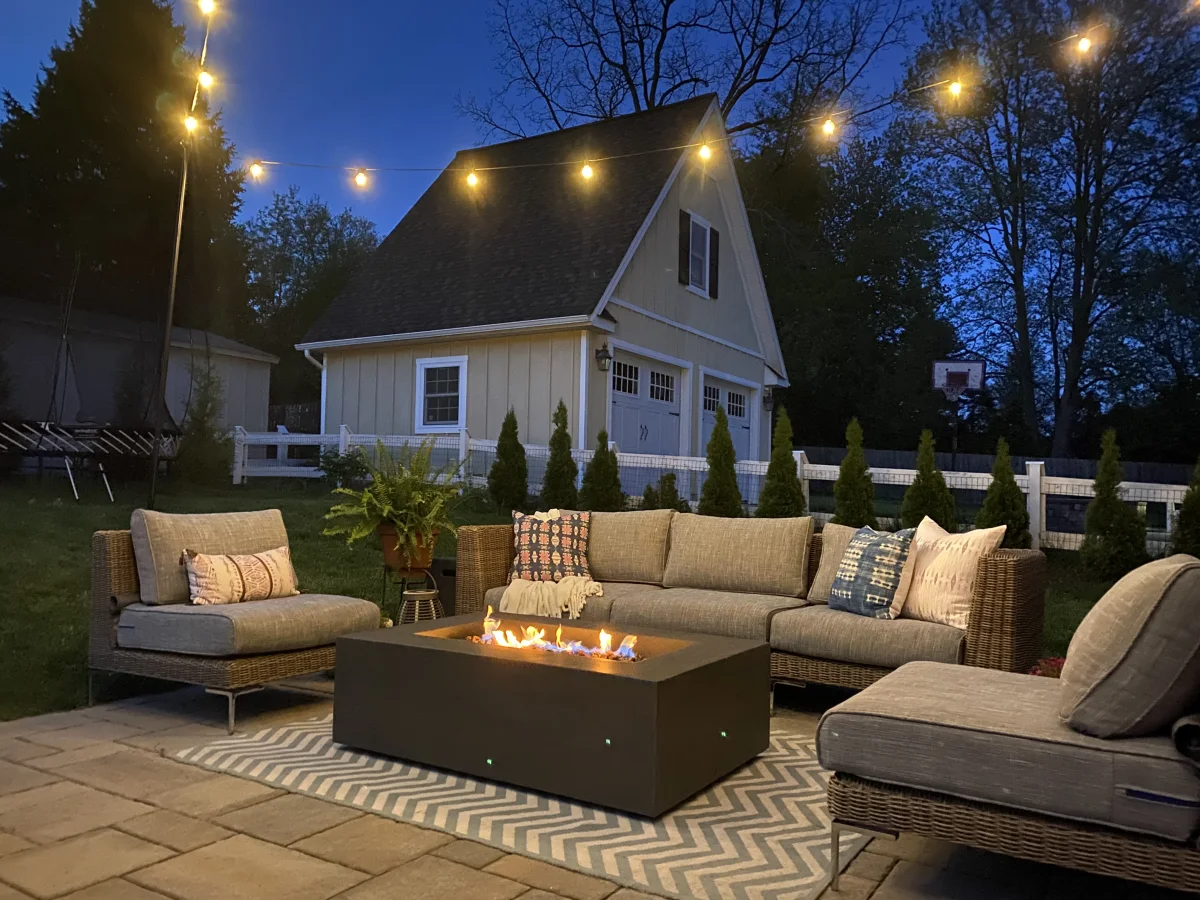
A backyard fort may be built for kids, though the surrounding outdoor space still matters for everyone else. Parents and guests need a comfortable place to sit nearby, supervise without hovering, and enjoy the same backyard atmosphere while the fort is in use.
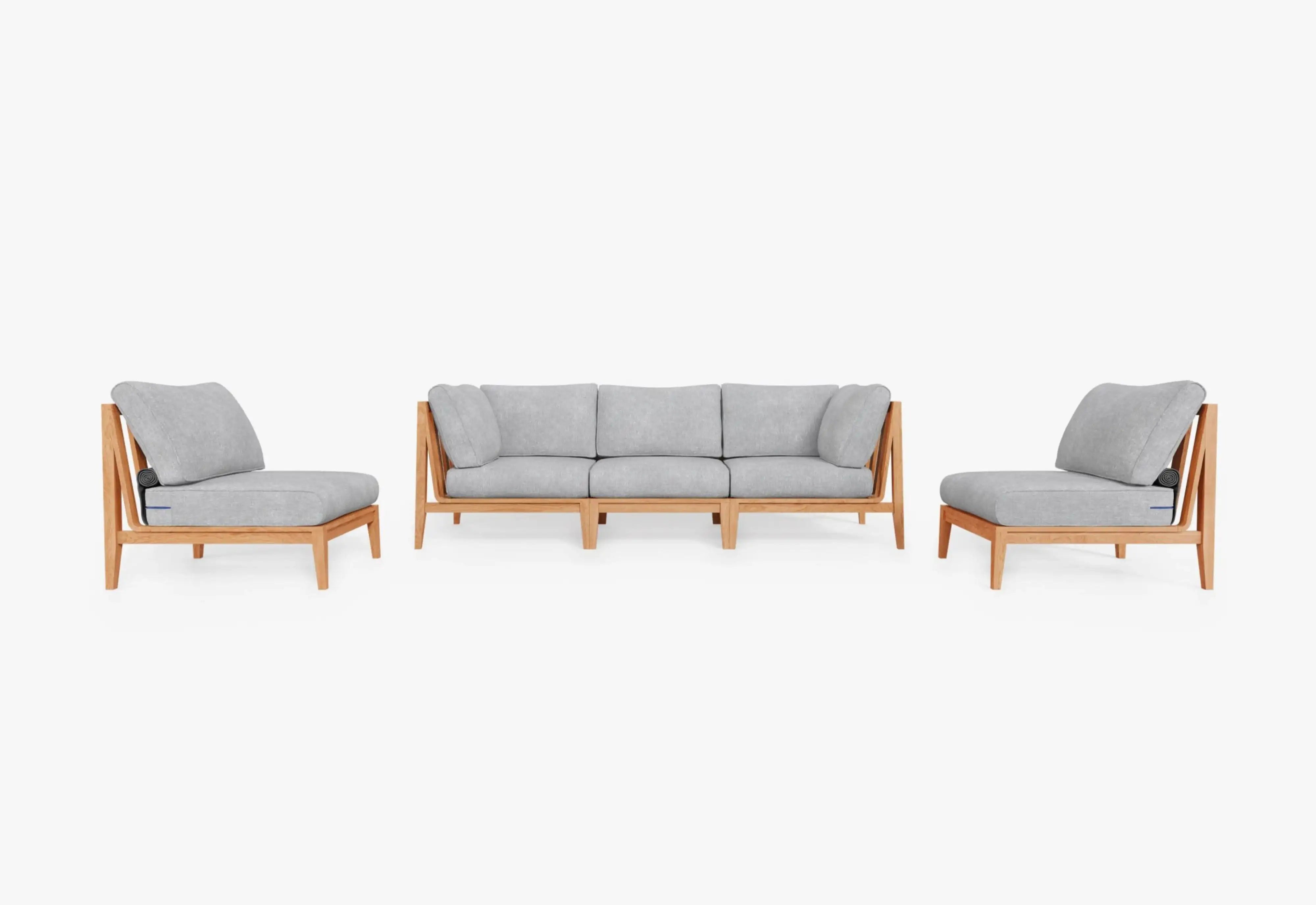
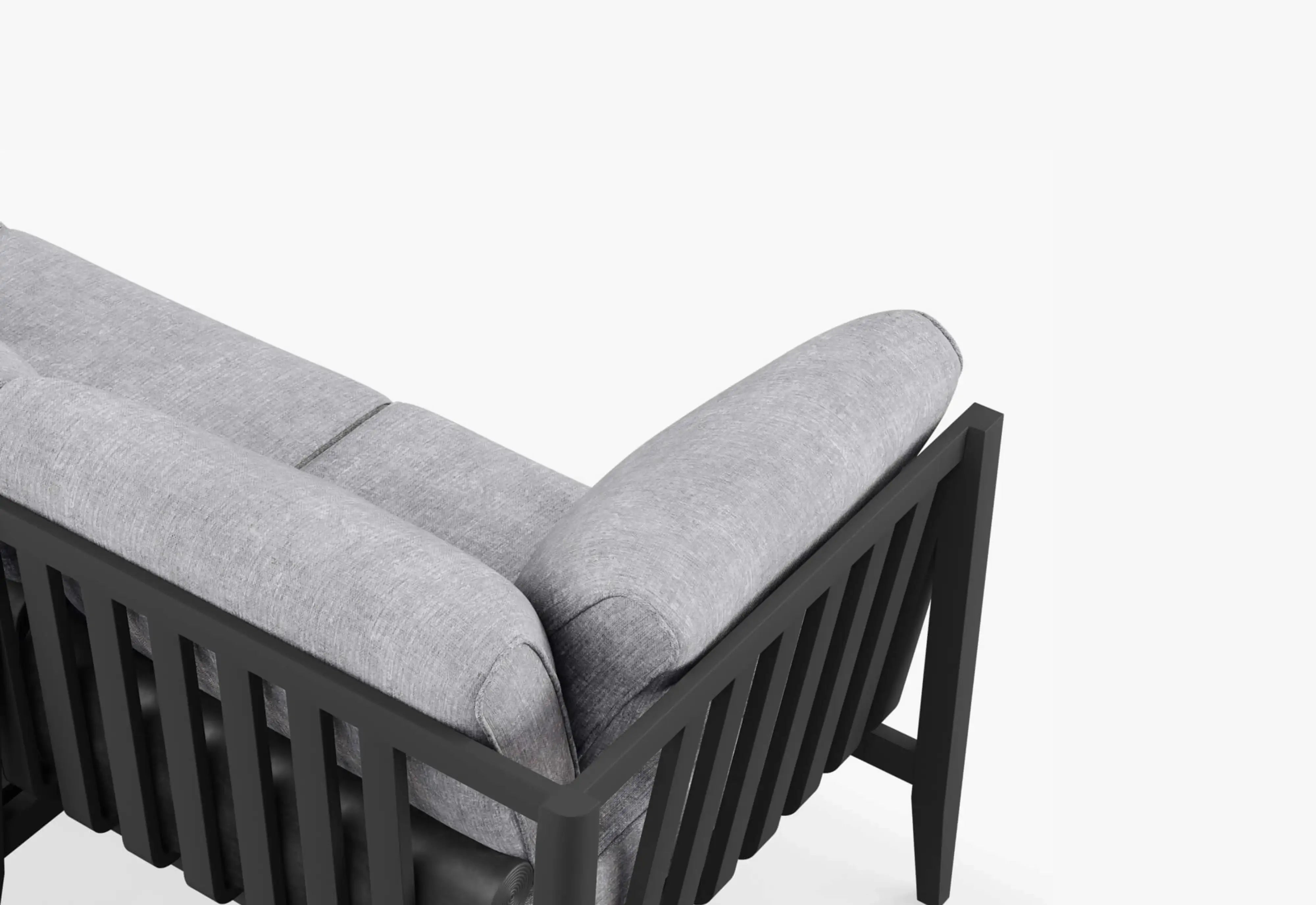
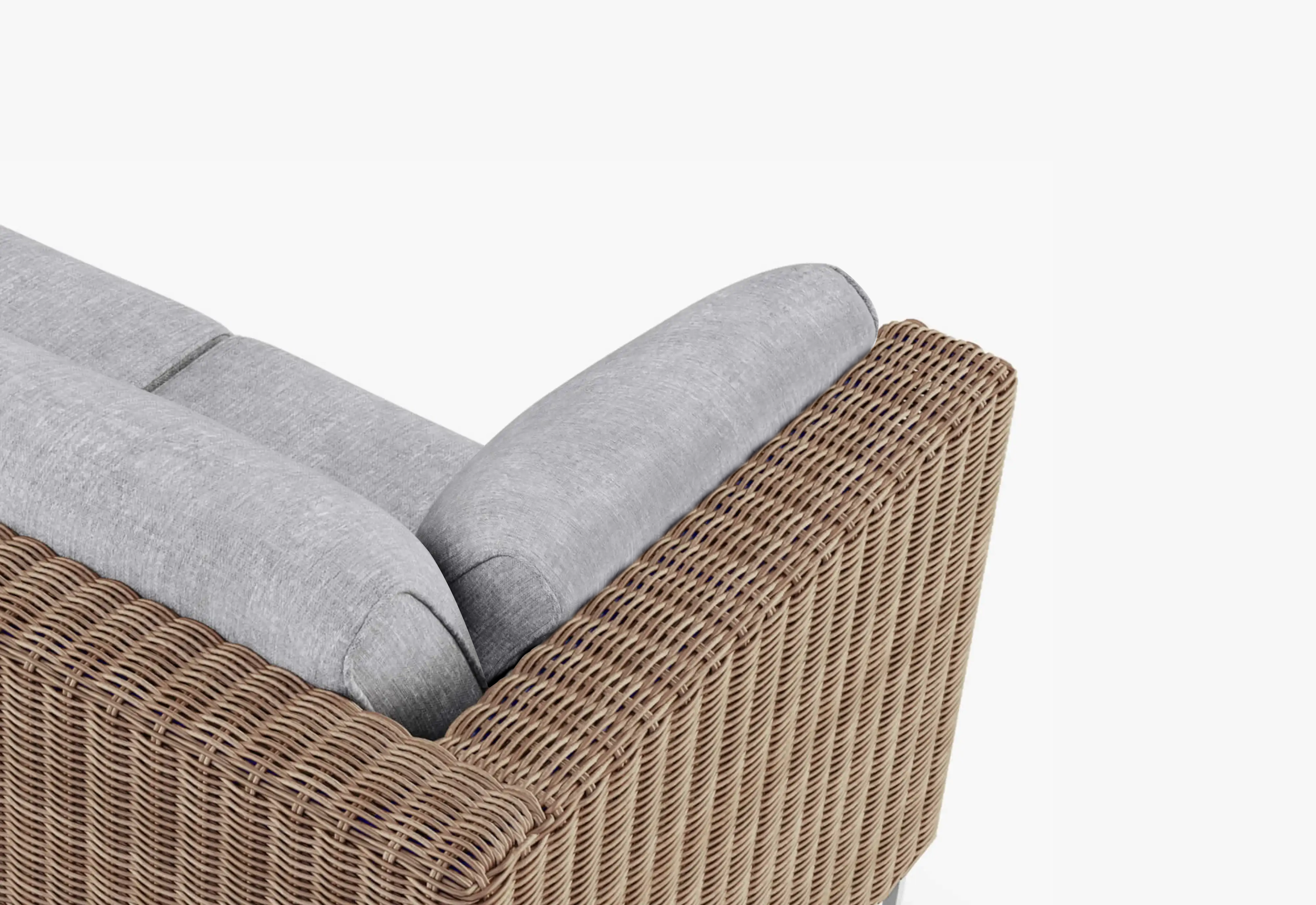
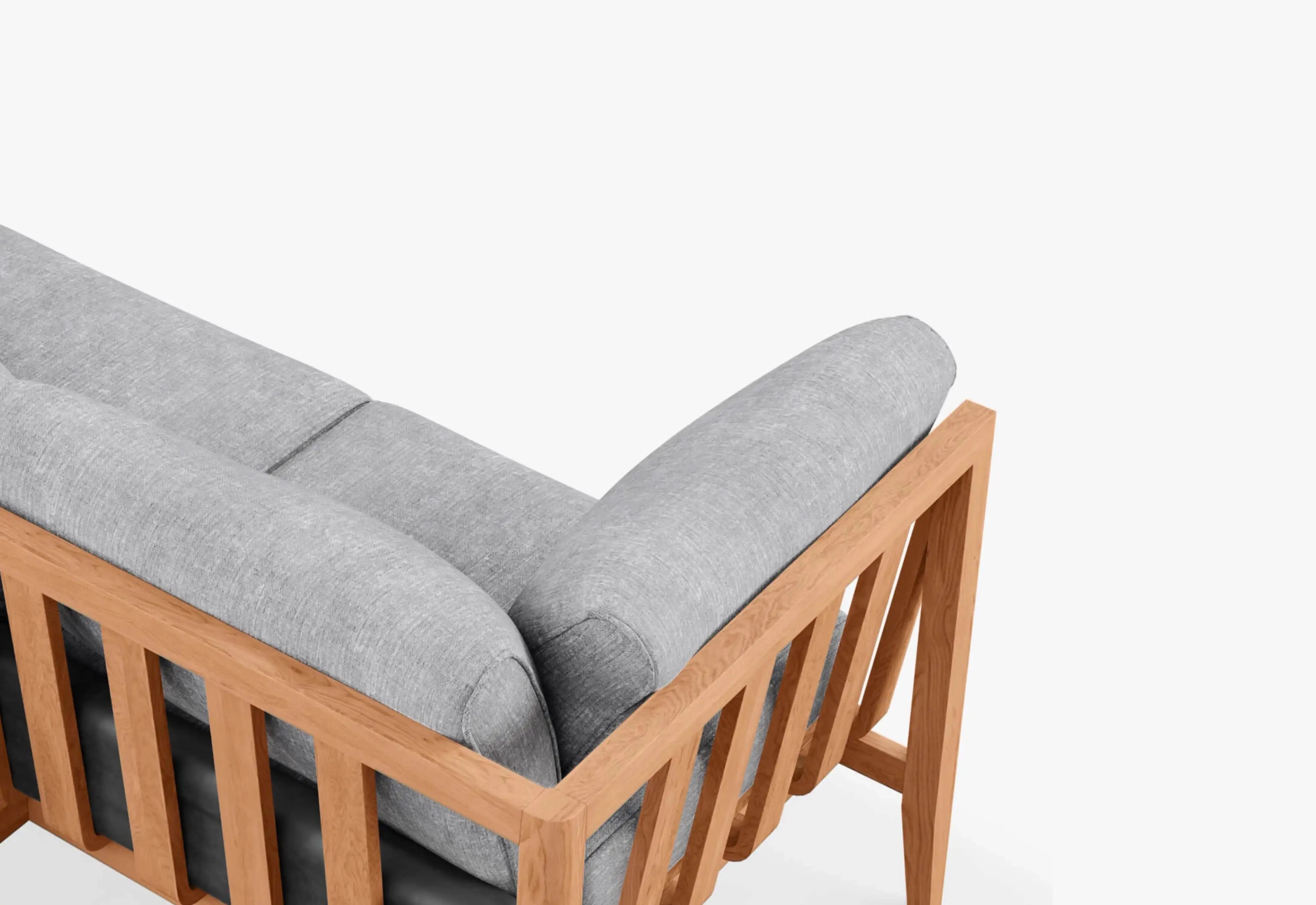
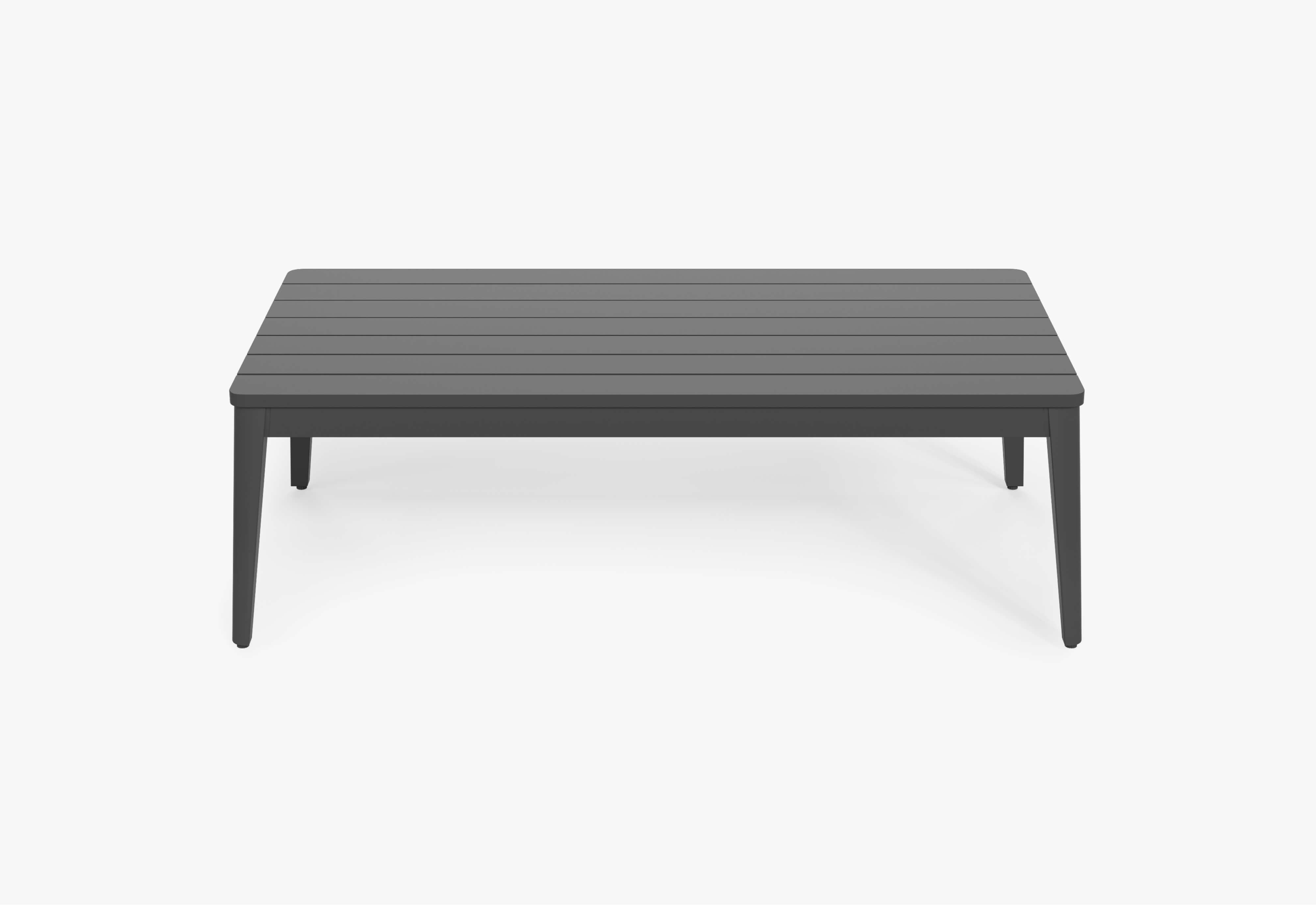
That is where a lounge setup can make the whole experience feel more complete. An Aluminum Outdoor Sofa or a Wicker Outdoor Sofa can create a comfortable adult zone close enough to stay connected to the action without competing with it. A few Coffee & Side Tables nearby help make the space more functional for drinks, books, or afternoon snacks.
When the kids’ fort and the adults’ seating work together, the whole backyard feels more usable. It becomes less about one activity and more about creating an outdoor space that supports the family as a whole.

Create a Backyard Fort That Feels Worth Returning To
The ultimate backyard fort is not about making the biggest structure or filling it with the most decorations. It is about creating a place that invites kids outside, supports imagination, and feels genuinely comfortable enough to use again and again.
With the right mix of simple structure, soft layers, fun activities, and nearby seating, a backyard fort can become one of the easiest ways to make summer outside feel more memorable. It gives kids a place of their own while helping the rest of the outdoor space feel warmer, more relaxed, and more lived in.
That is what outdoor living should do. It should make it easier to spend more time outside together. Live Better. Outside.
Related Reading
Explore more from Outer
Make the Whole Backyard More Comfortable
Browse rugs, pillows, sofas, and tables that help turn simple backyard moments into a space everyone wants to use.
Frequently Asked Questions About Building a Backyard Fort
What is the easiest type of backyard fort to build?
A fabric fort is usually the easiest option because it can be built with simple materials like sheets, rope, and existing outdoor furniture.
What should I put inside a backyard fort?
Start with a soft foundation like an outdoor rug, then add pillows, blankets, books, games, and a few simple activities that make the space comfortable and fun to use.
How can I make a backyard fort feel more comfortable?
Focus on shade, soft layers, and a layout that feels easy to use. A rug, a few pillows, and a couple of personal touches can make a big difference.
Can a backyard fort work in a small outdoor space?
Yes. Smaller patios and backyards often work best with lightweight fabric forts or compact recyclable forts that are easy to set up and take down.