

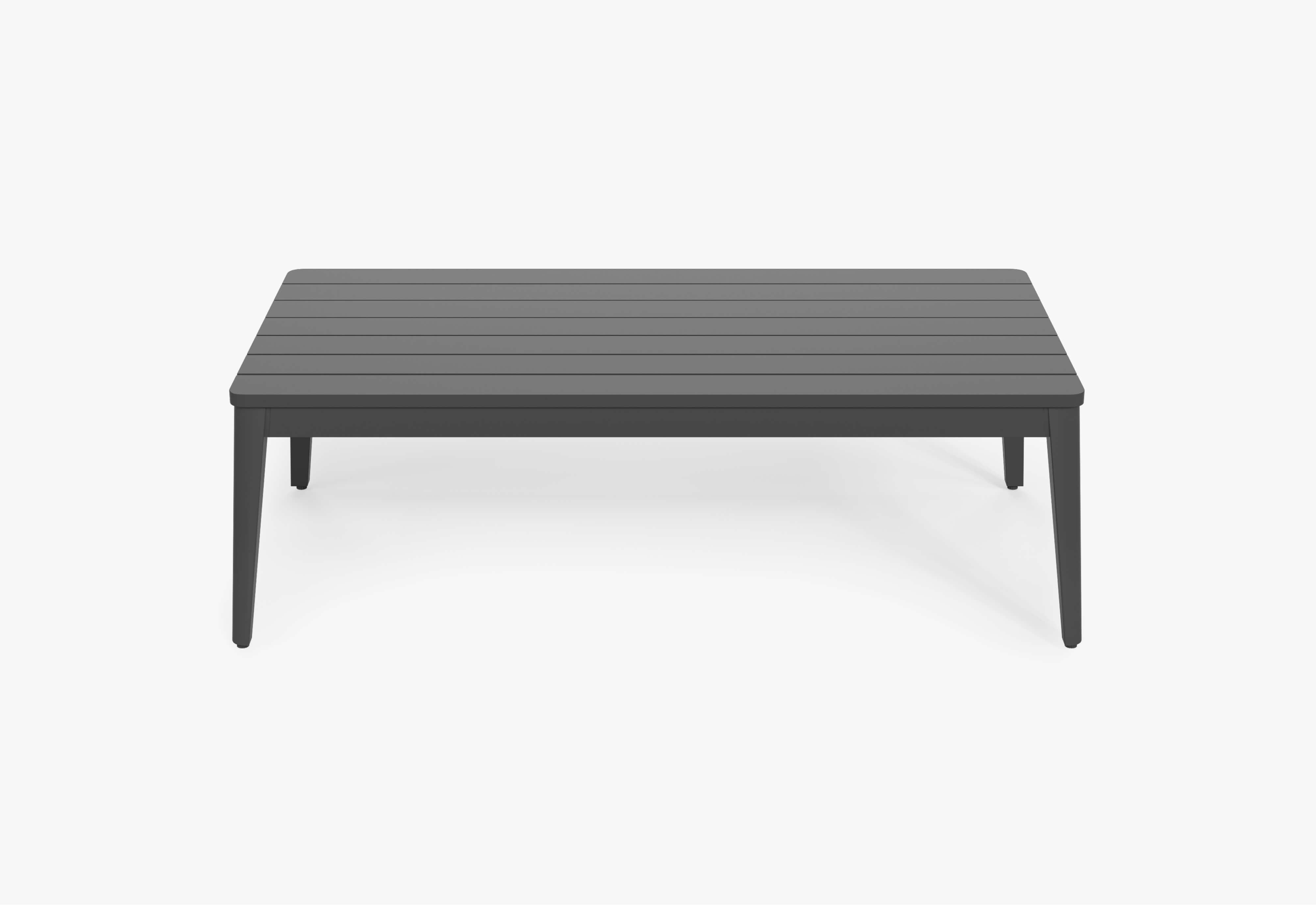
Engineered for Every Season: Patio Dining Extension Hardware for the Modern Patio

An extendable outdoor dining table looks effortless when it works well. A leaf slides out smoothly. The table locks into place. The surface stays level, aligned, and stable—no matter the season. What makes this possible isn’t the tabletop itself, but the extension hardware hidden beneath it.
Patio dining extension hardware is one of the most technically demanding components in outdoor furniture. It must perform reliably through heat, cold, moisture, and repeated use, all while remaining largely invisible. When engineered correctly, it disappears into the experience. When it isn’t, it becomes the first point of failure.
Why Extension Hardware Is the True Stress Test
Unlike fixed tables, extendable dining tables concentrate stress in specific areas. Every extension and retraction applies force to rails, joints, locks, and supports.
- Repeated movement accelerates wear.
- Uneven loading during extension challenges alignment.
- Seasonal expansion and contraction test tolerances.
Outdoor conditions amplify these stresses. Hardware that performs flawlessly indoors can fail quickly outside if it isn’t designed for environmental exposure.
Seasonal Movement Demands Engineering Precision
Outdoor furniture lives in a world of constant change. Temperature swings cause materials to expand and contract. Moisture introduces friction and corrosion risk. Dust and debris test moving parts.
Extension hardware engineered for every season accounts for these variables from the start:
- Clearances that remain functional despite thermal movement.
- Materials chosen to resist corrosion and binding.
- Structural paths that maintain alignment under load.
This is why well-designed outdoor extension systems continue to feel smooth years later—not just on the first use.
Guided Movement Keeps Tables Aligned
One of the most common issues with extendable tables is misalignment. Without proper guidance, leaves can sag, edges can drift, and surfaces can become uneven.
High-quality extension hardware uses guided rails and balanced support to ensure that both halves of the table move in unison. This keeps the tabletop aligned before, during, and after extension.
When alignment is maintained mechanically, the table feels solid—not improvised—regardless of size.
Locking Mechanisms Preserve Stability
Extension is only half the challenge. Once extended, the table must behave like a single, continuous surface.
Reliable locking mechanisms prevent:
- Micro-movement during use.
- Shifting when weight is unevenly distributed.
- Gradual loosening over time.
This stability is especially important for large gatherings, where weight and movement increase significantly.
Tables within the Dining Tables & Sets collection rely on this kind of hardware integrity to remain steady when fully extended.
Weight Distribution Across the Extension
As a table extends, its center of gravity changes. Hardware must compensate for this shift to prevent sagging or stress concentration.
Well-engineered systems distribute weight across multiple support points rather than relying on a single rail or hinge. This reduces fatigue and preserves long-term flatness.
The result is a table that feels equally strong whether compact or fully expanded.
Ease of Use Is an Engineering Outcome
When extension hardware is engineered correctly, using it feels intuitive. The table extends smoothly, without forcing, lifting, or careful alignment by the user.
This ease of use isn’t accidental. It’s the result of:
- Balanced resistance in sliding components.
- Clear mechanical stops.
- Predictable motion paths.
The less a user has to think about the mechanism, the better the engineering behind it.
Materials Matter in Outdoor Hardware
Outdoor extension hardware must resist corrosion while maintaining strength. Material selection is critical.
Marine-grade metals, treated fasteners, and protected bearings reduce degradation caused by moisture and temperature changes. These choices ensure that movement remains consistent—not gritty or stiff—over time.
Engineering for every season means choosing materials that age predictably rather than degrade unpredictably.
Supporting Hardware Through Seasonal Care
Even the best hardware benefits from thoughtful care. Keeping extension systems clean and protected reduces unnecessary wear.
Protective solutions like OuterShell® help limit moisture exposure around moving components, while breathable options from the Covers collection reduce debris buildup during extended downtime.
This protection supports consistent performance season after season.
Why Good Hardware Is Invisible
The best extension hardware doesn’t draw attention to itself. It doesn’t squeak, bind, wobble, or require adjustment. It simply works.
This invisibility is the hallmark of good engineering. When the mechanism disappears, the focus stays on the gathering, the table setting, and the experience.
Engineering That Expands Possibility
Extendable dining tables exist to adapt—hosting smaller everyday meals and expanding effortlessly for larger moments.
When extension hardware is engineered for every season, that adaptability remains reliable year after year. The table expands when needed, contracts when not, and never feels compromised by its flexibility.
That’s the difference between a table that merely extends—and one that’s engineered to last.