

Design That Endures: A Seating Depth Guide for the Modern Patio

Some design decisions shape how an outdoor space feels on day one. Others determine how well it holds up years later. Seating depth belongs firmly in the second category. Once built into a frame, depth can’t be adjusted—and its impact touches comfort, structure, flexibility, and long-term durability.
Design that endures treats seating depth as a foundational choice. The right depth allows furniture to adapt to changing needs, supports materials as they age, and prevents the slow breakdown that comes from designs pushed too far in one direction.
Why Seating Depth Is a Design Constraint, Not a Preference
Unlike cushions or finishes, seating depth is structural. It defines how weight moves through a piece and how users interact with it over time.
- Shallow seating limits posture options and long-term comfort.
- Overly deep seating increases leverage on frames and joints.
- Balanced depth supports multiple uses without stressing materials.
Because depth can’t be retrofitted, durability depends on choosing it correctly from the start.
Depth and Frame Stress Over Time
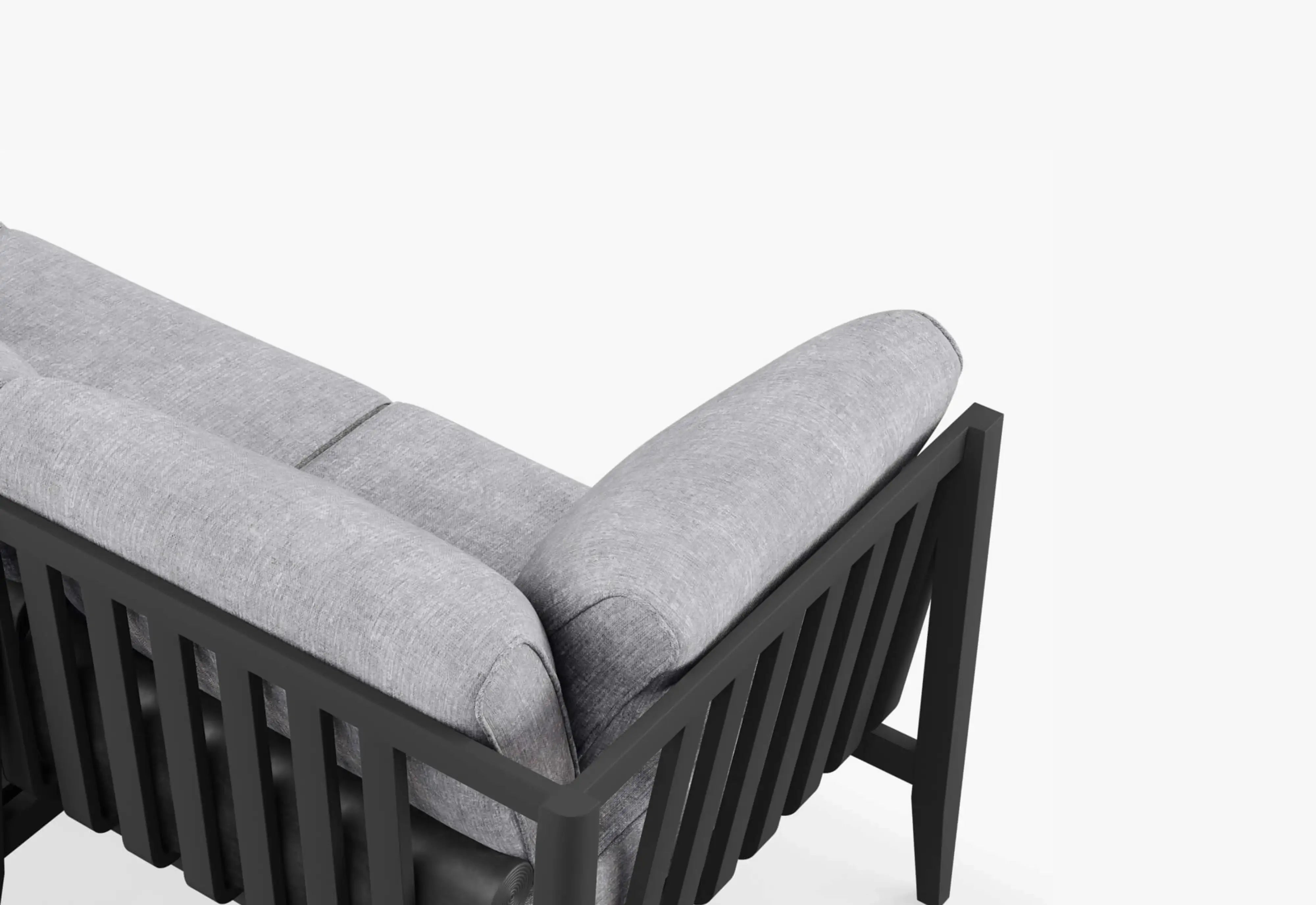
Every inch of added depth extends the load path between the sitter and the ground. Deeper seats create more leverage, which increases stress on connectors, fasteners, and joints.
When depth exceeds what the frame is engineered to support, subtle issues appear first: micro-flexing, uneven wear, and gradual misalignment. These changes don’t fail dramatically—but they shorten lifespan.
Designing for endurance means selecting a depth that allows frames to carry weight evenly, year after year.
Designing Depth for Cushion Longevity
Seat depth and cushion performance are directly linked. Deeper seating places cushions under longer and more sustained compression, especially in lounging scenarios.
Support systems like OuterCloud® are designed to recover after use, but they perform best when paired with a depth that allows natural rebound rather than constant compression.
A balanced depth preserves loft, resilience, and consistency—extending cushion life without relying on excessive thickness.
Depth as a Driver of Layout Flexibility
Enduring patios are rarely static. Furniture is rearranged for gatherings, expanded over time, or adapted to new uses.
Moderate seating depth supports this evolution. Pieces remain easy to reposition, combine, or scale without overwhelming the space or limiting circulation.
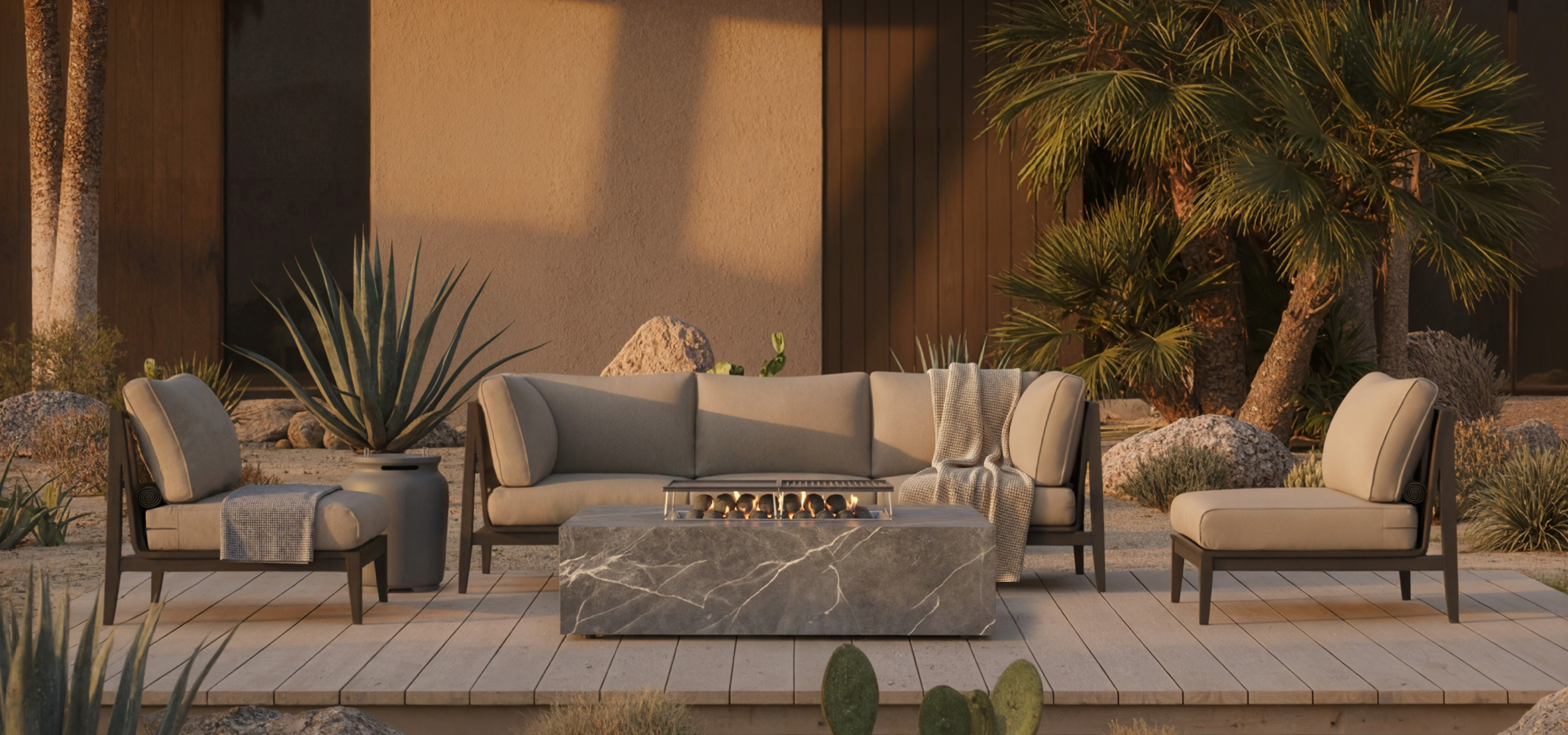
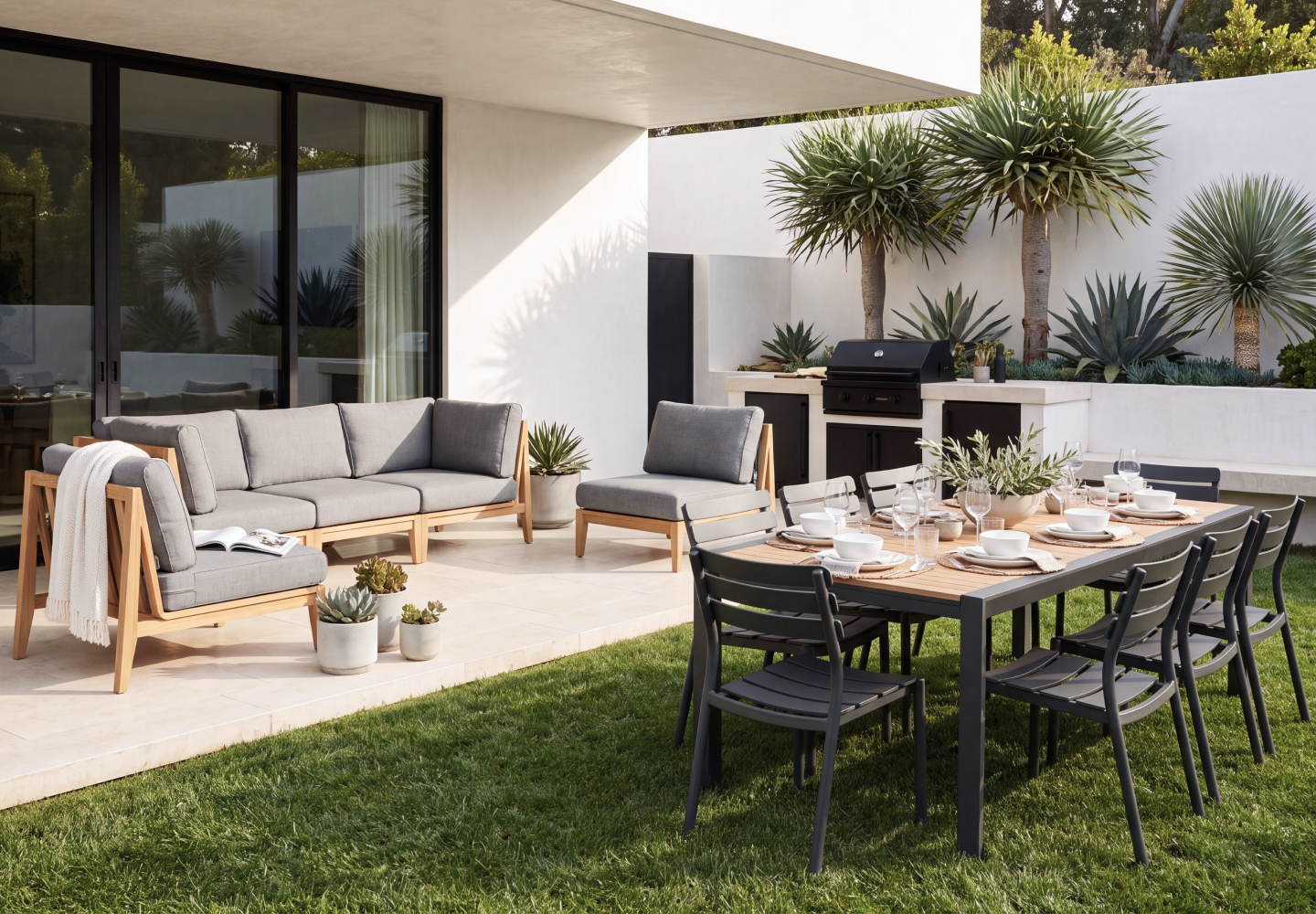
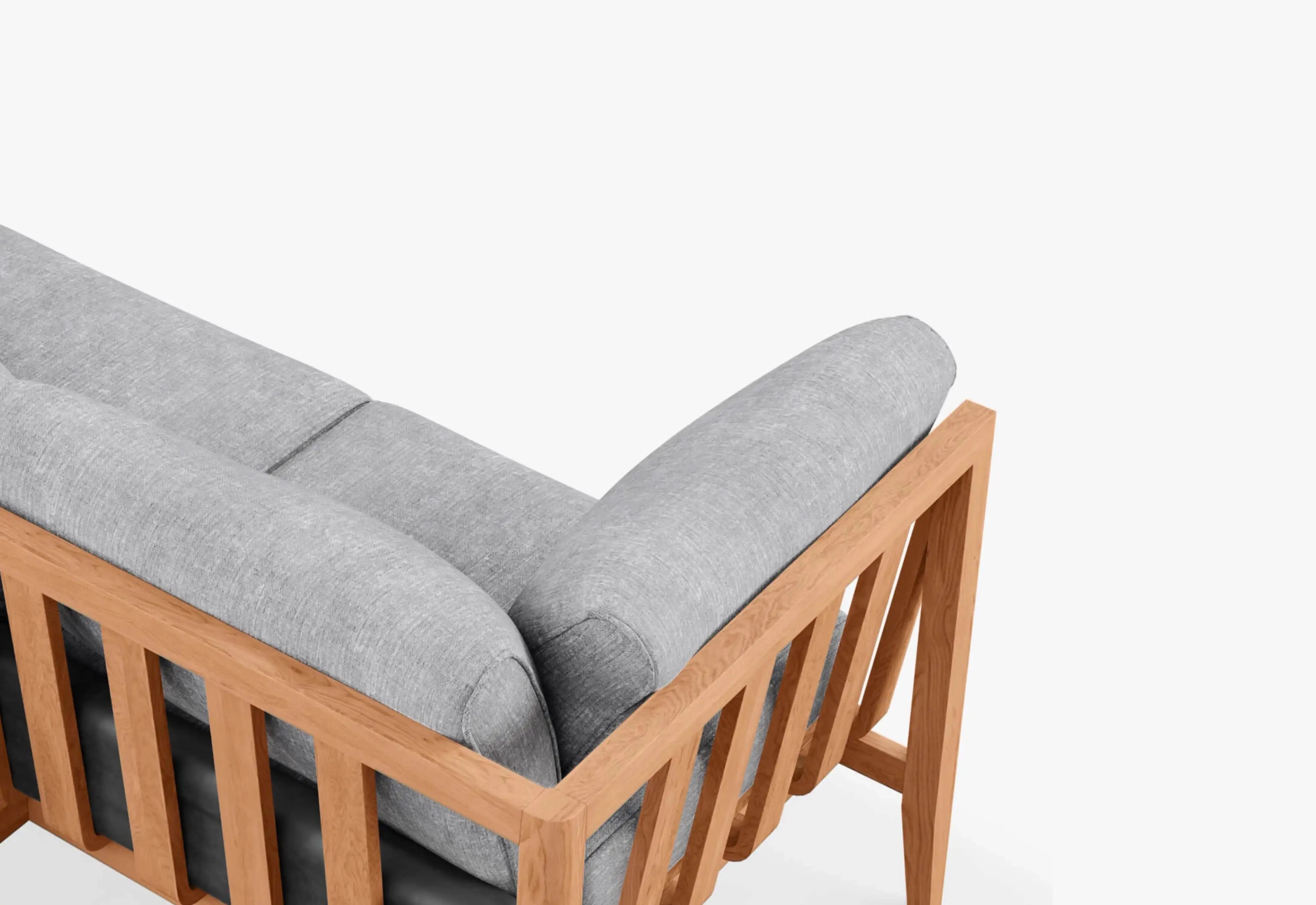
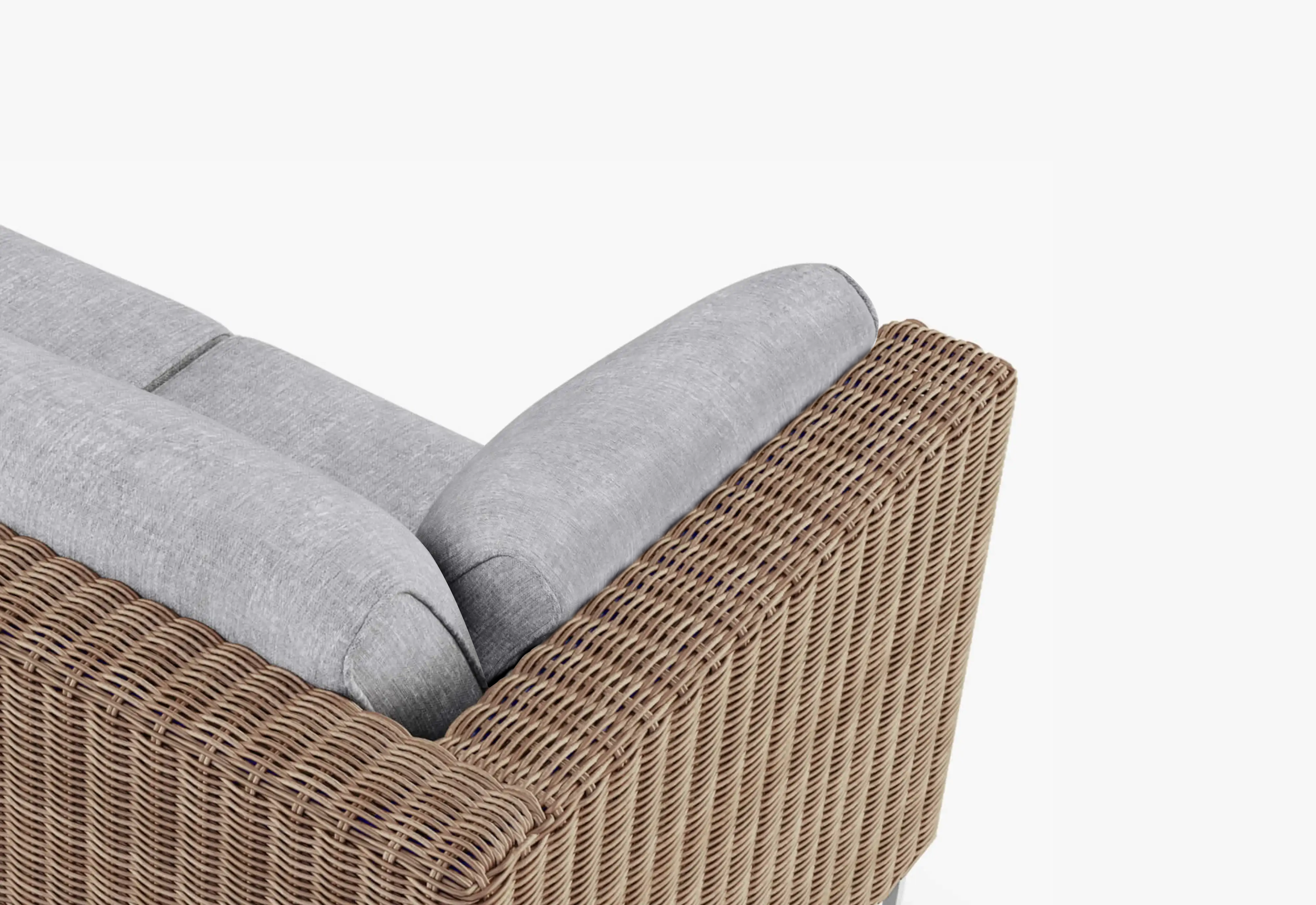
Collections such as the Teak Outdoor Sofa and Wicker Outdoor Sofa ranges use depth to balance presence with adaptability, allowing long-term reconfiguration without compromise.
Visual Endurance Is Tied to Proportion
Furniture doesn’t just wear physically—it ages visually. Seating that’s too deep can begin to feel heavy as cushions relax, while shallow seating may appear increasingly rigid or undersized.
A proportioned depth allows materials to soften naturally while maintaining visual balance. This keeps the patio looking intentional rather than dated as time passes.
Designing Different Depths for Different Functions
Enduring design recognizes that not every zone serves the same purpose. Depth can be used deliberately to support function without sacrificing longevity.
- Dining seating benefits from shallower depth for upright support.
- Conversation areas work best with medium depth for flexibility.
- Lounging zones can go deeper—when structure is designed for it.
Dining arrangements within the Dining Tables & Sets collection rely on this balance to remain comfortable and stable through repeated use.
Depth, Materials, and Environmental Exposure
Deeper seating often increases cushion surface area, which in turn increases exposure to sun, moisture, and debris. Material choice must account for this added demand.
Performance textiles like OuterWeave® maintain integrity across larger profiles, while integrated protection such as OuterShell® helps manage exposure without compressing cushions.
During extended downtime, breathable protection from the Covers collection supports shape retention and long-term comfort.
Designing Depth for Real Life, Not Extremes
Enduring patios are used by adults, kids, guests, and family—often all in the same day. Seating depth should accommodate this range without placing excessive demands on materials.
A well-chosen depth supports relaxed lounging, upright sitting, and casual movement without forcing furniture to operate at its limits.
Endurance Begins With the Measurement
Seating depth may look like a simple dimension, but it carries long-term consequences. It influences how furniture wears, how spaces adapt, and how comfort holds up over time.
Design that endures doesn’t chase extremes. It selects proportions that allow materials, structure, and use patterns to work together sustainably.
In the modern patio, longevity isn’t added later—it’s built into the depth from the very beginning.