

Outdoor Setup Handbook 2026: Designing a Patio That Works All Year

Designing an outdoor space in 2026 is no longer about creating a patio that looks good for one season or one occasion. Today’s patios are expected to work every day—through changing weather, evolving family needs, and different types of gatherings.
This Outdoor Setup Handbook is designed as a practical, long-term guide. It breaks down how to plan, build, and refine a patio that supports daily life, seasonal shifts, and meaningful moments outdoors—without constant rearranging or compromise.
Start With How You Actually Use Your Patio
Before choosing furniture or layouts, define how your outdoor space fits into real life.
- Is it used daily or primarily on weekends?
- Do meals happen outdoors often?
- Is conversation, lounging, or entertaining the priority?
- Will the space be used year-round or seasonally?
These answers determine everything that follows. A patio designed for everyday use looks very different from one designed only for occasional hosting.
Build the Patio Around Clear Zones
The most successful outdoor spaces are built around zones, not single-purpose layouts. Zoning allows different activities to happen at the same time without conflict.
Conversation Zones
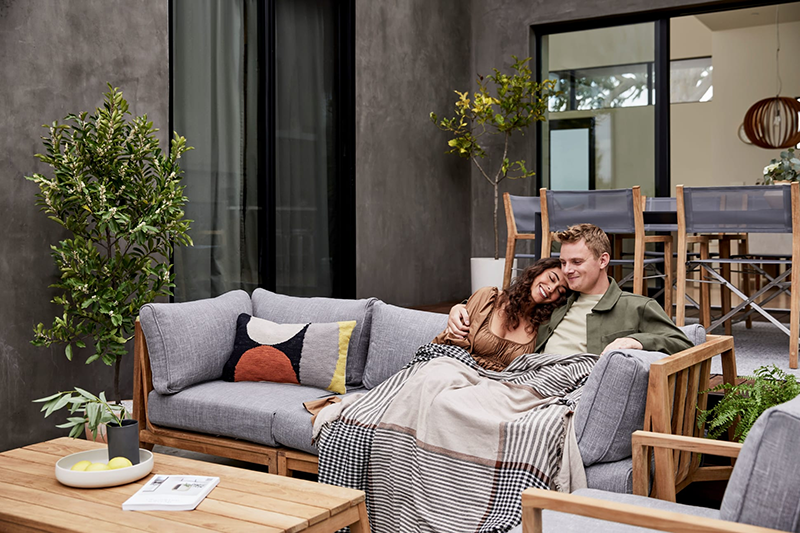
Conversation zones are where people linger. These areas benefit from comfortable seating, inward-facing orientation, and enough space to relax without feeling exposed.
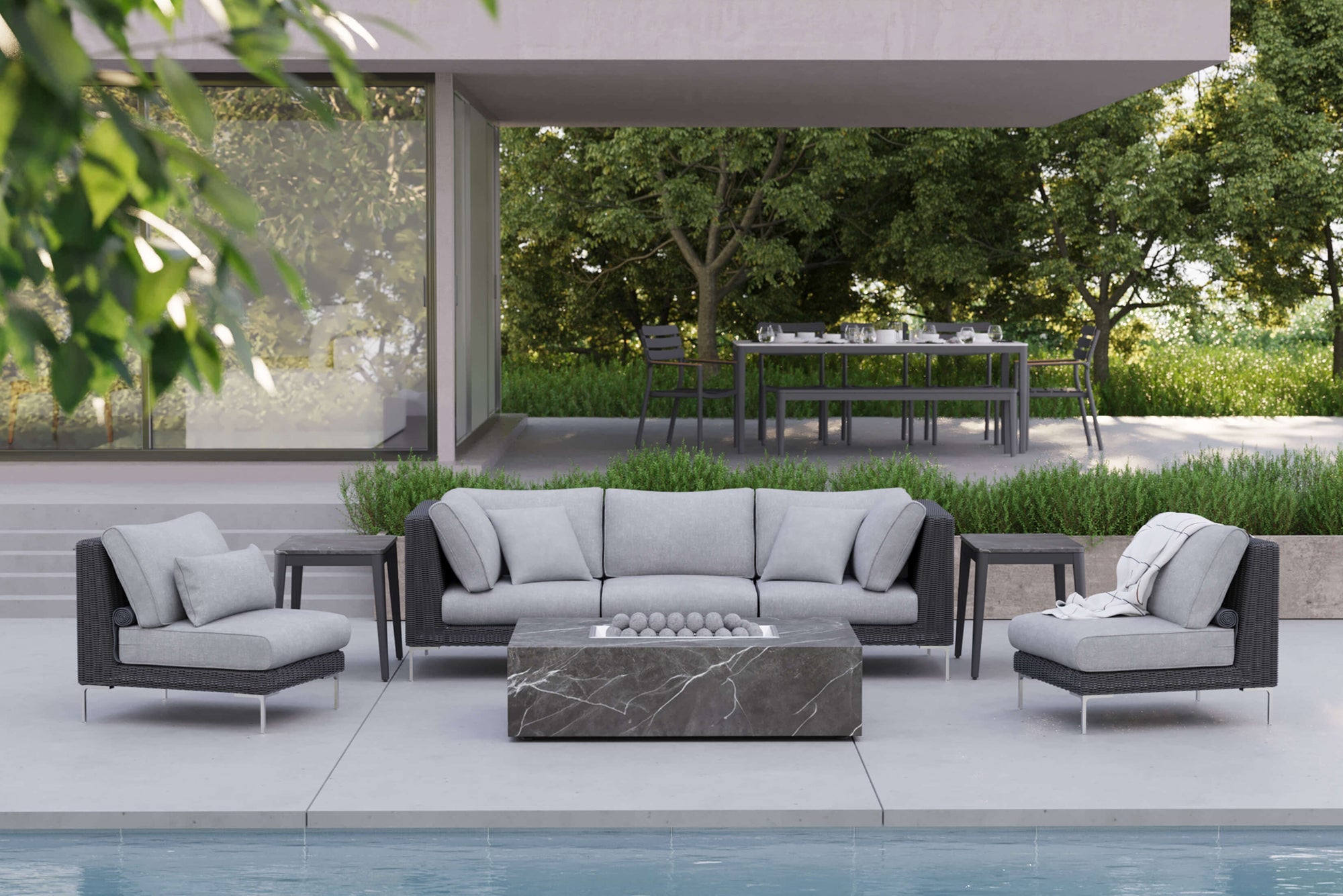
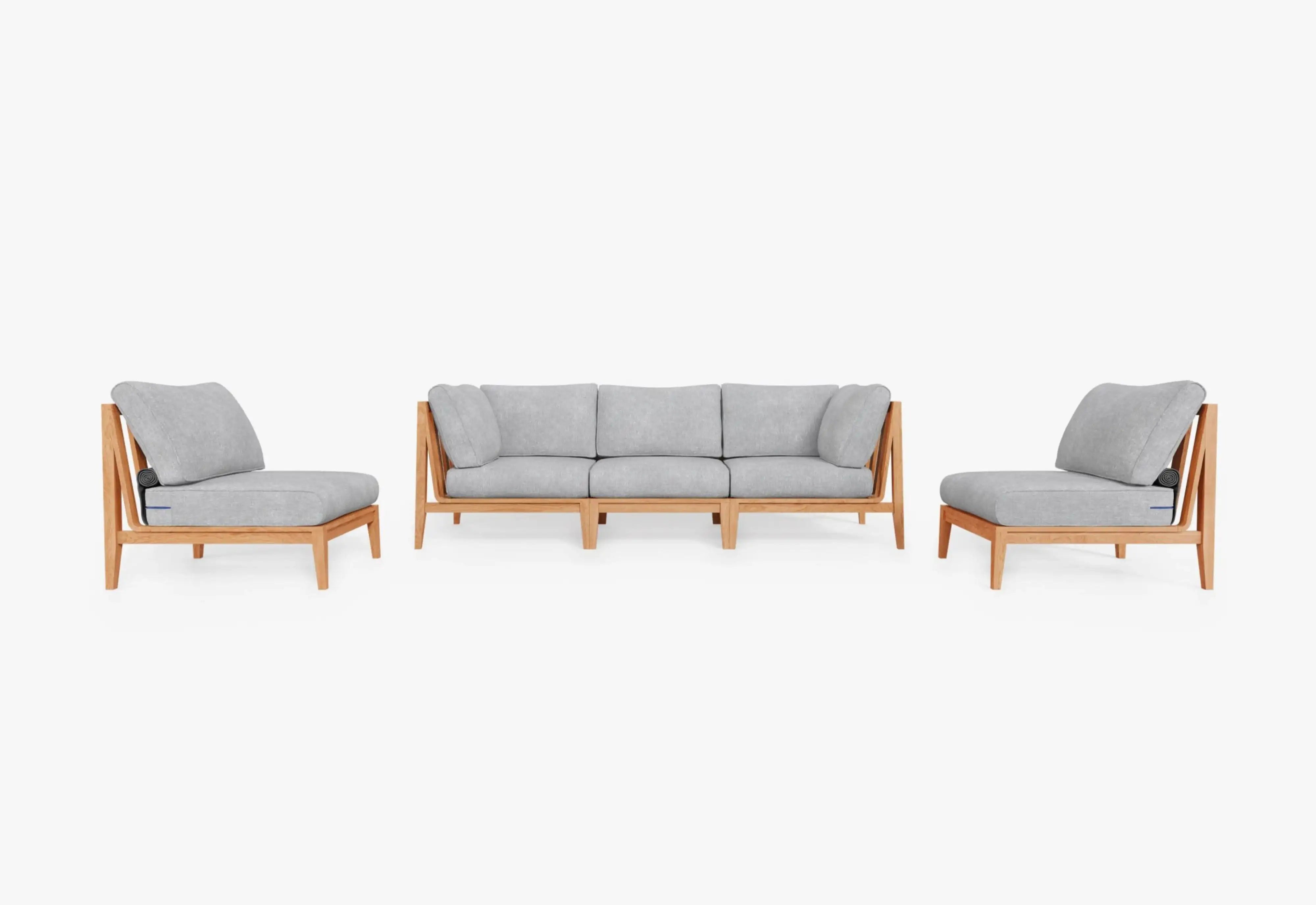
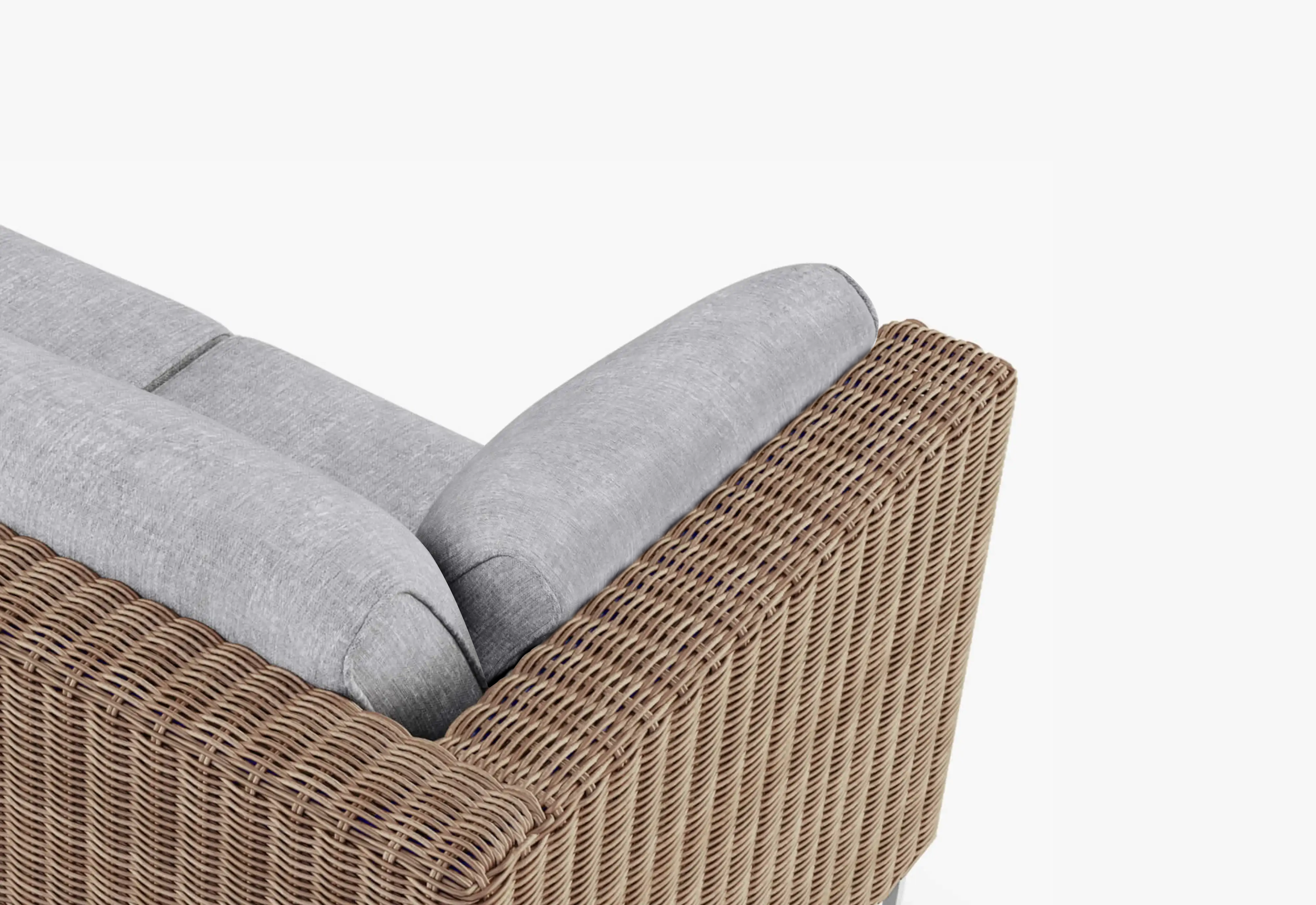
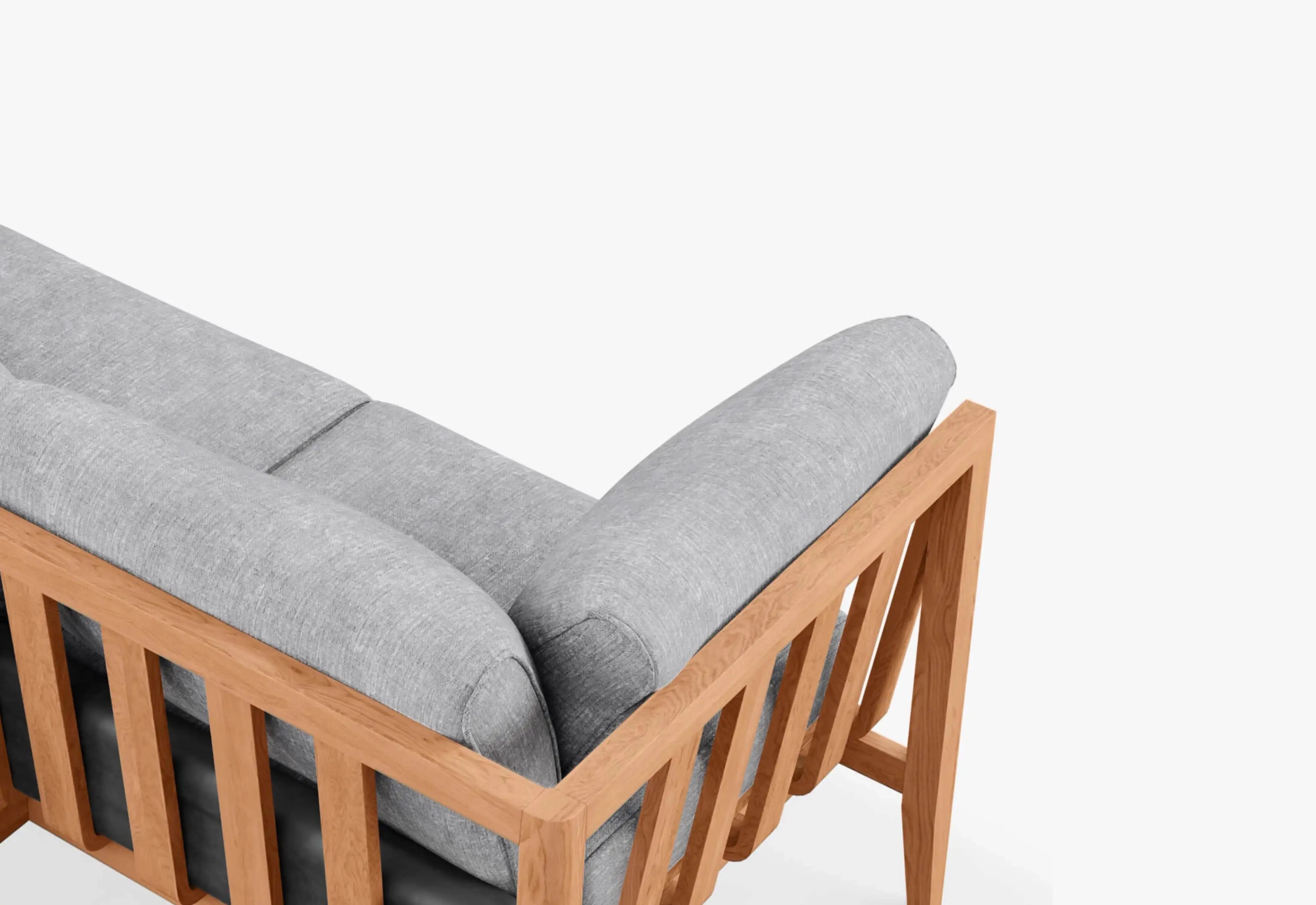
Modular options from the Teak Outdoor Sofa and Wicker Outdoor Sofa collections support flexible arrangements that adapt as groups change.
Dining Zones
Dining zones should feel stable, accessible, and easy to expand when needed. Spacing matters more here than aesthetics—chairs need room to slide, and circulation should feel natural.
Well-proportioned tables from the Dining Tables & Sets collection support both everyday meals and larger gatherings without feeling oversized when not fully in use.
Transitional Zones
Transitional zones act as buffers between activities. They allow people to pause, move through the space, or join conversations without interrupting them.
These areas often use lighter seating or side tables and play an important role in keeping the patio from feeling crowded.
Plan Layouts That Support Natural Movement
Good outdoor layouts feel intuitive. People should be able to move from one zone to another without squeezing past furniture or disrupting others.
- Leave clear paths between dining and conversation zones
- Avoid placing seating directly in high-traffic routes
- Allow space behind dining chairs for easy access
When circulation is planned from the beginning, the patio feels calm even during busy gatherings.
Prioritize Comfort at the Structural Level
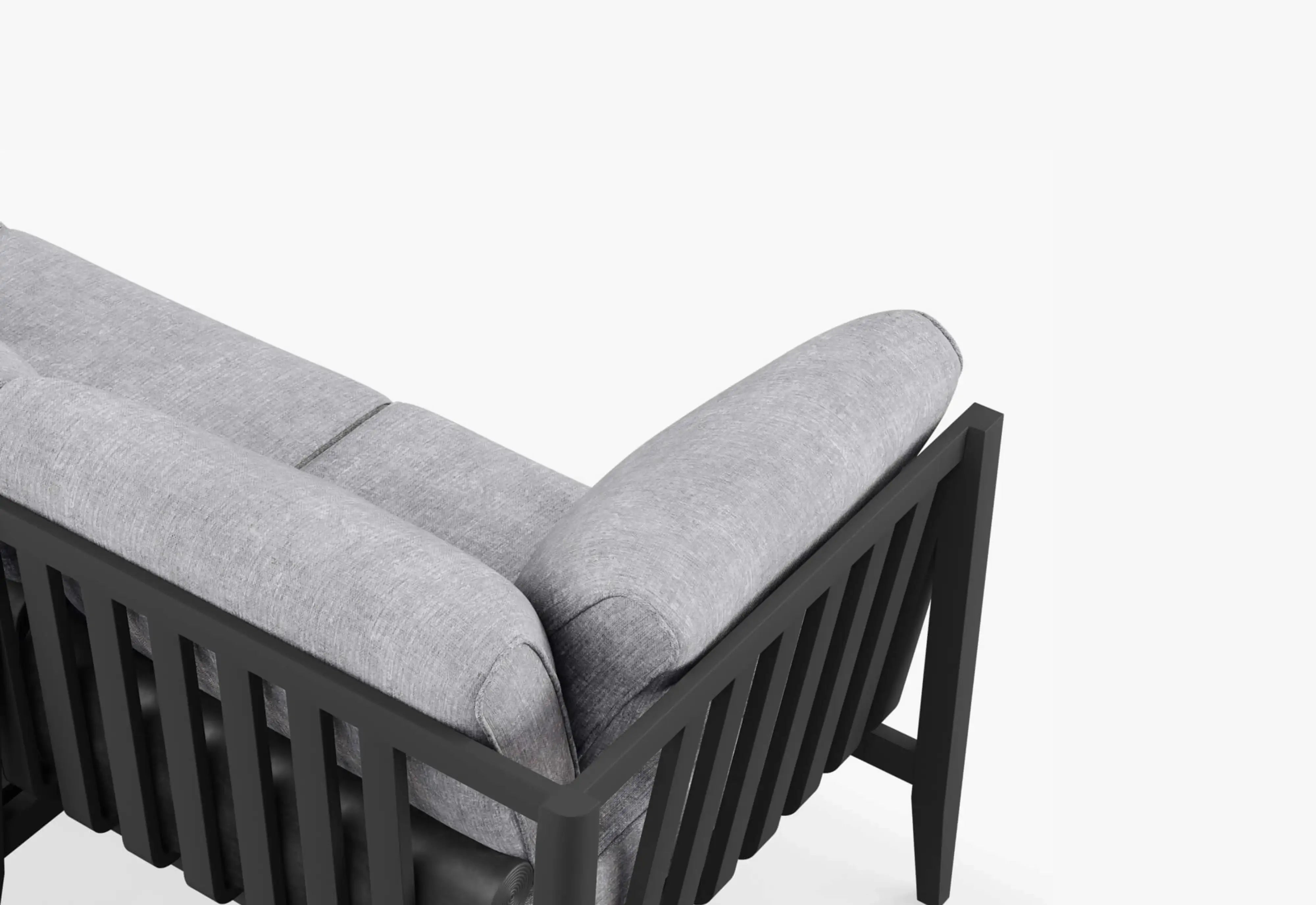
Comfort outdoors is built from the inside out. Frame stability, cushion support, and seat proportions all contribute to how long people stay.
Supportive cushion systems like OuterCloud® help seating maintain comfort over extended use, while performance textiles such as OuterWeave® are designed to handle sun, spills, and daily exposure.
When comfort is engineered into the structure, it doesn’t fade halfway through the season.
Design for Seasonal Shifts, Not Ideal Weather
Patios that work all year anticipate change rather than react to it.
- Shade and airflow extend use during hot months
- Fire features anchor seating as evenings cool
- Flexible layouts allow zones to shift with light and temperature
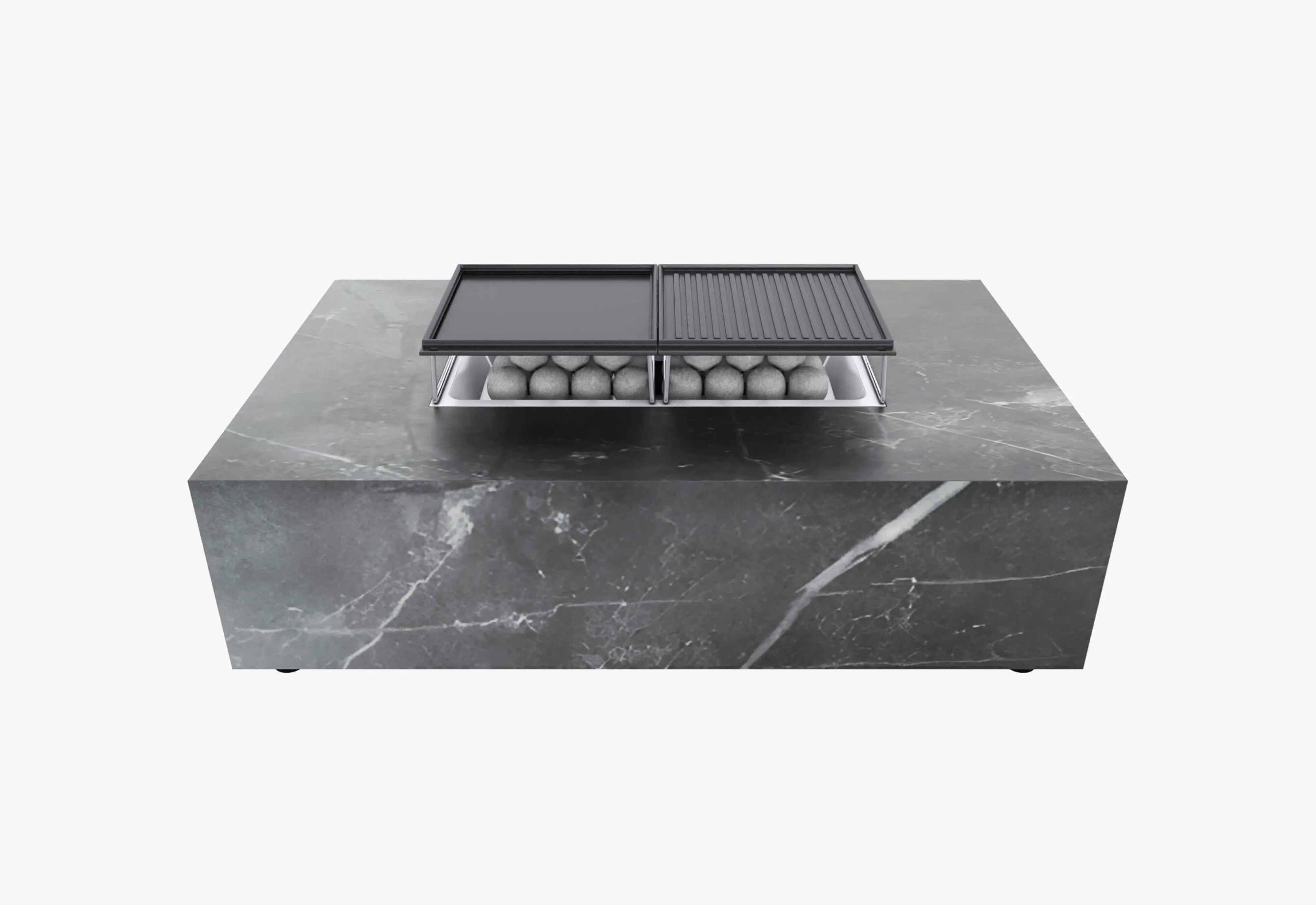
Fire elements from the Fire Pits collection naturally extend outdoor use into cooler seasons while creating a social focal point.
Manage Bugs as Part of the Setup
Insects are one of the main reasons patios go unused. Addressing bugs is a design decision, not just a maintenance task.
Airflow, lighting choice, and fire features all help reduce bug activity. Layered solutions work best when planned into the space rather than added later.
Protect the Space Between Uses
How a patio is protected when not in use directly affects how inviting it feels next time.
Integrated protection systems like OuterShell® help keep cushions dry and ready, while breathable options from the Covers collection reduce wear from moisture and debris.
Protection isn’t about hiding furniture—it’s about preserving comfort and appearance.
Think in Years, Not Seasons
A successful outdoor setup doesn’t need to be redesigned every year. It evolves gradually.
Layouts remain consistent. Zones adapt subtly. Materials age predictably. When the foundation is right, small adjustments replace full resets.
This long-term approach reduces waste, saves time, and makes outdoor living feel effortless rather than seasonal.
The Goal: A Patio That Works Without Effort
The best outdoor spaces don’t require constant decision-making. They support daily use, welcome spontaneous gatherings, and remain comfortable as conditions change.
By planning zones, prioritizing comfort, and engineering for year-round use, your patio becomes more than an outdoor room—it becomes part of everyday life.
This is the guiding principle behind the Outdoor Setup Handbook 2026: design once, live outside often.