

Outdoor Seating Guide
How to Choose Patio Chairs: A Buying Guide for Outdoor Seating
A practical guide to choosing patio chairs that are comfortable, durable, weather-resistant, and right for your porch, deck, patio, or backyard layout.

Patio chairs do more than fill an outdoor space. The right chairs make a porch, deck, backyard, or poolside area feel comfortable enough to use every day — and durable enough to leave outside season after season.
To choose patio chairs, start with six factors: material, frame construction, cushion comfort, weather resistance, size, and maintenance. The best patio chairs should feel comfortable for long sitting, hold up to sun and rain, fit your outdoor layout, and be easy to keep clean between uses.
If you are wondering how to choose chairs for a patio, the answer is not just “pick the style you like.” A beautiful chair can still disappoint if the cushion flattens, the frame rusts, the seat feels too shallow, or the fabric is difficult to clean after a summer of sun, rain, food, pets, and everyday use.
This patio chair buying guide walks through what to look for before you shop: materials, durability, comfort, weather protection, layout, maintenance, and styling. You will also find a simple comparison of teak, aluminum, and all-weather wicker patio chairs, plus product recommendations for different outdoor spaces.
Patio Chair Buying Checklist
Before comparing individual products, use this quick checklist to narrow your options. It helps separate outdoor chairs that only look good online from outdoor seating that is actually built for daily use.
| What to Check | Why It Matters | What to Look For |
|---|---|---|
| Material | Determines weather resistance, style, weight, and maintenance. | Teak, aluminum, all-weather wicker, or recycled outdoor-grade materials. |
| Frame | Controls long-term stability and structural life. | Rust-resistant metal, tight joinery, reinforced stress points, or dense hardwood. |
| Cushions | Defines how comfortable the chair feels after 10 minutes — and after two hours. | Thick, supportive cushions with outdoor performance fabric and washable covers. |
| Weather Resistance | Protects against sun, rain, moisture, mold, mildew, and fading. | UV-resistant fabric, water-resistant cushions, rust-proof frames, and easy protection. |
| Size | Impacts walkway clearance, seating depth, and how the space feels. | Measure the patio first, then choose armchairs, armless chairs, lounge chairs, or compact seating. |
| Maintenance | Determines how easy the chairs are to live with over time. | Cleanable fabric, removable cushion covers, built-in protection, and full furniture covers when needed. |
How to Choose Patio Chairs

1. Choose the Right Material
The material is the first decision because it affects almost everything else: durability, weight, care, style, and how the chair performs in different climates.
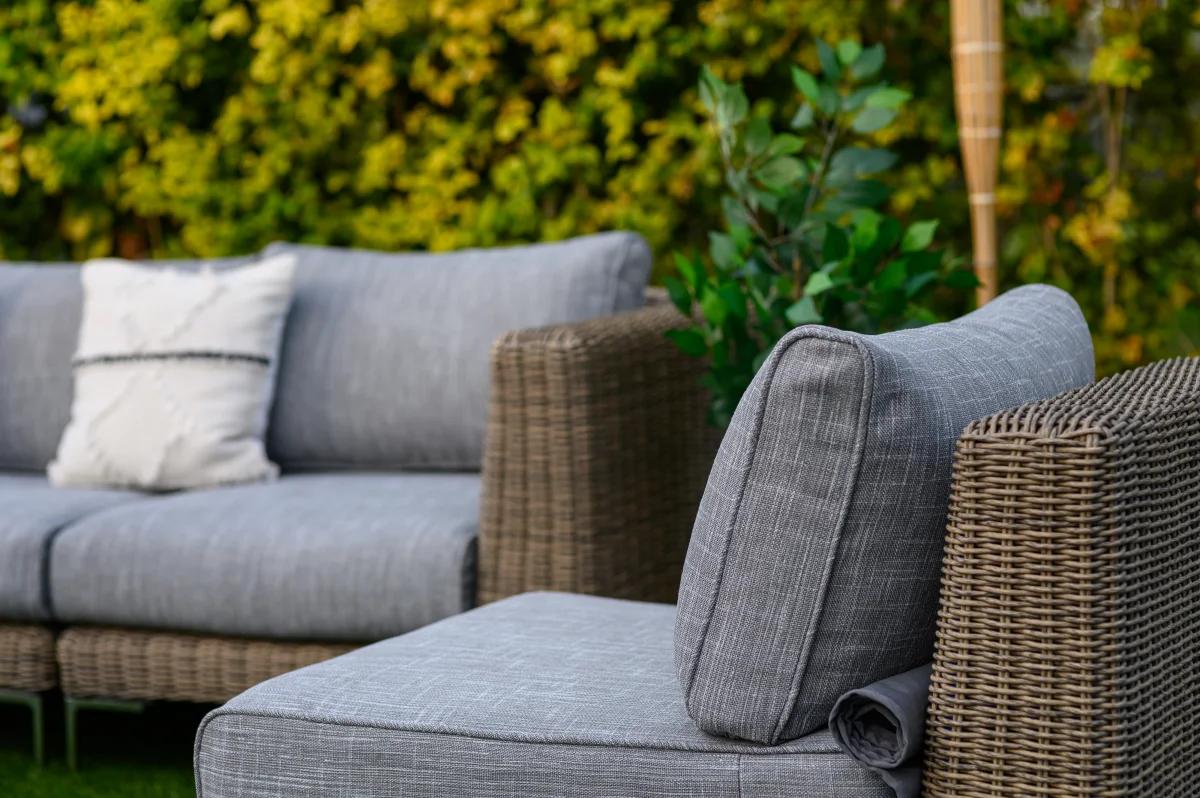
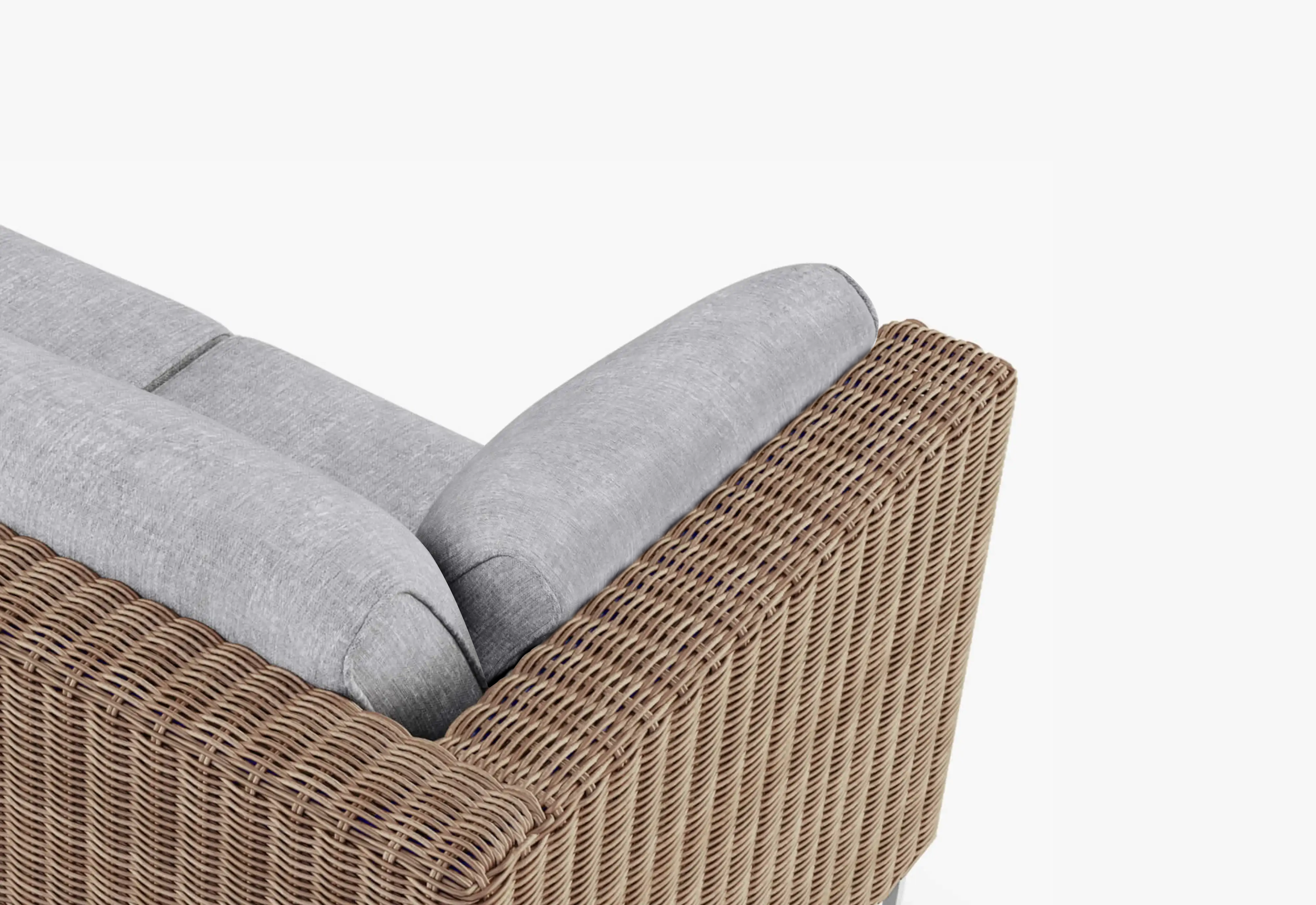
If you like the texture and relaxed feel of woven outdoor furniture, look for all-weather wicker seating with a tight, even weave. Avoid wicker that looks brittle, cracked, loose, or unevenly finished.
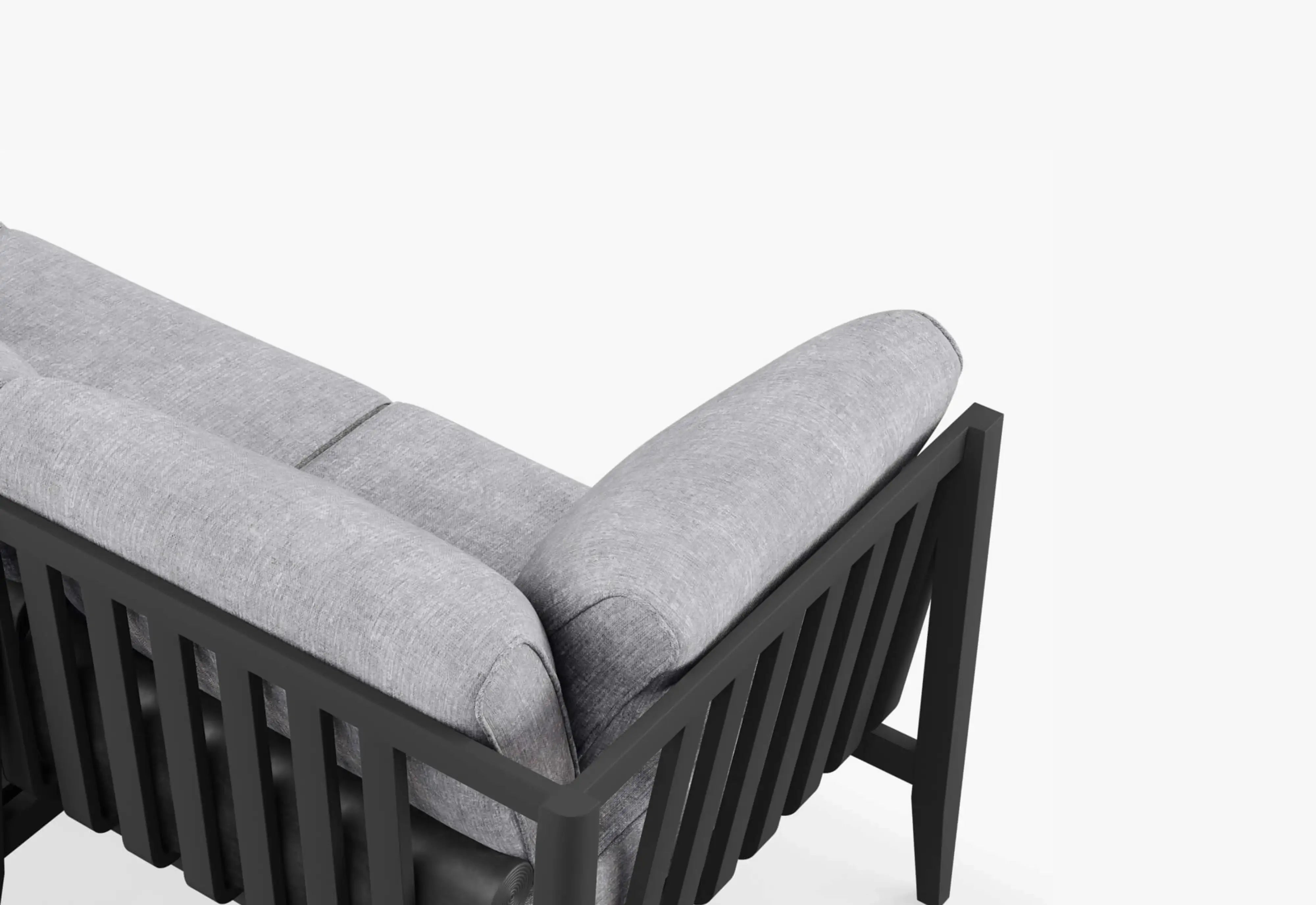
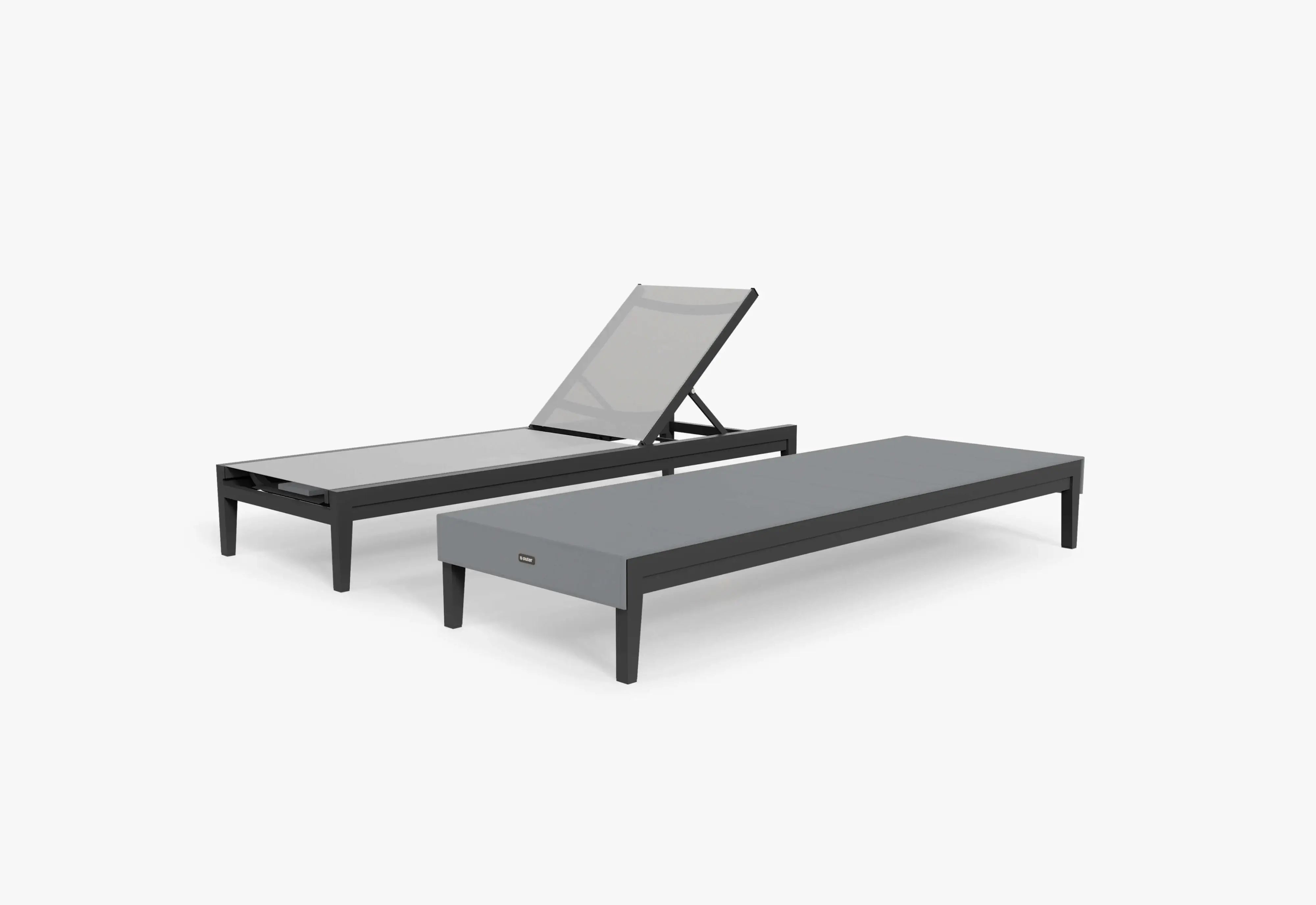
If you want a clean, modern profile with low maintenance, aluminum outdoor furniture is a strong option. Quality aluminum will not rust, and a well-finished frame should feel stable without being unnecessarily heavy.
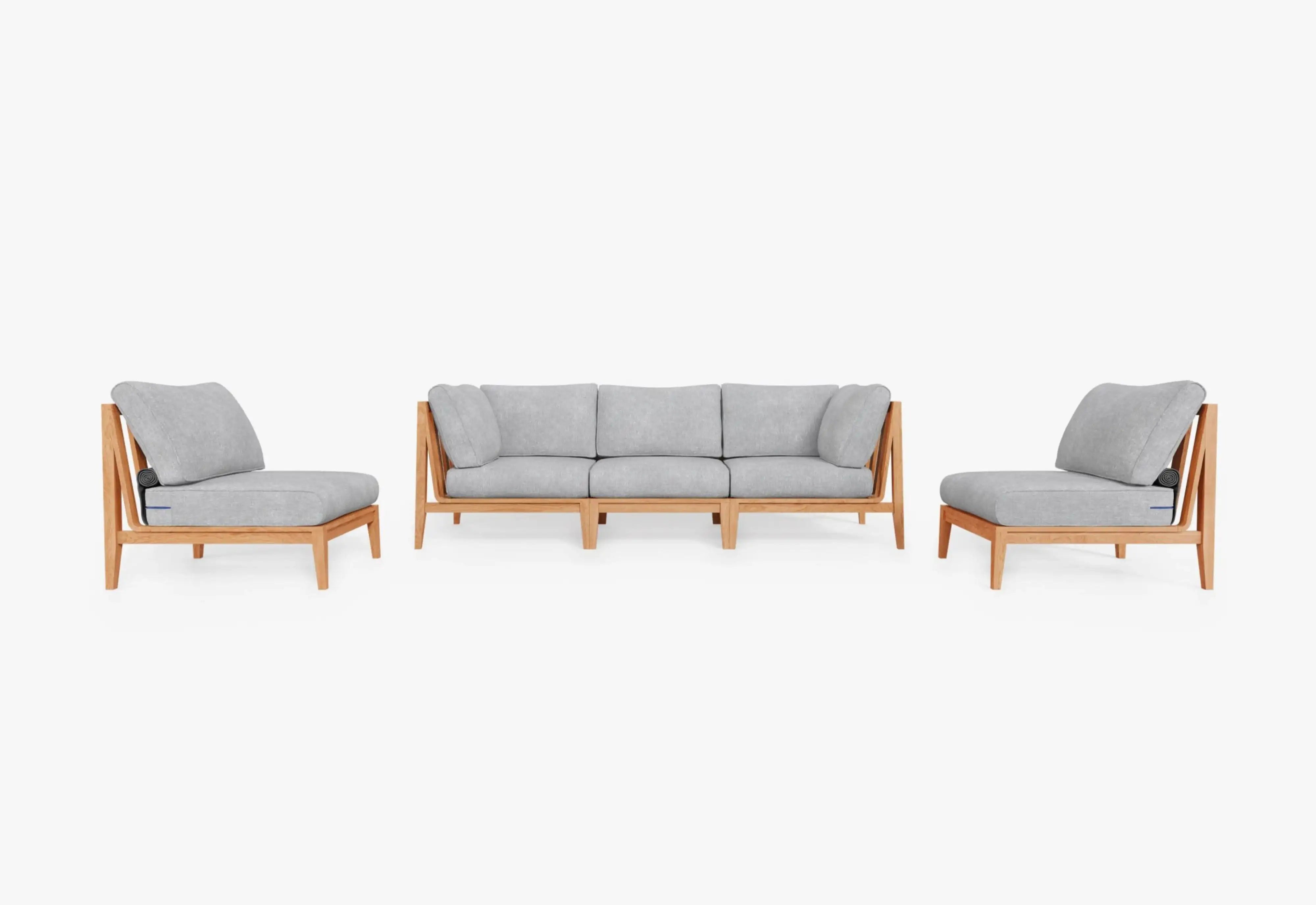
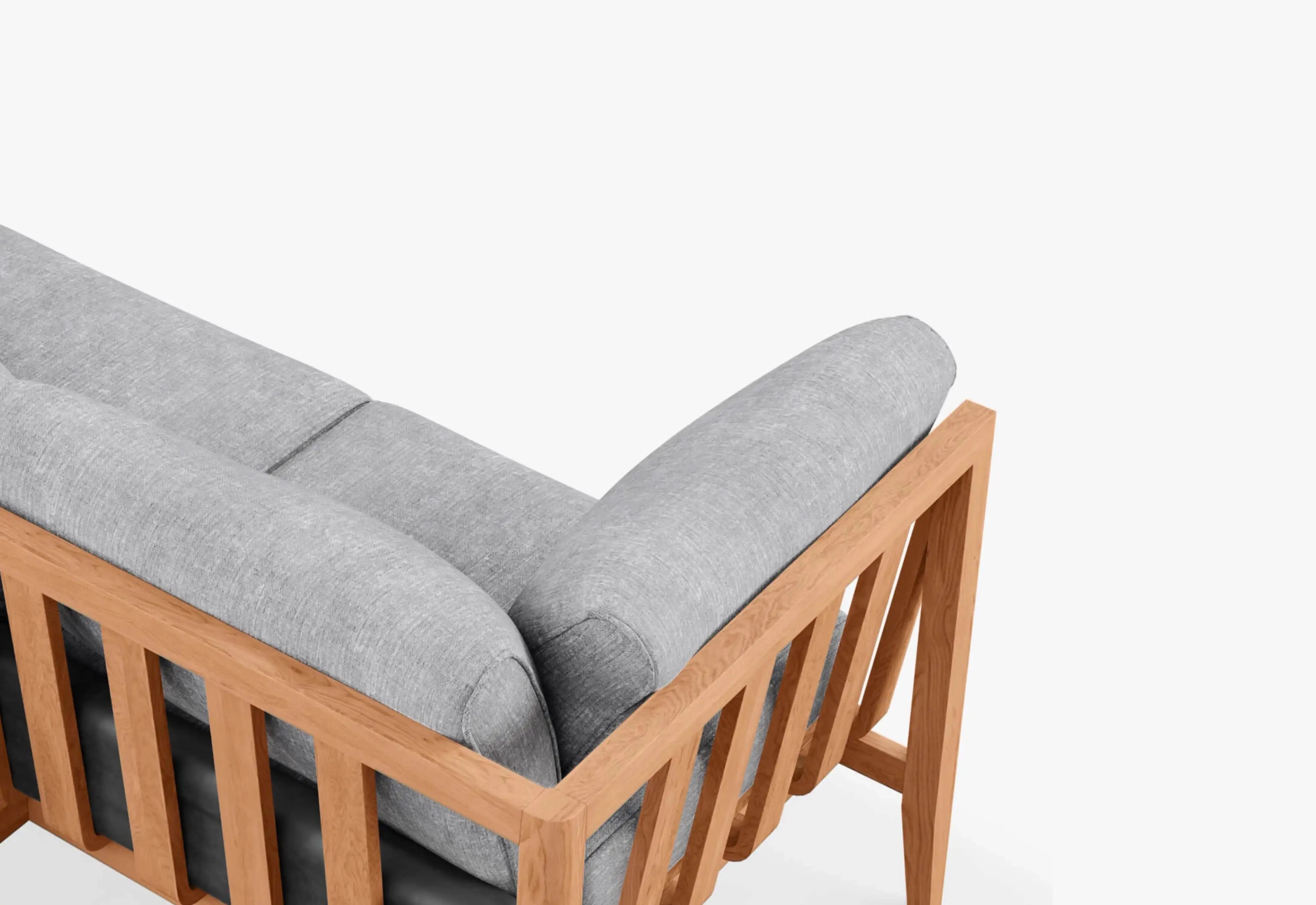
If you prefer a warmer, more natural material, teak outdoor furniture offers a timeless look and excellent outdoor performance. Look for dense, high-quality teak with strong grain and thoughtful construction.
2. Check the Frame and Construction
A patio chair may look polished from a distance, but the frame tells you more about how it will perform. Check the legs, joints, welds, corners, and connection points. A chair should not wobble, bend, twist, or feel fragile when you shift your weight.
For metal chairs, look for clean welds and rust-resistant materials. For wood chairs, inspect the grain, joints, and finish. For wicker chairs, look beneath the weave and confirm the internal frame is made from outdoor-grade material, not weak indoor furniture construction dressed up for the patio.
At Outer, patio seating is designed around long-term outdoor performance, whether it is handwoven wicker, weatherproof aluminum, or Grade A teak. The goal is not simply to make outdoor chairs look refined on delivery day — it is to keep them functional, comfortable, and ready to use over time.
3. Prioritize Cushion Comfort

Comfort is where many patio chairs fall short. A chair can have a beautiful silhouette but still feel too hard, too shallow, too upright, or too flat after a short sit.
When comparing outdoor patio chairs, sit in the chair if possible. Pay attention to seat depth, back angle, cushion thickness, arm height, and whether your body feels supported rather than perched. The best patio chairs make it easy to stay outside longer without constantly readjusting.
Outer seating is designed to bring indoor comfort outside. The cushions use a supportive, layered feel inspired by premium indoor seating, while OuterCloud® cushioning is built to feel soft, supportive, and appropriate for real outdoor lounging.
4. Look for Weather Resistance
Weather-resistant patio chairs should be built for more than a clear afternoon. They need to handle sun exposure, humidity, morning dew, unexpected rain, dirt, pollen, pets, and daily movement in and out of the seating area.
Look for fabrics that resist fading, moisture, mold, mildew, and stains. For frames, choose materials that are naturally suitable for outdoor use or finished for long-term exposure. For cushions, make sure the covers are easy to clean and the inserts are designed for outdoor conditions.
Outer’s OuterWeave® performance fabric is made for everyday outdoor living, while OuterShell® adds built-in cushion protection when the furniture is not in use.
5. Match the Chair to Your Space
Choosing patio chairs is also a layout decision. A chair that works on a wide backyard patio may feel oversized on a narrow front porch. A deep lounge chair may be perfect beside a fire pit but too casual for a dining-adjacent sitting area.
Before buying, measure the total space and leave enough room to walk around the chairs comfortably. For conversation areas, angle two chairs toward each other with a side table between them. For smaller spaces, consider armless chairs, Adirondacks, or compact lounge seating that keeps the area open.
6. Consider Maintenance Before You Buy
The easier patio chairs are to maintain, the more often you will actually use them. If every light rain means dragging cushions inside, wiping down every surface, and resetting the seating area, the furniture becomes a chore instead of an invitation.
Look for washable or cleanable fabrics, frames that can be hosed or wiped down, and protection that is easy enough to use daily. For harsher climates or long off-season periods, pair everyday cushion protection with all-weather covers for full-piece protection.
Best Patio Chairs by Outdoor Space
The best patio chairs depend on how you use the space. A front porch, poolside area, fire pit zone, and backyard lounge do not need the same seating.
Small Front Porch
Choose compact outdoor chairs with a clean profile. Adirondack chairs or slim armchairs can create a complete sitting area without crowding the entryway.
Backyard Lounge Area
Choose deeper cushioned chairs that feel comfortable for reading, conversation, or relaxed afternoons outside.
Deck or Poolside Space
Choose weather-resistant patio chairs with quick-clean fabric and durable frames. Aluminum is especially useful where water and sun are part of daily use.
Fire Pit Conversation Zone
Choose supportive chairs with enough width and cushion comfort for a full evening outside. Add a side table or fire pit table to anchor the layout.
Patio Chair Materials Compared
Each outdoor chair material has a different strength. The right choice depends on your climate, preferred style, and how much maintenance you want to manage.
Aluminum Patio Chairs
Best for a modern look, low maintenance, and weather resistance. Aluminum is lightweight, strong, and will not rust when properly finished for outdoor use.
Teak Patio Chairs
Best for a warm, natural look and long-term outdoor durability. Teak develops character over time and works well in refined outdoor living spaces.
All-Weather Wicker Patio Chairs
Best for a relaxed, classic patio feel with texture. Look for outdoor-grade wicker over a durable internal frame, not natural indoor wicker.
Editor’s Outdoor Seating Picks
Recommended Patio Chairs and Outdoor Seating
If you are building an Outer-style outdoor space, start with seating that balances comfort, durability, weather resistance, and low-maintenance protection.

Outdoor Chairs & Ottomans
Flexible outdoor seating for porches, decks, backyard lounges, and modular patio layouts.
Shop outdoor seating
Wicker Outdoor Armchair
A comfortable patio chair for a relaxed woven look with an elevated outdoor living feel.
View wicker armchair
Teak Outdoor Armless Chair
A warm, refined option for modular outdoor seating and natural patio design.
View teak chair
Aluminum Armchair Conversation Set
A clean two-chair setup for patios, decks, fire pit areas, and everyday outdoor conversations.
View aluminum setFor front porch and casual lounge spaces: Outer’s Adirondack seating is another option when you want a more relaxed silhouette, especially around a fire pit, garden path, or smaller outdoor nook.
What to Avoid When Buying Patio Chairs
Avoid choosing patio chairs based only on price or appearance. Lower-quality outdoor chairs can look appealing in product photos but fail quickly once exposed to real outdoor conditions.
- Thin, flat cushions: They may look neat at first but often feel uncomfortable after short use.
- Indoor-grade wicker: Natural wicker is not the same as all-weather wicker and may crack or weaken outside.
- Rust-prone metal: If a frame can rust, it will eventually become a maintenance issue.
- Unstable frames: Wobbling, bending, or poor welds are signs to avoid.
- No clear care instructions: Outdoor furniture should be easy to clean and maintain.
- No weather plan: Cushions and frames need protection from everyday dirt, debris, moisture, and off-season exposure.
How to Maintain Patio Chairs

Once you choose the right patio chairs, maintenance becomes the next priority. A good outdoor chair should not require constant work, but simple habits will keep it looking better for longer.
For cushions, brush away loose dirt, clean spills quickly, and follow the care instructions for the fabric. For frames, use mild soap, water, and a soft cloth or brush as needed. Avoid harsh tools that can damage finishes.
Outer seating includes OuterShell®, a built-in cover designed to roll over the cushions when they are not in use. It helps protect cushions from everyday dirt, debris, morning dew, and surprise messes, so the chairs stay cleaner and more ready to enjoy.
For longer storage periods or harsher seasonal weather, use an all-weather cover to protect the full furniture piece.
How to Style Patio Chairs

The goal is simple: make the outdoor space feel as considered as the inside of your home. Patio chairs are the foundation, but the details around them make the area feel finished.
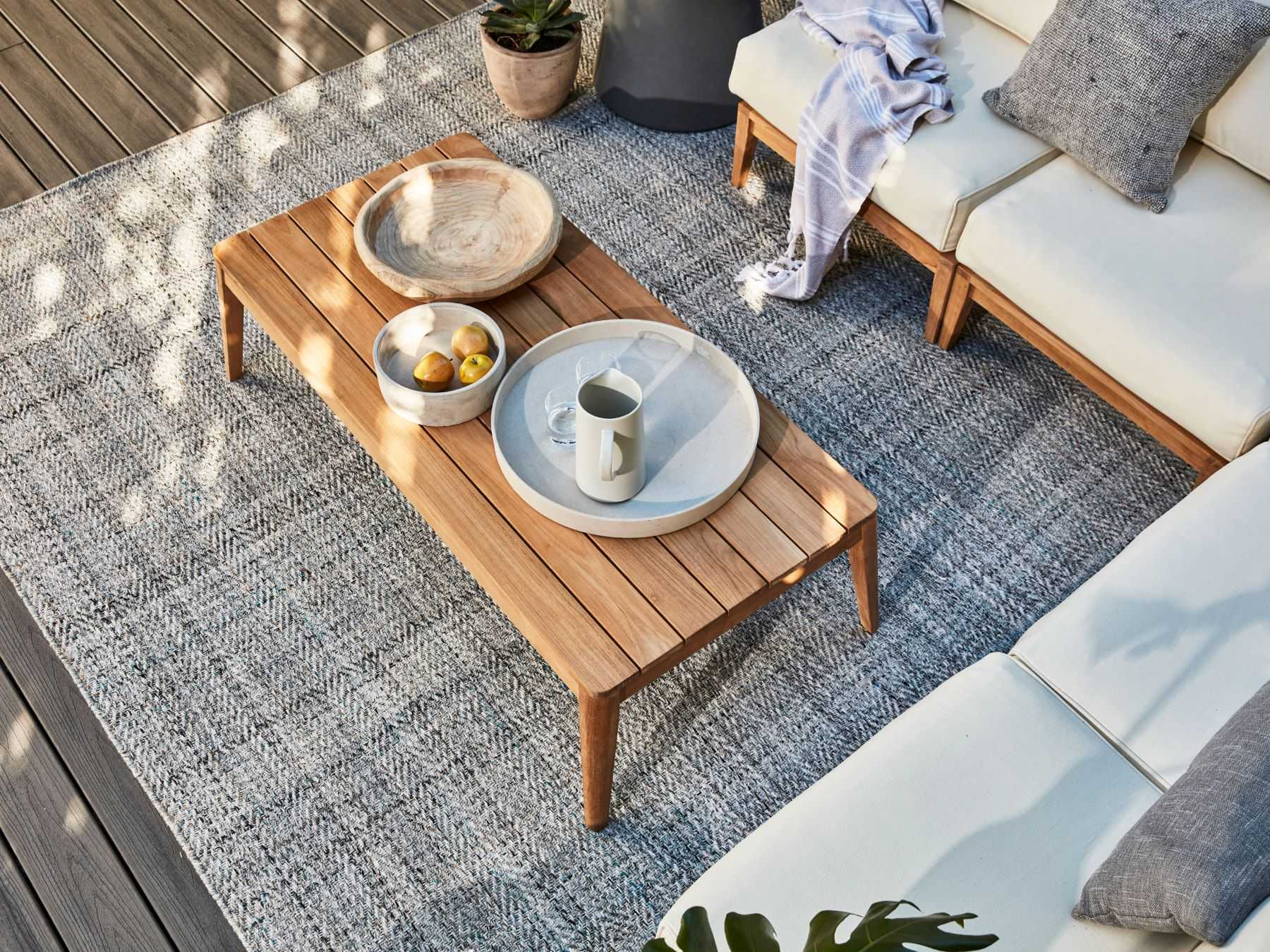
- Use an outdoor rug to define the seating area and soften hard surfaces.
- Add a coffee table or side table so drinks, books, and small plates have a proper place to land.
- Layer in outdoor throw pillows for extra comfort and color.
- Use plants, planters, and natural textures to connect the seating area to the landscape.
- For a more complete plan, consider Outer’s free design help to choose seating, tables, rugs, and layout together.
Final Thoughts: Choose Patio Chairs That Make Outdoor Living Easier
The best patio chairs are comfortable, durable, weather-resistant, and easy to maintain. They should fit your space, support the way you actually relax outside, and look refined without requiring constant upkeep.
Start with material and construction. Then check the cushions, weather resistance, scale, and maintenance plan. Once those essentials are right, style becomes easier — and your patio, porch, deck, or backyard becomes a place you will want to use more often.
Build a Better Outdoor Seating Area
Explore Outer seating designed for comfort, durability, and everyday outdoor living.
Shop Outdoor Chairs & OttomansPatio Chair Buying Guide FAQs
How do I choose chairs for a patio?
Choose patio chairs by checking the material, frame construction, cushion comfort, weather resistance, size, and maintenance needs. The right chair should fit your space, feel comfortable for long sitting, and be built for outdoor exposure.
What should I look for when buying patio chairs?
Look for durable outdoor materials, stable frames, supportive cushions, weather-resistant fabrics, easy cleaning, and a size that works with your layout. Avoid chairs that feel wobbly, have thin cushions, or use materials not designed for outdoor use.
What material is best for patio chairs?
Aluminum is best for low-maintenance modern spaces, teak is best for a warm natural look, and all-weather wicker is best for a classic woven style. The best material depends on your climate, design preference, and how much upkeep you want.
How do I choose weather-resistant patio chairs?
Choose chairs with rust-resistant frames, outdoor-grade fabrics, water-resistant cushions, UV resistance, and a practical protection plan. Built-in cushion covers or full furniture covers can help reduce everyday maintenance.
What patio chairs last the longest?
Patio chairs with high-quality aluminum, Grade A teak, or strong all-weather wicker over a durable frame tend to last longer. Construction quality, cushion fabric, protection, and maintenance also affect long-term performance.
Are aluminum patio chairs good for outdoor use?
Yes. Aluminum patio chairs are a strong outdoor option because aluminum does not rust, is relatively lightweight, and works well with weatherproof finishes. They are especially useful for modern patios, decks, and poolside areas.
Are teak patio chairs worth it?
Teak patio chairs can be worth it if you want a natural, premium material with long-term outdoor durability. Teak has a warm look, ages beautifully, and works well in refined outdoor living spaces.
What are the best patio chairs for a small front porch?
For a small front porch, choose compact chairs that do not block the entryway or walking path. Slim armchairs, armless outdoor chairs, or refined Adirondack chairs can work well depending on the porch depth and style.
How do I maintain patio chairs?
Brush off loose dirt, clean spills quickly, wash frames with mild soap and water, and follow the fabric care instructions. For cushions, use built-in protection or covers when the chairs are not in use, especially during rain or off-season storage.
Should patio chairs have cushions?
Cushions are not required for every patio chair, but they make a major difference in comfort. If you plan to sit for longer periods, choose patio chairs with supportive outdoor cushions and performance fabric that resists moisture, stains, mold, and fading.