

Design That Endures: Shade Planning for Dining Terraces for the Modern Patio

Outdoor dining terraces are long-term spaces. Tables, chairs, and layouts often remain in place for years, which means shade planning must do more than solve a temporary comfort issue. Poorly considered shade can overwhelm a terrace visually, disrupt proportions, or feel dated as the space evolves.
Design that endures relies on shade solutions that preserve balance, clarity, and flexibility over time.
Why Shade Is a Design Element, Not an Add-On
Shade structures shape how a space is perceived.
On dining terraces, shade often occupies the highest visual plane. If it is oversized, overly complex, or visually heavy, it dominates the composition and pulls focus away from the dining experience.
Enduring design treats shade as part of the architecture, not an accessory.
Proportion Determines Longevity
Well-proportioned shade ages better.
Shade elements should align with the scale of the dining table and surrounding seating rather than extending far beyond them. This restraint keeps the terrace feeling intentional even as furnishings or layouts change.
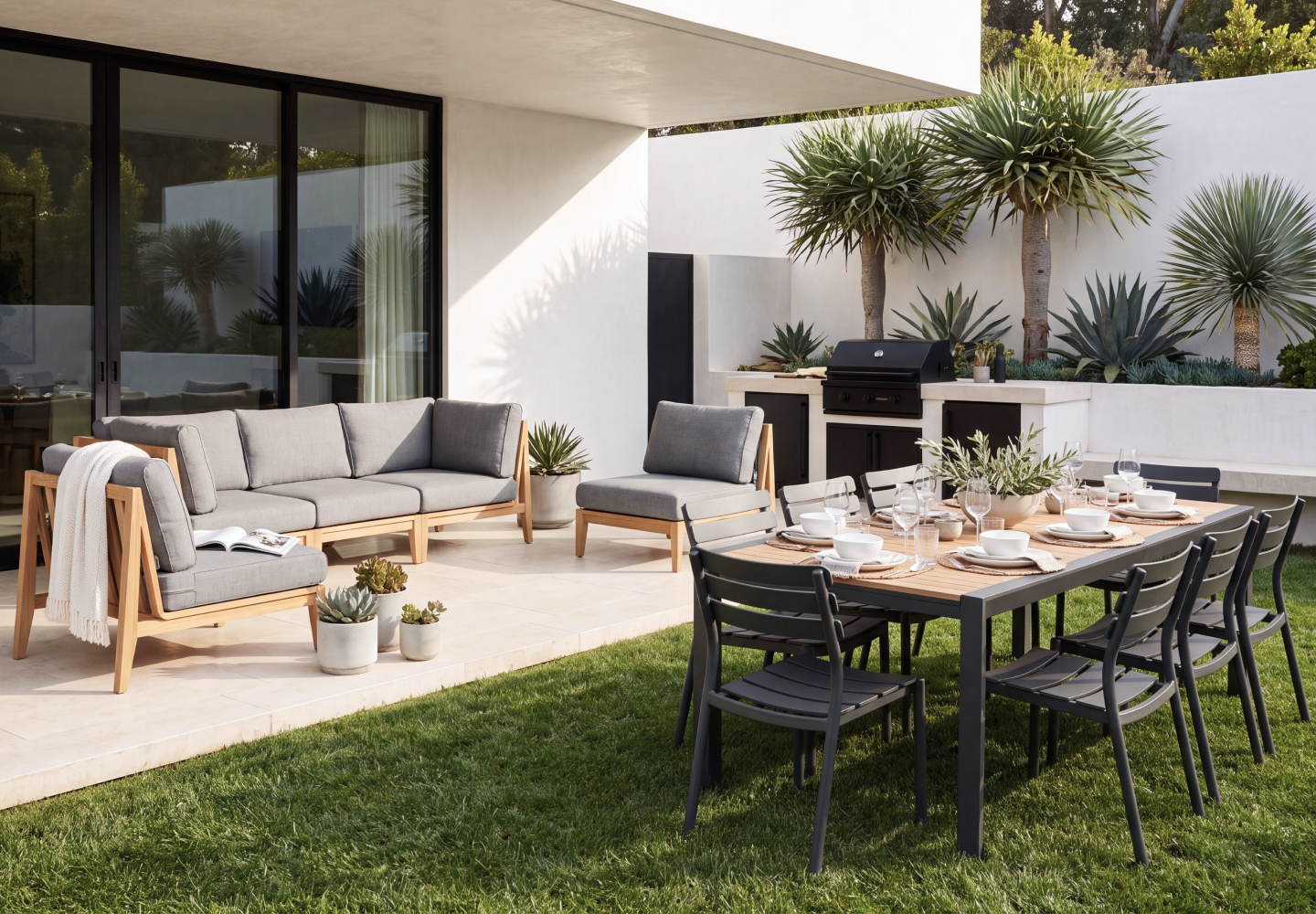
Dining areas anchored by pieces from Dining Tables & Sets benefit from shade that reinforces, rather than competes with, the table’s footprint.
Placement Matters More Than Coverage
More coverage is not always better.
Shade that is precisely placed maintains openness around the terrace perimeter. This preserves sightlines, airflow, and visual connection to the surrounding environment.
Design that endures avoids enclosing outdoor dining unnecessarily.
Neutral Forms Stay Relevant
Simple forms last longer visually.
Clean lines and restrained silhouettes allow shade structures to remain compatible with evolving furniture styles. Overly decorative or trend-driven forms often feel dated within a few seasons.
Neutral geometry supports longevity.
Material Harmony Supports Cohesion
Shade should echo the materials below it.
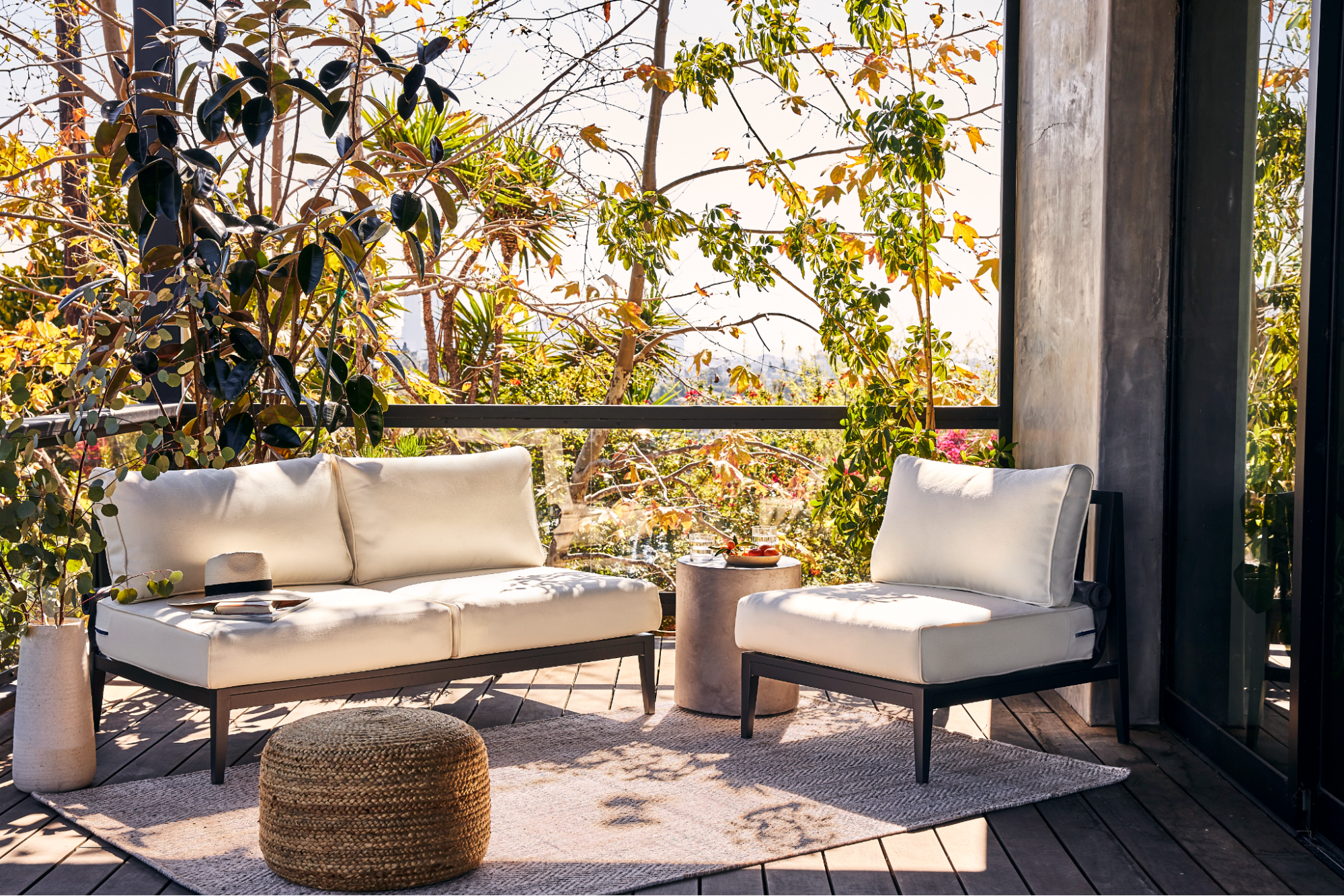
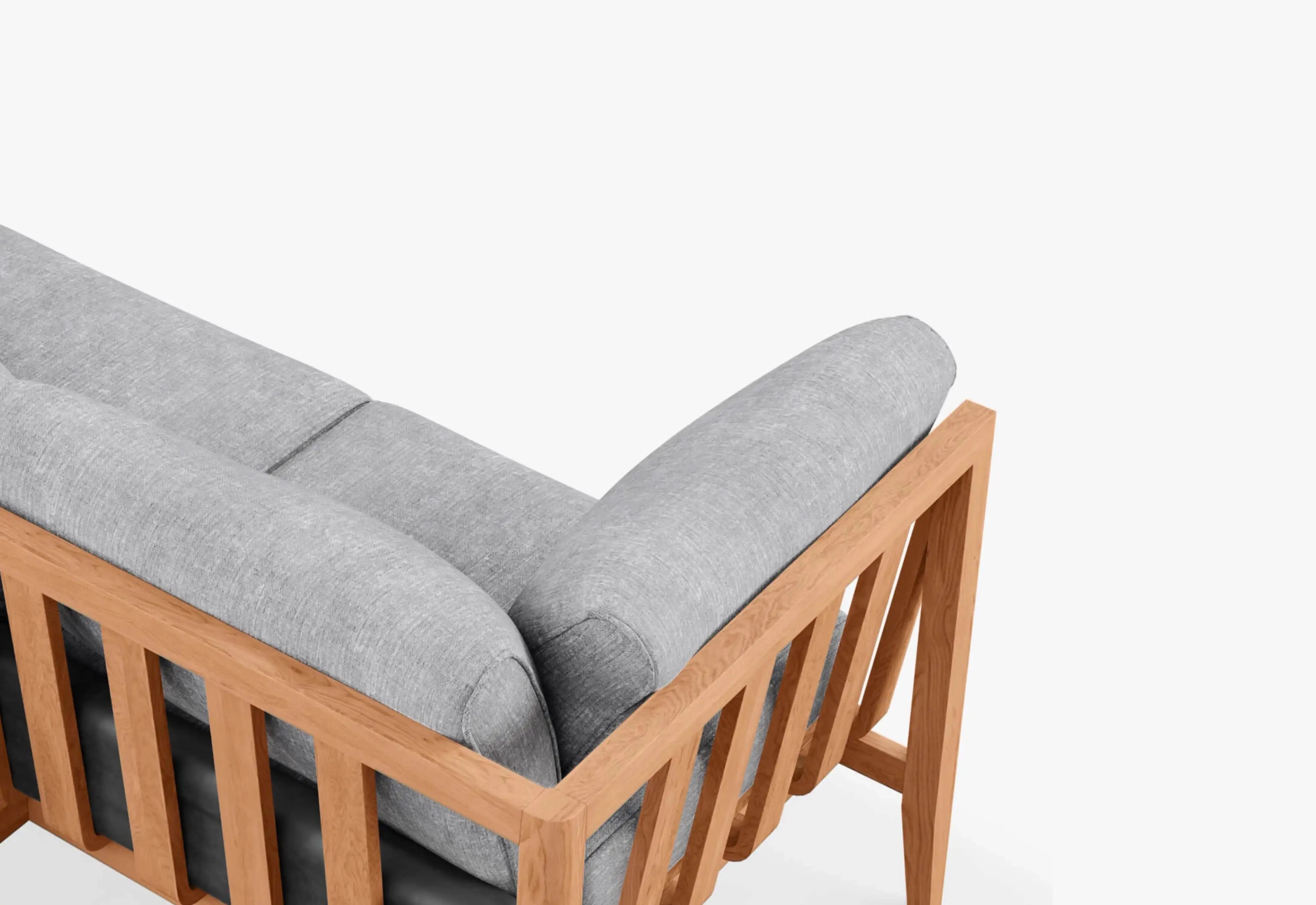
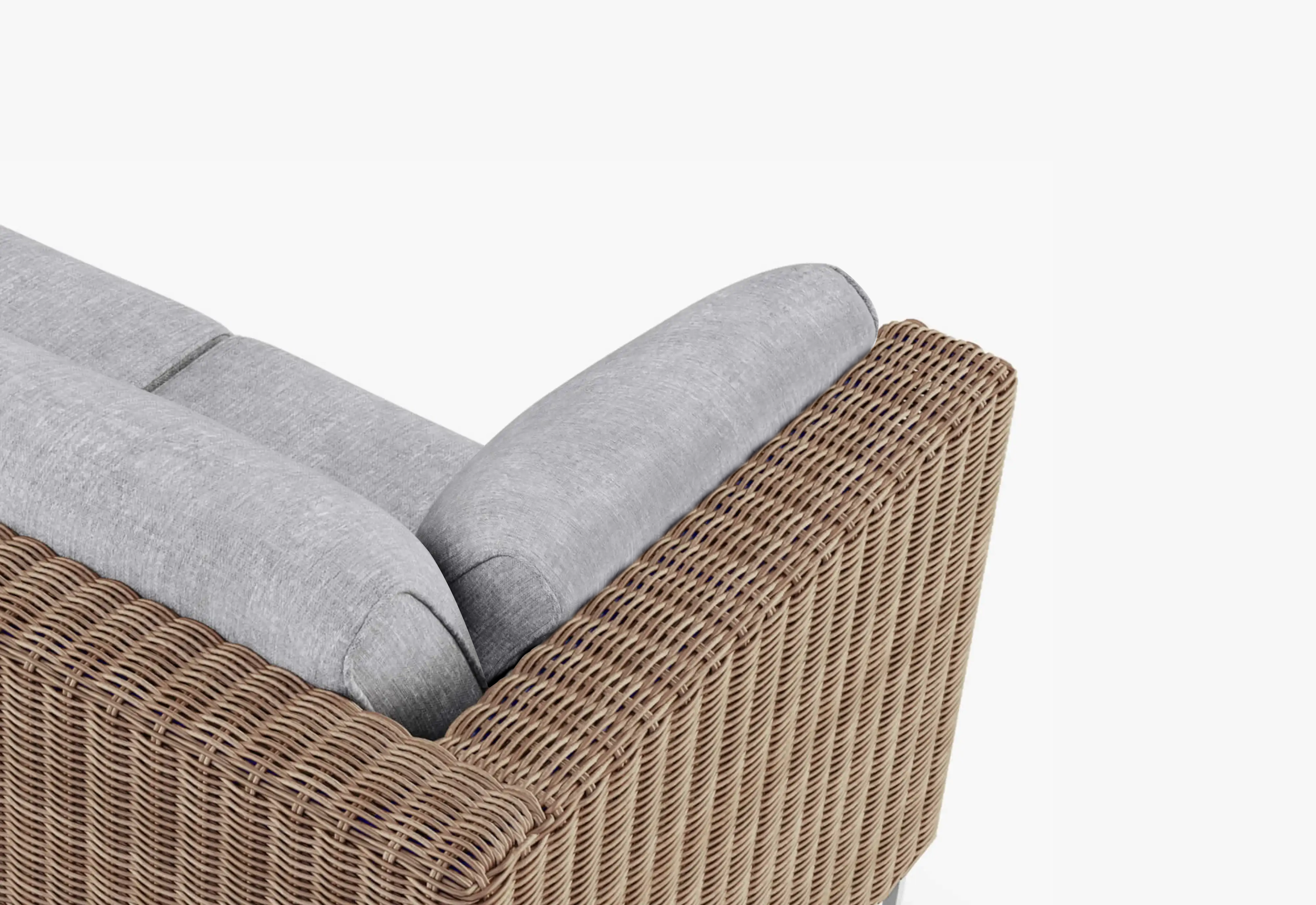
Textural systems such as OuterWeave® introduce softness without visual clutter, while seating comfort supported by OuterCloud® benefits from shade that feels integrated rather than imposed.
Material continuity helps the terrace feel unified over time.
Flexibility Preserves Design Integrity
Terraces evolve.
Shade solutions that allow repositioning or adjustment accommodate new furniture arrangements without forcing a redesign. This adaptability helps the original design remain intact rather than becoming a constraint.
Flexible shade supports long-term use.
Protecting the Space Without Visual Disruption
Enduring design considers what happens when the terrace is not in use.
Breathable protection systems like OuterShell® help preserve dining setups without introducing bulky storage or permanent enclosures that compromise the terrace’s look.
Protection should be discreet.
Shade That Frames, Not Dominates
The best shade frames the dining experience.
It provides comfort while allowing the table, seating, and people to remain the focus. This balance ensures the terrace feels welcoming year after year, regardless of changing trends.
Design endures when hierarchy is clear.
Timeless Terraces Are Calm Terraces
Visual calm is a sign of longevity.
Shade planning that respects proportion, placement, and material harmony keeps dining terraces from feeling cluttered or over-designed. The space remains adaptable, readable, and inviting.
This restraint is what allows design to last.
Designing Shade With the Long View in Mind
Enduring outdoor design is intentional.
By treating shade as a core design element—balanced, flexible, and visually restrained—dining terraces remain relevant through years of use and change.
When shade supports the space quietly, the design stands the test of time.