

Design That Endures: A Seating Depth Guide for the Modern Patio

Seating depth is one of the few outdoor design decisions that can’t easily be corrected later. While cushions, covers, and layouts may evolve over time, depth is built into the structure itself. Choosing the right seating depth from the start determines how well a patio adapts, how evenly materials wear, and how long comfort and alignment are preserved.
Design that endures treats seating depth as a system-level choice—one that supports long-term use, future rearrangement, and material longevity without requiring constant adjustment.
Why Seating Depth Is a One-Time Design Decision
Unlike surface finishes or accessories, seating depth is structural. Once a frame is built, its depth defines how cushions compress, how weight is distributed, and how users interact with the space.
- Too shallow limits adaptability and long-term comfort.
- Too deep increases frame stress and cushion fatigue.
- Balanced depth supports multiple postures and long-term stability.
Designing for endurance means selecting a depth that works across seasons, users, and layouts—not just for first impressions.
Depth and Structural Longevity
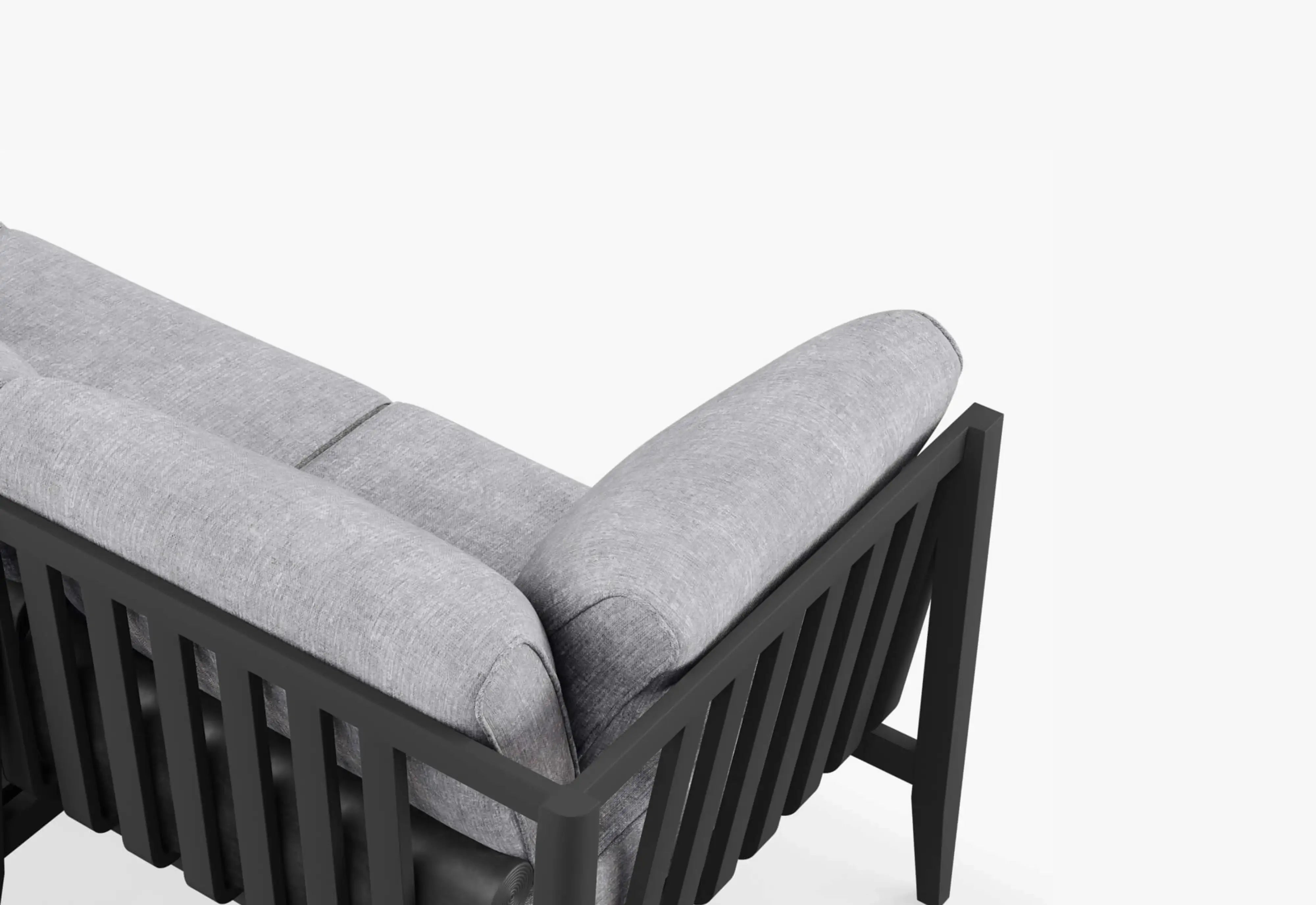
Seating depth directly affects how forces travel through a frame. Deeper seats extend the load path, increasing leverage on joints and connectors. If the structure isn’t designed for that depth, subtle sagging and misalignment can appear over time.
Well-calibrated depth distributes weight evenly, allowing frames to maintain alignment through years of use. This is especially important in modular seating, where pieces may be reconfigured multiple times.
Designing Depth for Cushion Recovery
Cushions behave differently depending on the depth they’re paired with. In deeper seats, cushions experience more compression and longer dwell time under load.
Support systems like OuterCloud® are engineered to recover effectively, but even the best materials perform best when paired with a depth that allows natural rebound rather than prolonged compression.
Designing for endurance means choosing a depth that cushions can support repeatedly—without losing loft or consistency.
Depth as a Tool for Layout Flexibility
Patios evolve. Seating that works today may be rearranged tomorrow to accommodate new uses, gatherings, or seasonal shifts.
Moderate, well-considered seating depth makes this possible. Pieces are easier to move, combine, and reposition without overwhelming tighter spaces or leaving larger areas feeling under-furnished.
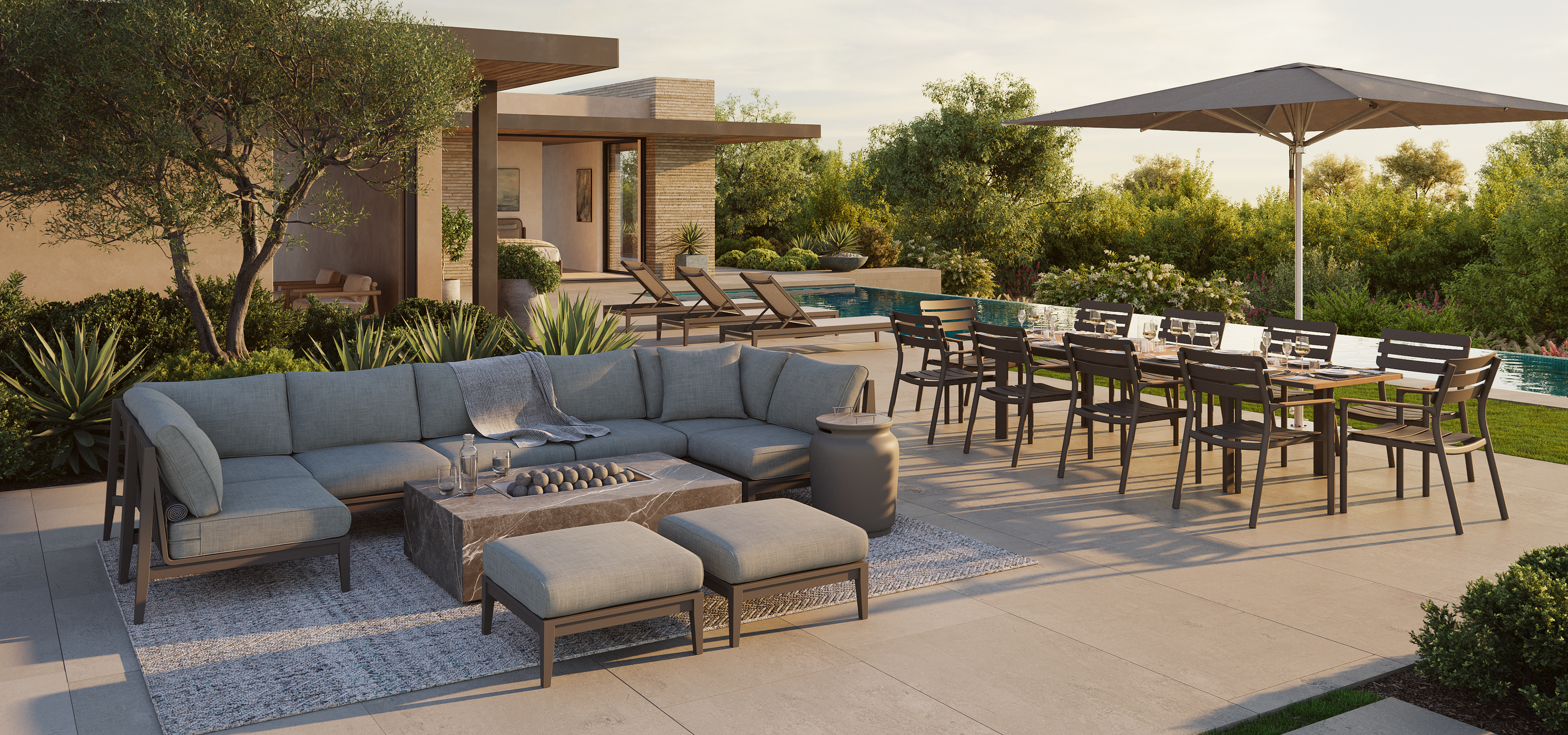
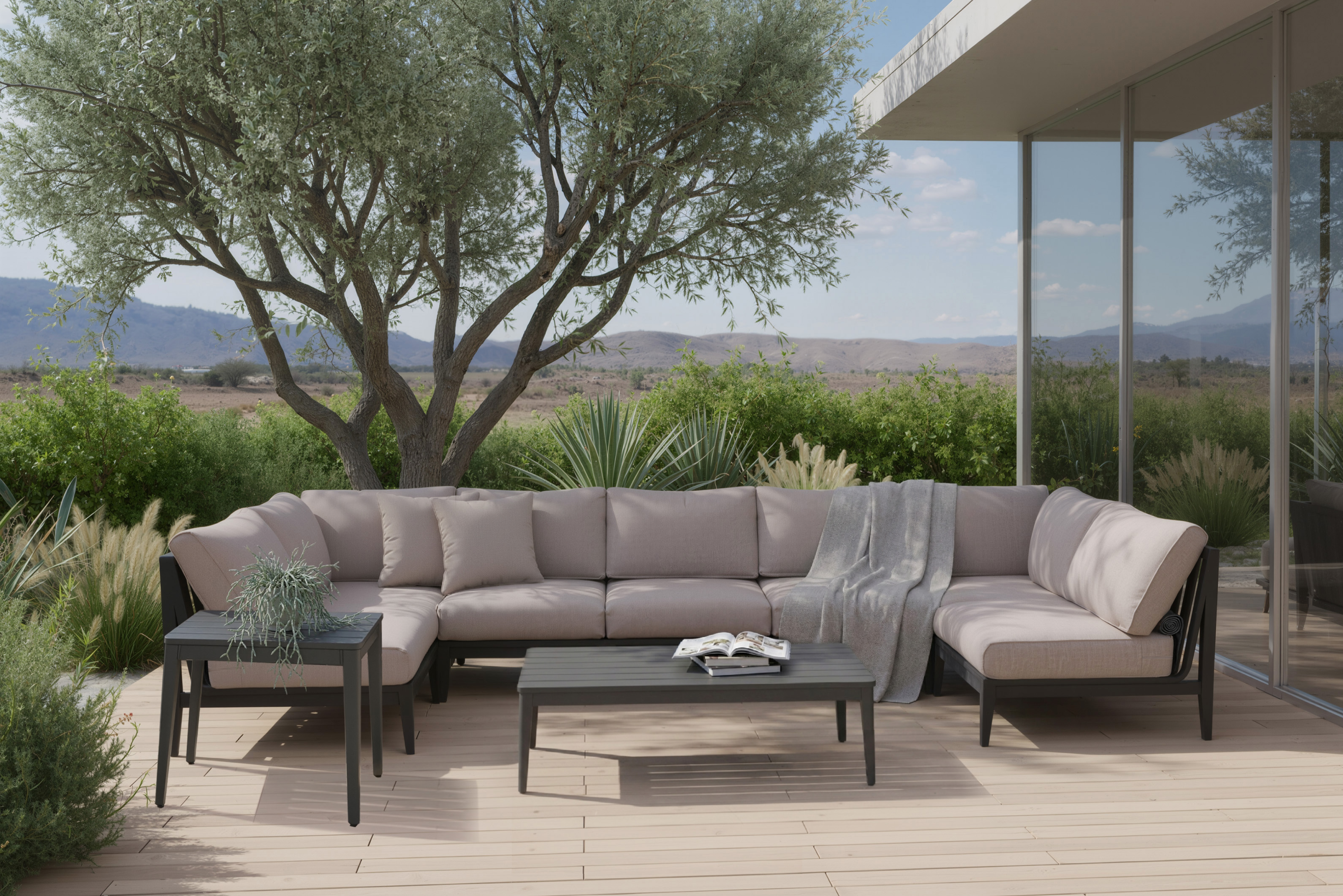
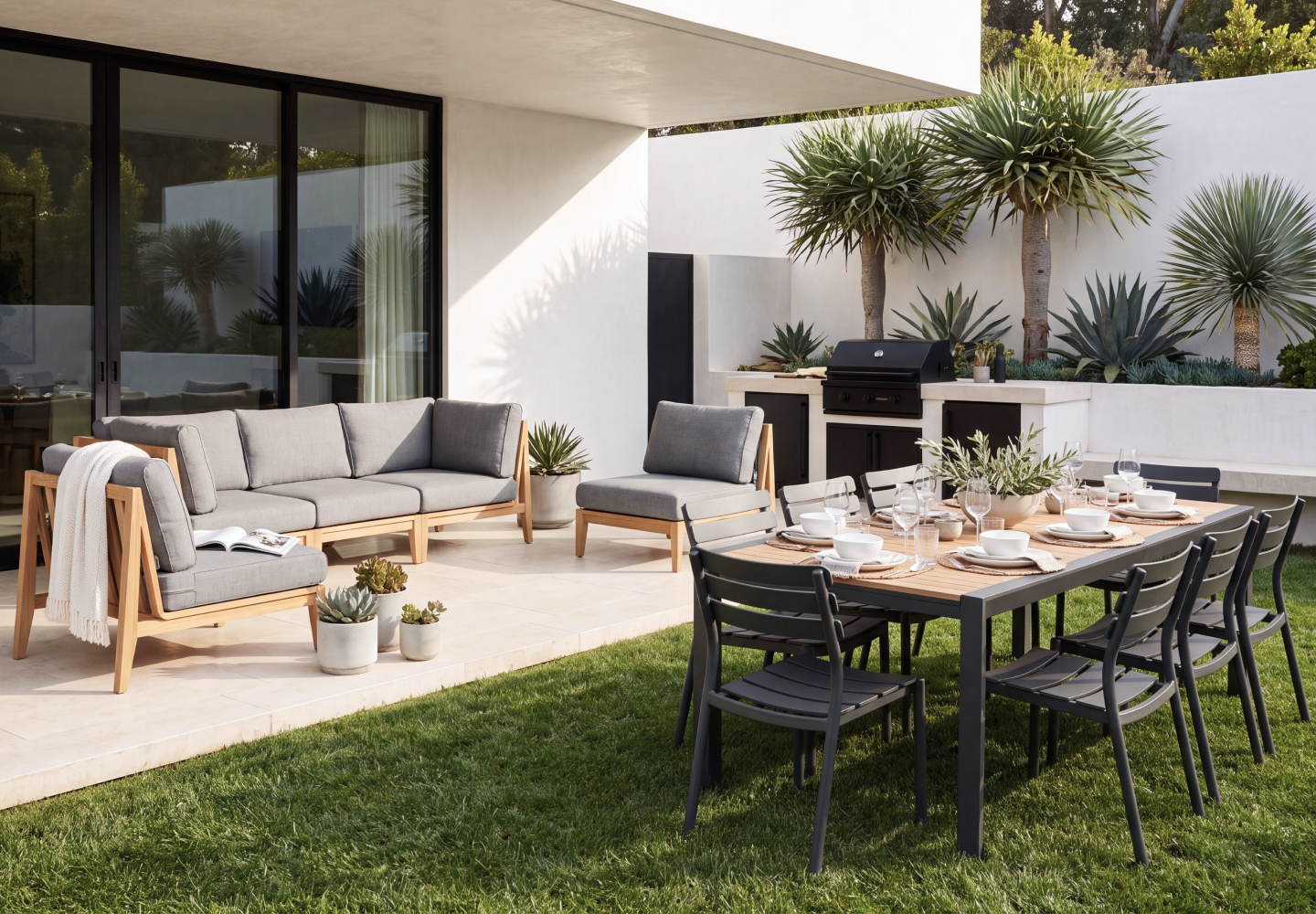
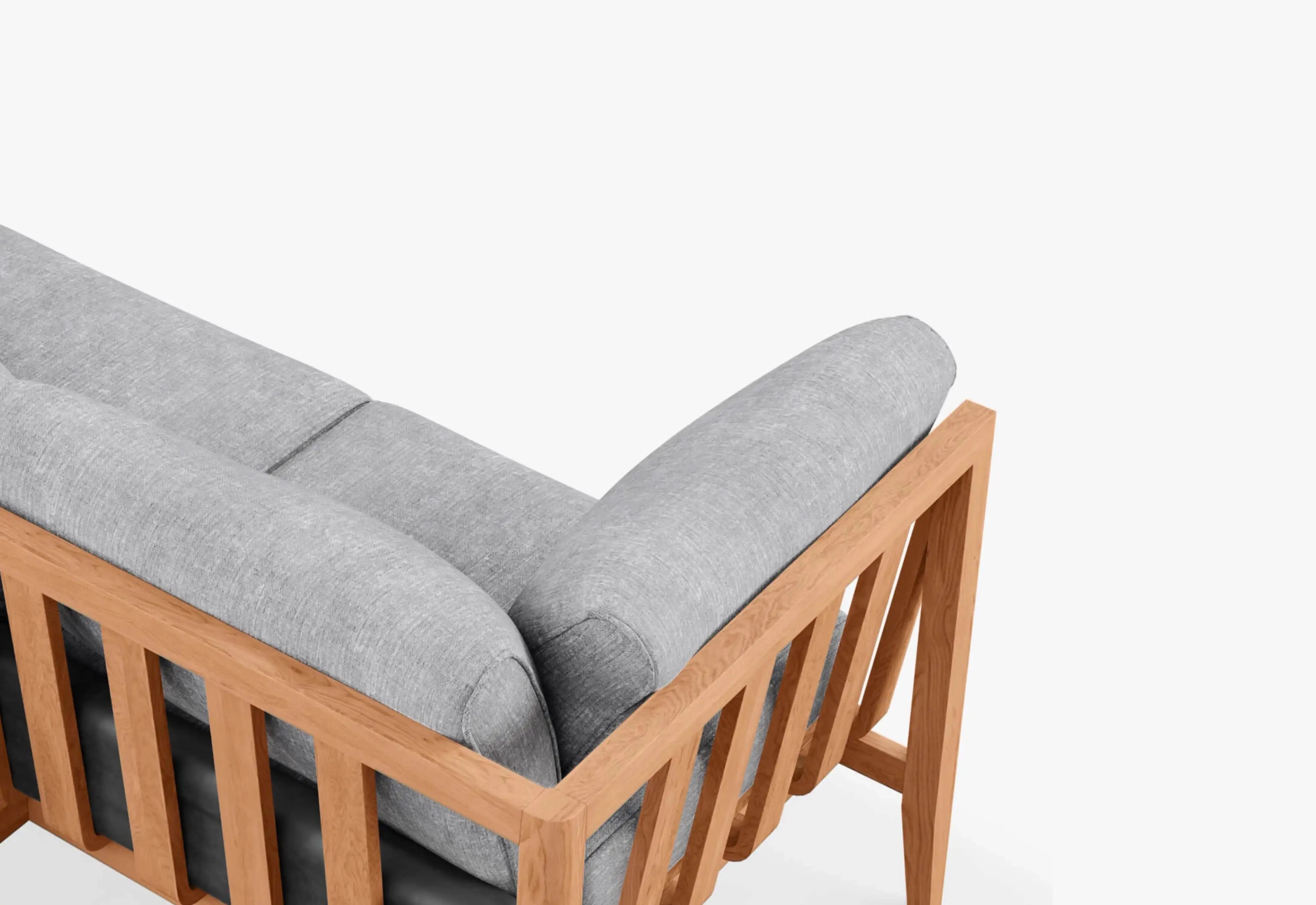
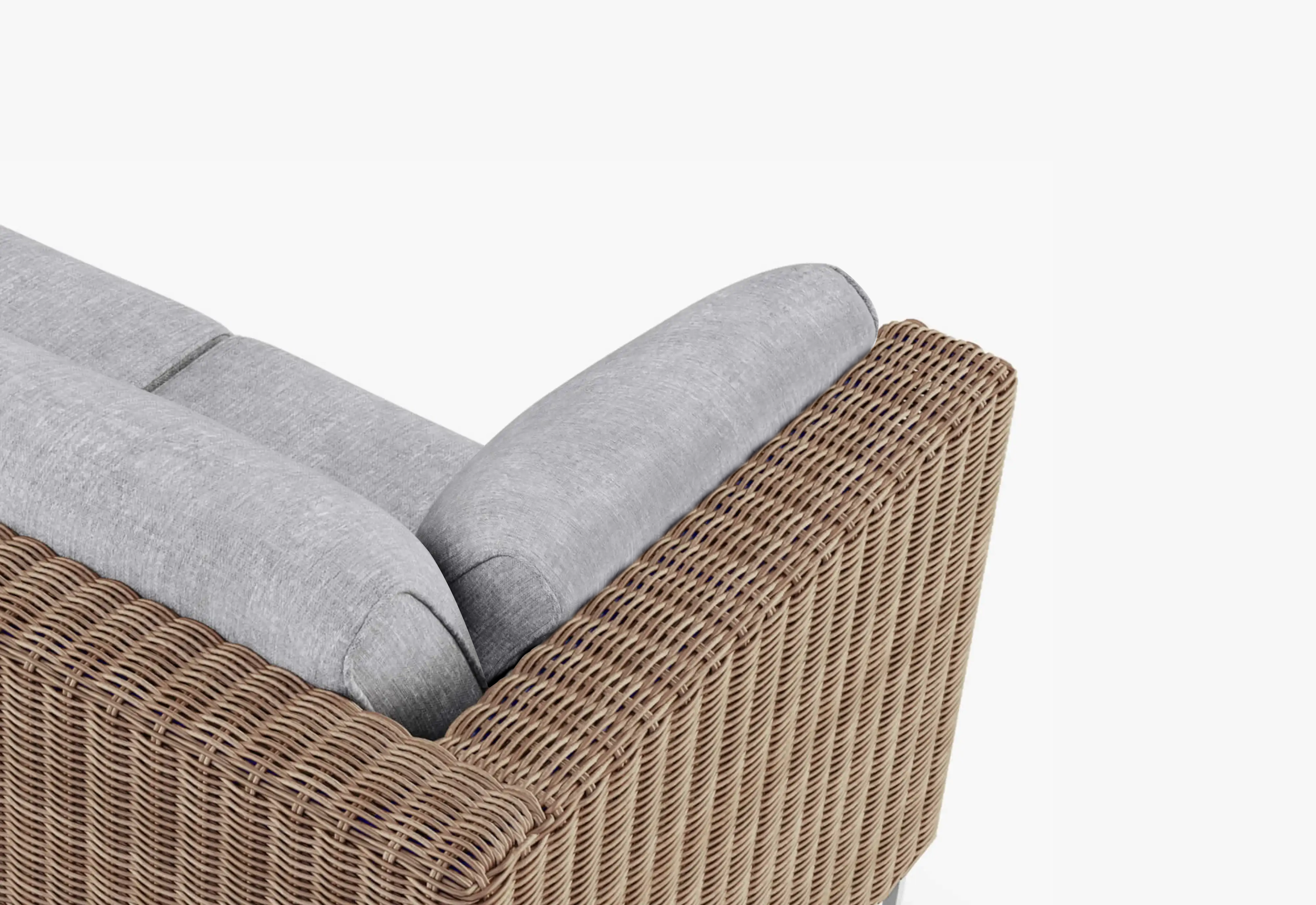
Collections such as the Teak Outdoor Sofa and Wicker Outdoor Sofa ranges balance depth to support both long-term durability and flexible layouts.
Depth and Visual Aging
How furniture ages visually is closely tied to depth. Overly deep seating can appear heavier over time as cushions relax, while shallow seating may look increasingly rigid or under-scaled.
A balanced depth allows cushions to settle gracefully and frames to maintain proportion. This keeps the patio looking intentional rather than dated as materials naturally soften with use.
Dining vs. Lounge Depths: Designing for Purpose
Not every zone should share the same depth. Enduring design recognizes functional differences and builds them in deliberately.
- Dining seating benefits from shallower depth for upright support.
- Conversation areas work best with medium depth for posture flexibility.
- Lounging zones can go deeper—when structure supports it.
Dining setups within the Dining Tables & Sets collection rely on this balance to remain comfortable and durable through repeated use.
Depth, Materials, and Environmental Stress
Deeper seating often means more cushion surface area, which increases exposure to sun, moisture, and debris. Material selection must account for this.
Performance fabrics like OuterWeave® help maintain integrity across larger cushion profiles, while integrated protection such as OuterShell® reduces environmental stress without compressing cushions.
During extended downtime, breathable options from the Covers collection support shape retention and long-term comfort.
Designing Depth for Real Life
Enduring patios are used by different people, in different ways, across different moments. Seating depth should accommodate this range without compromise.
A well-chosen depth allows adults to relax, kids to climb and shift, and guests to settle in naturally—without stressing materials or requiring constant adjustment.
Endurance Is Built Into the Measurement
Seating depth may seem like a simple dimension, but it carries long-term consequences. It affects comfort, structure, flexibility, and how a space ages.
Design that endures treats depth as a foundation, not a finishing touch. When chosen deliberately, the right seating depth supports years of use while maintaining balance, alignment, and ease.
In the modern patio, endurance begins not with what’s added later—but with what’s measured correctly at the start.