

Design That Endures: Sustainable Materials List for the Modern Patio

Sustainable outdoor design is often misunderstood as a checklist. In reality, sustainability only endures when materials continue to look right, feel right, and perform reliably over time. When a patio requires frequent replacement or visual correction, sustainability breaks down—no matter how responsibly the materials were sourced.
Design that endures depends on materials chosen not just for environmental responsibility, but for their ability to age with clarity and restraint.
Why Sustainable Design Must Also Be Visually Durable
Outdoor spaces are long-term environments.
If a material fades unevenly, stains easily, or distorts with exposure, it forces early replacement. True sustainability minimizes this cycle by selecting materials that retain their intended appearance through years of use.
Longevity is a design decision.
Aluminum: A Foundation for Enduring Outdoor Design
Structural materials define lifespan.
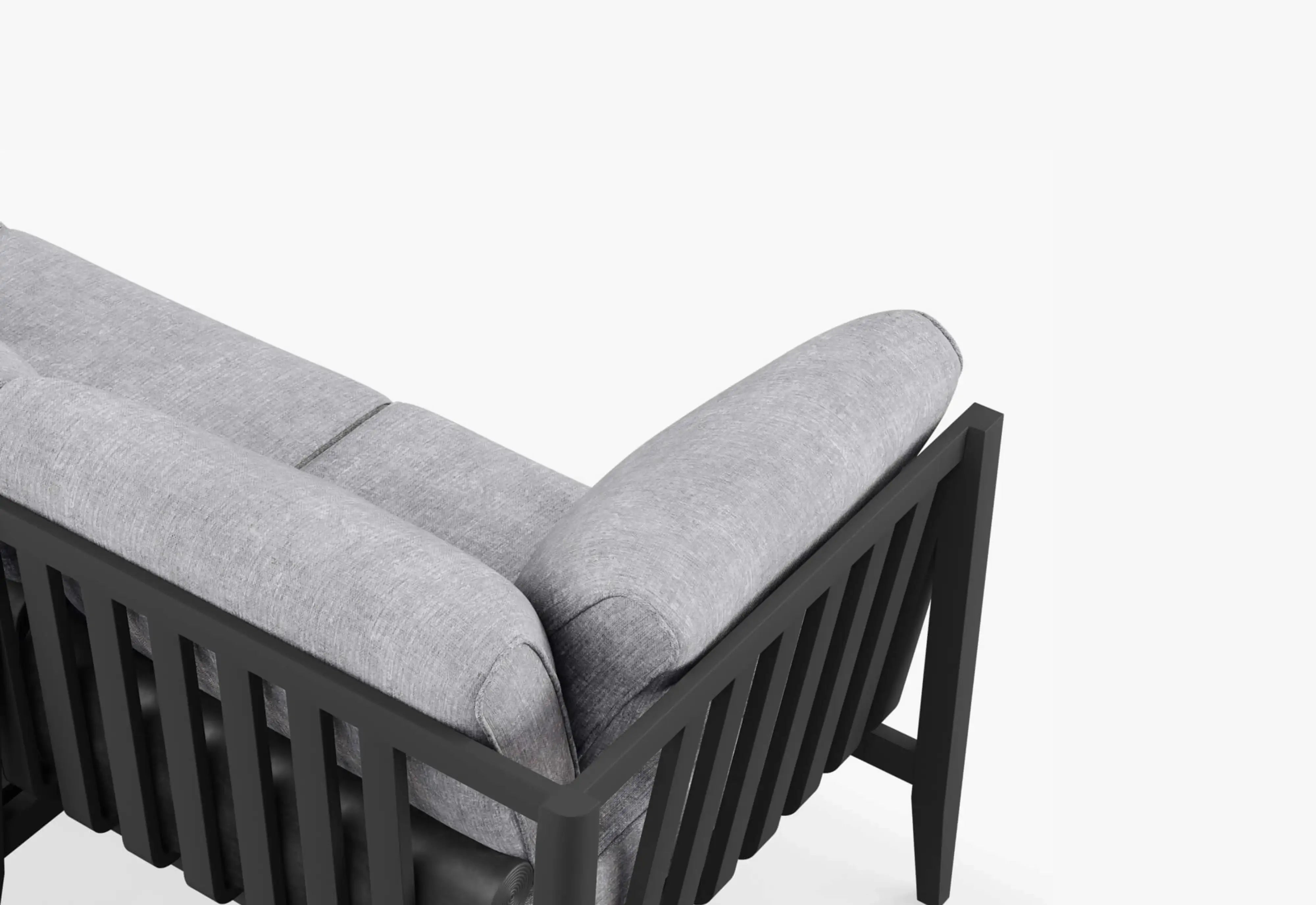
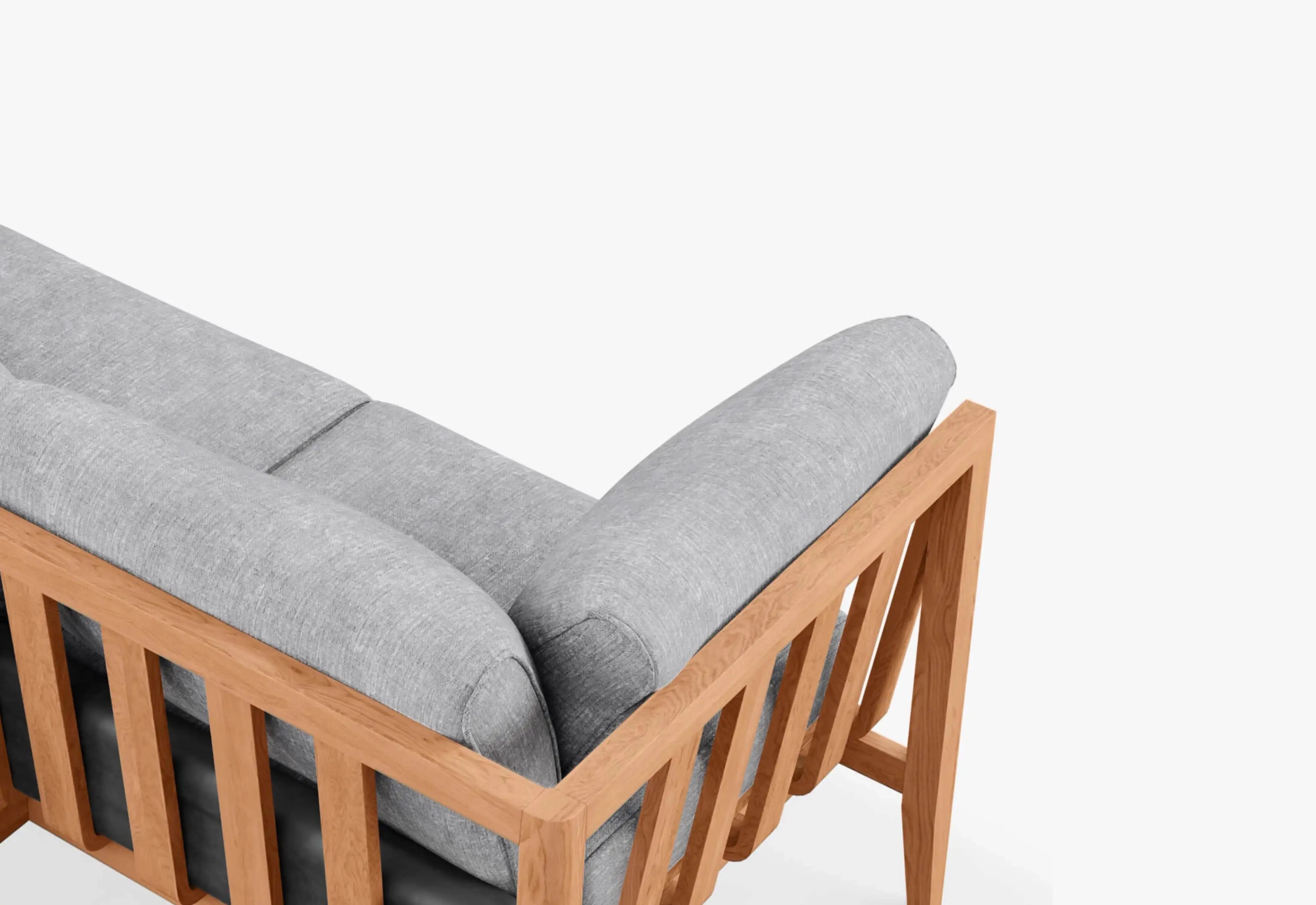
Aluminum is widely used in enduring outdoor furniture because it resists corrosion, warping, and fatigue. Its strength-to-weight ratio allows for refined forms without excess material, supporting both design clarity and responsible resource use.
Design endures when structure remains stable.
Performance Fabrics That Age Evenly
Textiles are often the first element to fail visually.
Sustainable outdoor fabrics are designed to resist staining, fading, and uneven wear. When fabrics age evenly, seating retains cohesion rather than appearing pieced together over time.
Even aging protects design integrity.
Recycled and Low-Impact Weaves
Texture contributes to longevity.
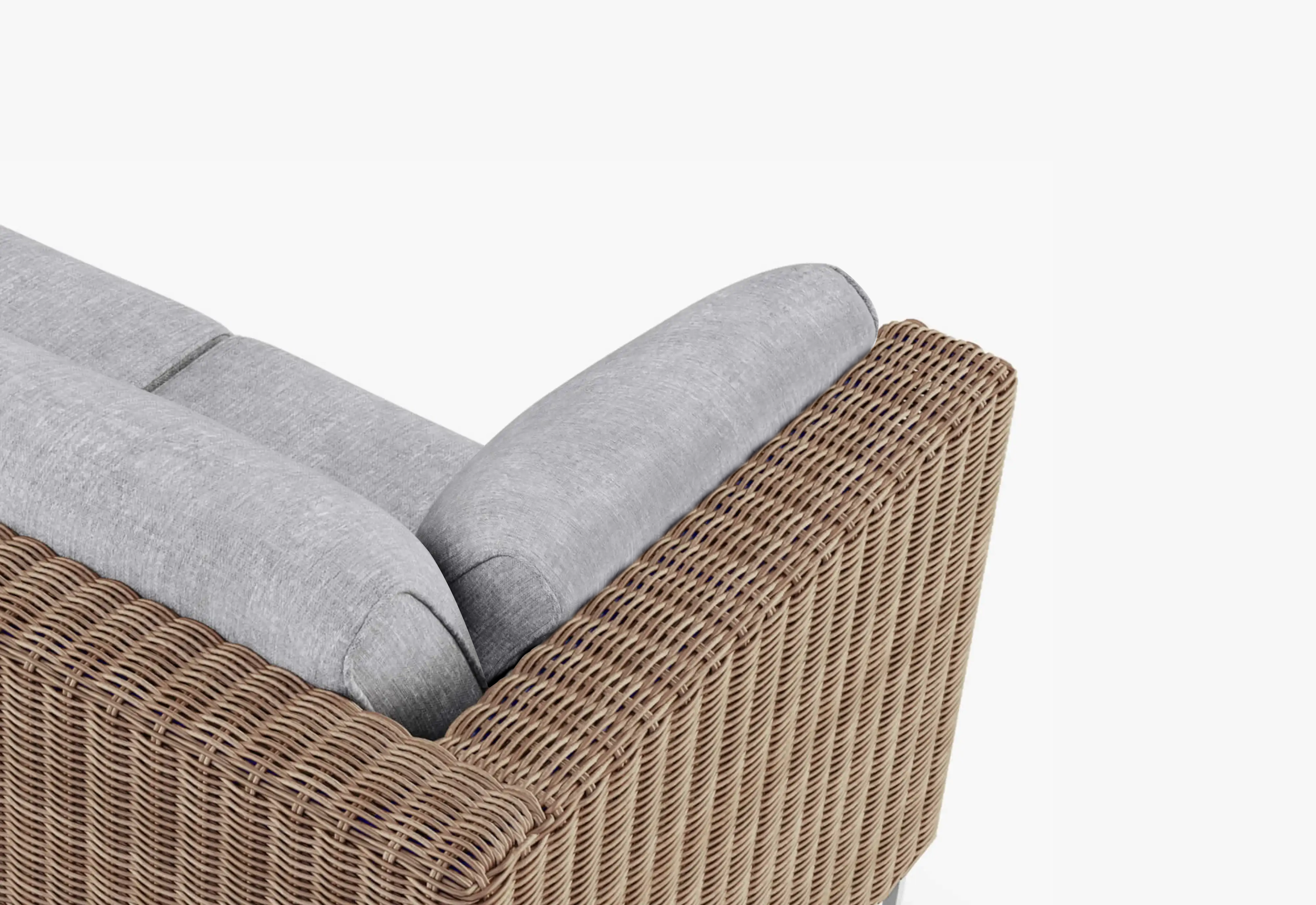
Woven materials that incorporate recycled content add depth while disguising minor wear. Systems like OuterWeave® balance visual softness with durability, allowing surfaces to remain visually calm even after extended use.
Subtle texture absorbs time.
Cushion Systems Designed for Long-Term Use
Sustainability includes comfort over time.
Cushions that collapse or lose shape force replacement. Supportive systems such as OuterCloud® are designed to maintain loft and comfort, reducing waste caused by early failure.
Comfort that lasts supports responsible design.
Materials That Support Modular Longevity
Fixed furniture limits sustainability.
Materials that perform consistently across modules allow furniture systems to be reconfigured rather than replaced. This adaptability extends the usable life of seating arrangements as spaces evolve.
Modularity reduces material turnover.
Protective Systems That Extend Material Life
Design endures when exposure is managed.
Breathable protection systems like OuterShell® help reduce UV exposure, moisture buildup, and surface residue without trapping humidity.
Protection supports longevity without altering design.
Sustainable Materials Across Dining and Lounge Spaces
Consistency matters across the patio.
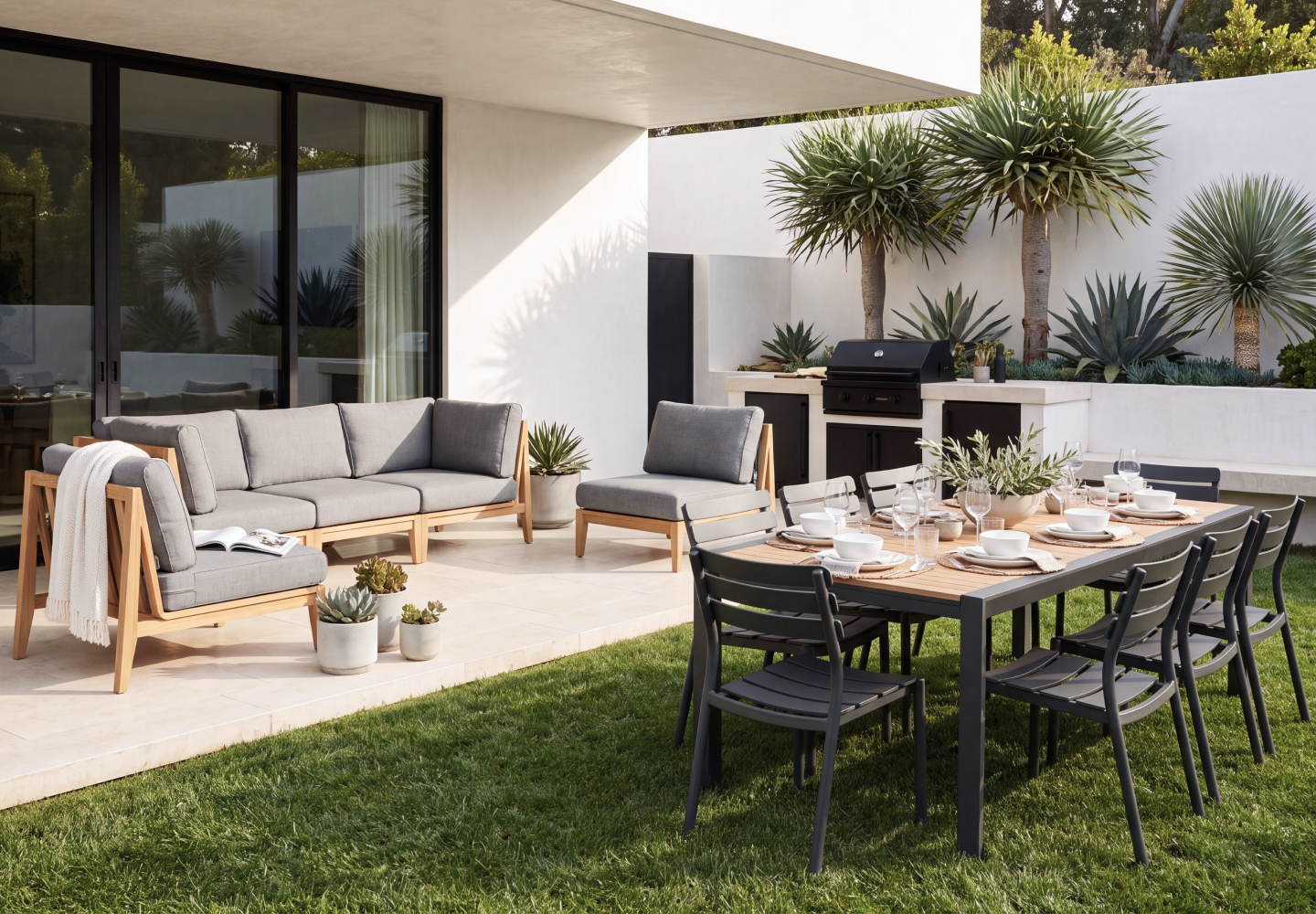
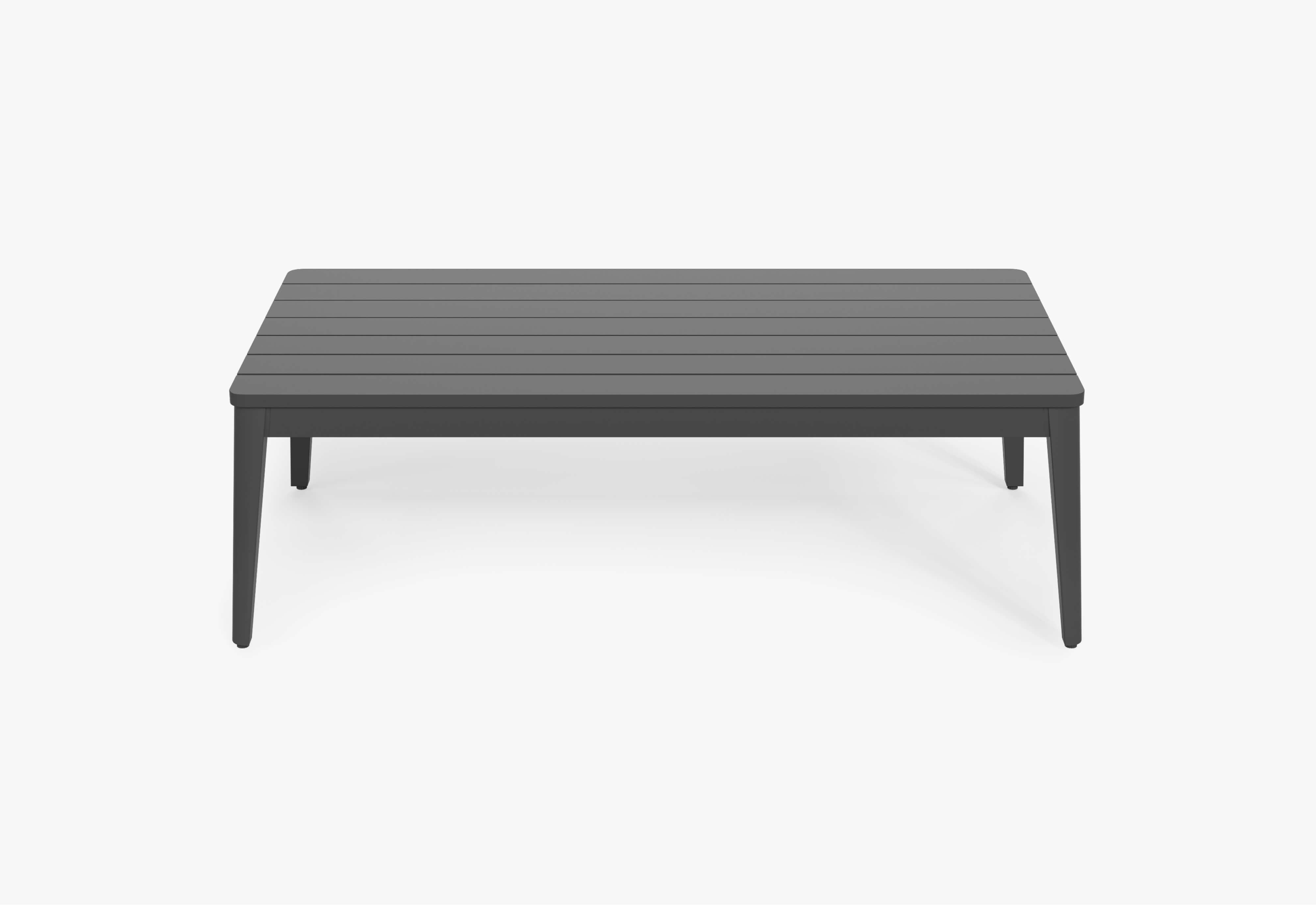
Using durable, low-impact materials throughout dining and seating zones—such as those found in Dining Tables & Sets—prevents visual imbalance that can lead to premature replacement.
Cohesion supports endurance.
Why Replacement Is the Least Sustainable Outcome
Frequent replacement undermines sustainability.
Materials that require early disposal increase waste regardless of origin. Design that endures prioritizes materials that remain usable, attractive, and relevant without constant updates.
Keeping what works is the most sustainable choice.
A Sustainable Materials List Built for Time
Sustainable patios are not built all at once.
They evolve through thoughtful material choices that resist wear, age evenly, and adapt to change. When every material supports long-term use, sustainability becomes part of everyday living.
Design that endures is sustainability realized.