

Sustainability in Every Detail: Sustainable Materials List for the Modern Patio

Sustainability in outdoor design is rarely achieved through one bold choice. It is built through dozens of small, consistent decisions that reduce waste, extend lifespan, and prevent unnecessary replacement. When materials work together at every level, sustainability becomes part of daily use rather than a separate goal.
A sustainable patio is designed to last quietly, with materials chosen for long-term performance, adaptability, and minimal intervention.
Why Sustainability Lives in the Details
Big gestures fade quickly.
Outdoor furniture fails sustainably when small weaknesses accumulate—fabric that stains easily, frames that corrode, cushions that lose shape. Each failure leads to early replacement, increasing waste regardless of original intent.
Sustainability succeeds when every component supports longevity.
Aluminum as a Low-Waste Structural Foundation
Structure determines replacement cycles.
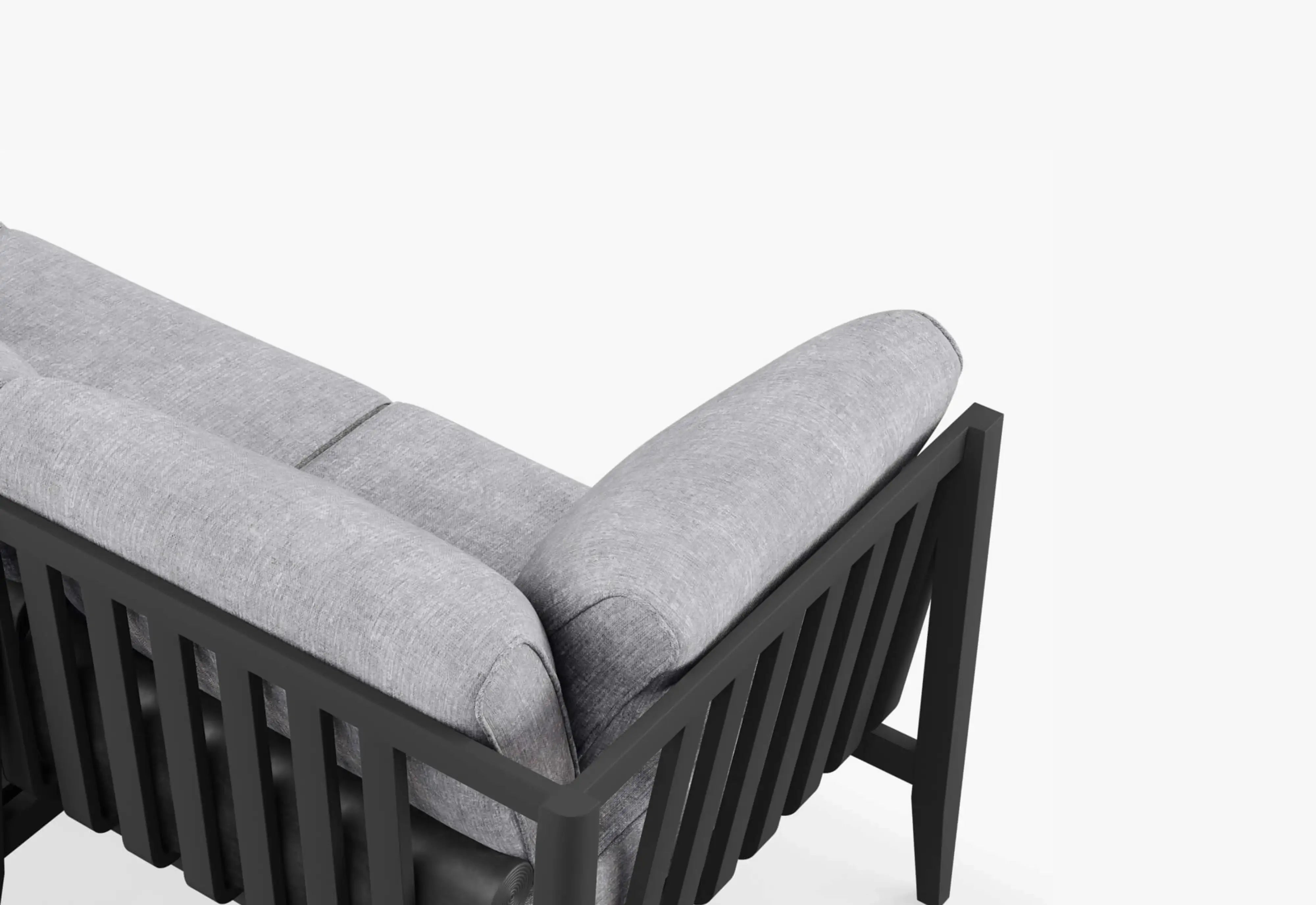
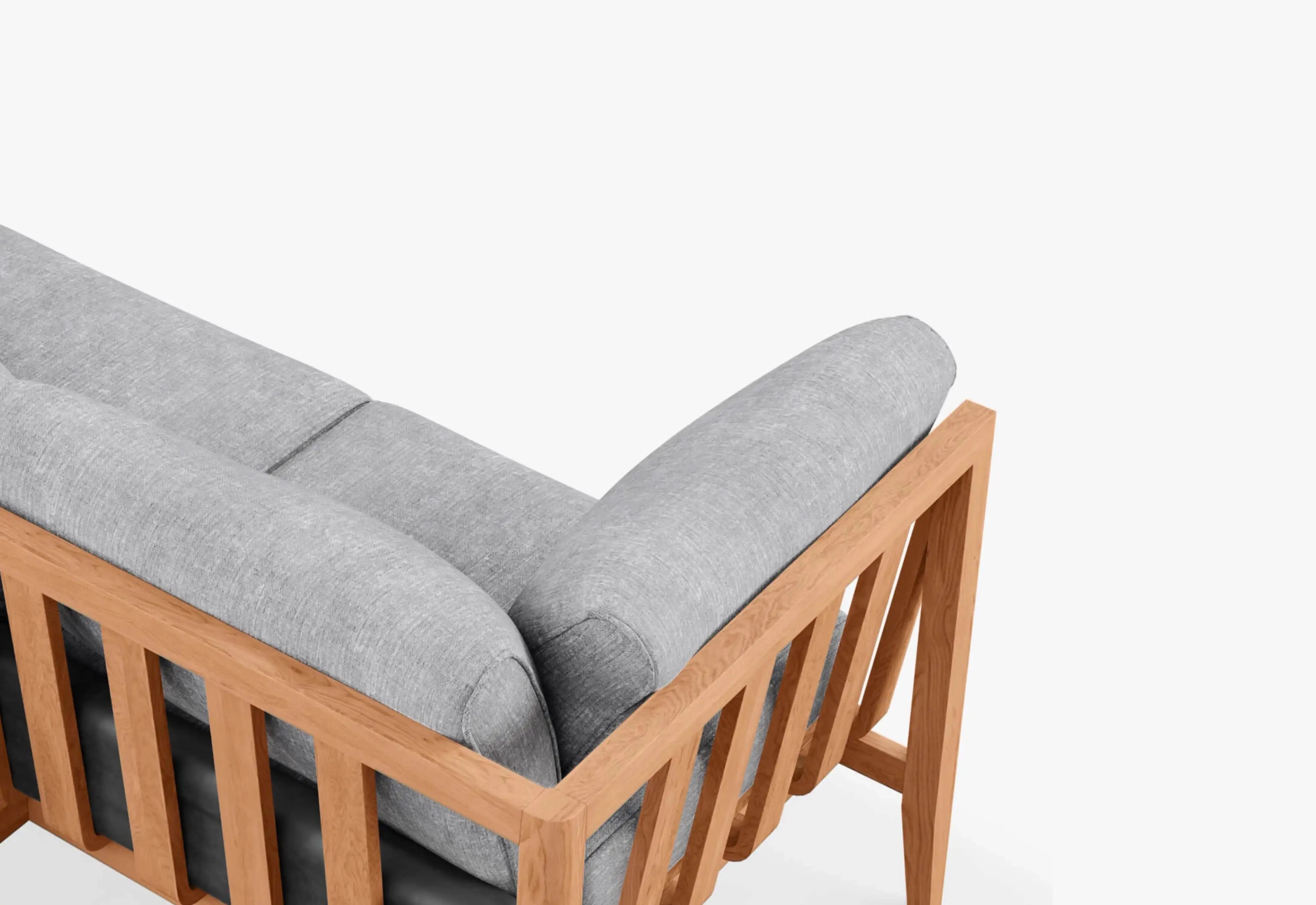
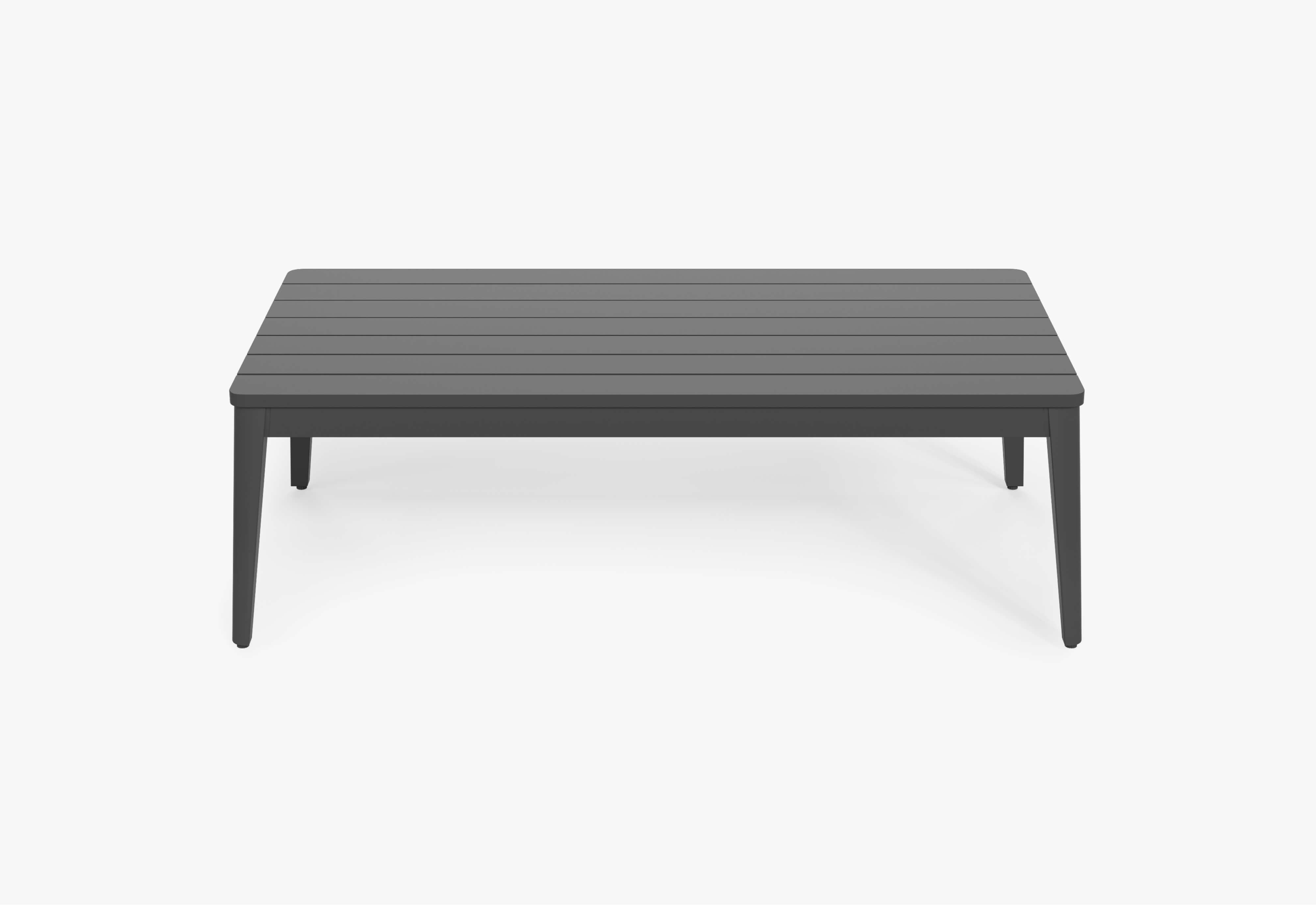
Aluminum is widely used in sustainable outdoor furniture because it resists rust, warping, and structural fatigue. Its durability reduces the need for frequent frame replacement, while its recyclability supports responsible material lifecycles.
Stable structure prevents downstream waste.
Performance Fabrics That Reduce Resource Use Over Time
Fabrics are often the first point of failure.
Sustainable performance fabrics are designed to resist staining, fading, and uneven wear. By maintaining appearance longer, they reduce the need for replacement cushions or reupholstery.
Fewer replacements mean fewer resources consumed.
Woven Systems That Balance Durability and Flexibility
Rigid materials crack; flexible ones adapt.
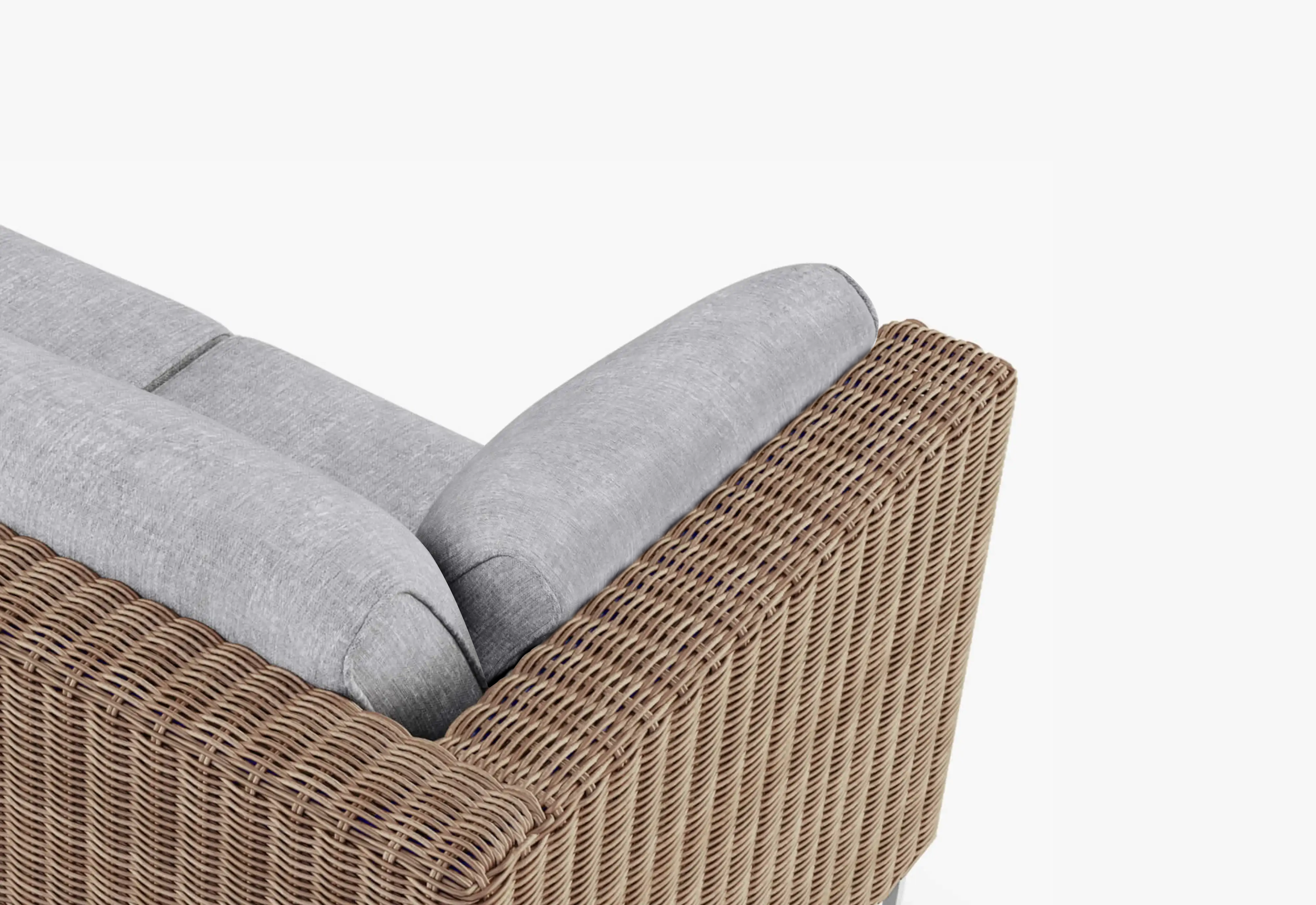
Textural systems like OuterWeave® combine durability with flexibility, allowing surfaces to absorb movement and minor wear without structural damage.
Flexibility supports longer material life.
Cushion Systems Designed to Avoid Early Failure
Cushion collapse creates waste.
Supportive systems such as OuterCloud® maintain loft and comfort through extended use, reducing the need for frequent cushion replacement.
Longevity is a core sustainability metric.
Consistency Across Dining and Seating Zones
Mixed material quality leads to uneven aging.
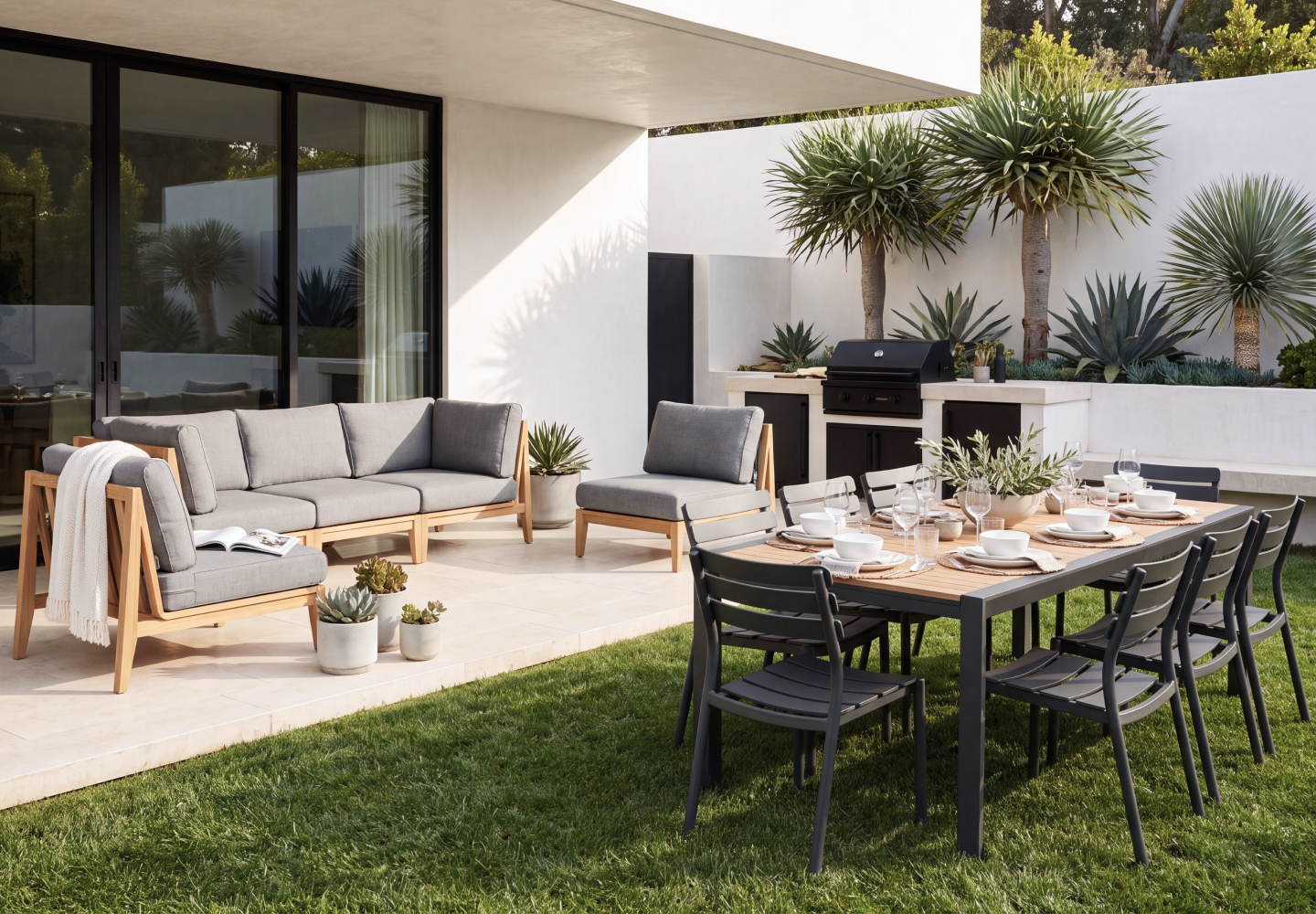
Using durable materials consistently—especially in high-use areas anchored by Dining Tables & Sets—helps prevent piecemeal replacement that increases waste.
Consistency supports system-level sustainability.
Protective Systems That Extend Material Lifespan
Exposure accelerates degradation.
Breathable protection systems like OuterShell® help reduce UV damage, moisture buildup, and surface residue without trapping humidity.
Protection delays material fatigue.
Reducing Waste Through Fewer Interventions
Maintenance has a footprint.
Materials that require aggressive cleaning, chemical treatments, or frequent repairs increase environmental impact over time. Sustainable materials minimize intervention through resilient surface performance.
Less effort often means less waste.
Why Longevity Is the Most Sustainable Outcome
Replacement is resource-intensive.
Even recyclable materials consume energy when replaced too often. Sustainability improves dramatically when original materials remain in use for years without loss of function or appearance.
Keeping materials in service matters most.
A Sustainable Materials List Built for Real Life
Sustainability becomes meaningful when it fits into everyday use.
By selecting materials that resist wear, adapt to movement, and maintain comfort and appearance, patios remain functional and intentional without constant updates.
Sustainability in every detail is sustainability that lasts.