

Sustainability in Every Detail: Teak Sectional Care and Patina Planning for the Modern Patio

Sustainability in outdoor design rarely comes from constant intervention. It comes from choosing materials that are allowed to age, adapt, and remain useful without forcing replacement. Teak sectionals exemplify this approach when care and patina are treated as part of the design lifecycle.
Patina is not deterioration—it is material continuity over time.
Why Accepting Patina Reduces Waste
Replacement is the most resource-intensive outcome.
When outdoor furniture is expected to remain visually “new,” natural aging is mistaken for failure. This mindset leads to premature replacement even when the structure remains sound.
Planning for patina extends usable life.
Teak Is Designed to Change, Not Be Corrected
Material behavior matters.
Teak naturally weathers in response to sun, air, and moisture. Attempting to freeze its appearance often requires repeated treatments that introduce chemicals, labor, and inconsistency.
Allowing teak to age evenly reduces intervention.
Even Aging Supports System-Level Sustainability
Uneven patina creates perceived failure.
When one part of a sectional weathers faster than others, users often replace individual components. Patina planning—through placement, rotation, and consistent care—helps the entire system age together.
Systems that age together last longer.
Consistency Across Modular Components Matters
Mixed sources create mismatch.
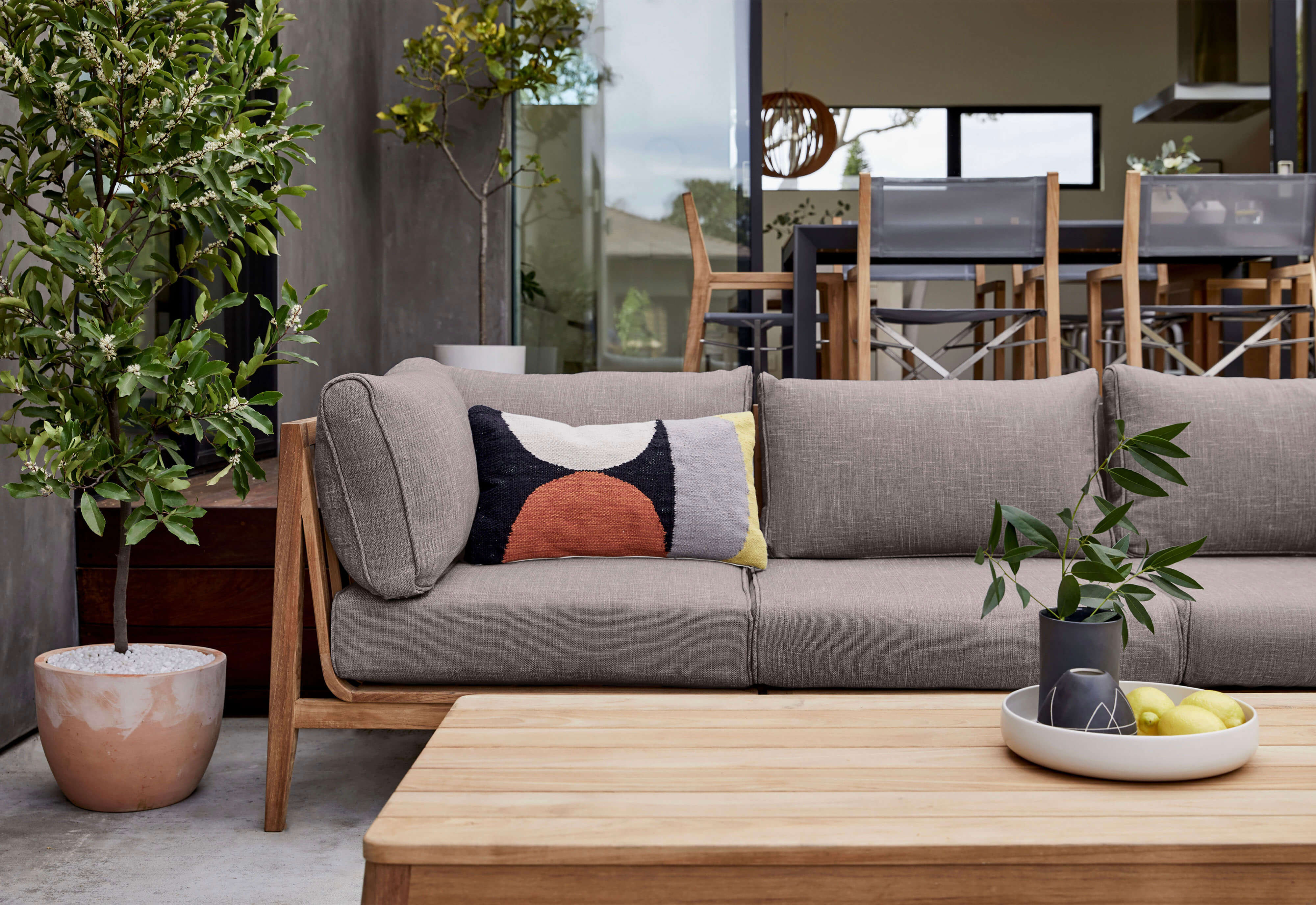
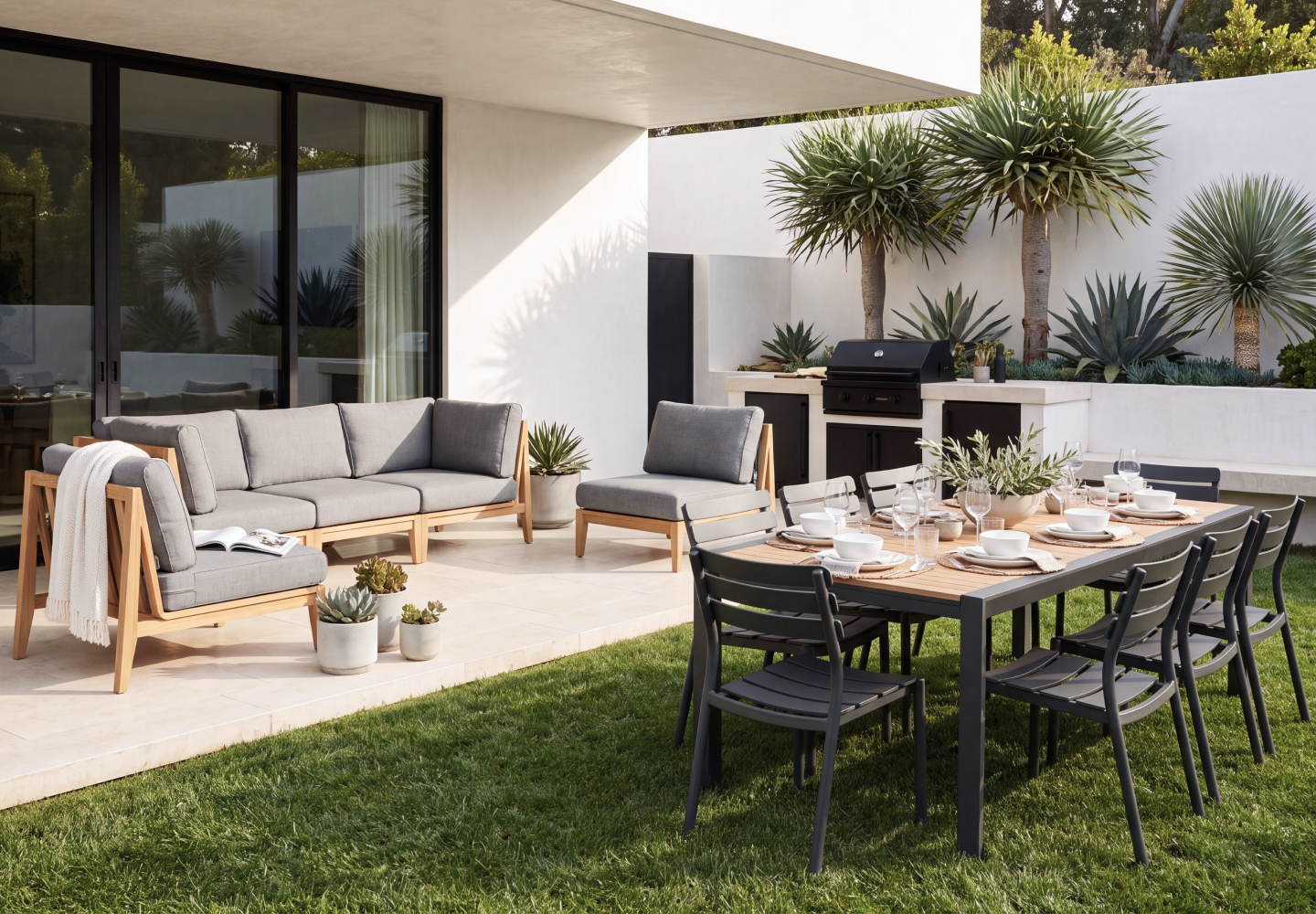
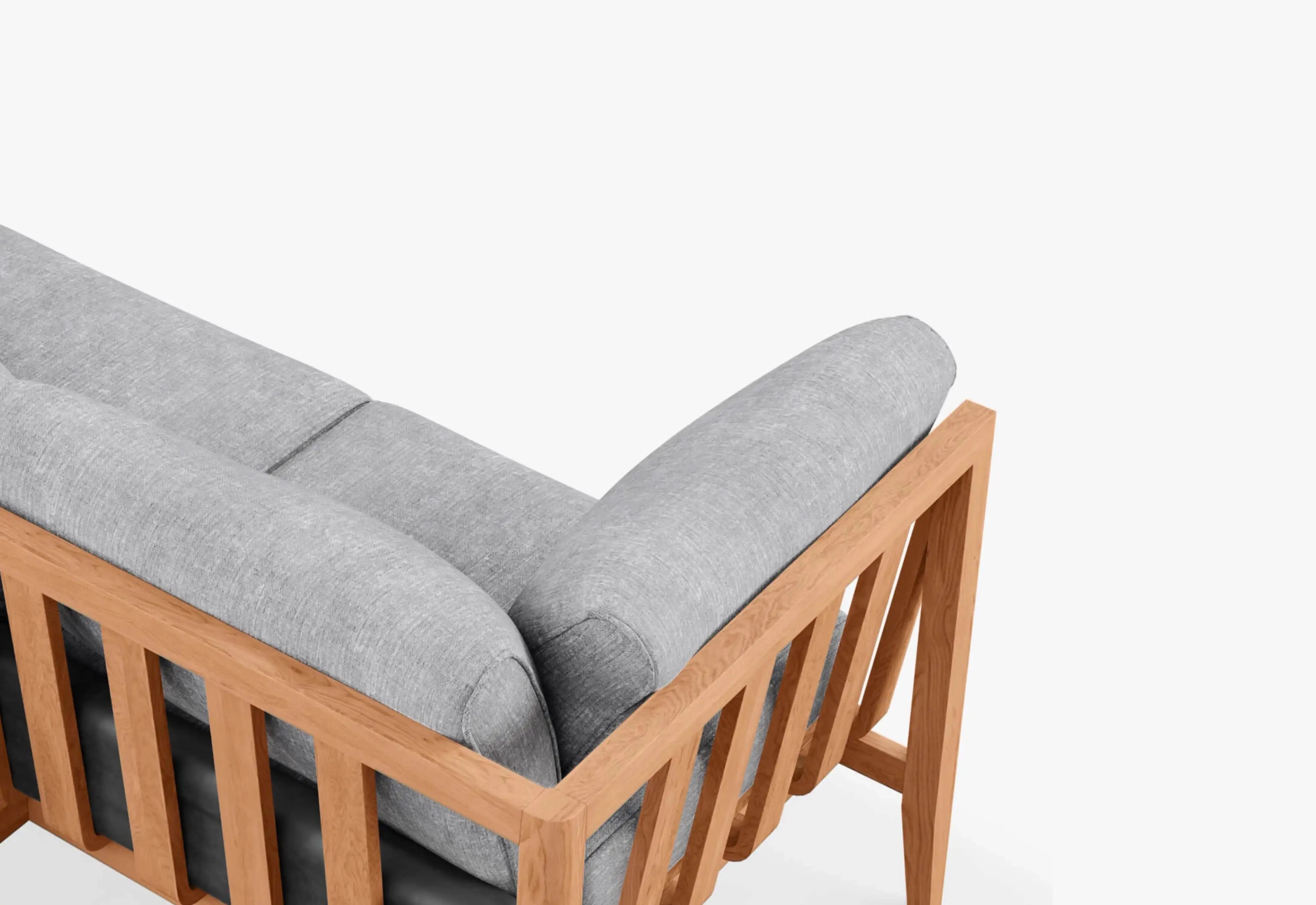
Using coordinated pieces from the Teak Outdoor Sofa collection ensures consistent grain, finish, and response to exposure, reducing visual pressure to replace individual sections.
Consistency prevents piecemeal waste.
Gentle Care Uses Fewer Resources Over Time
Aggressive maintenance has a footprint.
Minimal, even care avoids excessive water use, harsh cleaners, and frequent refinishing. This restraint aligns material performance with sustainability goals.
Less effort often means less impact.
Supporting Materials Should Share the Same Lifecycle
Sustainability is systemic.
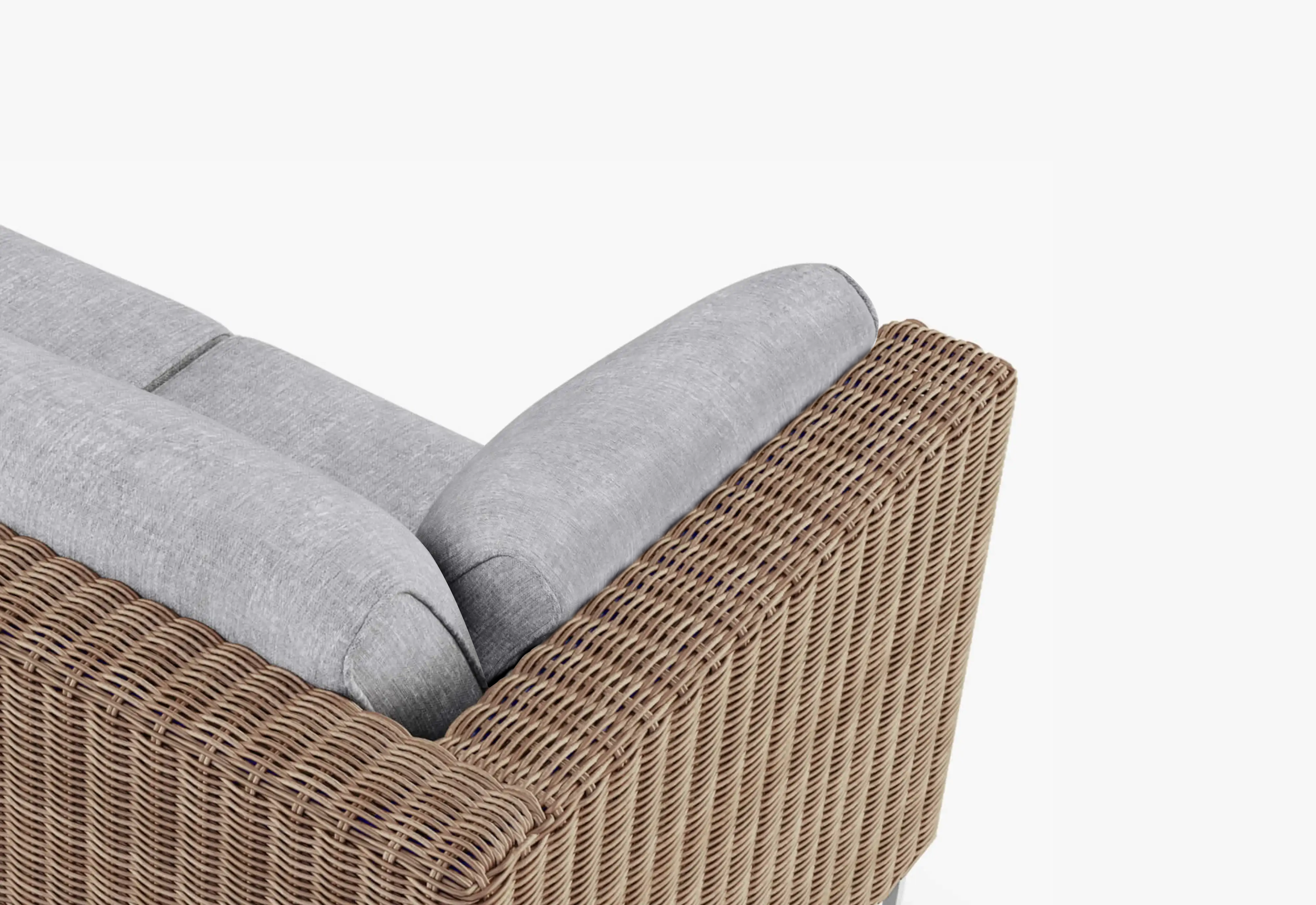
When teak sectionals are paired with long-life cushion systems like OuterCloud® and stable woven textures such as OuterWeave®, the entire seating system remains in service longer.
Aligned lifecycles reduce replacement cycles.
Protection That Extends Use, Not Appearance
Protection should slow damage, not erase time.
Breathable systems like OuterShell® reduce extreme exposure while allowing teak to continue its natural aging process.
This balance supports sustainable longevity.
Why Over-Restoration Undermines Sustainability
Restoring appearance repeatedly consumes resources.
Each reset requires materials, energy, and labor. Allowing patina to develop reduces the need for these cycles while preserving functional integrity.
Sustainability favors continuity over correction.
Patina as a Marker of Responsible Use
Visible aging reflects long service.
Teak sectionals that develop patina demonstrate extended use rather than disposability. This visible history is a sign of sustainable ownership.
Time becomes evidence, not liability.
Sustainability That Stays in Place
True sustainability is quiet.
By planning for patina and practicing restrained care, teak sectionals remain in use without demanding replacement or reinvention.
Sustainability in every detail is sustainability that remains.