

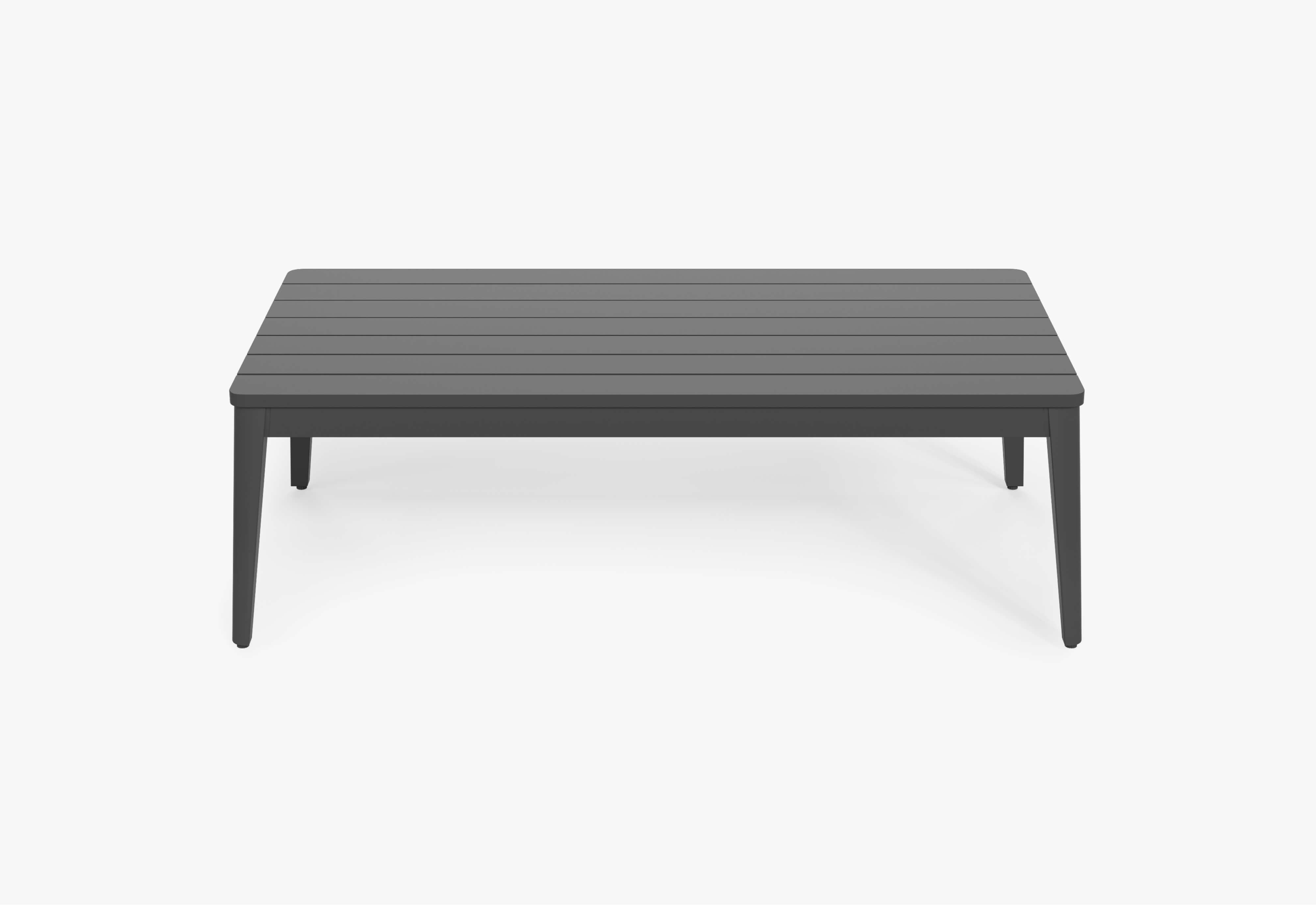
Built for Life Outdoors: Teak Sectional Corner Support Details for the Modern Patio

Outdoor furniture is rarely stressed evenly. Weight shifts, people lean, children climb, and guests gather where seating meets. In sectional layouts, the corner is where all of that pressure converges.
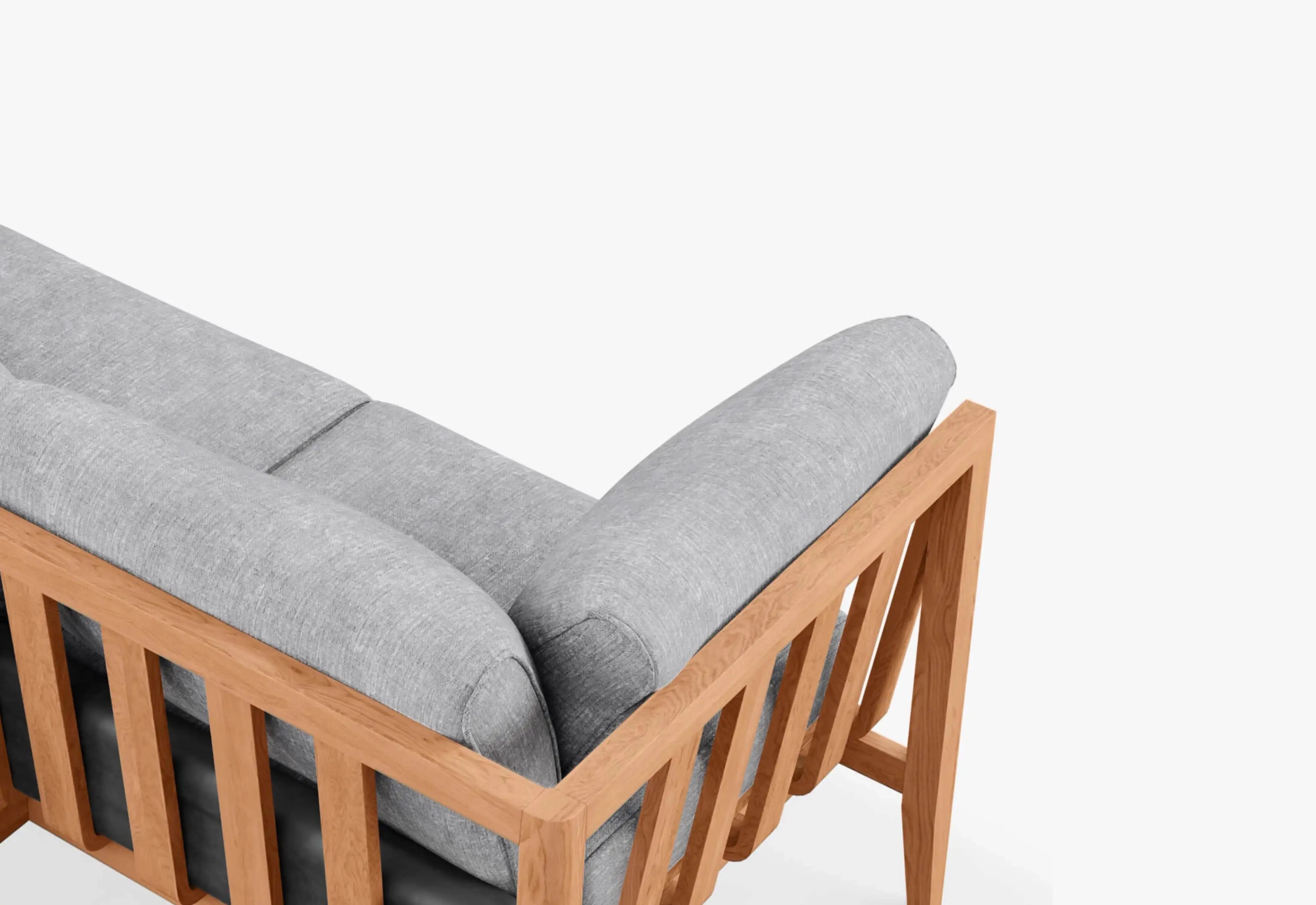
A teak sectional built for long-term outdoor living succeeds not because it looks solid, but because its corner support is designed to carry real life.
Why Corners Are the True Test of Durability
Most structural failure starts at transition points.
In sectional seating, straight runs distribute load predictably. Corners, however, absorb force from multiple directions—sitting, rising, leaning, and movement across connected pieces.
If a corner holds, the entire system holds.
Corner Support Determines Long-Term Alignment
Misalignment begins subtly.
When corner support is insufficient, modules begin to drift. Small gaps appear, cushions shift, and the sectional gradually loses its original geometry.
Strong corner support preserves the layout’s shape over time.
Why Teak Performs Under Concentrated Load
Material choice matters most at stress points.
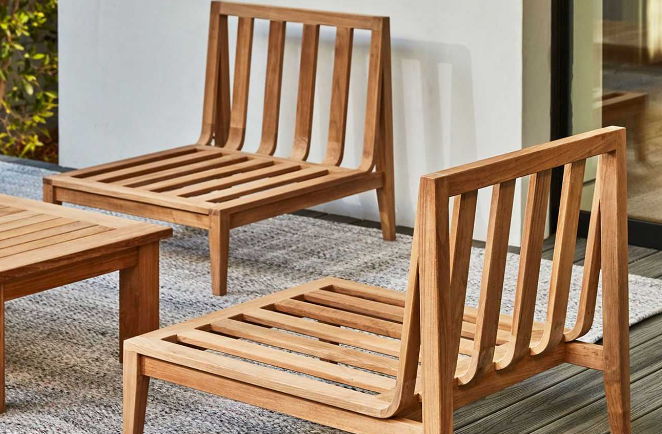
Teak’s density and natural oil content allow it to resist compression and fatigue under repeated load. At corner joints, this resilience prevents micro-movement that leads to loosening.
Durability is built into the material.
Engineering Stability Into Modular Systems
Sectionals must behave as one system.
Well-supported corners act as anchors, allowing adjacent pieces to remain stable without relying on constant repositioning or tightening.
System stability starts at the corner.
Consistent Components Reduce Structural Weakness
Mixed systems introduce failure points.
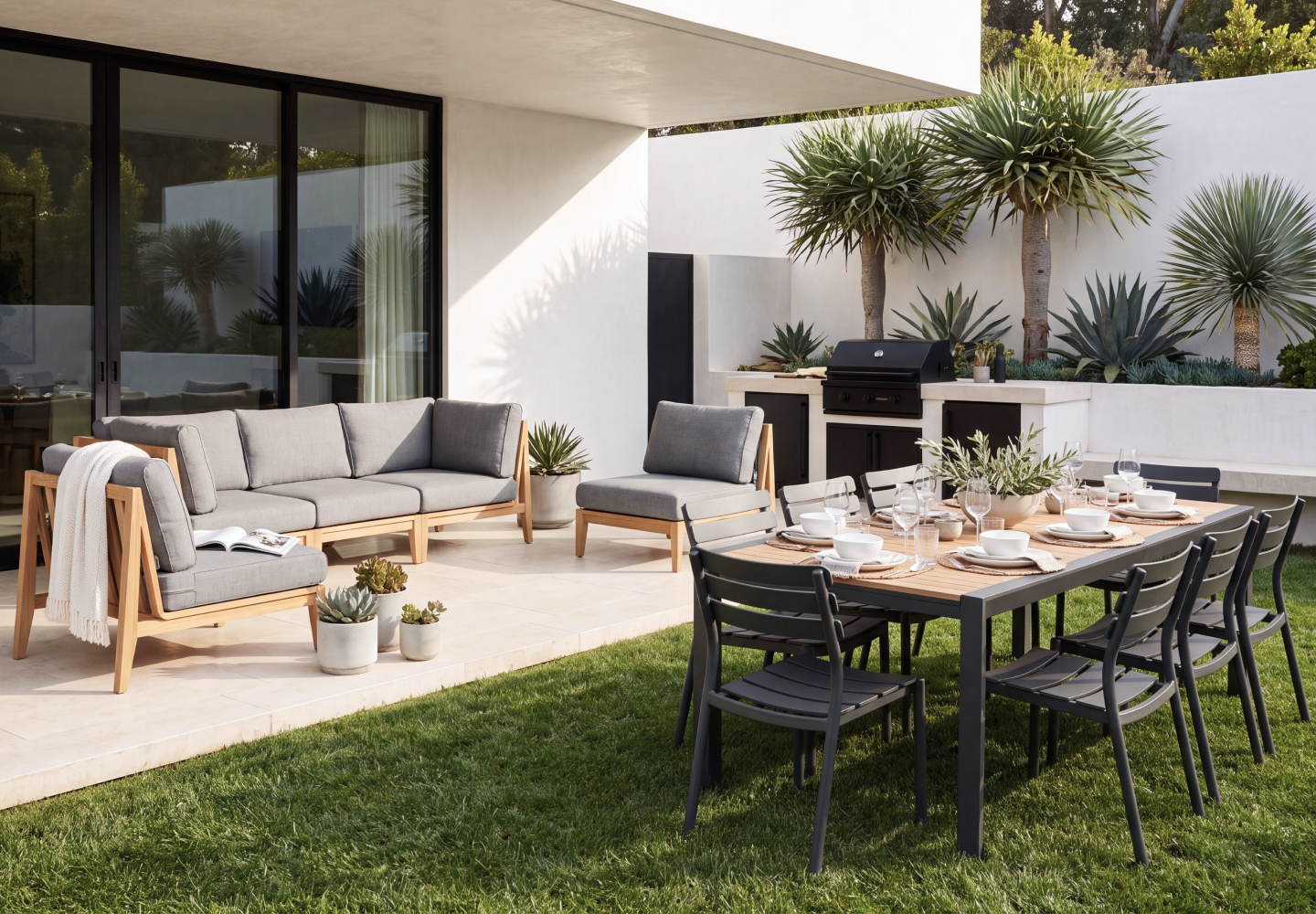
Using coordinated pieces from the Teak Outdoor Sofa collection ensures consistent joinery, dimensions, and load behavior across every corner connection.
Consistency strengthens the whole.
Corner Seats Carry More Than Weight
They carry behavior.
Corner seats are leaned on, shared, and often used as informal lounging spots. Without reinforced support, these habits accelerate wear.
Designing for real use prevents early fatigue.
Cushion Systems That Support the Structure
Soft layers affect hard frames.
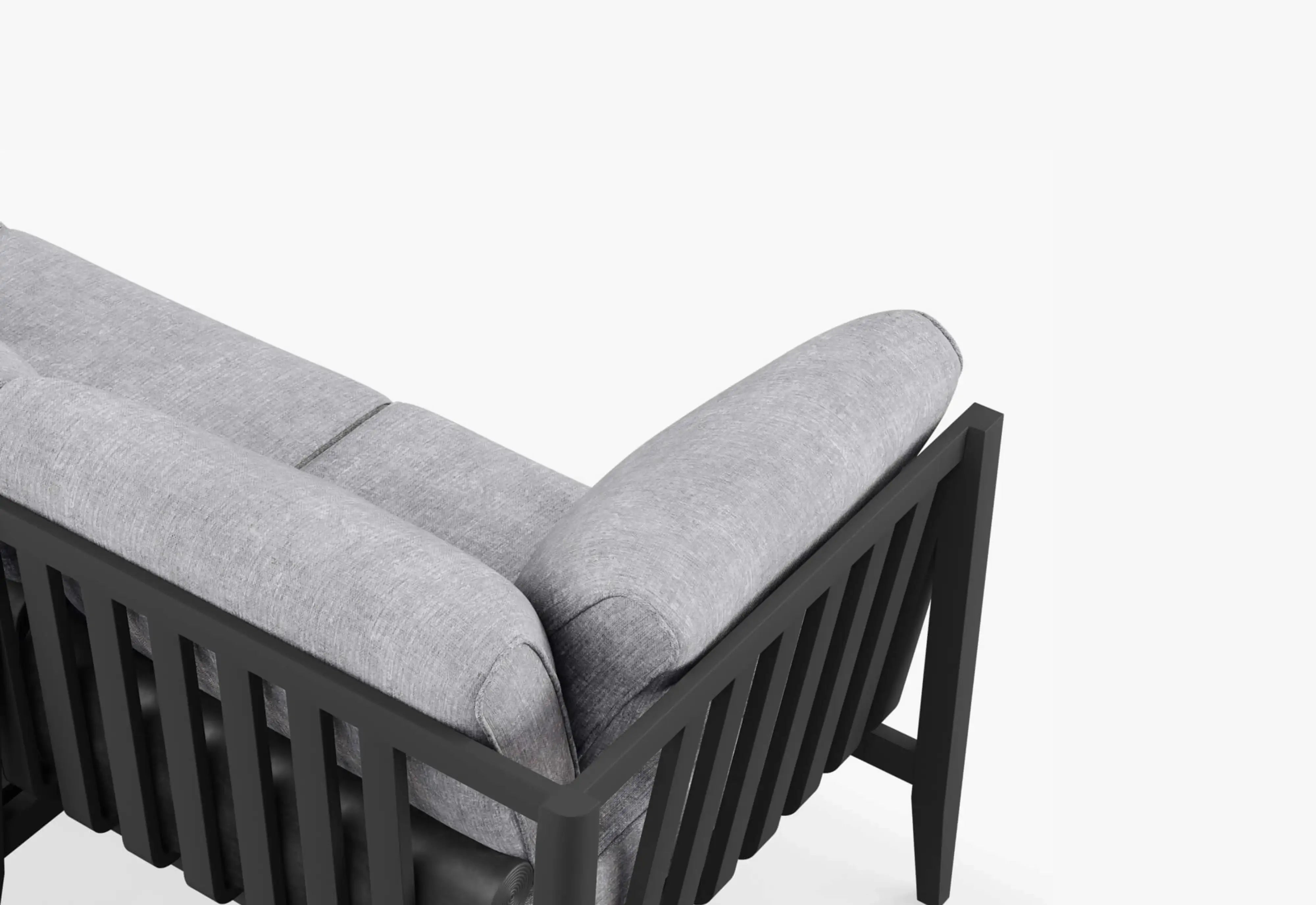
Supportive cushion systems like OuterCloud® help distribute body weight evenly across the corner, reducing point pressure on joints and fasteners.
Comfort and structure work together.
Surface Flexibility Protects Corner Integrity
Rigid systems transfer stress.
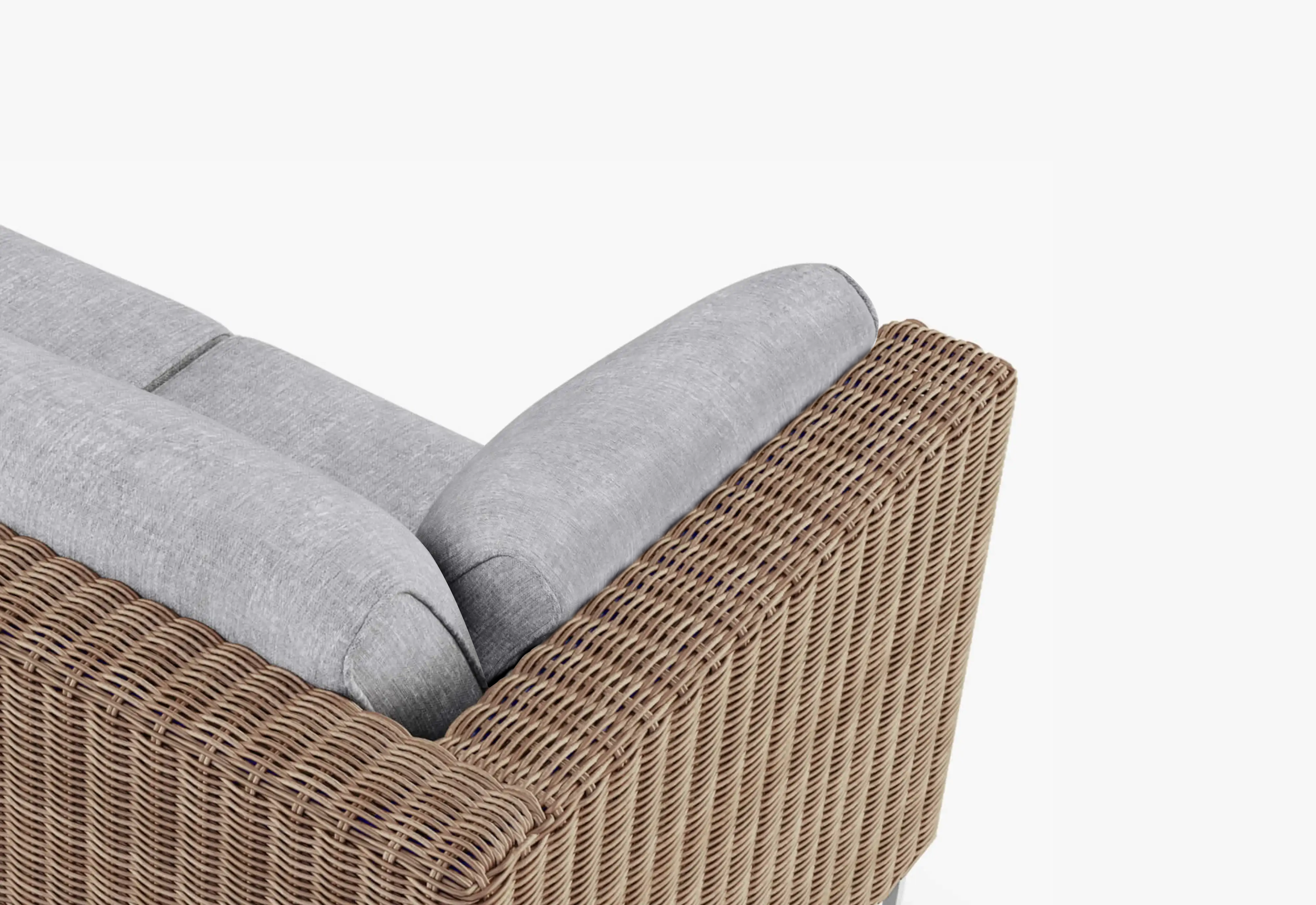
Textural systems such as OuterWeave® allow minor movement at the surface level, absorbing force before it reaches the frame.
Flexibility extends structural life.
Protection Helps Corners Recover Between Uses
Moisture concentrates at junctions.
Breathable protection systems like OuterShell® and options from the Covers collection reduce moisture buildup that can compromise corner joints over time.
Recovery is part of durability.
Why Corner Strength Reduces Replacement
Most replacements start with instability.
When corners remain solid, owners are less likely to replace individual pieces or abandon the layout entirely.
Strong corners extend the life of the entire sectional.
Built to Handle Real Life Outdoors
A teak sectional designed for life outdoors is defined by its corners.
When corner support is engineered for daily use, shifting loads, and environmental exposure, the seating remains dependable year after year.
Built for life outdoors means built where it matters most.