

Outdoor Living / Watch Together
Backyard Game Day Seating: Set Up Your Patio for Watching Together
A clear view, a comfortable seat, and a place for your drink. Plan the patio around the whole game.

Make Every Place a Watching Seat
Start with the view from the last seat.
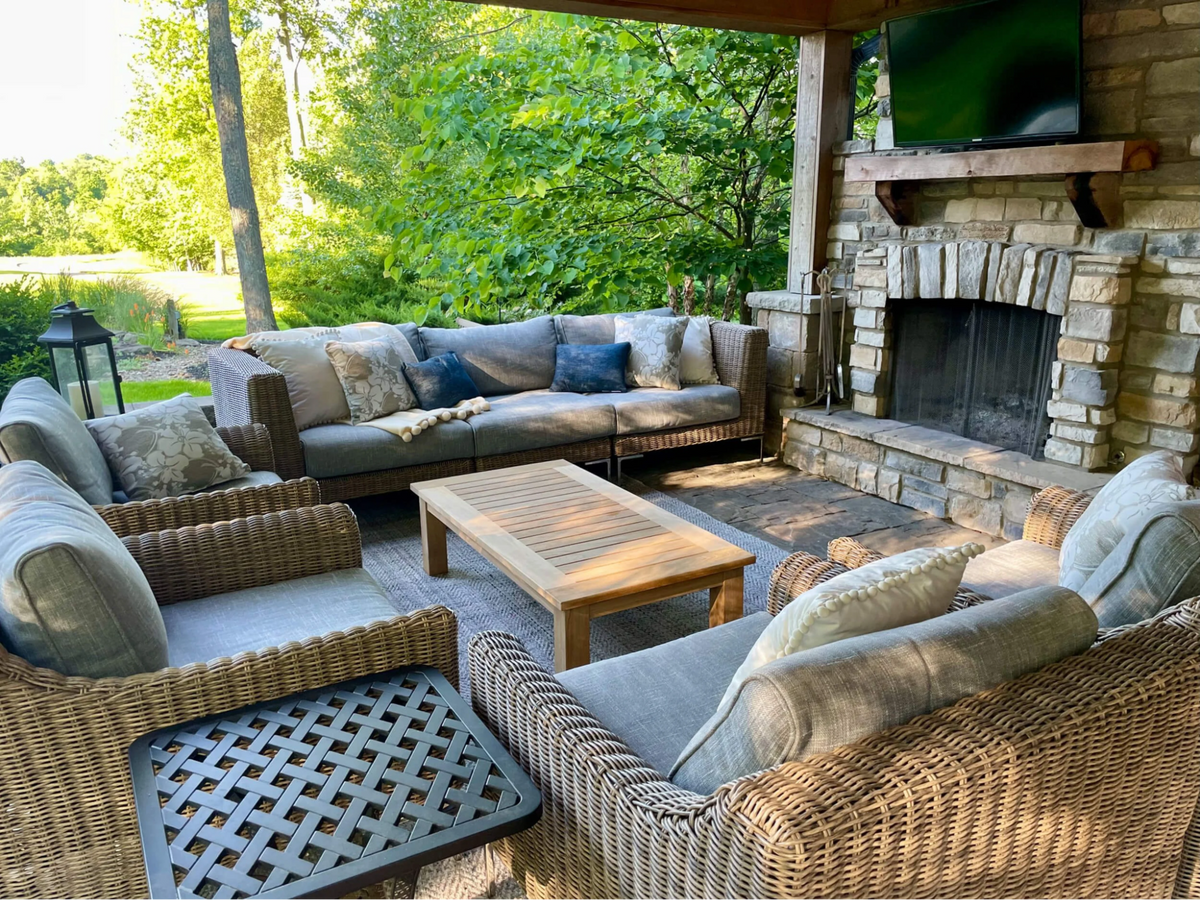
Good backyard game day seating gives everyone a place to follow the action, set down a plate, and stay for the conversation afterward. Begin with the outdoor screen setup you already use, then work outward to the furniture.
A sofa can face the screen while the end of a sectional faces across it. A chair can look well placed from the doorway yet sit behind another person once everyone arrives. Test each actual seat before deciding how many people the patio can comfortably host for a game.
The setting has a place in real Outer homes: in a Boca Raton customer diary, the host describes watching the Big Game outside by the pool. Plan your own arrangement around the way your household watches and gathers.
01 / Check the Screen From the Seats
Sit down before choosing the arrangement.
Visit the patio around the time the game will start. Put a temporary chair in each proposed position and play something on the screen. Check the whole image, including the small score display and action near the edges.
Notice your natural sitting position. You should be able to follow the game while settled into the seat, without continually turning your shoulders toward the screen. If you keep twisting or leaning around someone, adjust the furniture position and try again.
Test with people in the other seats.
Ask someone to occupy the neighboring chair and the sofa in front. Check whether heads, seat backs, columns, or planting interrupt the view. A position that works on an empty patio can change when people sit down.
Repeat the check as the light changes. Look for reflections on the screen and bright light in viewers’ eyes. A different seat position or the patio’s existing shade may help; choose the arrangement by what you can see from a seated position at the actual viewing hour.
Include the host’s seat. If a place only works when another chair is empty, treat that as a layout issue to resolve before adding it to the guest count.
02 / Choose Around the Viewing Direction
Look at where each seat faces.
Start with furniture you already own. Mark its complete footprint, including the position you use when relaxing. Then compare how each part of the arrangement relates to the screen.
| Existing arrangement | What to test during the game | An adjustment to consider |
|---|---|---|
| Straight sofa with separate chairs | The chairs’ angles and whether they block the sofa’s view. | Place the chairs alongside the sofa’s viewing area and turn each toward the screen. |
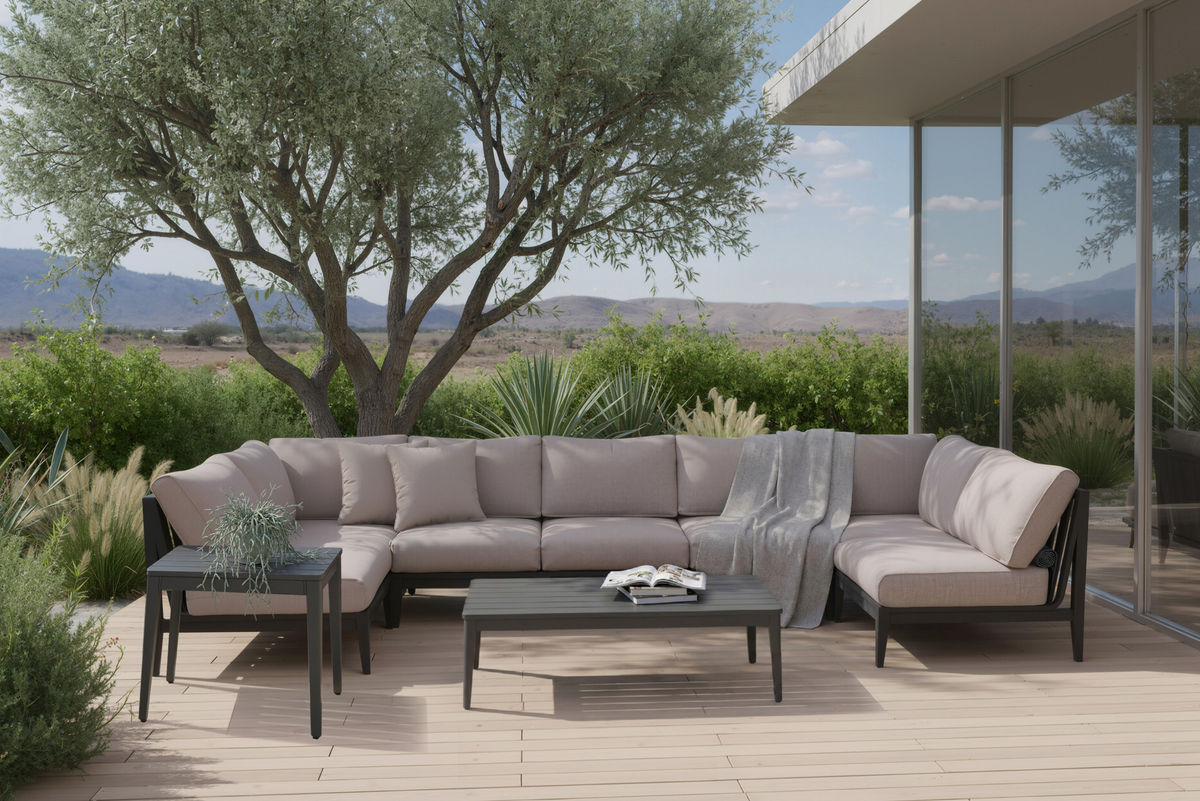
| L-shaped sectional | The corner and short return, where people may sit sideways to the picture. | Try the screen-facing seats first, then check whether the return offers a comfortable watching position. |
| Two sofas facing one another | Which seats face the screen and which face away from it. | Keep the arrangement for conversation if it works well day to day; use a separate viewing group or reposition furniture where practical. |
Try the position you will watch in.
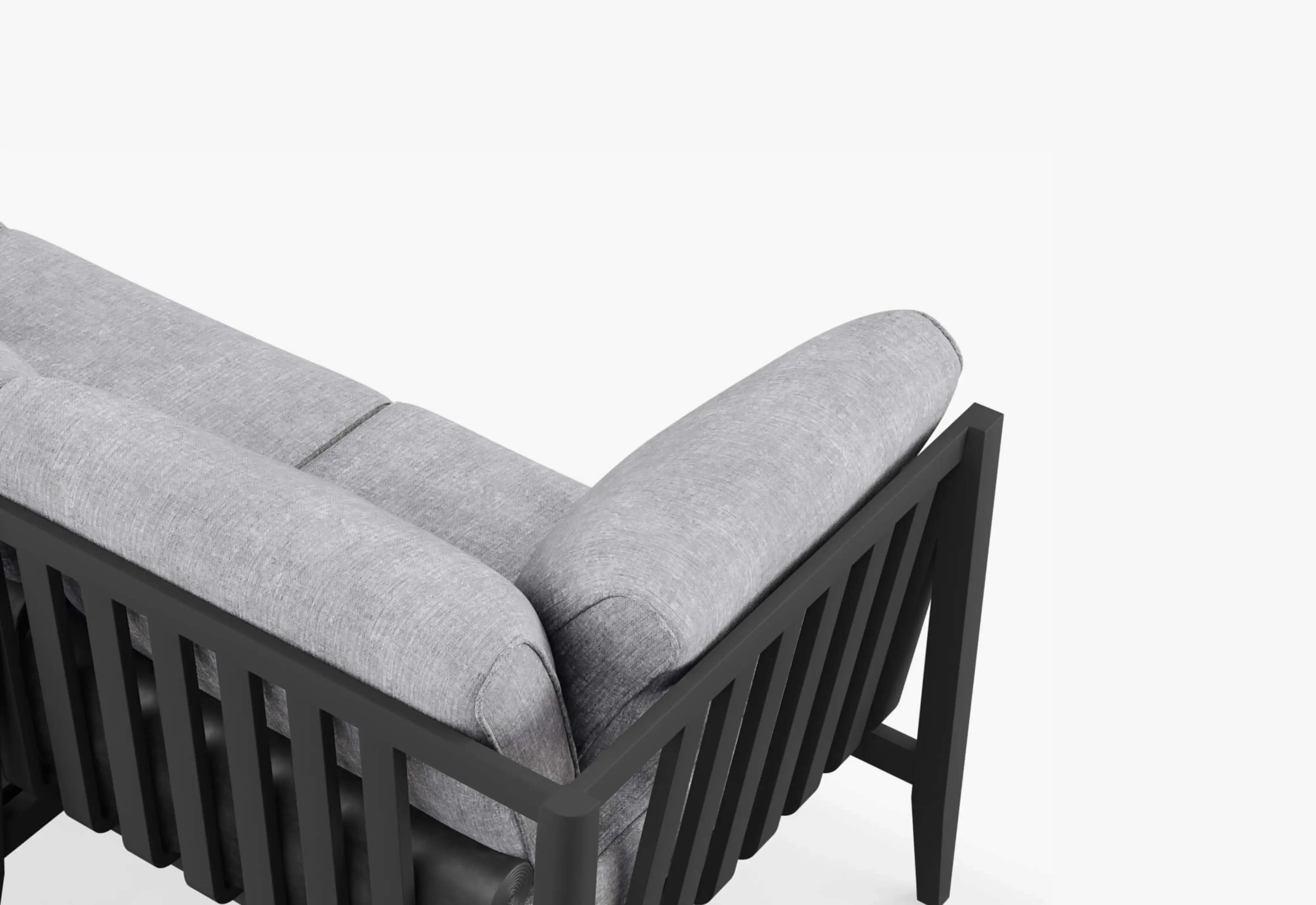
Spend a few minutes in the actual cushions. Sit with your feet down, or put them up if that is how you watch at home. Notice the back support, arm position, and usable seat depth while keeping the screen in view.
If someone stretches out on a sofa, check how much space remains for another person. An ottoman also changes the arrangement: include the footrest and the legs resting on it when checking the route around the group.
When comparing outdoor sofas and seating, bring this watching position into the decision. An Outer Neighborhood Showroom can give you a place to experience the seating in a real home.

03 / Give Every Seat a Landing Place
Put drinks within reach of the people holding them.
Take a cup and small plate to each seat. Set them down, lean back, and pick them up again. Check whether you can do that without reaching across another guest or leaving the seat every time.
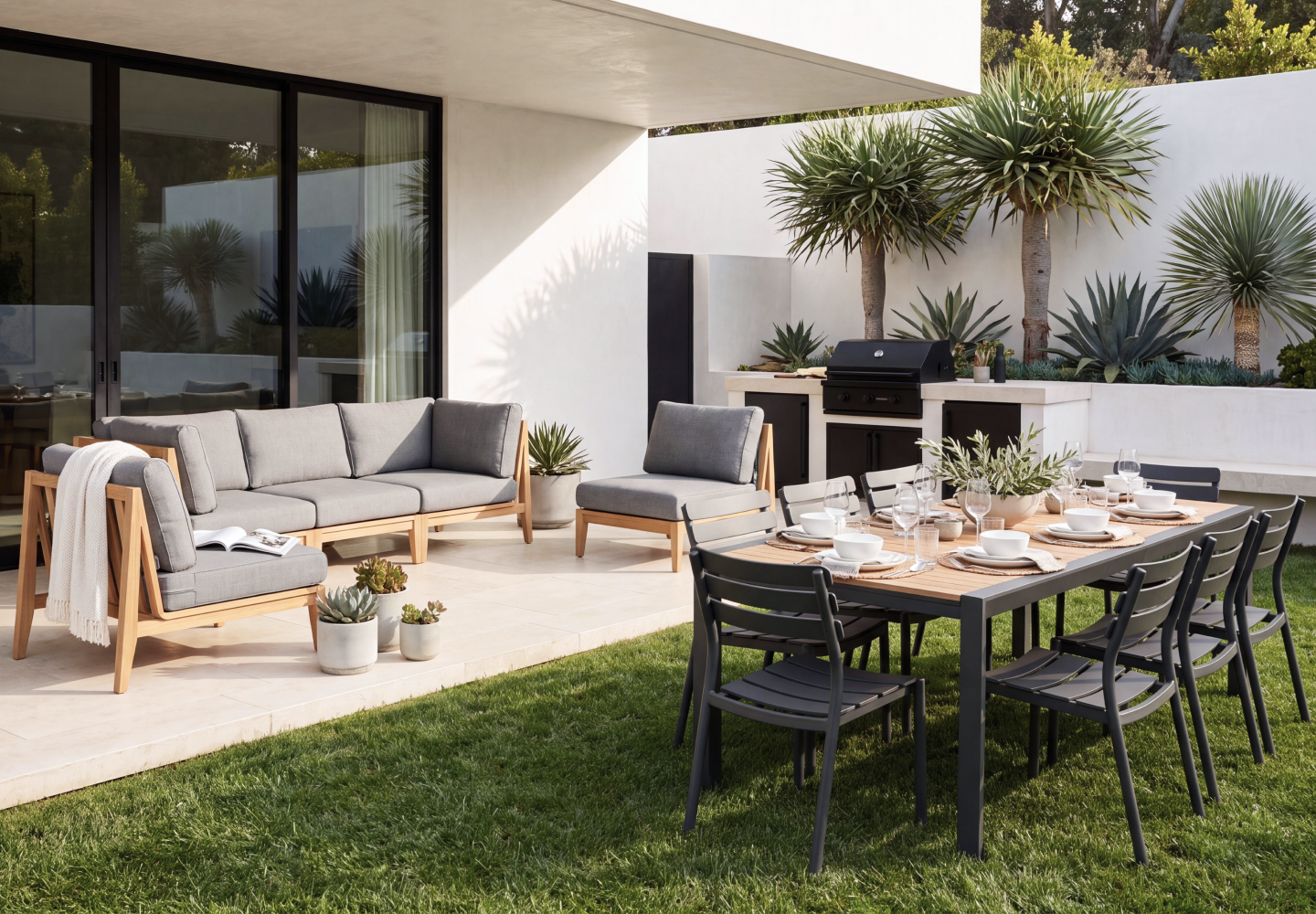
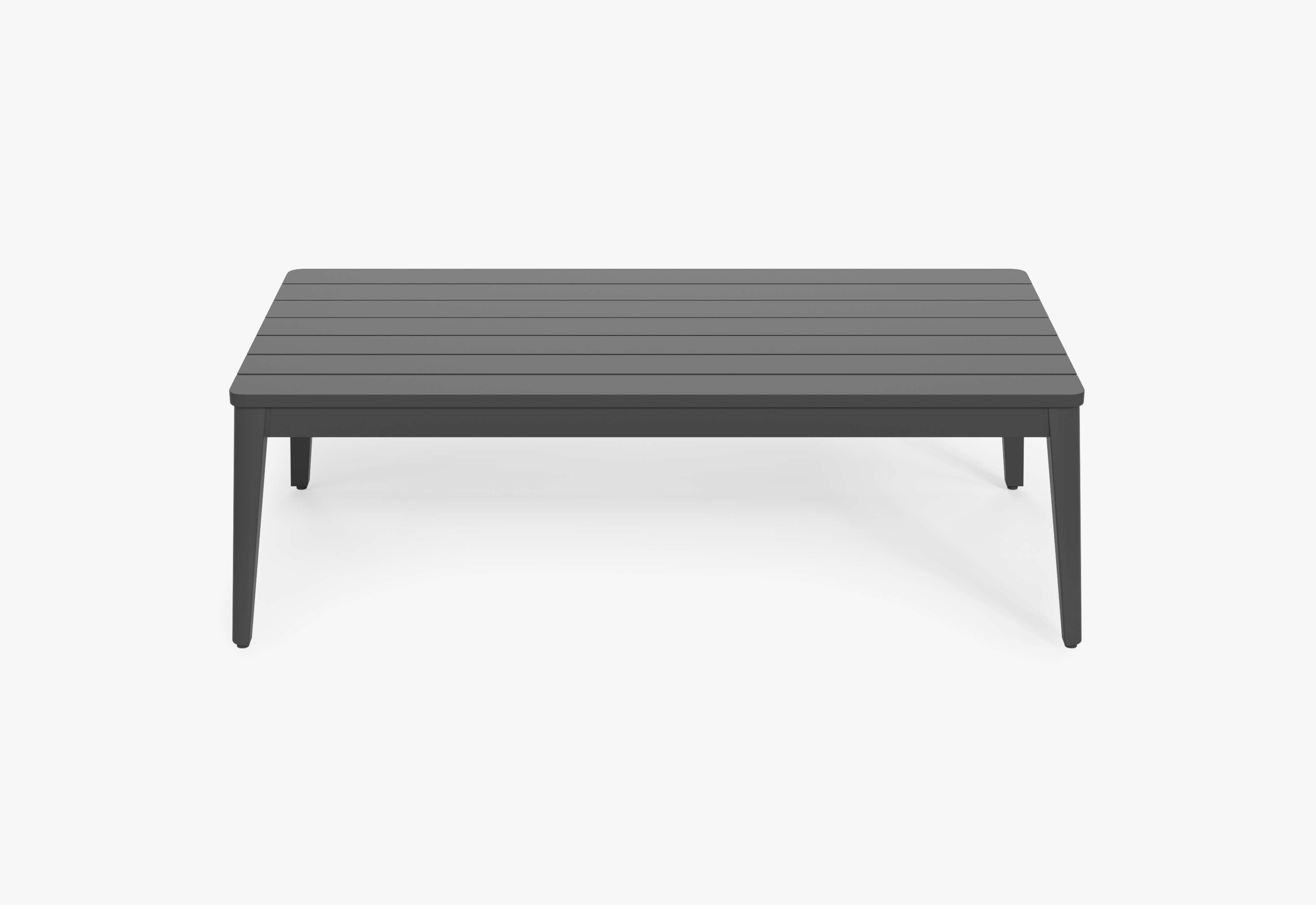
A coffee table can hold shared snacks in the middle of the group. Side tables can serve the sofa ends and individual chairs. Choose the combination by the reach from each position, then check that the tables leave enough room to enter and leave the seats.
Try the real bowls and trays.
A tray of drinks, a bowl of chips, and a plate of food take up more room than a single styled glass. Put out the serving pieces you expect to use and leave each guest a place to set down a drink.
Place taller bottles and serving containers where they do not interrupt the picture. Keep the remote in a consistent spot that remains reachable after the snacks arrive.
Compare outdoor coffee and side tables with the actual seating dimensions. Table height matters alongside surface area: try picking up the drink while sitting in your usual watching position.
04 / Keep the Refill Route Outside the View
Put the supplies beside or behind the group.
Give spare drinks, water, napkins, and extra serving pieces a separate landing place near the route from the house. Check that people can approach it without standing between the viewers and the screen.
If you use a cooler, include the space needed to open the lid and stand beside it. Keep that activity away from the entrance to a chair or the place someone rests their feet.
Walk from the kitchen to the supplies, then to the seats, carrying the tray you plan to use. Repeat the walk while the chairs are occupied. Notice whether you step over an ottoman, squeeze behind a sofa, or cross directly in front of the screen.
Adjust the supply station and the route together. A convenient place for the host is one that guests can also use while the game continues. Keep a clear return path for used plates so the main tables remain available.
For food and hosting inspiration, explore Outer’s backyard tailgating tips.
05 / Make Room for the Rest of the Visit
Let the chairs connect watching and conversation.
The time before and after the game can call for a different arrangement. If you have independent chairs that can be repositioned, try turning them toward the sofa for conversation once the viewing is finished.
This concept uses the same four places, including the host’s: a two-seat sofa and two individual chairs. The sofa stays in place. The chairs are reoriented toward the group, while the coffee table and two side tables remain available.
Check the actual furniture and surface before planning frequent moves. Clear nearby drinks and make room to handle each chair. You can also keep the watching arrangement in place and gather elsewhere when that suits the home better.
Before the First Guest Arrives
Run through a few minutes of the whole setup.
Turn on the screen at the planned start time, sit in each position, and check that the score and commentary are easy to follow. Try the sound at the volume you expect to use while someone sits in the farthest seat.
Put the food and drinks on the tables, then repeat the walk from the house. Open the door fully and check any steps. If the game will continue after dark, check the route lighting and whether nearby lights reflect in the screen.
Include the later part of the visit in the plan. Have a place indoors to continue if the weather changes, and decide where used plates and glasses will go when people move from watching to talking.
Reset the patio after the final whistle.
Bring food, dishes, and the remote inside, then address spills using the instructions for the exact fabric and tabletop in Outer’s care and maintenance guide. Let cleaned furniture and cushions dry before covering or storing them, and return the chairs to the arrangement you enjoy on an ordinary day.
Plan Your Patio With Outer
Bring the screen location into the furniture plan.
Share your patio measurements, screen location, existing furniture, and usual guest count during a complimentary Outer design consultation. Compare seating and table arrangements for watching together and spending time outside afterward.
Get Help Planning Your Space