

A Buying Guide for Staging Professionals
Outdoor Furniture for Home Stagers: A Practical Buying Guide
Choose pieces that suit the property, fit your handling routine, and have a useful place in the next project. Start with the layouts you need, then work through dimensions, care, storage, and purchasing details.

The Short Answer
Buy around the work your inventory needs to do.
When choosing outdoor furniture for home staging, compare the full layout, individual item dimensions and weights, cleaning requirements, storage needs, and terms for your intended use. A useful purchase should work on installation day and fit the process between properties.
Start with the outdoor spaces you regularly furnish. Build a small group of compatible seating and tables, then add pieces for specific projects as the need becomes clear.
Choose the layout first.Know whether the next property needs a conversation area, dining space, or a compact place for coffee.
Check the handling plan.Consider access, item weights, packing, storage, and the crew responsible for each move.
Confirm the purchasing terms.Explain how the furniture will be used and moved, then confirm availability, delivery, support, and applicable warranty terms.
Build a Useful Starting Collection
Plan a few arrangements before choosing quantities.
Review recent projects or the properties already in your pipeline. Record usable patio dimensions, common access restrictions, the furniture you already own, and which pieces are repeatedly missing.
A pair of lounge chairs may move between a porch and a small seating area. A larger dining arrangement has a different footprint and handling requirement. Decide which roles your inventory needs to fill before buying a complete collection.
| Layout | Furniture to evaluate | Inventory question |
|---|---|---|
| Coffee or conversation for two | Two suitable chairs and a reachable shared table. | Can these pieces serve more than one of your common patio shapes? |
| A complete lounge | A sofa, separate chairs where space permits, and useful table surfaces. | Can you vary the arrangement while keeping every seat accessible? |
| Outdoor dining | A table and compatible chairs, checked with the chairs in use. | Does the full footprint suit the properties you expect to stage? |
| A larger terrace | Distinct lounge and dining arrangements with a clear connecting route. | Do you own enough pieces to furnish both areas without leaving another active project incomplete? |
For example, two armchairs might serve a compact porch on one job and join a sofa on the next. That is a plan for consecutive placements. If both listings need the chairs at the same time, the inventory requirement changes.
Use a reservation calendar alongside the furniture list. Include installation, the expected listing period, collection, and time for cleaning before the next placement.
If a set supplies the pieces you need, compare it with the equivalent items purchased separately. Our guide to outdoor furniture sets vs. individual pieces explains how to keep those comparisons equivalent.

Make Reuse Practical
Choose a consistent foundation with room to adapt.
Look at frame finishes, cushion colors, and table proportions together. A limited base palette can give you a consistent starting point while smaller styling choices respond to each property.
Review physical swatches in the light where the furniture will be used. Photograph the actual combination and keep the fabric and finish references with the item record.
For modular seating, verify the supported configurations, required connectors, and which pieces can be used independently. Record the components needed for each approved arrangement.
Check the Product, Not Only the Photograph
Build a specification sheet for every candidate.
Record the selected configuration and finish, then compare products against the same checklist. Keep the full arrangement footprint separate from the dimensions of each item and its shipping package.
| Check | Record or request | Use it to plan |
|---|---|---|
| Dimensions and access | Assembled dimensions, any approved disassembly, and package dimensions. | Patio fit, gates, doors, turns, stairs, and vehicle access. |
| Weight and handling | Item weights, cushion weights where separate, and handling instructions. | Crew, equipment, packing, and loading arrangements. |
| Configuration | Supported layouts, connecting parts, and the contents of the selected package. | Which arrangements the inventory can actually produce. |
| Cushions and care | Fabric references, cleaning instructions, drying needs, and storage guidance. | The work required between placements. |
| Components and protection | Current availability and fit of cushions, covers, connectors, and other parts. | Care, maintenance, and requests for compatible replacements. |
| Intended use and support | Terms applicable to your professional staging use, including repeated relocation. | Purchasing eligibility, warranty questions, and service expectations. |
Once you have a candidate layout, use the patio furniture layout dimensions guide to check movement around the furniture. Test doors and chair movement with the actual pieces or a measured outline.
A product example: read the handling details.

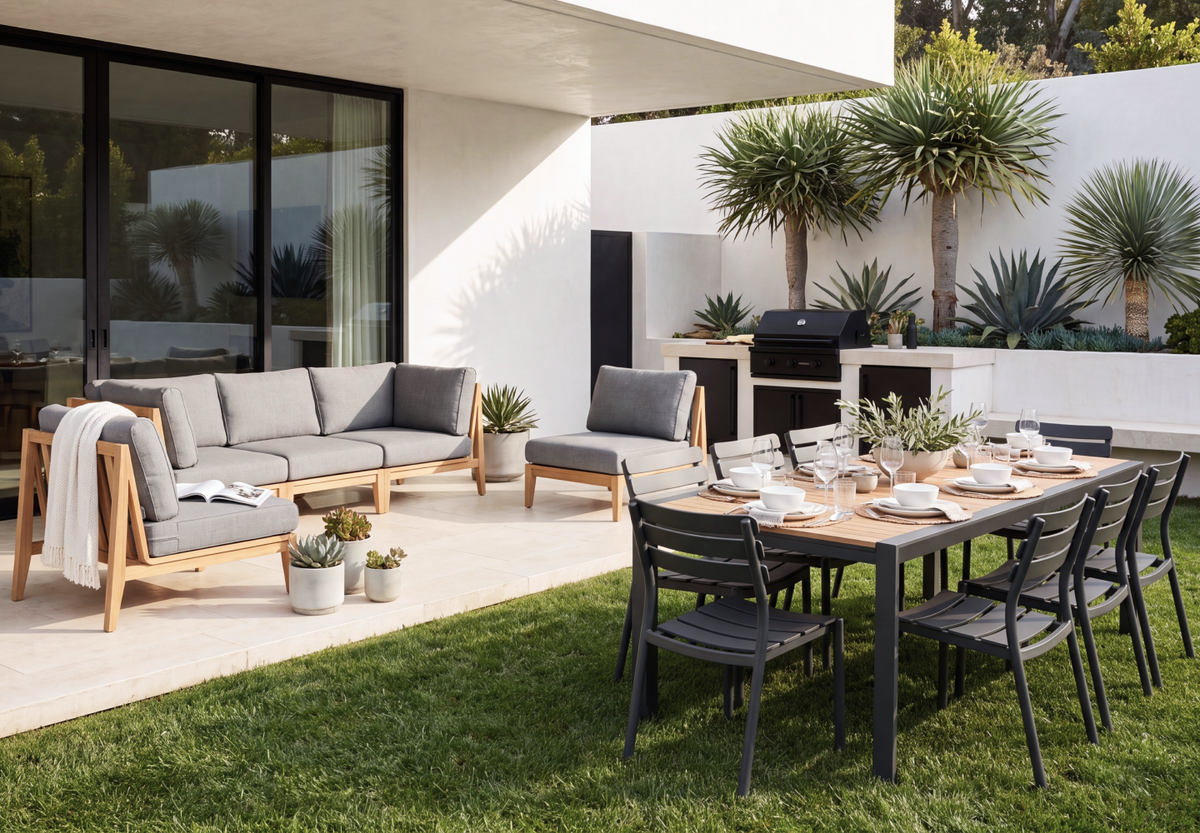
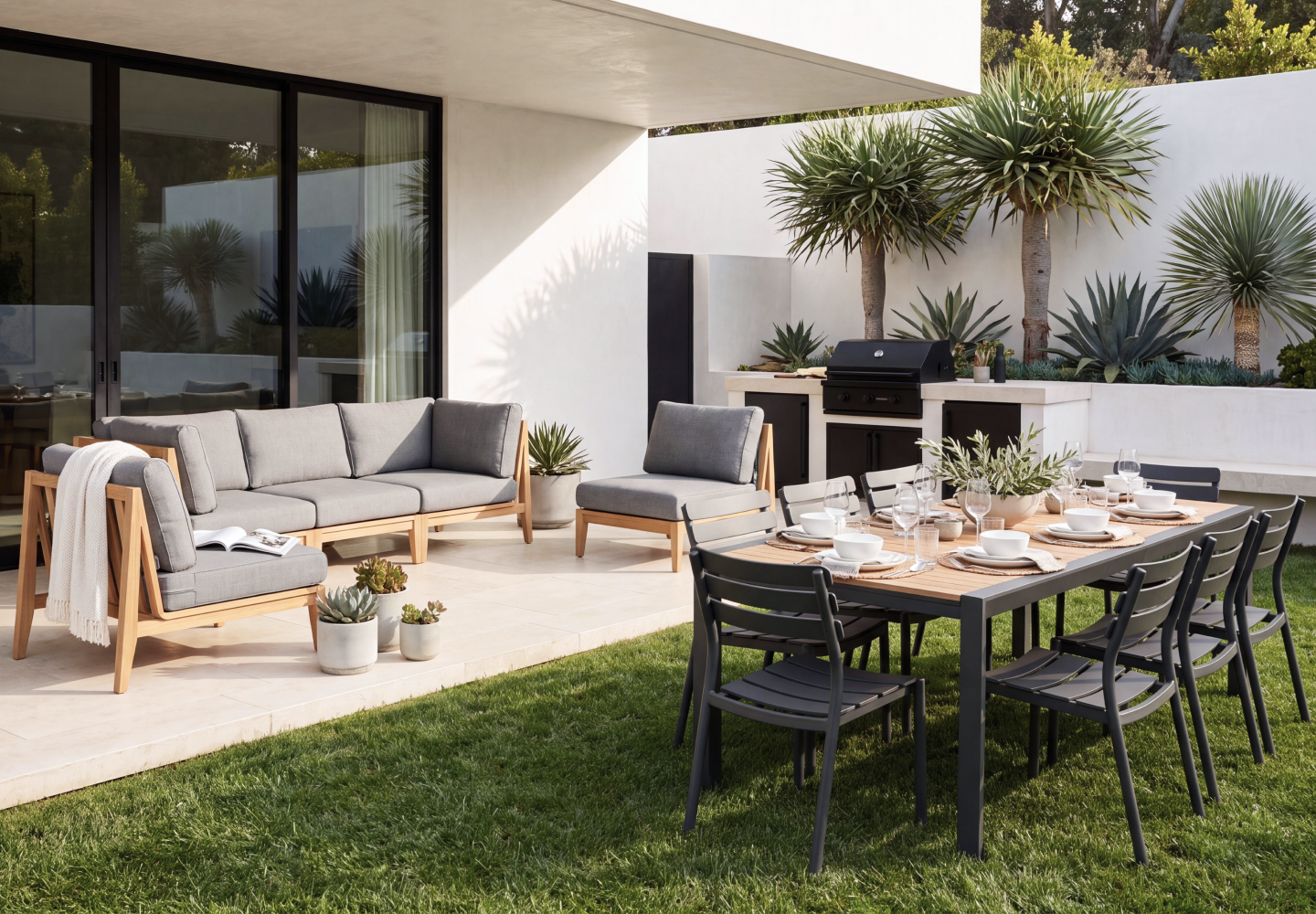
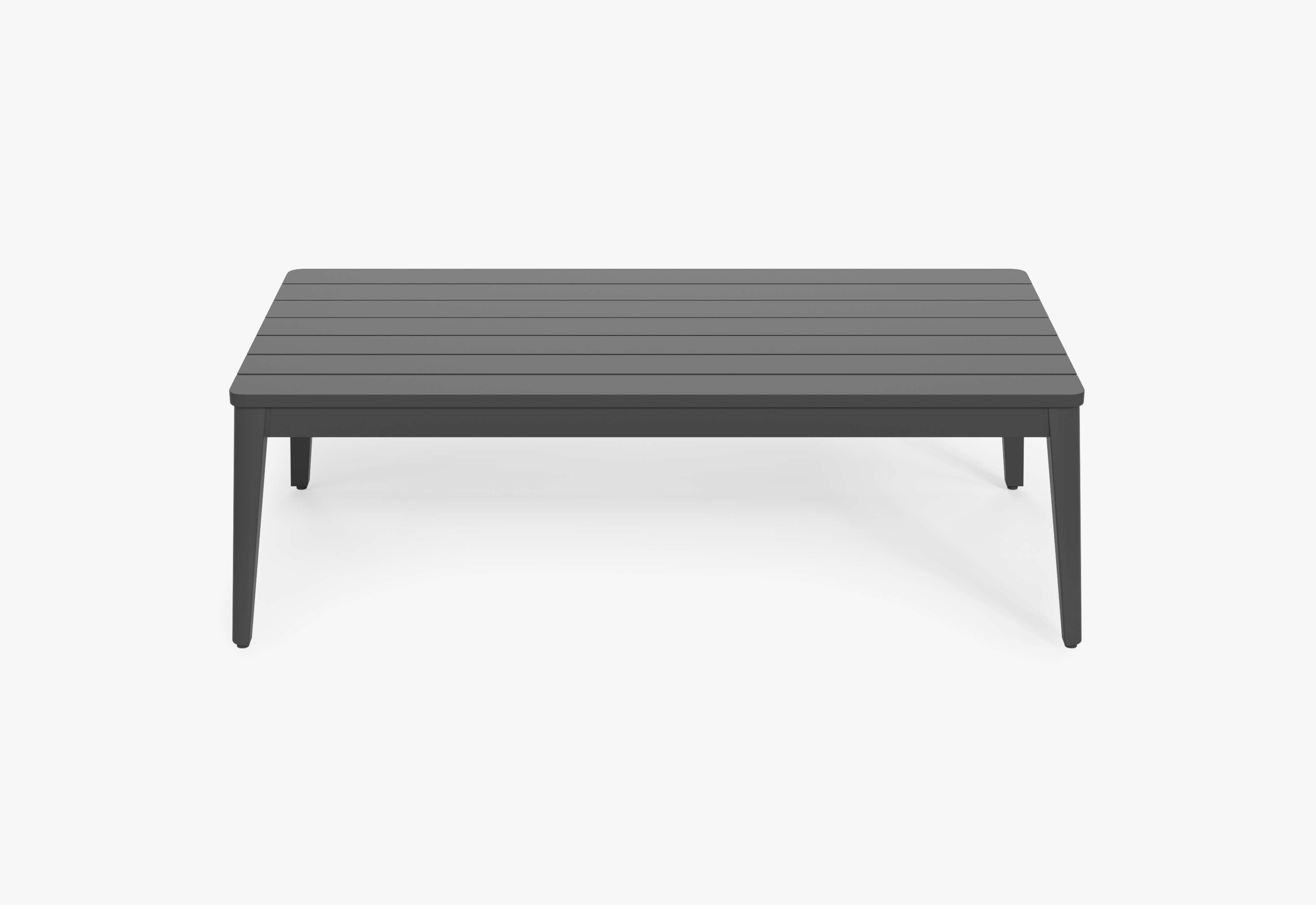
The Teak Sofa + Coffee Table Set listing shows the type of information worth collecting. It lists an armchair at 28 inches wide, 34.4 inches deep, and 29 inches high. Chair frames are listed at 30–36 pounds, with cushions adding approximately 10–15 pounds. The medium coffee table is listed at 50 by 26 by 14 inches and 43 pounds.
Those are separate handling and placement details. Check the exact selected items, full arrangement dimensions, and access route when preparing your specification sheet.
Materials and Presentation
Choose the appearance and care routine together.
Start with the property's architecture and the materials already visible from inside. Then consider how the furniture will look after use, cleaning, transport, and time outdoors.
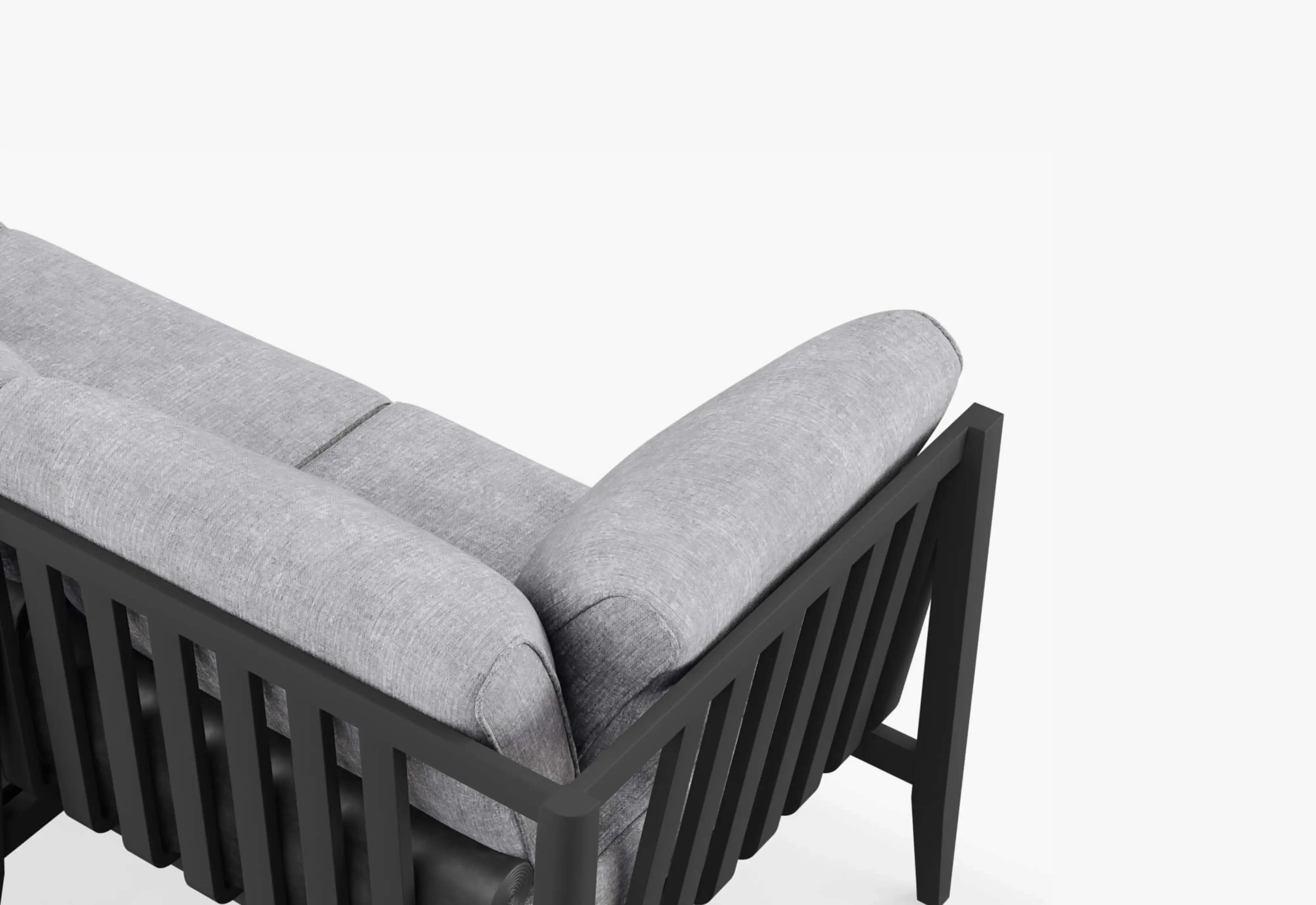
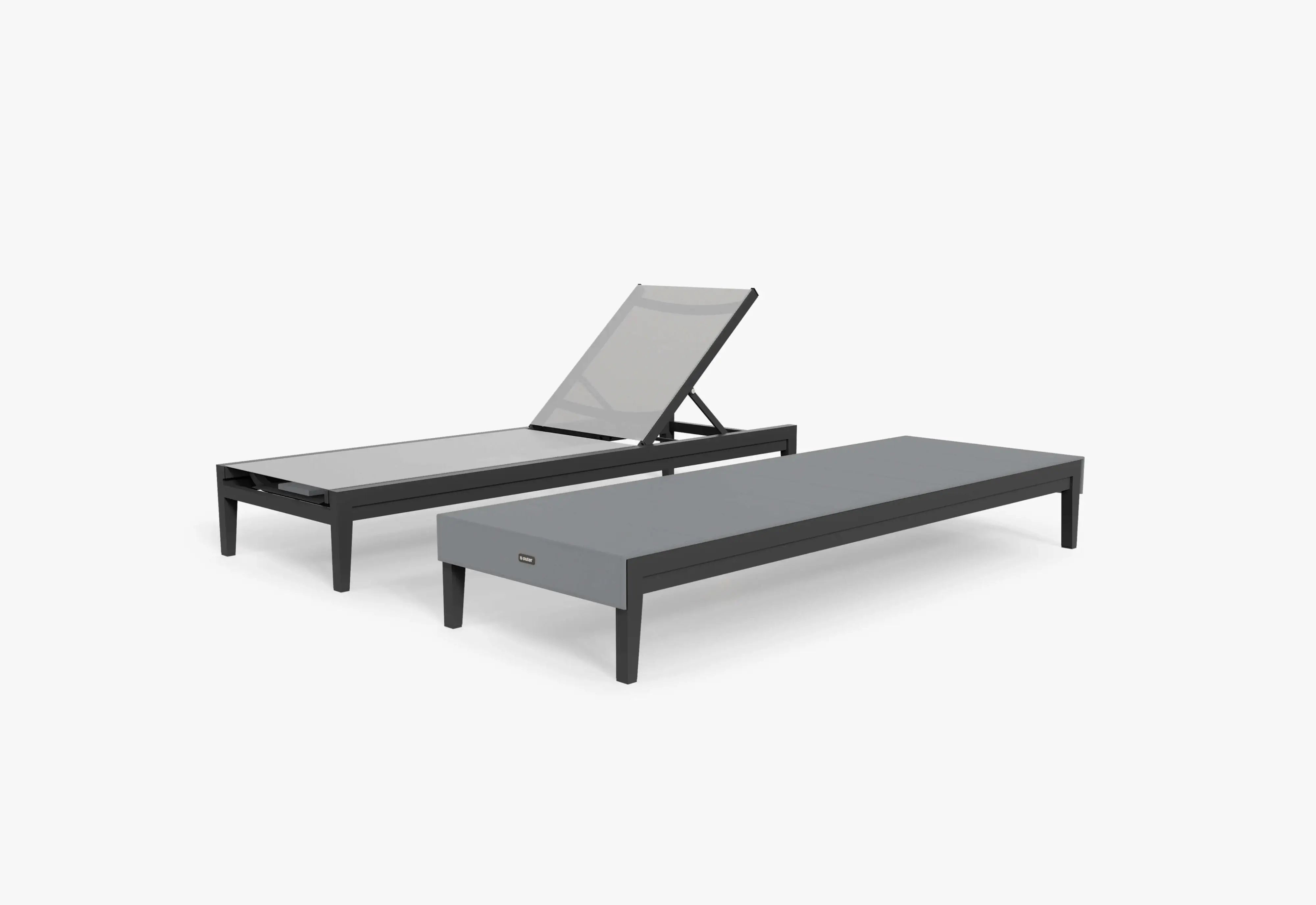
- Aluminum.Compare finish colors, frame profiles, and the weight of the actual product. For frequent relocation, ask how to protect the finish during packing and transport. Explore Outer aluminum seating.
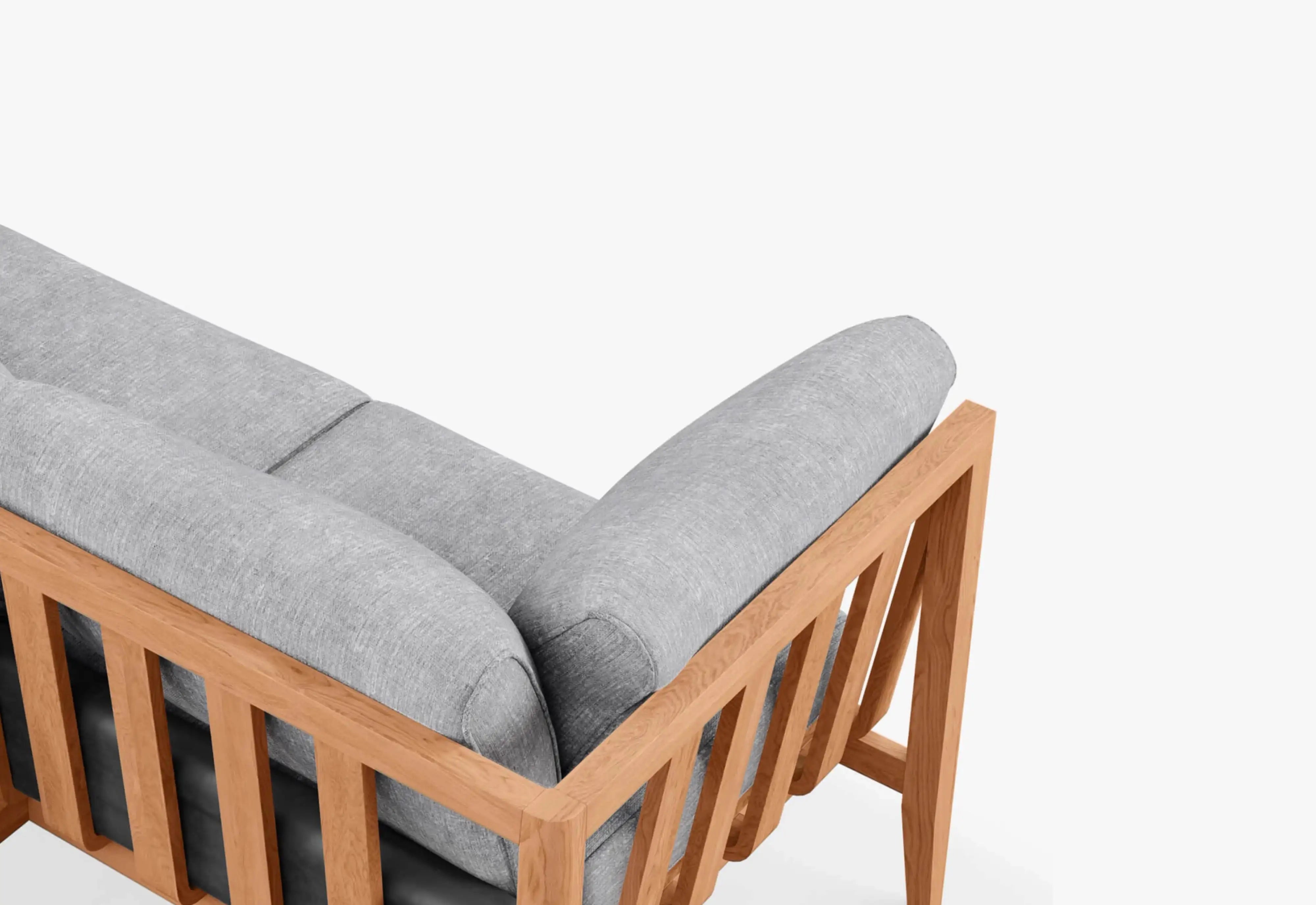
- Teak.Consider both the appearance you want to present and the wood's natural weathering. Keep records of the finish and condition so pieces used together remain visually considered. Explore Outer teak furniture.
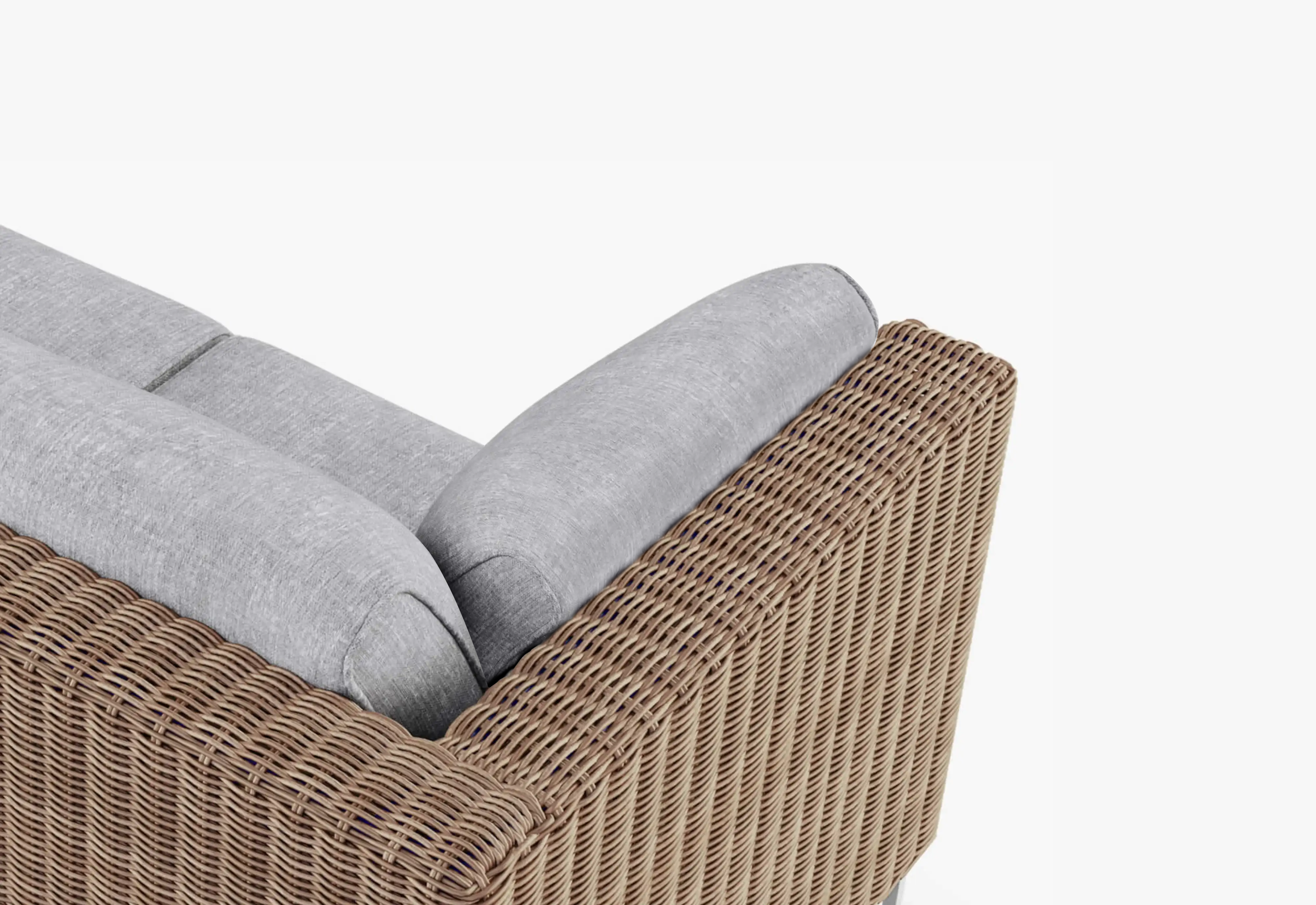
- Wicker.Look at the weave, frame construction, cushion proportions, and cleaning access. Include protection for woven surfaces in the handling plan. Explore Outer handwoven wicker furniture.
Use the care instructions for the selected product when planning cleaning and storage. Confirm requirements for the frame, cushion fabric, and protective covers separately.
Between Properties
Make collection and storage part of the plan.
Measure the space needed to store the inventory as well as the space it will occupy at a listing. Allow access to retrieve items, keep matching components together, and follow the supplier's guidance for stacking or disassembly.
Assign item IDs to frames, cushions, covers, and hardware kits. A simple record should show the current location, reservation dates, condition, and any maintenance required before the next installation.
Before dispatch
Check the reservation and access notes. Count the pieces, cushions, and hardware, and pack them for the planned handling method.
At installation
Inspect condition, assemble as instructed, and check the layout. Save a photo and the final item list with the project record.
After collection
Inspect and clean the furniture. Allow components to dry as directed, resolve missing parts, and update its readiness for the next job.
Agree who will care for furniture while a property is listed, including after rain and between showings. Choose protective covers for the exact configuration, and make their use part of the handover.
For the seller-facing preparation steps, use our guide to outdoor staging before selling a home.
Prepare the Purchase
Send a project brief with the furniture list.
Tell the supplier whether the furniture will be owned by your staging business, supplied to a client, or moved between multiple listings. Include the selected items, expected environment, receiving address, access conditions, and first photography deadline.
The Outer Trade Program provides an application route for professional projects, with member benefits including account support and complimentary swatches. Ask the team about eligibility and the terms for your specific staging operation.
- Confirm the exact items, quantities, finishes, fabrics, and package contents in the quote.
- Request the applicable dimensions, weights, handling instructions, and care documents.
- Explain the intended staging use and confirm the applicable purchasing and warranty terms.
- Confirm availability and delivery estimates against the first installation and photography dates.
- Check the receiving address, access requirements, delivery scope, and whether items may arrive separately.
- Ask about current replacement components, covers, swatches, and the contact for product questions.
- Include transport between properties, cleaning, storage, protection, and maintenance in your operating plan.
Separate first delivery from later moves.
Outer lists placement, unpacking, packaging removal, and required assembly as part of scheduled freight service. Mixed orders may arrive separately. Review the current shipping and delivery details, and confirm the service arranged for your order. Plan later collections and transfers between properties with the team responsible for those moves.
Compare the complete cost.
Put acquisition and initial delivery alongside the transport, cleaning, storage, protection, and maintenance you expect over a defined period. Compare candidates over the same period and planned number of placements, with those assumptions recorded.
Then track actual use. A well-documented purchase history can show which pieces are regularly placed, which create extra handling work, and where your next inventory gap really is.
Common Questions
Buying outdoor furniture for home staging.
What outdoor furniture should a home stager buy first?
Start with the layouts your current projects require. A pair of chairs and a table may fill a recurring gap, while a complete lounge or dining arrangement may suit a different project mix. Check your existing inventory and reservations before deciding quantities.
Is modular outdoor furniture useful for staging?
It can provide options when the supported configurations suit your properties. Confirm connectors, cushion requirements, overall dimensions, and which pieces can be used independently. Keep the component list for each arrangement with the inventory record.
Which material is best for staging furniture?
Choose at the product level. Compare the appearance, dimensions, weight, care instructions, and handling requirements of the actual candidates. The right material should suit both the property and the way your team maintains and moves the furniture.
Can the same outdoor furniture be reused across listings?
Plan reuse around suitable layouts, confirmed terms for the intended use, transport, condition, and care. Maintain a reservation calendar so pieces committed to one active listing are not counted as available for another.
Does trade membership automatically confirm warranty coverage for staging?
Confirm the terms for your intended use directly with the Trade team. Outer's published limited warranty describes residential, non-commercial use. Explain whether the pieces will be moved between listings and request the applicable terms in writing.
What should I send with a trade inquiry?
Include your business and contact details, intended use, selected items and quantities, finish and fabric preferences, delivery location, access notes, and first installation or photography deadline. Ask which additional information the team needs to prepare an accurate quote.