

Sustainability in Every Detail: Mixed-Material Seating Design Ideas for the Modern Patio

Sustainable outdoor design is rarely about one single material or feature. Instead, it’s built through thoughtful combinations—materials chosen not just for how they look, but for how they perform together over time. Mixed-material seating reflects this mindset perfectly. By pairing structure with softness and durability with warmth, a patio can feel intentional, comfortable, and resilient without relying on constant replacement.
When every material has a role, sustainability shows up in subtle ways: furniture lasts longer, spaces adapt more easily, and the patio continues to feel relevant season after season. Mixed-material seating allows each surface to do what it does best, creating comfort that’s as practical as it is enduring.
Why Mixed Materials Support Long-Term Sustainability
Designing sustainably often means avoiding extremes. Single-material patios can feel heavy, overly delicate, or visually dated over time. Mixing materials introduces balance.
- Structural materials handle weather, weight, and daily use.
- Natural textures soften the space and reduce visual fatigue.
- Performance layers protect comfort where it matters most.
Because no one surface is asked to do everything, wear is distributed more evenly. This reduces stress on individual components and extends the life of the overall seating system.
Aluminum as the Sustainable Backbone
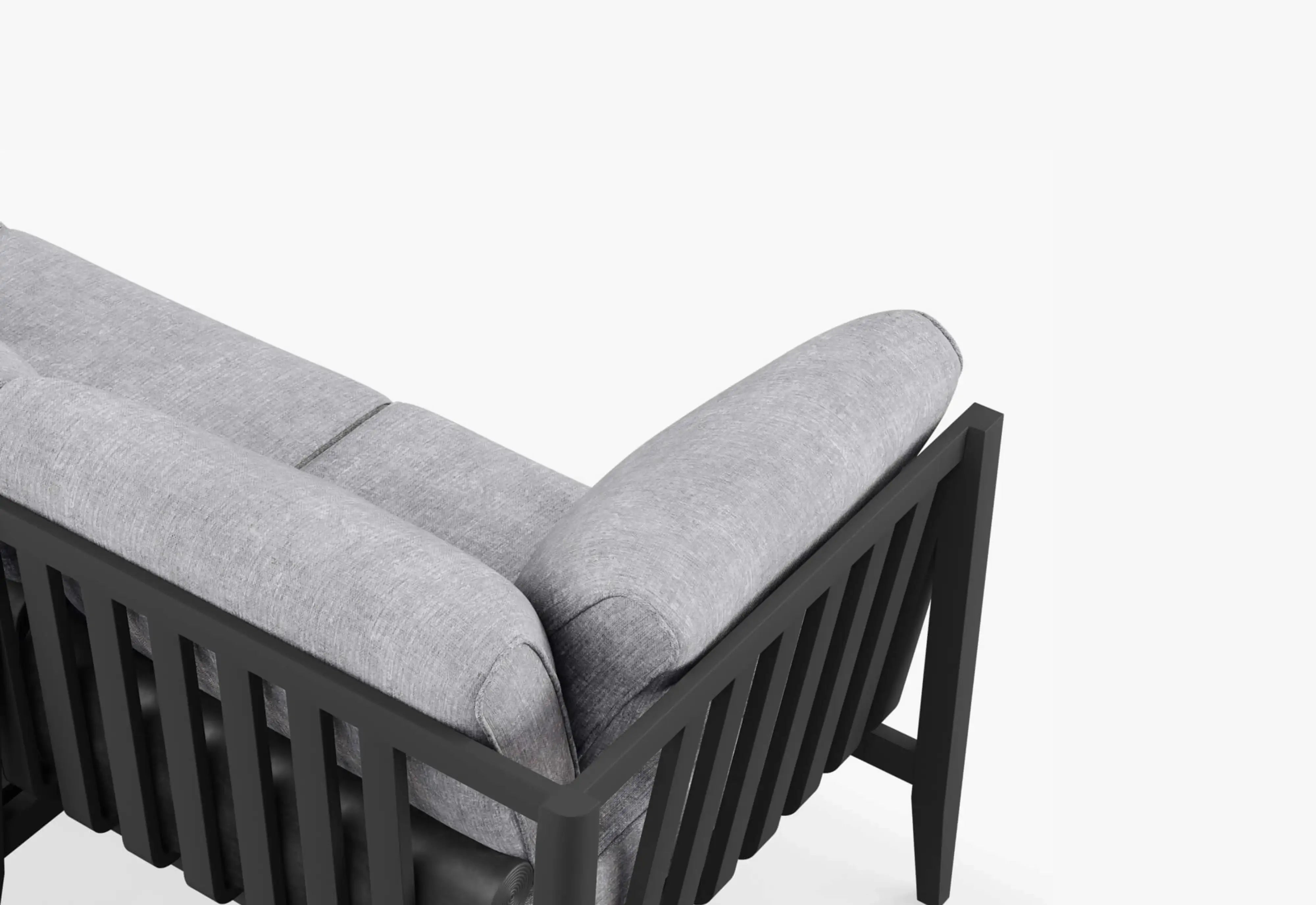
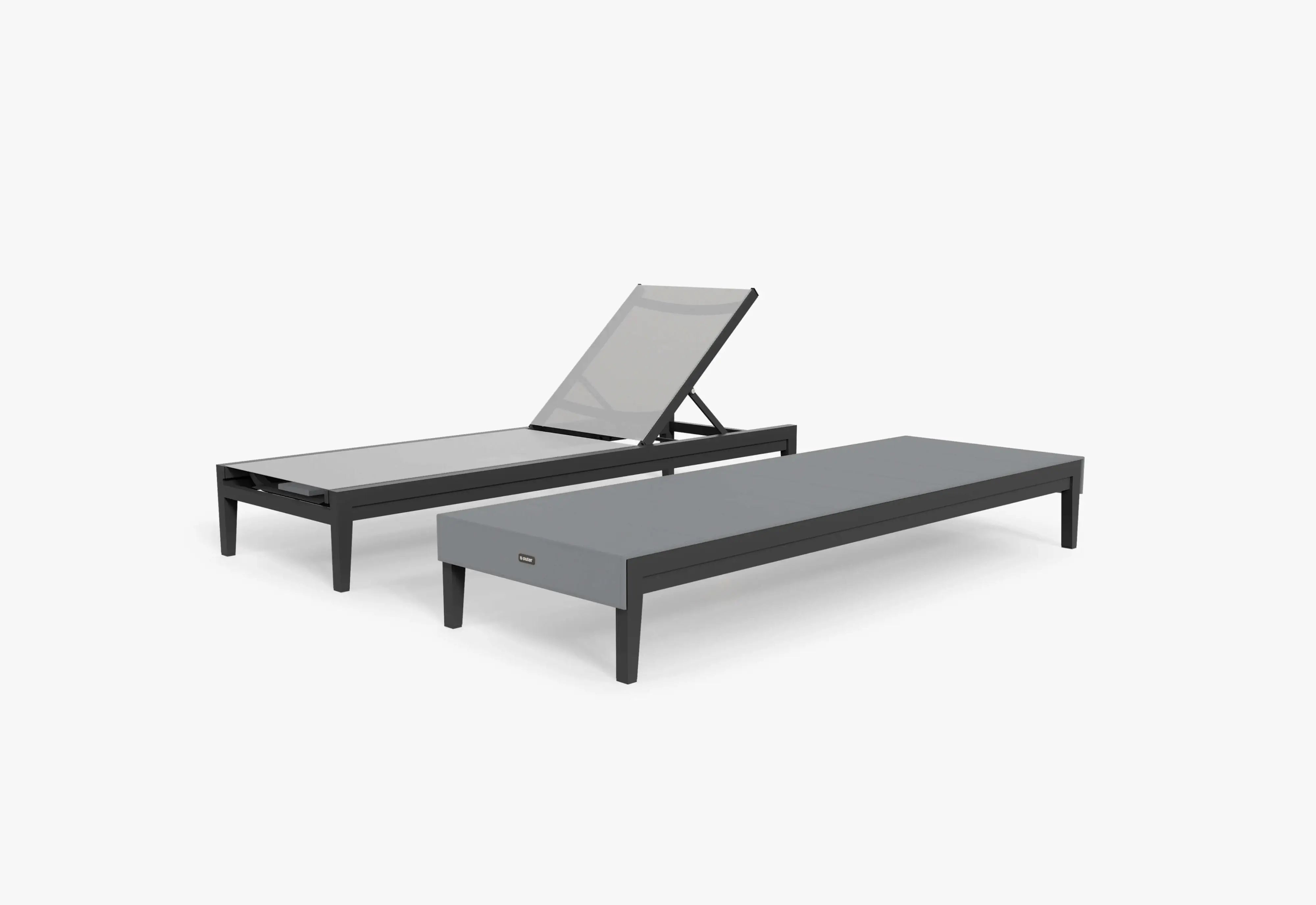
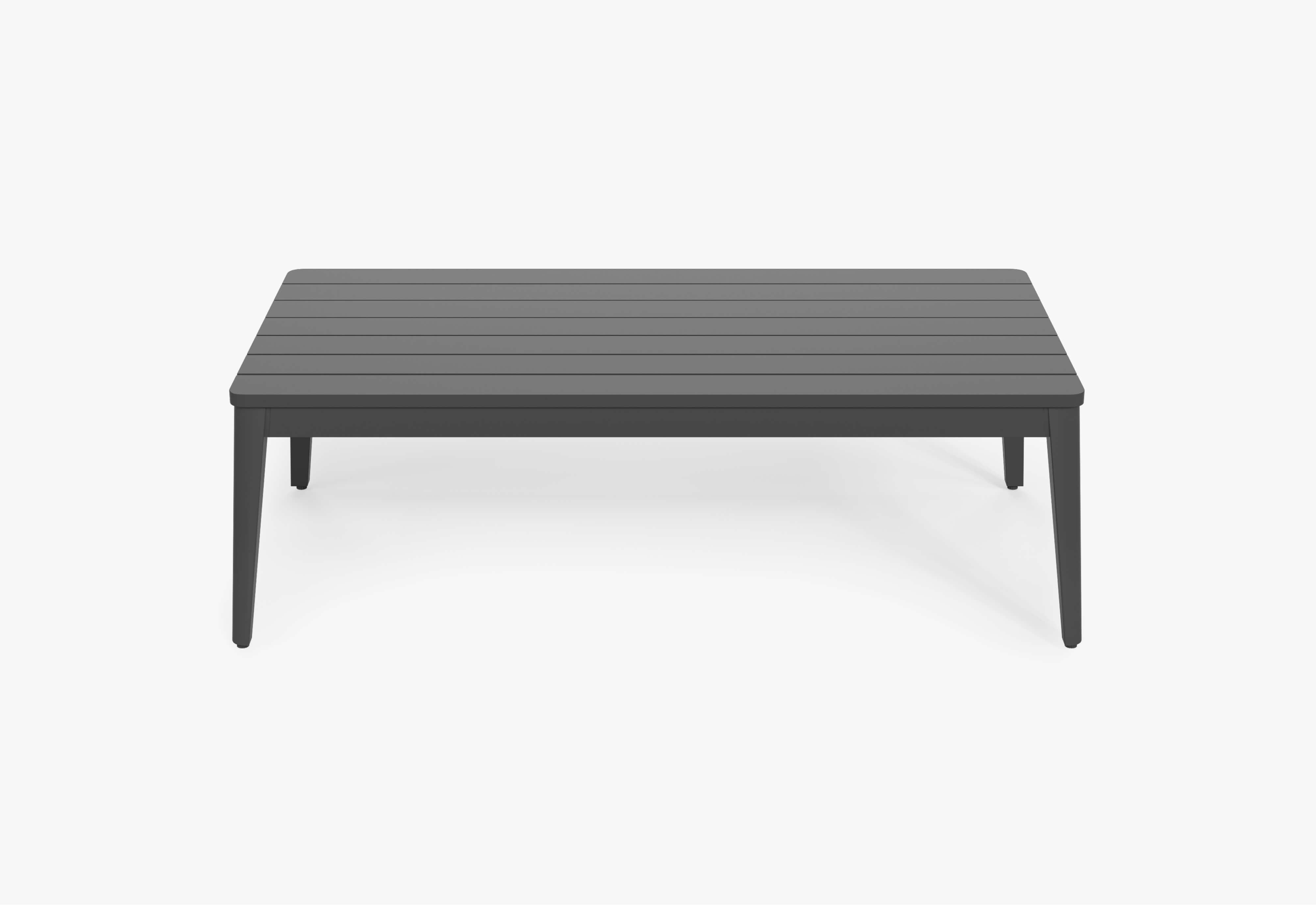
Lightweight aluminum often serves as the structural foundation in mixed-material seating. Its durability, corrosion resistance, and recyclability make it a natural choice for long-term outdoor use.
Aluminum frames stay stable through temperature shifts and moisture, reducing the likelihood of warping or rust-related replacement. When paired with other materials instead of standing alone, aluminum provides strength without dominating the visual story.
This kind of balanced construction supports sustainability by lowering material waste and reducing the need for frequent repairs or upgrades.
Natural Materials Add Warmth Without Compromise
Sustainability also includes how a space feels to live with over time. Natural textures bring warmth that keeps a patio inviting rather than purely utilitarian.
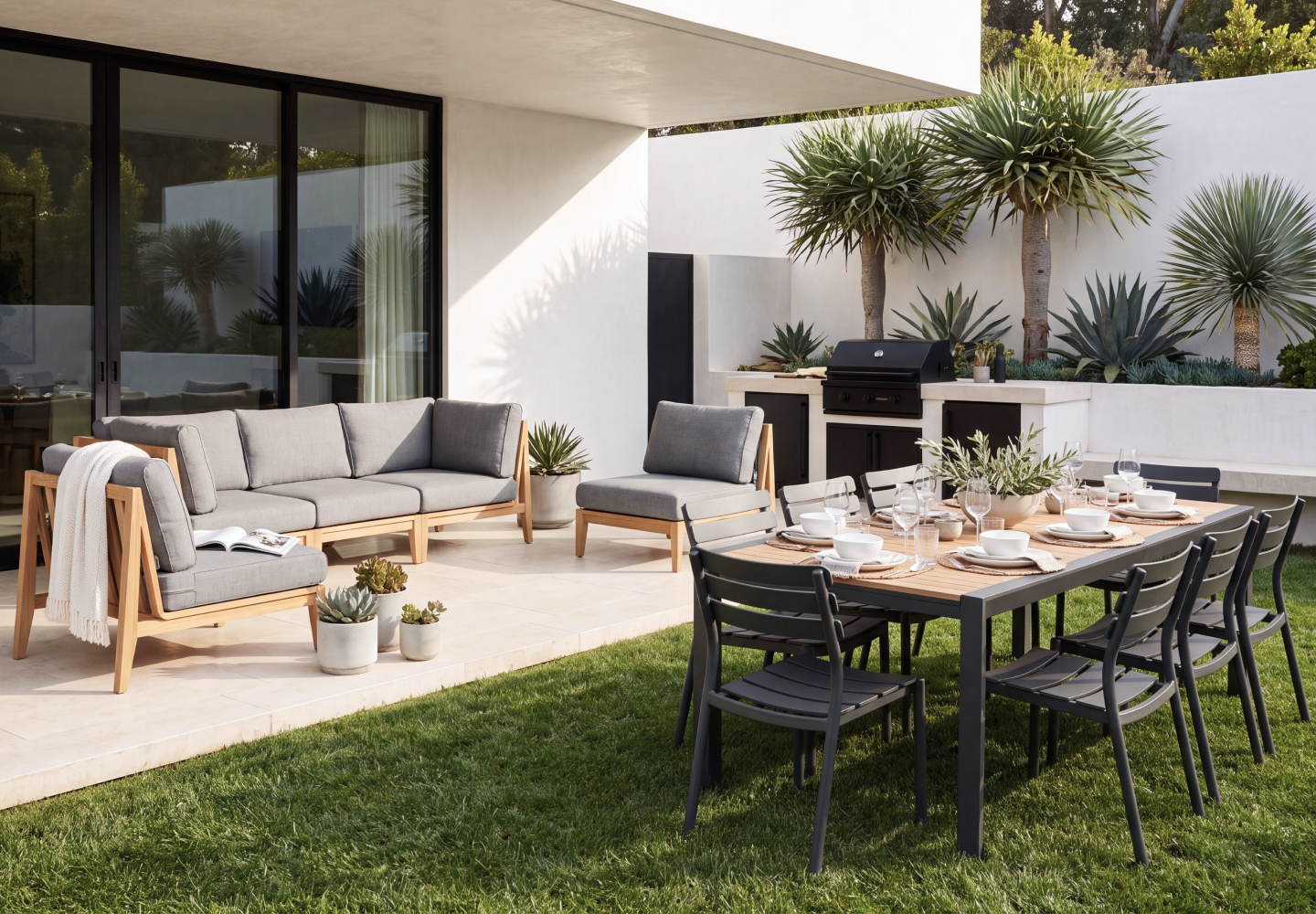
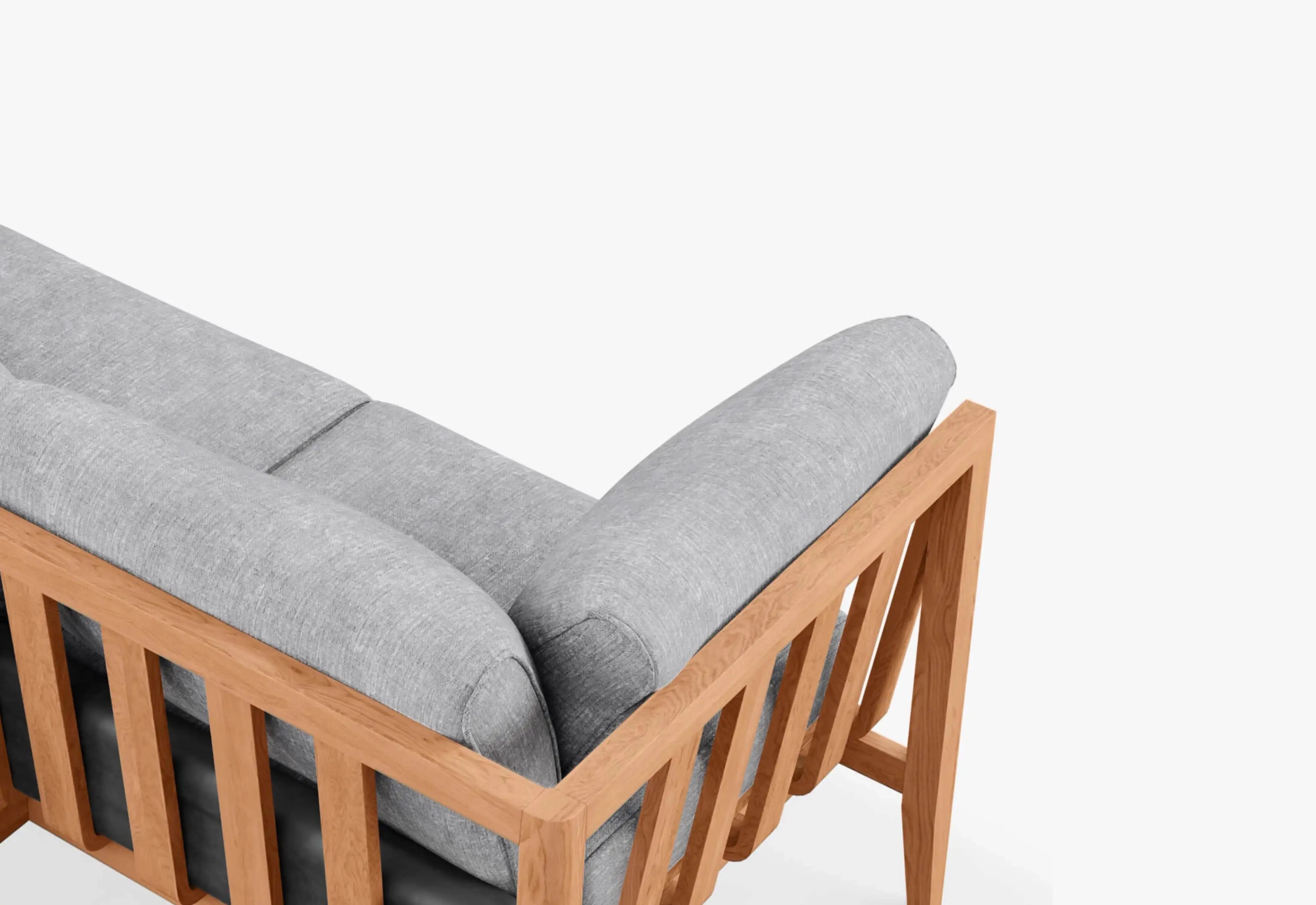
Wood-forward seating from the Teak Outdoor Sofa collection introduces organic variation that ages gracefully outdoors. Teak’s natural resilience allows it to complement stronger structural elements without becoming a maintenance burden.
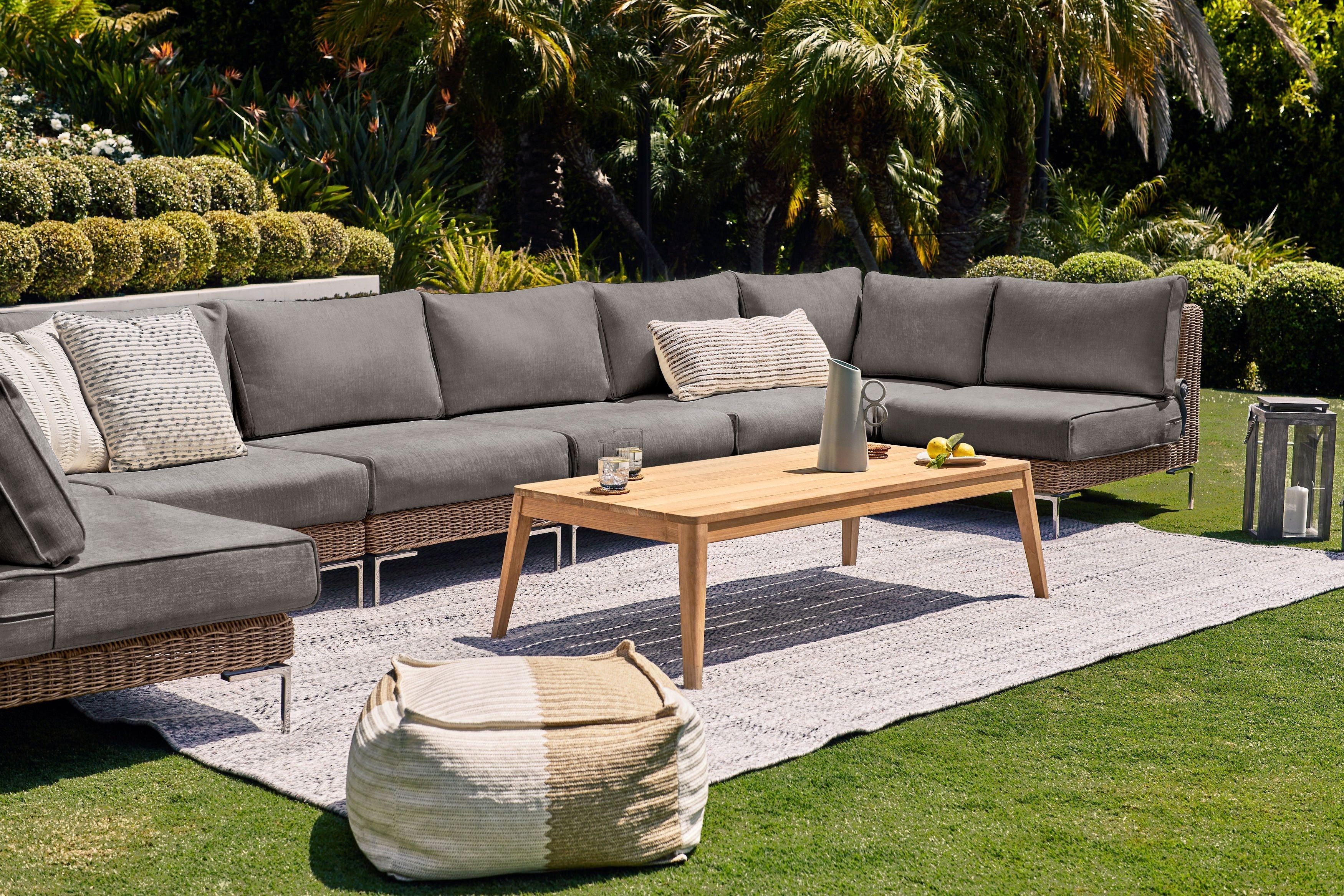
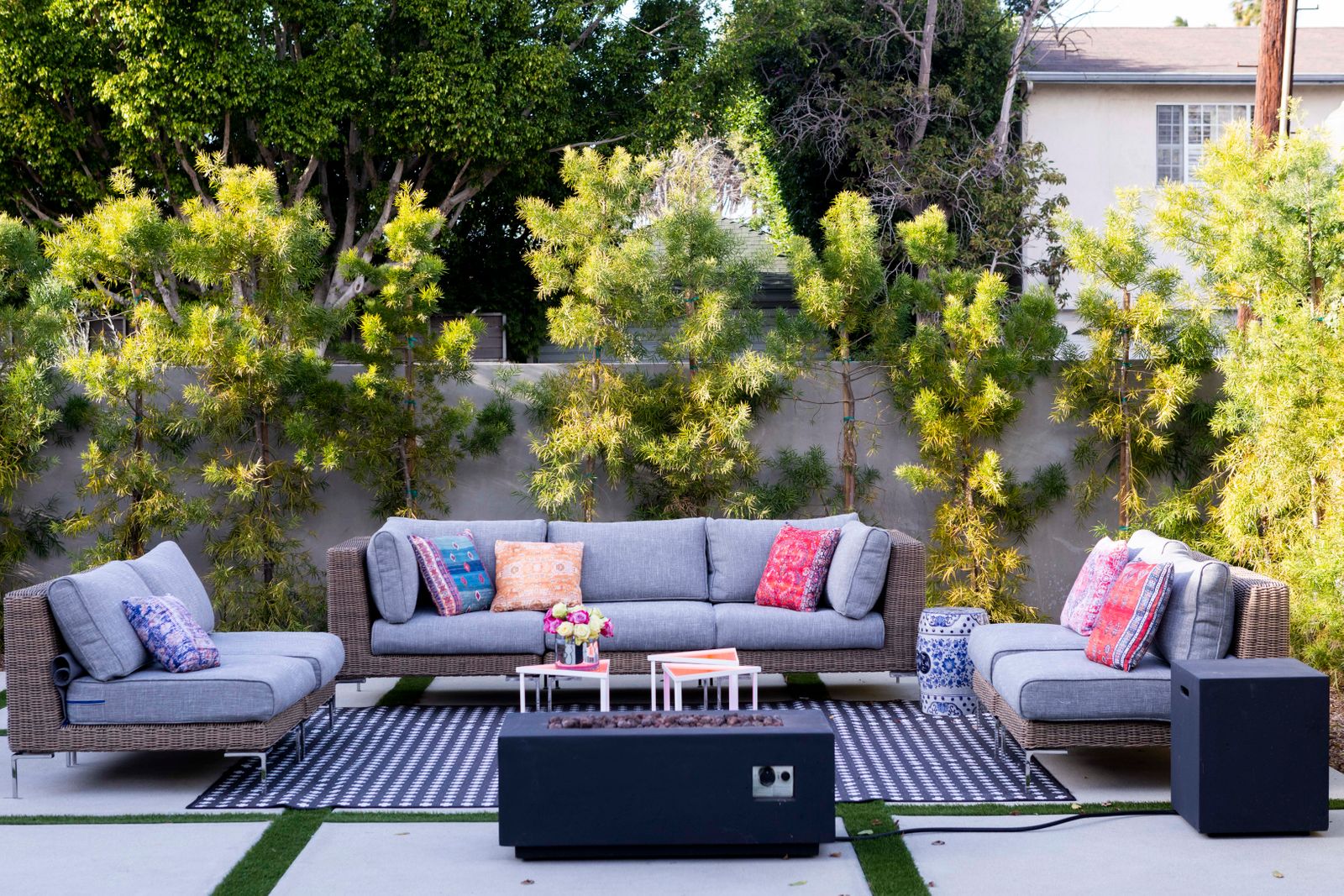
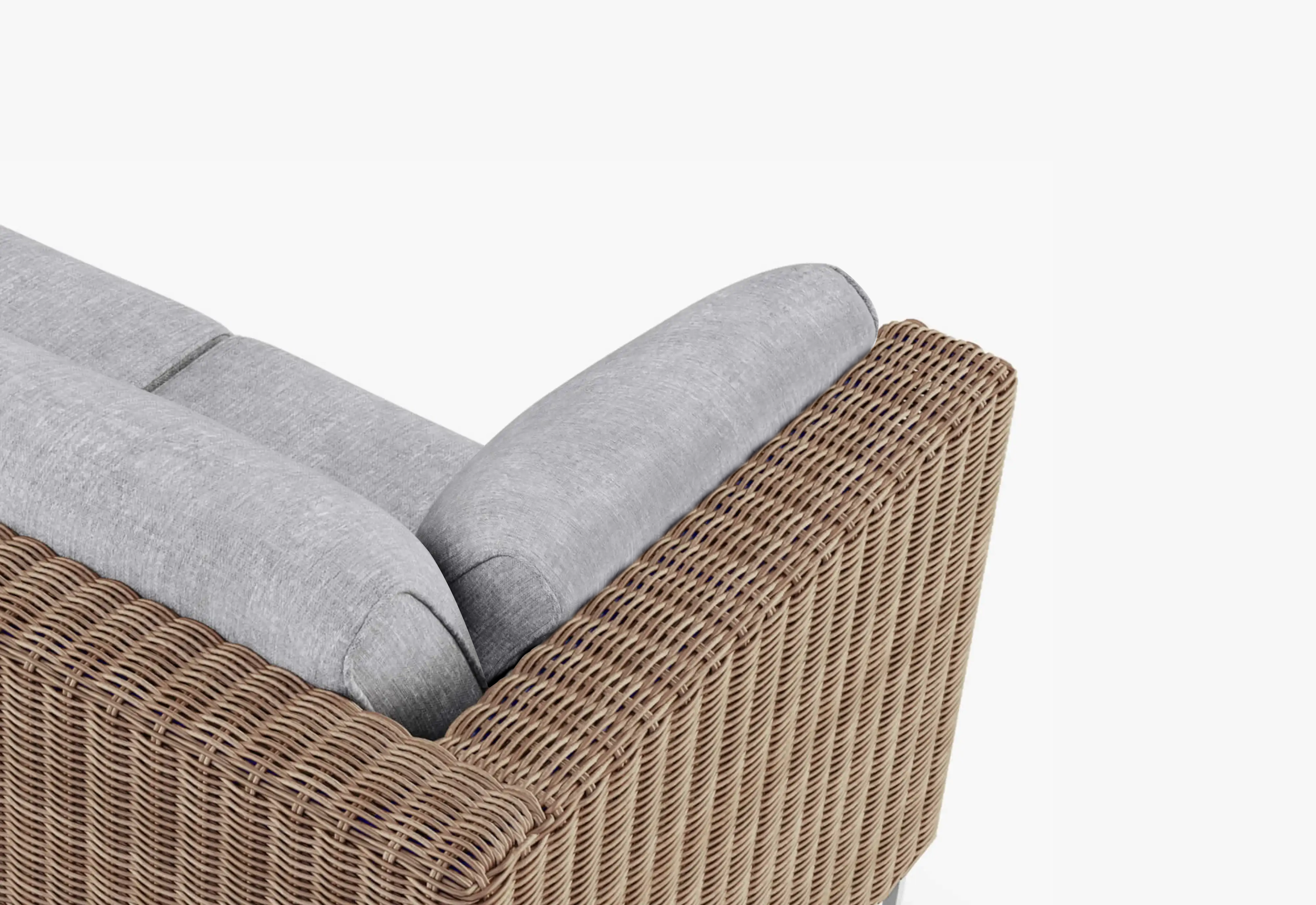
Woven textures, such as those found in the Wicker Outdoor Sofa collection, add visual softness while remaining well-suited to outdoor conditions. Their texture helps break up large seating forms, keeping the space visually light and comfortable.
Unifying Comfort Across Different Materials
Mixed materials feel most sustainable when comfort is consistent across the seating area. Guests shouldn’t gravitate toward one chair simply because it feels better than the rest.
That’s where thoughtfully engineered comfort layers matter. Cushion systems powered by OuterCloud® provide consistent support regardless of frame or surface beneath. Performance textiles like OuterWeave® help maintain a calm, cohesive look even as light and weather change.
When comfort is uniform, mixed-material seating feels intentional rather than pieced together.
Designing for Flexibility, Not Replacement
One of the most sustainable choices is designing a patio that can evolve without being replaced. Mixed materials make this easier.
- Frames remain constant while cushions or textiles refresh the look.
- Accent pieces can change without disrupting the overall structure.
- New seating can be introduced gradually without clashing.
This adaptability allows the patio to respond to lifestyle changes—growing families, new routines, different hosting styles—without starting from scratch.
Connecting Seating Zones Across the Patio
Sustainability improves when a patio functions as a whole rather than a collection of disconnected zones. Mixed materials help bridge dining, lounging, and fireside areas.
Dining spaces anchored by the Dining Tables & Sets collection can echo material cues found in the lounge area—whether that’s a shared wood tone, a woven texture, or a clean structural line. This repetition creates visual continuity and reduces the need for overly matched sets.
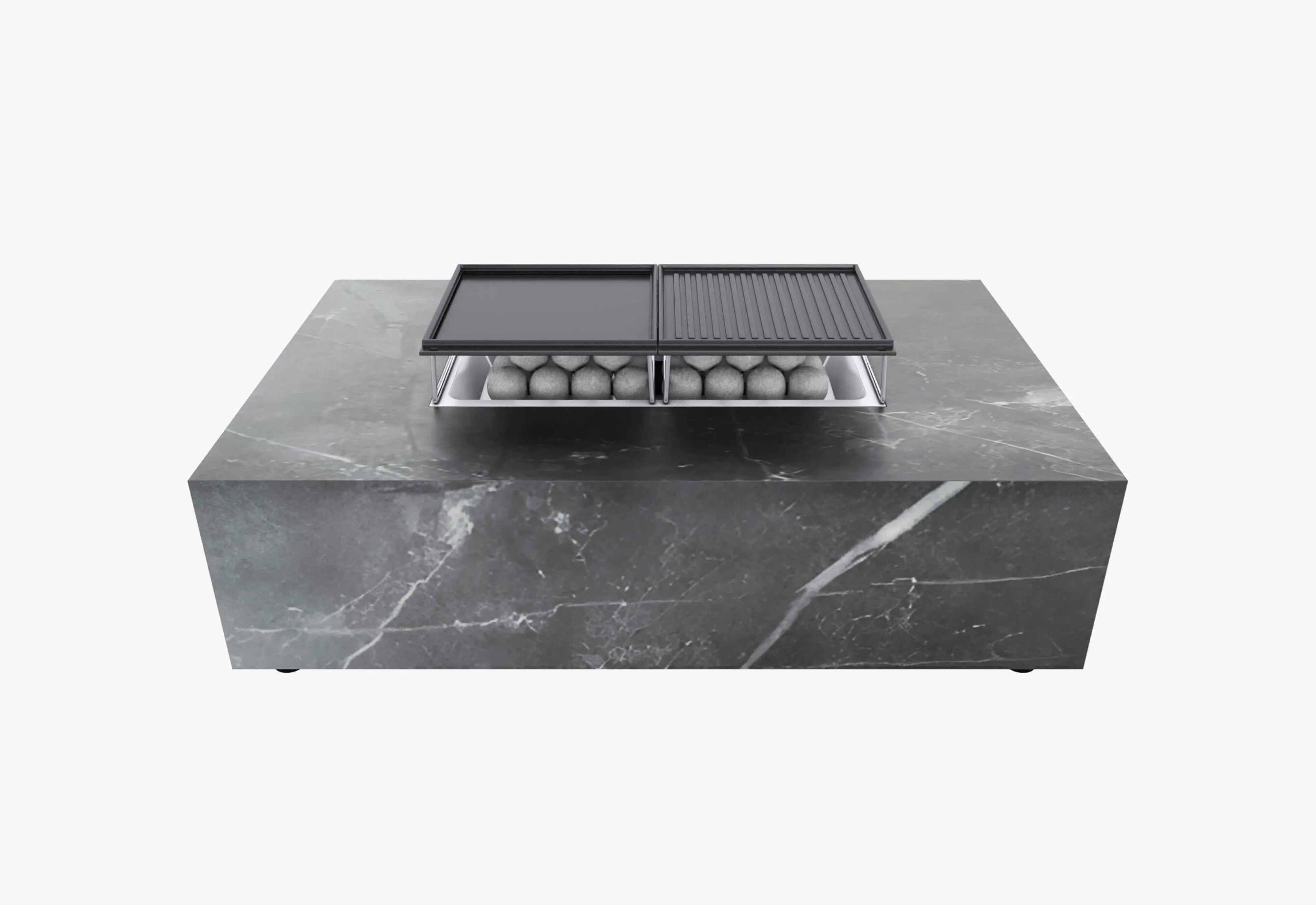
At night, fire features from the Fire Pits collection naturally unify materials. Firelight softens contrast and helps different surfaces read as part of one cohesive environment.
Protecting Materials So They Age Together
Longevity depends not only on material choice but also on care. Mixed-material patios benefit from simple routines that protect each surface consistently.
Built-in solutions like OuterShell® help keep cushions dry and ready between uses, while breathable options from the Covers collection protect key pieces during extended weather. When materials are protected evenly, they age at a similar pace, keeping the mix balanced and intentional.
Sustainability That Feels Natural, Not Forced
The most successful sustainable patios don’t advertise their intent—they simply work well over time. Mixed-material seating supports this quiet sustainability by reducing waste, extending lifespan, and allowing spaces to adapt gracefully.
By giving each material a purpose and supporting it with durable construction and thoughtful care, a modern patio can remain comfortable, beautiful, and relevant for years to come. Sustainability, in this sense, lives in the details—and in the decisions that help outdoor spaces endure.