

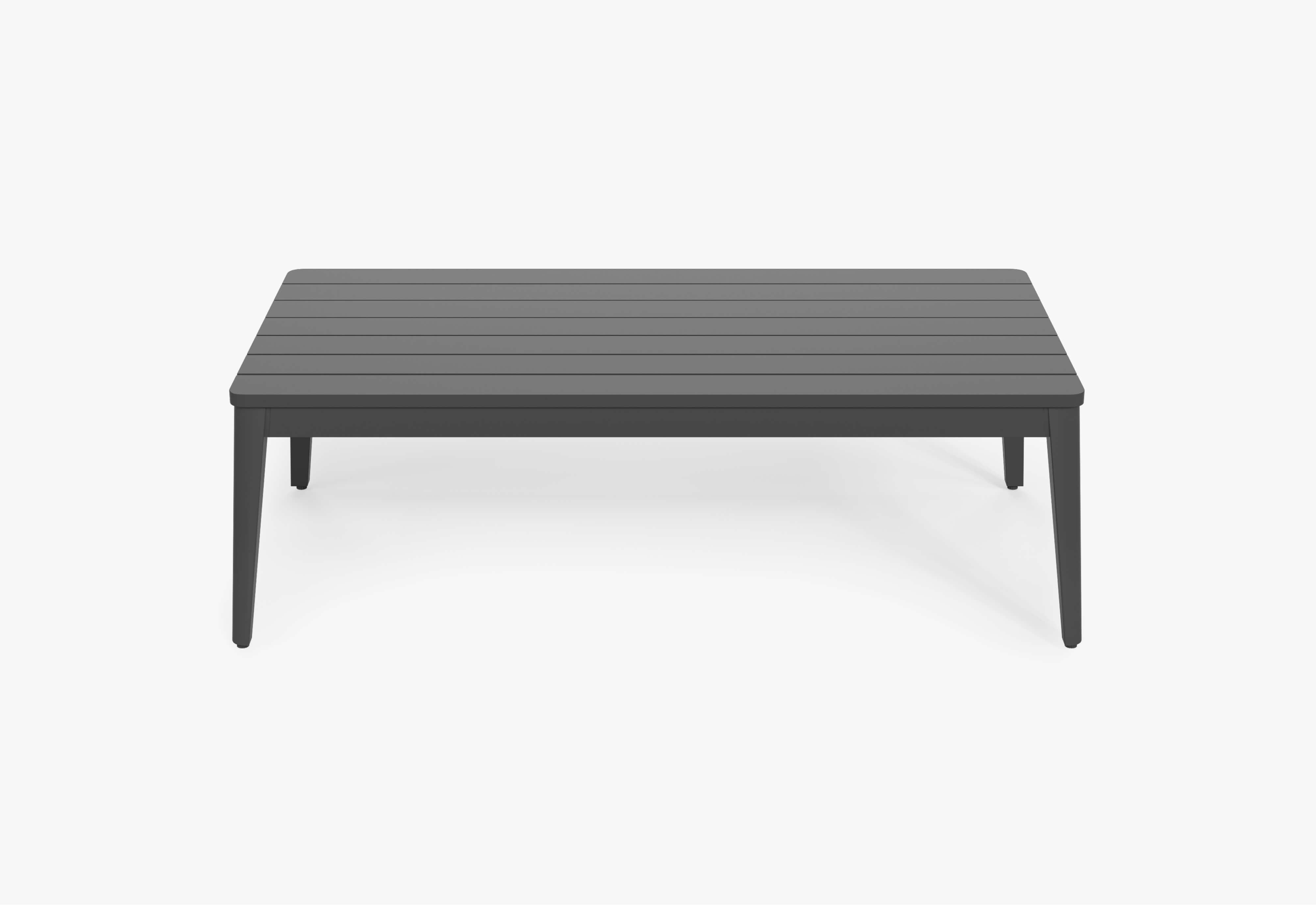
Sustainability in Every Detail: Teak U Sectional 7 Seat Layout for the Modern Patio

Sustainable outdoor design is rarely defined by a single material choice. It is shaped by how layouts function over time, how often they need to change, and how well they adapt to daily life without forcing replacement.
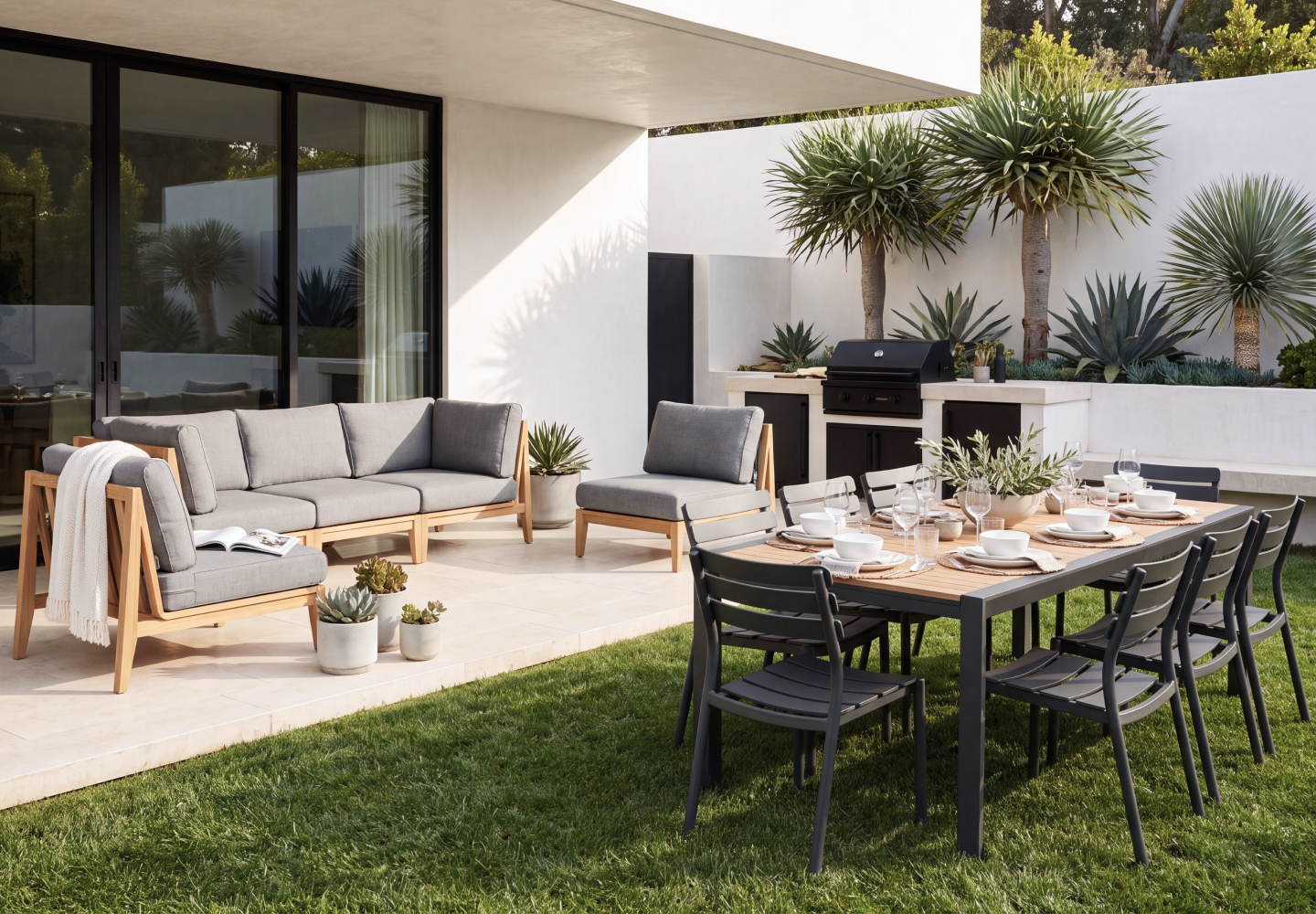
A teak U sectional with seven seats demonstrates how sustainability can be embedded in layout decisions—through proportion, adaptability, and long-term usability.
Why Layout Plays a Role in Sustainability
Most waste comes from reconfiguration.
Furniture is often replaced not because it fails structurally, but because the layout no longer works. Sustainable patios prioritize arrangements that remain functional as needs evolve.
Layouts that continue to work reduce material turnover.
The U Shape Creates Built-In Longevity
U-shaped seating is inherently adaptable.
By defining a clear central zone while leaving outer edges open, the layout accommodates changing group sizes without requiring additional pieces. This adaptability reduces the pressure to add or replace furniture.
Flexibility supports long-term use.
Why Seven Seats Is a Sustainable Threshold
Oversizing increases waste.
Seven seats provide sufficient capacity for gatherings while maintaining circulation space. Larger configurations often lead to unused seats or awkward spacing, which accelerates layout fatigue.
Right-sizing is a sustainability strategy.
Teak as a Long-Life Structural Choice
Structure determines lifespan.
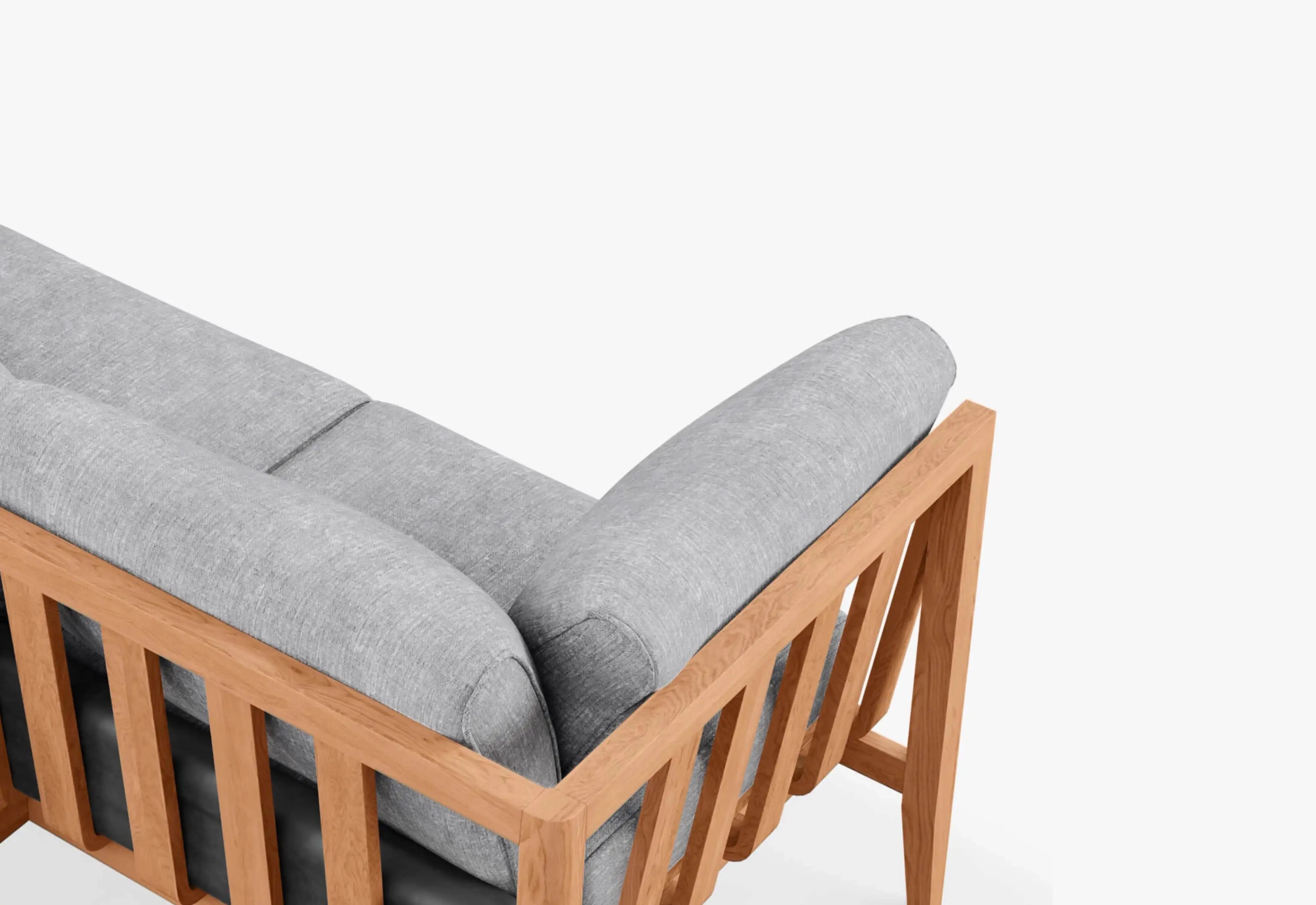
Teak’s durability allows sectional components to remain in service for years without compromising stability. This reduces the likelihood of early frame replacement or piecemeal disposal.
Longevity reduces resource consumption.
Corner Pieces Reduce Redundant Seating
Efficient use of space matters.
Corner seats in a U layout serve multiple roles—lounging, conversation, and overflow seating—eliminating the need for additional chairs that are rarely used.
Multi-use components reduce excess.
Modular Consistency Prevents Partial Replacement
Inconsistent seating leads to waste.
Using coordinated components from the Teak Outdoor Sofa collection ensures consistent dimensions and performance across all seats, reducing the need to replace individual pieces that feel mismatched.
Consistency extends system life.
Cushion Systems Designed to Stay in Use
Cushion failure drives replacement.
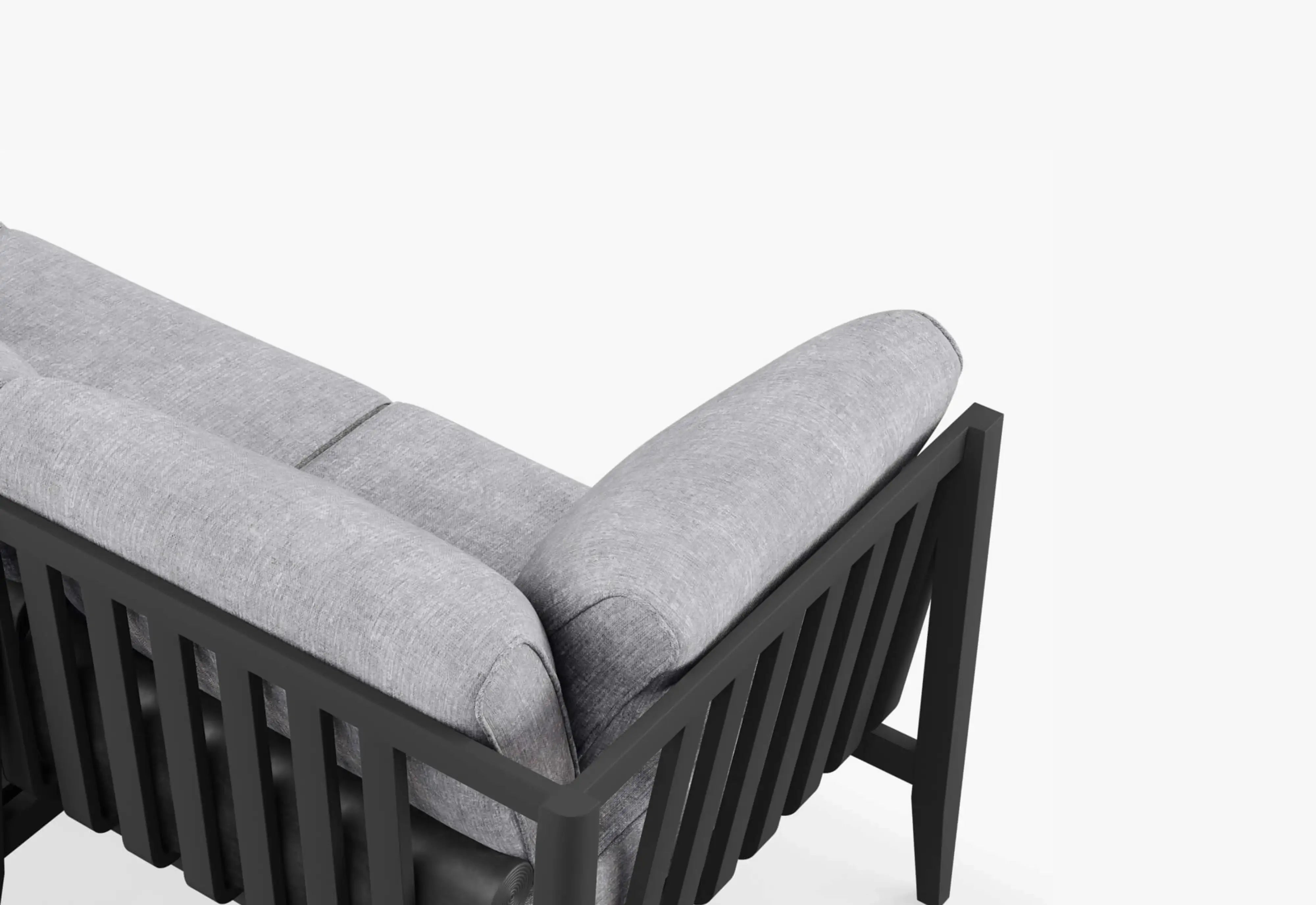
Supportive systems like OuterCloud® help maintain comfort and shape over time, reducing waste caused by collapsed or unusable cushions.
Comfort longevity supports sustainability.
Materials That Absorb Wear, Not Attention
Visual fatigue leads to replacement.
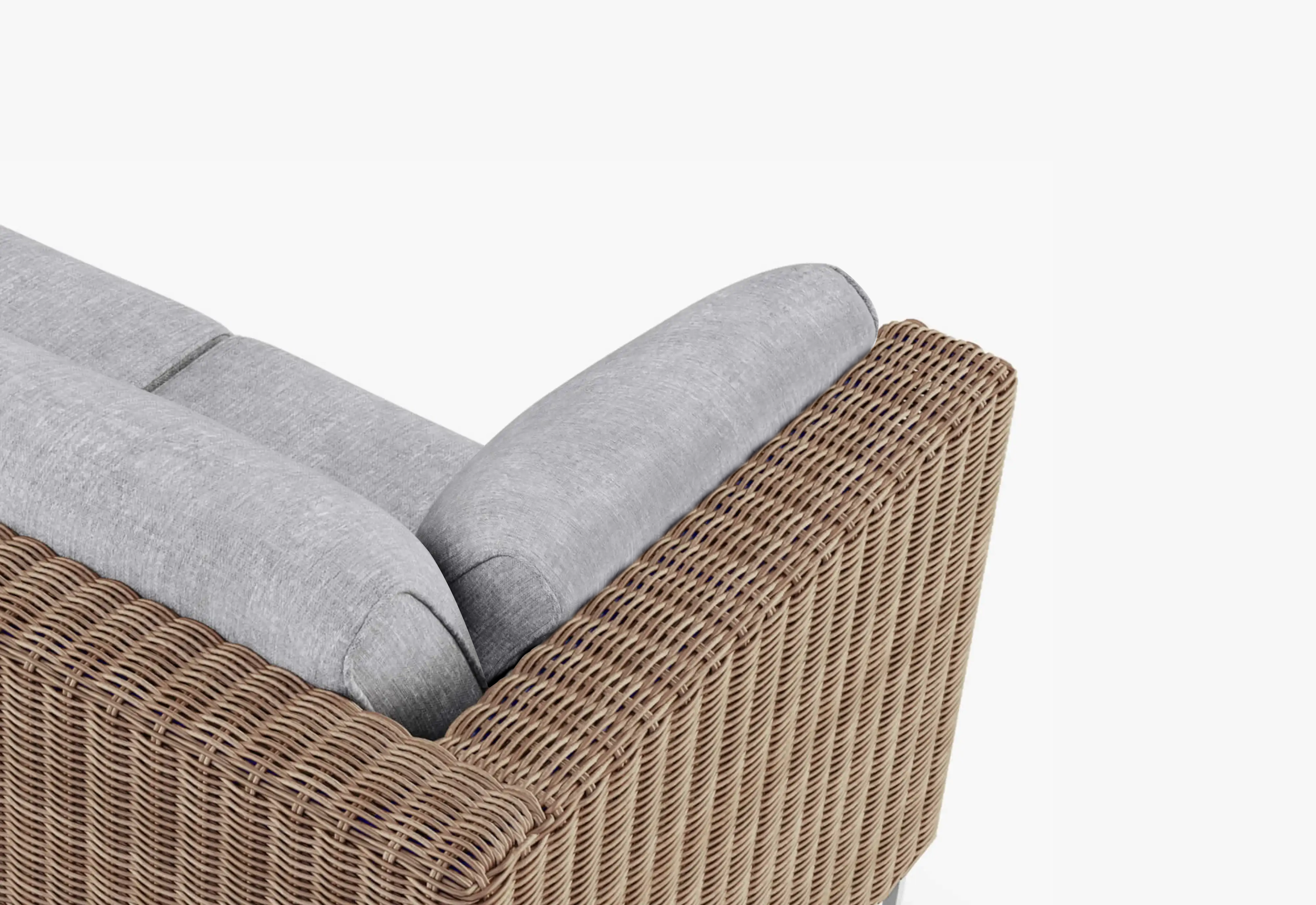
Textural systems such as OuterWeave® help soften the appearance of everyday wear, allowing furniture to remain visually cohesive instead of feeling worn out.
Quiet aging reduces unnecessary updates.
Protection Extends the Entire Layout’s Life
Exposure compounds material stress.
Breathable protection systems like OuterShell® and options from the Covers collection reduce UV and moisture exposure, helping the entire sectional remain in service longer.
Protection delays replacement cycles.
Why Fewer Adjustments Mean Less Waste
Constant rearranging accelerates wear.
A stable U sectional layout reduces the need for frequent movement or reconfiguration. Less friction means fewer stress points and longer-lasting materials.
Stability is a sustainable outcome.
Sustainability Is Built Into What Lasts
A teak U sectional 7-seat layout supports sustainability not through a single feature, but through many small, durable decisions.
When layout, material, and use remain aligned, the patio evolves without generating waste.
Sustainability in every detail is sustainability that stays in place.