

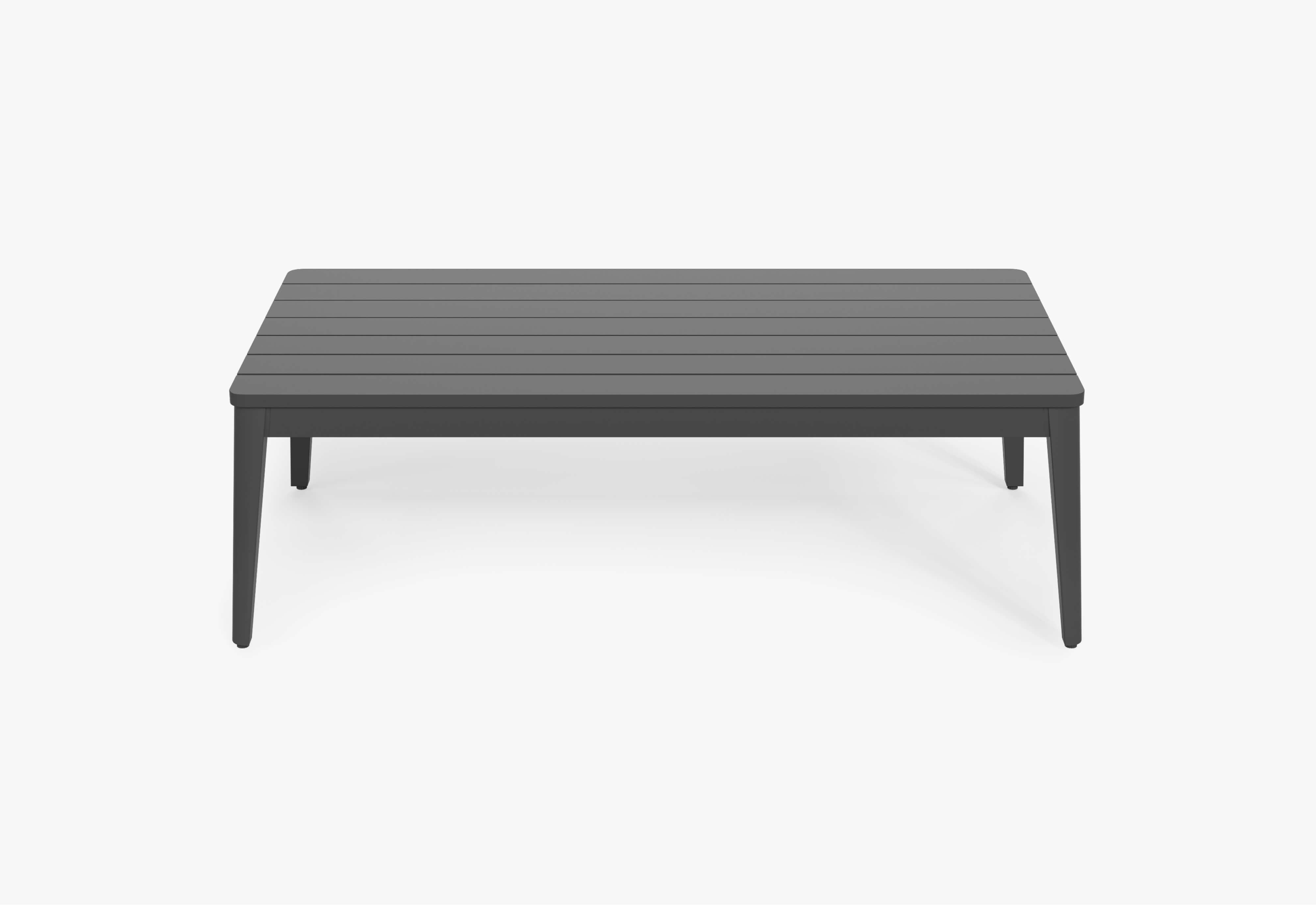
Engineered for Every Season: Patio Seating Zones for Conversation

Conversation-friendly patios don’t fail because of furniture—they fail because seasons change. A seating zone that feels perfect on a mild afternoon can fall apart under summer sun, evening chill, wind, or damp conditions. Engineering patio seating zones for conversation means designing spaces that remain inviting and usable across the full rhythm of the year.
When zones are engineered for every season, conversations don’t migrate indoors at the first shift in weather. They adapt, settle, and continue—without requiring constant rearrangement or effort.
Why Seasonal Change Disrupts Conversation Zones
Outdoor environments are dynamic. Light moves, temperatures drop, winds shift, and moisture lingers. Conversation zones that aren’t designed with these variables in mind slowly stop being used.
- Direct sun shortens daytime conversations.
- Evening cool-down breaks momentum after sunset.
- Wind exposure scatters voices and attention.
- Damp conditions make seating feel uninviting.
Engineering for every season means anticipating these pressures and designing zones that absorb them rather than react to them.
Layered Zones Extend Seasonal Use
A single seating area rarely performs well year-round. Layered seating zones—each tuned to slightly different conditions—allow conversation to shift naturally as the environment changes.
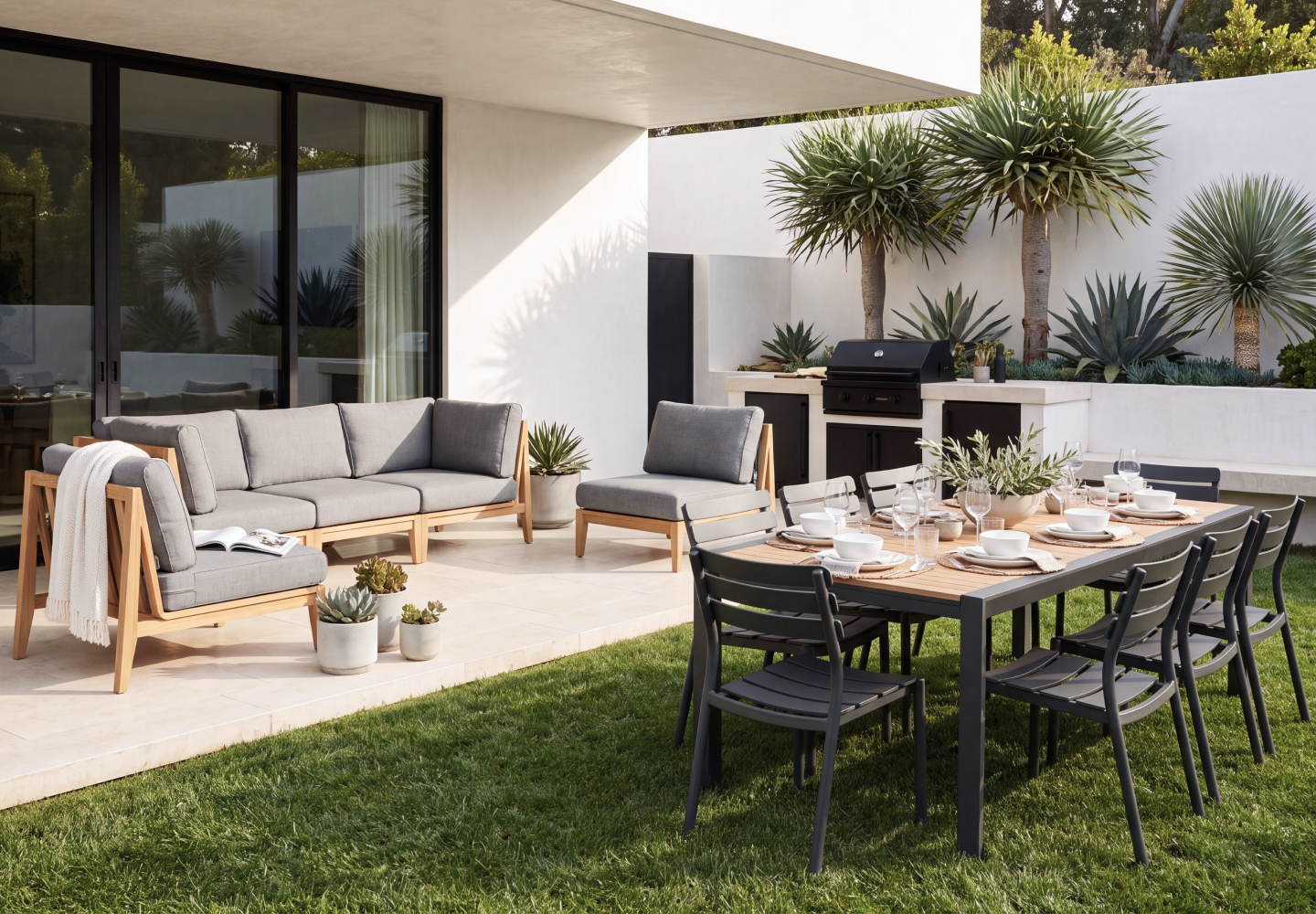
A sun-friendly zone works during cooler months. A shaded or covered zone becomes the default in summer. A wind-protected area takes over in transitional seasons.
When multiple zones exist, guests move organically instead of abandoning the patio altogether.
Orientation Is a Seasonal Tool
Seating orientation plays a critical role in seasonal comfort. Chairs that face low afternoon sun may feel pleasant in winter but overwhelming in summer.
Angling seating slightly—rather than locking it into rigid symmetry—creates flexibility. Conversations remain comfortable as light changes, without requiring constant furniture movement.
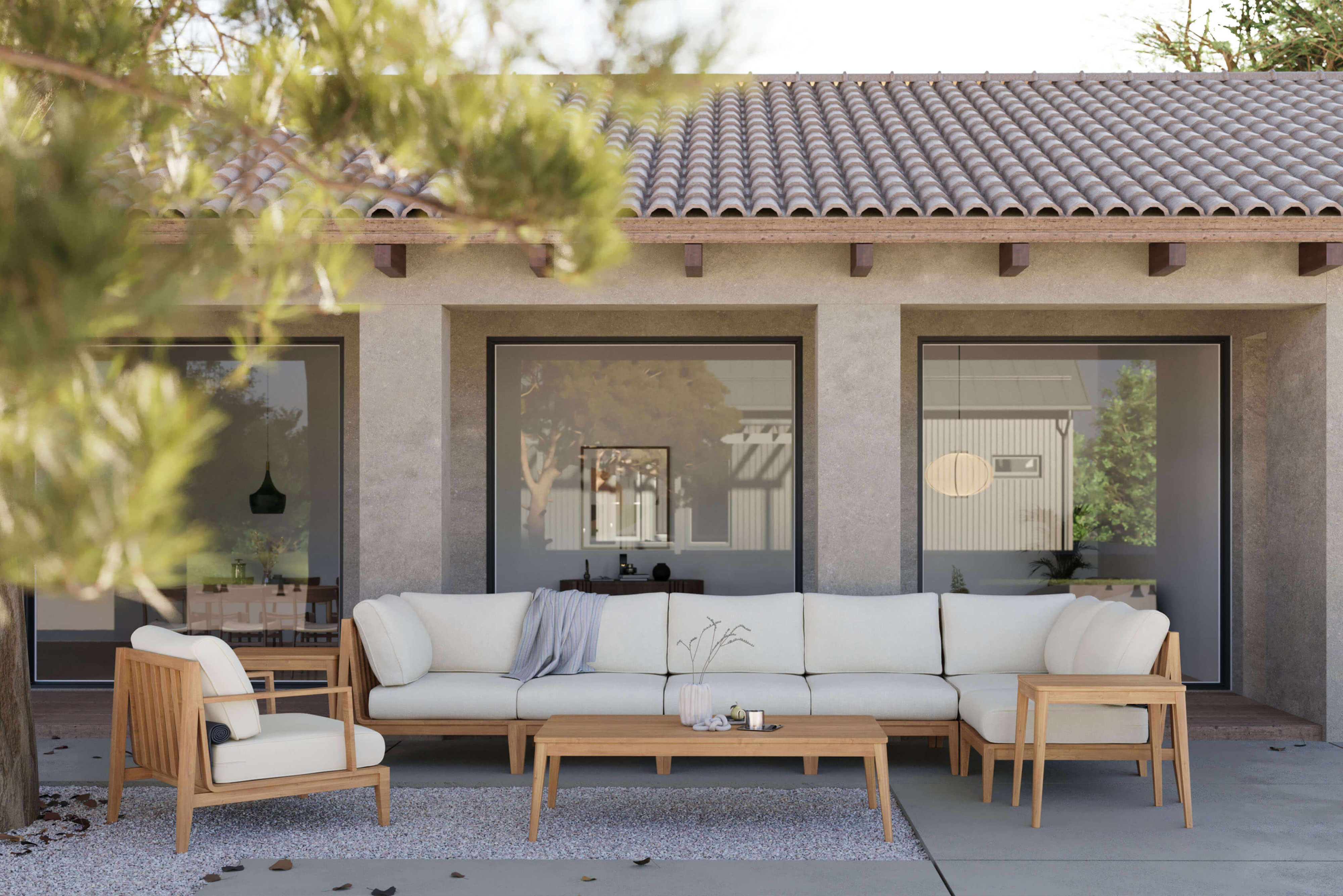
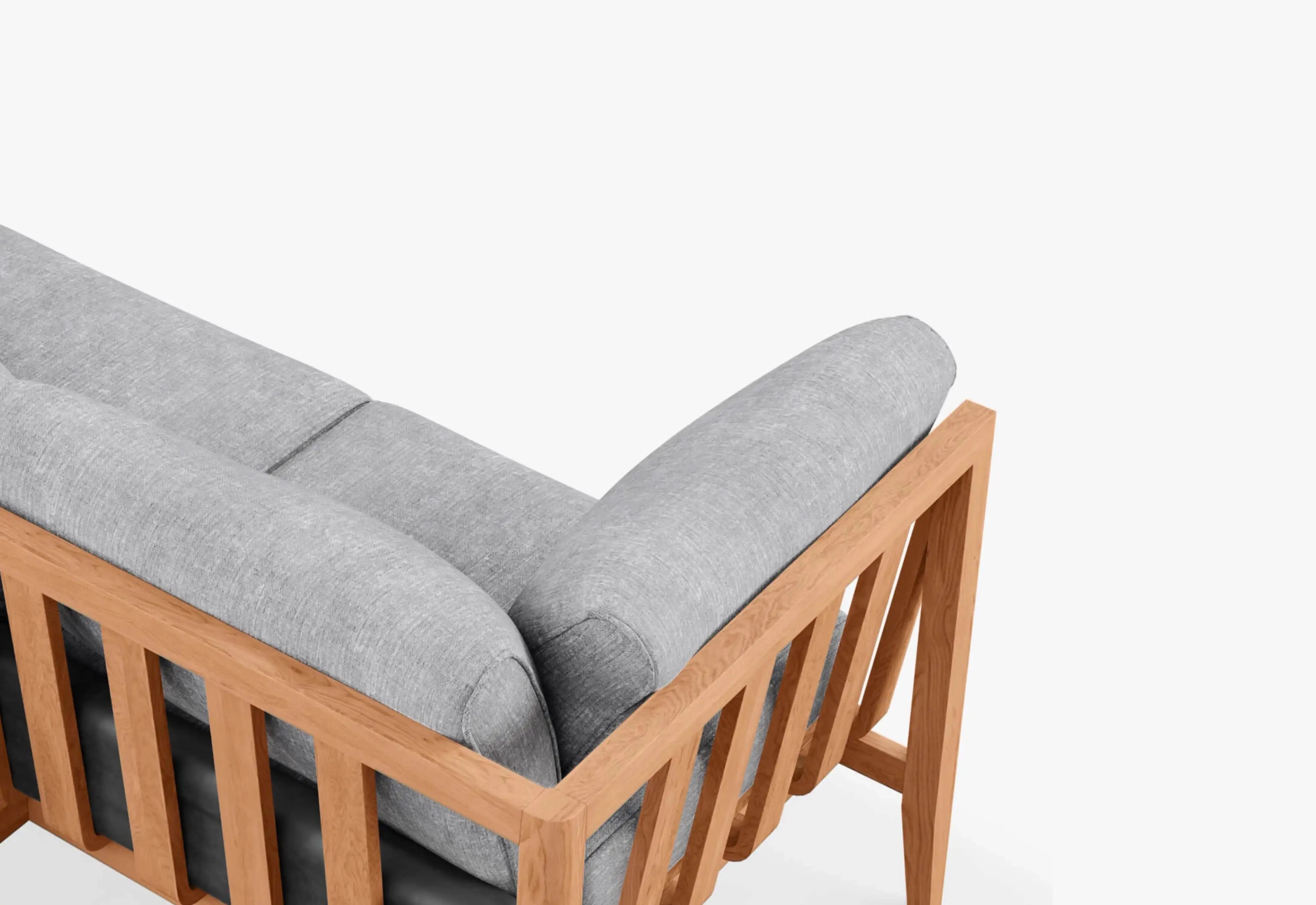
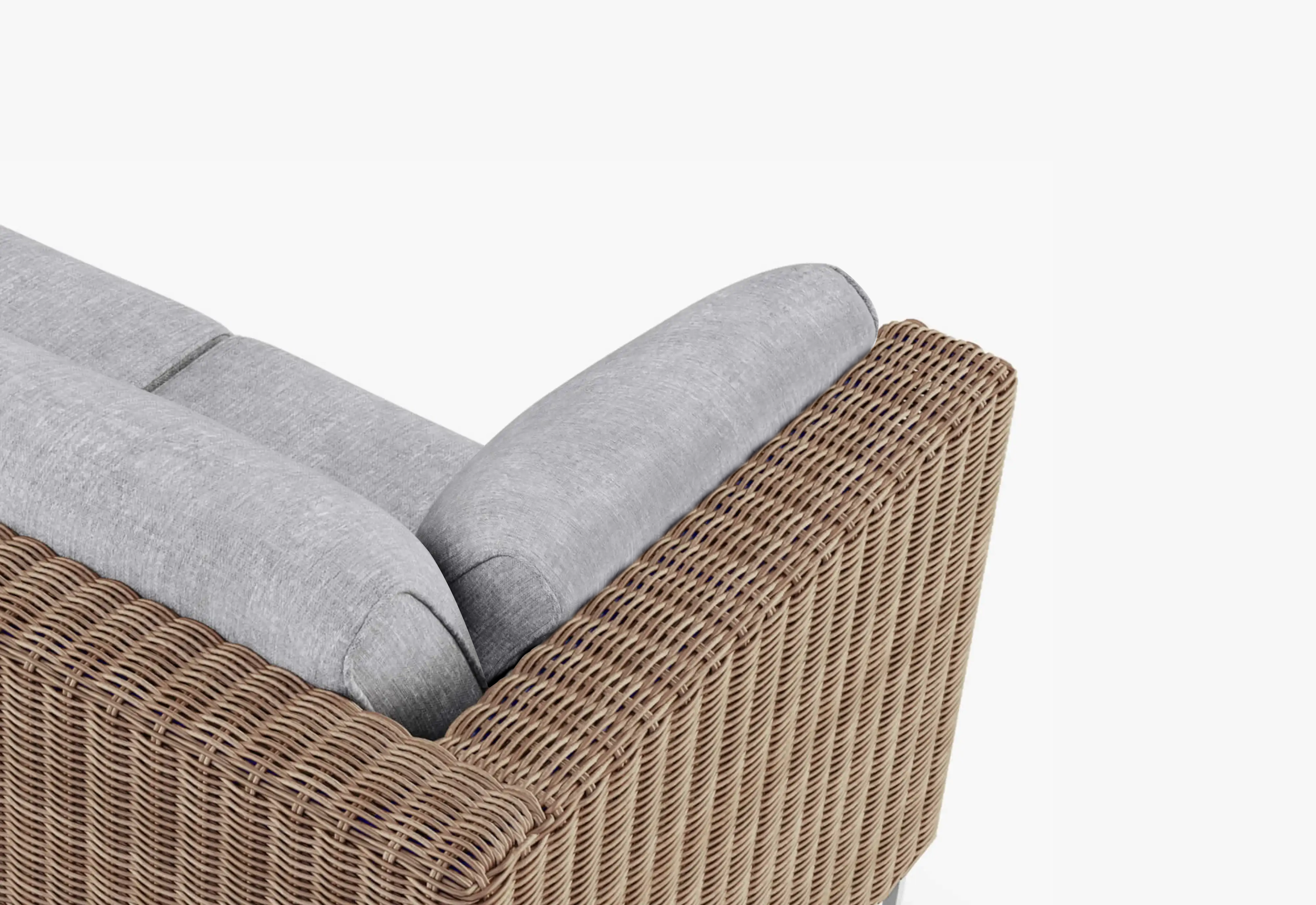
Modular arrangements within collections like the Teak Outdoor Sofa and Wicker Outdoor Sofa allow zones to subtly adapt while preserving structure.
Material Choice Supports Seasonal Continuity
Materials influence whether a seating zone feels welcoming as conditions shift.
Surfaces that retain extreme heat or cold shorten conversations. Performance materials that remain comfortable to the touch help zones stay usable longer.
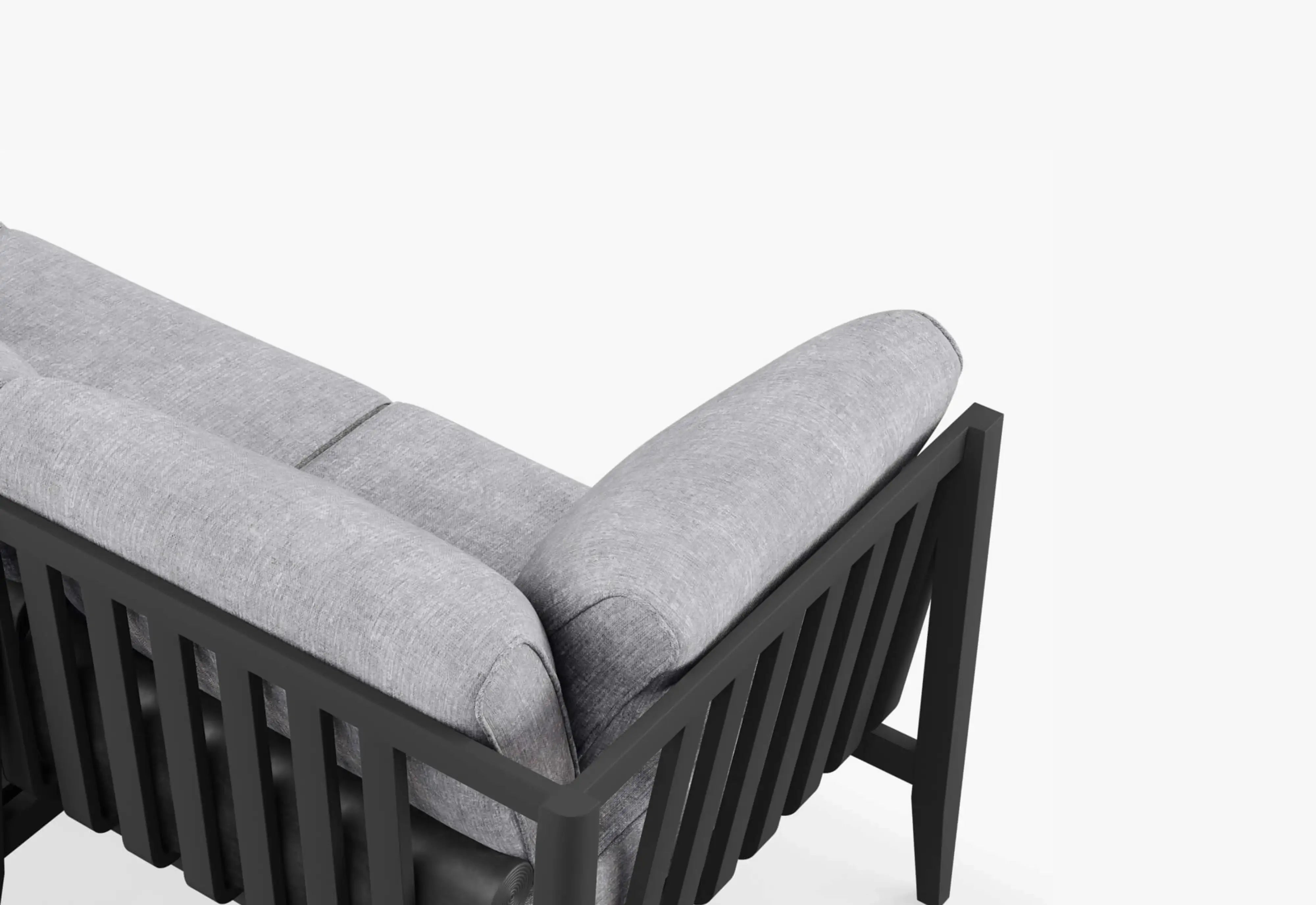
Textile systems like OuterWeave® support breathability and durability, while cushioning systems such as OuterCloud® maintain comfort through temperature swings.
Distance and Density Change With the Season
In cooler weather, people naturally sit closer together. In warmer months, spacing becomes more important.
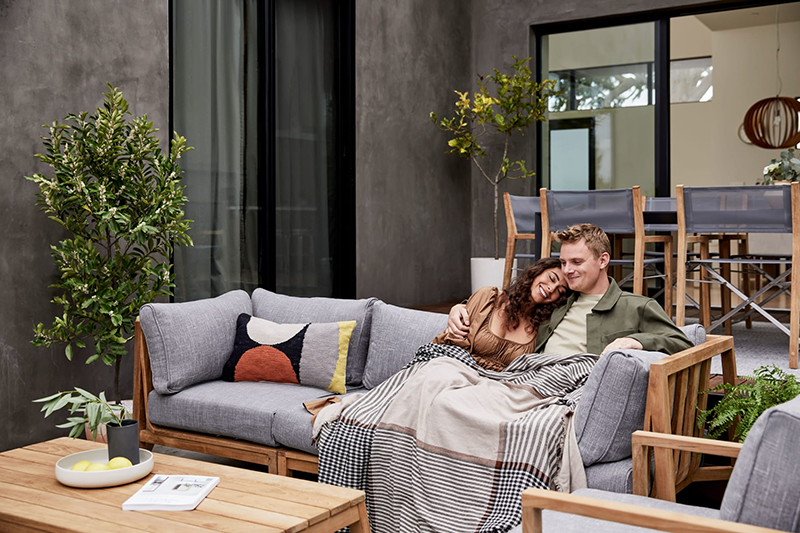
Conversation zones engineered for every season account for this by allowing slight expansion or contraction. Movable seating, flexible spacing, and open circulation paths let groups adjust without breaking conversational flow.
When distance feels natural, voices stay relaxed and conversations last longer.
Anchors That Extend Use Into the Evening
As temperatures drop, conversation zones need anchors—features that encourage people to stay.
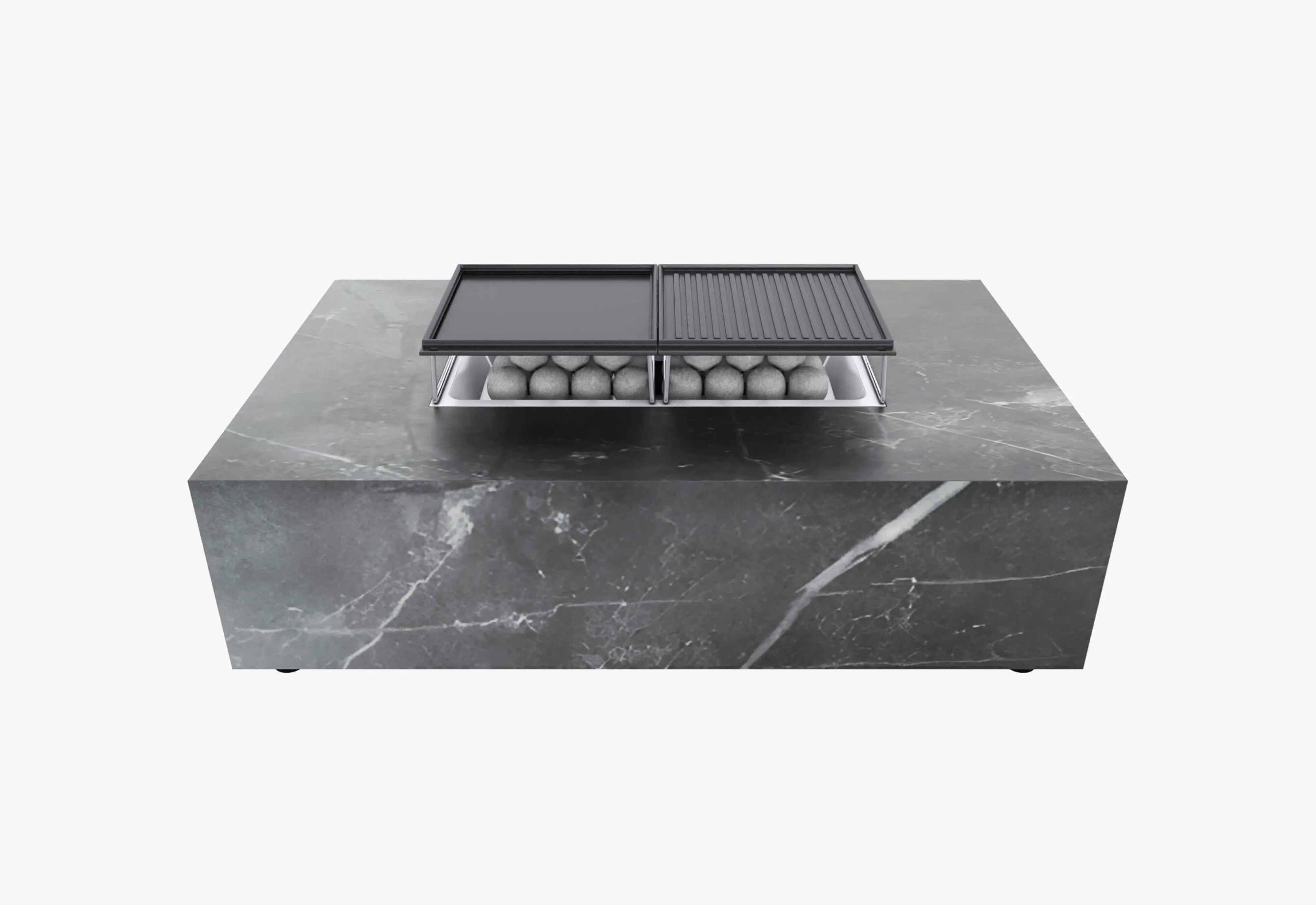
Fire elements provide both warmth and focus, naturally drawing people closer together. Seating arranged near features from the Fire Pits collection often becomes the most-used zone as seasons transition.
These anchors allow conversation to continue comfortably into cooler hours.
Protection Without Isolation
Seasonal protection should support conversation, not isolate it.
Low-profile barriers, thoughtful placement near architectural elements, and partial coverage help reduce wind and moisture without closing off zones. Sightlines remain open, allowing social energy to flow between areas.
The goal is to soften environmental impact while preserving connection.
Preserving Zones Between Seasons
Conversation zones don’t reset themselves. How seating is protected between uses directly affects how inviting it feels next time.
Integrated protection like OuterShell® helps keep cushions dry and ready, while breathable solutions from the Covers collection prevent moisture buildup during off-season periods.
Prepared zones are used more often—and with less hesitation.
Why Engineered Zones Stay in Use
The difference between a seasonal patio and a year-round one isn’t effort—it’s design.
Engineered conversation zones anticipate change. They allow people to shift, settle, and stay without consciously managing the environment.
When zones adapt quietly to weather, light, and temperature, conversation remains the constant.
Conversation That Survives the Seasons
A patio built for conversation shouldn’t have an expiration date.
When seating zones are engineered for every season, they remain part of daily life—not just ideal conditions. Guests linger. Gatherings extend. The patio stays alive.
That’s the mark of thoughtful outdoor design: spaces that support conversation through every change the year brings.