

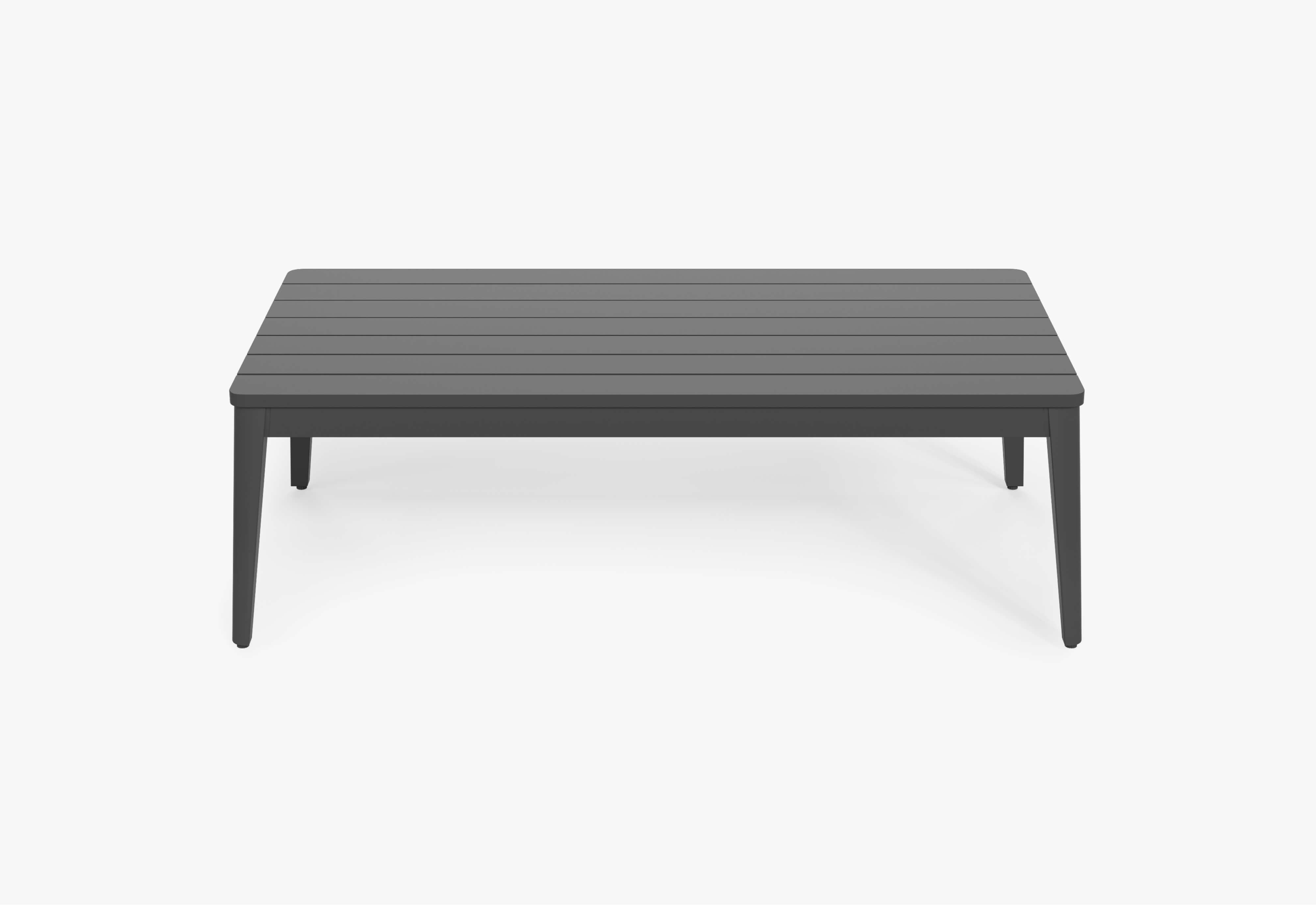
Comfort That Outlasts the Elements: Patio Dining Extension Hardware for the Modern Patio

Comfort in outdoor dining doesn’t begin when everyone sits down—it starts the moment the table is adjusted. When extension hardware works smoothly, the transition from everyday meals to larger gatherings feels natural and unhurried. When it doesn’t, friction enters the experience long before food is served.
Patio dining extension hardware plays a quiet but decisive role in long-term comfort. It shapes how easily a table adapts, how stable it feels once expanded, and how relaxed people remain throughout the meal. Comfort that outlasts the elements depends on mechanisms that stay predictable, calm, and unobtrusive—no matter the season.
Why Hardware Affects Comfort More Than You Expect
Most people associate comfort with seating and cushions. But in extendable dining tables, comfort is also procedural.
- Resistance or sticking during extension creates tension.
- Noise or vibration interrupts the flow of preparation.
- Instability after extension keeps diners subtly alert.
These moments register subconsciously. When the table extends effortlessly and locks securely, comfort begins before the first chair is pulled out.
Smooth Extension Preserves the Rhythm of Gathering
Outdoor meals often expand organically—one extra guest, then another. Hardware that allows the table to extend smoothly supports this rhythm.
When extension requires force, careful alignment, or multiple attempts, the process becomes a disruption. Guests wait. Hosts hesitate. The moment loses ease.
Comfort-focused hardware enables quiet transitions. The table grows as needed, without ceremony, allowing attention to stay on people rather than mechanics.
Stability Is Physical Comfort
Once extended, the table must feel settled. Even minimal movement—barely perceptible shifts or vibration—can undermine comfort.
Stable extension hardware distributes weight evenly and locks the table into a unified surface. Plates don’t rattle. Glasses stay still. Diners rest their arms without hesitation.
This physical stability allows bodies to relax. When the table feels secure, people lean in, linger longer, and remain comfortable through extended meals.
Predictable Motion Reduces Mental Load
Comfort isn’t only physical—it’s cognitive. Hardware that behaves inconsistently creates low-level stress.
Comfort-forward systems move the same way every time. The resistance feels familiar. The stopping points are clear. There’s no guessing whether the table is fully extended or properly aligned.
This predictability removes decision-making from the experience. Users don’t think about the hardware—they trust it.
Quiet Operation Supports Calm Atmosphere
Sound plays an underestimated role in comfort. Grinding, scraping, or snapping noises during extension disrupt the atmosphere before guests even sit down.
Well-engineered hardware minimizes noise through controlled tolerances and guided motion. Extension feels composed, not mechanical.
That quiet operation sets the tone for the meal—unrushed, relaxed, and comfortable.
Comfort During Long Meals Depends on Hardware Integrity
As meals stretch into hours, hardware performance continues to matter. Temperature changes, shifting weight, and repeated movement all test extension systems.
Comfort-oriented hardware maintains:
- Consistent alignment as conditions change.
- Secure locking without loosening.
- Level surfaces that don’t drift over time.
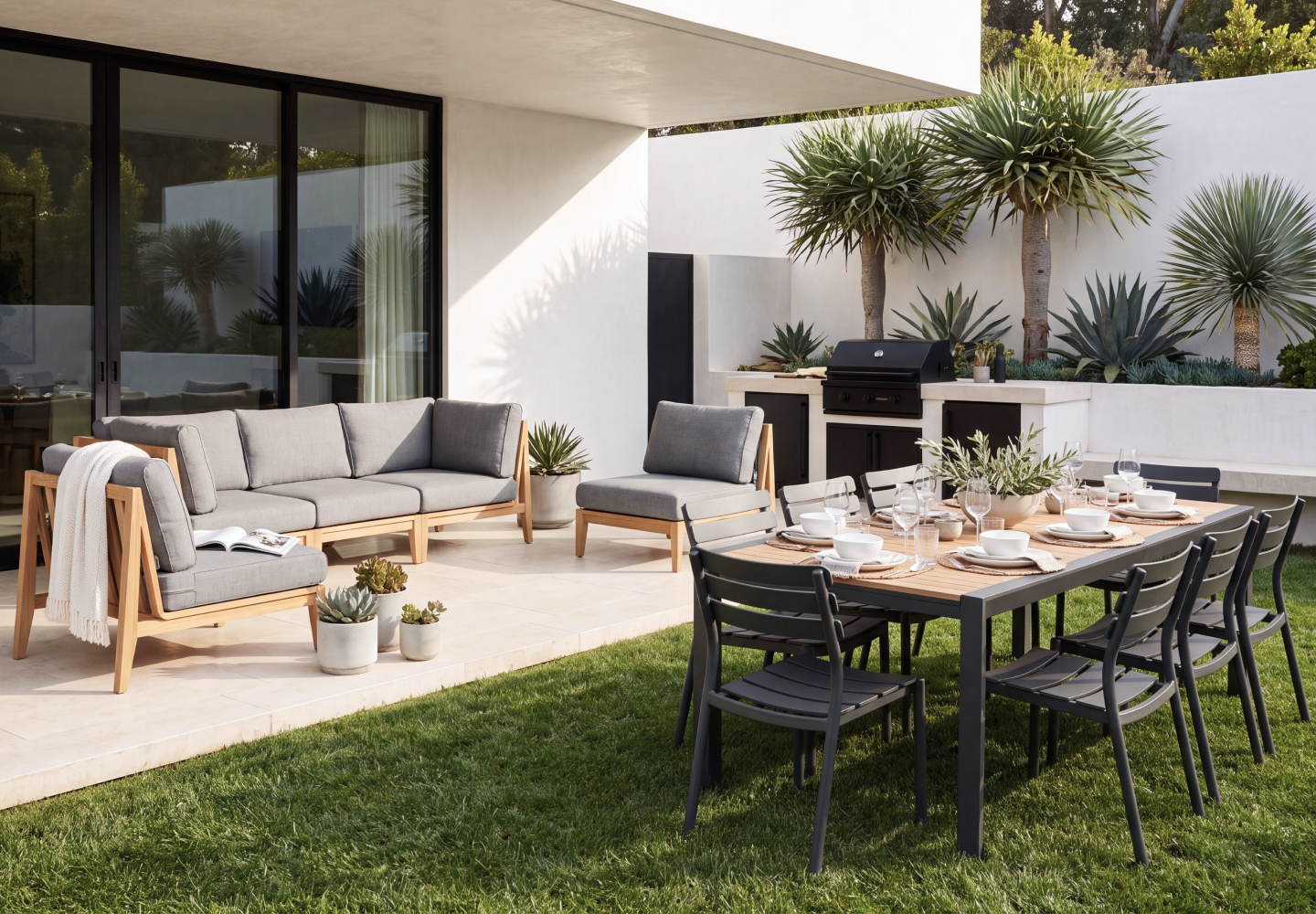
Tables supported by thoughtful designs within the Dining Tables & Sets collection are built to preserve this comfort across extended use.
Environmental Comfort Is Hardware-Dependent
Outdoor conditions influence how hardware feels to operate. Cold can stiffen poorly designed mechanisms. Heat can increase friction. Moisture can introduce resistance.
Comfort that outlasts the elements requires extension hardware engineered to remain consistent despite these variables. When the mechanism behaves the same way in spring, summer, and fall, comfort becomes reliable rather than seasonal.
Protection Supports Comfort Between Uses
Comfort isn’t reset each time a table is extended—it’s preserved between gatherings.
Protective systems like OuterShell® help limit moisture exposure around moving components, maintaining smooth operation. During longer downtime, breathable protection from the Covers collection reduces debris buildup that can affect how hardware feels later.
These steps ensure that comfort is ready when the table is next needed.
When Comfort Is Engineered, It Disappears
The highest form of comfort is invisibility. When extension hardware works exactly as expected, it fades from awareness.
No one comments on how the table opens. No one hesitates to lean or rest their hands. The focus remains on conversation, food, and connection.
This is comfort that outlasts the elements—not because conditions are controlled, but because the hardware adapts quietly to them.
Comfort That Returns, Season After Season
A comfortable dining experience shouldn’t depend on perfect weather or careful handling. It should feel consistent, familiar, and dependable.
Patio dining extension hardware designed with comfort in mind supports this continuity. The table extends smoothly. It settles securely. It stays that way.
When comfort is built into the mechanism itself, outdoor dining remains welcoming—gathering after gathering, season after season.