

Cushion Care Guide
Keeping Outdoor Cushions Dry and Clean Is Easier Than Ever
A built-in cover pulls out in 15 seconds, protecting cushions during the long, unattended hours between uses.

The quick answer
How to Keep Outdoor Cushions Clean and Dry

OuterShell® pulls out in 15 seconds. Pull the handle forward from behind the backrest. Seat the aluminum rod into the front groove. The cover blocks UV, dust, pollen, and dew.
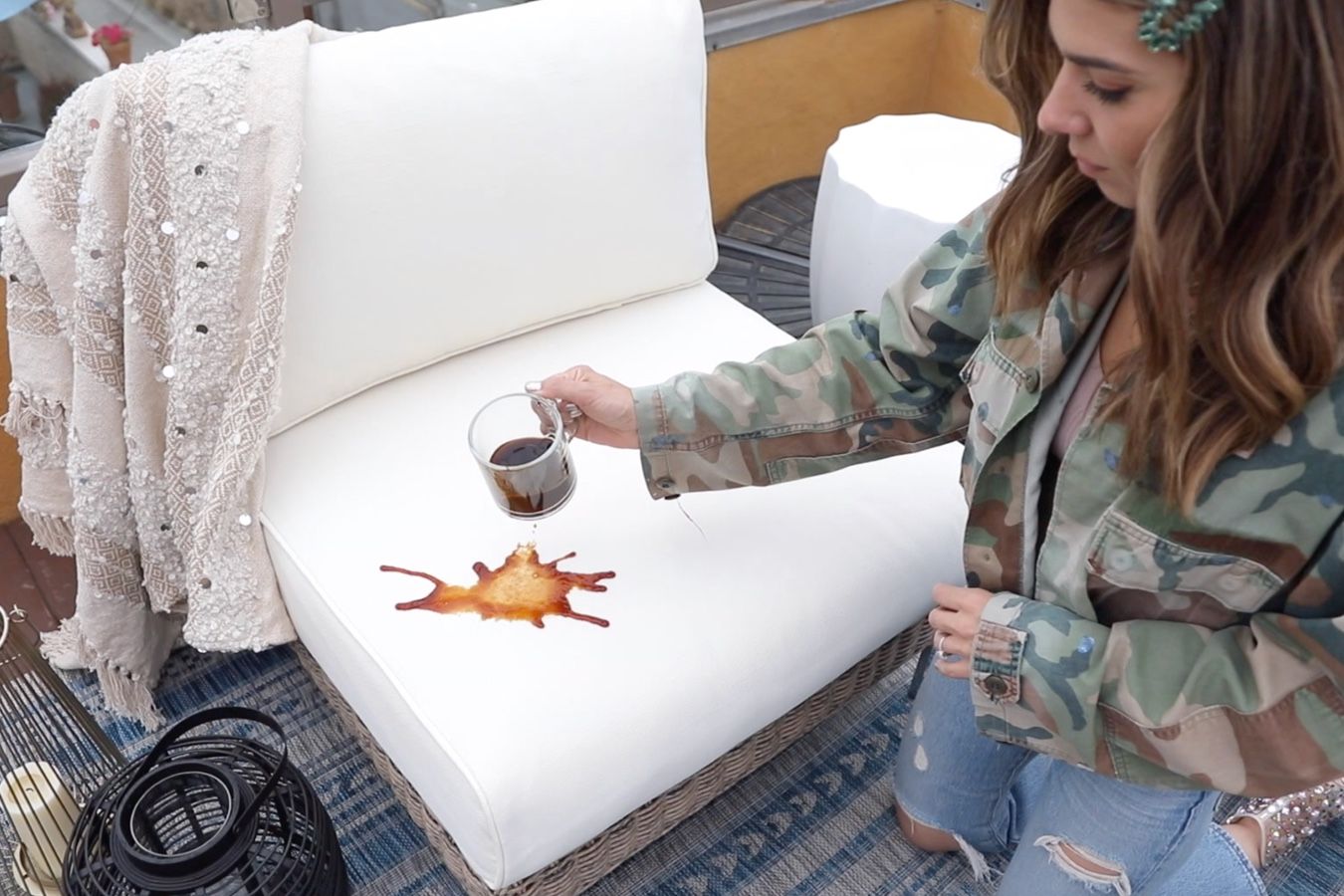
Machine-wash the covers twice a season. Outer cushion covers are removable and washable on cold/gentle. Air-dry only — dryer heat destroys the waterproof nano-coating. Spot-clean spills immediately with a 1:3 detergent-to-water mix.
Add an All-Weather Cover for storms and winter. OuterShell® protects cushions daily. An All-Weather Cover protects the entire piece — frame included — during heavy weather, salt spray, or extended absence.
What Damages Outdoor Cushions When Nobody Is Sitting There
The real deterioration happens between uses. An empty patio under midday sun is where cushions degrade fastest. Four forces work together, and each one accelerates the others.
UV radiation breaks the chemical bonds in polyester and acrylic fibers. Thread becomes brittle. Colors bleach. The foam core inside the cushion heats up and off-gasses, losing resilience season by season. A cushion left uncovered for a single summer in Arizona or Texas ages three years in three months.
Rain and standing moisture wick through seams into the foam. Within 48 hours, the dark, warm, anaerobic environment inside a wet cushion produces mildew. The damage stays invisible until the smell gives it away. By then, the foam needs replacing.
Ambient humidity above 60% RH activates dormant mold spores. Morning dew condenses on fabric surfaces even without rain. Storing cushions flat or stacked in a closed deck box makes it worse — zero airflow, maximum moisture retention.
Salt spray and coastal air deposit abrasive crystals on fabric fibers. Salt grinds into the weave with every breeze and every time someone sits down. It also accelerates corrosion on zippers, springs, and metal hardware.
None of these forces take a day off.UV continues through overcast skies. Dew forms every morning. Salt accumulates between visits. Protection has to be fast enough to become automatic — or it will be skipped.
OuterShell® Changes the Math
A traditional cushion cover is a chore. Pull it from storage. Unfold it. Fit it over the seat. Tighten straps. Reverse the whole process before guests arrive. Most people stop using them by the second season.
OuterShell® is a patented cover built directly into the cushion. It lives inside a hidden compartment behind the backrest. Deploy it by pulling the integrated handle forward and seating the aluminum rod into the front groove. Fifteen seconds per seat. When guests arrive, reverse the motion and the cover disappears behind the backrest. There is no storage bag, no strap system, and no excuse to skip it.
The fabric — OuterWeave® — is a solution-dyed acrylic engineered to resist UV degradation, repel water, and maintain color fastness for years without aftermarket chemical sprays. It breathes, so trapped moisture escapes while the cover is closed. It is PFAS-free. It does not delaminate.
OuterShell® protects the seating surface. It reduces routine cushion care dramatically. For the wicker or teak or aluminum frame underneath, cleaning is separate — and our patio furniture cleaning guide covers each material in detail. For the frame, add an All-Weather Cover. For the cushion, close OuterShell®.
The 30-Second After-Use Routine
Every time you leave the patio — for an hour or a week — do these four things.
- Brush off crumbs and debris. A dry microfiber cloth or soft brush. Ten seconds per cushion. Food residue and pollen attract moisture and insects. Even a quick sweep makes a measurable difference in how often the covers need machine washing.
- Deploy OuterShell®. Pull the handle. Seat the rod. Fifteen seconds. If your furniture lacks built-in protection, use a breathable All-Weather Cover instead.
- Stand wet cushions on edge. If a cushion is already damp from rain or a spilled drink, tip it vertically against the backrest. Both sides need airflow. Stacking wet cushions face-to-face traps moisture and guarantees mildew.
- Check the forecast. Storms predicted? Deploy the full All-Weather Cover over the entire piece. Light dew or scattered clouds? OuterShell® alone is enough. The two work as a layered system — everyday cover for cushions, full cover for weather events.
Routine established. Now adjust it for your climate.
Adjust the Routine for Your Weather
| Climate | Main threat | Between-use action | Extra step |
|---|---|---|---|
|
Dry heat / high UV AZ, NV, TX, inland CA |
Fabric fade, foam breakdown, baked-on pollen | Deploy OuterShell® every time — even for 30 minutes. UV damage is cumulative and invisible until the thread snaps. | Rotate cushions monthly. The seat nearest the afternoon sun ages fastest. |
|
Rain and humidity Southeast, Gulf Coast, PNW |
Mold, mildew, foam saturation | OuterShell® closed + All-Weather Cover during wet season. After heavy rain, open covers and let cushions air out for 4–6 hours. | Check the under-seat compartment for trapped moisture. Above 65% RH, run a dehumidifier in enclosed patios. |
|
Salt air and coastal wind FL coast, CA coast, Northeast shore |
Salt abrasion on fabric, metal corrosion | Rinse cushions with fresh water every 2–3 weeks. Deploy OuterShell® after each use — salt accumulates between visits. | Wipe zipper pulls and frame joints with a dry cloth monthly. Salt concentrates at connection points. |
|
Snow, ice, and freeze-thaw Midwest, Northeast, Mountain West |
Freeze-thaw damage to saturated foam | Clean and fully dry cushions before first frost. Deploy OuterShell®. Add All-Weather Cover. Remove snow after each storm. | Water expands 9% when it freezes inside foam. If a cushion felt damp before a freeze, bring it indoors for 48 hours. |
How to Clean Outdoor Cushions
A clean cushion lasts longer. Dirt particles grind against fibers like sandpaper. Bird droppings are acidic. Sunscreen leaves an oil residue that traps UV and accelerates fading. Clean every 4–6 weeks during active use. More often under trees or near salt water.
OuterShell® Cover Cleaning
The built-in cover is removable. Unzip it from the cushion body. Hand-wash with mild soap and cold water. Rinse thoroughly. Air-dry only. Remove the aluminum rod before washing — slide it back in after the fabric is dry.
Cushion Fabric Cleaning
- Brush off loose dirt. Dry brush or vacuum with a soft brush attachment.
- Spot-clean stains. Mild dish soap + cold water + a soft sponge. Blot outward from the center. Scrubbing pushes the stain deeper into the weave.
- Machine-wash covers. Outer cushion covers are removable and washable on cold/gentle. Air-dry only. The foam insert stays out of the machine — lay it flat to dry if soaked.
- Rinse with a hose on low pressure. Never pressure-wash. It forces water past seams into the foam core.
- Stand on edge to dry. Vertical position, both sides exposed. One hour of direct sun helps; an entire afternoon of it bakes the fabric.
For stains or deeper cleaning specifics, read the full cushion cleaning guide.
What Cushion Protection Costs Over Time
A replacement set of premium outdoor cushions runs $400 to $1,200 per seating piece. A full sectional adds up to $2,500 to $6,000 in cushions alone. The economics are straightforward: built-in protection pays for itself the first time you skip a cushion replacement.
The single most expensive decision in outdoor furniture is buying cushions without built-in weather protection. The second is owning the protection but leaving it undeployed. Browse our sofa and sectional collection — every seating piece includes OuterShell®.
Build Your Protection Setup
Seating with protection built in. Added on.

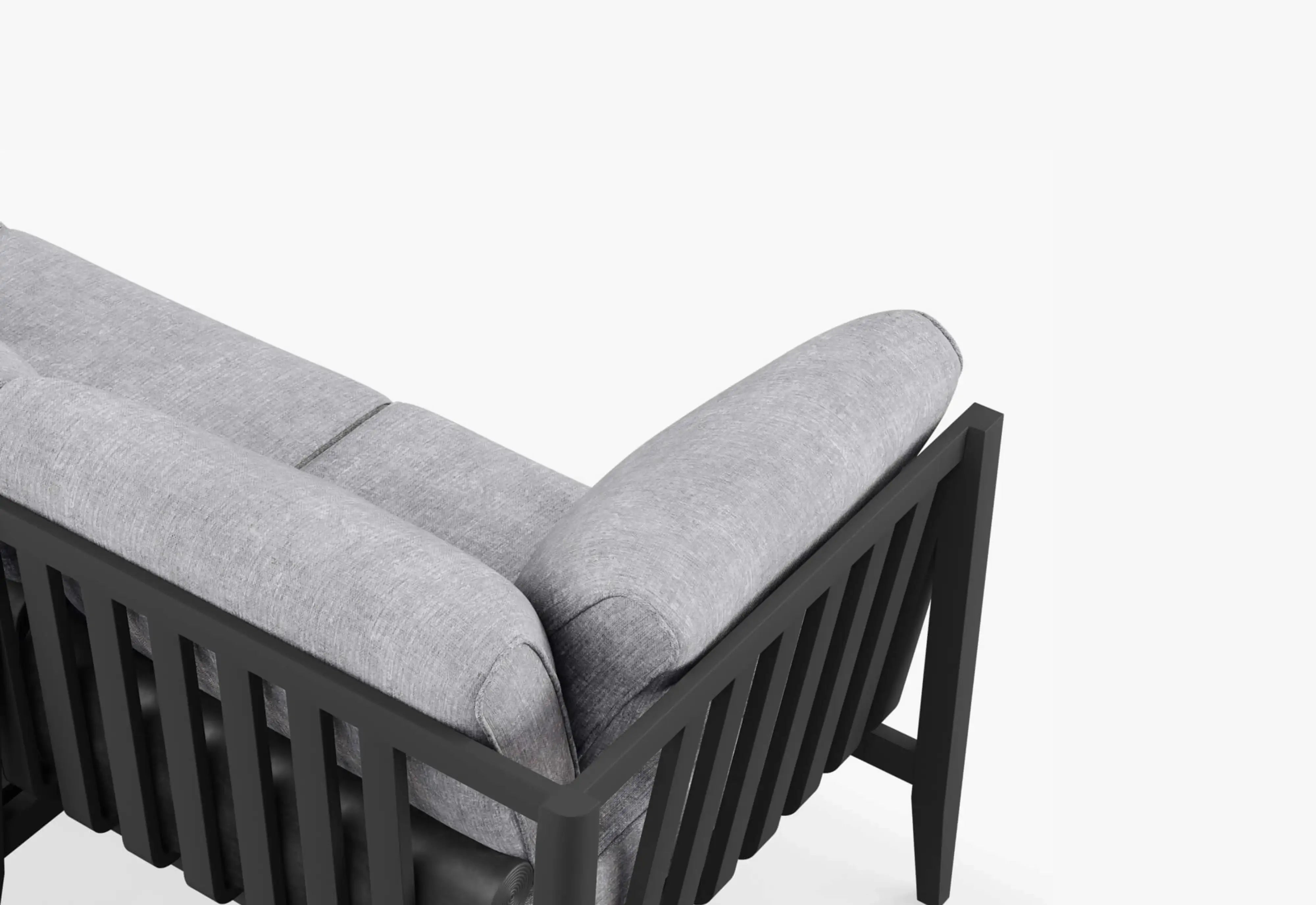
Aluminum Sofa — 3 Seat
Powder-coated aluminum frame. OuterShell® pulls closed in seconds. OuterWeave® fabric resists UV, rain, and salt air without aftermarket sprays.
OuterShell® built-in
Sandstone Gray

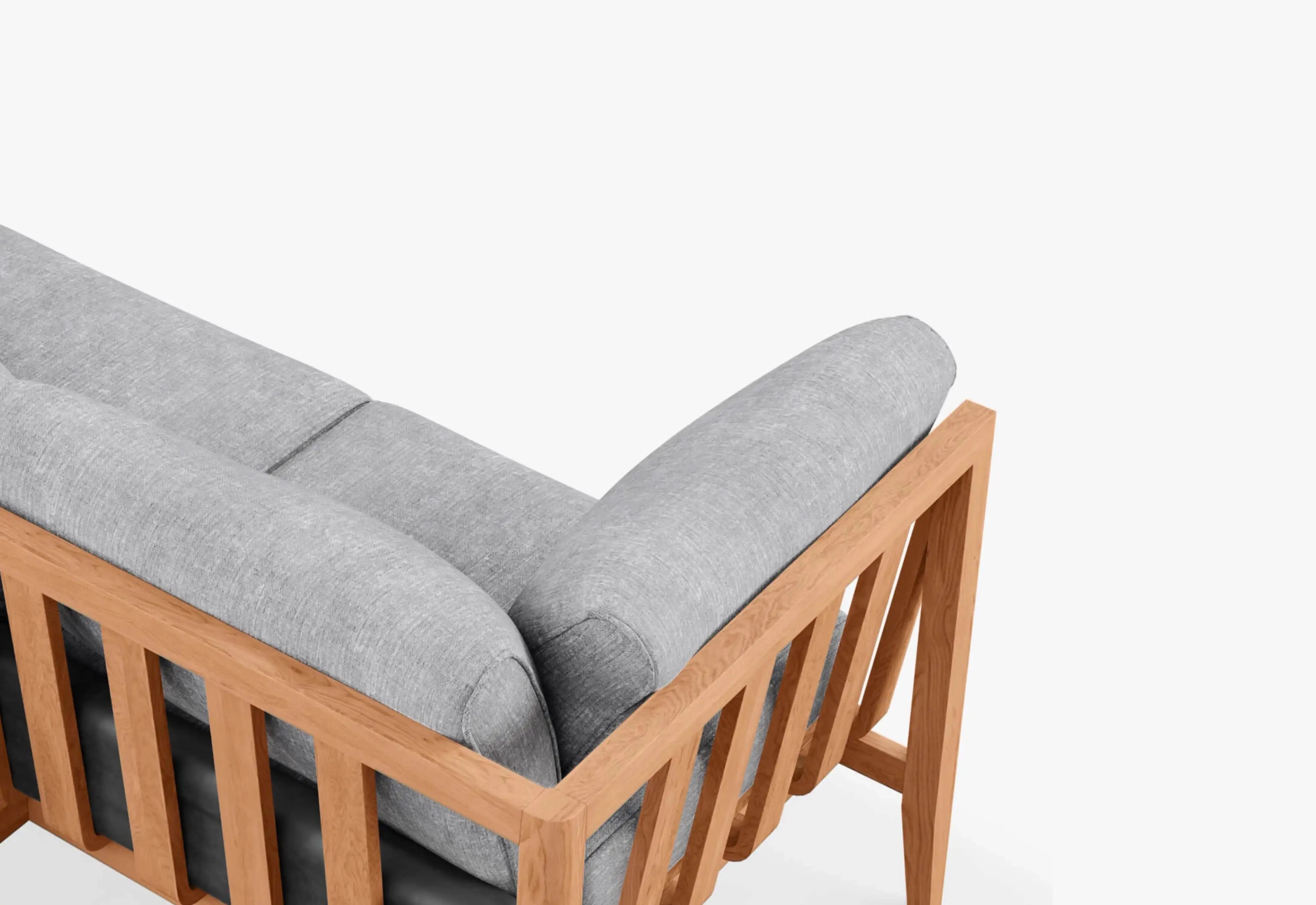
Teak Sofa — 3 Seat
Solid Grade A teak that weathers to silver-gray. OuterShell® protects the cushion while the wood protects itself.
OuterShell® built-in
Natural teak / Pacific Fog Gray

All-Weather Cover
Layer 3 of the protection system. Deploy over OuterShell® during extended absence, storm season, or winter storage.
Secured straps
Vents at base

Shop All Sofas and Sectionals
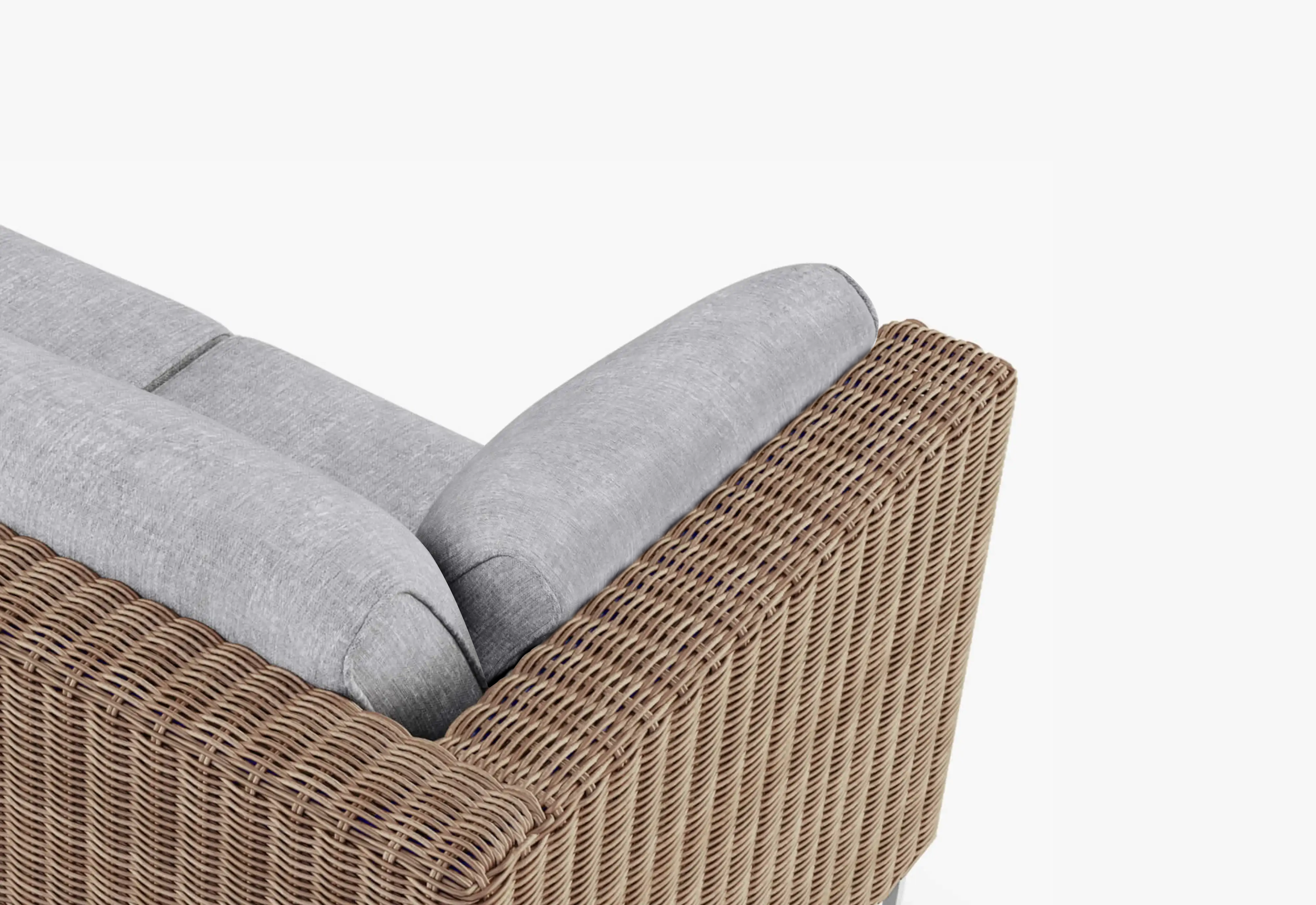
Every Outer seating piece ships with built-in OuterShell®. Aluminum, teak, and wicker. Modular configurations for any space.
3 frame materials
5 fabric colors
Common questions
Outdoor Cushion Protection FAQ
Can I leave cushions outside all year with OuterShell®?
Yes, in most climates. Deploy OuterShell® between uses and add an All-Weather Cover during winter or extended absence. In regions with sustained sub-freezing temperatures and heavy snow, store cushions indoors from December through February to prevent freeze-thaw damage to the foam.
How is OuterShell® different from a regular cushion cover?
Traditional covers are separate pieces you store, retrieve, fit, and remove. OuterShell® is sewn into the cushion. It deploys in 15 seconds and stows invisibly behind the backrest when open. There is no storage bag, no straps, and nothing that can be misplaced.
Do I need an All-Weather Cover with OuterShell®?
For daily use, OuterShell® alone handles UV, light to medium rain, dew, and debris. For heavy storms, winter storage, or when furniture sits unused for more than a week, add an All-Weather Cover over the entire piece. The two protect different things and work together.
How often should I clean outdoor cushions?
Machine-wash cushion covers twice per outdoor season. Spot-clean spills immediately. Brush off debris between uses. Cushions under trees or near salt water need cleaning twice as often — pollen and salt accelerate fabric wear.
Can I machine-wash the OuterShell® fabric?
No. Hand-wash only with mild soap and cold water. Remove the aluminum rod before washing. Air-dry. Machine washing can damage the integrated fastening system.
What makes Outer cushion fabric different?
OuterWeave® is a solution-dyed acrylic with a PFAS-free nano-coating — the same technology used in performance camping gear. It resists water, stains, bleach, and mold. The color is integrated into the fiber during manufacturing, so it does not fade or leach dye into water runoff. The fabric breathes, allowing trapped moisture to escape even while OuterShell® is closed.

Fifteen Seconds of Protection. Years of Use
Outer furniture is engineered so the most effective feature is the one you barely think about.